Spain – Catalonia – Manresa (En)
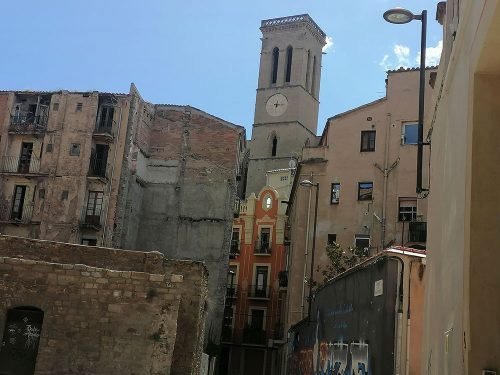
Manresa is a Spanish municipality, capital of the Bages region, in the province of Barcelona. It is a city with a rich medieval past and an excellent historical-artistic heritage. In 1522, Ignatius of Loyola, one of the most important and influential saints of Christianity, arrived. There is also a remarkable collection of modernism visible in countless buildings in this municipality.

Where to stay
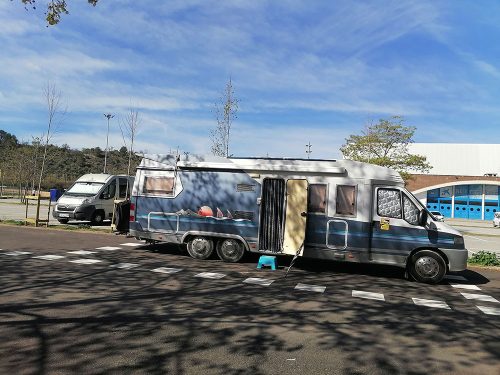
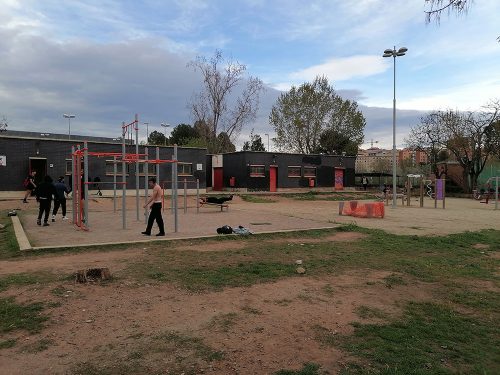
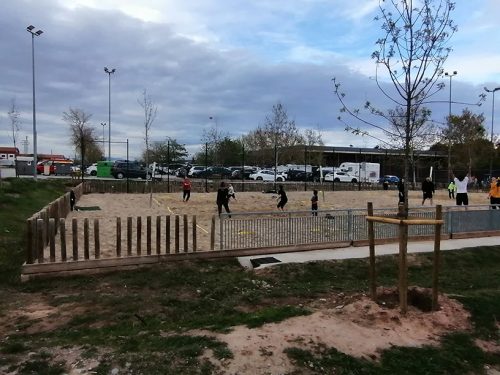
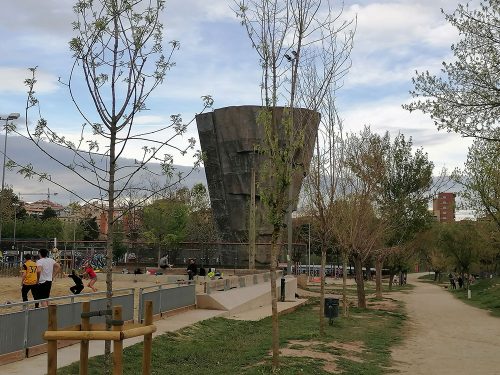
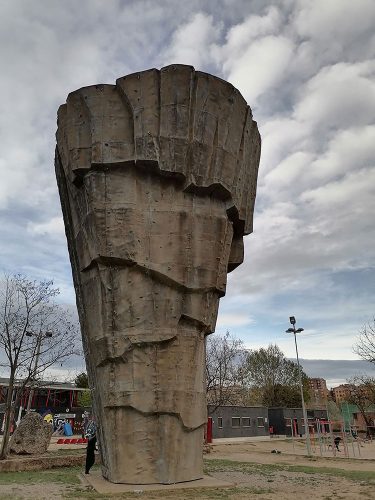
We stayed in the city’s free motorhome area (41.725089, 1.810497 lat, long), a parking lot with a grey and black water filling and emptying service. There are only 6 spaces for motorhomes in a huge parking lot that is empty, I don’t understand why they don’t put more spaces, since some motorhomes had to park in an open field behind the parking lot. The area is located in the city’s sports centre, with fields to play rugby, volleyball, climbing, etc., so there is a lot of atmosphere but at night it is quiet to sleep. It is a 20-minute walk from the city centre, but the walk is easy.


What to see
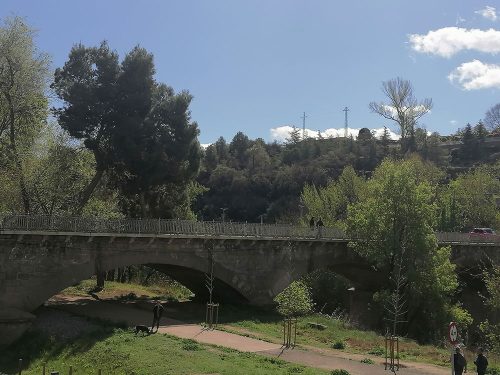
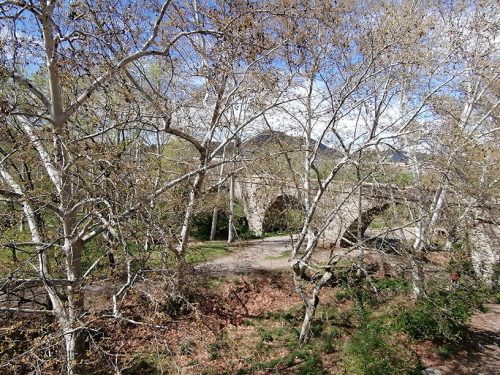
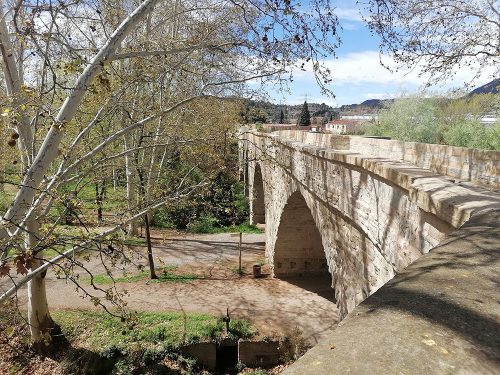
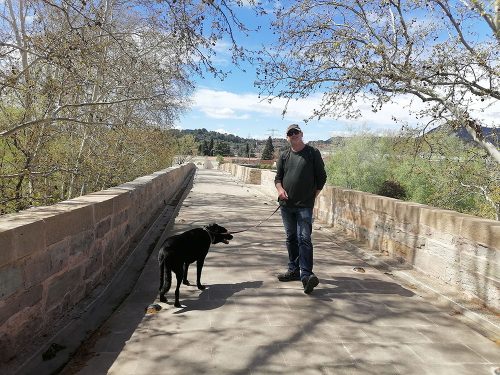
Cross the old bridge (or the new one) to reach the city, it has eight semicircular arches that decrease in size proportionally as they move away from the one in the centre. We crossed the bridge to get to the centre and enjoyed the views.

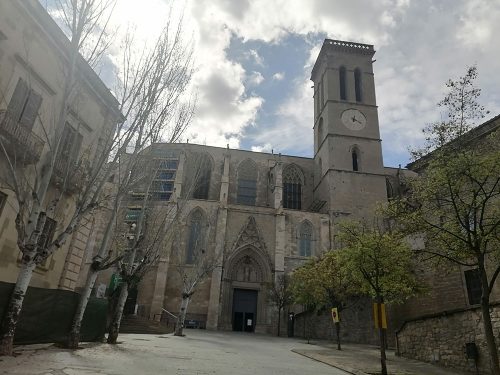
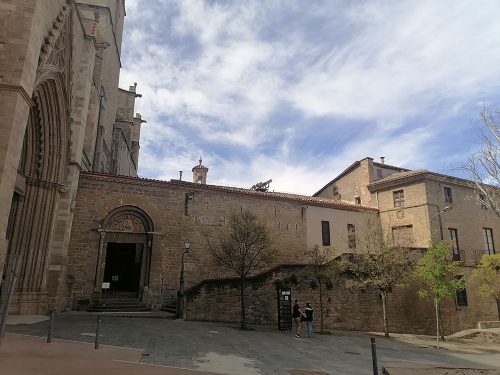
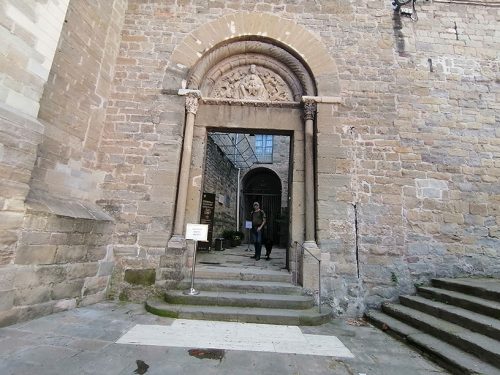
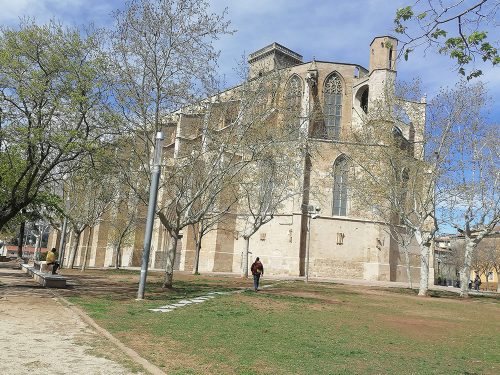
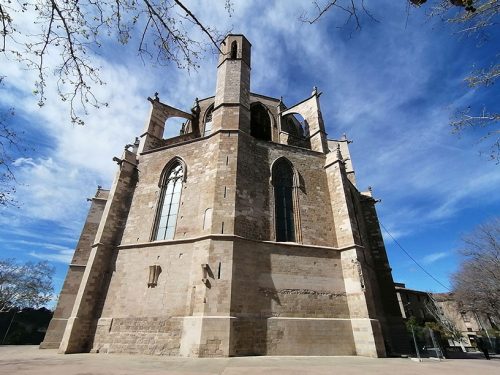
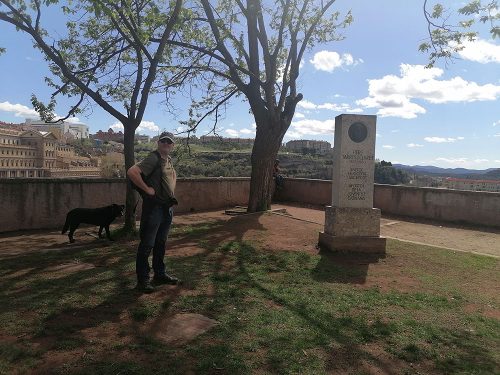
The first thing we saw was La Seu de Manresa, which is a Gothic-style collegiate church basilica. The Collegiate Basilica of Santa María de la Aurora stands on what had previously been a Romanesque church, of which some elements remain, such as the tympanum of one of the entrances or a small cloister inside. Inside, it is worth highlighting one of the most important Gothic pictorial works, such as the Altarpiece of the Holy Spirit. The entrance fee is 5 euros per person, but we didn’t go in because we had Asha. There is a park at the back of the basilica with magnificent city views.
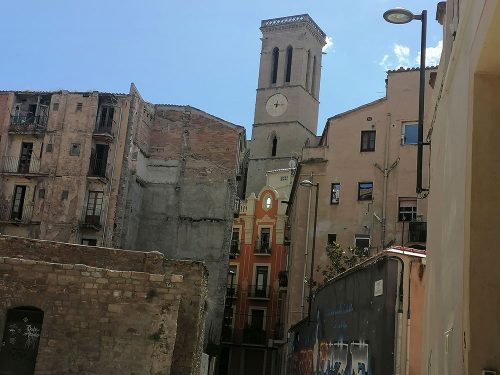
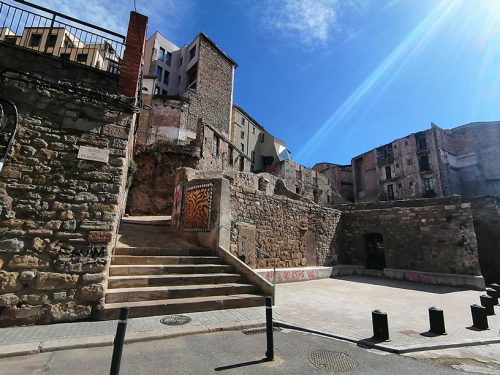
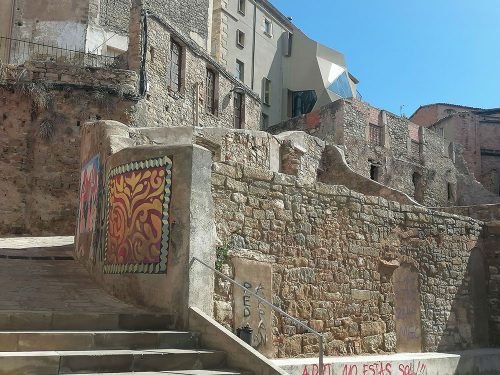
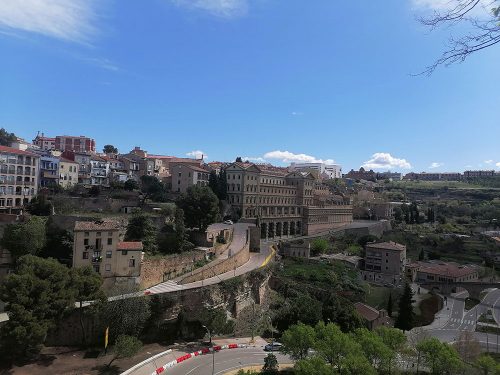
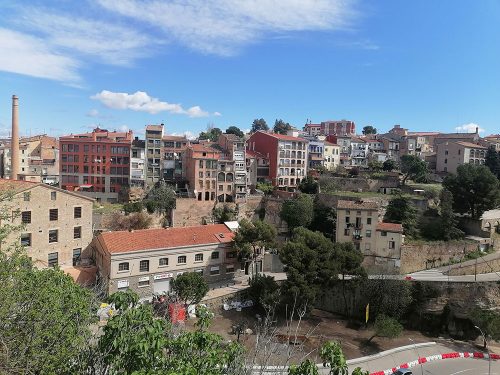
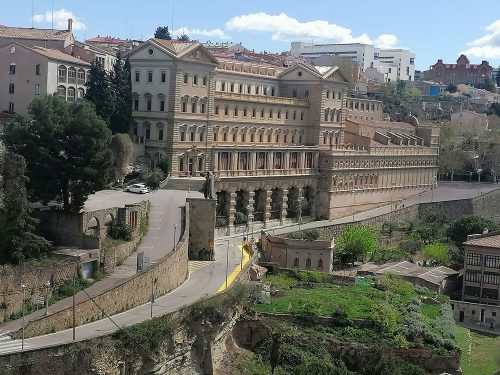
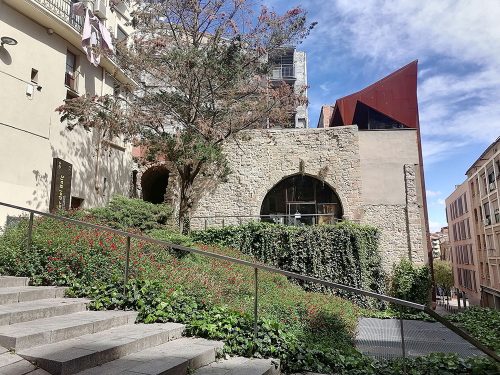
We then walked along Carrer del Balç, a medieval street that has not changed in centuries. In addition to Carrer del Balç, different sections of the 14th-century wall have survived.
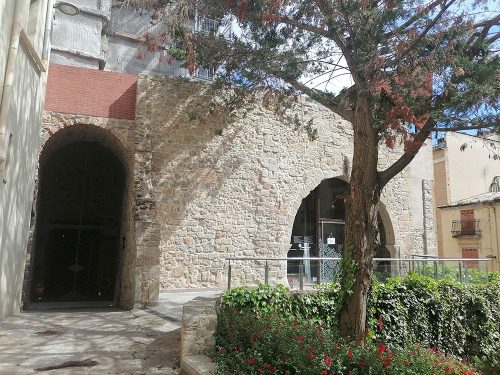
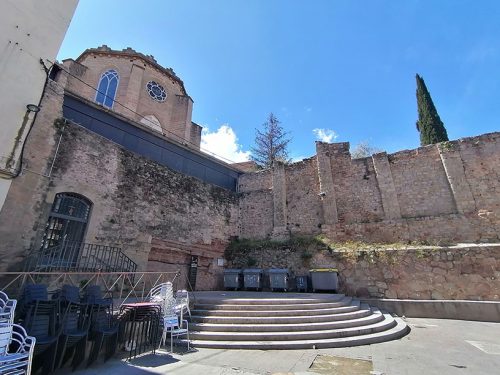
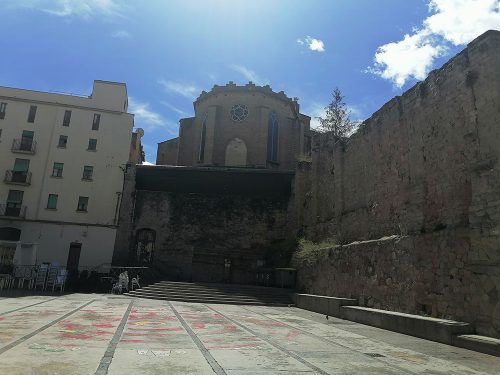
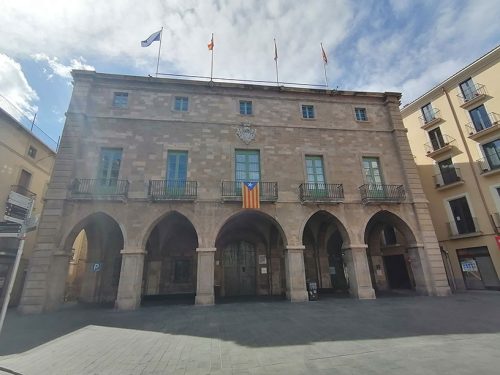
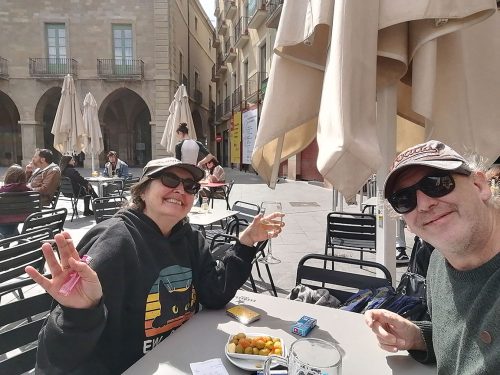
We arrived at the city’s central square where the Town Hall is located and decided to have a few drinks on one of the terraces in the square. I have to say that we saw how they served drinks to people and put olives for them, nothing for us, so I told the waitress to also put olives for us, and the surprise we had when they charged us 2.50 euros for the olives! I should have asked people if they had been charged, but in the end, I didn’t because the waiters weren’t very friendly and I was a little angry. I don’t recommend having anything in the city square, there are other less expensive places with friendlier people.
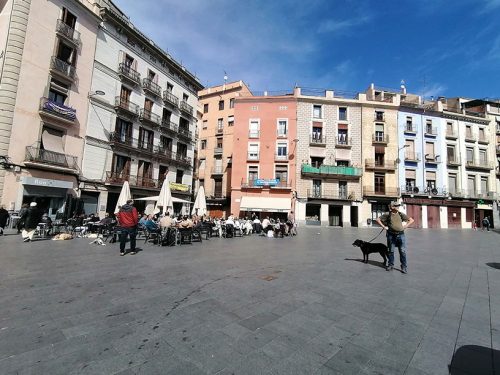
Then we walked through the streets and saw the Church of Carme, originally Gothic in construction, which was one of the great churches of medieval Manresa.

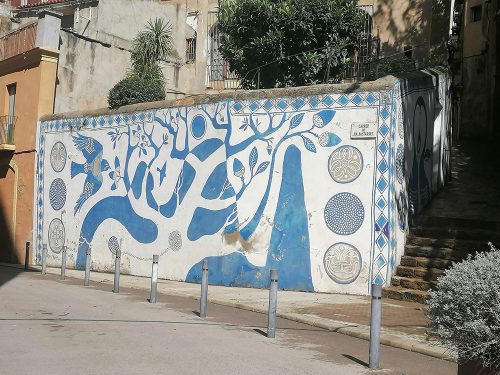
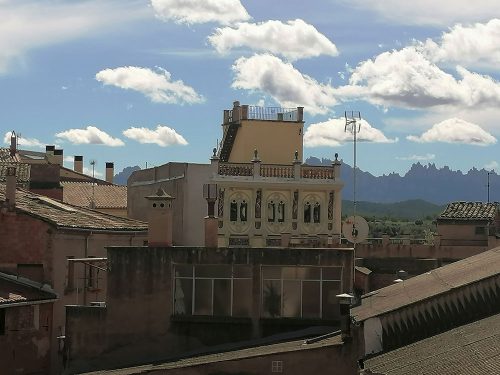
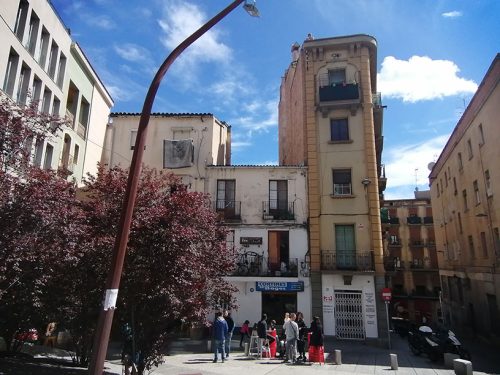
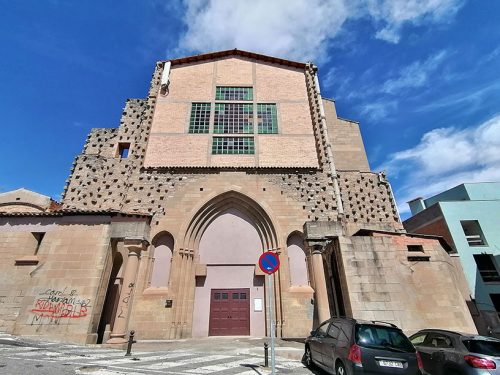
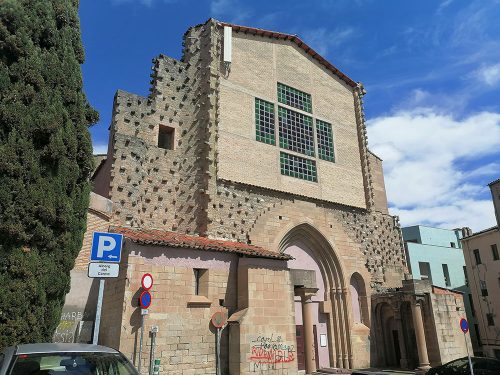
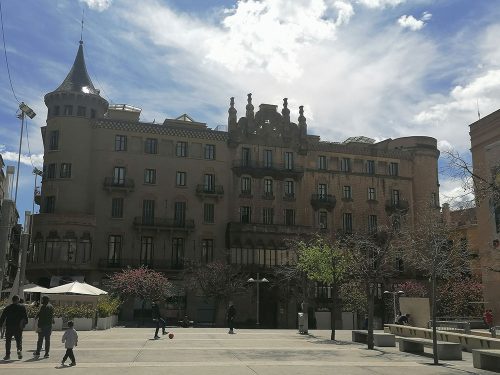
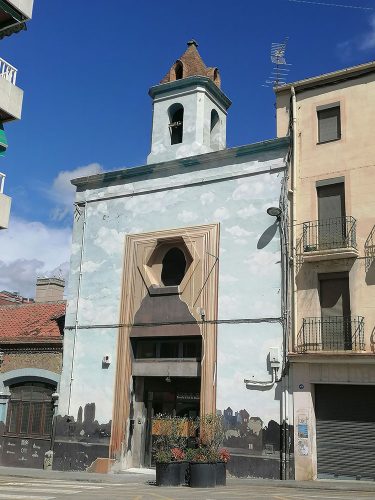
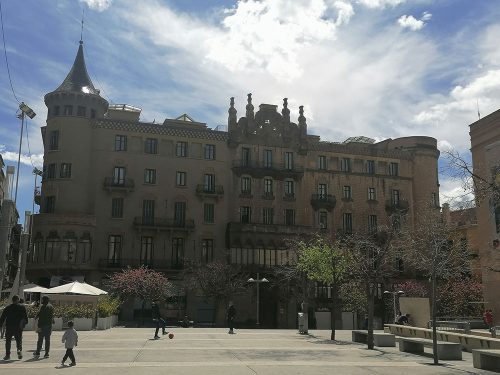
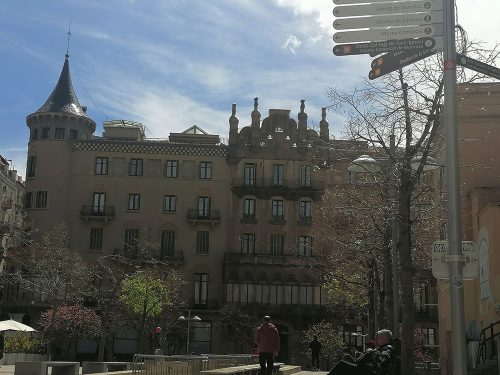
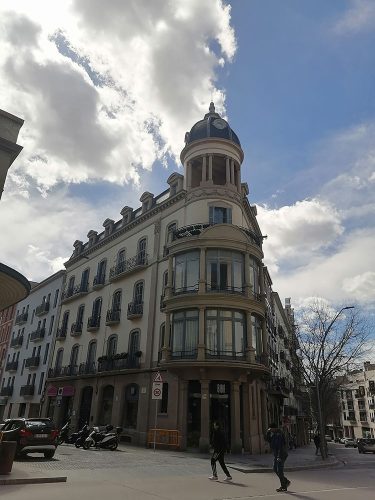
And we moved on to modernist Manresa, which we liked much more. Between Plaza Sant Domènec and Carretera de Vic, numerous modernist buildings emerge on either side. The square dedicated to Santo Domingo serves as a transit between two worlds, the historic Manresa and the growth of the 19th and 20th centuries. Good examples of the new style are visible in the Casa Torrents (better known as the Buresa), or in Cal Jorba, one of the few (and best) existing examples of Art Deco in Catalonia.



And we decided to go the next day to France, where we ended up in a beautiful town called Maureillas-las-Illas located in the Pyrenees-Orientales and the Occitania region, which you can see in the next blog!

