Germany – Andernach (En)
Due to its more than 2,000 years of history, Andernach has much to tell, including impressive places such as the 56-meter-high round tower, Mary’s Cathedral, and the well-preserved city wall.
Where to stay
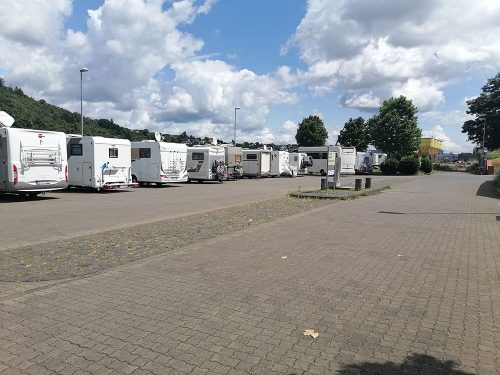
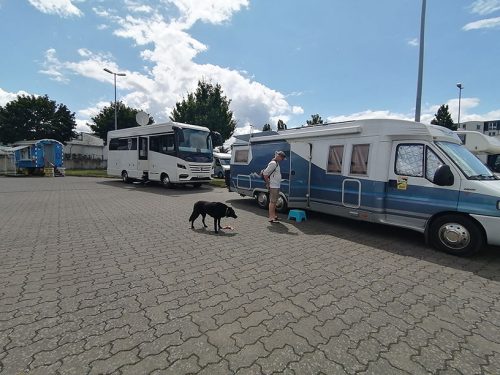
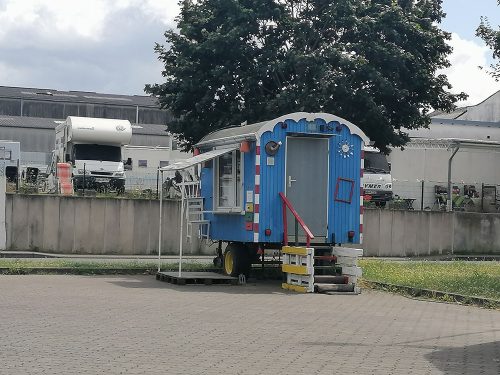
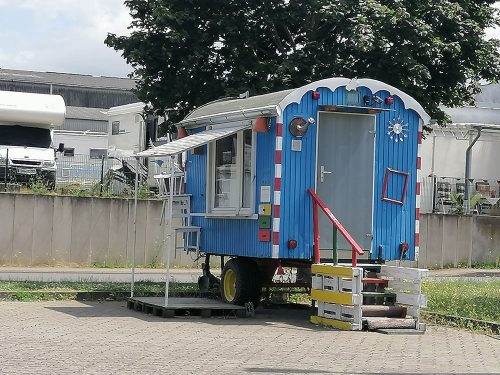
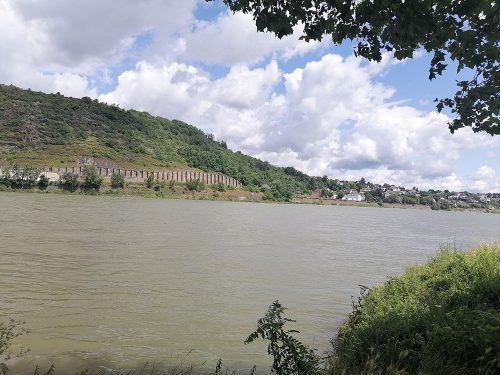
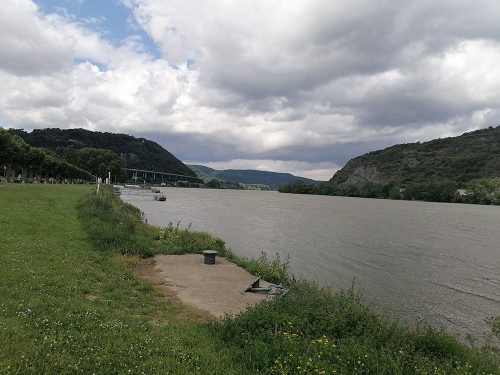
We stayed in the motorhome area of the town (50.4417,7.40878 lat, long), which is in front of the Rhine River and a 5-minute walk from the old town and the museum to see the Geyser. The site is huge with 80 spaces for motorhomes, 9 euros per day, electricity 1 euro 1.2 Kwh and water 1 euro per 80 litres. Free emptying of grey and black water. You pay in a cute gypsy caravan and the managers are very nice. I recommend it if you come to see this town, it is worth it.
What to see
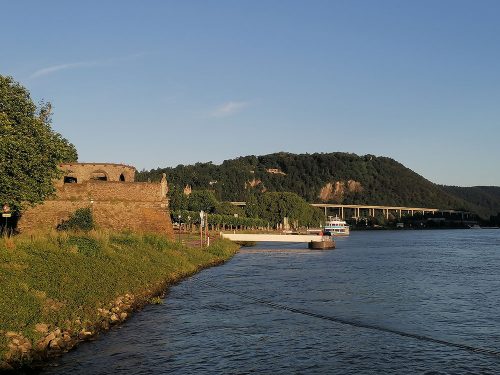
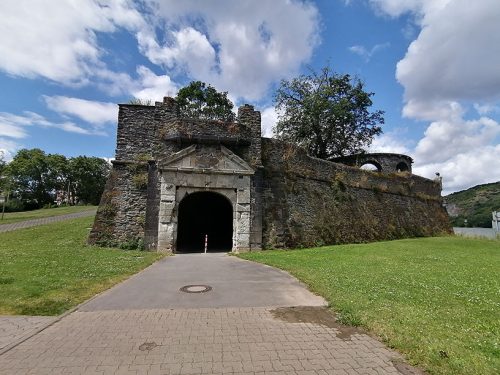
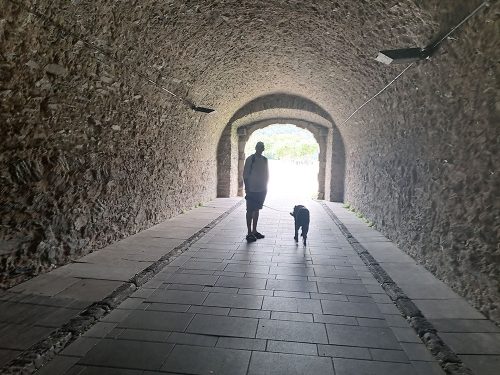
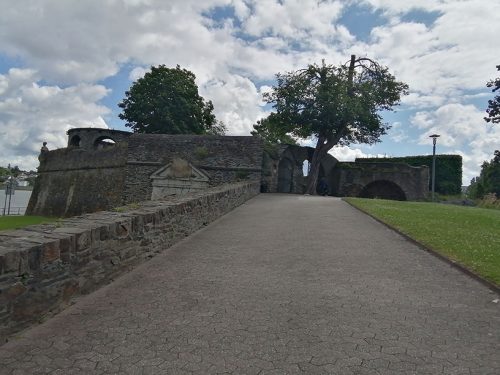
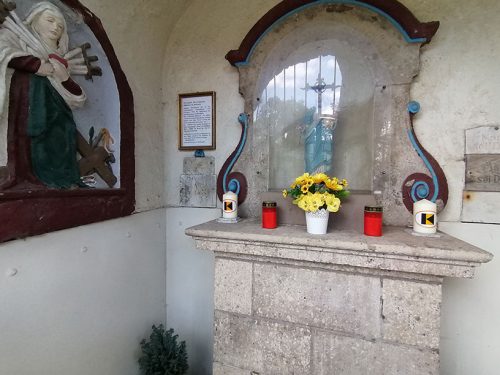
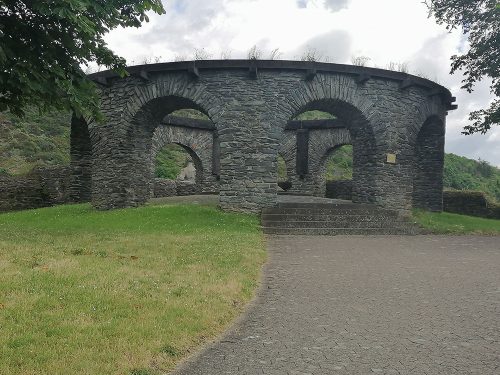
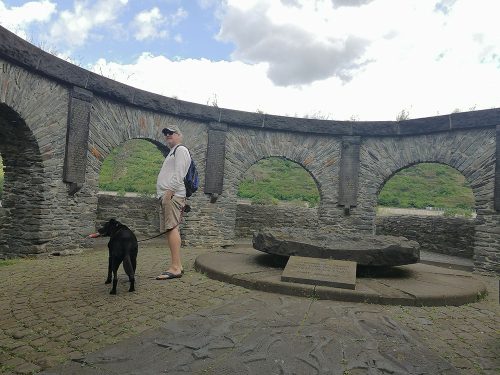
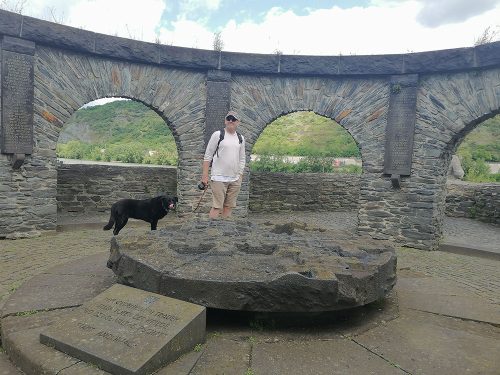
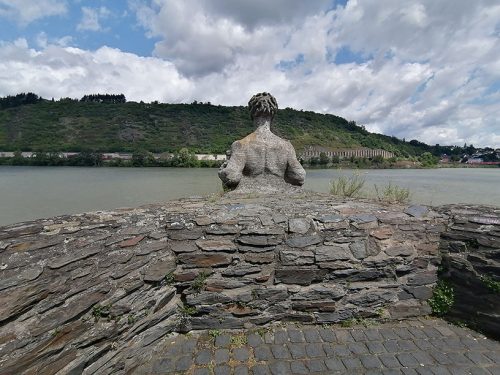
There is a lot to see in Andernach, we walked and the first thing you find is the Bulwark and its chapel. The chapel is called the Chapel of the images on the left. The Bulwark was built between 1659 and 1661, it was used as a customs post to control ships on the Rhine River and also served as an icebreaker to protect the city walls. Today, the building is a monument to soldiers who died in both world wars.
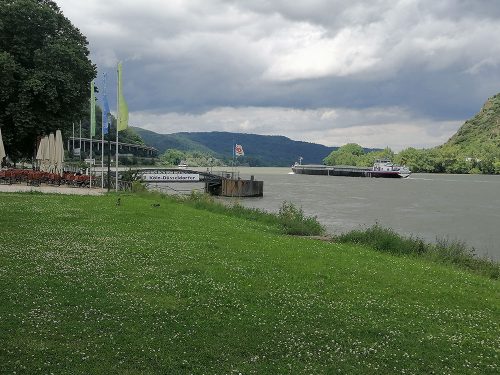
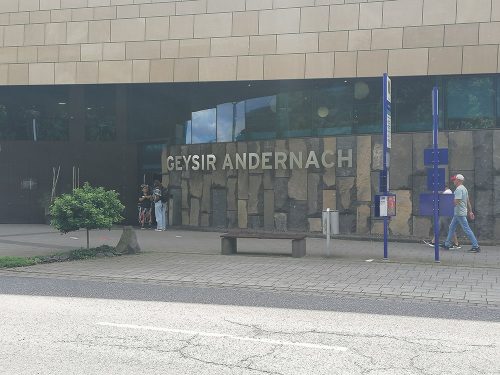
We continue along the river bank until we reach the Geyser Center, which is a tour that begins with an imaginary trip underground in the museum, and continues by boat along the Rhine River to the nature reserve of the Namedyer Peninsula where you arrive at the place where the geyser erupts, shooting its water source 60 meters upward. The expedition cost 20 euros per person, but we did not do it because Asha could not come to the nature reserve and the expedition was 5 hours.
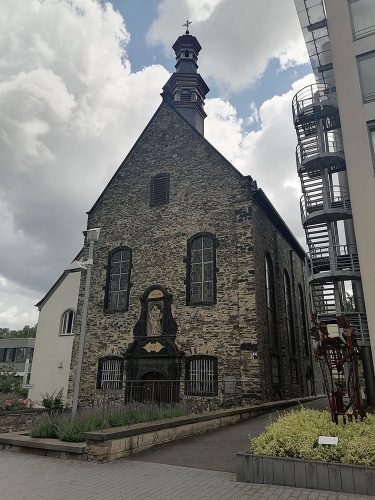
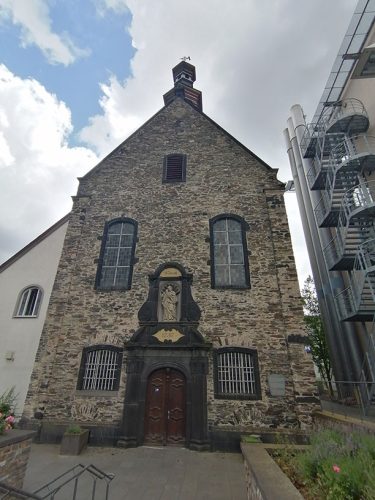
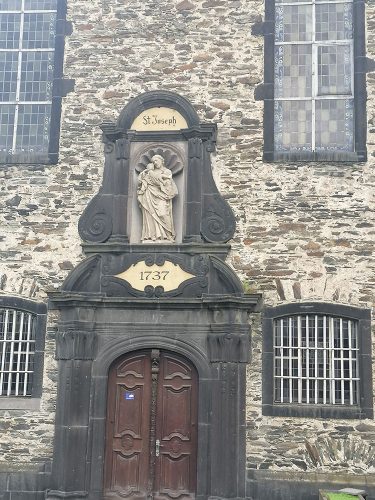
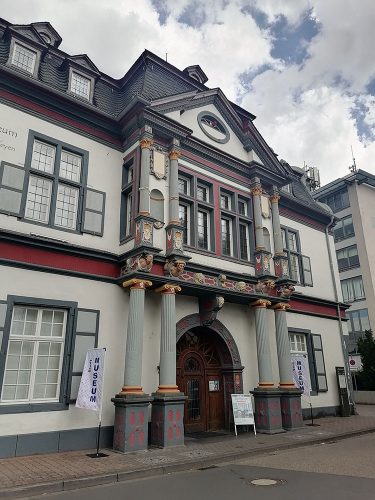
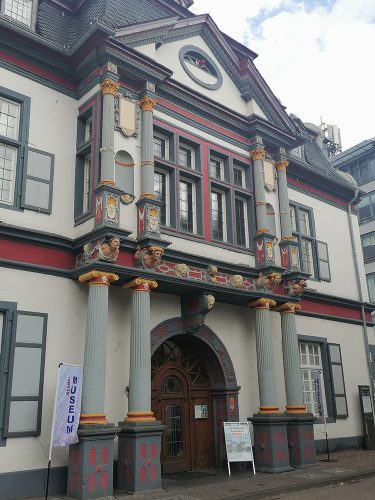
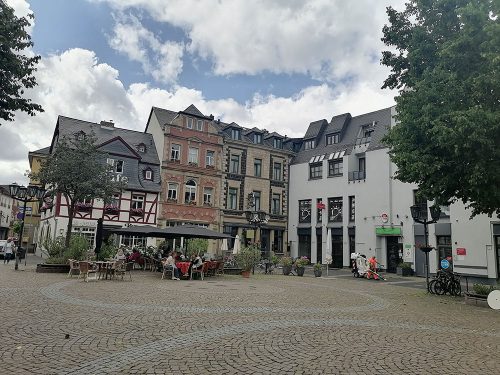
We enter the old town, which is very beautiful and where the Hospitalkirche is located, the Catholic prayer house of the St. Nicholas Monastery Hospital and the old church of the Annunciation Monastery. The late Baroque building, built between 1737 and 1739, impresses with its Bohemian-style domed vaults and the Municipal Museum, built in 1589/90 as a nobleman’s town palace. Its façade with its detailed artistic design is especially beautiful. Since 1936 it has housed the Andernach municipal museum.
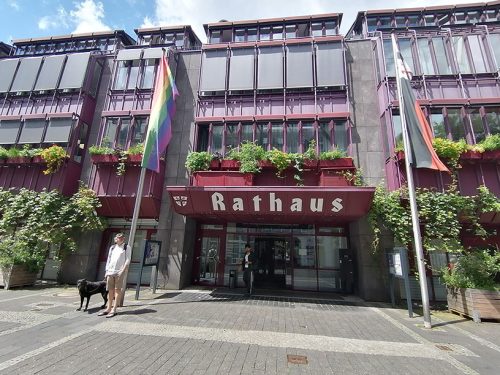
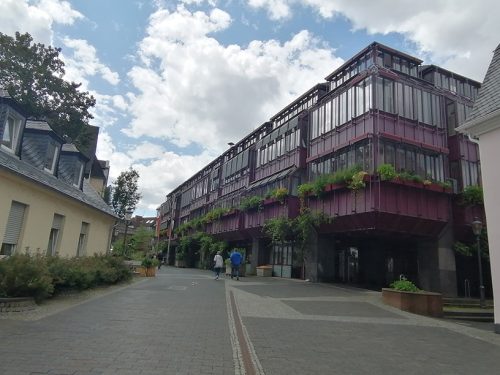
We continue touring the old town where we pass the Town Hall and the Church of Christ, a Gothic church with a side nave. Construction began in 1245 and was completed around 1450. The church also served as a cemetery for the Rhineland nobility.
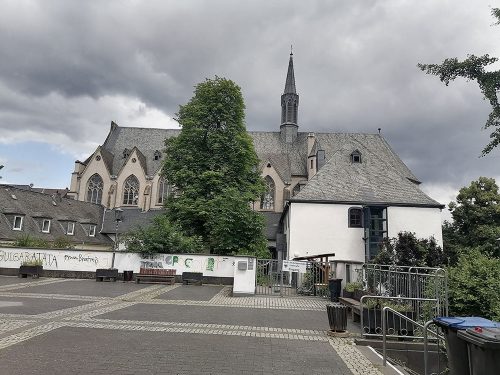
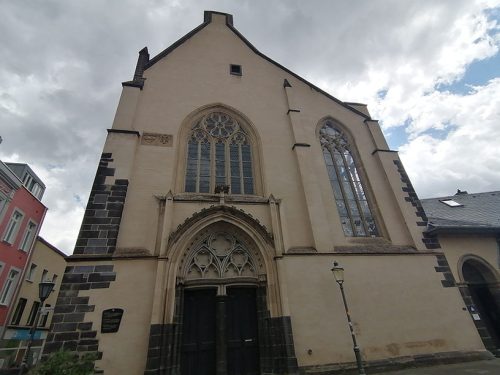

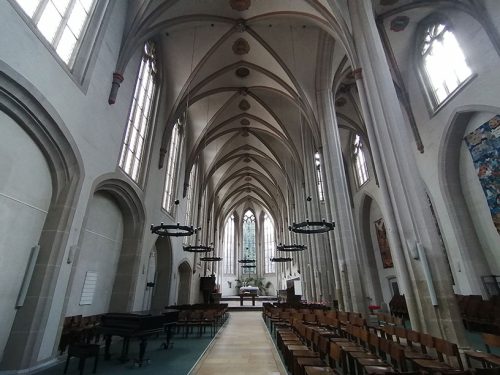
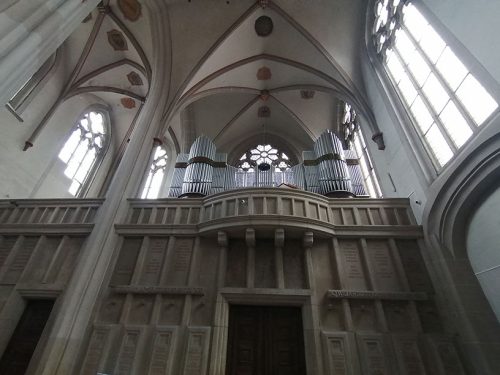
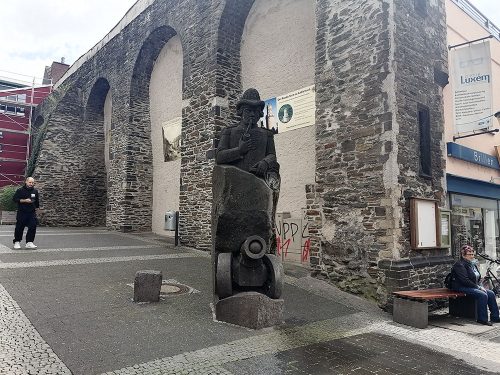
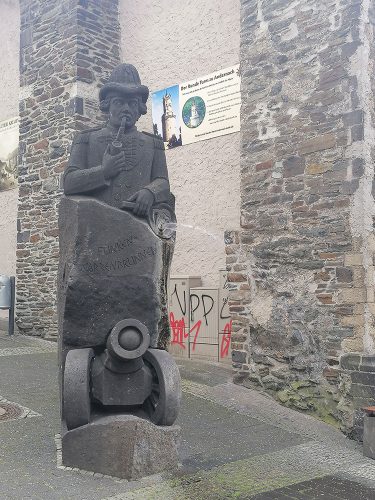

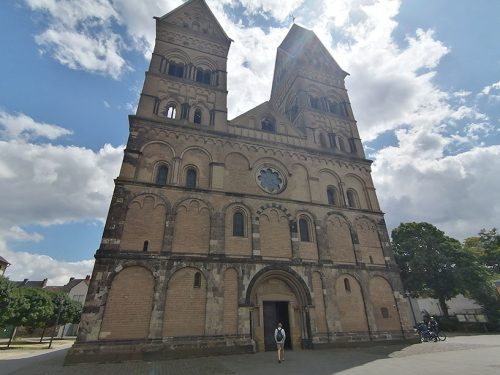
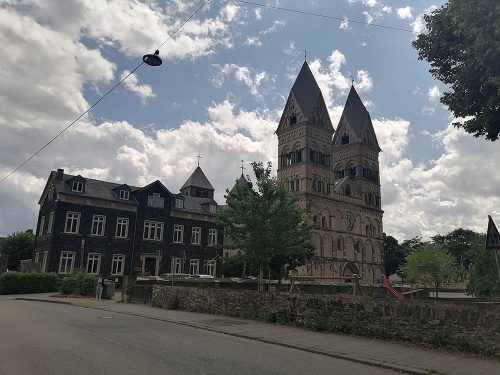
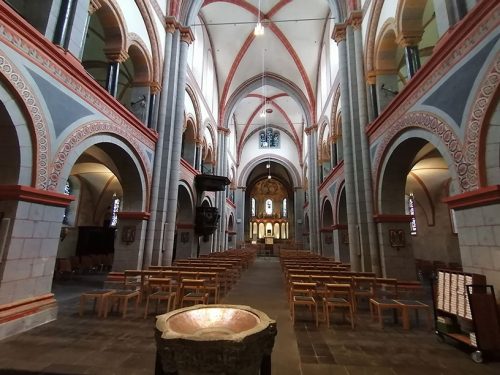
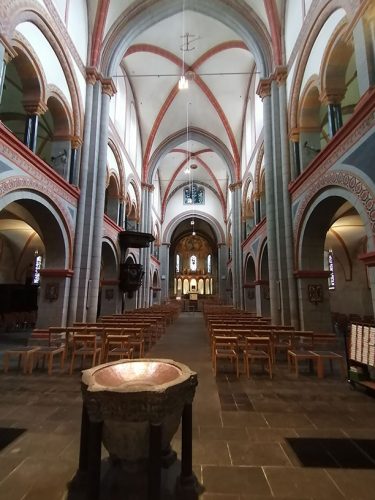
Our next stop was Mary’s Cathedral, a Catholic parish church, built around 1200 as a Roman basilica with galleries and three naves. The interior and ornamental paintings of Mariendom are notable.
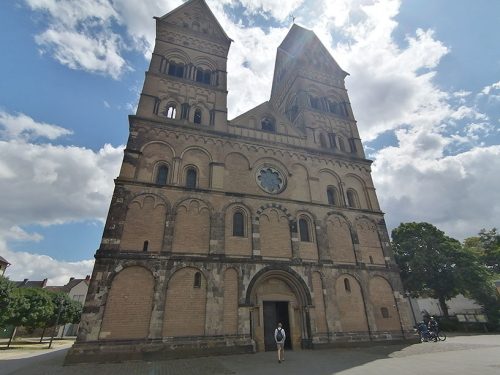
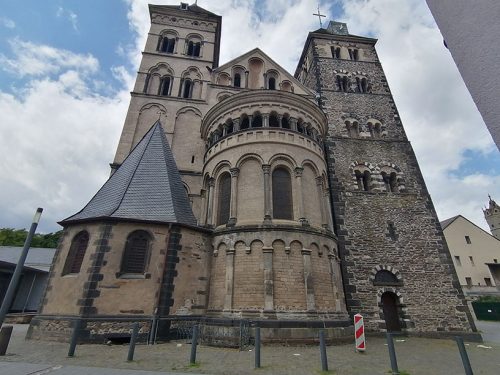
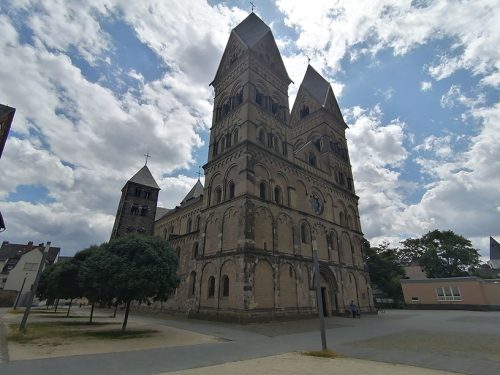
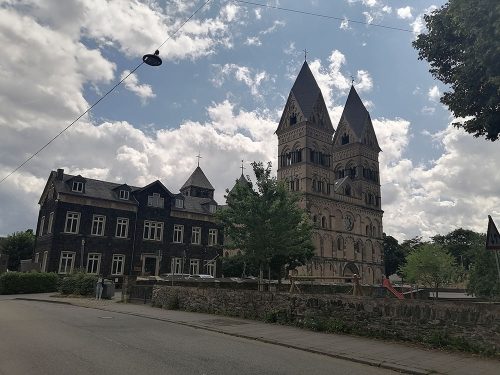
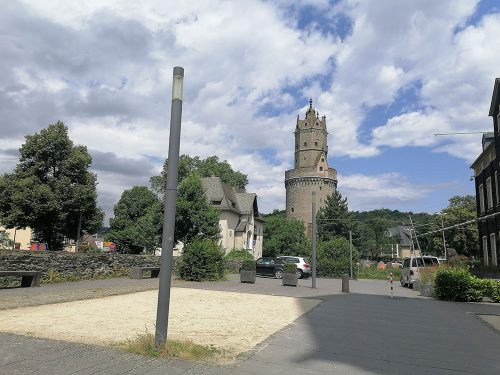
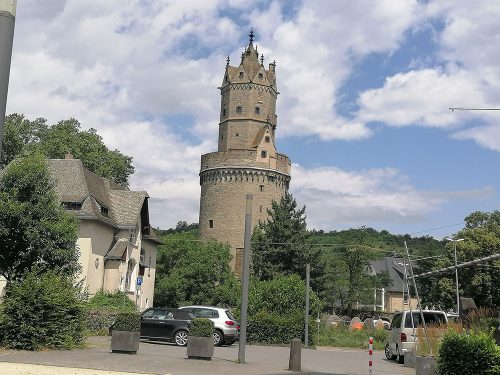
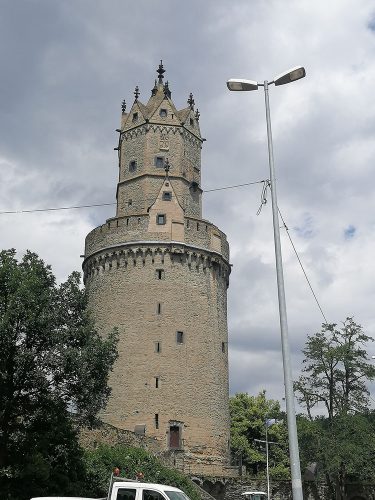
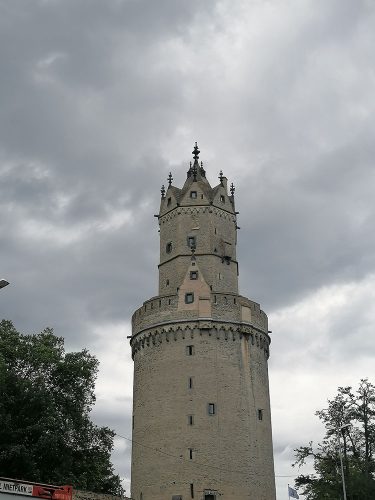
On one side of the Cathedral is the Round Tower, built between 1440 and 1453. It is 56 meters high and is one of the symbols of the city since it resisted a French attempt to blow it up in 1689. A hole in the west side of the tower reminds us of this historical incident. At this time it cannot be visited because it is under construction.

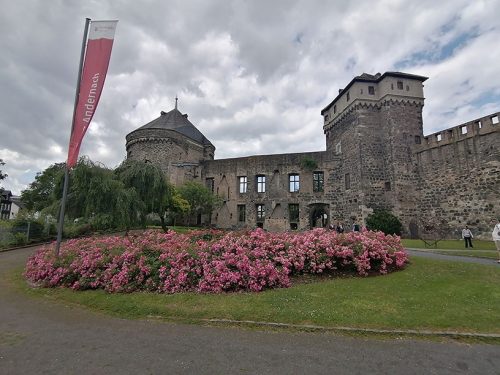
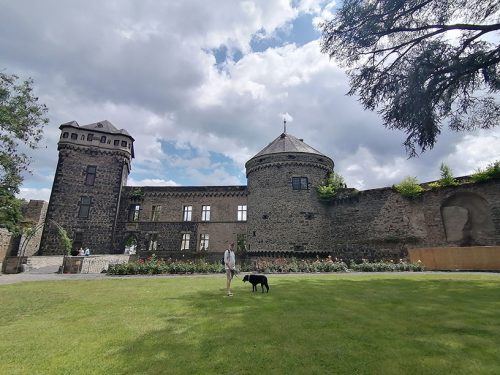
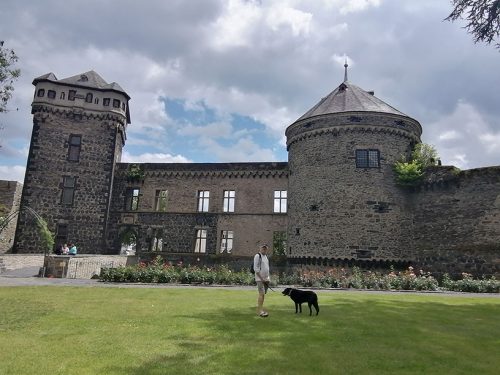
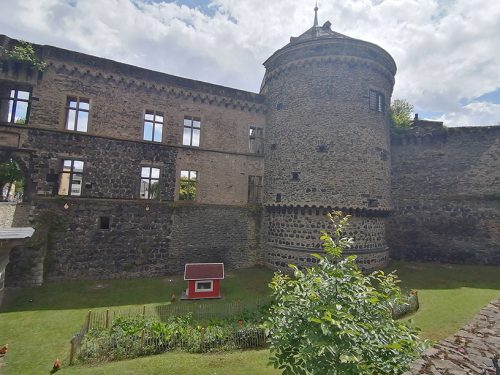
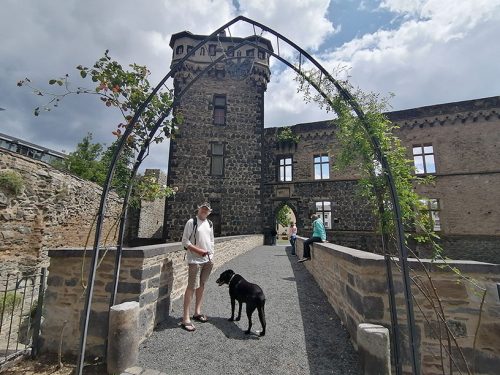
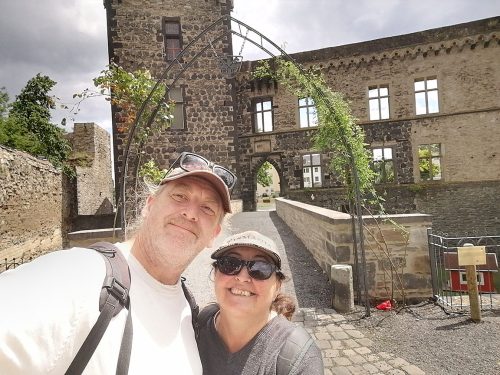
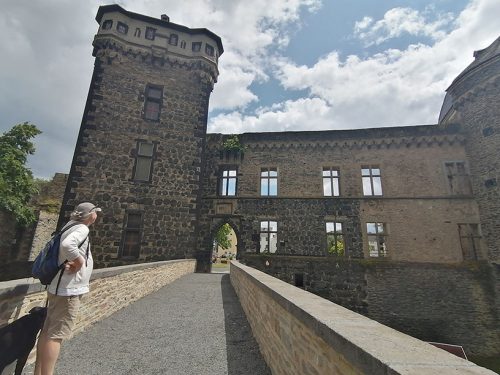
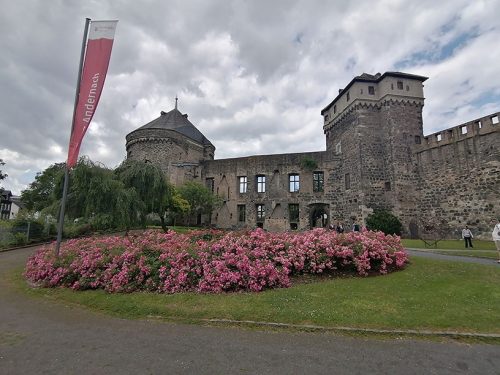
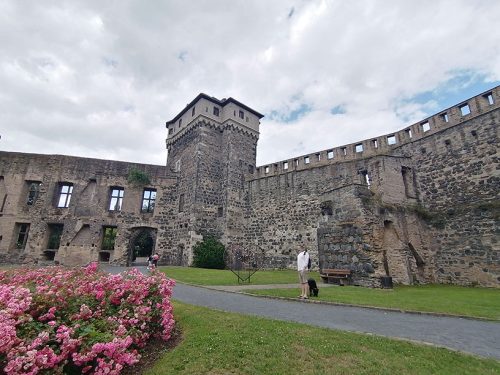
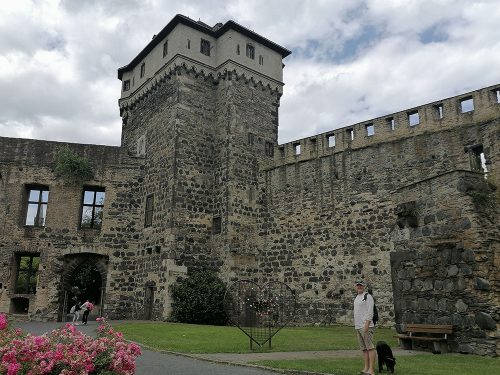
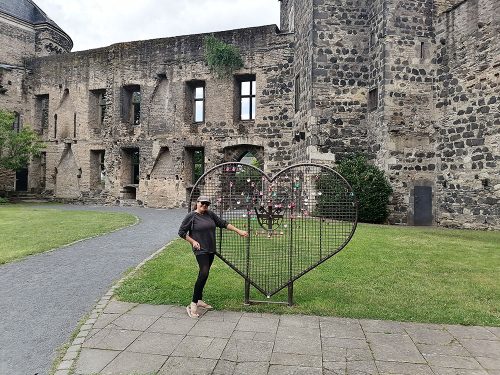
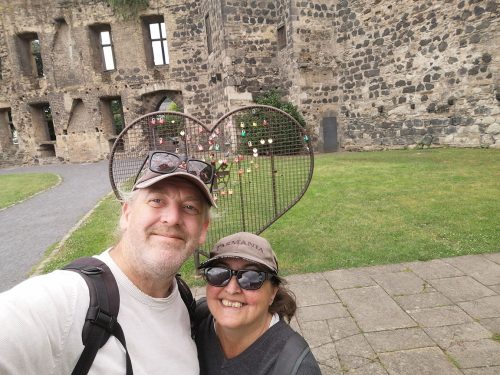
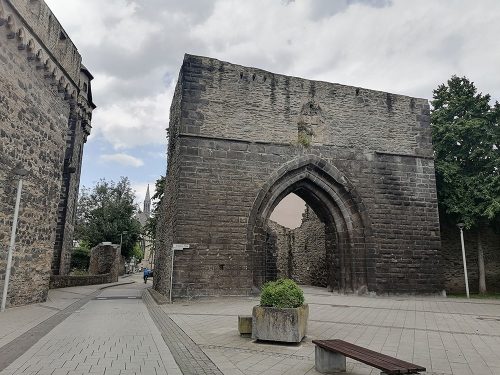
We finish our tour at the ruins of the castle and its garden, the construction of the castle began around the year 1200. In 1689 it was destroyed by French troops. The original cannonballs, stacked in a pyramid shape in front of the wall, come from the Thirty Years’ War. In 2013 chickens were introduced to the castle moat and their eggs can be purchased in a shop in the city. The castle gate served as a representative entrance to the city. However, it was also destroyed in 1689.


After saying goodbye to Stewart and Gary, our Scottish neighbours in the parking lot, who are lovely and gave us a lot of information about where to stay in the UK, we went to Remagen to see our friend Claudia, a town on the banks of the Rhine River very nice, which you can see in the next post!

