Germany – Remagen (En)
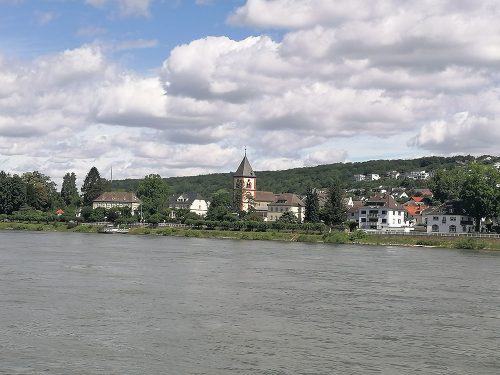
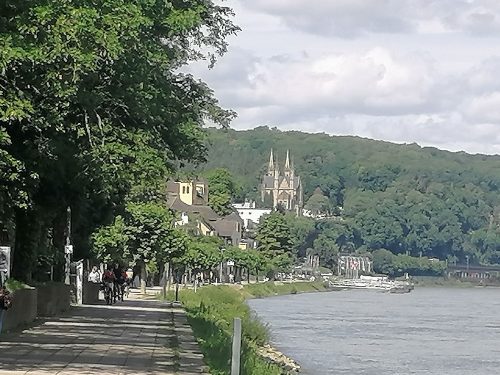
Remagen is a city just south of Bonn, located on the left bank of the Rhine River, where the Remagen Bridge, Monument to Peace and Freedom, and the Apollinaris Church are located, the church is on a hill above Remagen, surrounded by monasteries.

Where to stay
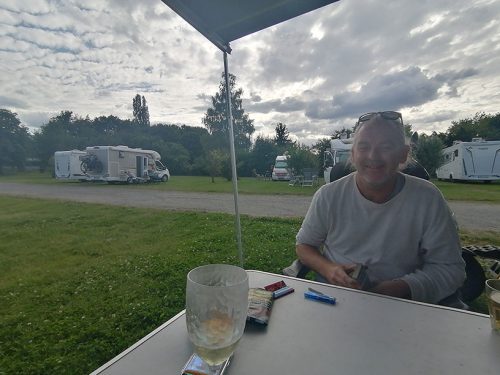
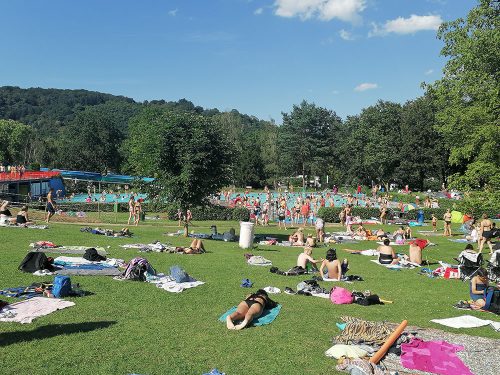
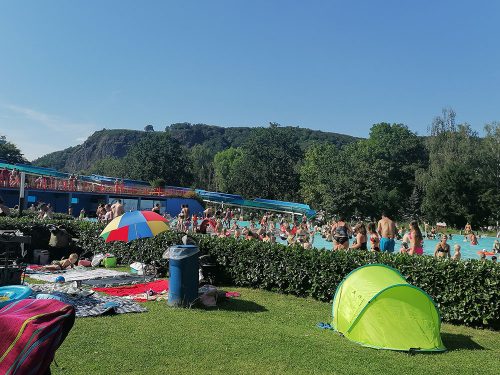
We stayed in the motorhome parking at Camping Goldene Mile (50.576811, 7.247622 lat, long) which costs 15 euros a day, much cheaper than the campsite which costs more than double. You can pay at the campsite reception from 9 am to 1 pm or in coins in the parking lot. The area is grassy with stones for parking, next to the bank of the Rhine River and the Peace Museum, about a 10-minute walk along the river to the town centre. There is electricity for 1 euro for 6 hours, and 90 litres of water for 1 euro. Free grey and black water emptying and you can empty the rubbish next to the campsite reception. There is also a huge outdoor pool with slides etc. Which costs 3 euros if you go before 11 am or after 5 pm where you can shower, and a Lidl supermarket about 10 minutes walk away.


What to see
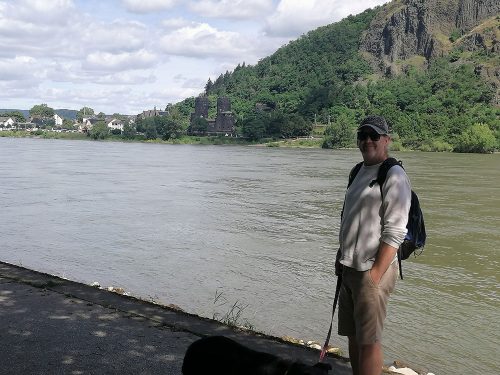
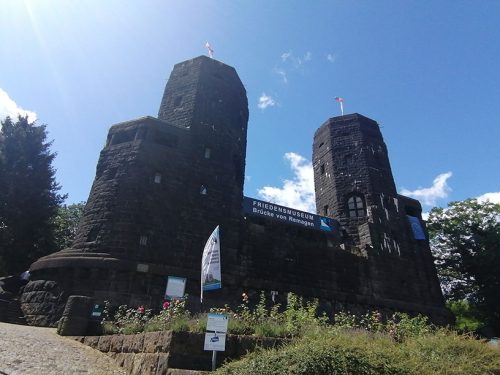
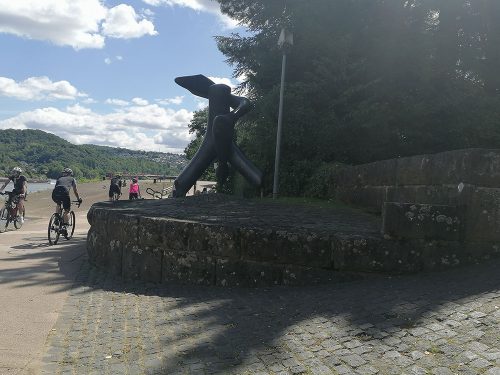
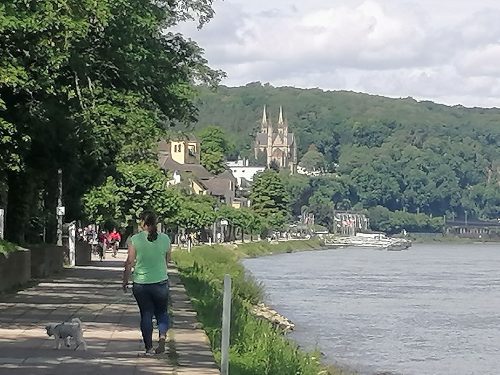
We walked along the bank of the Rhine River where you have incredible views and immediately you will arrive at the Museum of Peace and Freedom located in the towers of the old Remagen Bridge. The Remagen Railway Bridge was planned in 1912 and built between 1916 and 1918 during the First World War to carry troops to the Western Front. During World War II it achieved the fame it still enjoys today when, on March 7, 1945, American soldiers managed to capture the bridge completely unexpectedly and without destroying it. General Eisenhower said, “The bridge is worth its weight in gold.” In 1980, the mayor of Remagen carried out his idea of a museum in the bridge towers and chose the name “Peace Museum”. The museum exhibits photographs and documents from that time, everyday objects and equipment of the soldiers who fought on the bridge and much more.
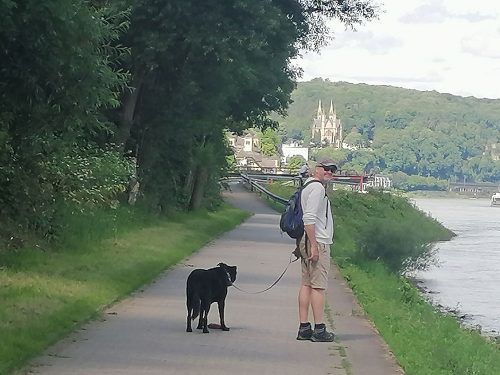



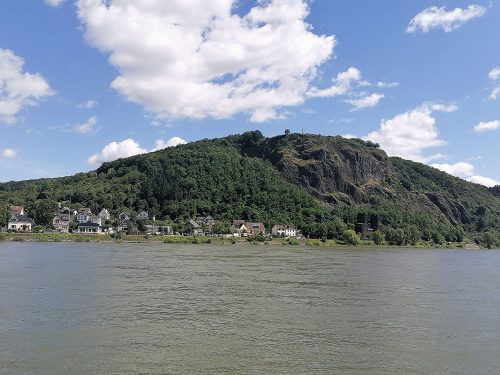

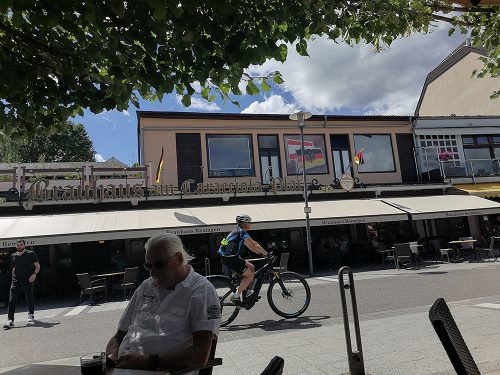
Just before reaching the center you come across the best views of the Apollinaris Church, a church on the site of a Roman temple on the hill above the city. That hill was known as Martinsberg in the 5th and 6th centuries, presumably because of a Frankish chapel dedicated to St. Martin, patron saint of the Franks. When you get to the centre you find many restaurants and bars on the river bank.

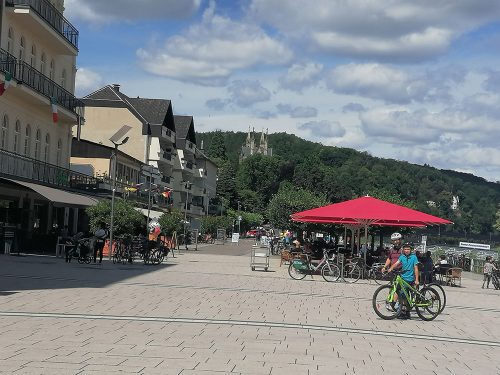
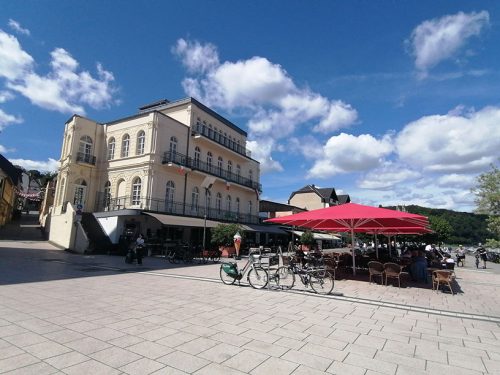
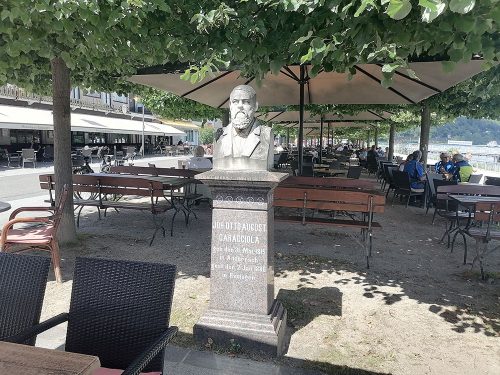
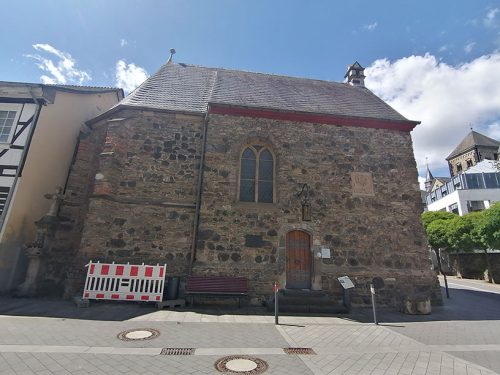
We entered the old town and arrived at the Town Hall Square, the Town Hall is a neoclassical building used as an academic and administrative institution that was rebuilt in 1835 and is currently under construction, and walking through the alleys we saw the Roman Museum where in the old 15th-century chapel displays objects from the ancient Roman fort Rigomagus. A replica of a Gothic emblem above the entrance refers to the old town hall from 1539 that was demolished in 1810.
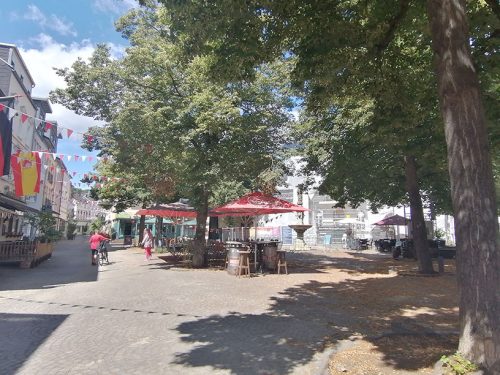
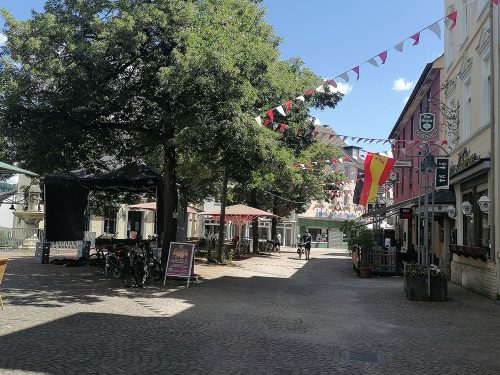

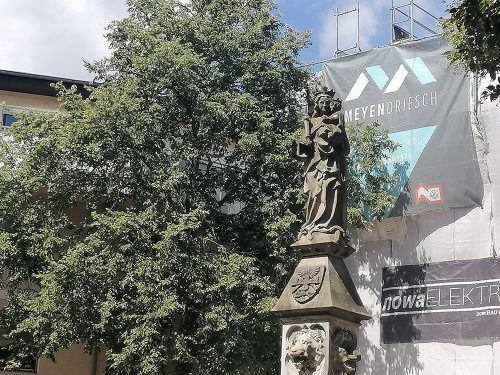
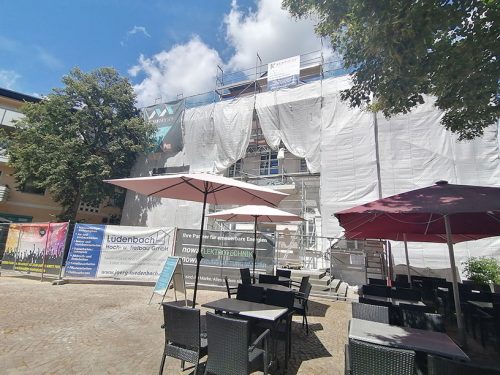
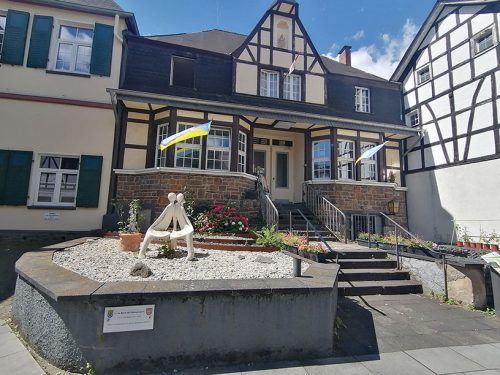
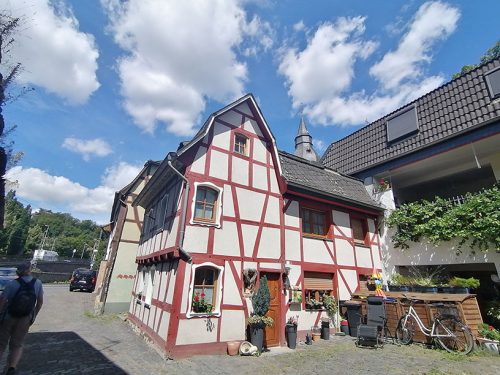
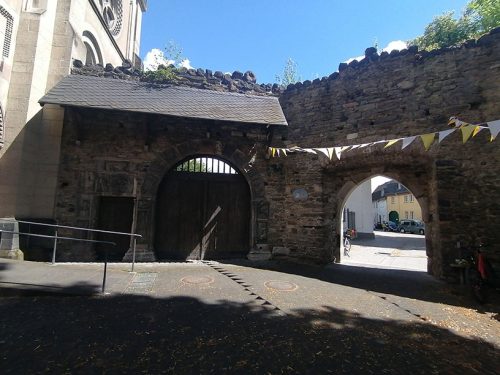
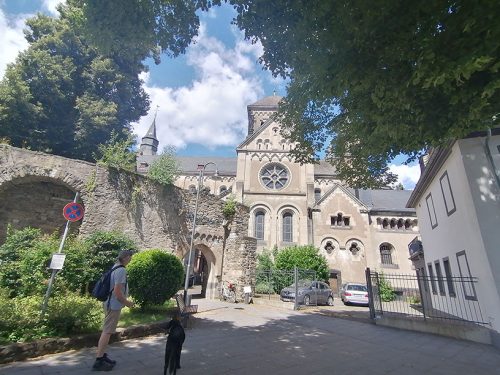
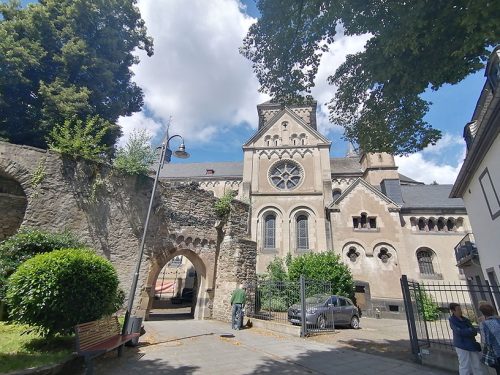
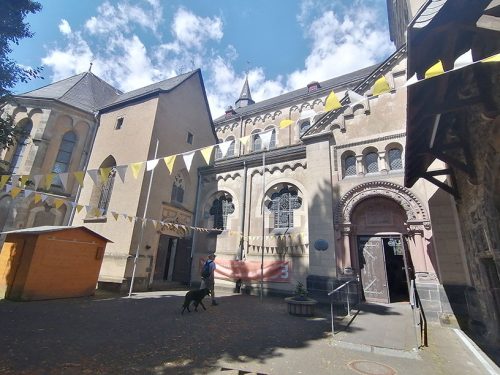
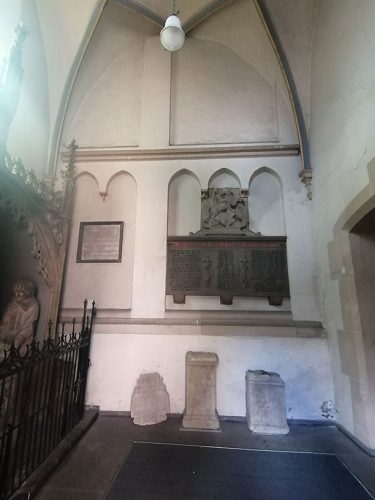
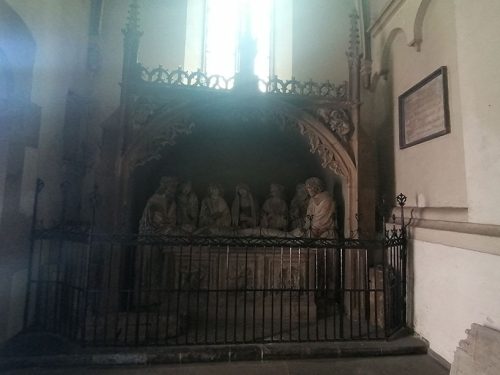
We arrive at the Parish Church of Saints Peter and Paul, the oldest parts of the contemporary church date back to 1246. In 1900 an external building was added in a neo-romantic style. In the old part, you can see frescoes and figures from the 13th century. The Romanesque portal that leads to the church courtyard shows sculptures from the 12th century. We went inside to see the church but they were saying mass so I couldn’t take good photos.

What to eat
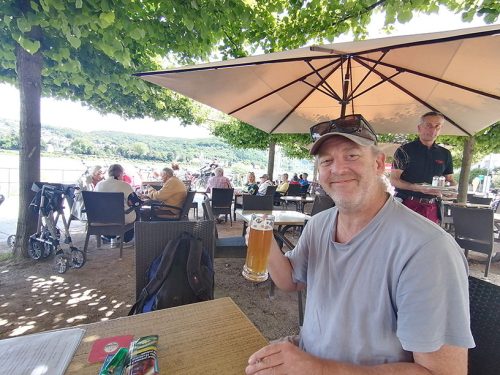
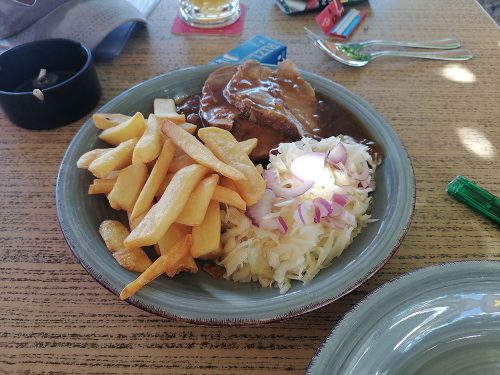
We went to lunch at one of the riverfront restaurants with typical German food and decided to try the SpieBbraten, pork meat roasted on a spit with coleslaw, onion gravy and French fries. I have to say that we liked it a lot. We usually share a plate because the dishes here in Germany are huge!
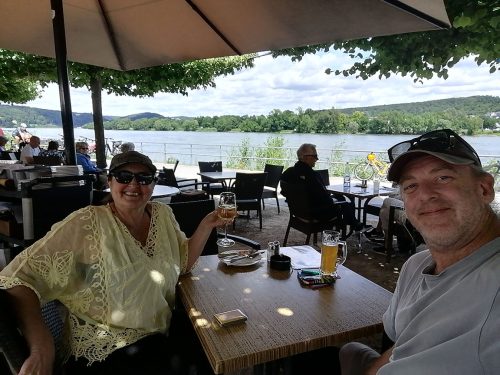
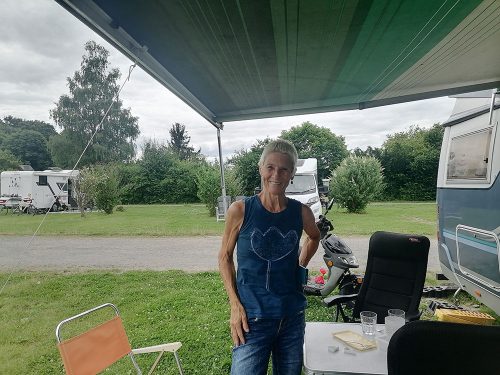
In the afternoon my friend Claudia visited us and then we went to the pool to take a dip and shower. The place is huge with several pools, slides and diving boards, but there were more people than on the beach in Marbella in August!



Next stop Unkel, crossing to the other side of the Rhine River, an old wine-growing city with a beautiful old town, which you can see in the next blog!

