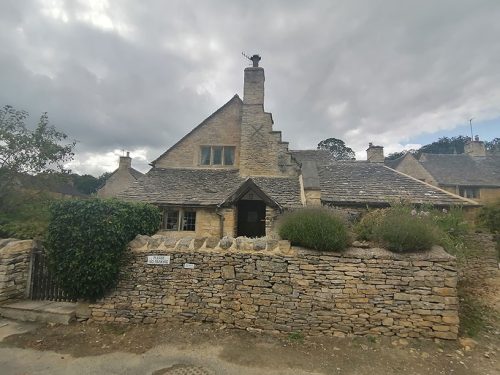
England – The Slaughters (En)
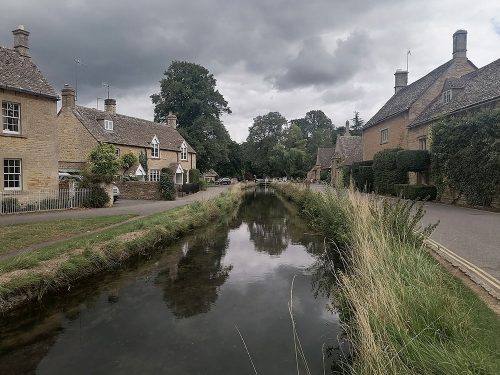
Upper and Lower Slaughter – the slightly macabre name that comes from the Old English for ‘muddy place’ – are linked by the tiny River Eye, a slow-moving stream crossed by two footbridges, a tributary to the River Windrush.
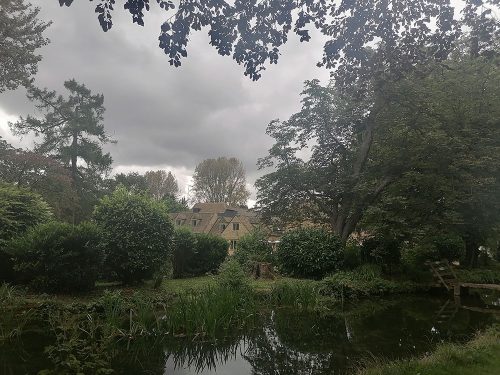


First, we went to Lower Slaughter which hasn’t changed for more than a century, with no building work taking place here since 1906. We wandered alongside the stream which is a privilege and we visited the Lower Slaughter Mill & Cafe where there was a helicopter on the grounds, we asked to go for a ride but Asha would not come near it or go inside!
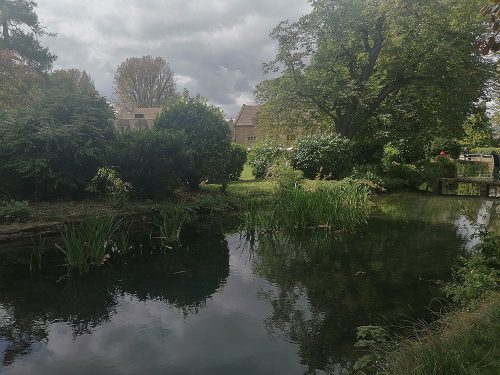


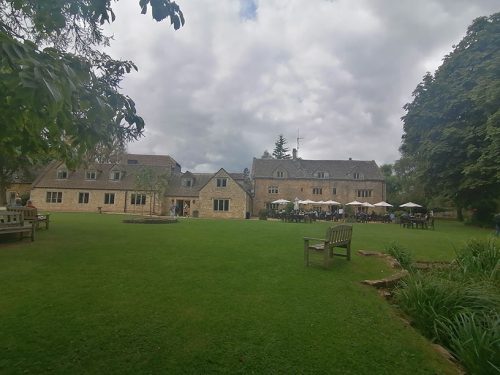


Then we went for a walk through the village which is beautiful with its flower-draped cottages, stone footbridges and picturesque water mill in operation since 1658. Its tall chimney stands out mainly due to the reddish colour of its brick in contrast with the brownstone of the surrounding houses. Today in the mill there is a tea room and small craft shop.
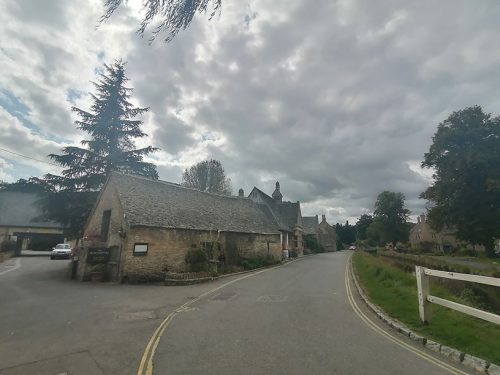

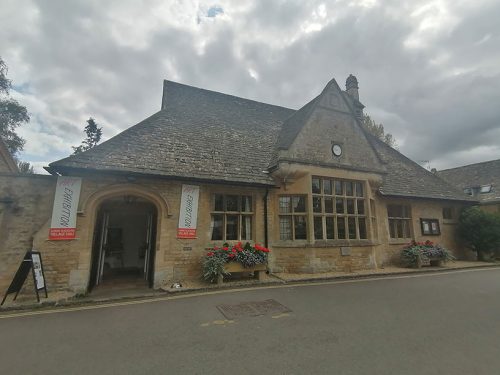




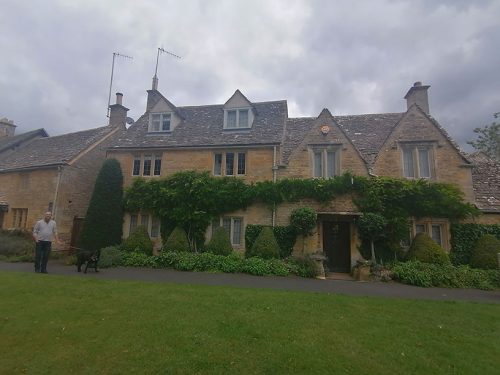
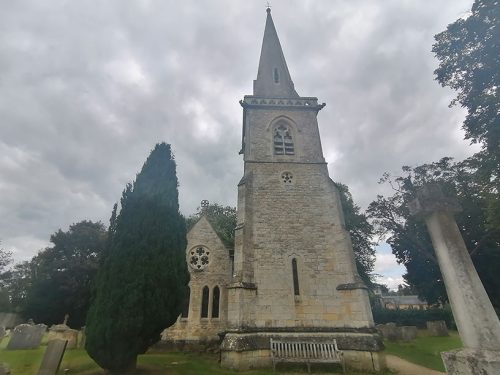
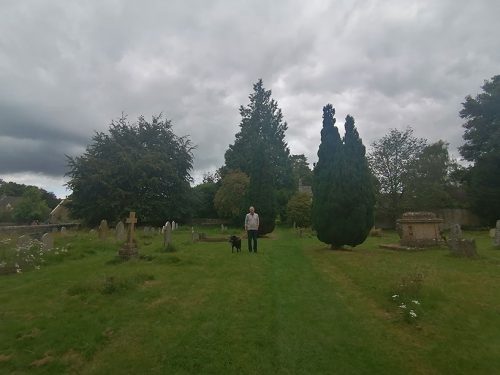
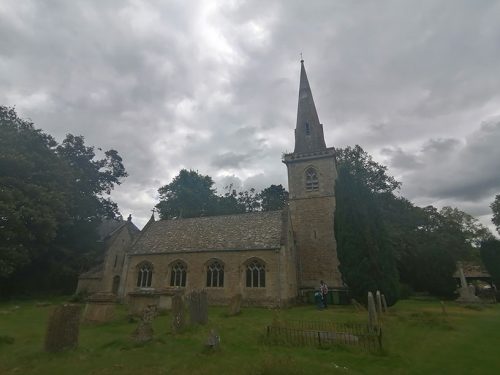
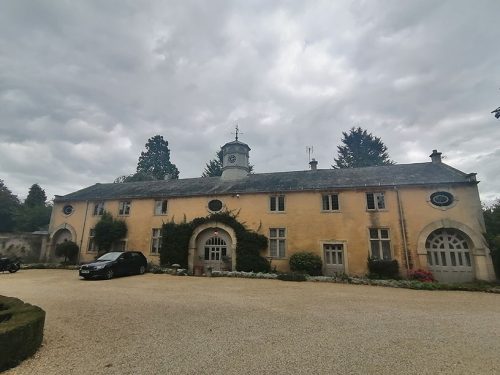
The village has a church from the 13th century, St Mary’s Church which was opened and we could see it inside. A manor house from the 17th century when many of the houses you see today were built using traditional Cotswold stone.





Then we went to Upper Slaughter which is equally attractive – and one of only 14 ‘doubly sainted’ villages in England, which lost no men during either World War I or II. We saw the typical brownstone houses of the area and the St Peter Church which was opened and we could see it inside. The public phones in England have been used for different things, like second-hand books places or in this case a defibrillator if you need it!