France – La Flèche (En)
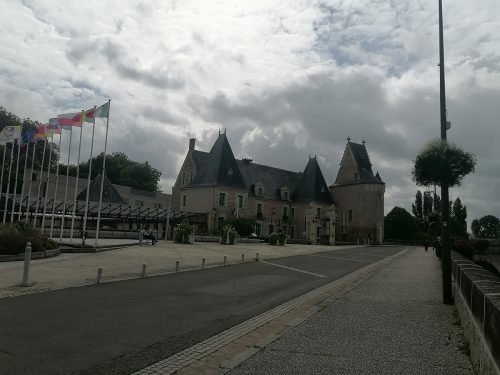
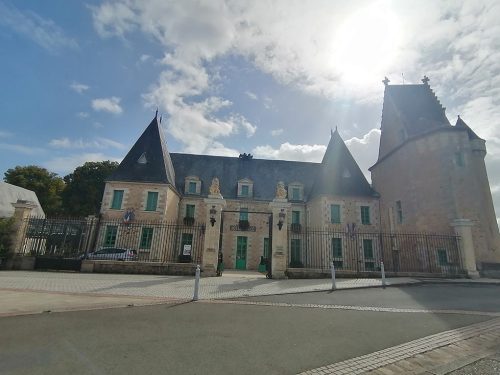
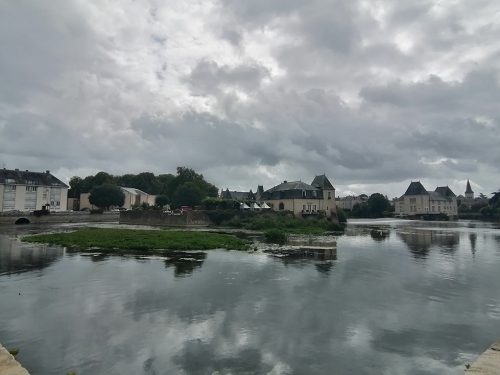
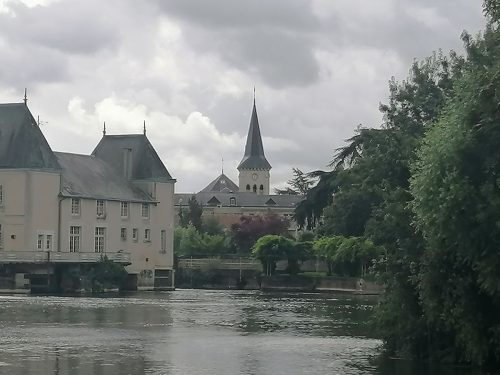
La Flèche is a small village on the banks of the Loir River. You can stroll along the river and reach the village. Once there, the views are breathtaking, truly beautiful, with the Carmelite Castle on one side, part of which is now used as an exhibition hall. The village is famous for its military academy and its zoo, which is different from other zoos because you can spend the night in a shelter among the animals.


Where to stay
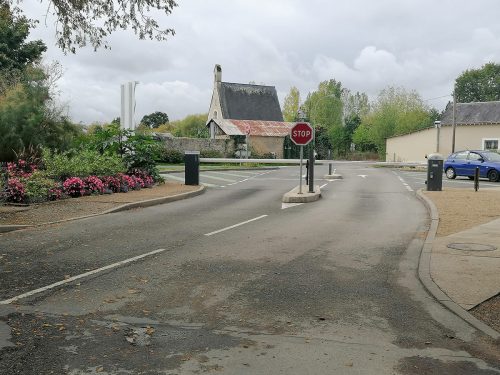
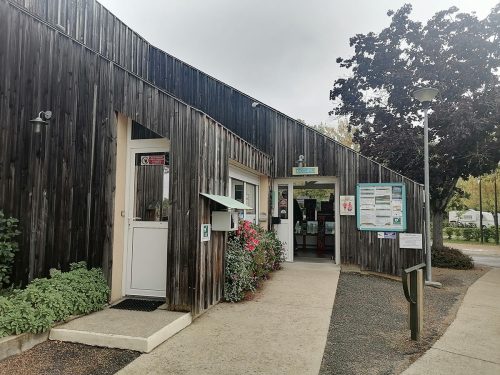
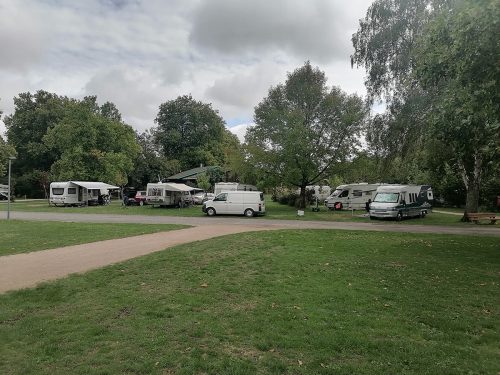
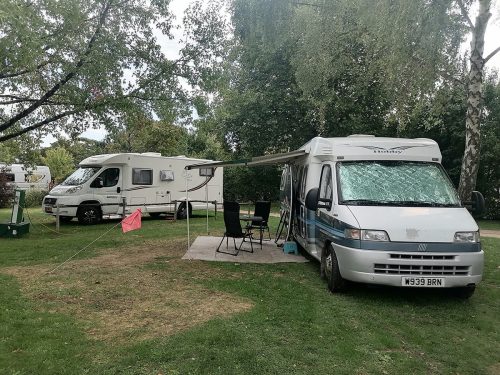
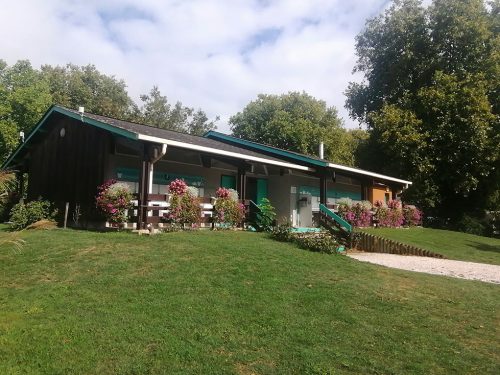
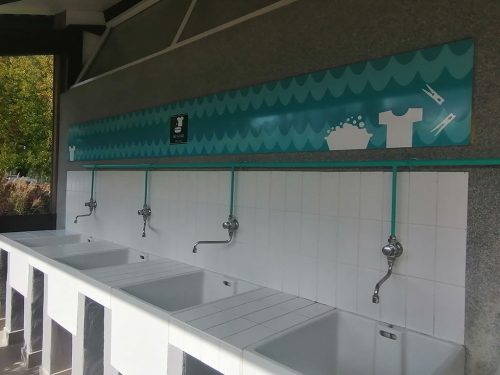
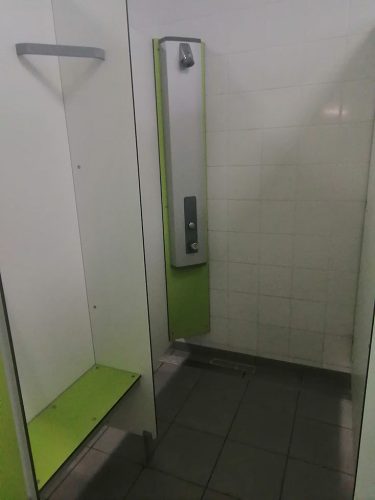
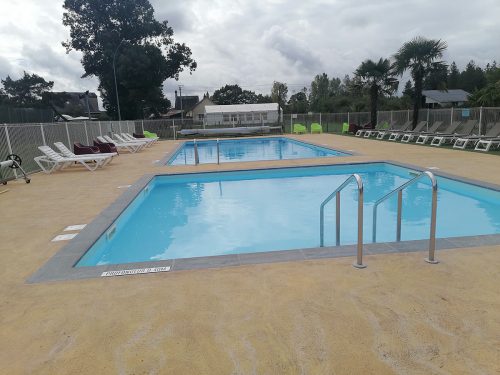
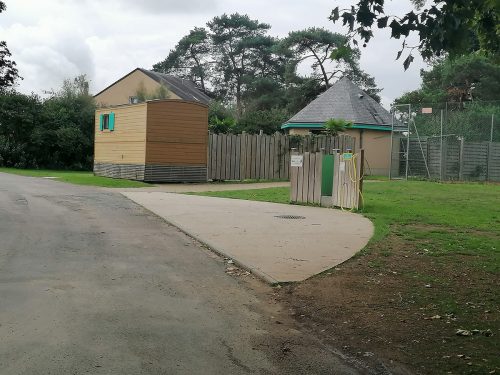
We stayed at the town’s Municipal Campsite (47.695, -0.079599 lat, long), which is on the riverbank and a 5-minute walk from the town centre. The campsite costs 18 euros, with electricity included with the ACSI card. There are several facilities throughout the campsite, all clean. The toilets have seats and toilet paper. Showers have hot water, but not enough pressure. There is a dishwashing area with hot water and another for washing clothes, but no washing machine or dryer. The pitches are spacious and easy to manoeuvre. Wi-Fi is good, but you have to log in every hour. There is a swimming pool, tennis court, ping-pong tables, and petanque tables. There is also a playground. We arrived when the reception was closed, so we parked on the pitch next to our friends Mariana and Cor, who were already there. Then you go to the reception and pay for the number of days you want to stay. I recommend it for exploring this charming town.





What to see
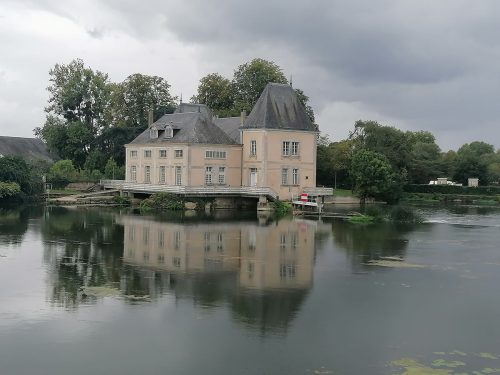
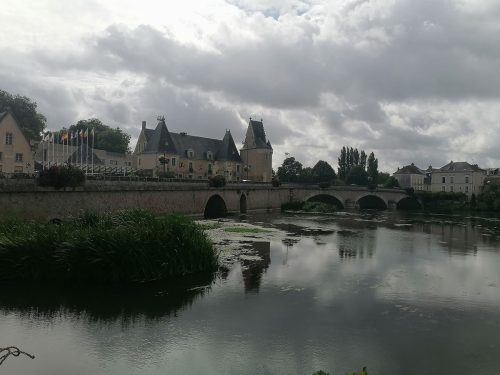
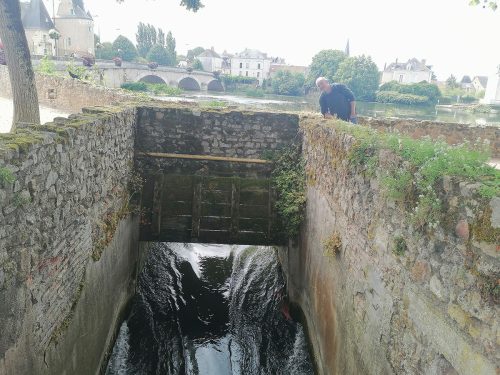
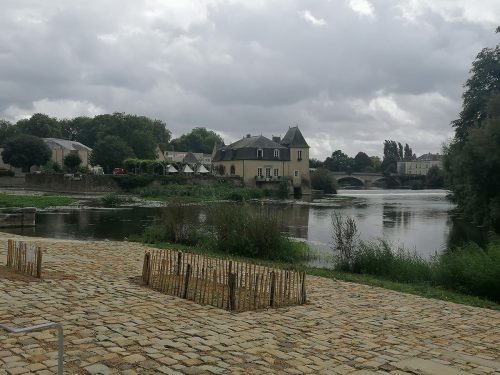
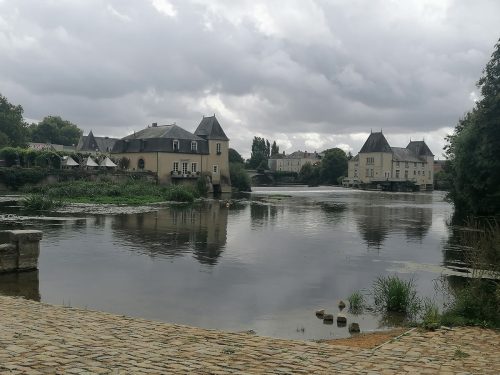
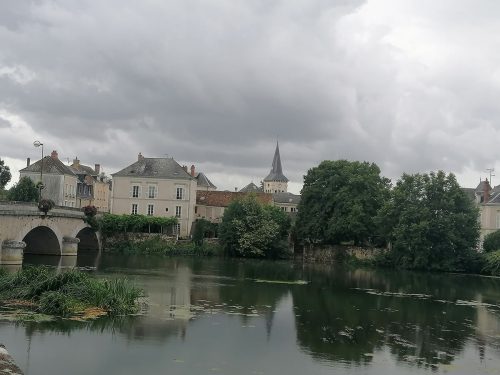
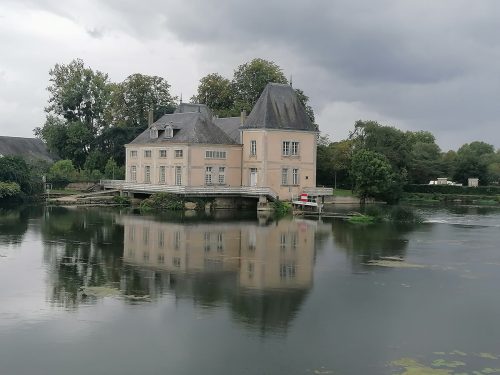
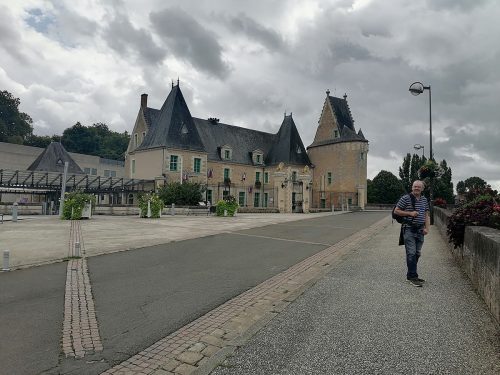
We walked along the river and came to a bridge where you see the Carmelite Castle, built around 1051. The castle was bought by the municipality in 1906 and used as the town hall. In 1919, a fire destroyed much of the castle, and it wasn’t restored until 1928. In 1994, a new town hall was built, and the castle became a venue for exhibitions, weddings, and receptions. Between the castle and the town hall, there’s a courtyard with water flowing in from the river, quite remarkable.
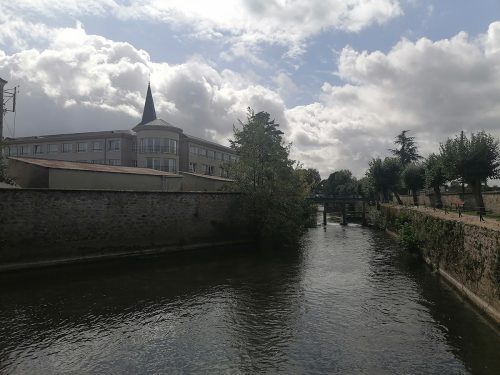

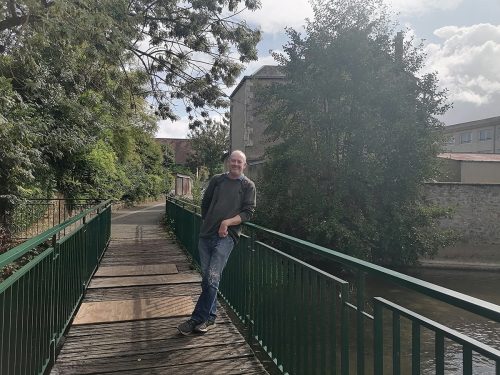


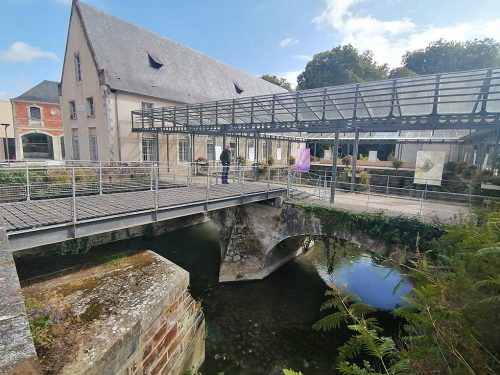

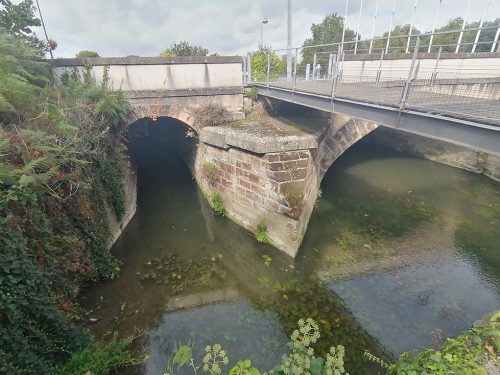

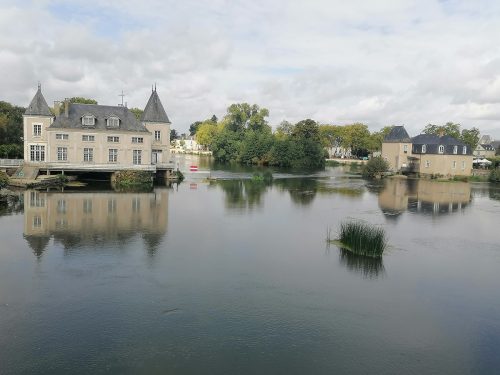
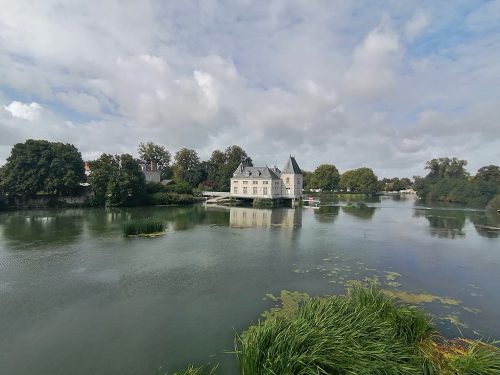
We took incredible photos from the bridge, where you can see mansion-like houses that seem to float on the water, and we went to the water mill, now a restaurant.


We went through the alleys of the town until we reached the Church of St. Thomas from the 12th and 13th centuries, which we were able to visit inside.


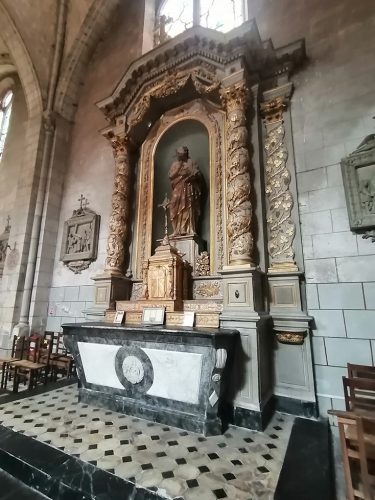
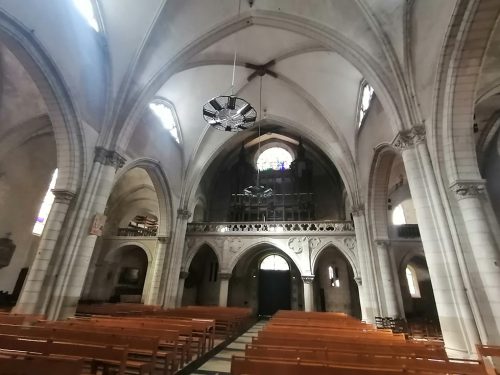
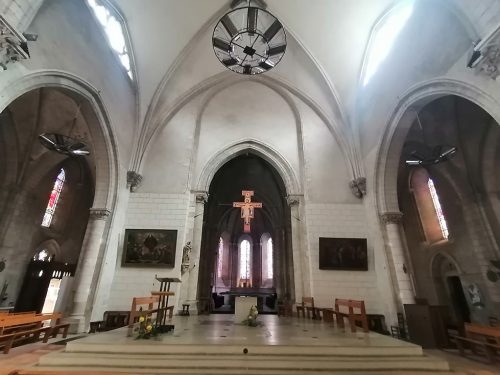
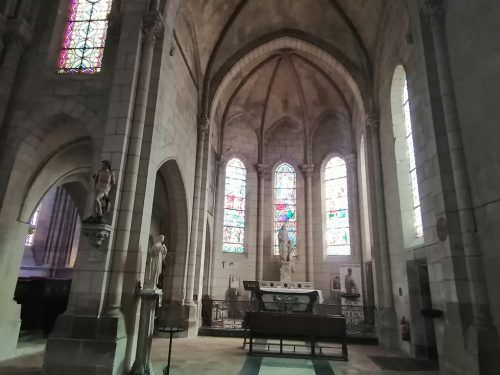
We continued wandering until we reached the famous Prytanée National Militaire, a former Jesuit college founded by Henry IV in 1604 that was converted into a military school by Napoleon in 1808. It was closed when we visited.
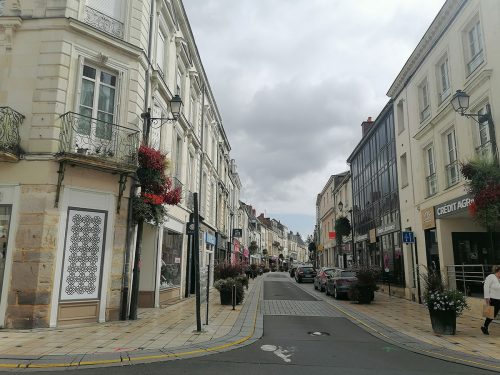
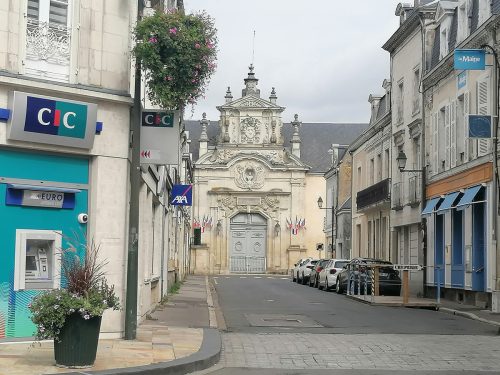

We walked back along the river with its impressive houses until we reached the castle.


We said goodbye to our friends Mariana and Cor, who were returning to Spain, and we went to see Niort, a city in western France famous for the Donjon de Niort, an impressive medieval tower and its historic centre with charming streets, which you can see in the next blog!

