Spain – Valladolid (En)
Valladolid, in the Community of Castilla y León, has an interesting historic centre of medieval origin in which several architectural wonders, important museums and delicious cuisine based on tapas, among many other things, stand out.

Where to stay
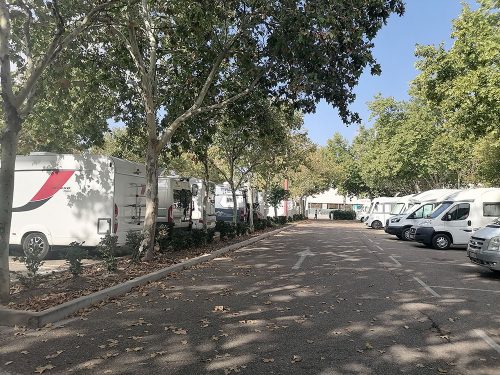
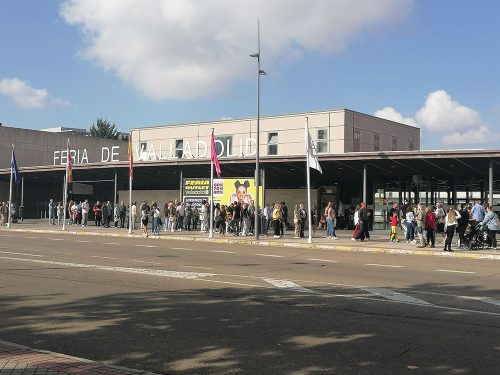
We stayed at the motorhome area of the city (41.6558, -4.73735 lat, long) in front of the Valladolid Fair and a 5-minute walk to the centre, crossing the bridge over the Pisuerga River. It costs 5 euros daily, with grey and black water emptying and filling. It is a safe place to leave the caravan and visit the city, with bars in the surrounding area and parks to walk the dogs. Maximum 48 hours.
What to see
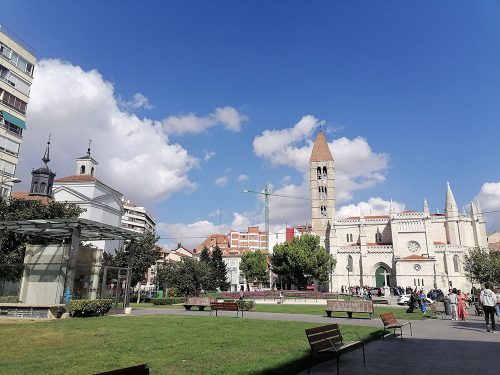
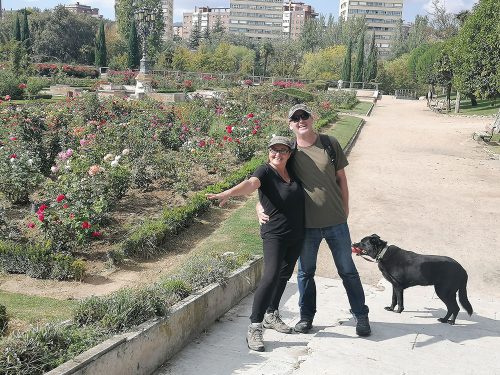
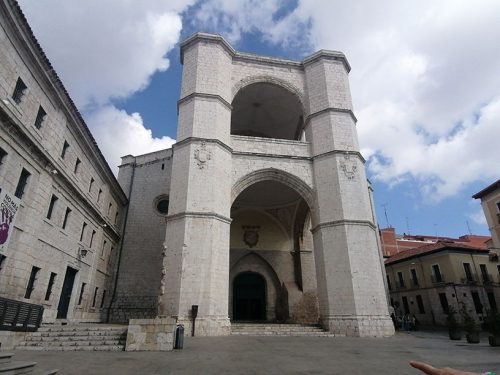
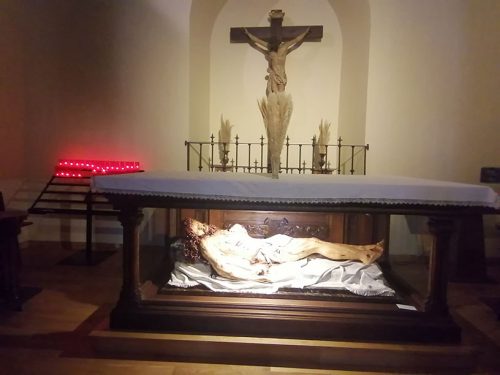
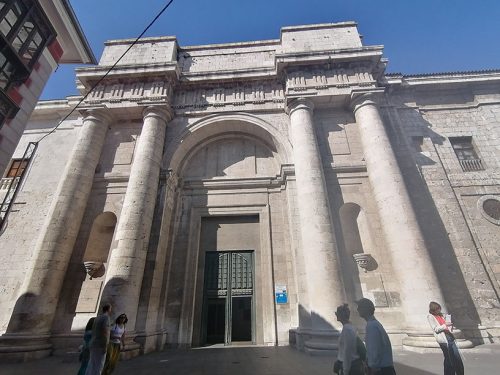
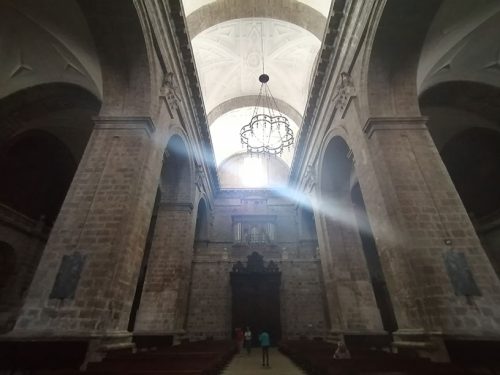
We met with my cousins, my cousin Araceli and my cousin Pedro Ángel and his wife Mari Ángeles, who live in Valladolid, and they would pick us up in the area, so they could see the motorhome and act as a guide for us. They took us across the bridge over the Pisuerga River where you have impressive views of the city, and you arrive at the flower park, which is beautiful. The first thing they showed us was the Church of San Benito, a Gothic church from the early 16th century that stands out for its façade reminiscent of a fortress. We were able to go inside to see its interior, where there is a beautiful baroque main altarpiece, the original is in the Sculpture Museum, and the stalls are considered one of the best in Spain.







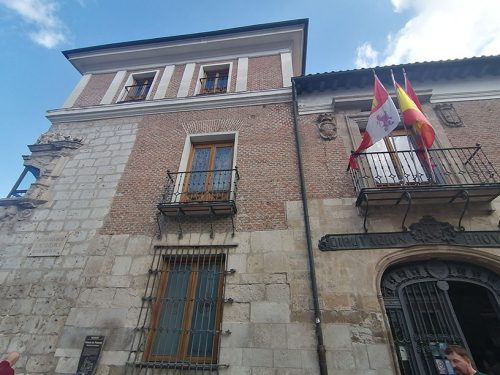
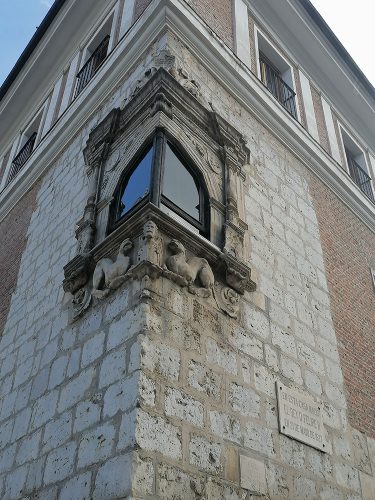
Then we saw the 15th-century Pimentel Palace. Charles V stayed there and it was where Philip II was born in 1527. Its most notable architectural element is the Plateresque-style angular window on the façade. Today it is the headquarters of the Provincial Council. We arrive at San Pablo Square, where the church of San Pablo is located, which has a spectacular Gothic façade and a portico, both in the Elizabethan Gothic style, full of sculptures and flanked by two towers.

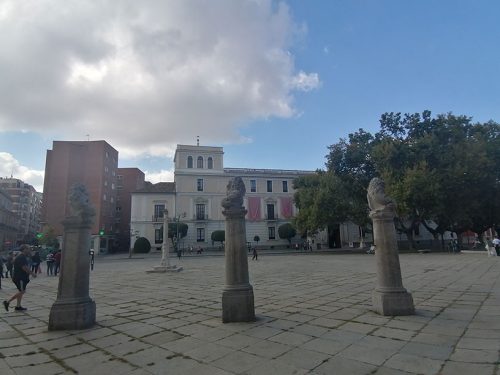


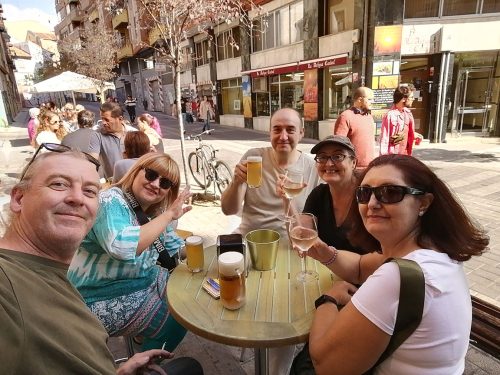
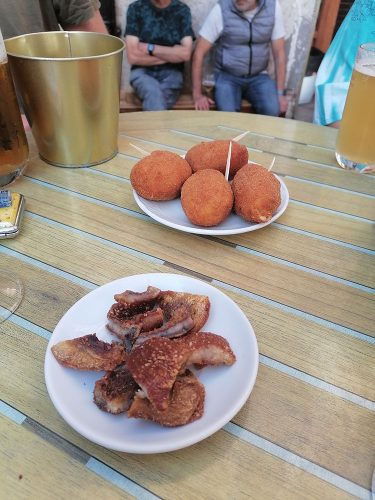
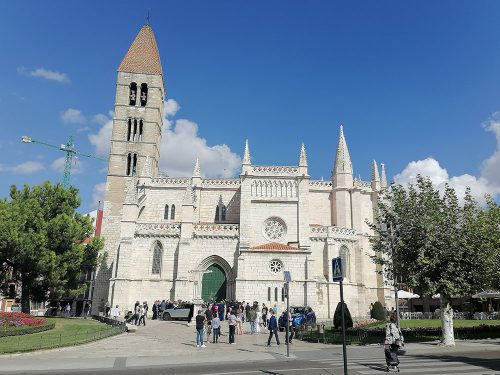
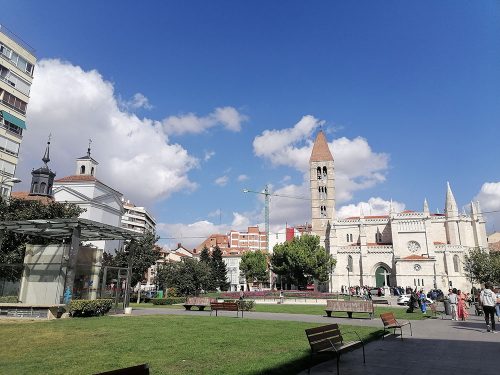
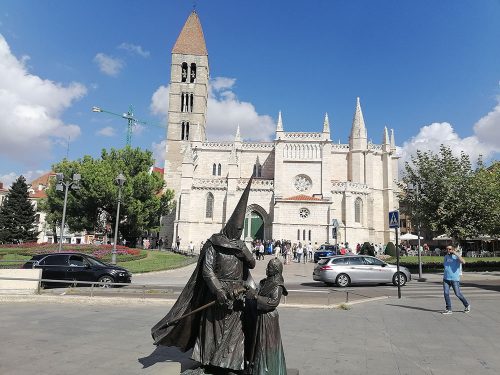
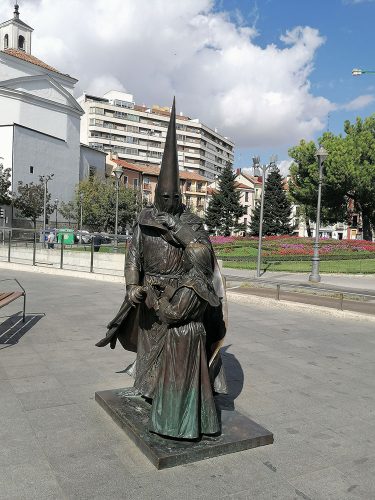
We made a stop to have some drinks where they gave us free tapas, typical croquettes filled with hard-boiled eggs and rashers. Afterwards, we saw the Church of Santa María “The Old” which with its slender tower more than 55 meters high, one of the two tallest Romanesque bell towers in Spain, has become one of the emblems of Valladolid. It also has a Romanesque portico from the 13th century and the rest of the façade is Gothic from the 14th century. In the square in front of the church, there is a statue of a hooded man for Holy Week. We couldn’t enter the church because there was a wedding!



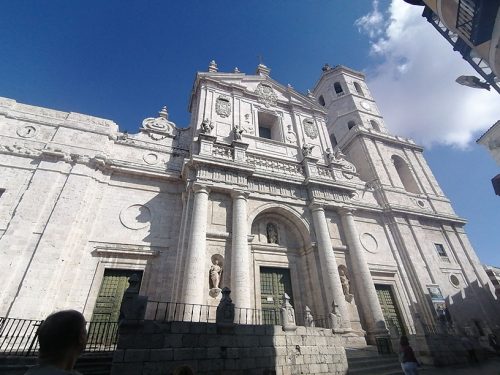

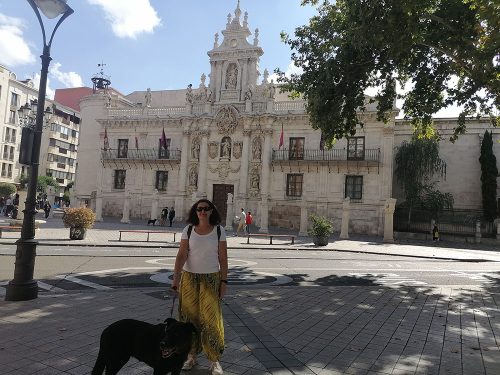
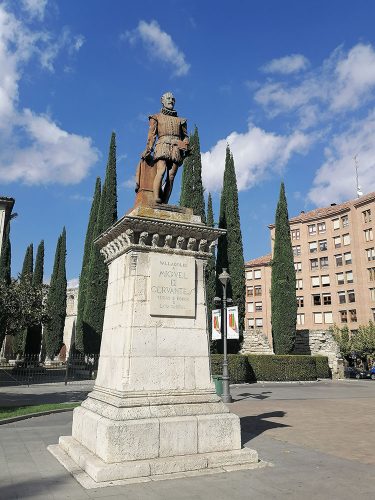
Then we went through streets full of bars and super lively until we reached the Herrerian and Baroque style Cathedral, the Cathedral is known as “The Unfinished” since its construction was not completed due to economic problems and its great size. Count Ansúrez is buried inside and you can climb its 75-meter tower, but you have to reserve, so we couldn’t go up. The cathedral also houses the Diocesan and Cathedral Museum, where you can see the remains of the old cathedral. Behind the Cathedral is the University Square where the statue of Miguel de Cervantes is located, and the Faculty of Law with a beautiful baroque façade from 1718 and its main room decorated with several stained glass windows and tiles.







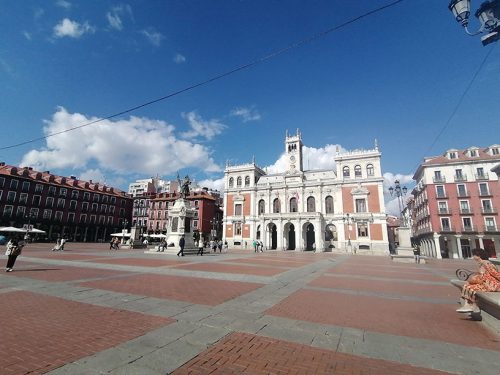
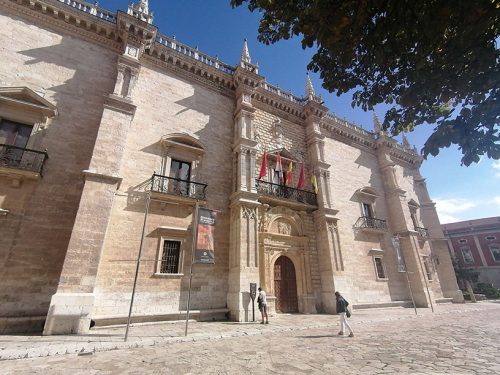
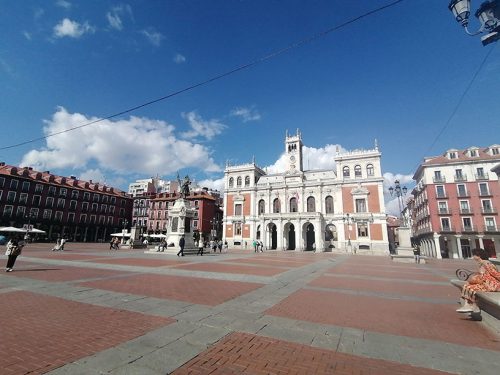
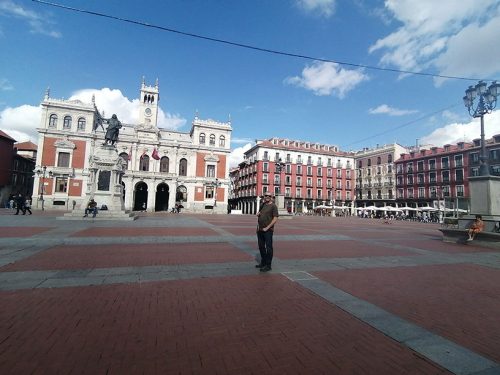
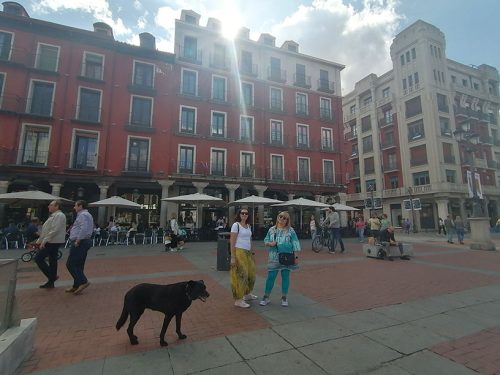
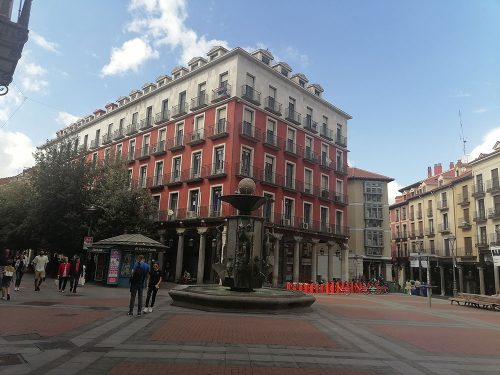
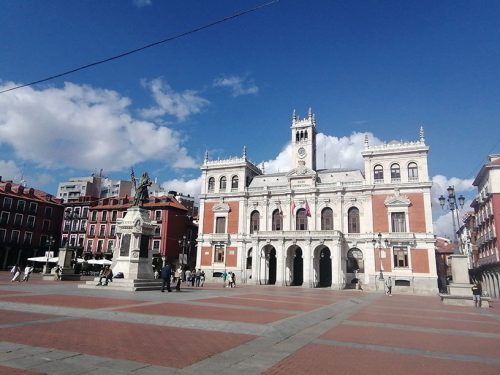
The next thing we found was the Santa Cruz Palace, the first example of Renaissance art in Spain from the late 15th century. We arrive at the Mayor Square, located in the heart of the city, where the City Hall, the Zorilla Theater and the statue of Count Ansúrez are located.




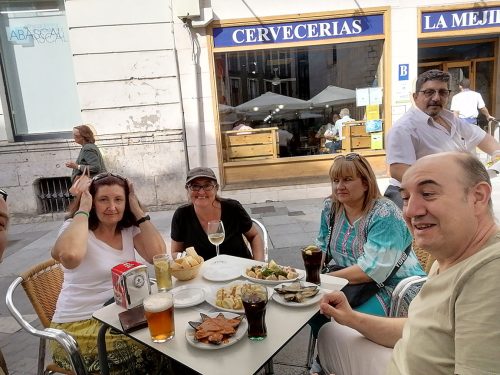
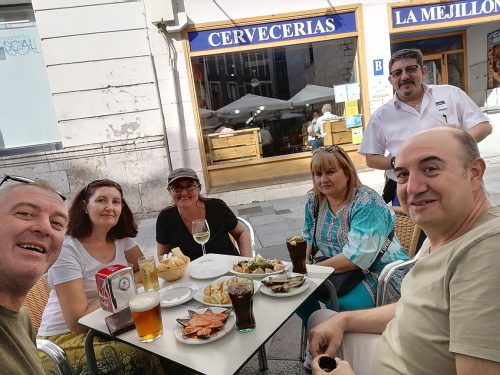
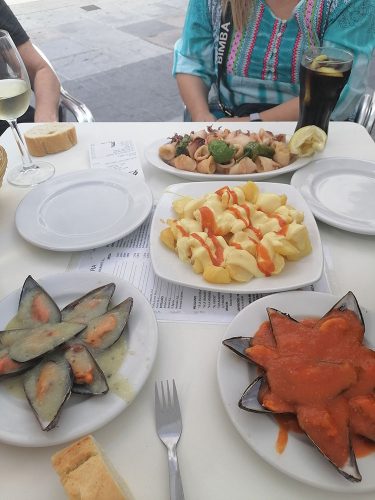
When we went to lunch, my cousins took us to the Mejillonera which specializes in mussels, where we shared portions of squid (very good), “bravas” potatoes and two kinds of mussels marinara style and mussels Scottish style with green sauce, the latter was the first time we ate them and we liked it so much that we repeated!

Then we continued touring the centre where we saw the Lope de Vega Theater, squares and curious buildings until we reached to Moreras Beach, a magnificent beach of fine sand bathed by the waters of the Pisuerga River. On this piece of beach, you can sunbathe, take a swim or have a drink at a beach bar.

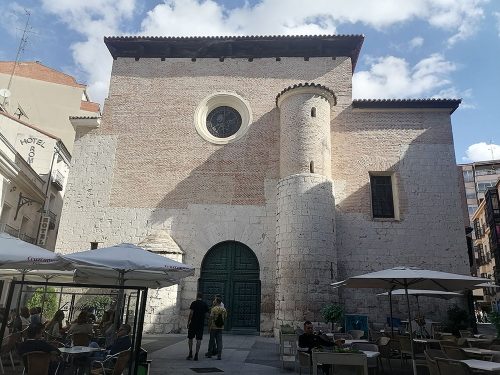


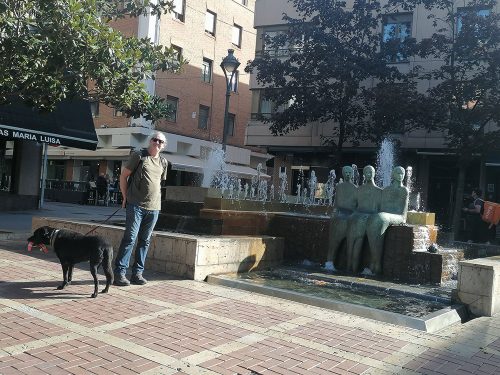
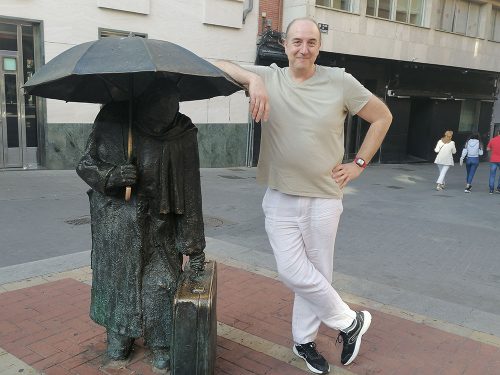


We continued our visit through the city seeing the Fabio Nelli Palace, which began being built in 1576 and today houses the Museum of Valladolid; the Church of San Miguel and San Julián, built at the end of the 16th century; and the Church of La Vera Cruz from 1581. Among so many churches we stopped to drink a typical sweet wine called mass from Valladolid.


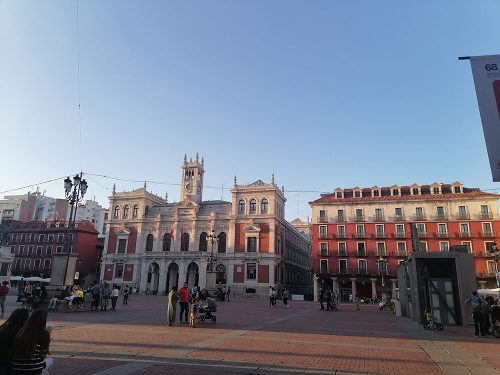
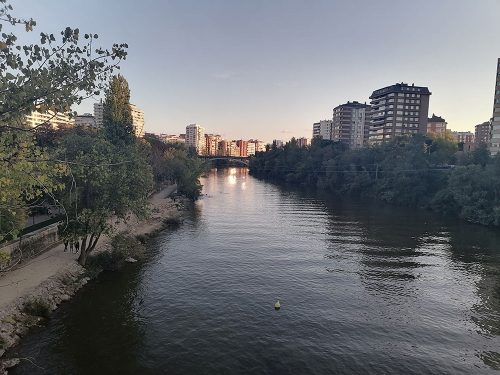
We finished the day having some drinks at night with Pedro Ángel and Mari Ángeles, and the next day we went to Madrid, the capital of Spain, a city of elegant boulevards and wide, well-kept parks, where we met with several friends, all you can see in the next post!

