France – Beaune (En)
Beaune is a historical-artistic city with an exceptional heritage, the capital of Burgundy wines. Surrounded by ancient walls, it is considered the centre of the Burgundian wine business.
Where to stay
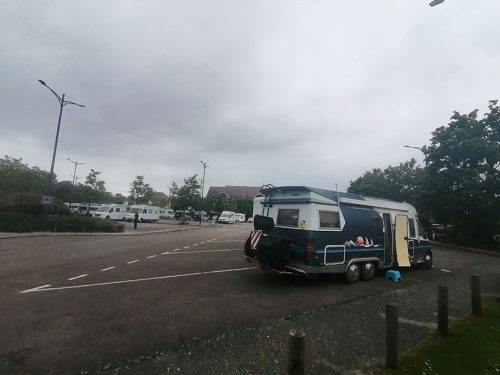
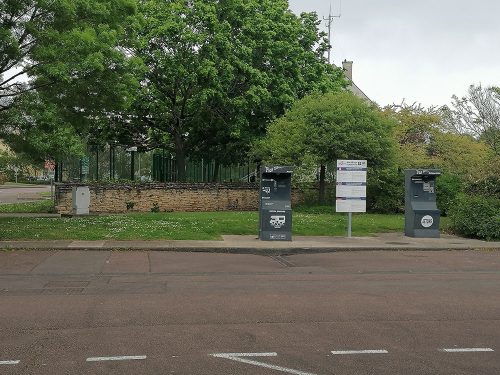
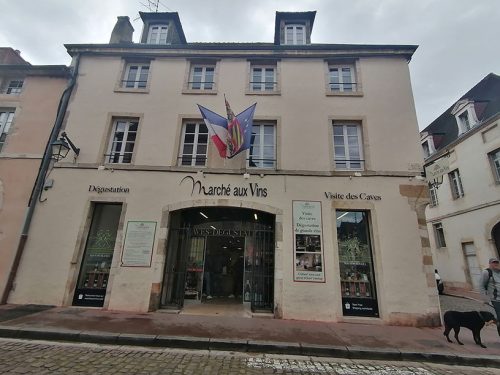
We stayed in the city’s Municipal Area (47.017384, 4.836396 lat, long), which is quite large and costs 8.70 euros per day or 17.50 euros for two days. We stayed for two days. The services must be paid separately, we paid for filling and emptying grey and black water and it cost us 4.70 euros, which seemed very expensive since normally these services are free! You could also have electricity for 4 euros for 4 hours! We don’t use it. The good thing about the area is that it is next to a huge supermarket and pharmacy, and very close walking to the centre, about 5 minutes.
What to see
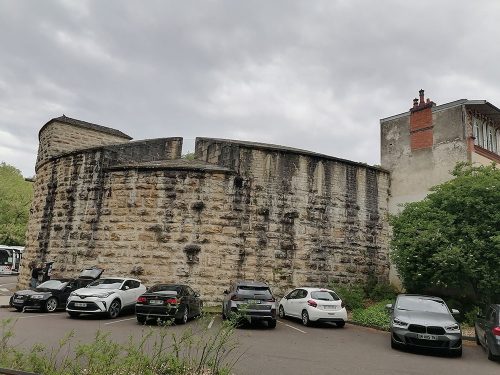
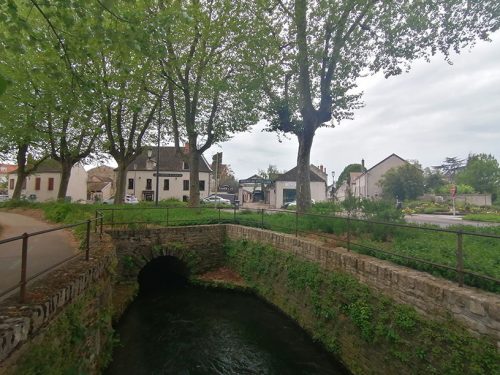
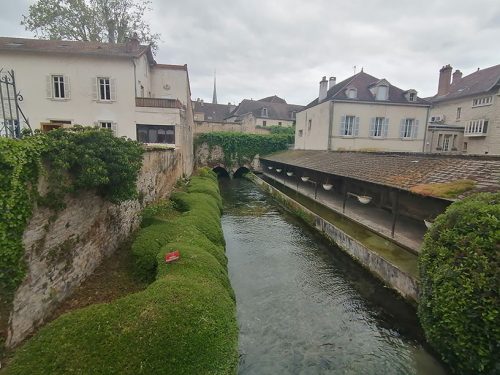
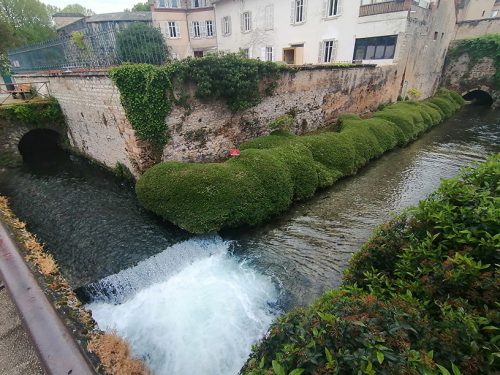
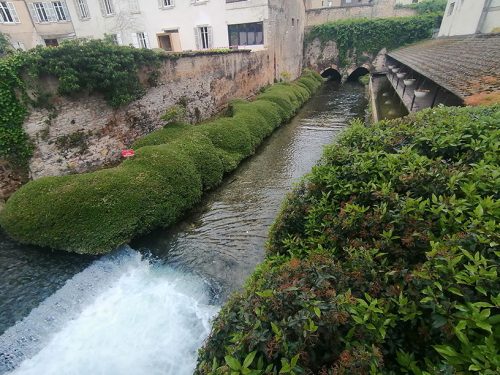
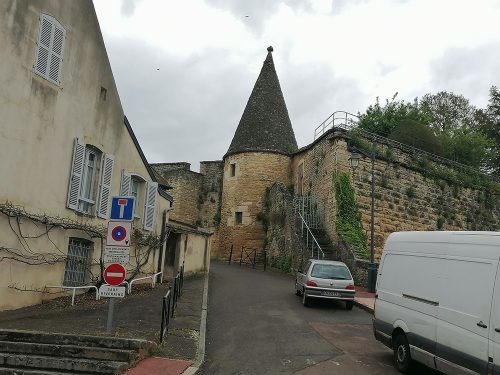
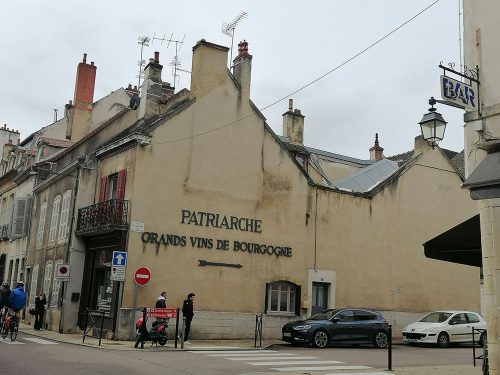
We walked to the centre with Asha, where we saw the old walls. Then we entered the old town that houses outstanding monuments such as Renaissance palaces, beautiful half-timbered houses and beautiful interior patios. And we arrive at the Hospital, a jewel of medieval Burgundian architecture, built in the 15th century. Declared a Historical Monument, this magnificent complex, with its famous varnished tile roofs, is currently the Hôtel-Dieu Museum which exhibits works such as the altarpiece “The Last Judgment” by Van der Weyden. There was a queue to enter the museum.
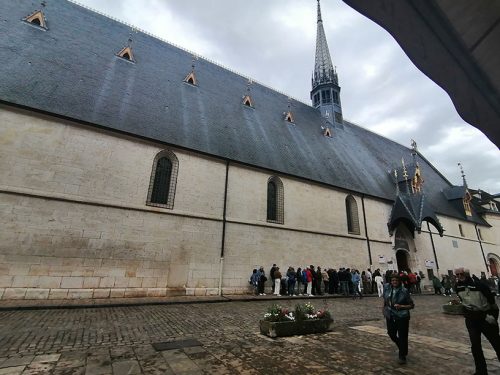
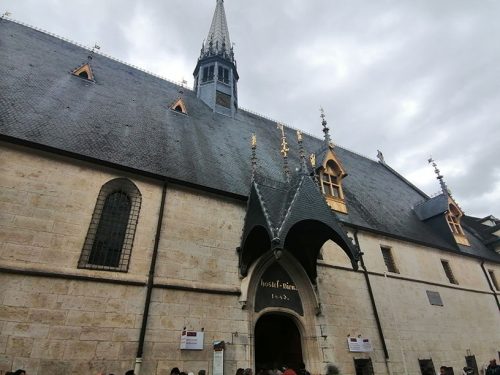
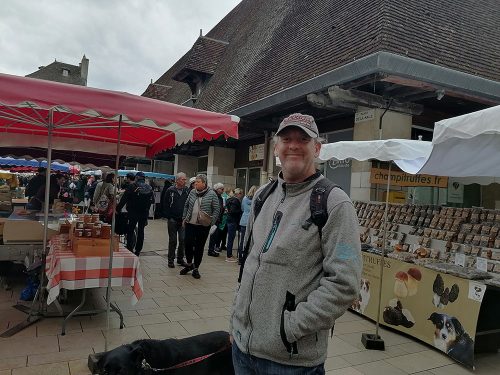
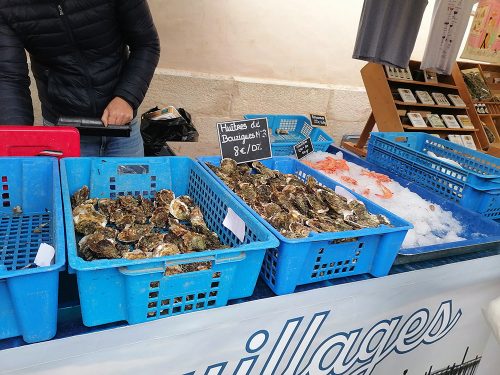
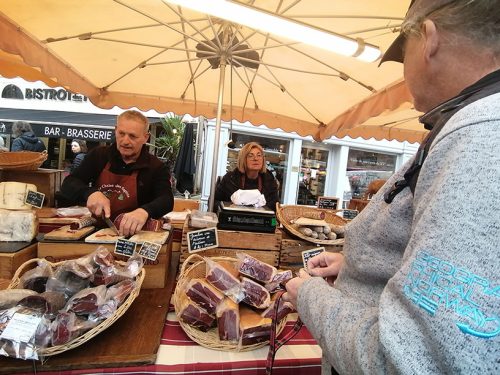
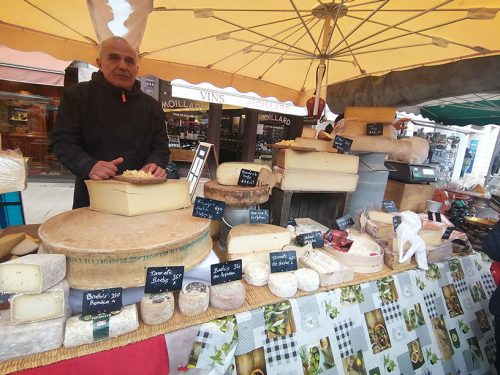
To our surprise, in the square in front of the Museum, there was a market selling local products where you could try the different cheeses and cured hams and loins. We tried and the ham was so good that we bought a kilo!
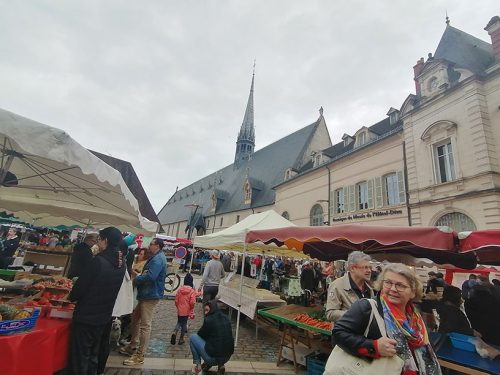
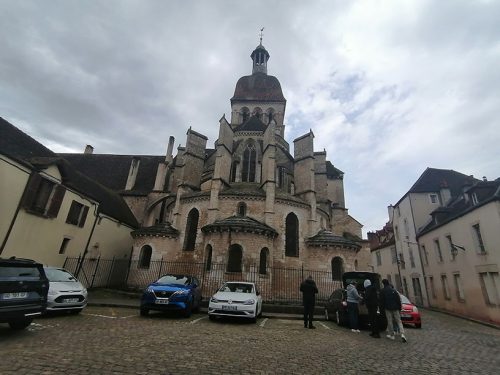
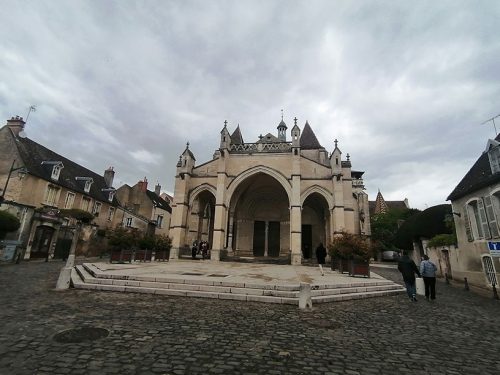
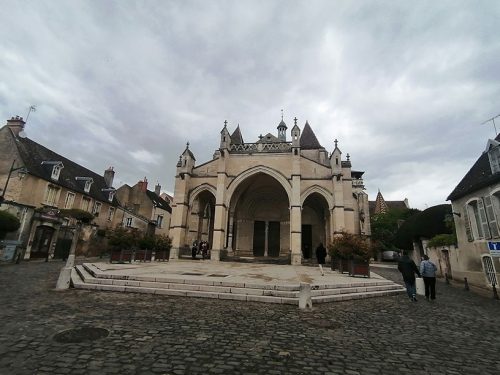
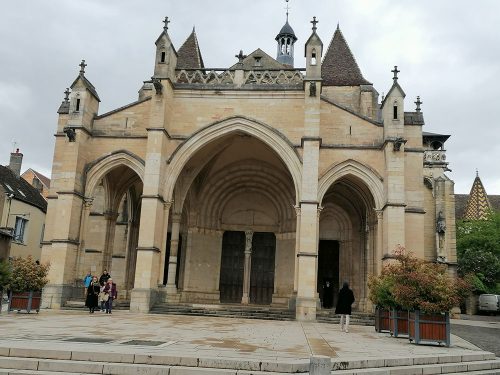
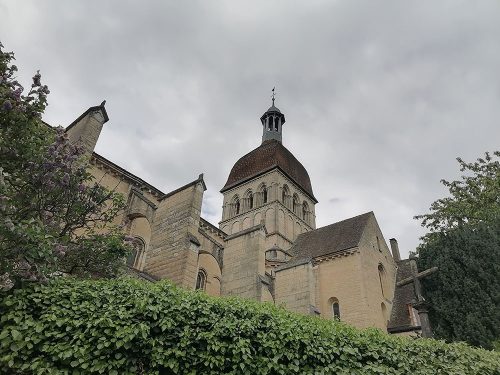
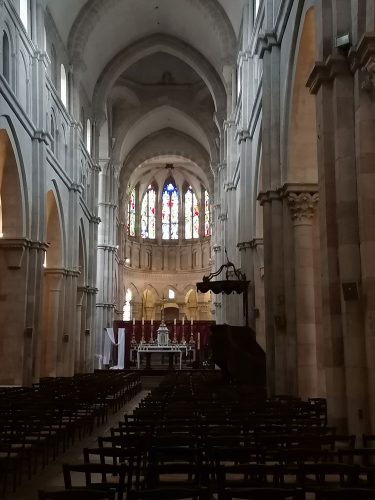
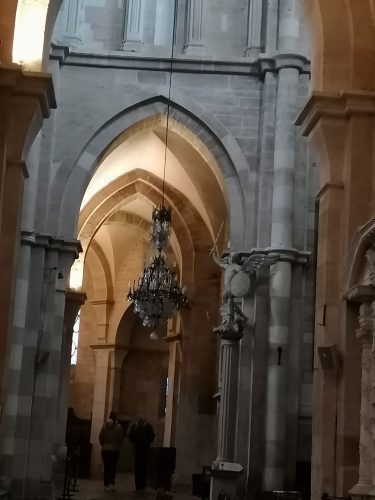
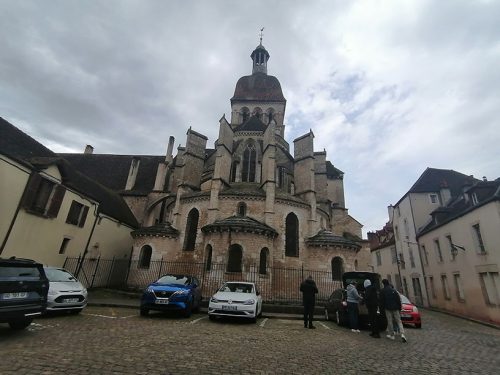
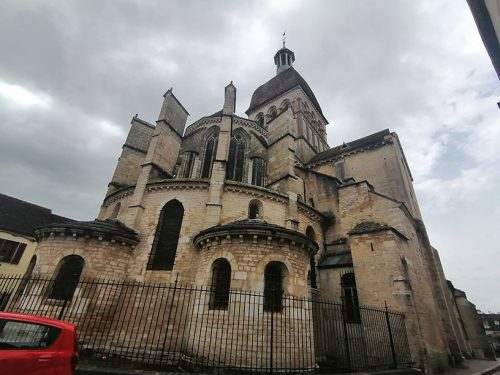
We continue touring the old town and arrive at the Collegiate Church of Notre Dame with a length of 80 meters, is the largest in the city. Construction began in the 12th century and is one of the great Romanesque churches. After a fire in 1272, Gothic art was introduced. It is a pilgrimage site where travellers come to see the statue known as the Black Madonna.
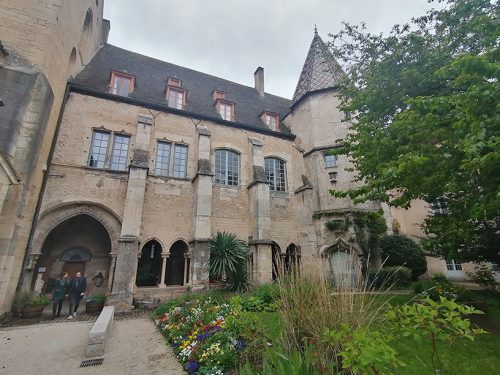
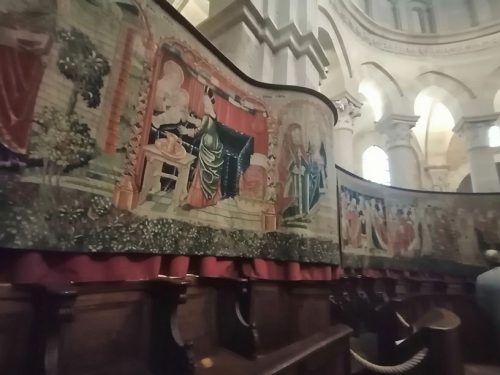
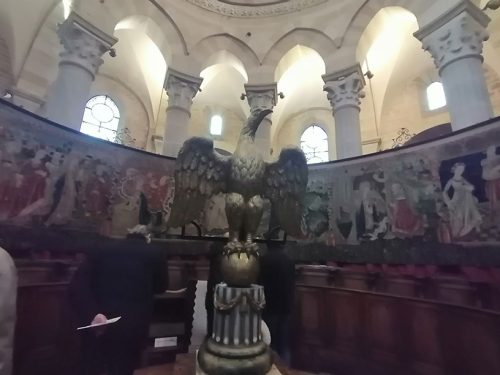
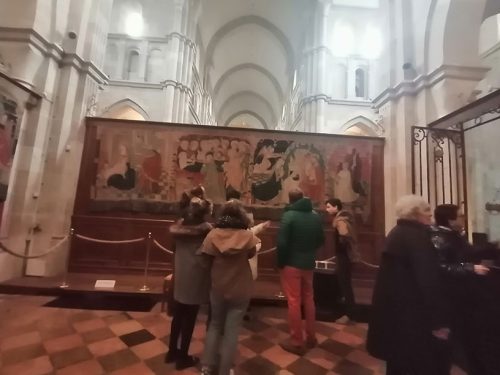
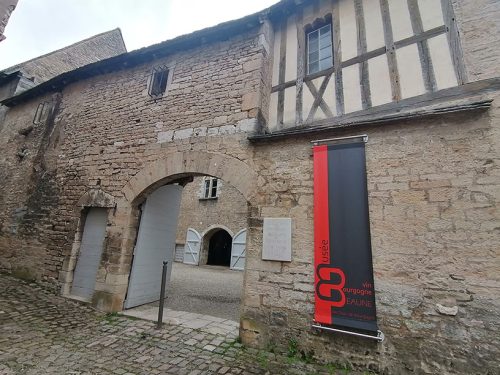
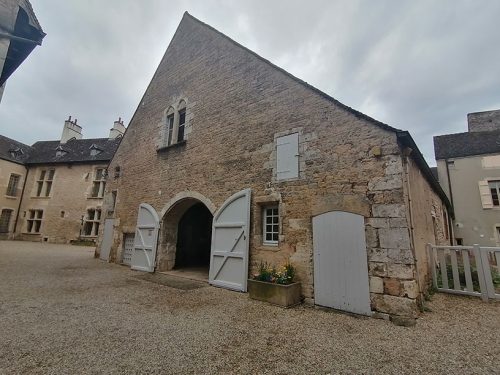
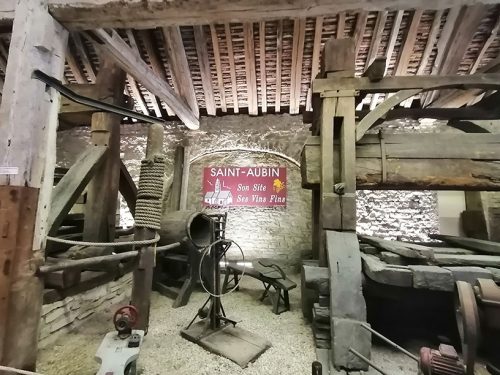
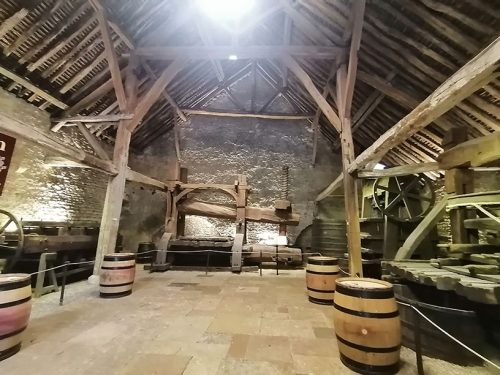
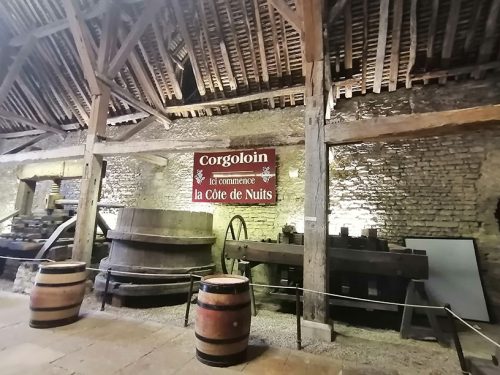
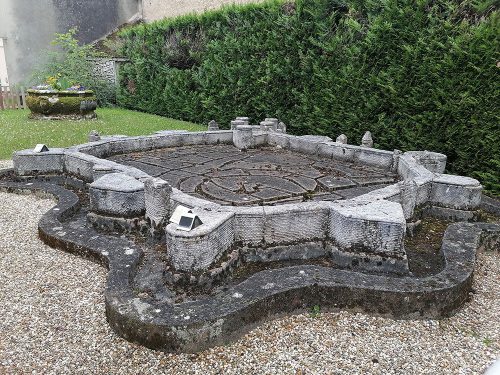
On a side street to the Church is the palace of the Dukes of Burgundy. Declared a Historical Monument, this former ducal palace from the 14th century houses the Burgundy Wine Museum. It illustrates the vineyard and winemaking history through ethnographic and artistic collections, tapestries and everyday objects of the vineyard’s technique.
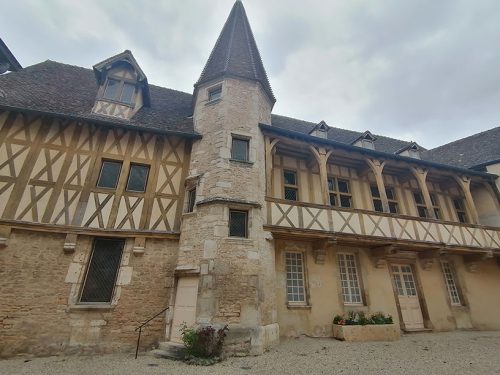
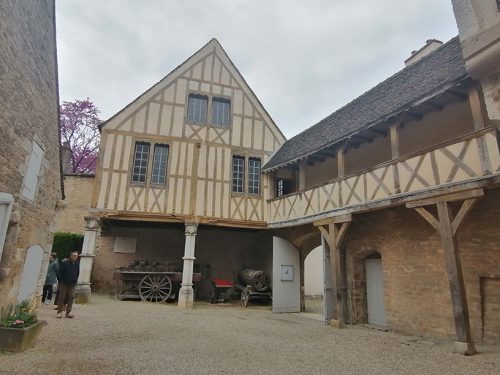
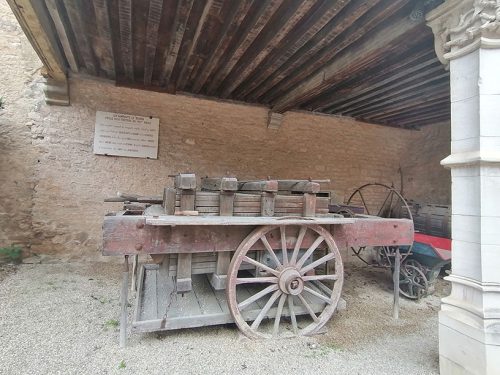
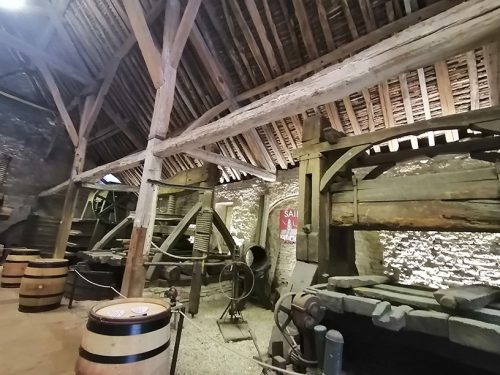
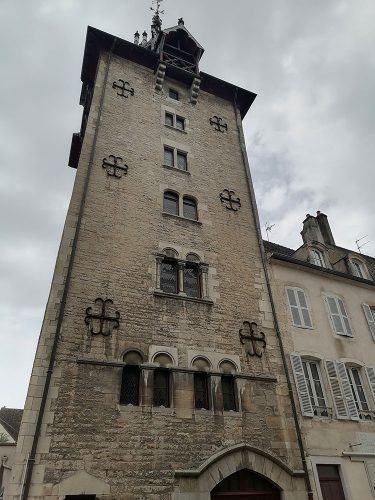
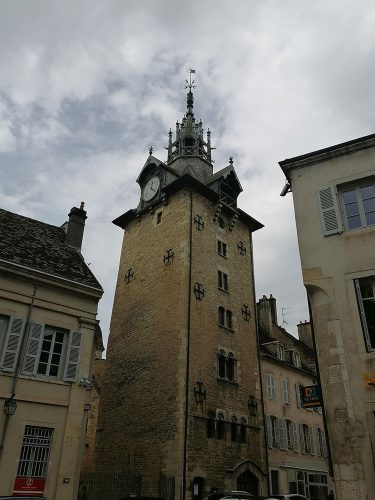
We arrived at a square from where we could see the back of the Collegiate Church and we found the L’horloge Tower that served as the base of the bell tower on an older foundation between the 13th and 14th centuries made by the monks of the Abbey of Maizieres. In 1395, the Duke of Burgundy forced the monks to cede the tower to the city and it was fitted with a Flemish-style bell tower, a clock and a bell tower in its place, thus acquiring its current appearance at 41 meters high.
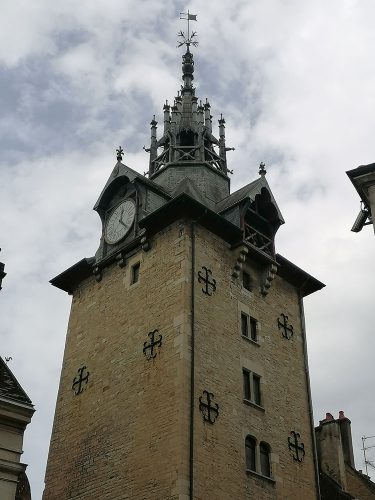
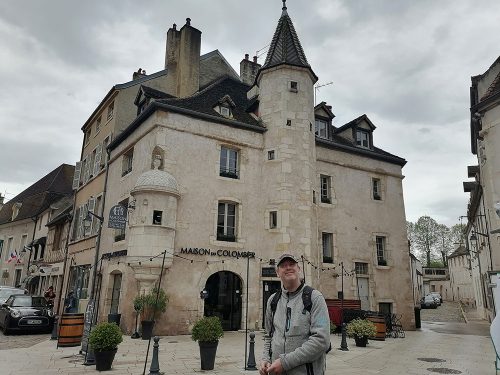
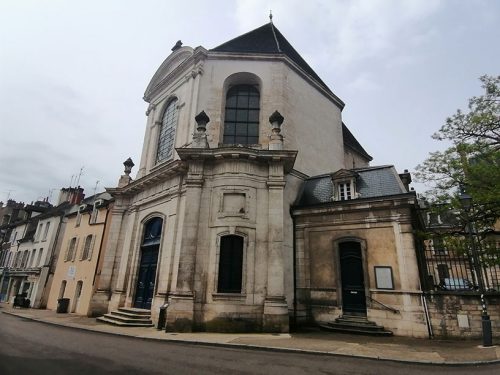
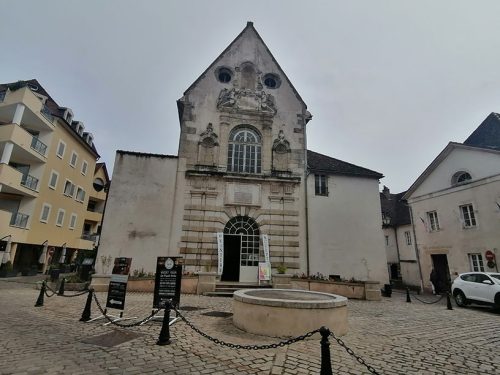
We continue touring the old town and we find more historical monuments such as the Chapel of the Hospital of Charity founded in 1645 by Rousseau, advisor to the king; the Town Hall, the theatre, the old Oratory Chapel built between 1708 and 1710, with a typical counter-reformation façade. Finally, we reached one of the exits and entrance gates to the old town.
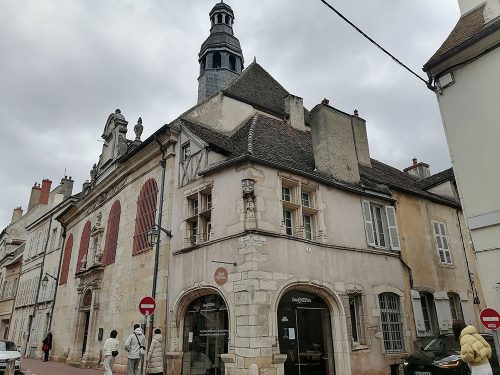
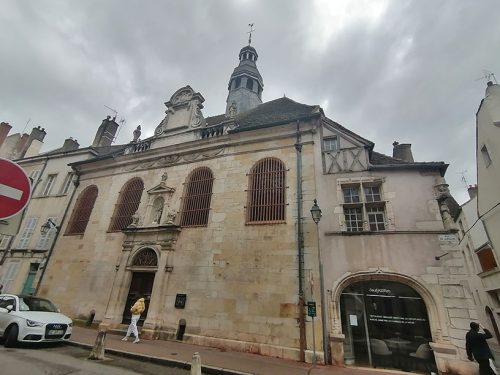
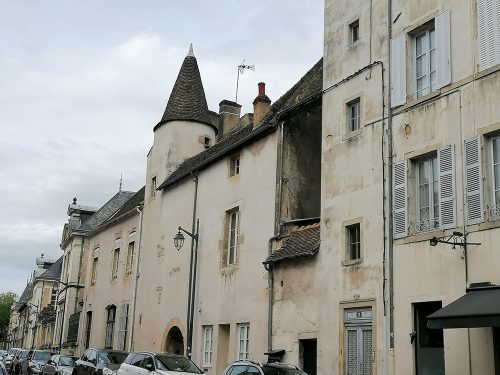
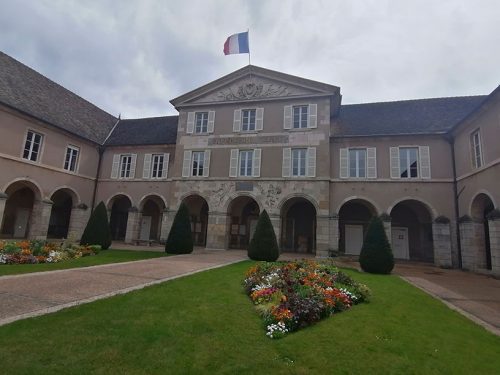
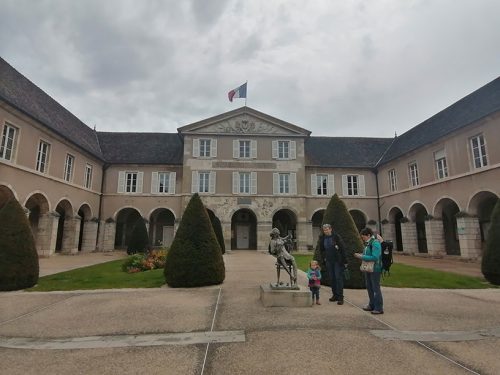
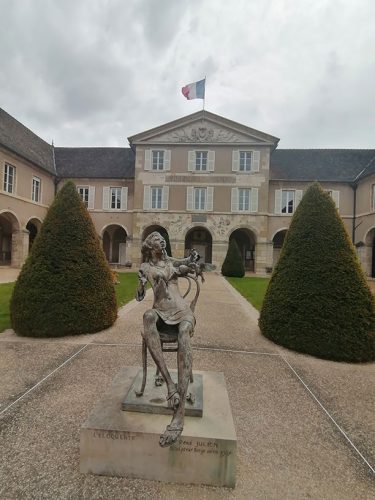
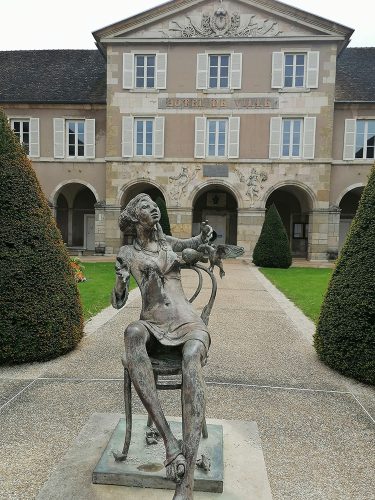
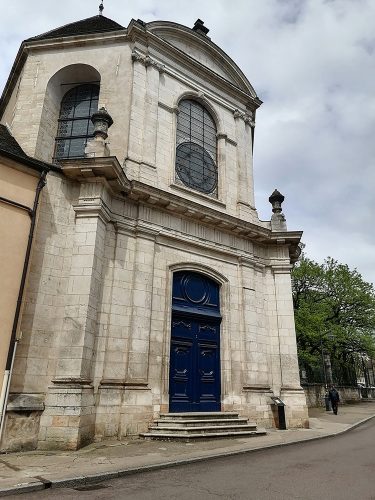
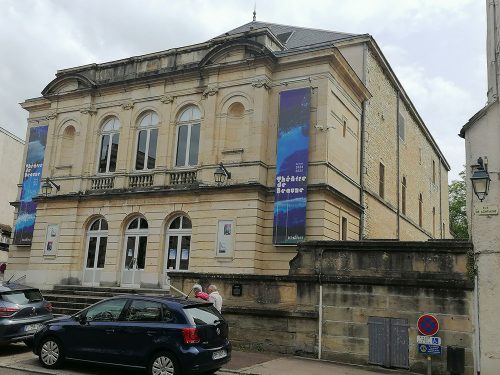
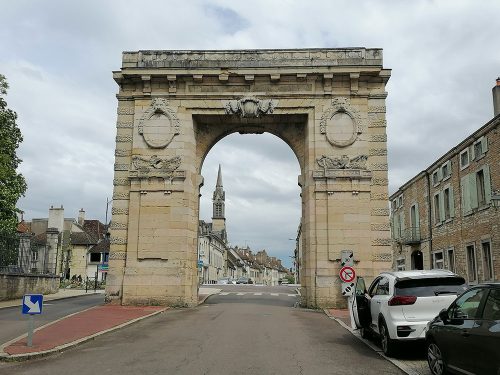
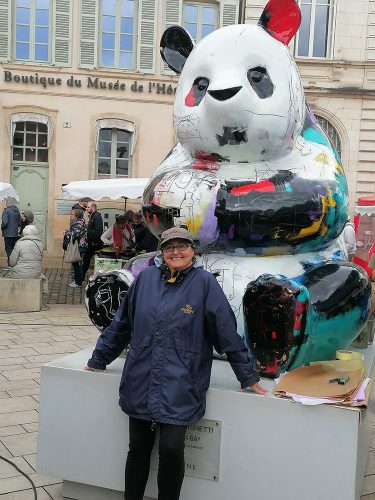
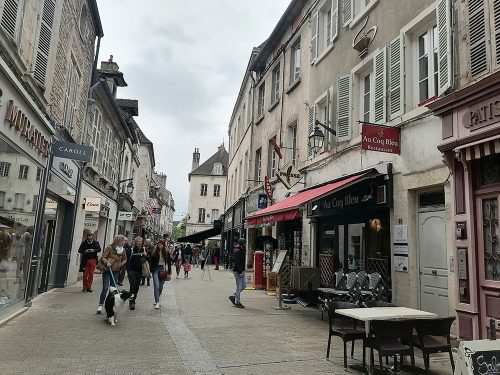
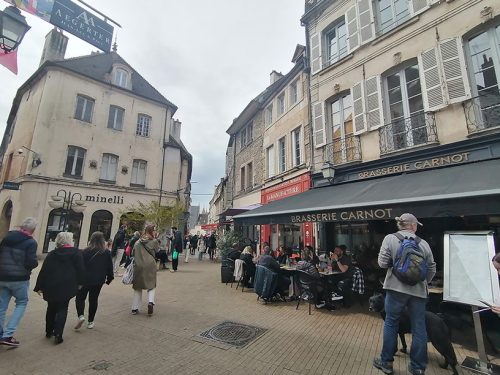
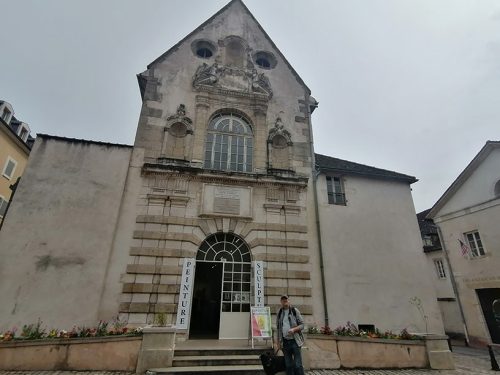
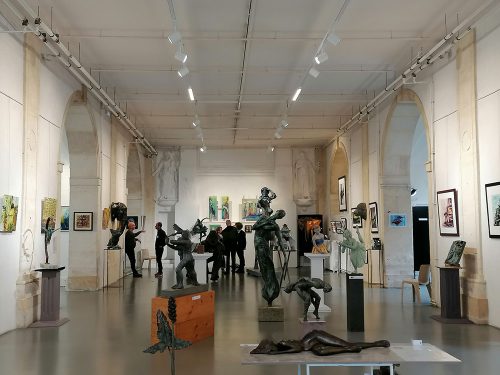
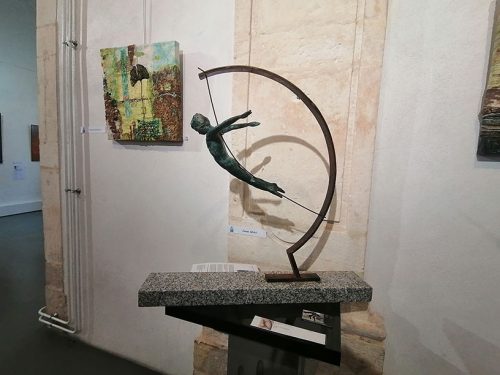
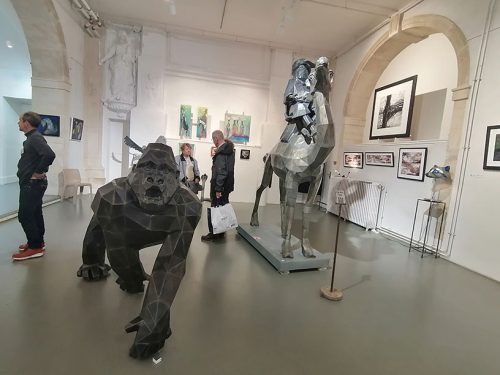
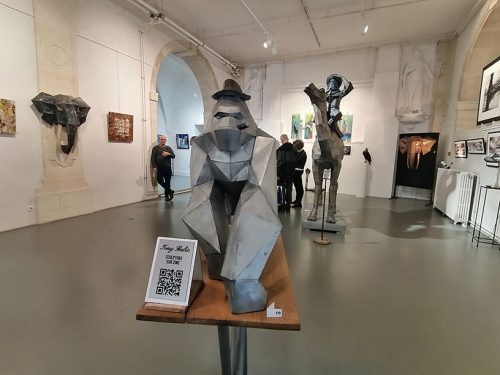
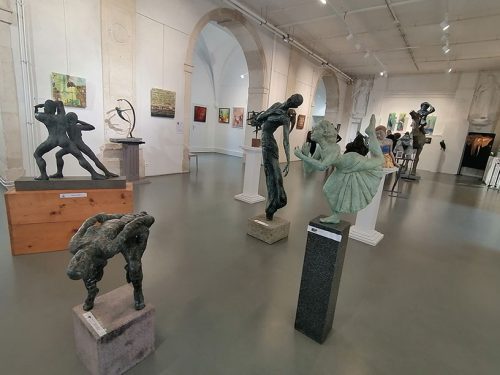
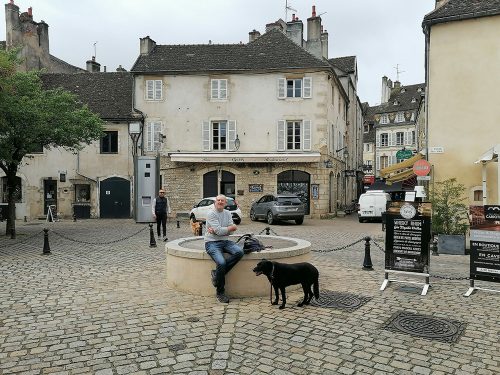
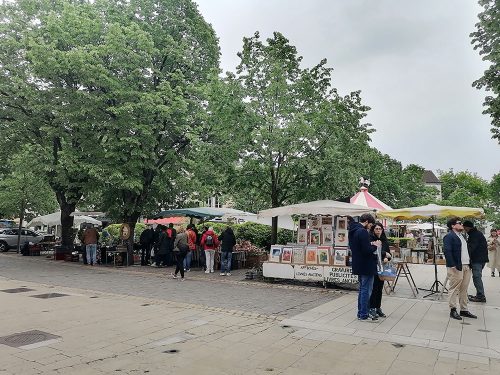
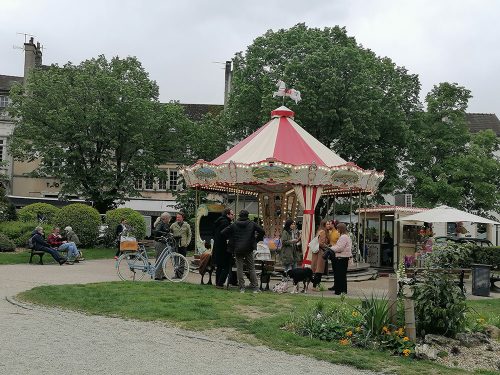
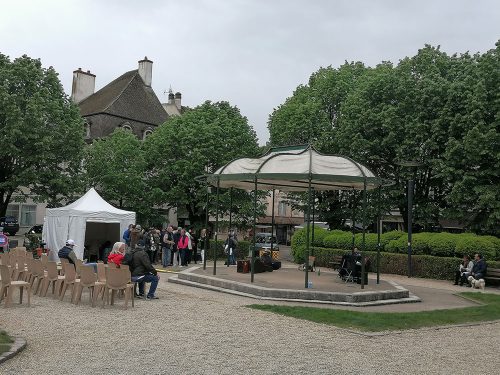
We returned through the lively streets of the old town where we found a very cool painting and sculpture exhibition that we went in to see and ended up at another market.
Our next stop is the historical-artistic city of Dole, whose historic centre has been declared a protected area, which you can see in the next blog!

