Spain – Carrión de los Condes (En)
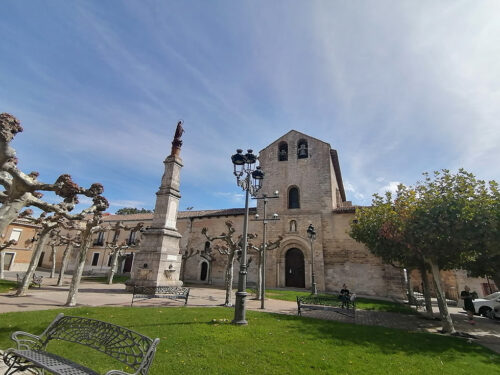
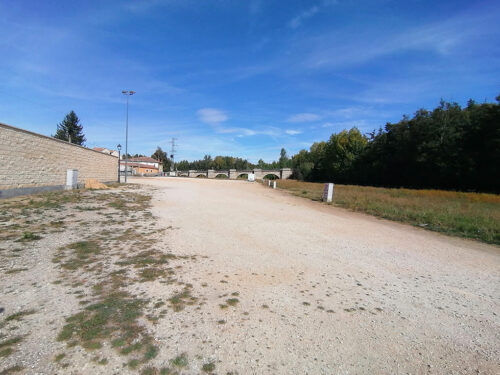
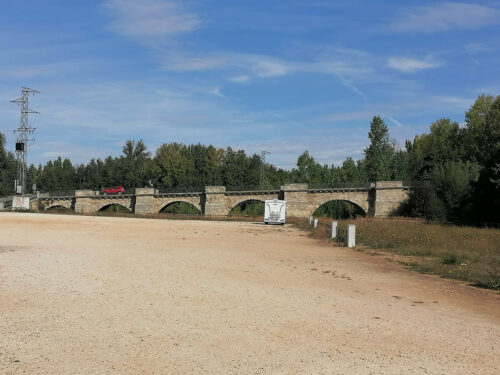
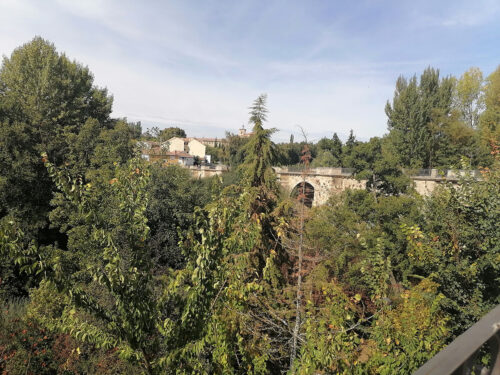
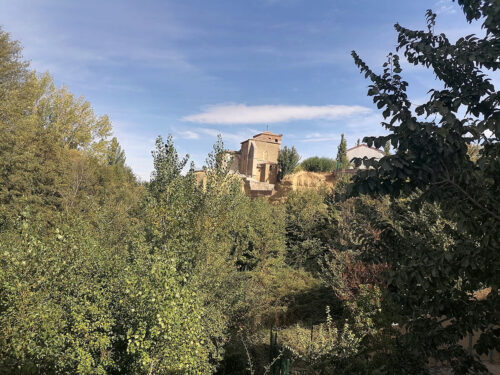
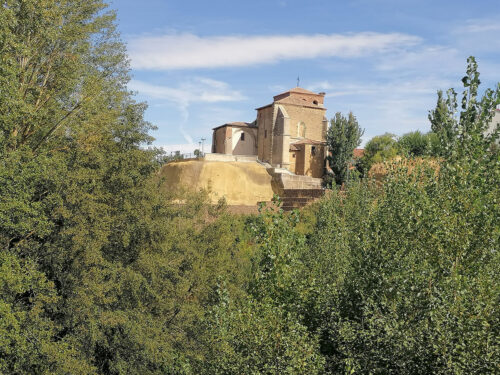
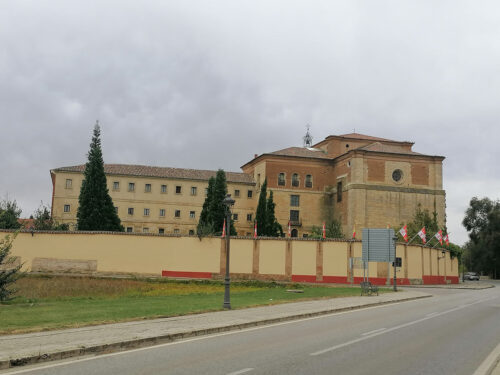
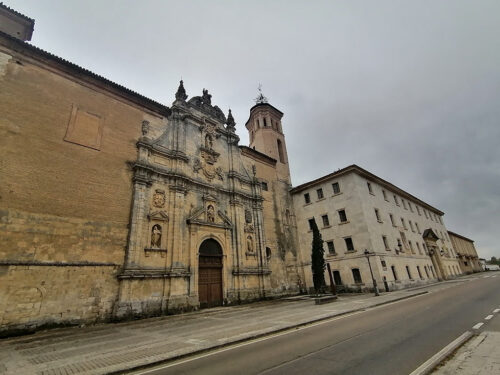
We stopped in Carrión de los Condes in the province of Palencia because it was on our way to León, and we were surprised by its beauty and the large number of pilgrims who were in the town on the Camino de Santiago. The town is very small and has many medieval monuments to see, and an old town where the Church of Santiago and the Museum of Contemporary Art are located in the main square. We found the entrance to the town beautiful, as it features a medieval bridge and the 10th-century Monastery of San Zoilo.

Where to stay
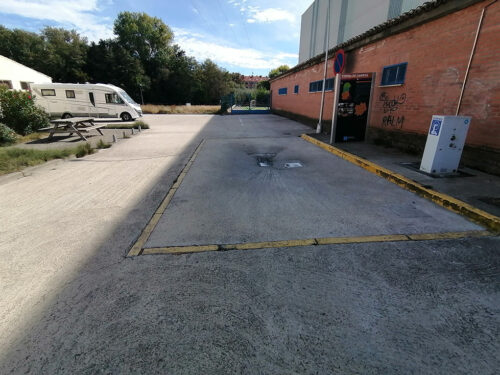
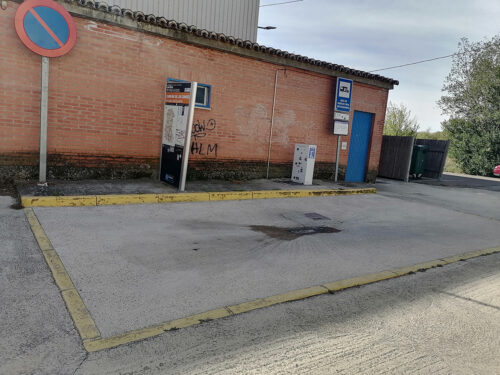
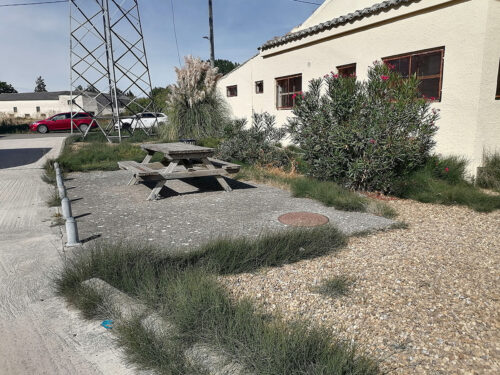
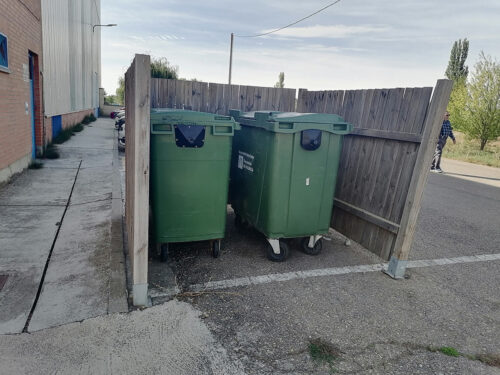
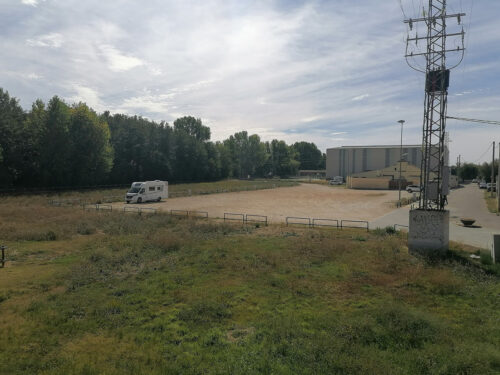
One of the reasons we chose to stay here is that it has a free Motorhome parking area (42.338172, -4.607965 lat, long) at the entrance to the village, next to the Monastery of San Zoilo, the medieval bridge, and a beautiful park that spans the Carrión River. The area has a grey and black water disposal area, as well as trash containers. Unfortunately, the drinking fountain wasn’t working, nor was the water used to clean the chemical toilet. The area is small, with only five motorhome spaces, although right next to it, there’s a huge dirt parking lot where you can park if the area is full. Access to the area is easy, and I recommend parking in the spaces at the back, as cars sometimes park in the spaces at the beginning. A five-minute walk through the park and across a bridge takes you to Plaza de Santa María, where the town hall, bars, and many medieval monuments are located. You’ll also pass a supermarket along the way. I recommend it for exploring this beautiful town, although the facilities could be better.

What to see
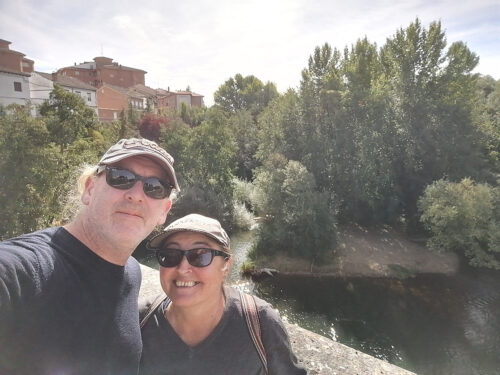
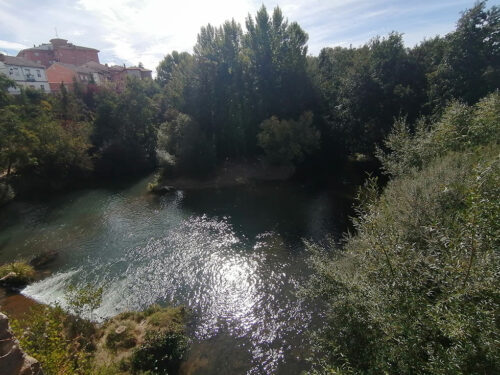
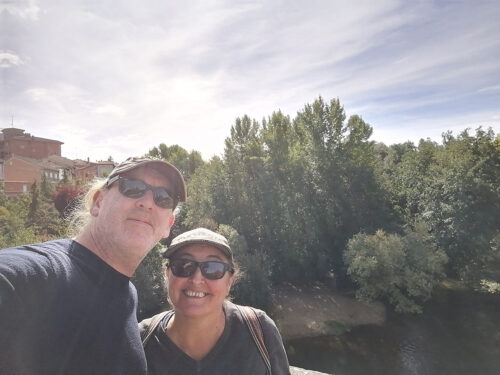
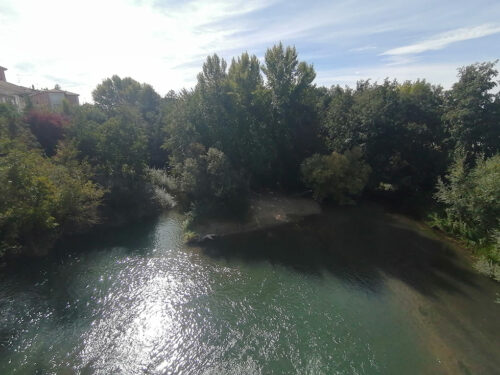
We decided to cross the medieval bridge inside the town to see the river and take photos.
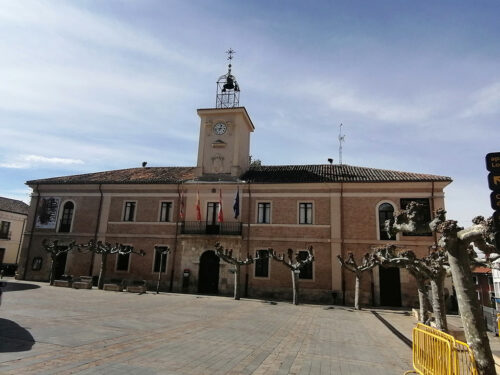
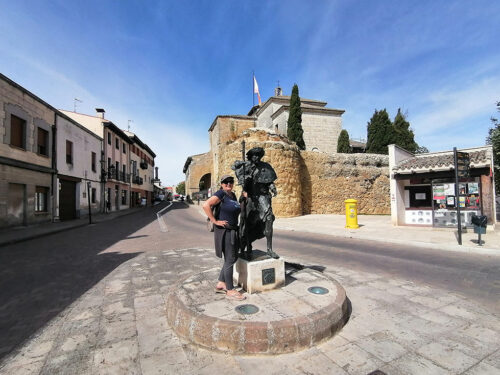
We arrived at Saint Mary Square, the centre of town, very lively with bars, the town hall, and the Eagle’s House, one of the oldest buildings in the square.
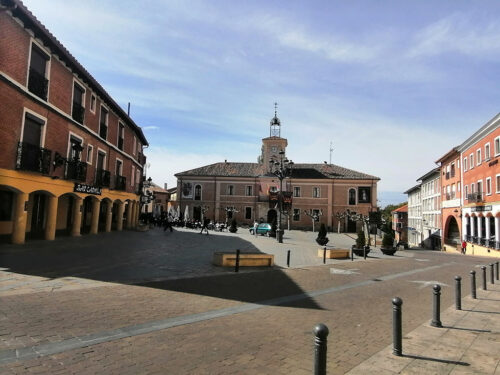
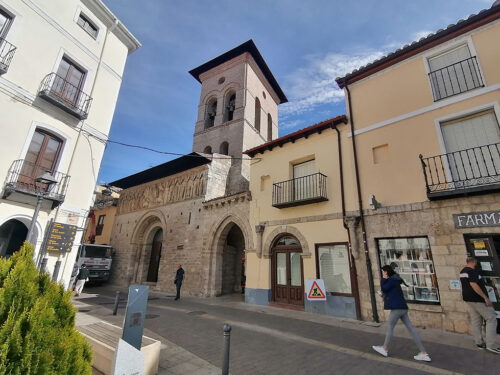
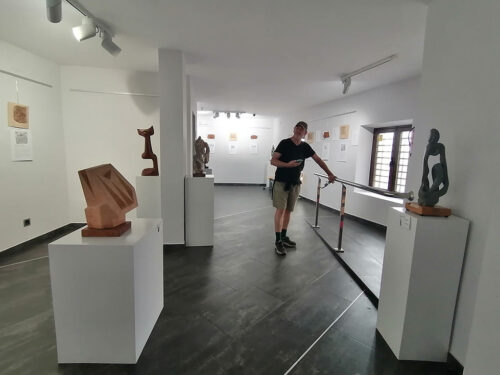
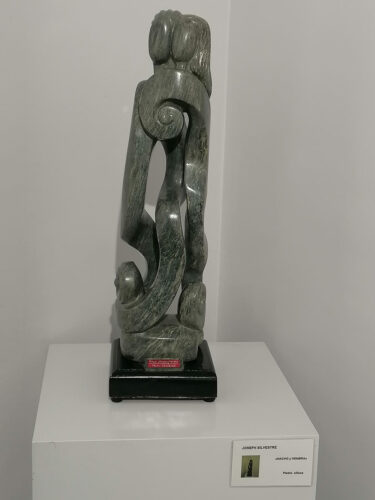
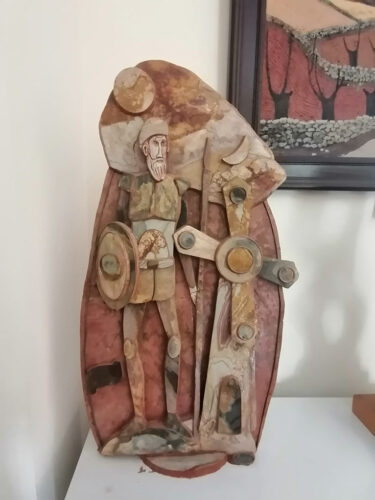
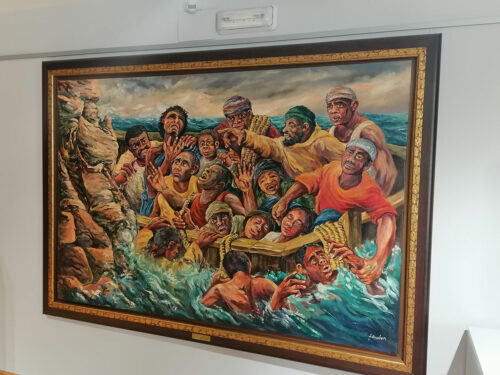
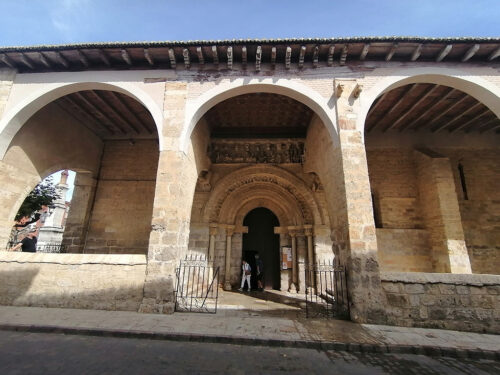
On one corner of the square is the Church of Santiago, built at the end of the 12th century and famous for its Christ in Majesty, or Pantocrator, on its Romanesque façade. We were unable to enter the church, but you can visit the Museum of Contemporary Art, located in the former pilgrims’ hospital of the Monastery of Santiago. Admission is free, and you enter through a 13th-century Gothic façade. It currently houses a collection of sculptures by Venezuelan artist José María Delgado and another collection of paintings by two different painters.
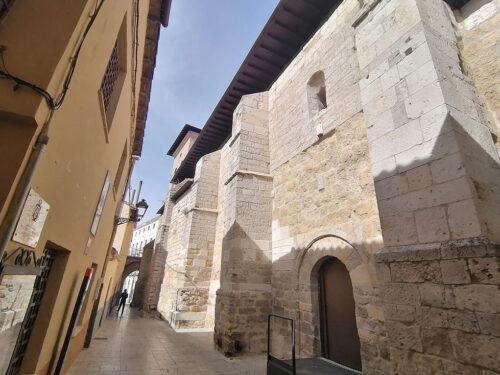




From there, we walked through the streets until we reached the Church of St. Mary, built in the Romanesque style during the 12th century. In the 17th century, the new main chapel was built, which we were able to see. Today, it’s called Santa María del Camino because it’s located right on the Camino de Santiago. Right on the next street, there’s a shop that sells everything you need for the Camino de Santiago, and there I bought some much-needed walking shoes, which were on sale!
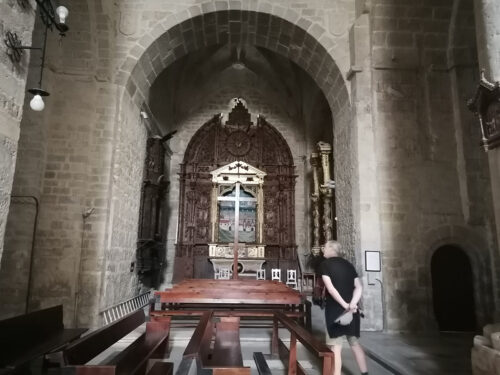
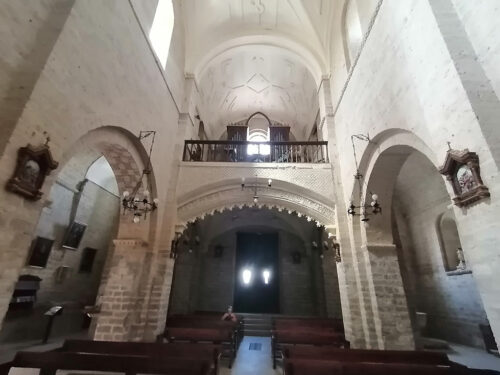
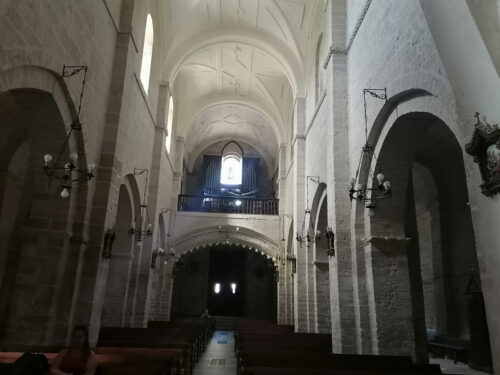
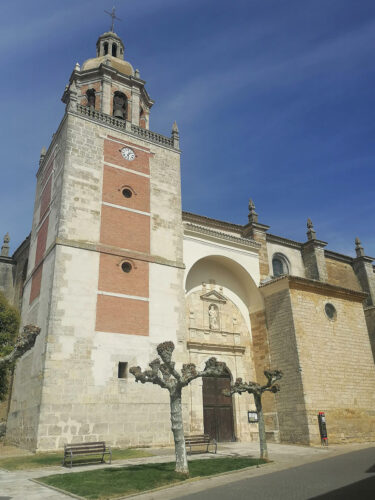
Going down the street, you reach the Church of St. Julian, built of brick and restored in the 16th and 17th centuries. Its façade dates from the late 16th century and is decorated with two coats of arms and a carving of St. Julian.
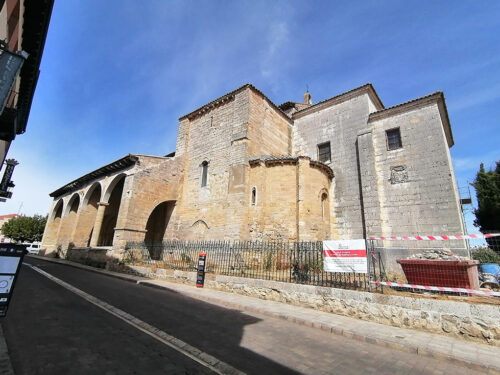
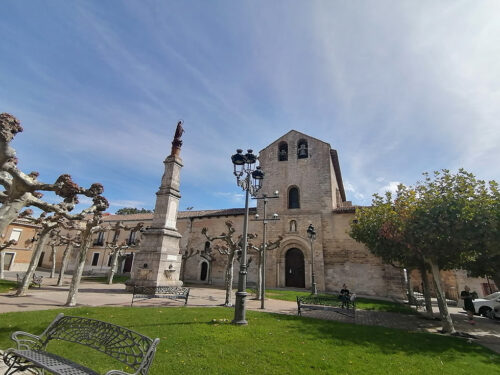
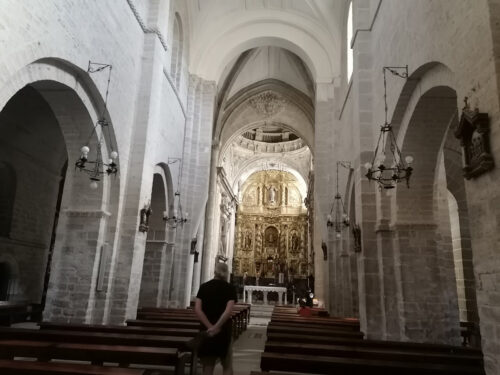
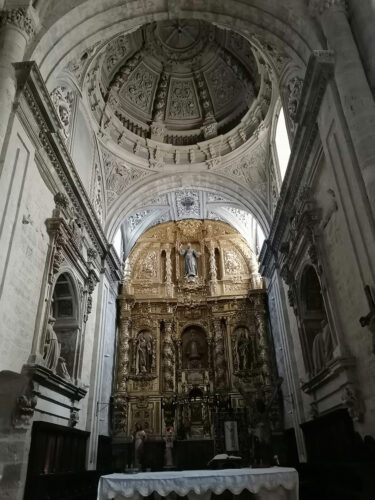
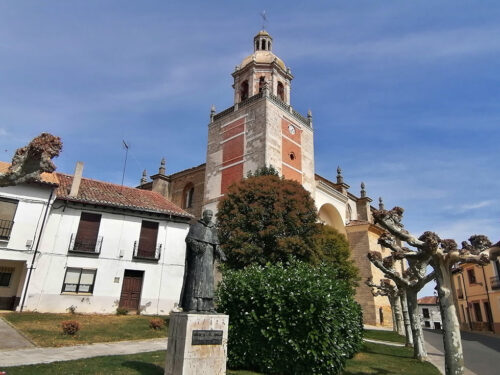
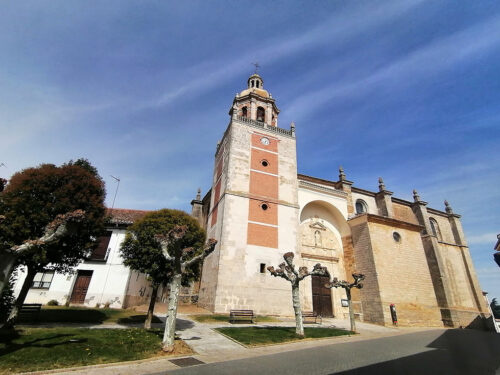
Finally, we visited the Church of St. Andrew, known as the Cathedral of Carrión for its monumental size and majestic interior. The current church dates from the 16th and 17th centuries and was built on the site of a medieval church.

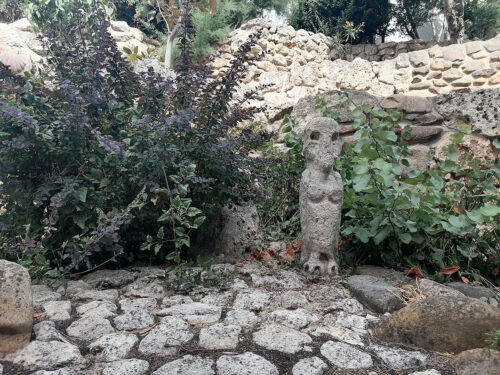
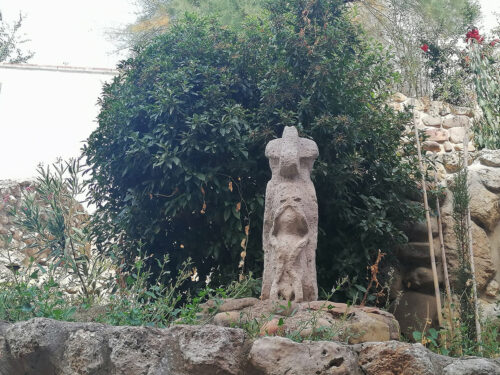
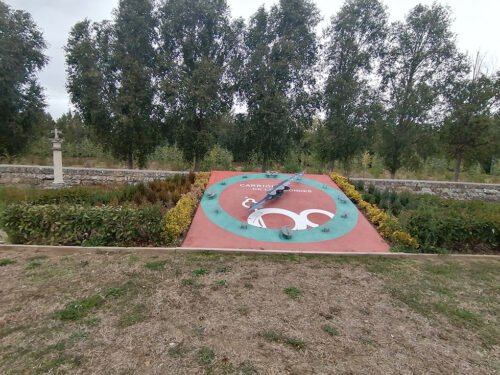
The next day, we went to see the Monastery of St. Zoilo, an old pilgrims’ shelter from the 10th century, featuring a Renaissance cloister by Juan de Badajoz. You can visit the inside, but we were unlucky because it was the weekend and it was closed. In front of the monastery, there’s a clock in a garden that tells the time, which is quite cool.

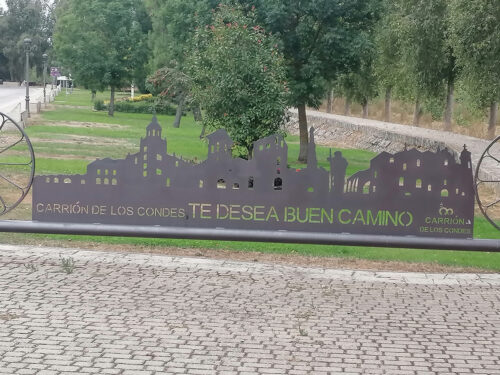



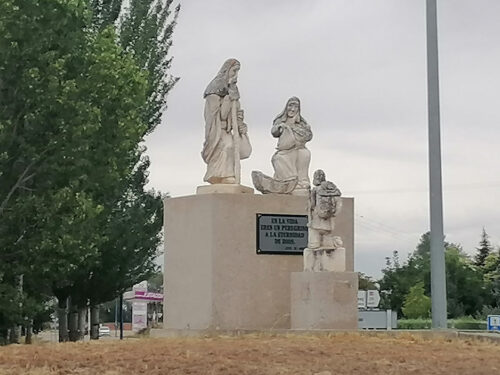
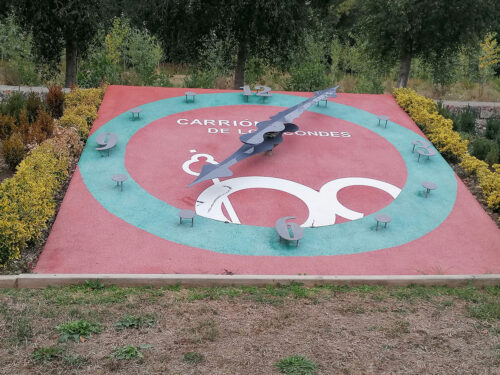
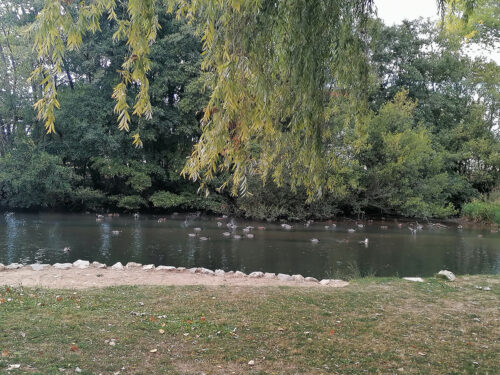
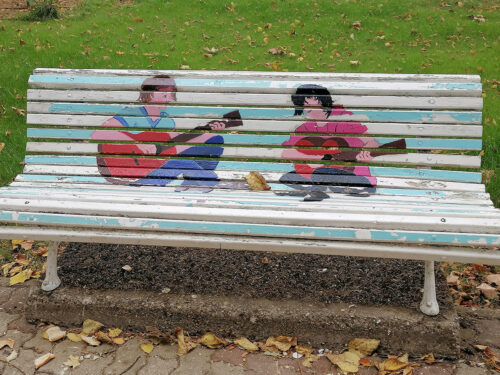
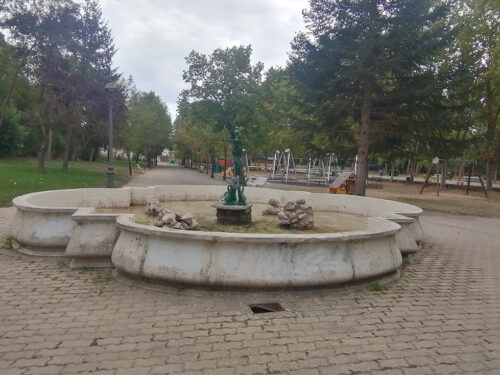
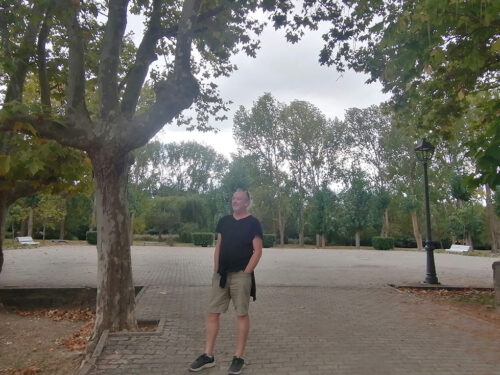
In the afternoon, we went to walk around the park next to the Carrión River, which is very beautiful.


Next stop: León, home to numerous churches and cathedrals famous for their architecture and art, which you can see in the next blog!

