Spain – Lorca (En)
Lorca is known as the “Baroque city” for the Baroque monuments found in its historic centre. Particularly noteworthy are the Baroque palaces and stately homes, such as the Guevara Palace, the Palace of the Counts of San Julián, and the Mula House. Declared a historic-artistic site in 1964, it houses churches and convents from different periods and styles; the Fortress, notable for its military architecture; and museums such as the Archaeological Museum and the Embroidery Museums of the Paso Blanco and Paso Azul, all related to Holy Week.

Where to stay
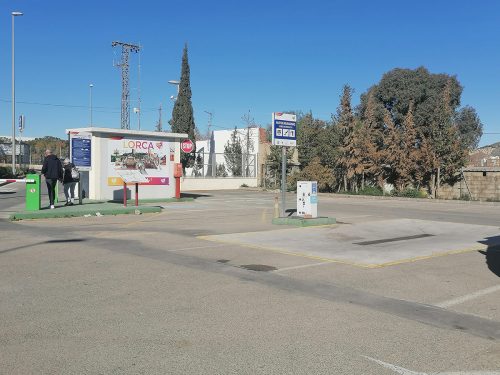
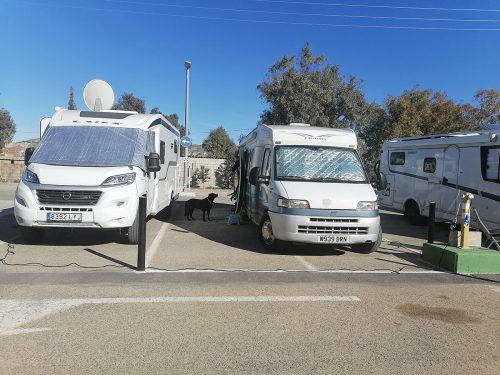
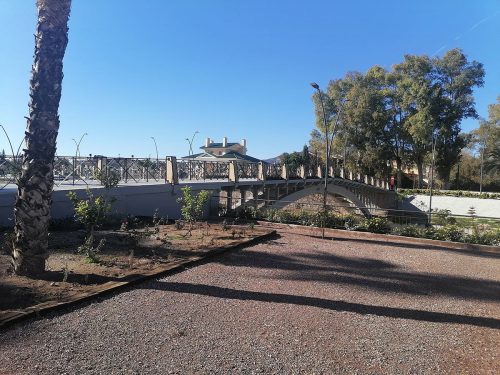
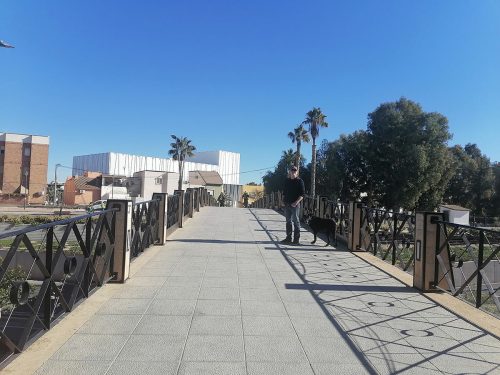
We stayed in the Camping-Car Park Area (37.674175, -1.687848 lat, long), which you can access with the membership card we have from France. It cost only 1 euro, but it was free since we had money left on our card. The area is very good, you can fill and empty water, and has electricity. It’s located 5 minutes from the centre, crossing the famous Torta Bridge. Highly recommended!
What to see
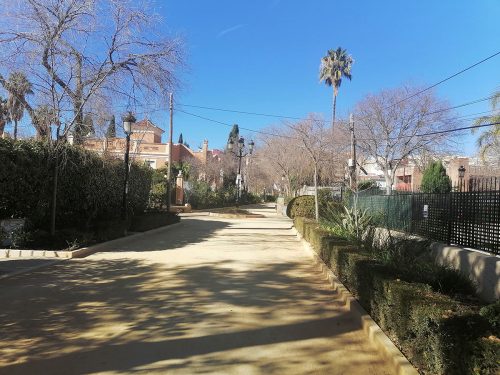
We walked with Asha, and the first thing we saw was the Torta Bridge, a contemporary 20th-century style bridge. It’s a pioneer in Spain for the introduction of concrete as a construction material. As you cross, you’ll come across the Partidor de los Tres Puentes (Three Bridges Partition), a relic of the traditional irrigation system for orchards. It is a pretty walk to the city centre.
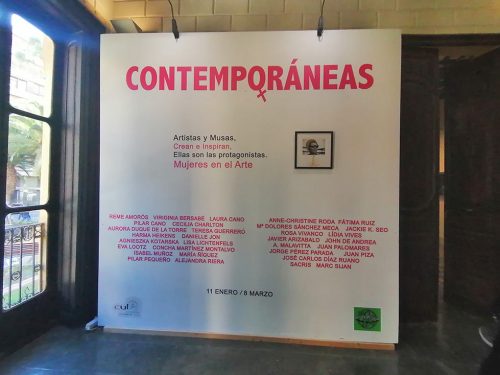
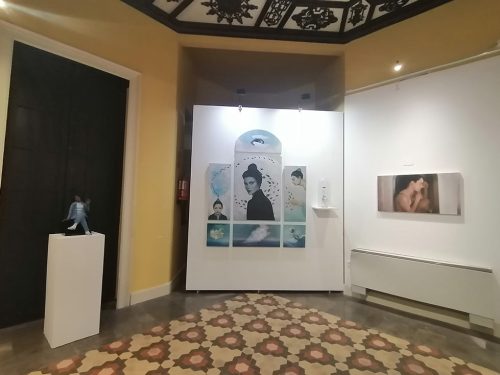
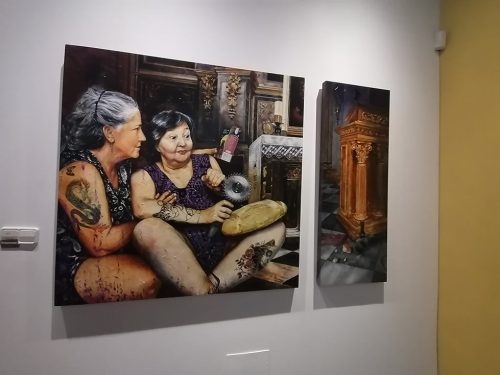
Upon arriving downtown, we encountered the Contemporary Museo, with an exhibition of Women in Art.
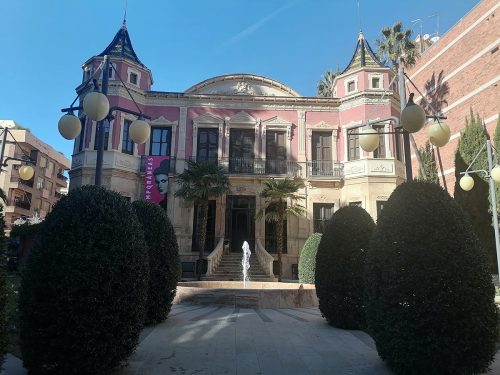
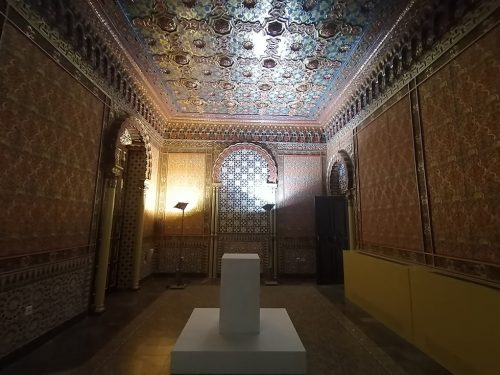
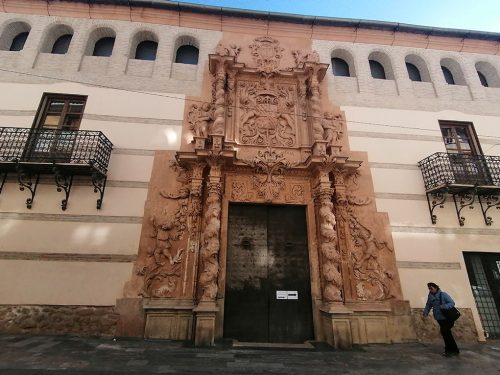
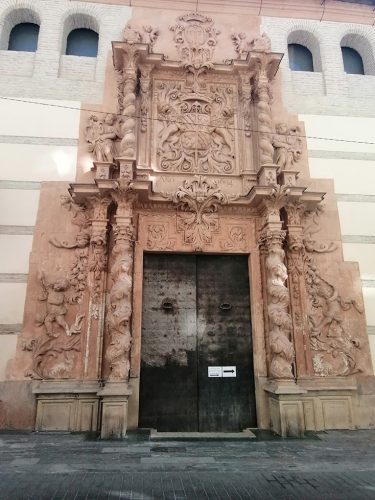
We continue walking through the city centre until we reach the Tourist Office housed in a former 17th-18th-century palace, one of the finest Baroque masterpieces in eastern Spain. The entrance features an impressive altarpiece with Solomonic columns, in which religious images are replaced by the family crest and that of the Order of Santiago.
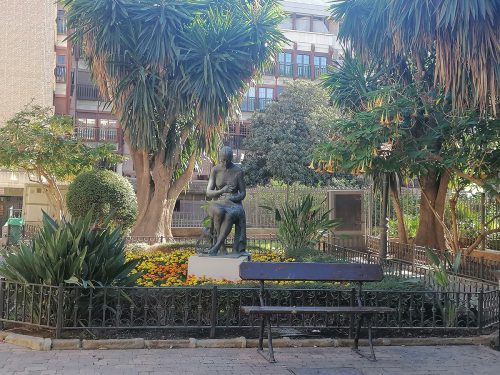
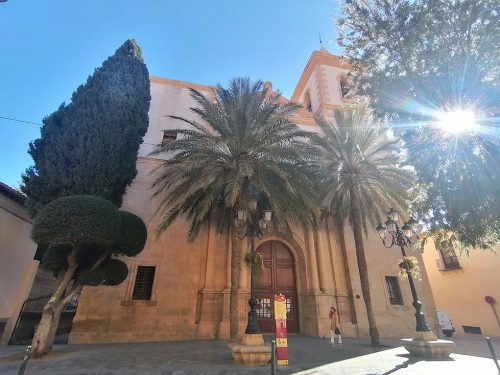
Next, we come to the Church of San Mateo, Baroque and from the 18th and 20th centuries. The austere stone façade is shaped like a triumphal arch, on the top you can see the dome with green and gold tiles and a bell tower.
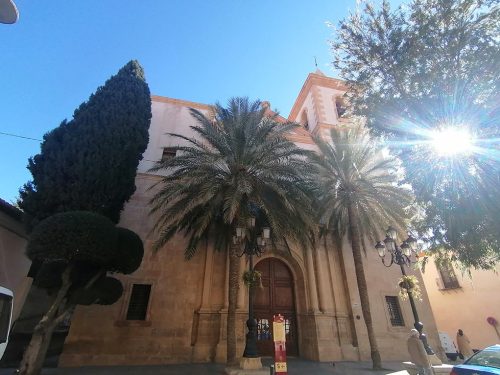
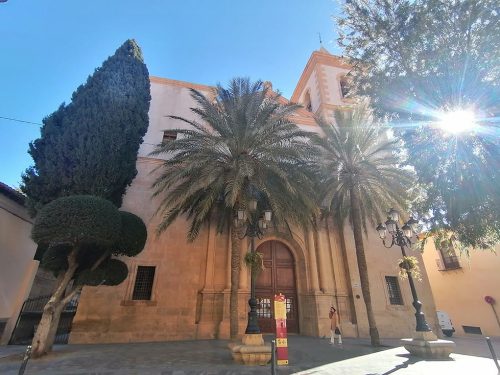
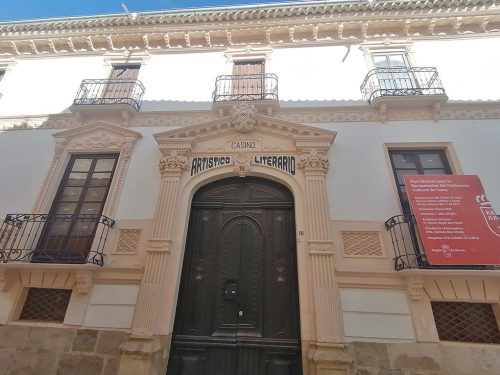
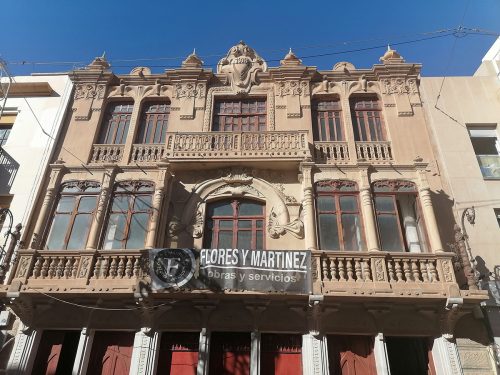
We then passed several Baroque buildings and palaces until we reached the 19th-century Artistic and Literary Casino, one of the city’s most beautiful examples of eclectic architecture.
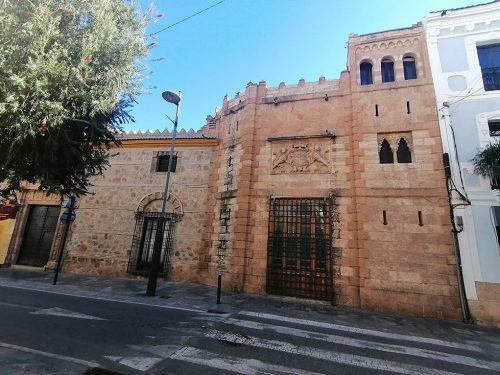
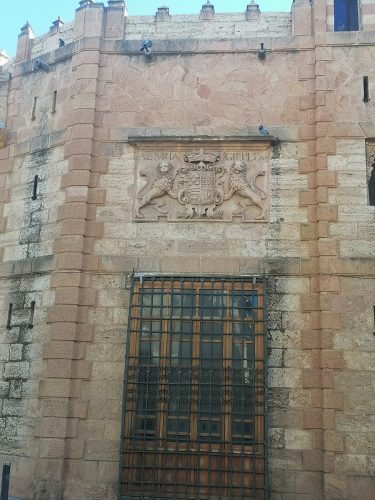
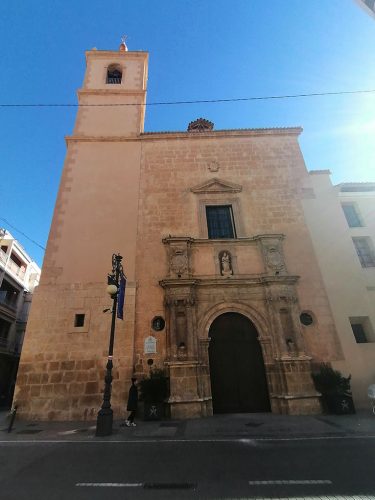
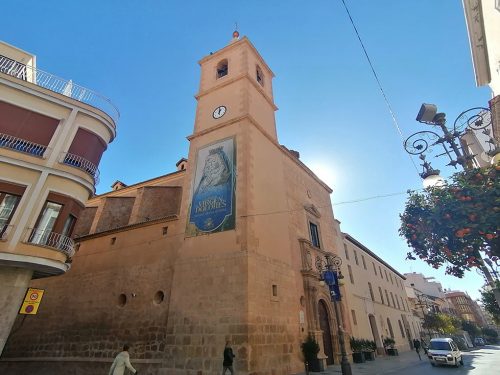
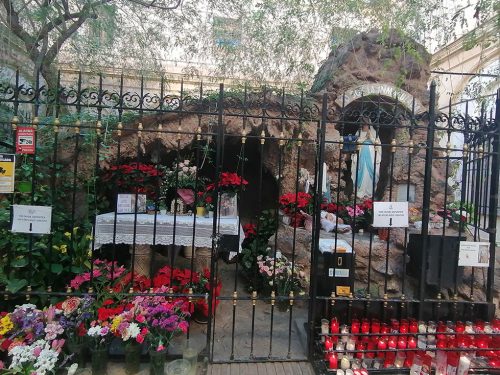
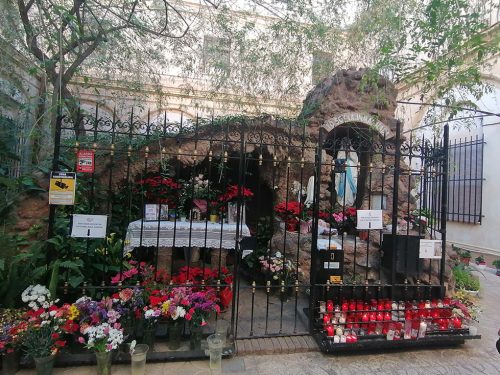
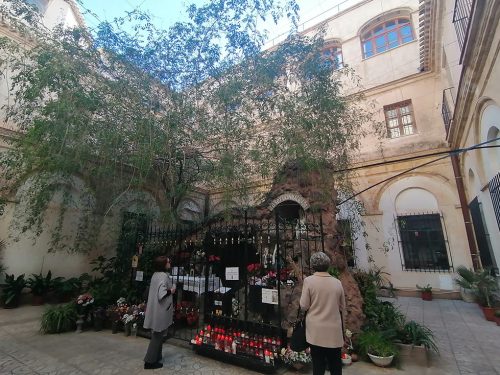
Next, we came across a church that houses the Grotto of Our Lady of Lourdes, dating from 1894. It’s a replica of the grotto where the Virgin Mary appeared to Sister Bernadette. It’s visited by many faithful and pilgrims, as we saw when we visited it.
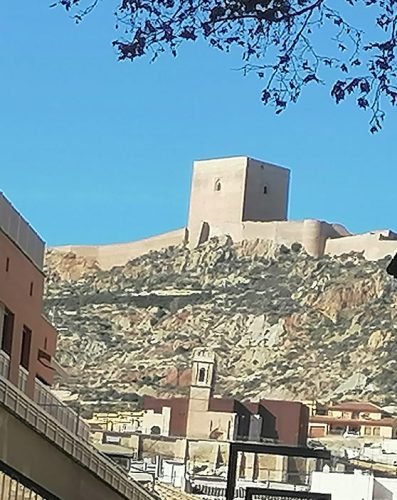
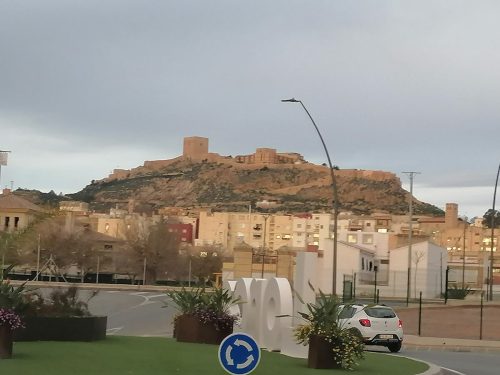
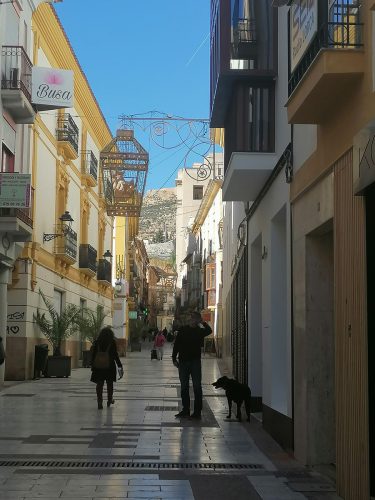
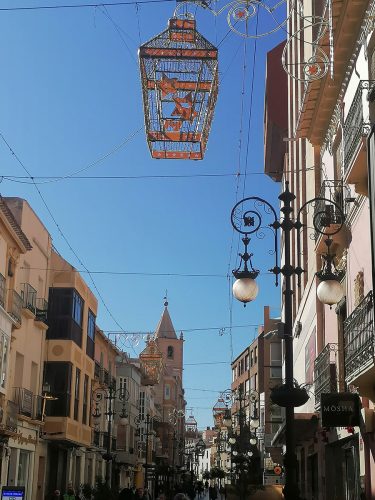
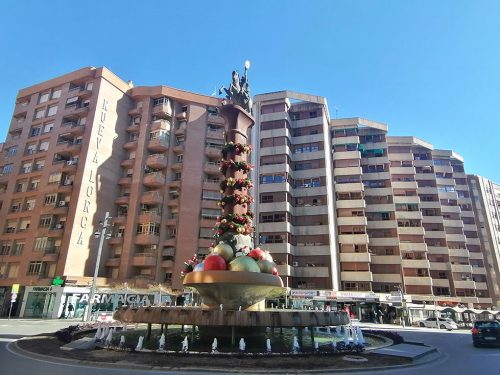
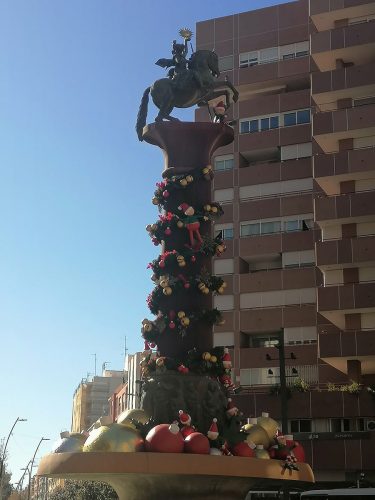
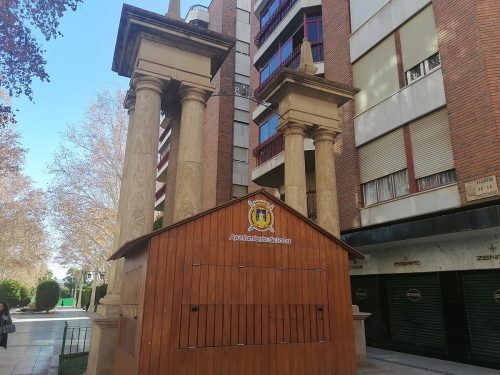
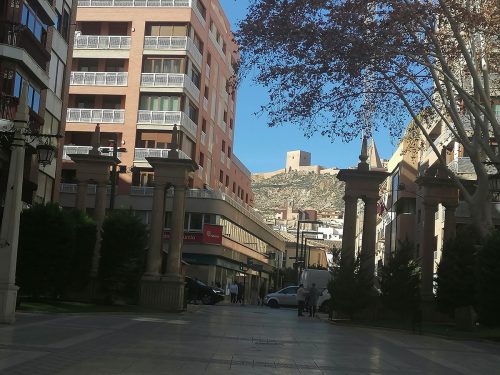
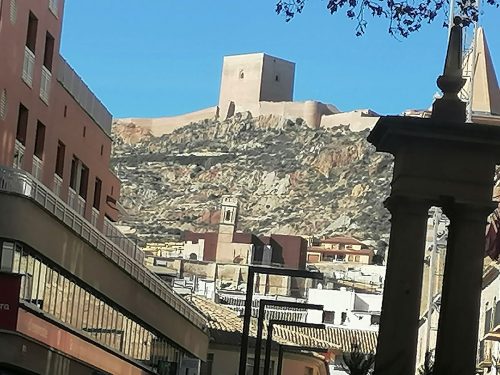
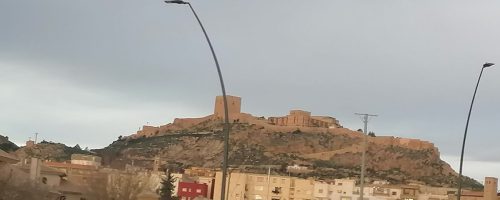
We ended our tour in the modern part of the city, which still had Christmas decorations and where we could see the Sun Fortress from afar since we didn’t go up there.
Our last stop before arriving in Marbella and seeing our friends and family was Loja in Granada province known as “the Town of the Water”. Loja sits on the banks of river Genil, which splits the town in two. You can see it in the next post!

