GERMANY – Dresden (En)
Dresden is the second largest city on the Elbe River after Hamburg. The city was known as the Jewel Box, due to its baroque and rococo centre. This city suffered one of the most terrible bombings of World War II that left its historic centre destroyed. After years of reconstruction, it recovered its splendour. Since German reunification in 1990, Dresden has once again become Germany’s cultural, educational and political centre.


Where to stay
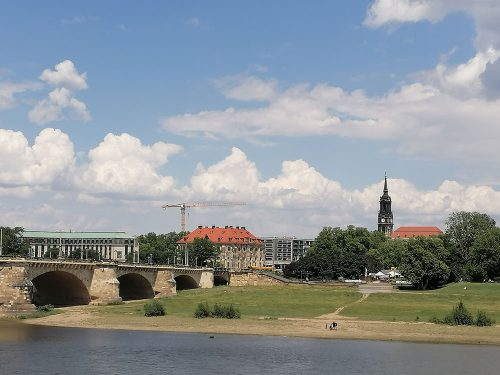
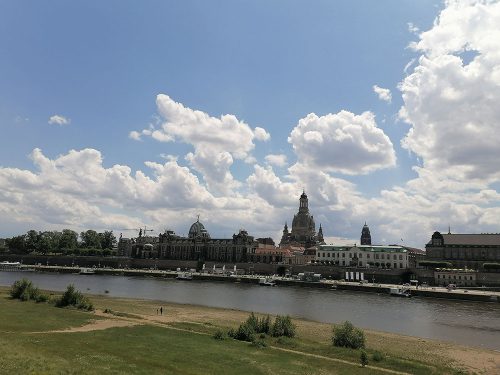
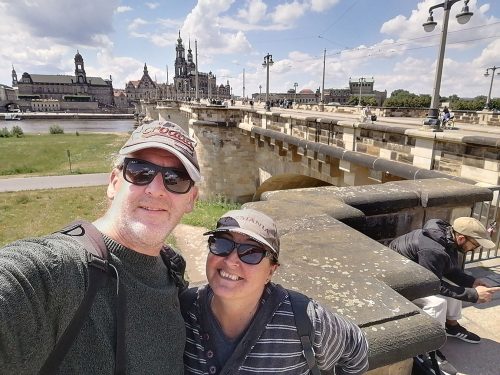
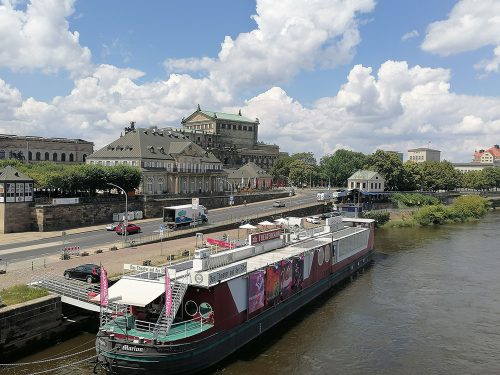
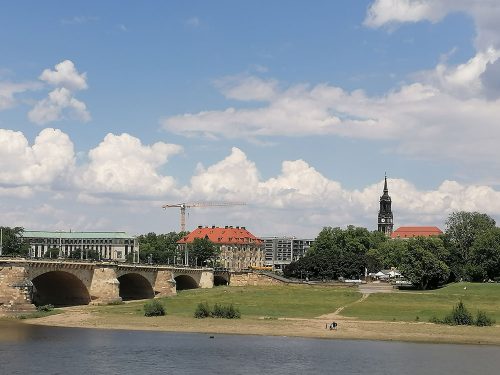
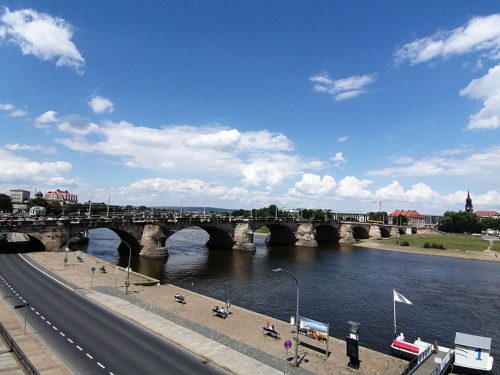
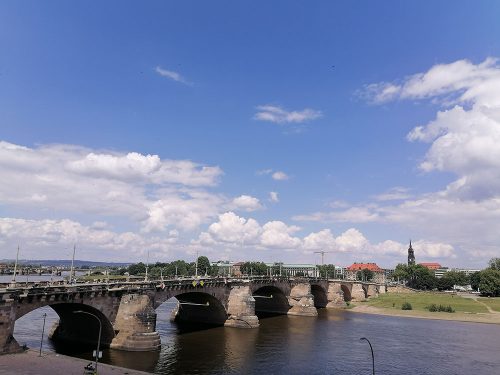
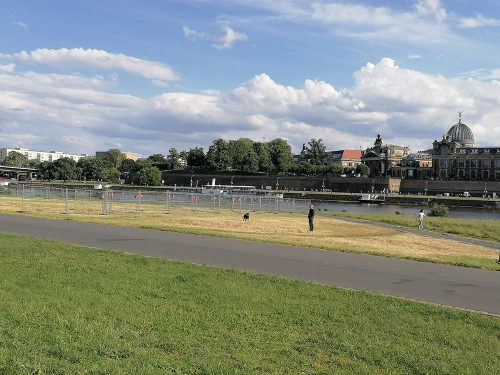
We stayed in the Contipark car park (51.0569, 13.7432 lat, long) which costs 25 euros per day with electricity included. You have to pay for everything else, water 2 euros and to empty the toilet 50 cents. It seems very expensive to us, but it is worth it for its location since it is 5 minutes from the centre, just crossing the Augustus bridge and you are in the old town. It is also next to the Elbe River with incredible city views. We stayed only one day to see the city and we only used the electricity that was included. It is worth visiting the city as it is impressive, one of our favourites in Germany.
What to see
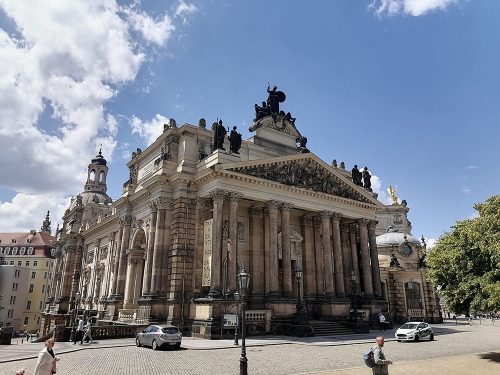
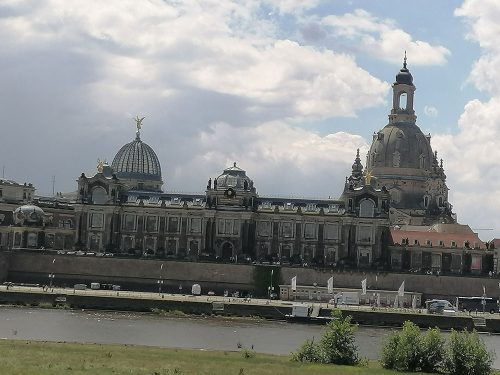
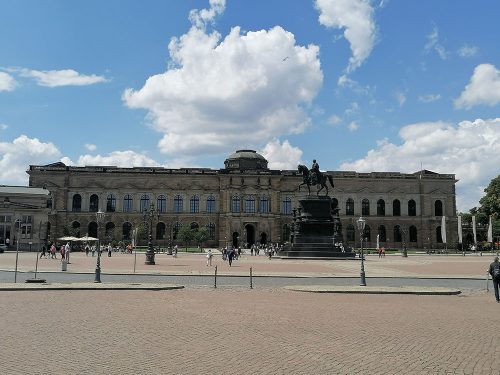
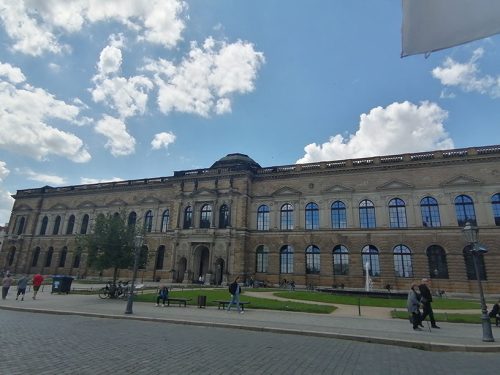
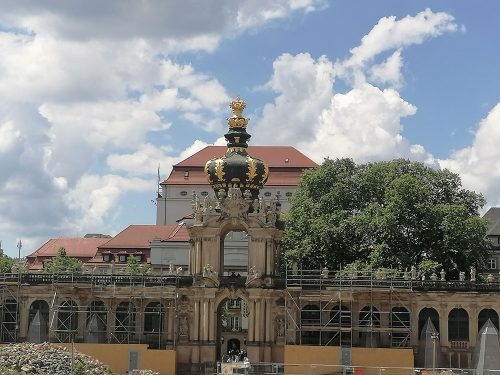
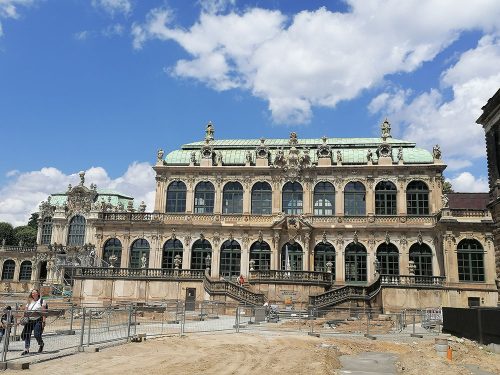
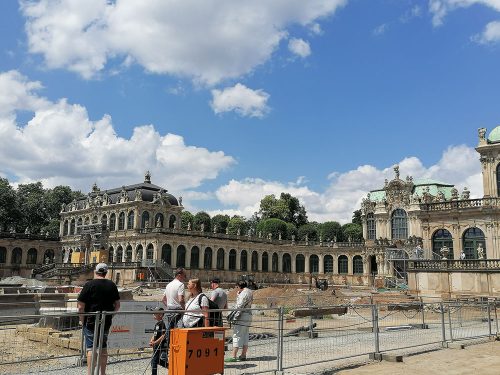
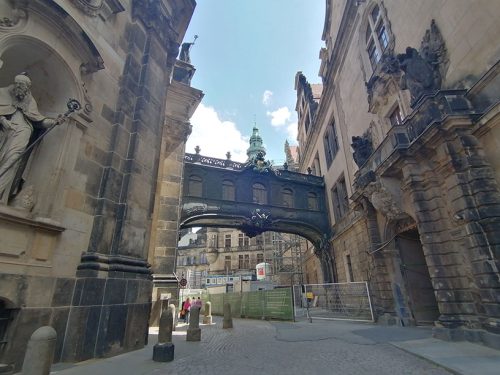
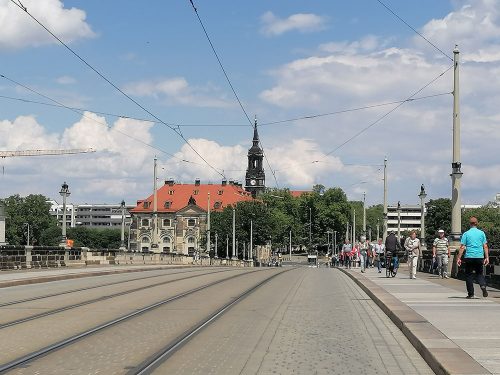
We crossed the bridge from where we took incredible photos and arrived at the centre where the Royal Palace or Residenzschloss is located, a palace with different architectural styles, which has been the residence of the kings of Saxony. In the same area, you will find the Zwinger, a baroque palace from 1711 that stands out for its large central square surrounded by historic buildings. Highlights include its Kronentor gate with a crown-shaped dome, the Nymphenbad Fountain decorated with nymphs and tritons and the Wallpavillon with a sculpture of Hercules representing the Emperor Augustus. We entered through the Kronentor door but they were renovating inside so there were many cranes to see it well.
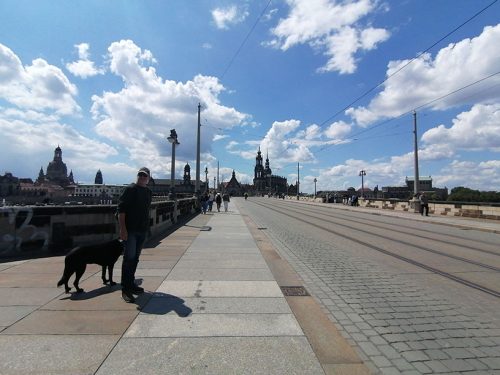
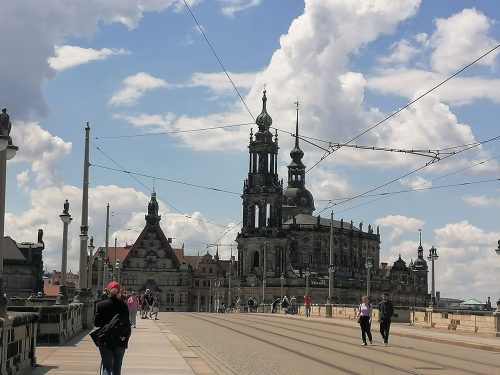
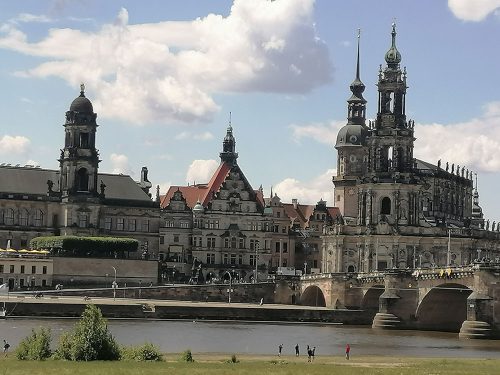

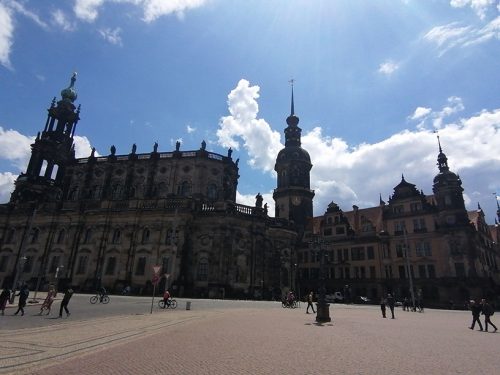
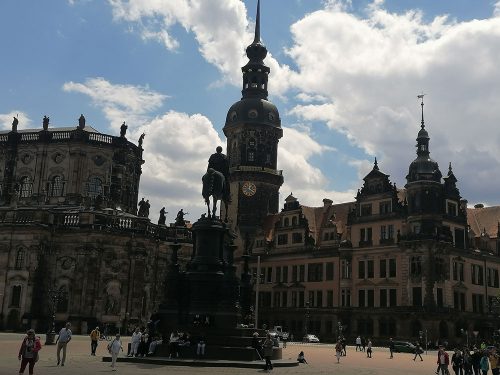

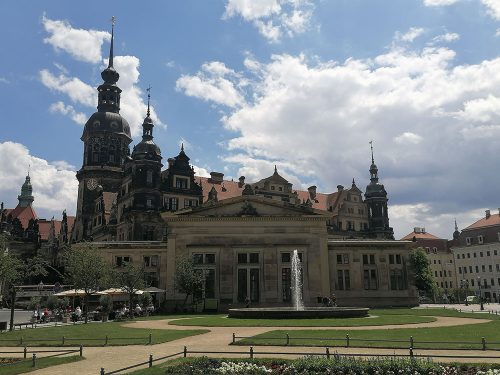
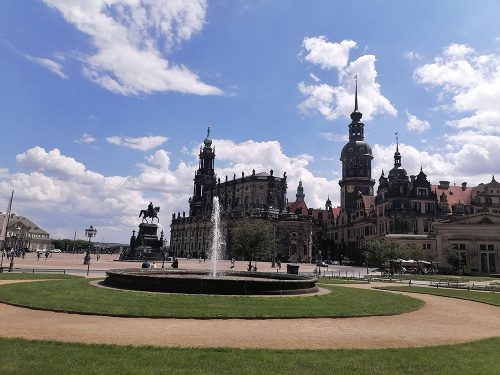
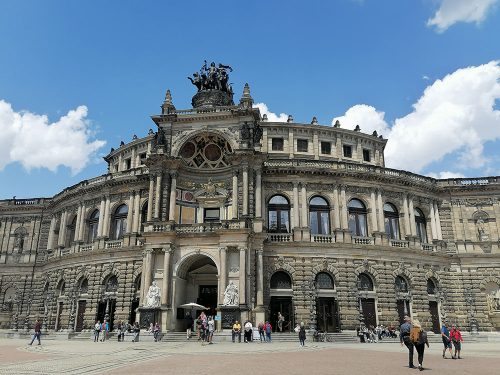
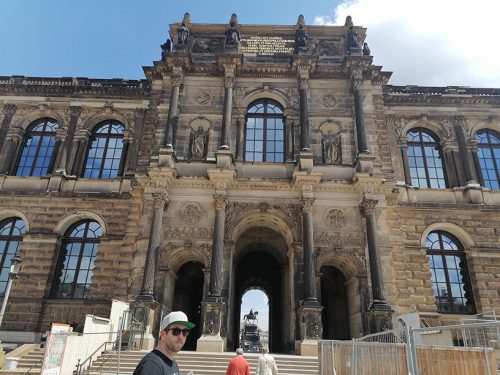
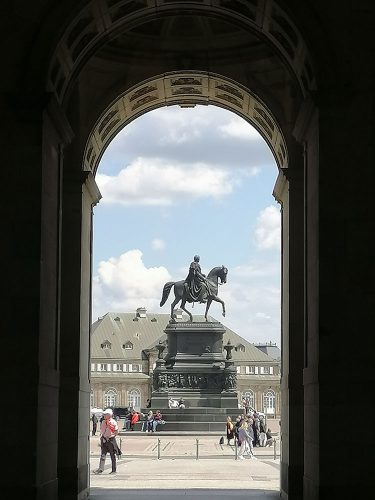
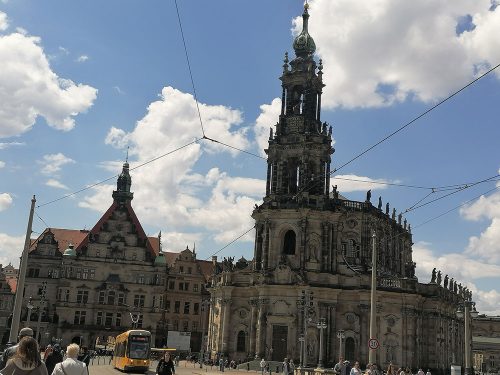
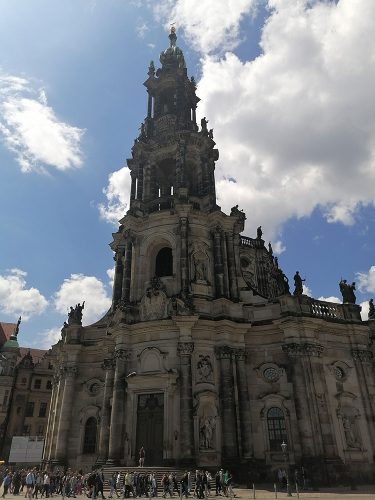
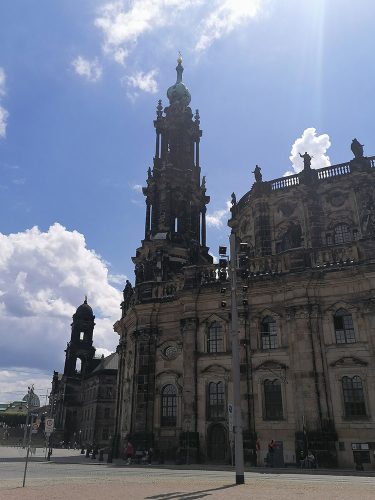
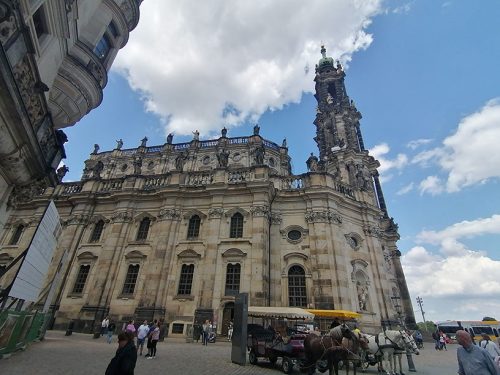
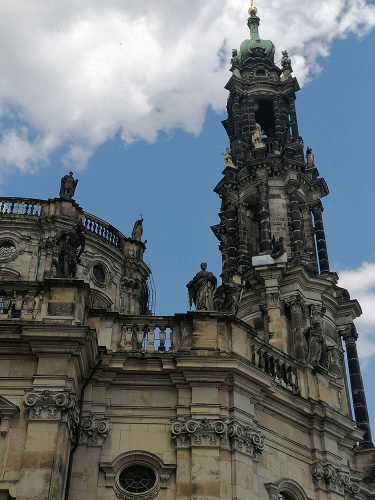
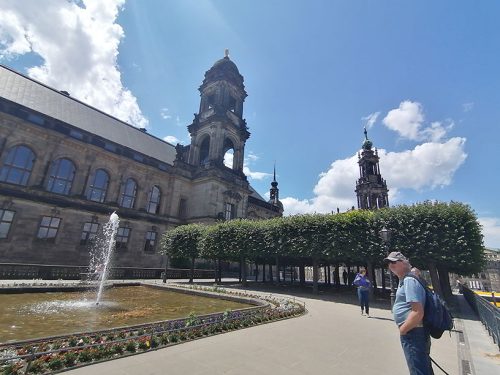
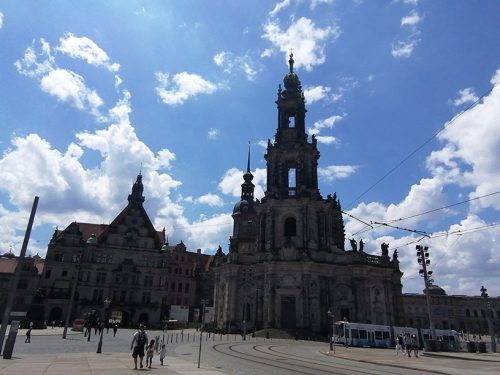
Then we saw the Cathedral of the Holy Trinity built of sandstone in a baroque style with an exterior with numerous sculptures of saints and an 83-meter-high tower.


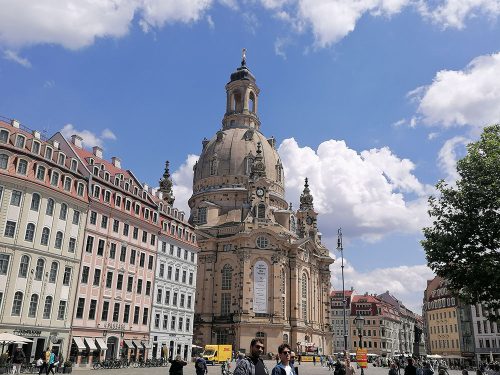
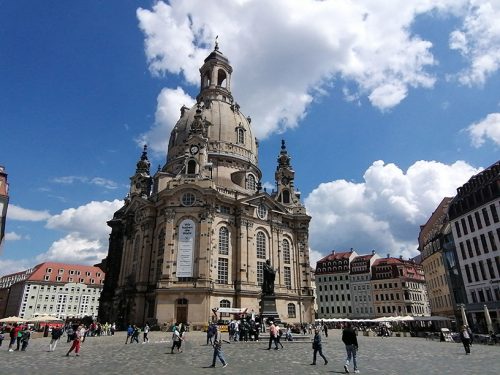
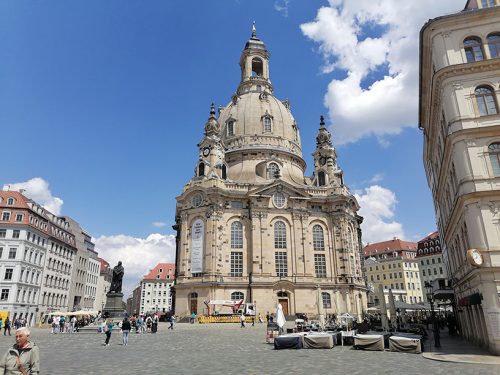
We entered the old town, where we saw impressive buildings as well as different museums until we reached the Lutheran Church called Frauenkirche from the mid-18th century, which is next to the lively Neumarkt, full of shops and bars where I took a photo with his majesty Augustus.
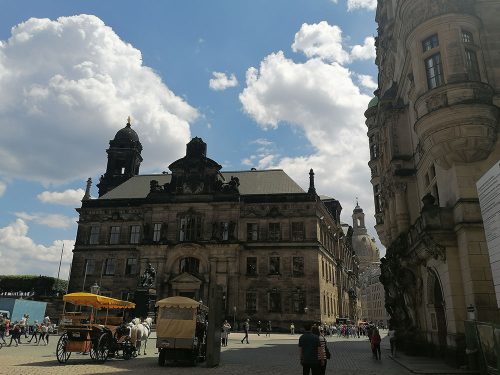
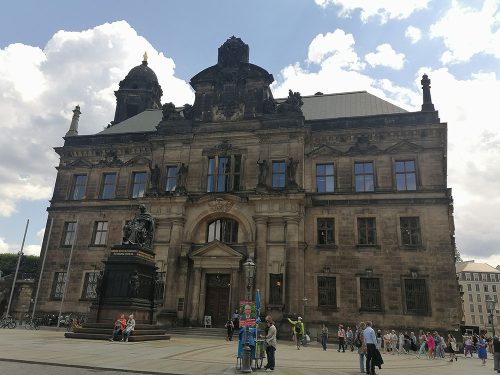


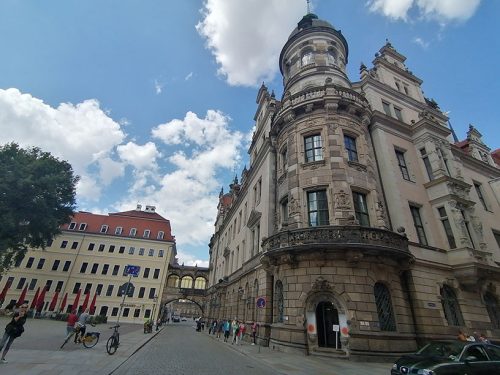

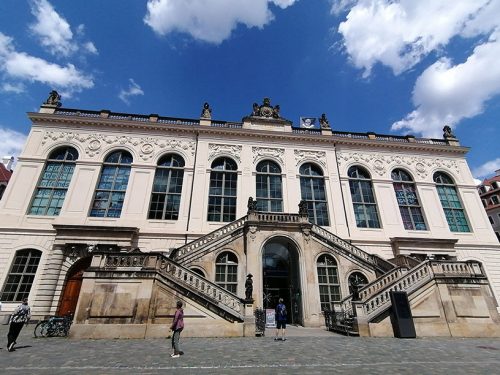

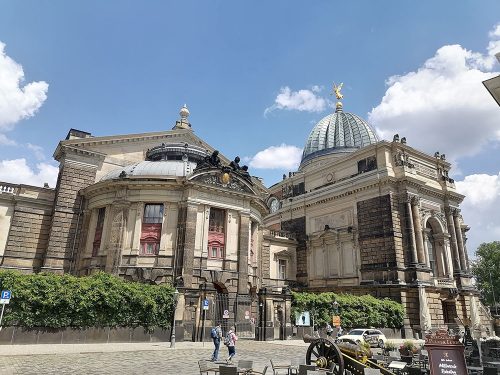
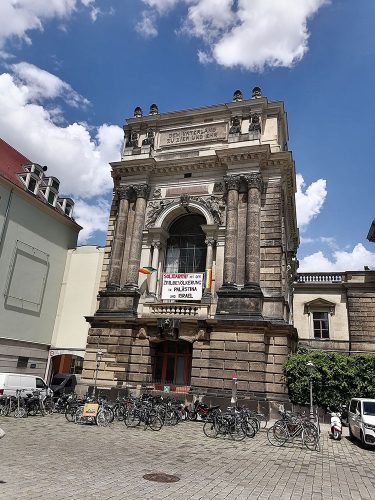


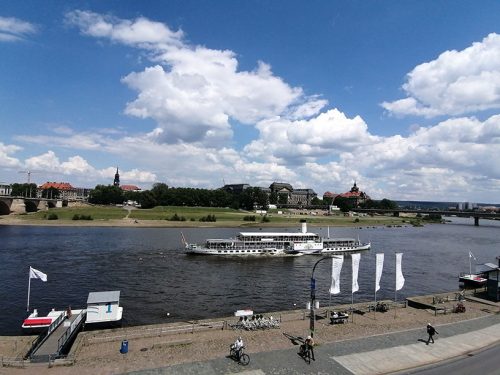
And we went to the Brühl Terrace known as The Balcony of Europe, just like in Nerja, which is an avenue on the banks of the river where you pass by emblematic buildings such as the Parliament, the Academy of Art or the Sekundogenitur Library.

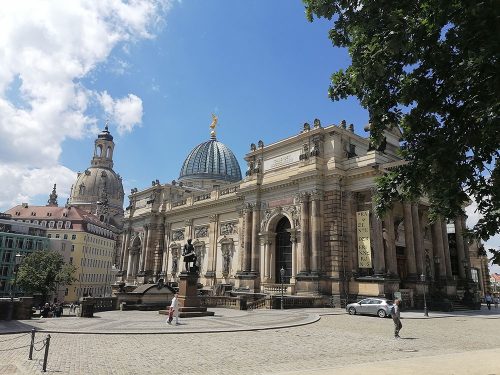
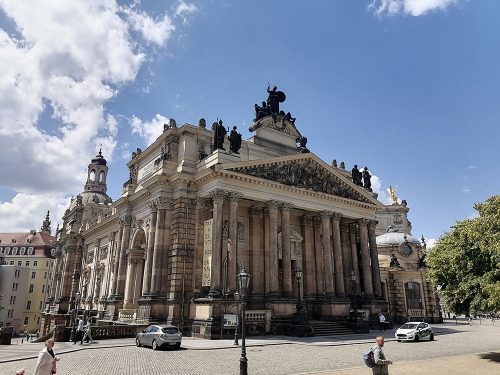


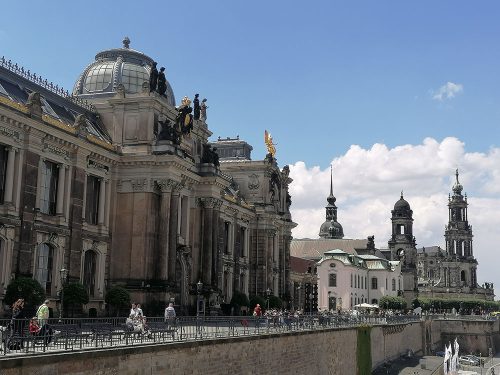
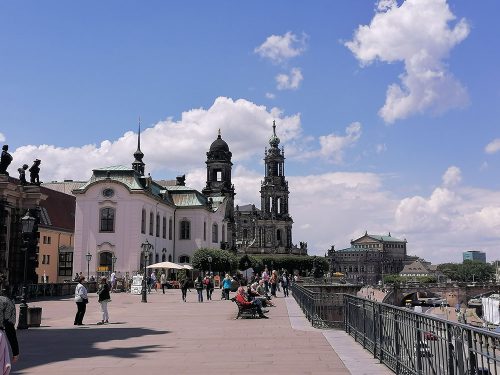
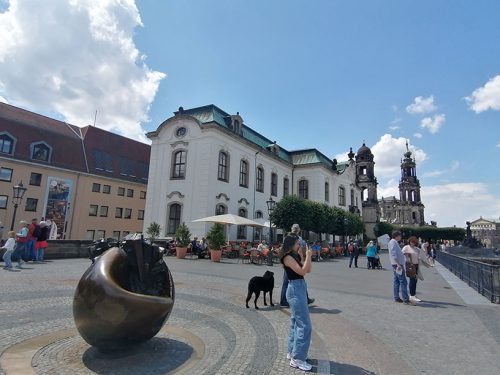
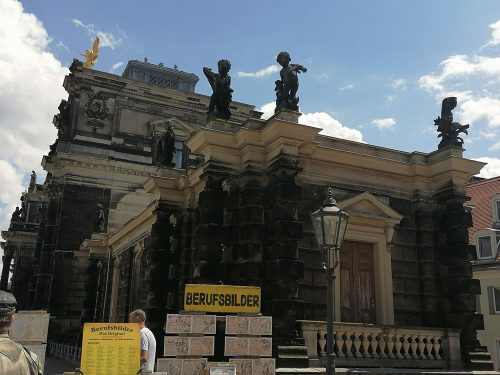

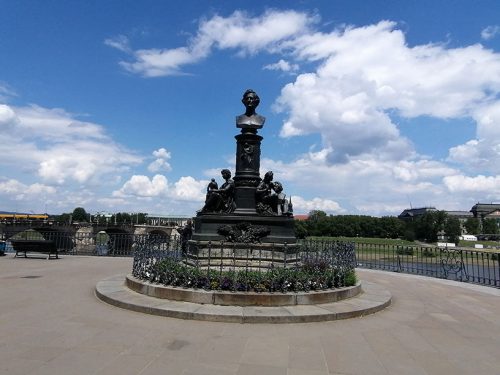
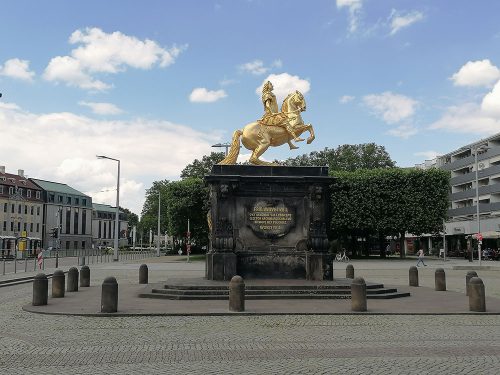
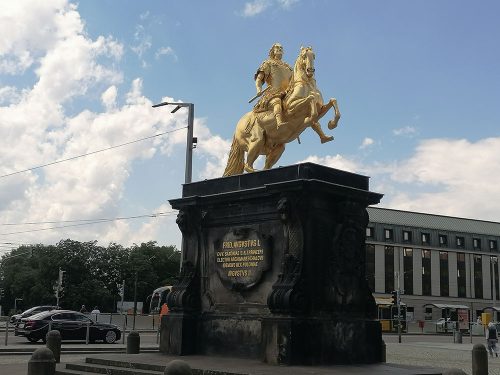
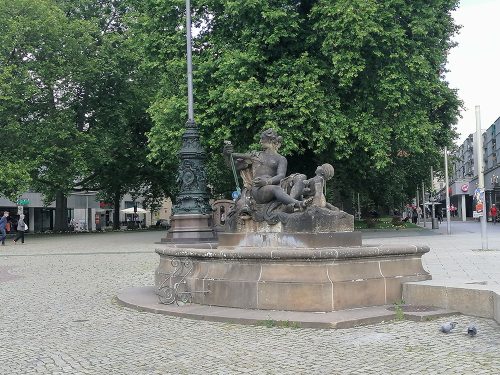
We crossed the river again to see the Goldener Reiter, a golden horse sculpture of Augustus from 1736 located in a square with fountains and statues.
What to eat
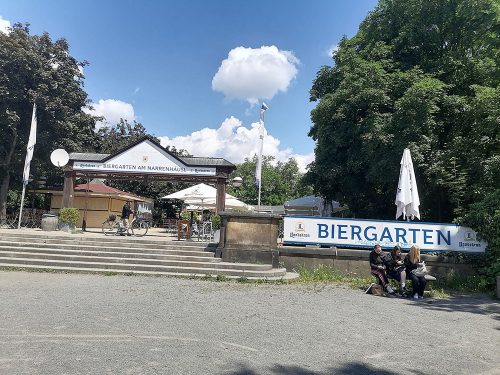
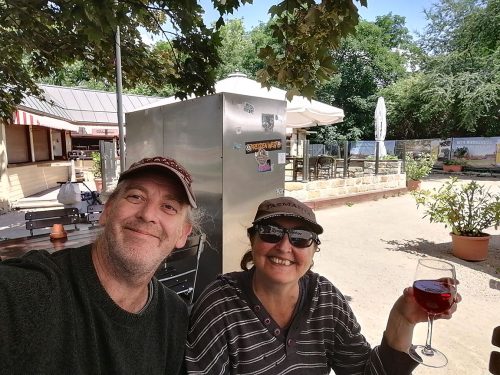
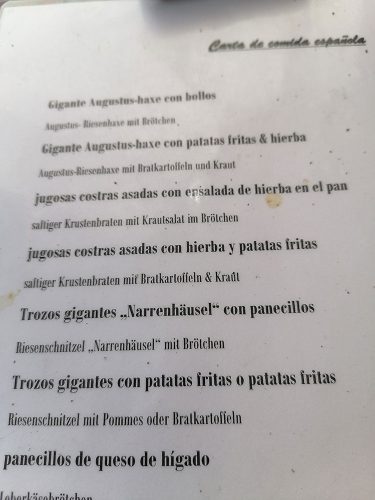
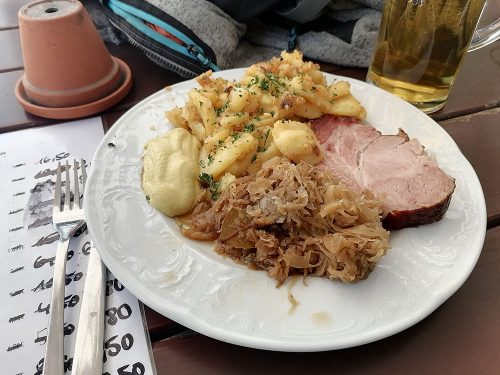
We went to lunch at the Biergarten on the river bank, where they had local wine, beer and typical food from the area. After trying to translate the menu into English or Spanish, the waitress asked me where I was from and I told her Spanish, she gave me a menu supposedly translated into Spanish, of which I put a photo here, because I couldn’t understand it at all, hahaha. We ordered “the juicy roasted crusts with herbs and chips” to share, which was gammon with cabbage and roasted potatoes. If you understand Spanish read the menu because it is really funny!
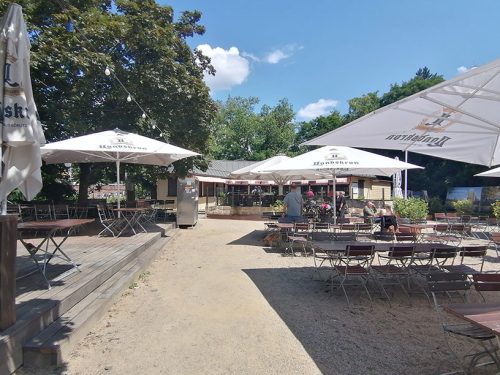
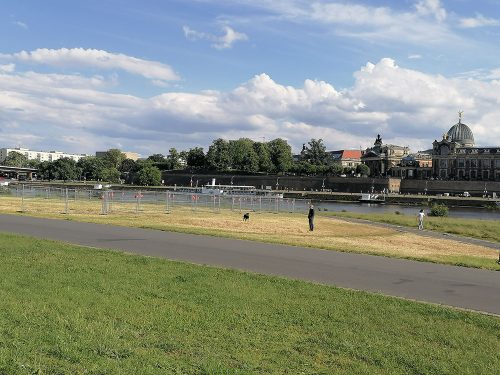
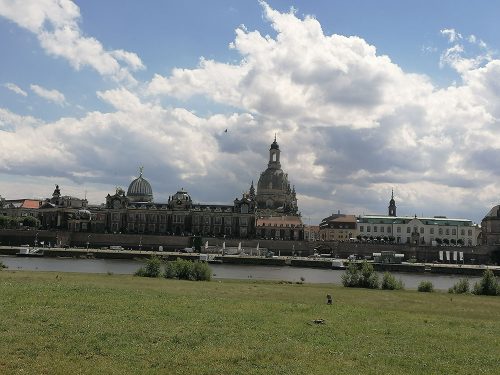
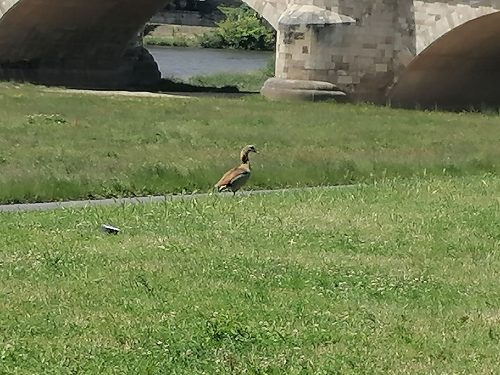
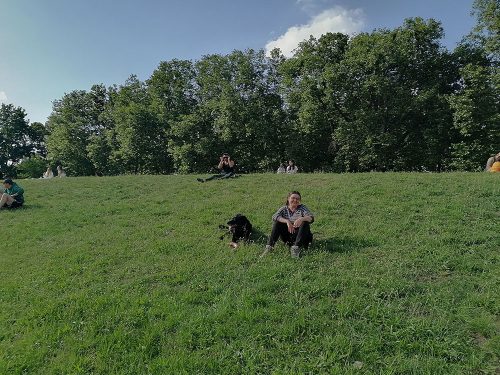
We ended the day on the river bank with incredible views and Asha playing.


Our next stop is Weida in eastern Germany to visit my friend Sandra. Weida is known for its well-preserved old town, which you can see in the next post!

