Germany – Lake Constance – Lindau (En)
Lindau, on the shores of Lake Constance, has an architecture typical of Bavarian buildings and houses. It should also be noted that it has a picturesque port, historical monuments and an impressive natural environment.


Where to stay
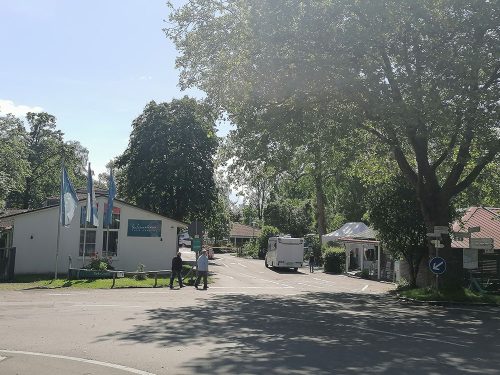
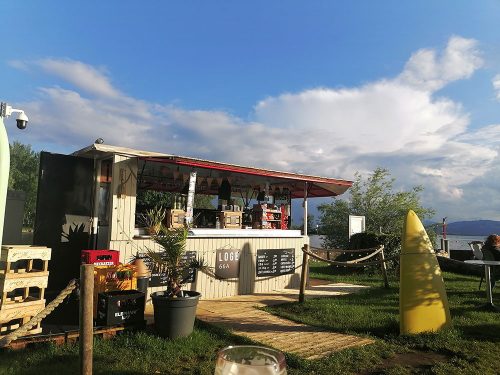
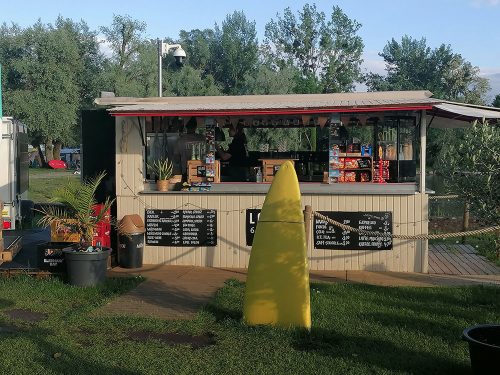
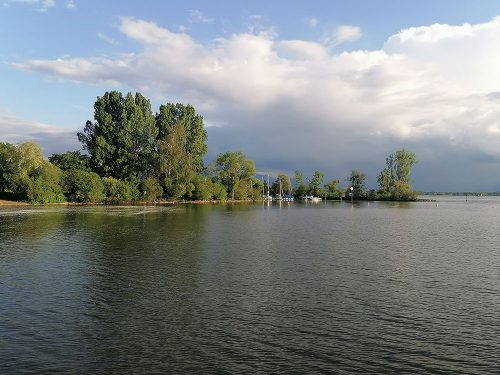
We stayed in the parking lot of the campsite (47.5378, 9.73083 lat, long). You can stay here for 21.60 euros when the campsite is full and use all the campsite facilities: showers with hot water and very spacious, filling and emptying, toilets, etc. The campsite also has a bar right on the lake with incredible views. The only downside is that you can only stay 24 hours. Bus stop to go to the centre 3 minutes walk. We recommended to visit the city. We were left alone because there wasn’t much space for the three caravans, so Ralf, Gaby, Stewart and Hannah went to another town.


What to see
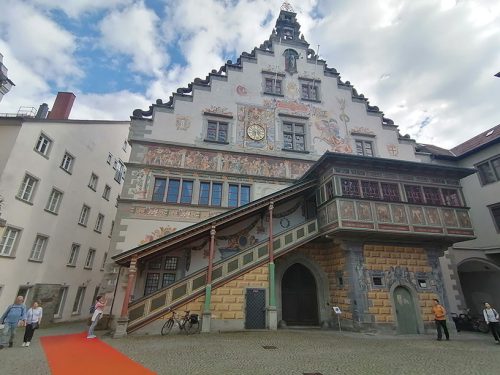
We took the bus with Asha which leaves you next to the magnificent port. You get off at the last stop. The first thing you come to is the Museum, known locally as Stadtmuseum Lindau, it is a local history museum located in the old town hall, which dates back to the 15th century. It features exhibits on the history and culture of Lindau and the surrounding region.


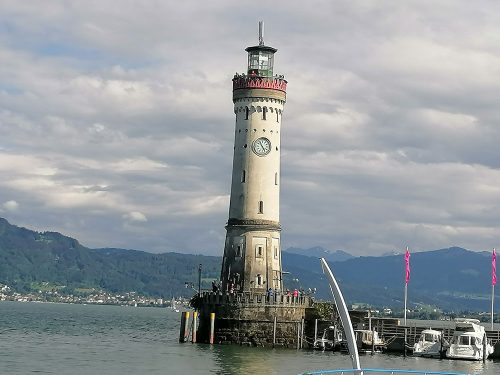
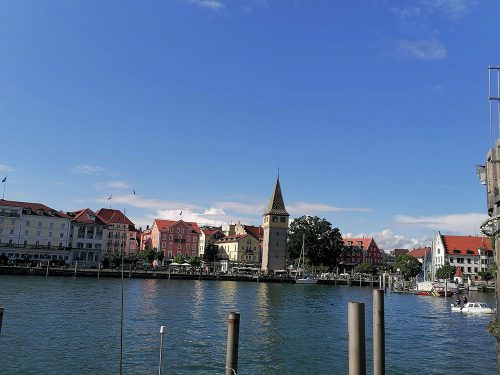
Then we went to the Port which has many restaurants, cafes and shops. The location of the port of Lindau, which offers stunning views of the lake and neighbouring mountains, is one of its beauties. Upon arrival, you find a view of the lighthouse and a tower topped with a huge lion, which is the entrance to the port. The lighthouse, built in 1856, is an example of neoclassical architecture and is known for its column design, inspired by ancient Greek and Roman architecture.


We continue touring the port where you find the Mangturn built around the year 1200 as part of the city’s medieval fortification. 20 meters high and equipped with loopholes, lost its function when the new lighthouse was built in 1856. 91 steps lead to the attic where adult storytimes take place in the summer.


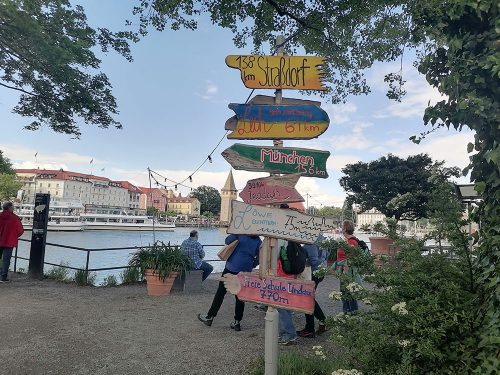

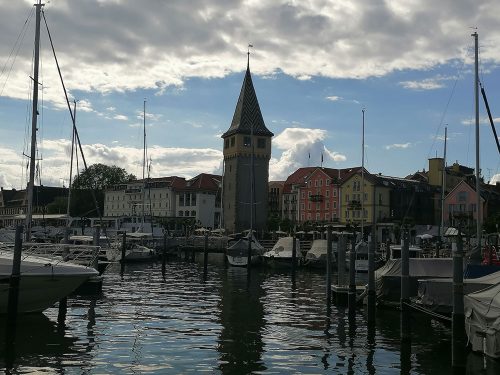
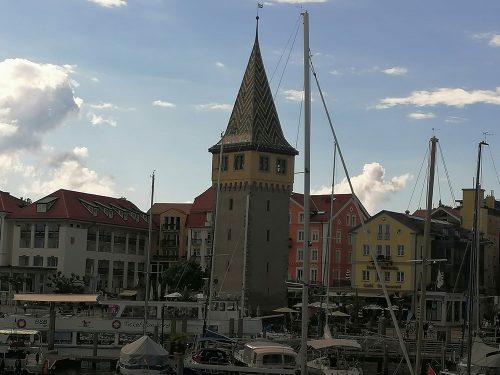


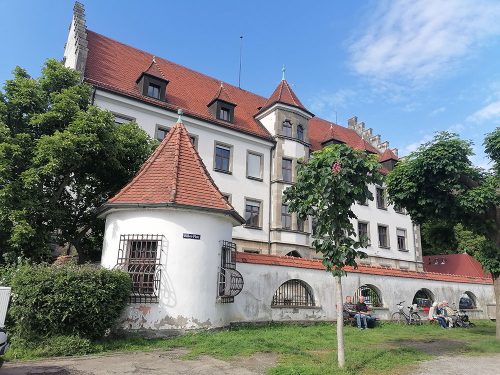


Then we enter the Old Town with narrow streets, historic buildings and picturesque squares. One of the highlights of the old town is its architecture, which ranges from Gothic and Renaissance to Baroque and Neoclassical. One of the most notable buildings is the Town Hall, a beautiful neo-Gothic building, built in 1884 and known for its ornate decorations, such as sculptures, frescoes and gilded details. Walking through the old town you will surrounded by charming houses, quaint shops and cozy restaurants.


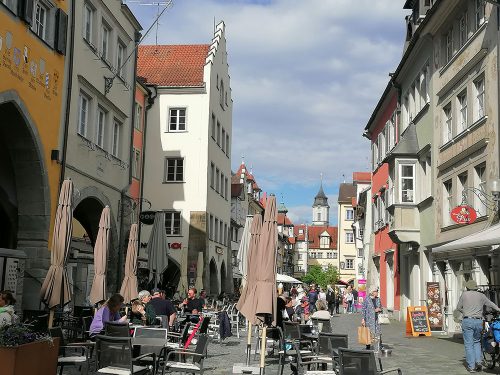
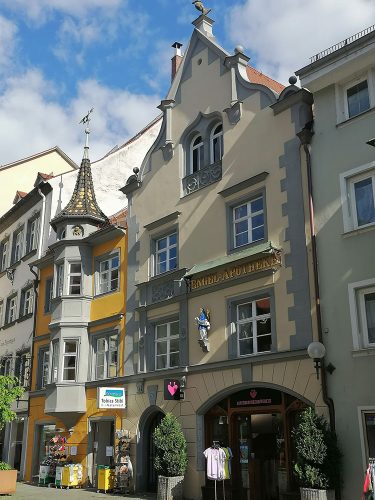
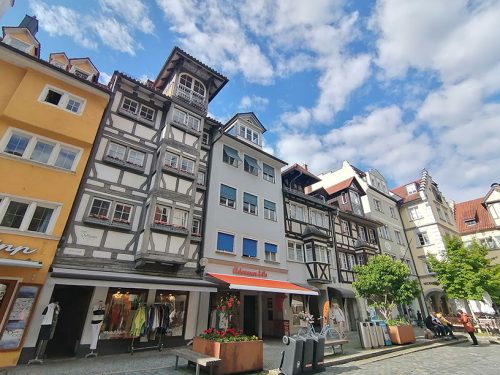
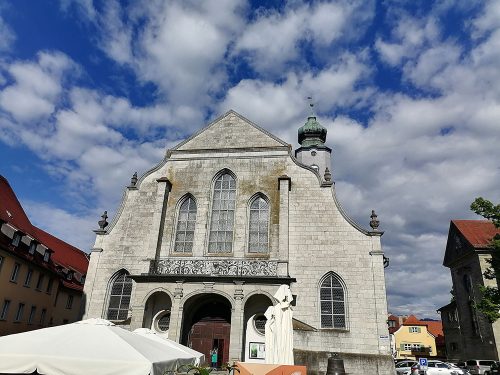
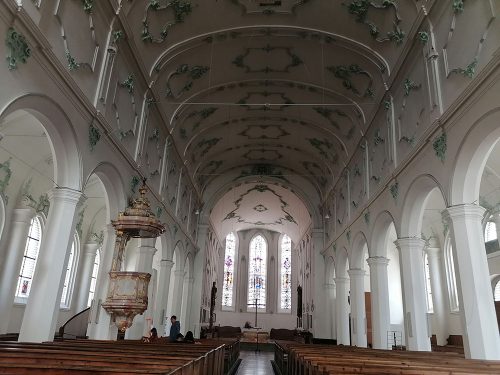
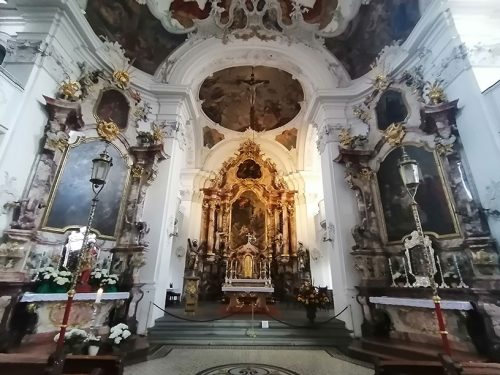
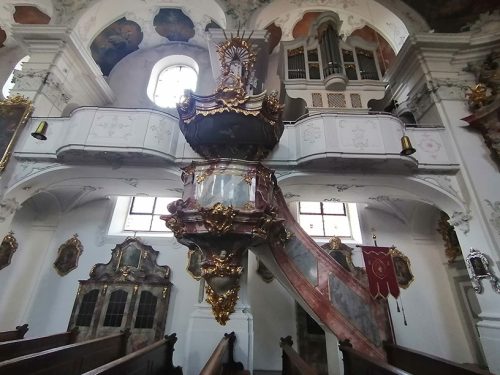
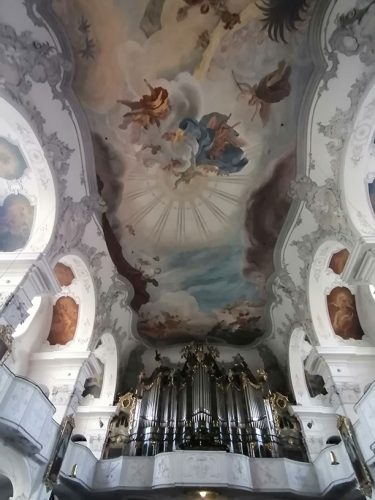
We continue walking the streets and find the Church of St Stephan and the Cathedral, which is impressive inside!


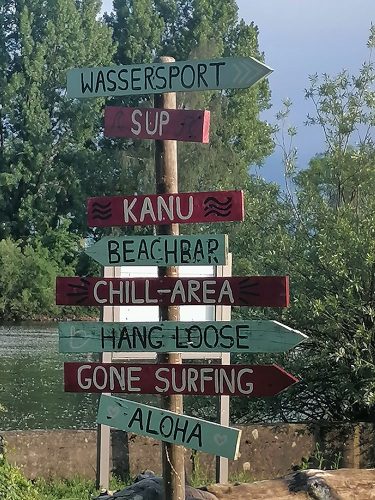
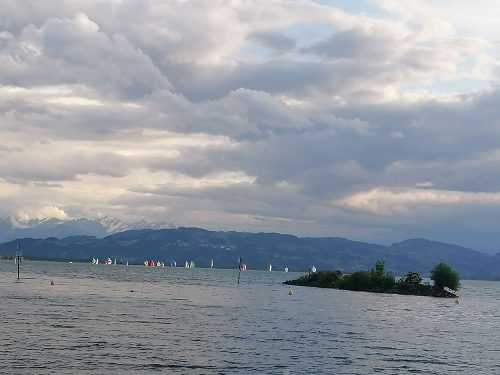
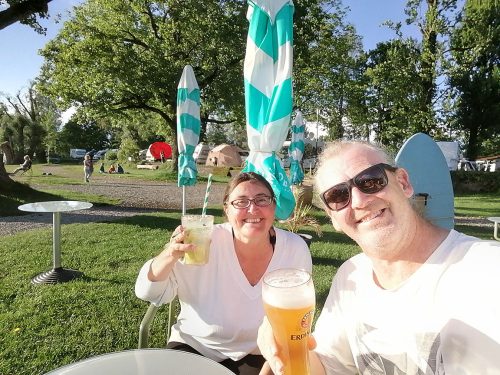
We took the bus again, which you get off at the last stop and leaves you 3 minutes from the campsite, and we went to the campsite bar. A super cool bar with the best lake views we’ve had so far. Where we enjoy a few drinks!



And the next day we went to Füssen where we met up with our friends again and celebrated Stewart’s birthday. Füssen is a fairy tale town, located very close to the famous Neuschwanstein Castle, also known as the Mad King’s Castle, which you can see in the next post!

