Italy – Venice (En)
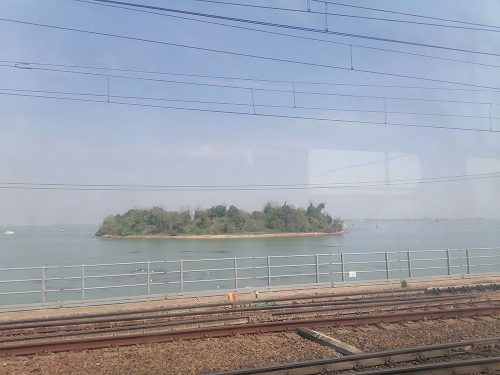
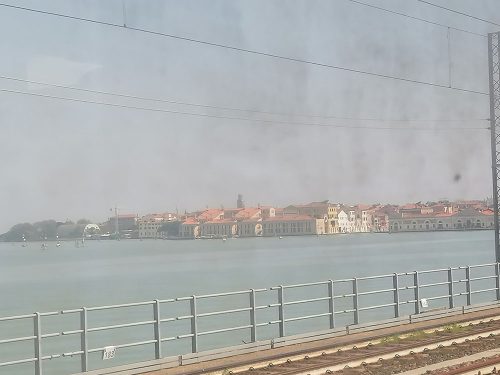
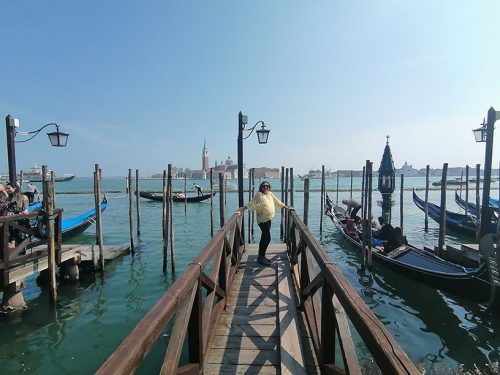
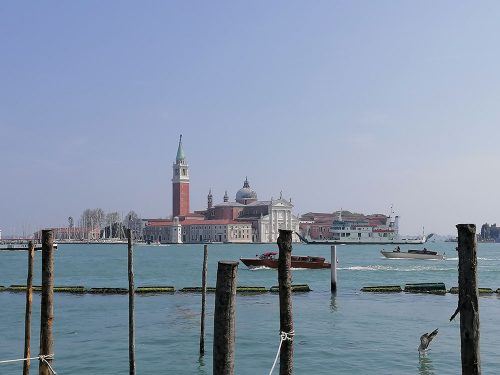
Venecia, the capital of northern Italy’s Veneto region, is built on more than 100 small islands in a lagoon in the Adriatic Sea. It has no roads, just canals – including the Grand Canal thoroughfare – lined with Renaissance and Gothic palaces.


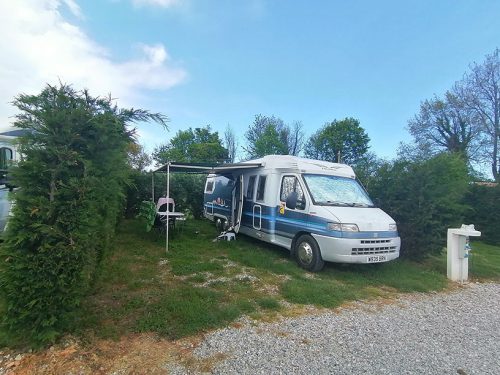
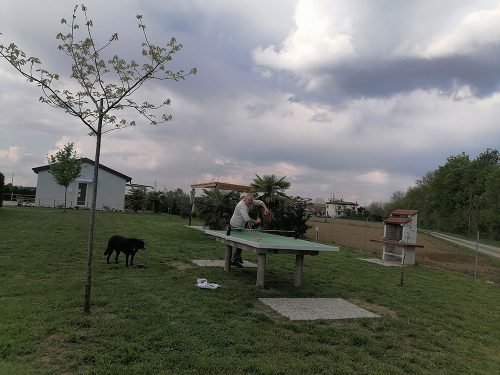
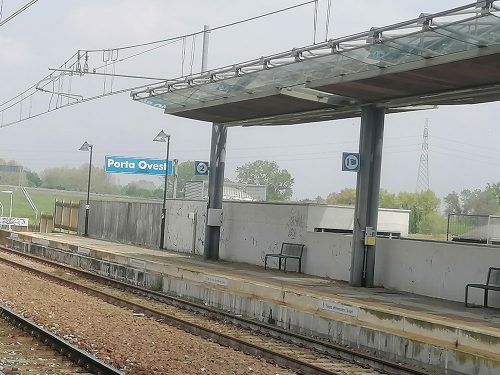
We stayed at camping Aladin (45.461618, 12.185781 lat, long) in a village outside Venice as you cannot go with the motorhome inside Venice. The camping is 26 euros per day, pretty expensive but the only place near to visit the city. It has everything you need, including music in the toilets, so you are having a shower listening to Queen! It also has a tennis table which we enjoyed a lot. To go to Venice the best way is by train, you buy the tickets in the local shop, go and return, and you go out in Venice at St Lucia station next to the Grand Canal. And that is what we did!
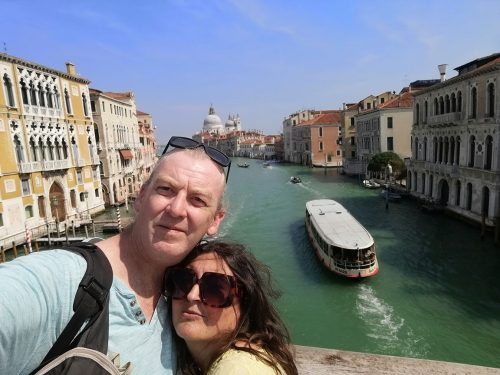
Just outside the station, you are in the Grand Canal which is the largest canal in the city, it is almost 4 Km long. The canal divides the city into two parts. It is said that the shore where San Marcos Square is located is more patrician and the opposite shore is more popular. Despite being so long and completely dividing the city, the canal only has 4 bridges: the Rialto Bridge, which is the oldest, the Accademia Bridge, the Barefoot Bridge, which is the one next to the station and the Constitution Bridge, which is the most modern.
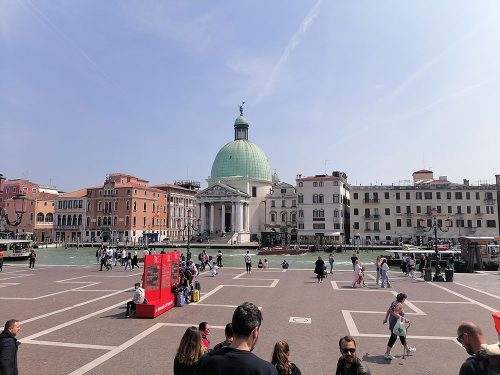
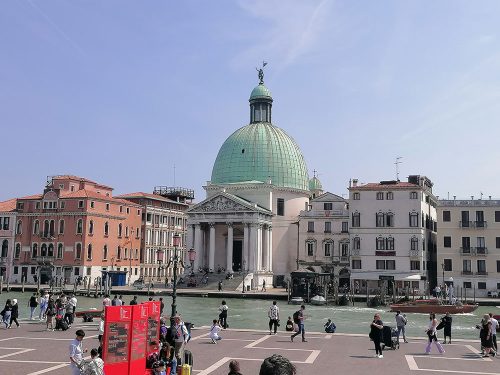

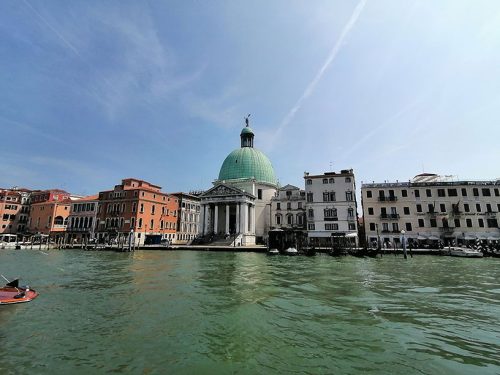


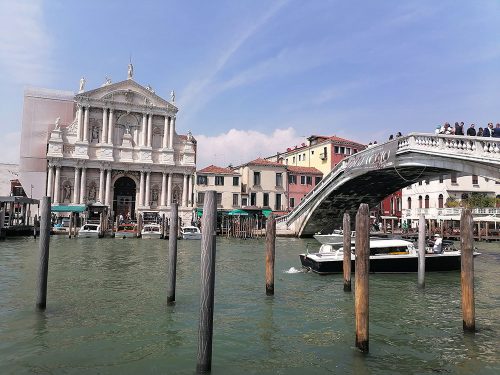


There are free tours both in English and Spanish to see the town, we did follow the route of one of the tours but on our own. We walked through canals and the old town where you can see gondolas, and lovely bars and squares. We passed by the Leonardo da Vinci Museum until we arrived at the Academy Gallery which is a museum gallery of pre-19th-century art in Venice. It is housed in the School of the Charity on the south bank of the Grand Canal.

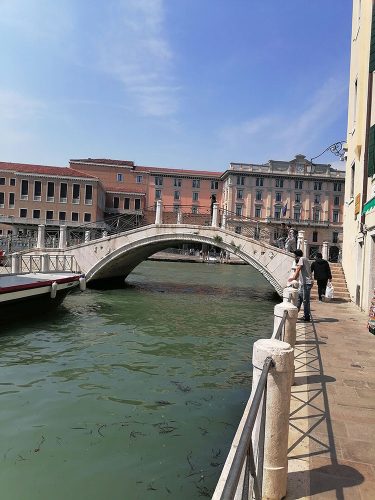


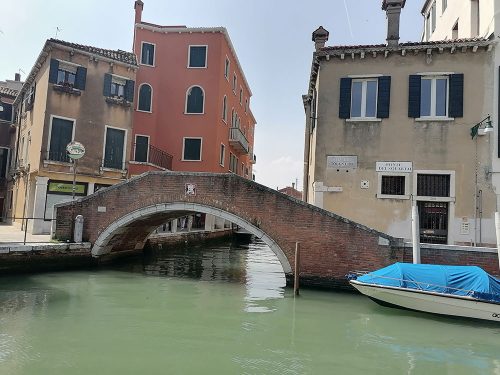
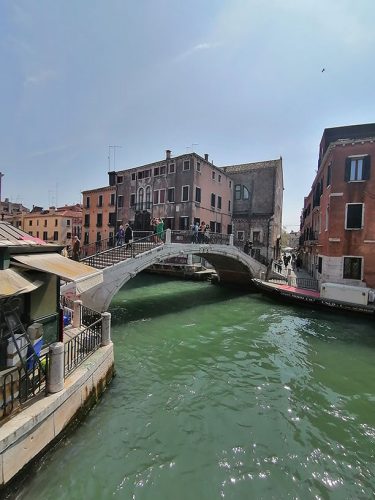


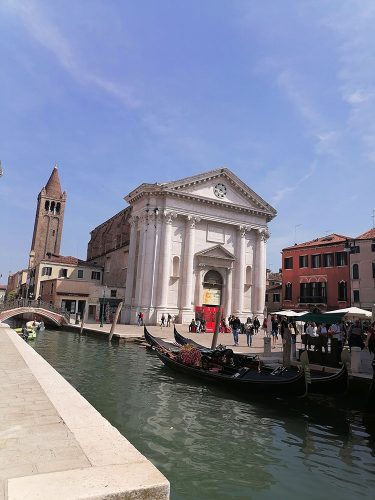
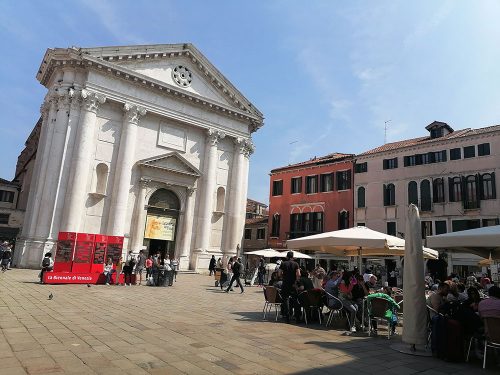
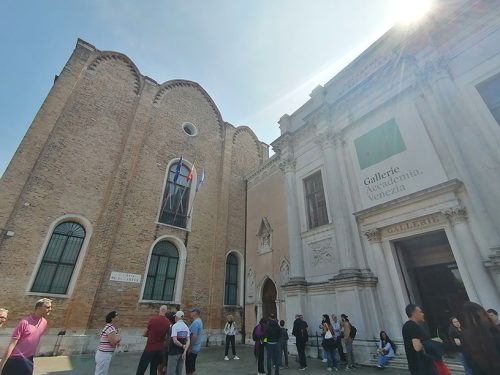
We crossed the Gallery Bridge which has amazing views and we saw the St Vidal Church and the Sacred Art Museum until we arrived at Fenice Theatre, which is an opera house and one of “the most famous and renowned landmarks in the history of Italian theatre” and in the history of opera as a whole.
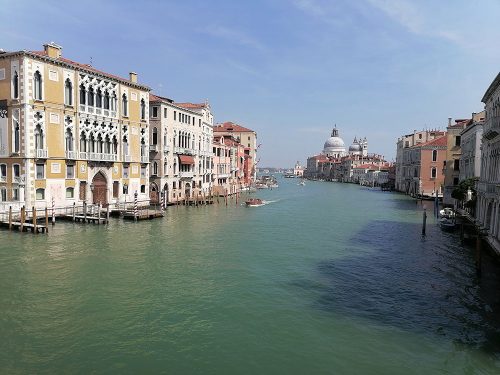
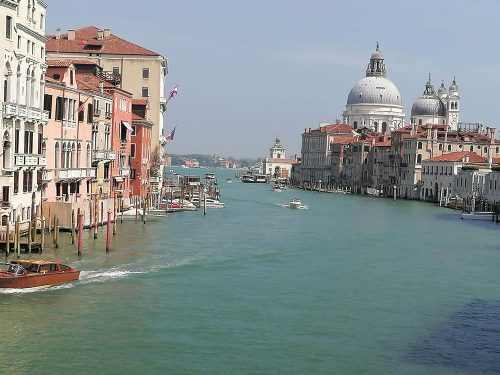
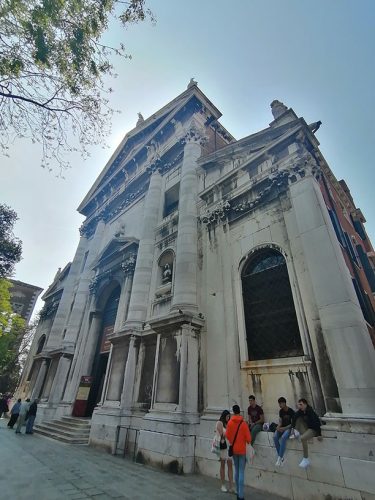
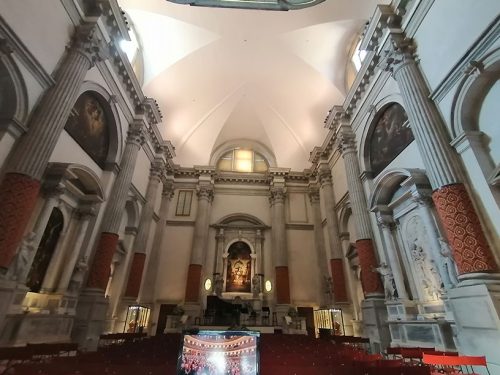


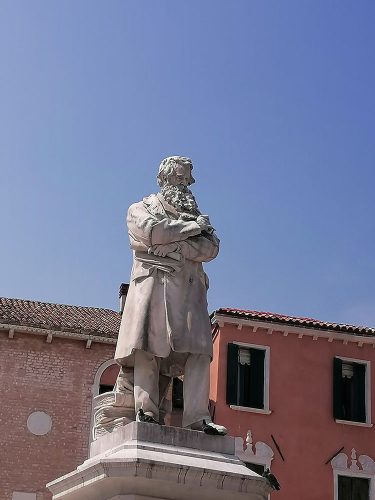

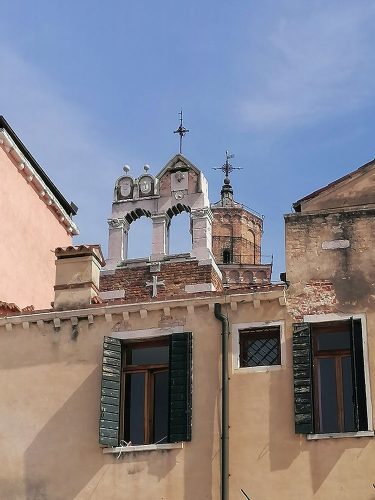


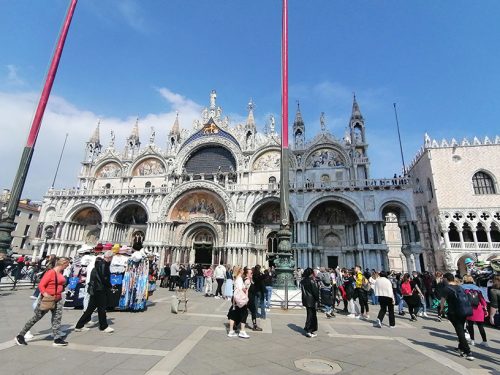
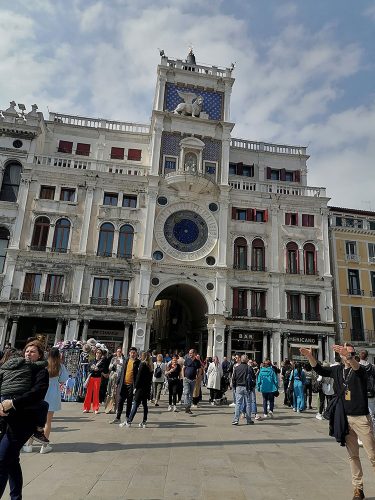
Then we saw St Moises Church and finally, we arrived at St Marcos Square, in the heart of Venice. It measures 180 meters wide and is the only square in Venice since the rest are piazzales or fields. Its construction began in the 9th century, adopting its current size and shape in 1177, and being paved 100 years later. The square is the lowest place in Venice, so when there is high water it is the first place to flood. When this happens, the authorities place walkways for the transit of citizens and visitors. The square is surrounded by bars and restaurants with music bands playing for the customers. In the square, you can also find the Columns of St Marcos and St Teordoro erected in granite in 1172 on the site of public executions.


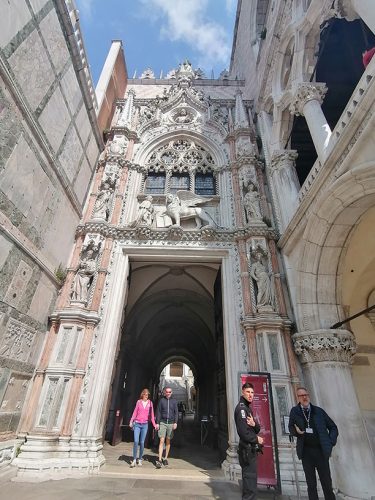
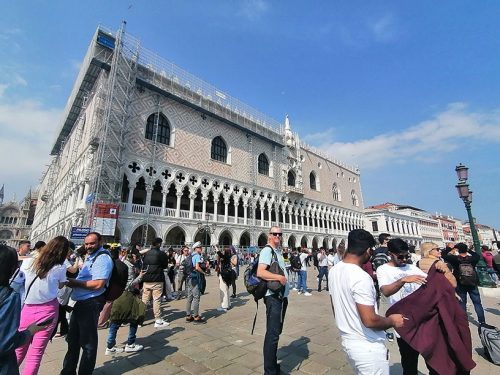
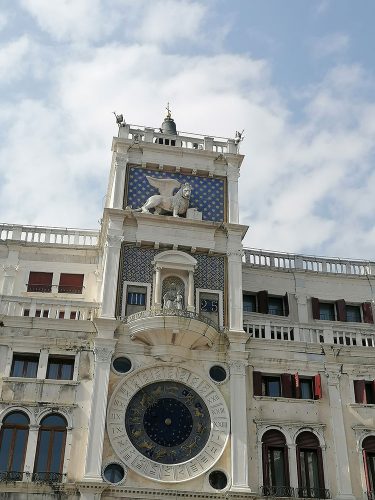
There is a lot to see in the square, starting with the Ducal Palace Gothic style built in 1340 and extended and modified in the following centuries. It was the residence of the Dogue of Venice, the supreme authority of the ancient Republic of Venice. Other buildings to see are the St Marcos Basilica and its Bell Tower, the Correr Museum and the Clock Tower of Renaissance style where two bronze moors play the hours.








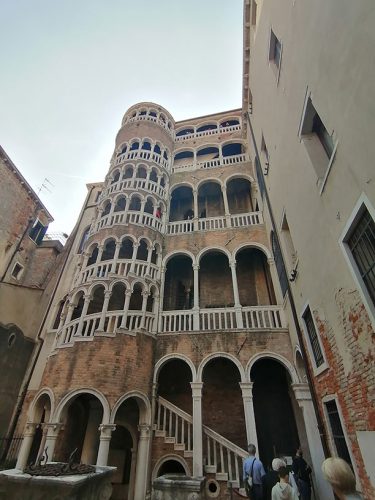
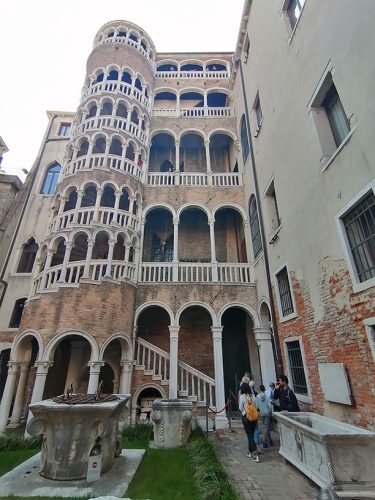
From there we went to see Contarini del Bovolo Palace, which is a small palazzo in Venice, Italy, best known for its external multi-arch spiral staircase known as the Scala Contarini del Bovolo.
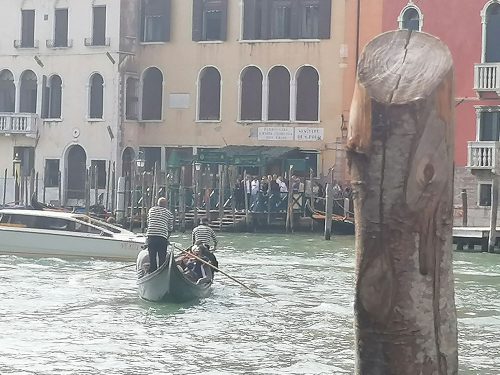
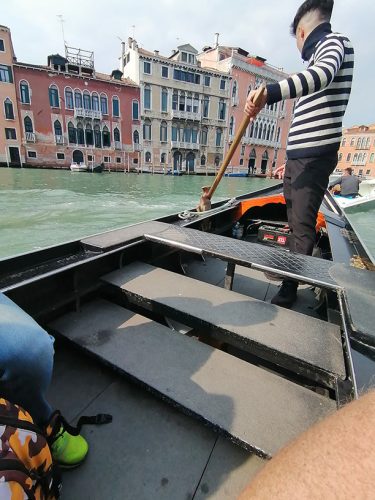
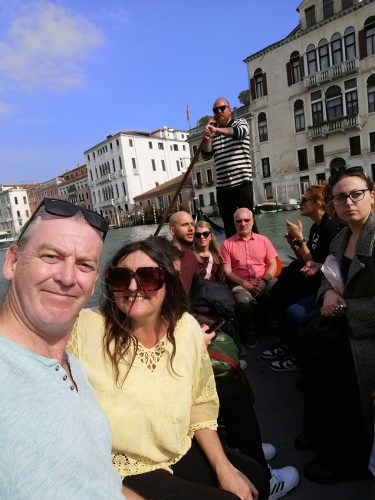
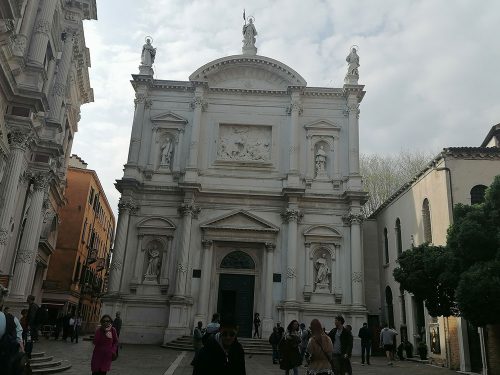
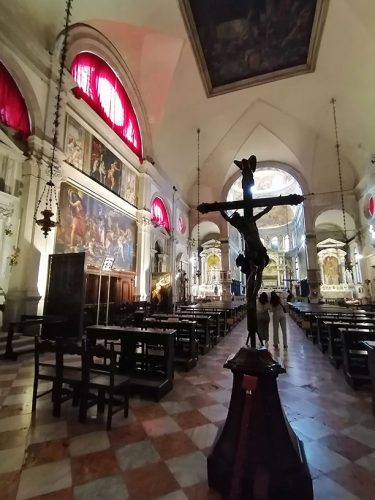
Totally exhausted we start our way back to the station in a different way where we had to take a gondola ferry, which we loved it! as the gondolas are 80 euros! So finally we had our gondola trip for only 2 euros each. On the way to the station, we saw the St Rocco Church and we had a drink well deserved!





We finished our time in Italy and we went to Croatia passing through Slovenia and Herzegovina, which you can see in the next post.

