Wales – Barmouth (En)
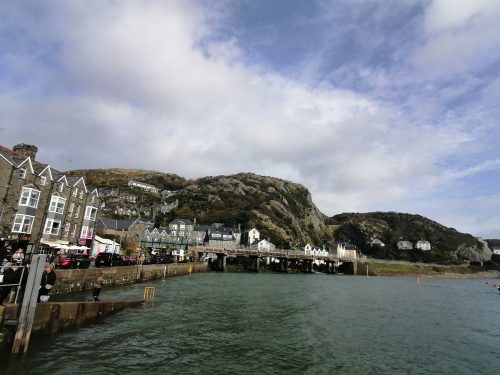
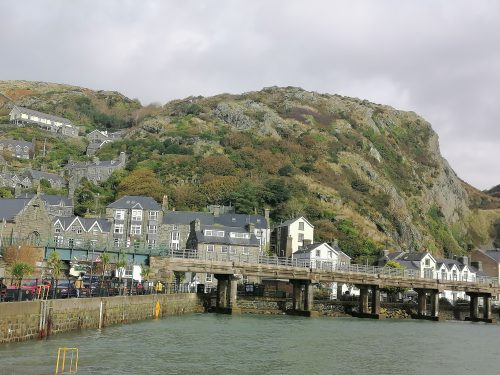
Barmouth is a beautiful town with stunning views of Cardigan Bay and the picturesque harbour. It has a history dating back 500 years and was an extremely busy port with a shipbuilding industry stretching across the Mawddach estuary. It also had a significant tourist trade from the 1750s and the railway arrived in 1867.
Where to stay
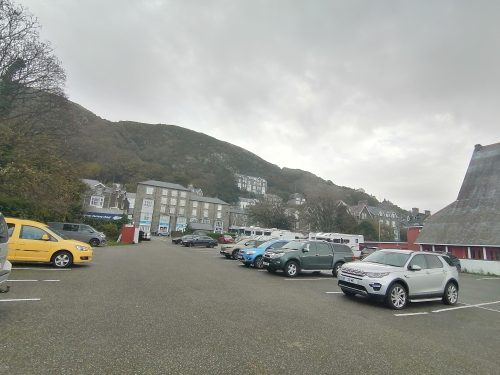
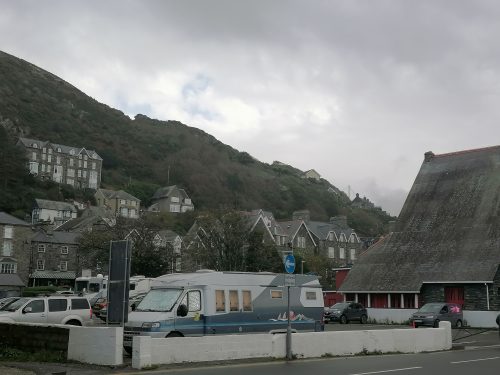
We stayed two days in the central car park in Barmouth (52.72172, -4.054551 lat, long), the only car park that accepts motorhomes for overnight stays. It costs £15 per night plus £5 during the day, as indicated on the big sign at the door. But the attendant told us it was £25 and even though we argued with him, there was no way out. So we ended up paying £25 per day. There are no services, but it is right in the city centre with everything you need.
What to see
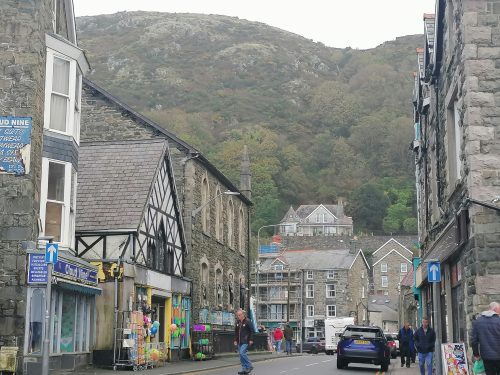
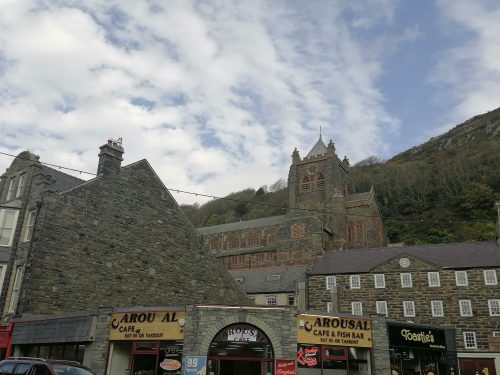
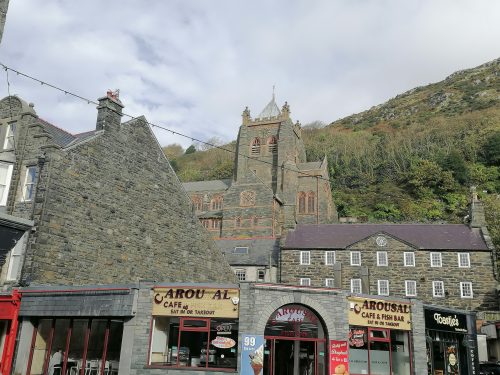
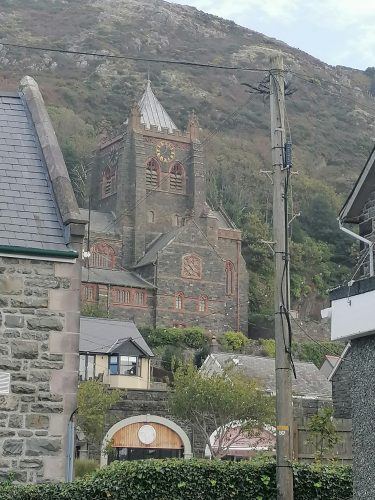
We started our tour in Talbot Square where many of the buildings from the city’s Victorian and Edwardian heyday can still be seen. Looking up towards the hills it is easy to spot The Arches, small individual shops. To the right of the Arches, the small road leads to St John’s Church built between 1889 and 1891.


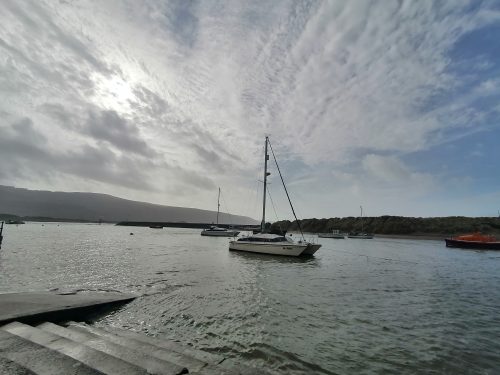
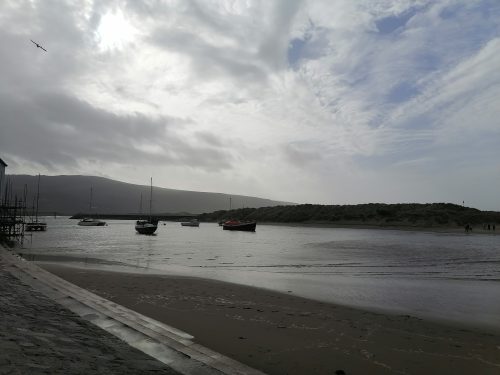
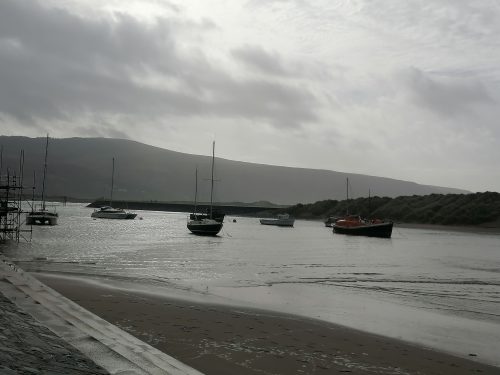
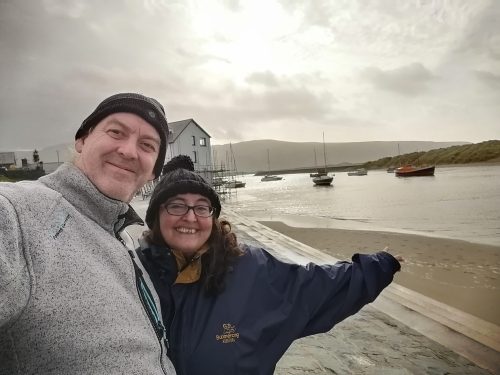
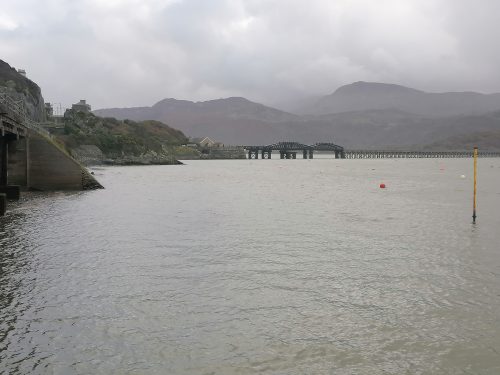
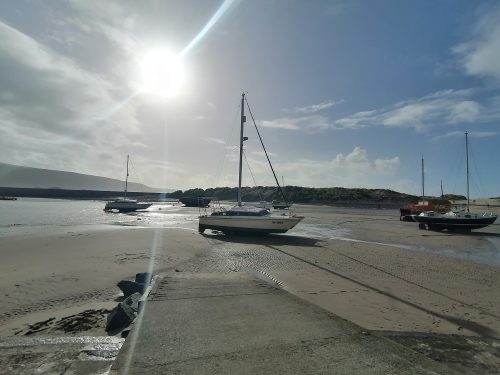
From there we walked to the harbour and pier, which used to be a busy port with a hundred ships registered there by 1795. The Barmouth Railway Bridge made of wood, is one of Britain’s most iconic structures. It was built by the Aberystwyth and Welsh Coast Railway and opened in 1867. A feature of the harbour is the ferry, which has existed on a Crown lease since medieval times. It is the oldest continuous human activity taking place here. Sadly the harbour now has only a few working ships and caters mainly for the pleasure craft of locals and visitors.


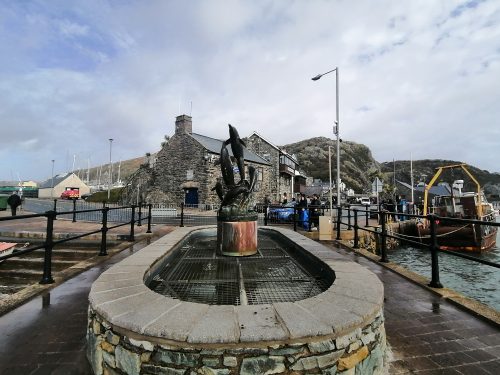
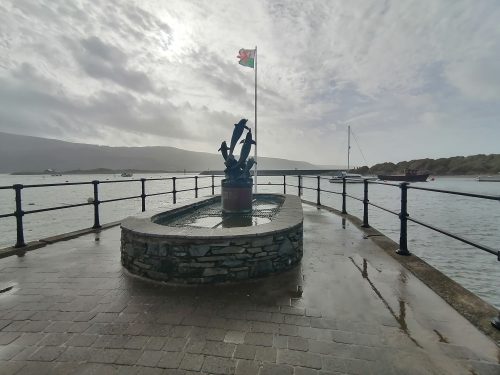

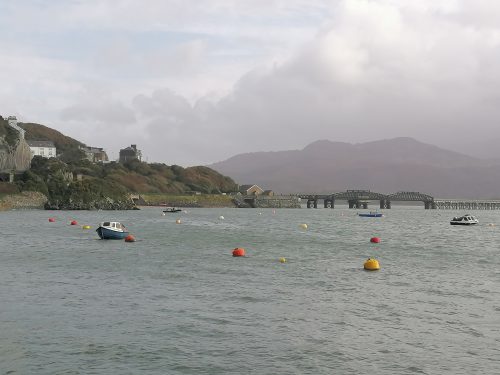


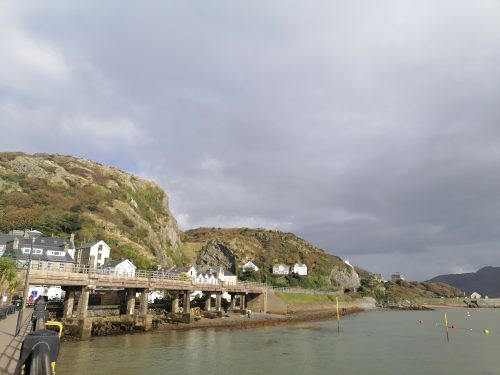


From there we walked along Church Street with a variety of Victorian ‘boarding houses’ and hotels, such as the Barmouth Hotel. Later shops were built on the remains of foundations of older buildings on either side of Church Street, but a few remain. The Steps, for example, (now a jewellery shop), stands where John Owen, the barber, worked in the 1880s. Of particular note is St David’s Church of 1830, a simple cruciform Gothic church built from remarkable green slate stone.
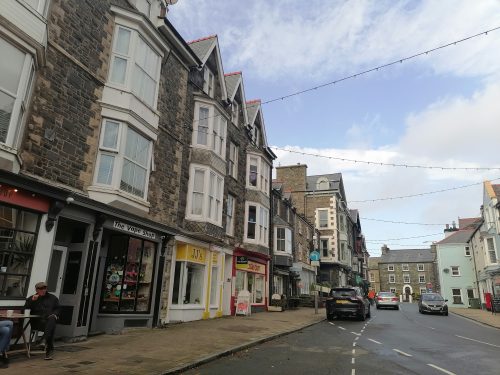
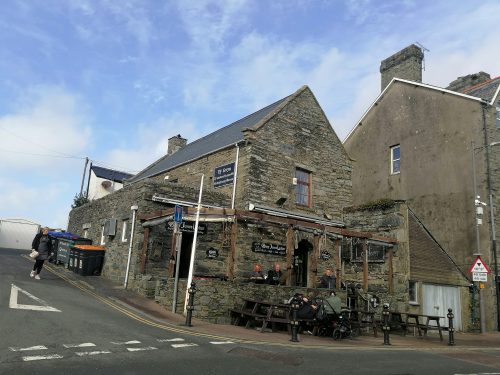
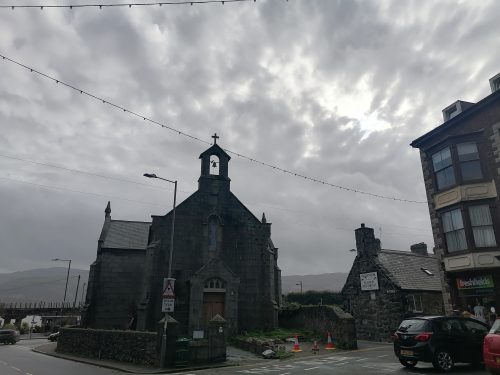
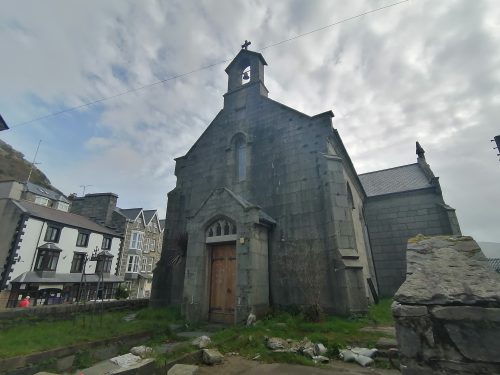
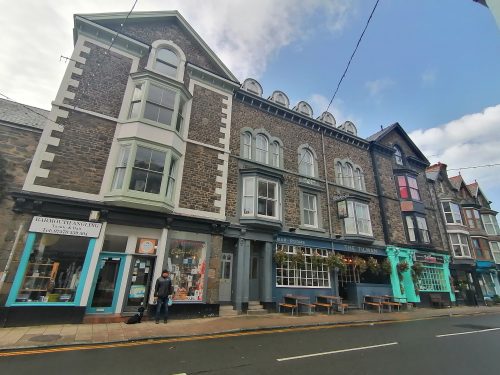
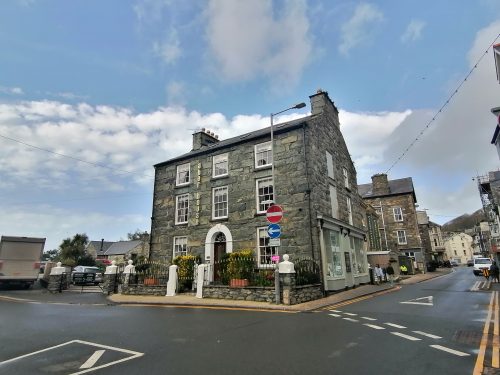

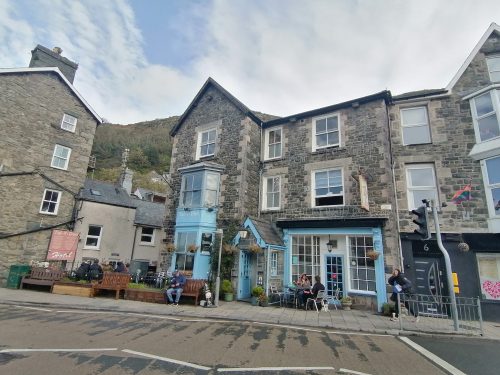

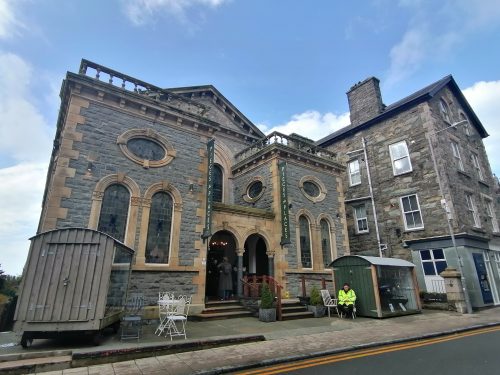
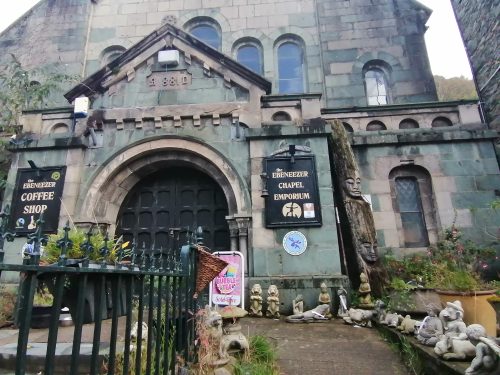
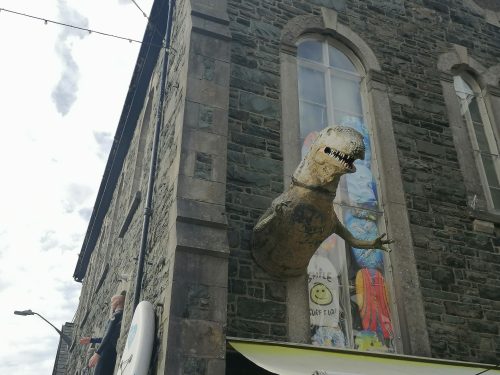
Church Street gives way to the main street where you come across the 1866 Caersalem Chapel. The building is now used as a furniture shop but retains much of its contemporary interior including a beautiful ornate ceiling. Another chapel that caught our eye is Ebeneezer’s Chapel built in 1881, with the characteristic green slate stonework. The pews of this former Wesleyan chapel are gone but the interior is intact and interestingly decorated. The adjoining building on the left was the Methodist parsonage.



What to eat
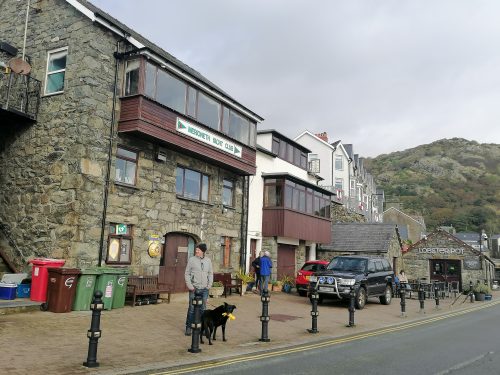
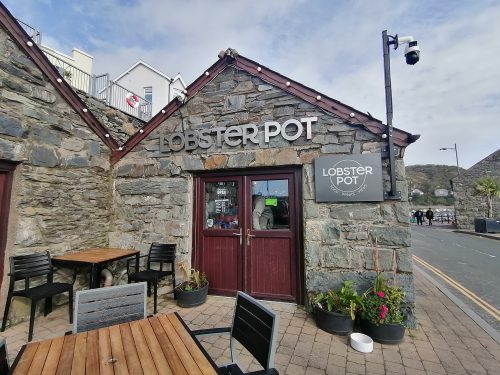
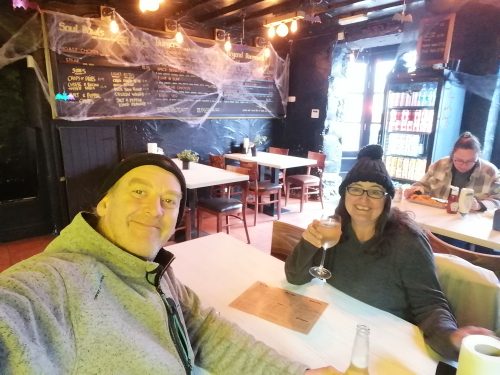
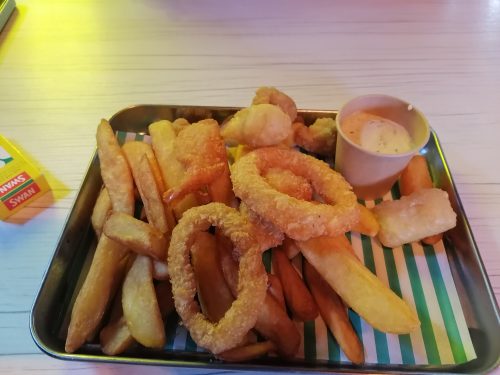
The city’s signature dish is lobster! So we went to the recommended seafood restaurant The Lobster Pot and to our great disappointment they didn’t have lobster that day! So we kept looking and found a restaurant across the harbour called Ted’s Chips which served a seafood basket with prawns, squid, cod, hake and chips. Ben ordered the basket which instead of fish came with duck bonbons.



Our next stop is Snowdonia National Park which, in addition to being the largest National Park in Wales, Eryri (Snowdonia) has the highest mountain in England and Wales, which you can see in the next post!

