Germany – Kassel – The Water Games (En)
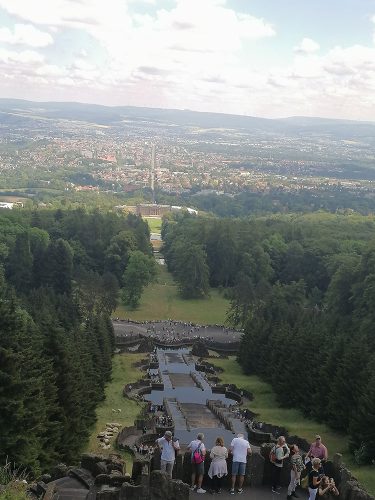
Kassel is the city where 200 years ago the Brothers Grimm lived and created a collection of fairy tales for children. Kassel is also home to the 240-hectare Wilhelmshöhe Mountain Park, a UNESCO World Heritage Site since 2013 and the largest mountain park in Europe. It is here where the water games are held during the summer months, where more than 750,000 litres of water cascade down the mountain every Wednesday and Sunday afternoon (and also on holidays) during each water show. The water travels about 2.3 kilometres as it passes through the park.

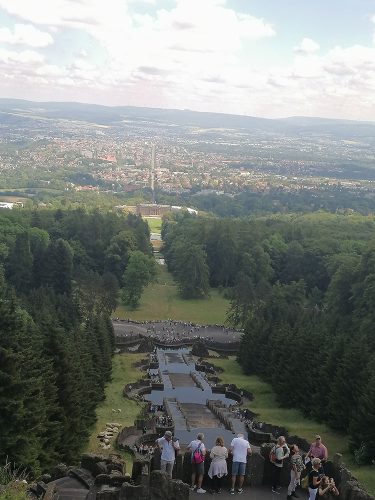
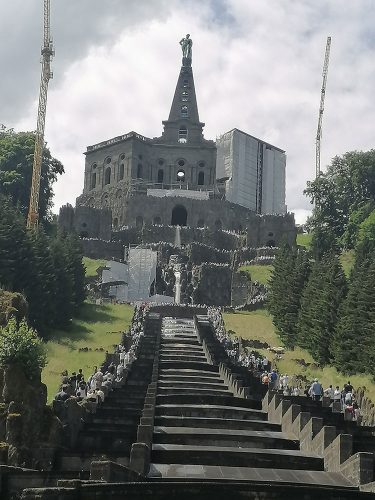
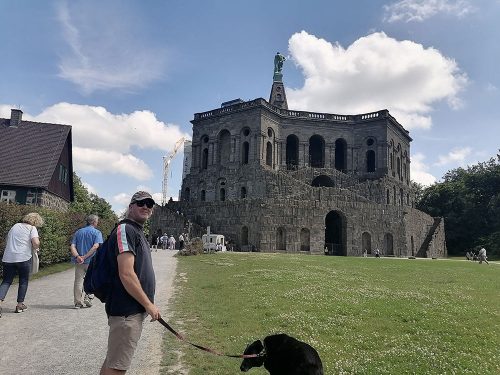
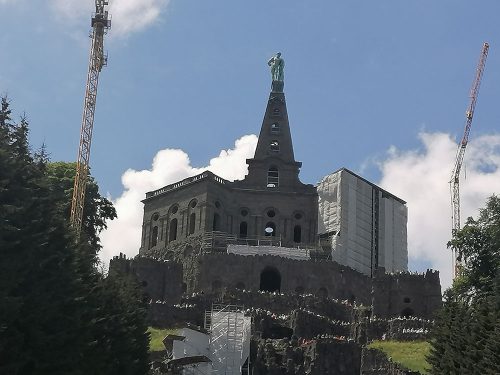
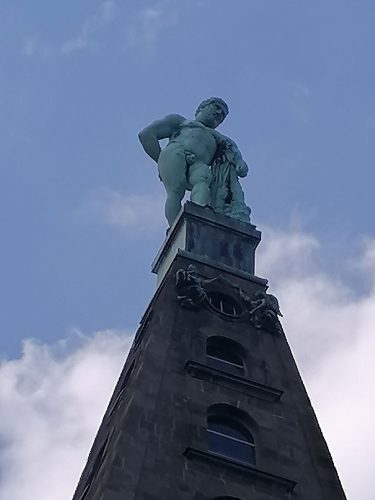
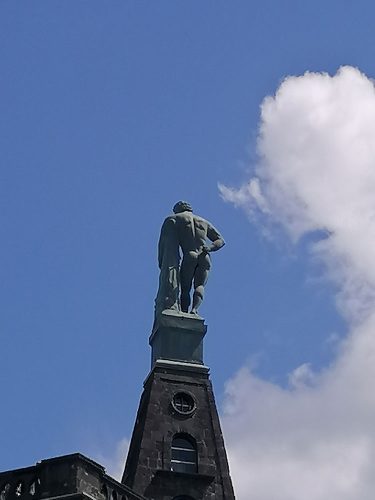
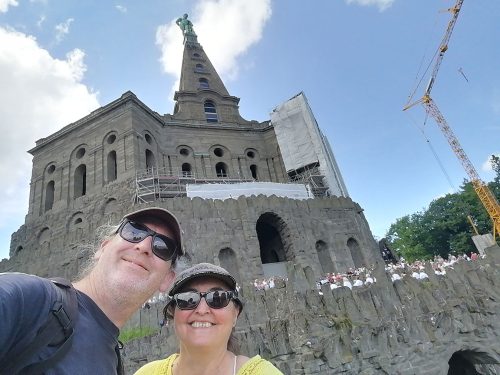
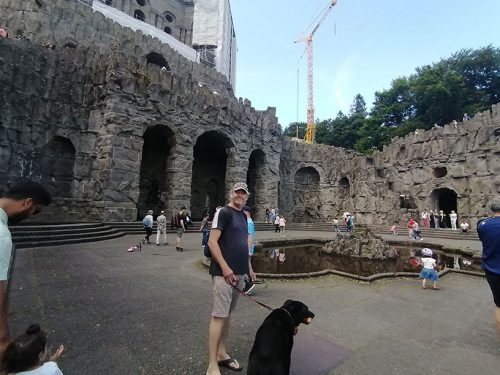
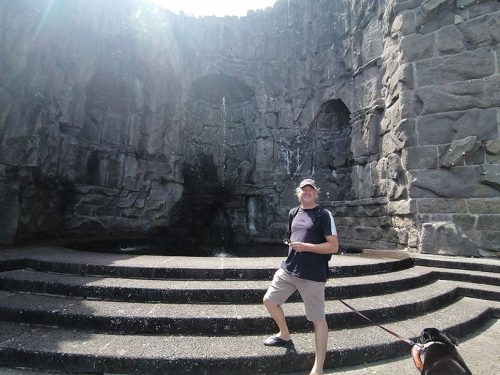
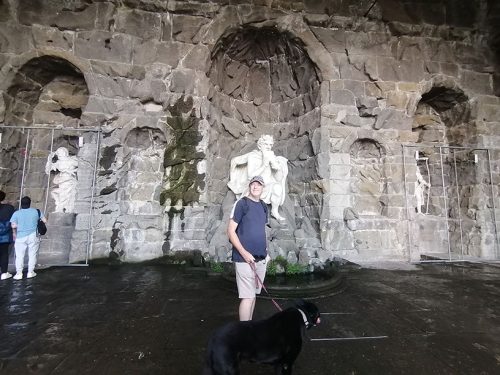
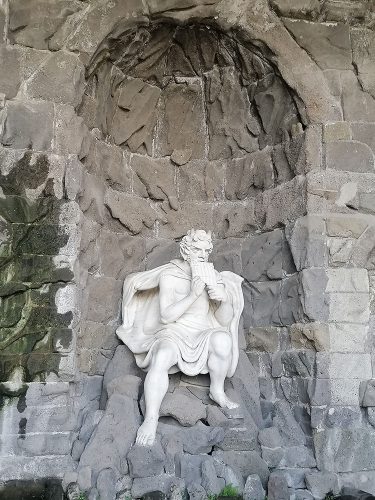
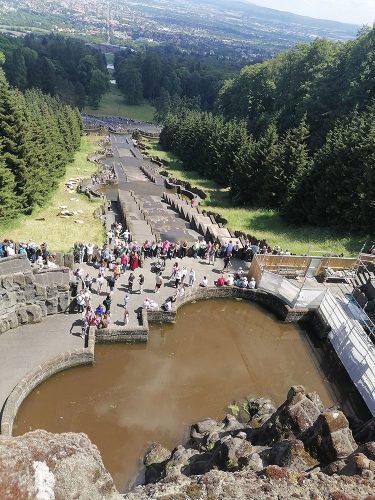
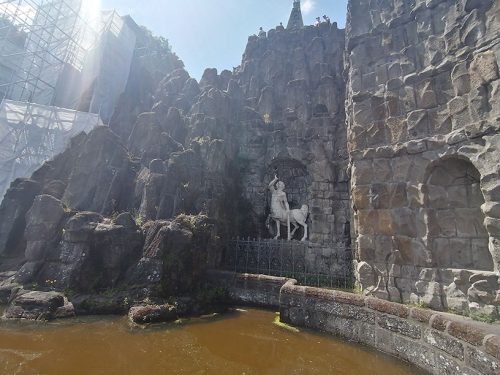
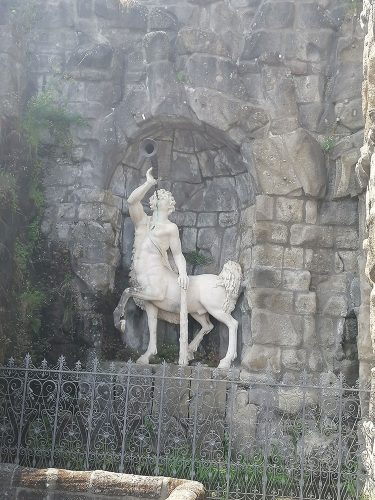
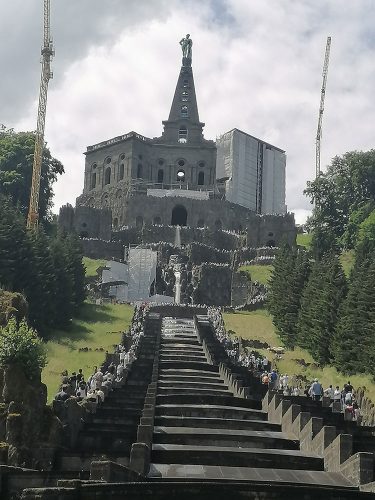
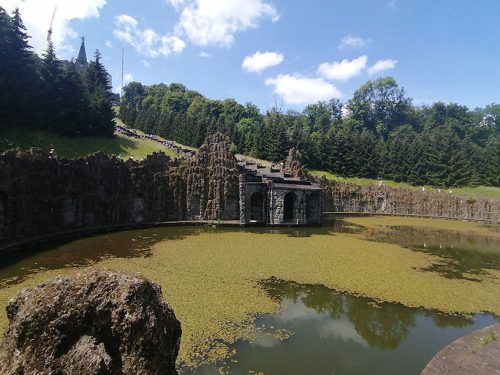
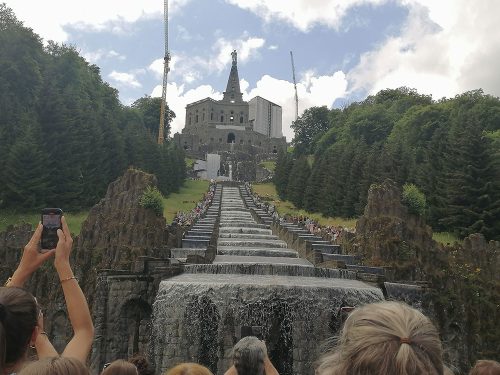
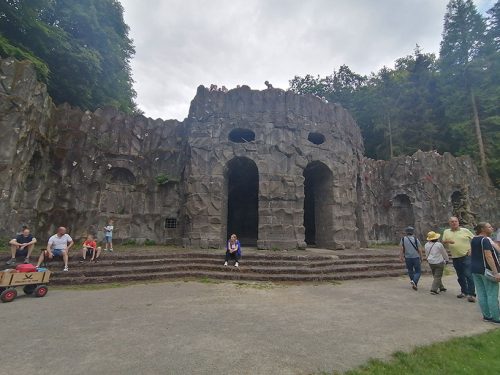
Hercules: the big show starts at 2:30 p.m. next to the statue of Hercules. The Greek demigod stands on top of a pyramid, enthroned on an octagon, the so-called giant castle. At the foot of the octagonal structure is the Vexier water grotto with the artichoke basin. Here the water arts begin with fountains in the artichoke basin and the crooked cascades. In the niches of the grotto, there are statues of mythical figures that signal the beginning with their horns. Like the bubbling of the fountains, the sound of the horns is produced by natural water pressure. One level below, the giant head pool awaits you, from which the stone head of the giant Enceladus spews a twelve-meter-high fountain. Over a 210-meter-long and twelve-meter-wide cascade system, the water flows from the pool through three oval pools down to the Neptune Basin.




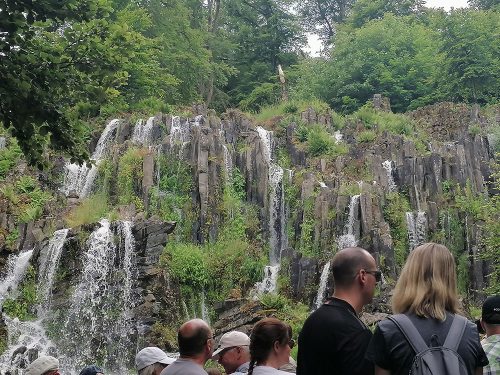
After stopping to share a delicious hot dog, we continued our way to the Steinhöfer waterfall, named after the “architect of aquatic arts Karl Steinhöfer”, part of the system that supplies the romantic aquatic arts, among which The Devil’s Bridge, the Aqueduct and the Great Fountain are included. During the staging, the rocks are being washed little by little and are reminiscent of an old quarry now being recovered by nature.


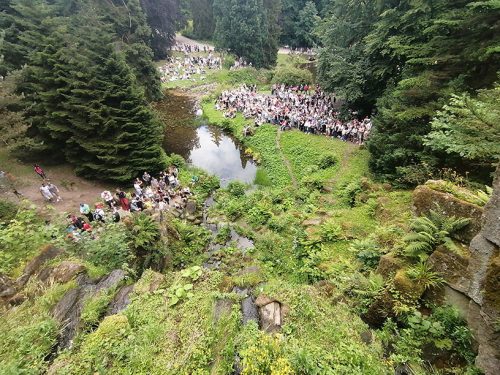
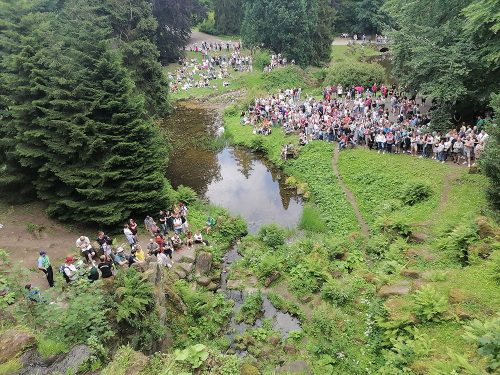
The next stop is the Devil’s Bridge built in 1792/93 by Heinrich Christoph Jussow. Originally built of wood, the metal construction has extended over Hell’s Pond since 1826 to a height of ten meters. The names Devil’s Bridge and Hell’s Pool recall Pluto, the Roman god of the underworld, and the nearby cavern that bears his name.
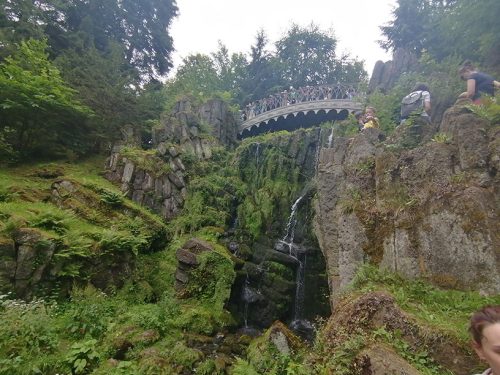
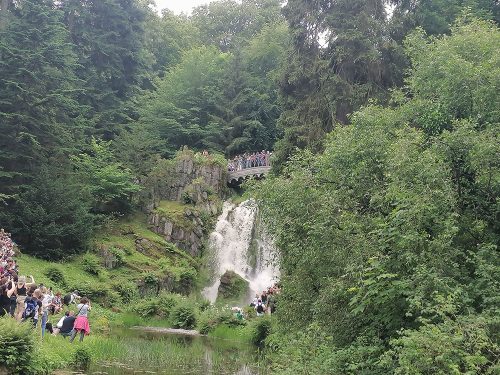
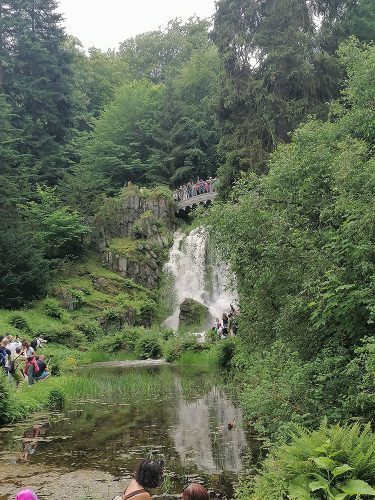


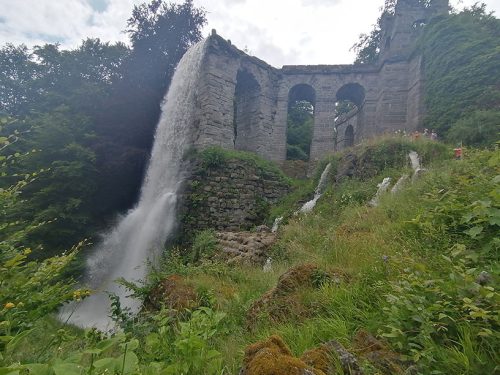
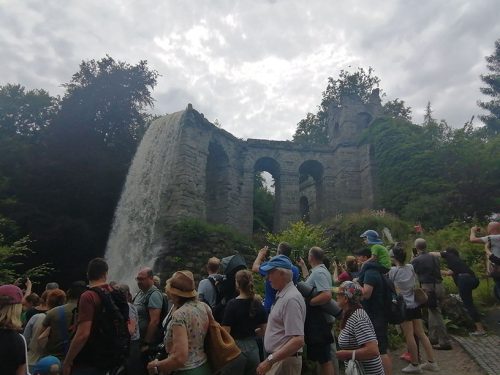
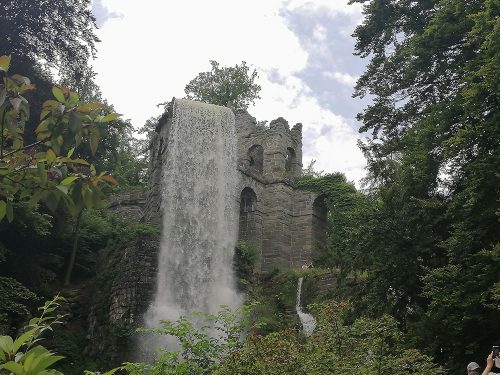
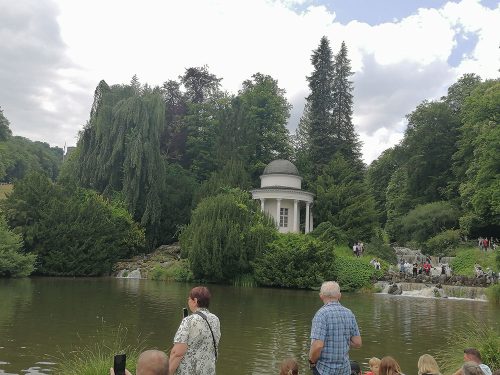
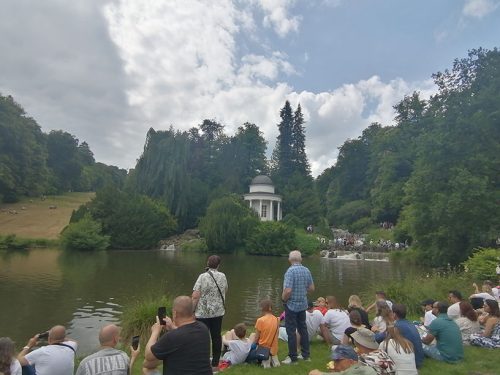
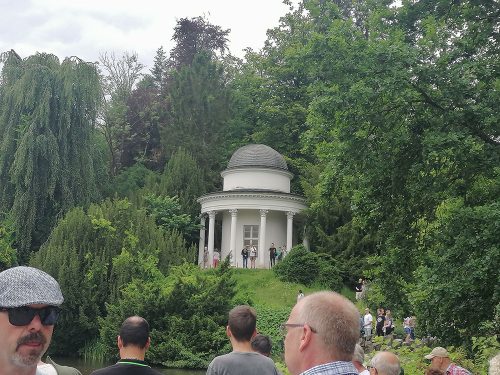
The aqueduct, like the ruins of an ancient water conduit built by the Romans, the aqueduct breaks abruptly after the fourteenth of its high arches, dropping the incoming water here 30 meters. This makes it the tallest artificial waterfall in an artistically designed garden to this day. The water then flows over the Peneus waterfalls, passing the Jussow temple, until reaching the fountain pool.
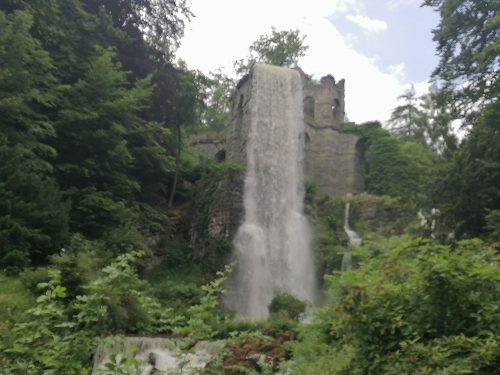
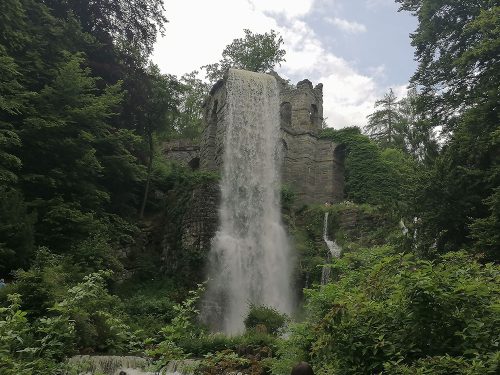
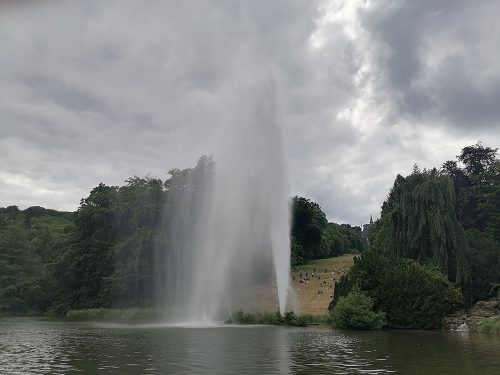
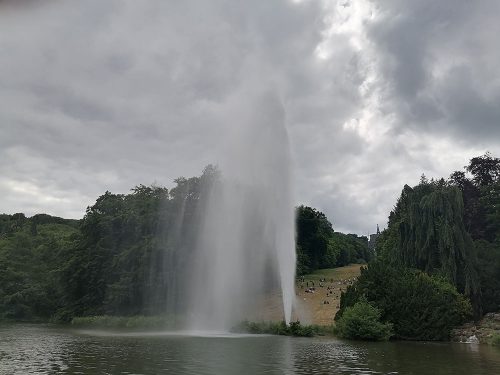
The great fountain, here the water games end. For ten minutes, in the natural-looking pond, a 52-meter-high column of water rises into the sky. The water for this unique spectacle comes from the fountain reservoir, located 80 meters higher. It then flows through artificial but natural-looking waterfalls to the castle pond, the so-called “Lac”, and from there via underground pipes to Fulda.
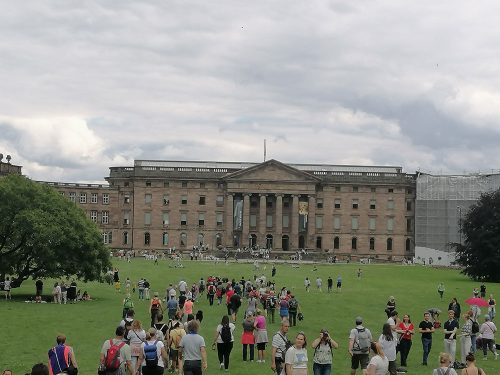
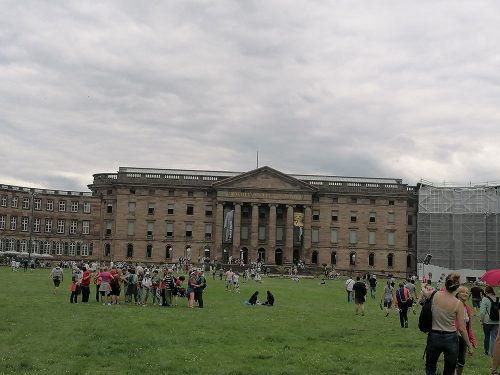
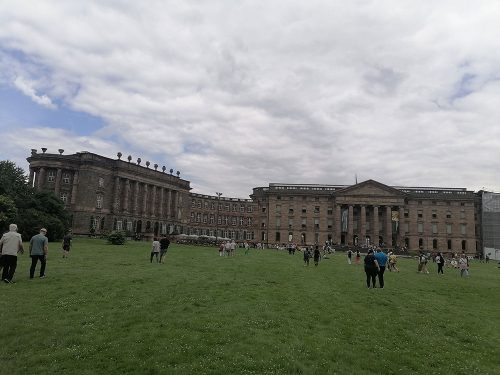
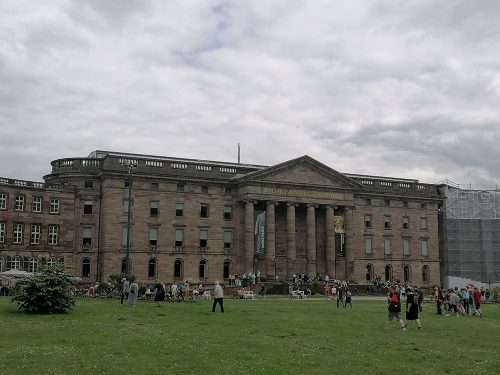
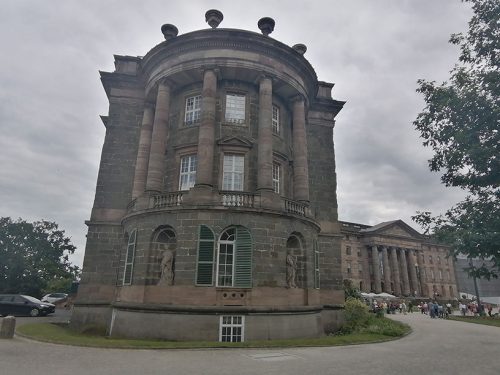
And you finish the tour at Wilhelmshöhe Castle with its magnificent collection of Rembrandt.
Our next stop is Marburg, a German city north of Frankfurt, whose old town includes half-timbered houses and a hilltop castle, which you can see in the next post!

