France – Honfleur (En)
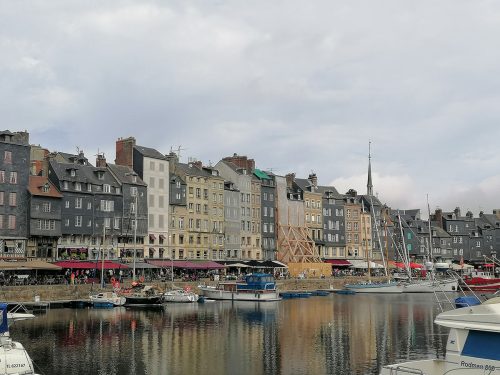
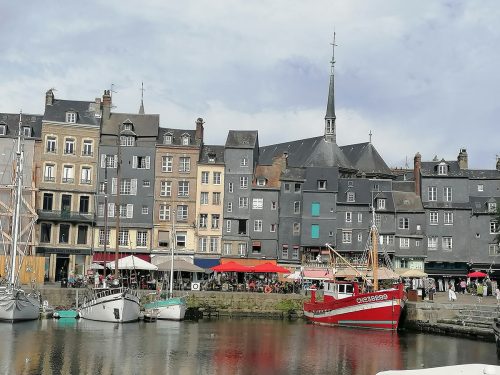
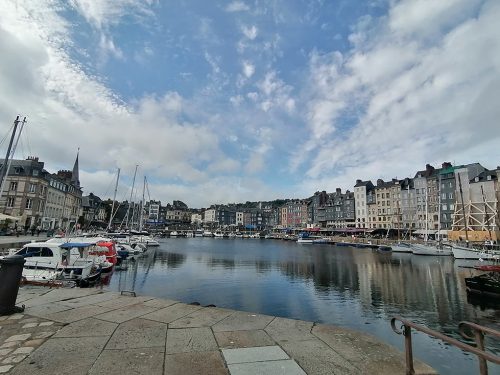
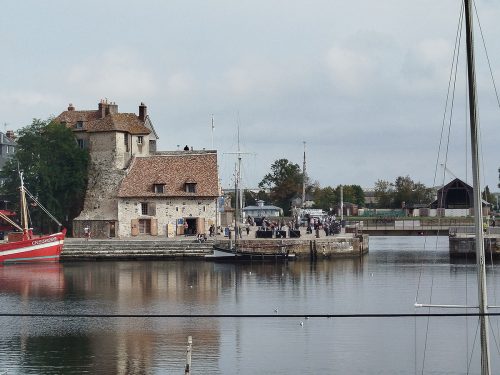
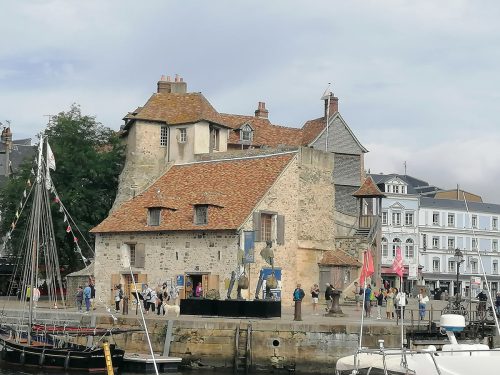
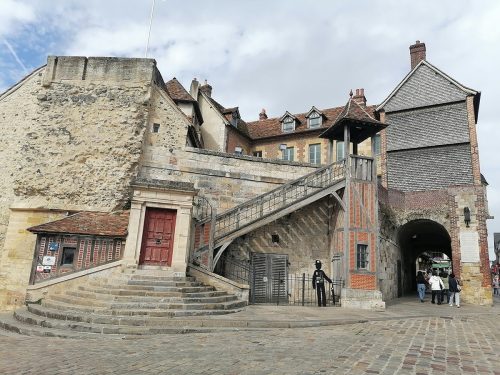
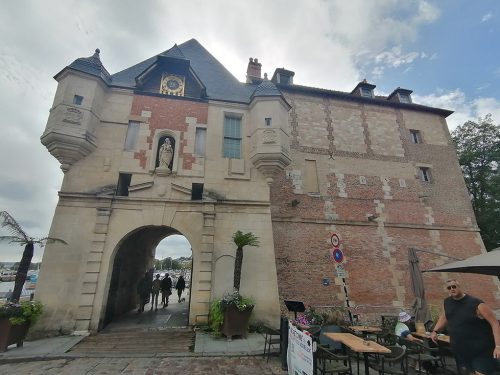
We went to Honfleur because I had read that it was one of the most beautiful towns in Normandy. It is well worth a visit. It serves as a fishing, commercial, and recreational port—all in one. The most impressive sights are the Old Harbour (Vieux Bassin) and the Lieutenant’s House (La Lieutenance), which are Honfleur’s iconic landmarks. Its cobblestone streets, half-timbered facades, small art galleries, and traditional restaurants are also fantastic.

Where to stay
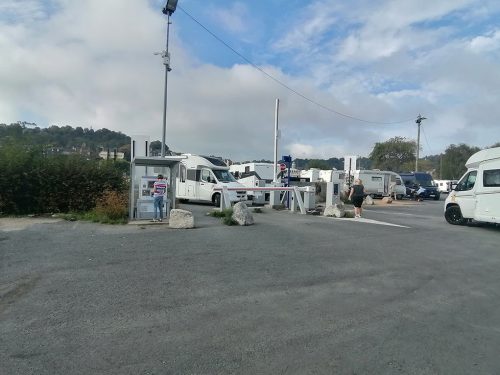
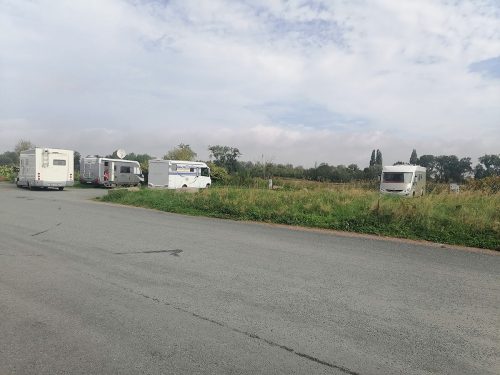
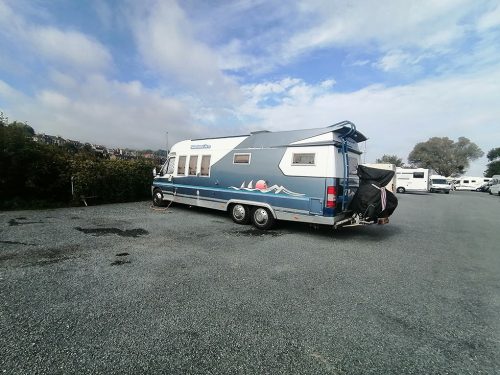
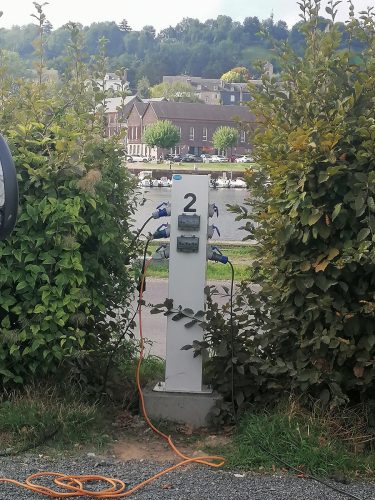
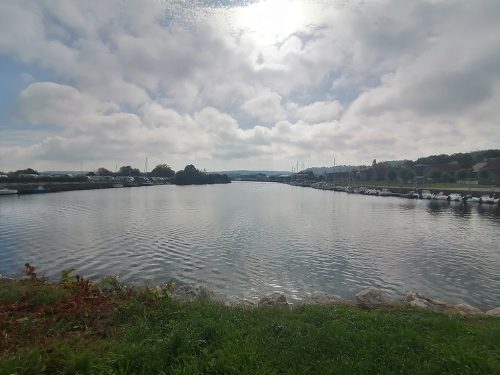
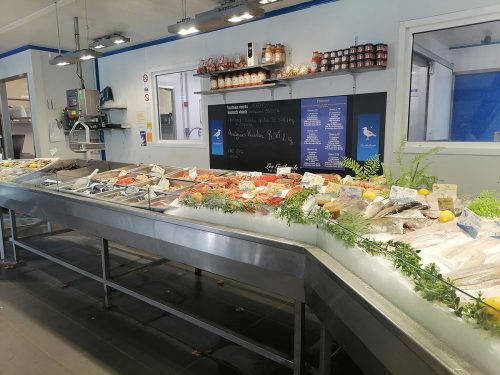
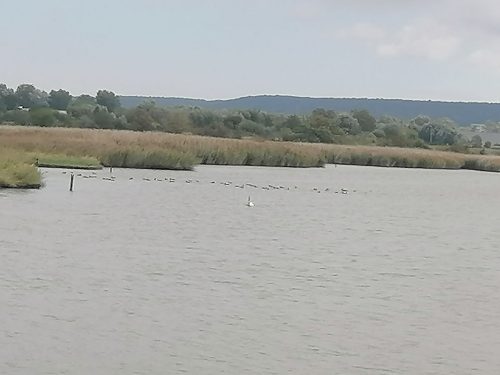
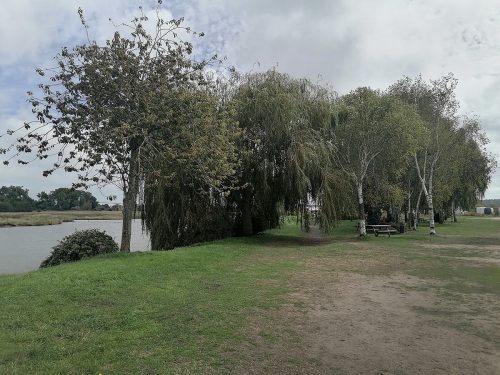
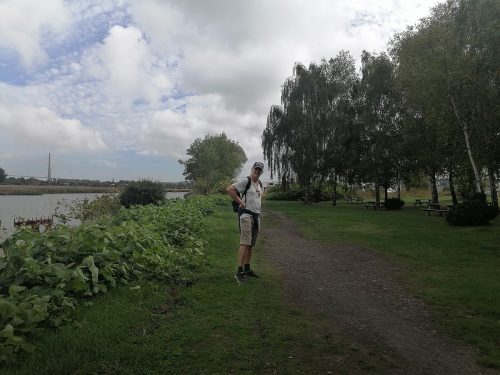
We stayed at the paid motorhome area (coordinates: 49.419573, 0.241935) near the town centre. The site is divided into two sections: one paved, with a barrier and electricity, and another unpaved area without services. The paved section costs €20 per day, while the unpaved area is €14. We stayed in the section with electricity, which features two areas for dumping wastewater and accessing potable water. Payment is made upon departure. The best thing about the place is its location: it is right next to a lovely park, a restaurant where you can buy seafood and near the centre.


What to see
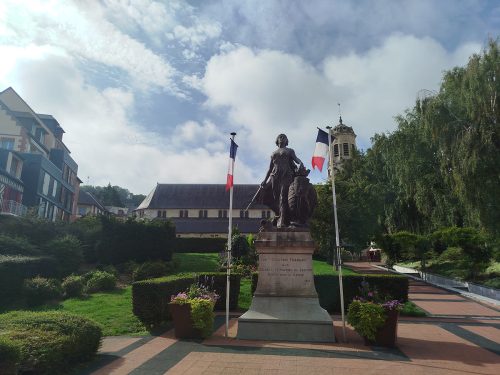
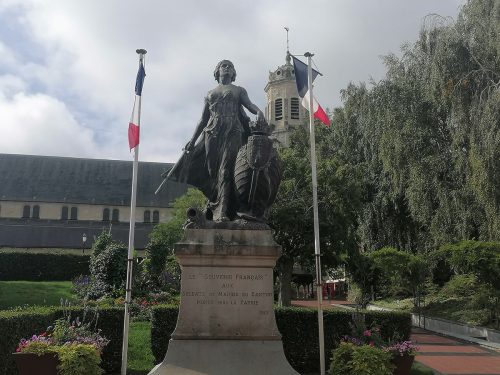
There is much to see in Honfleur. We walked to the town centre and arrived at Saint-Léonard Square, a wonderful spot featuring a statue dedicated to those who fell for France. Behind the square stands the parish church of Notre-Dame de la Côte de Grâce. The church was open, and we saw the interior.


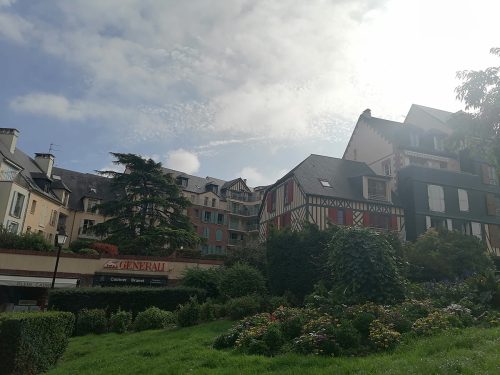


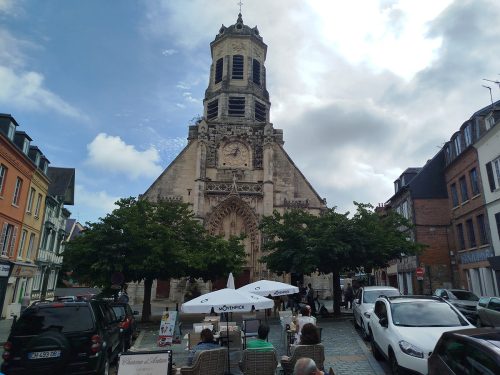
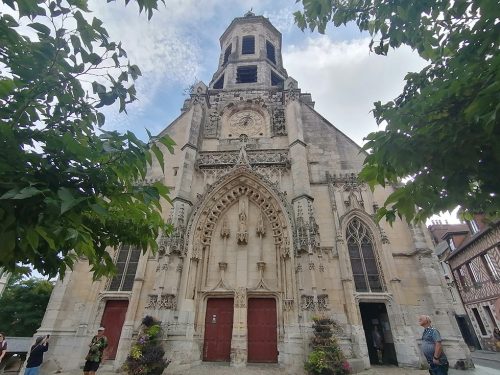
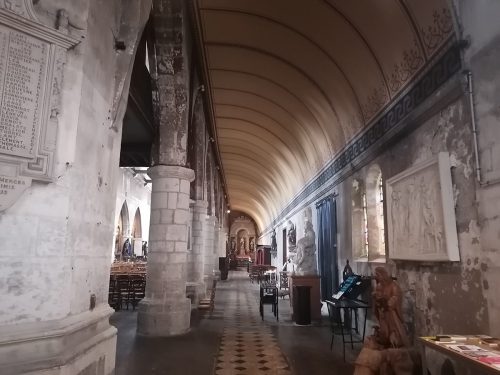

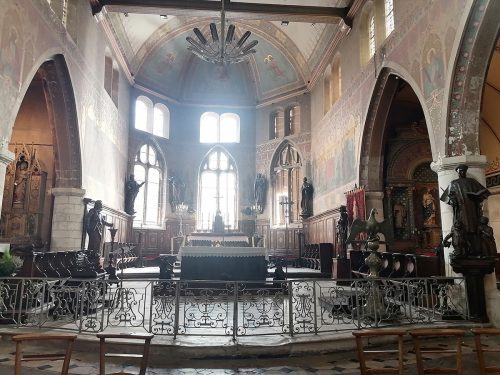

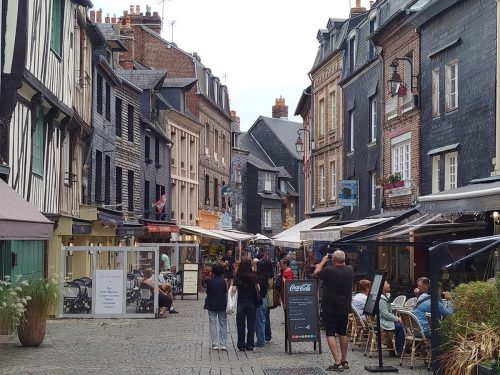
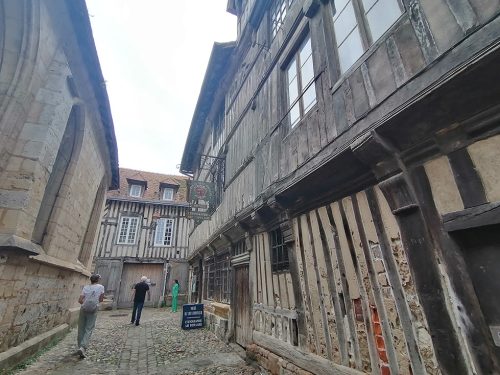
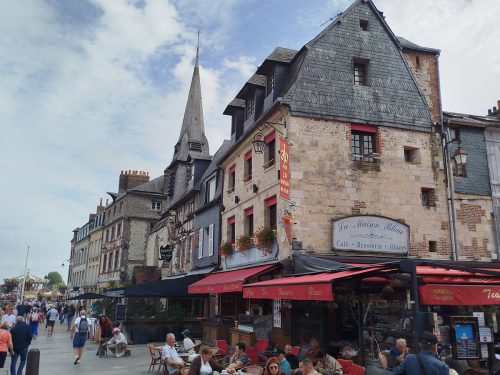
We made our way through the town’s streets, admiring the fantastic half-timbered houses and shops selling traditional Calvados brandy, until we reached the famous Rue des Petites Boucheries. It is a historic, narrow, cobblestone street located in the heart of the medieval Quartier de l’Enclos. The street takes its name from its 17th-century history, when local butchers were permitted to build small auxiliary stalls or booths outside the main market to display and sell meat.



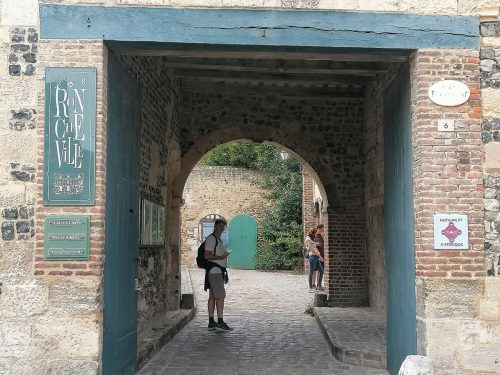



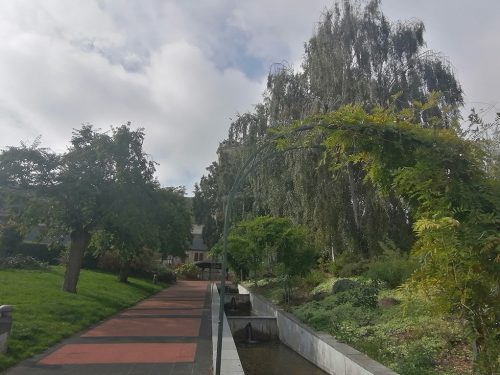
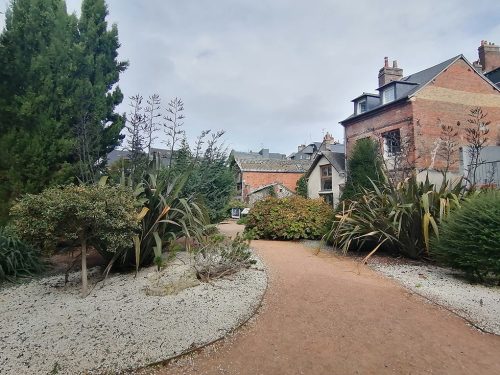
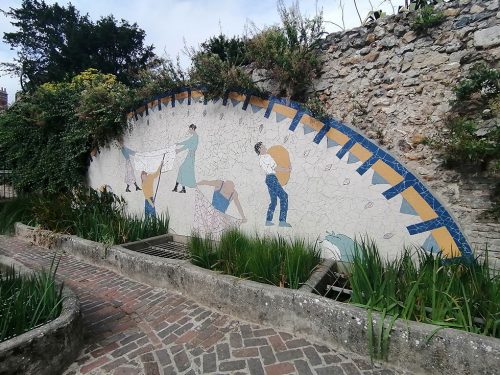
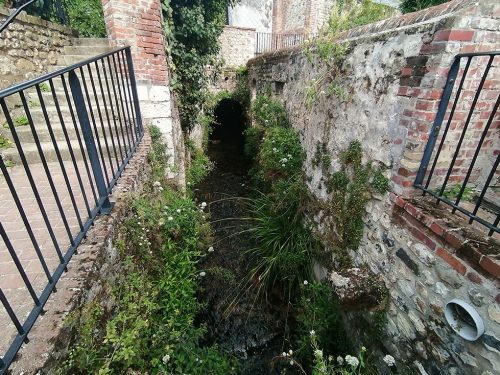
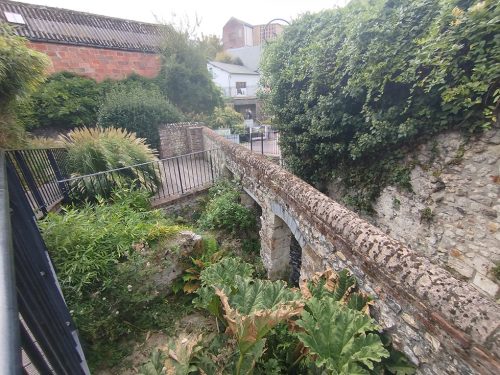
Afterwards, we went to see the urban park, where one can admire the works of the famous French artist Réham, as well as the dyeing vats and an entire network of channels.


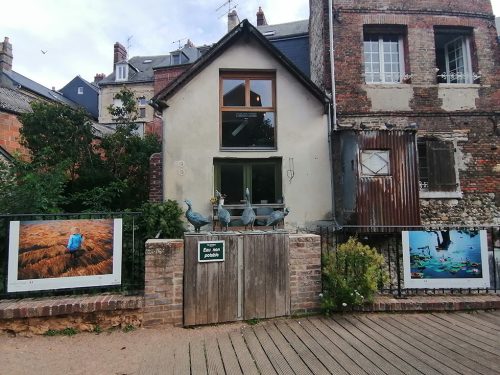



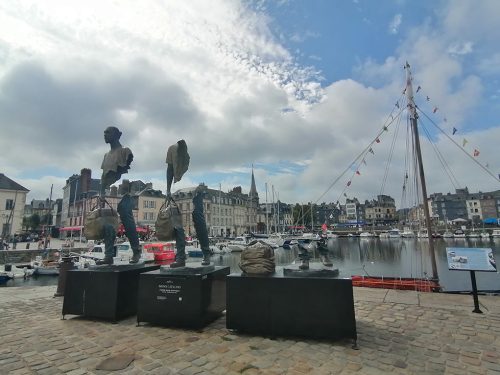
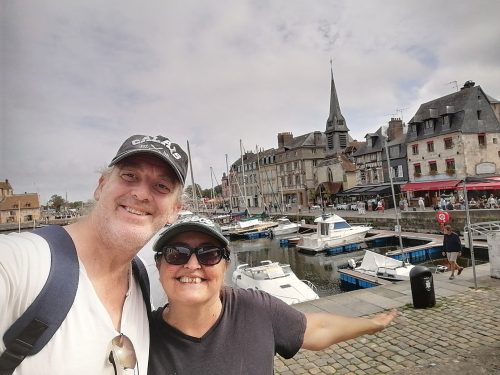
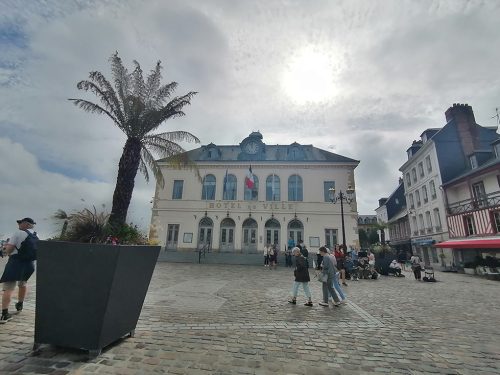
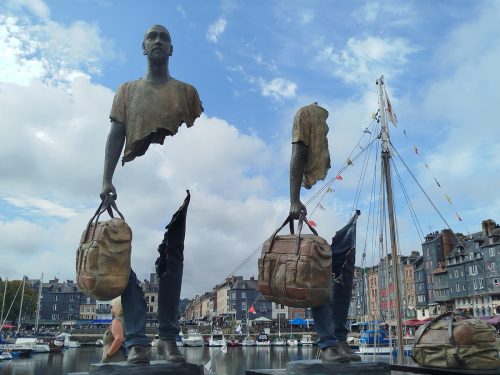
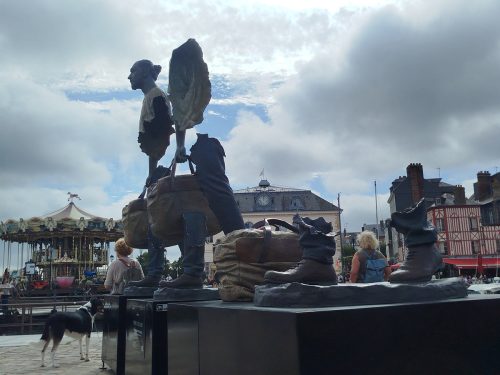
We head to the Old Port, a picturesque 17th-century harbour flanked by tall, narrow houses with timber framing and slate-clad facades—and moored yachts. It is the heart of the town, bustling with shops, bars, and restaurants. On one side, you find the Maritime Museum and the town hall in a square featuring a carousel. On the other side stands the historic monument *La Sainte Bernadette*, dedicated to artists. Outside, there is an impressive art installation where we took several photos.
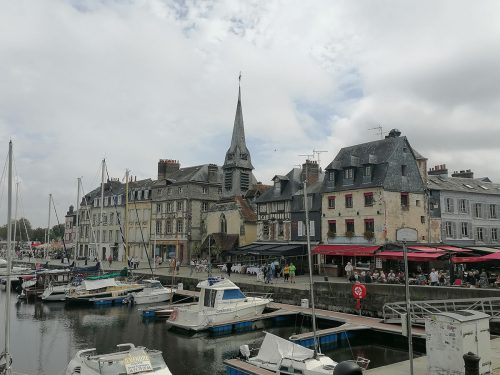











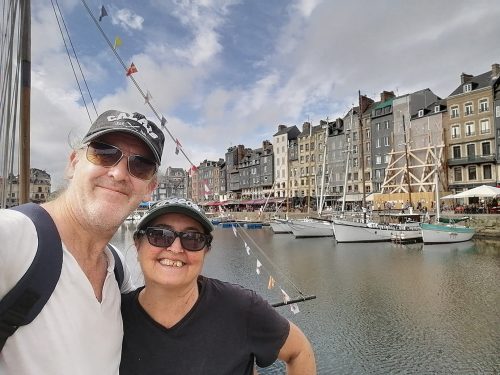
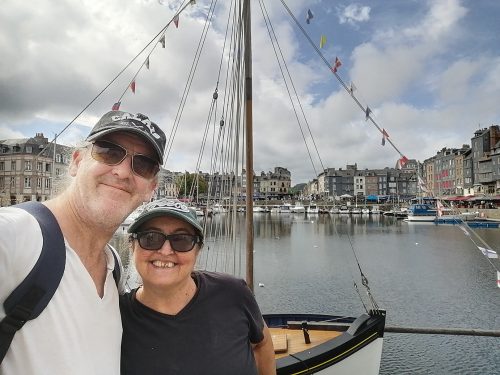
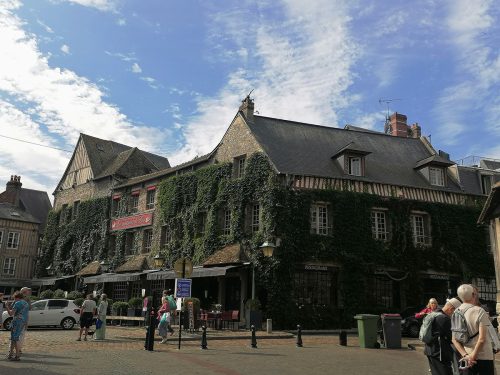
At the corner of the quay, you come across the Hotel du Cheval Blanc, built in the 18th century. It was a coaching inn and a stagecoach stop.


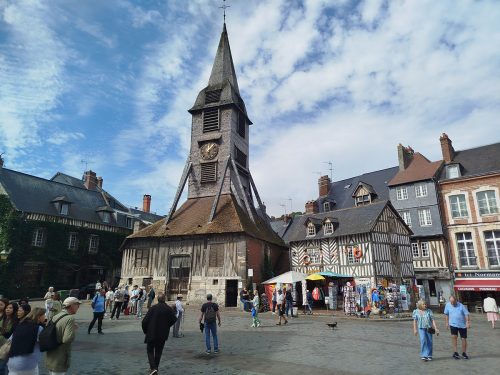
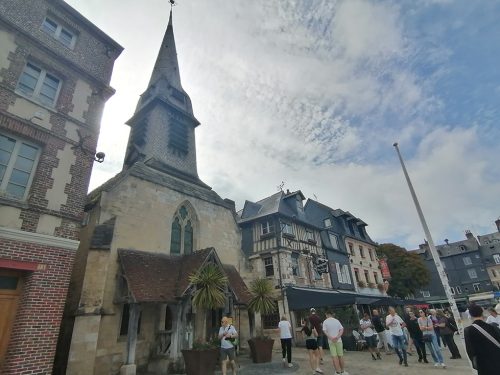
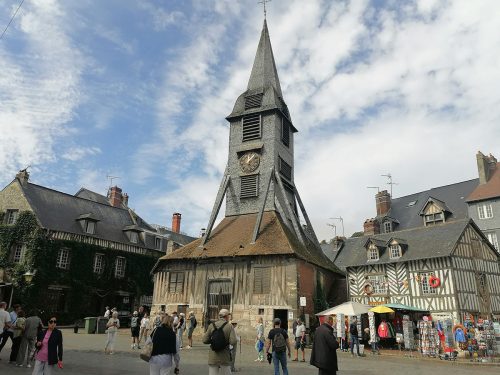
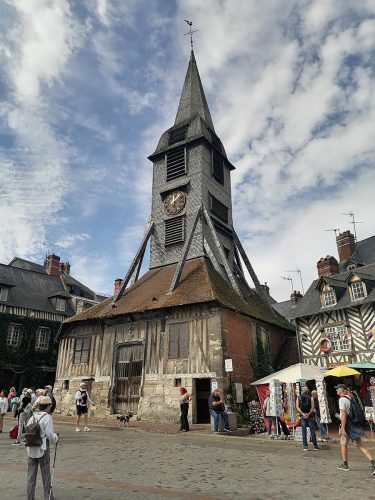
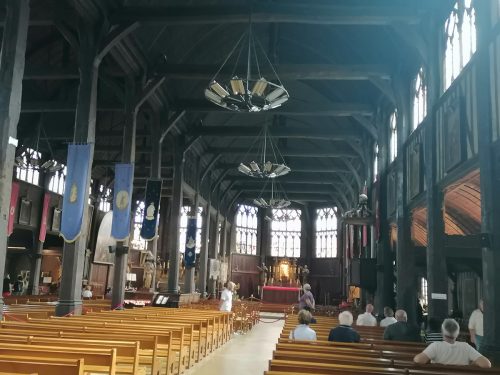
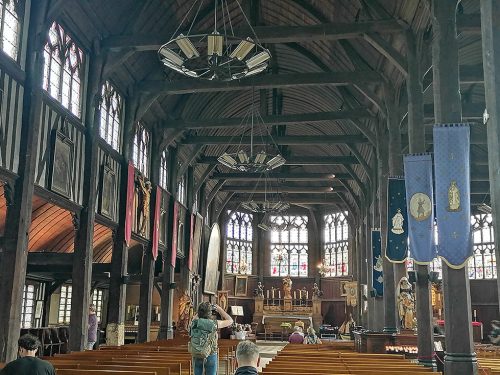
But what we liked best is the square where the Church of Saint Catherine is: the largest wooden church in France, built by shipwrights in the 15th century with a separate bell tower.









We returned to the old port, where we saw that the carousel dated back to 1900. We walked along the side of the port where the lighthouse is located.


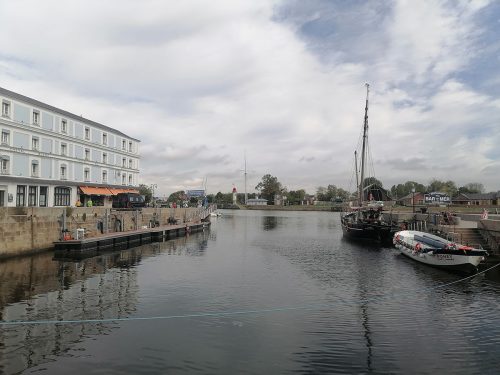
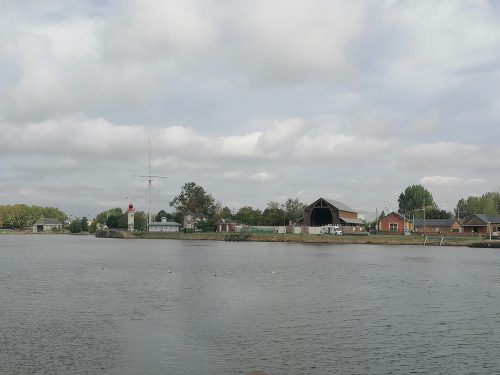
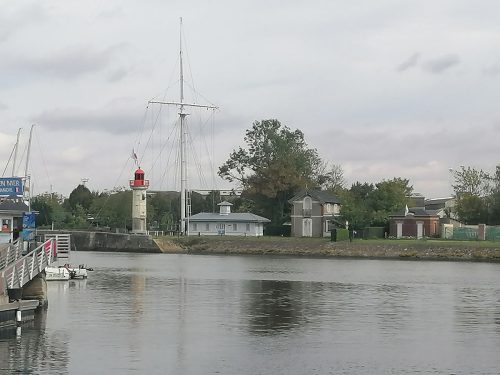
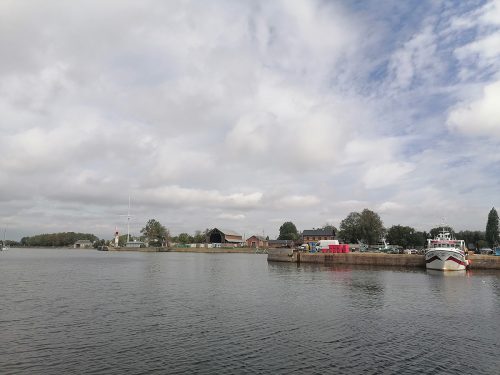
We stopped by the good-priced seafood restaurant and shop, and walked through the riverside park to the motorhome area.




The next day, we headed to Cabourg—famous for its beach, long seafront promenade, architecture, and cultural life—which you can see in the following blog post.

