France – Fécamp (En)
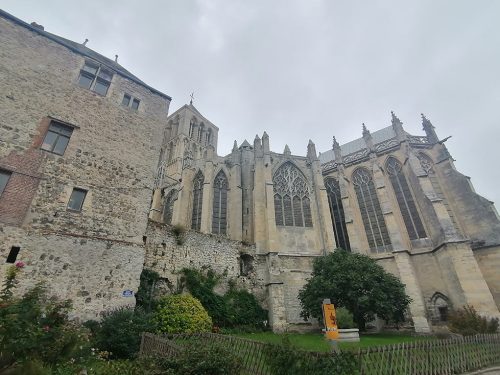
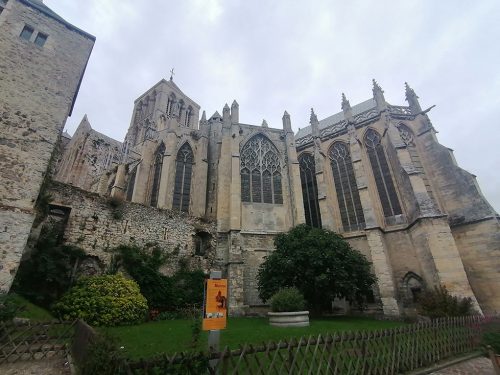
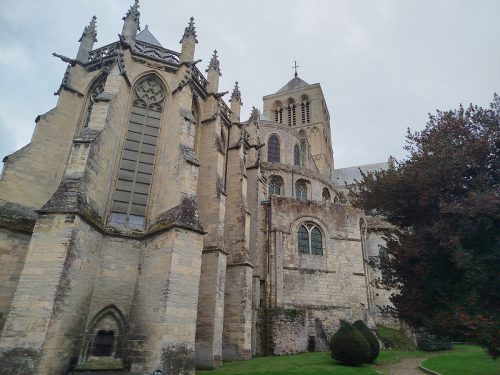
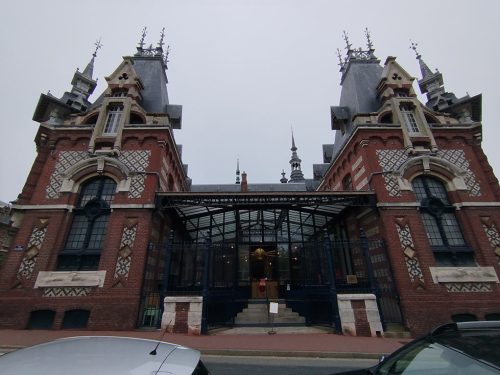
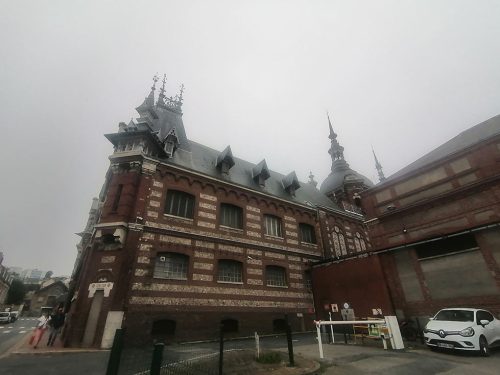
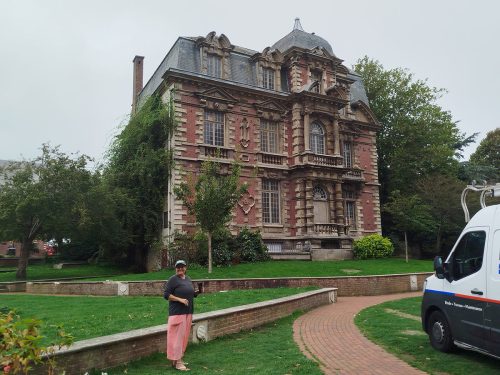
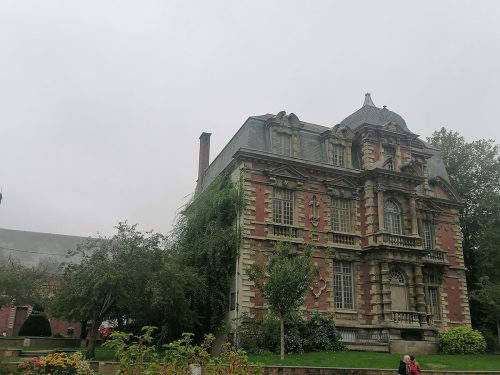
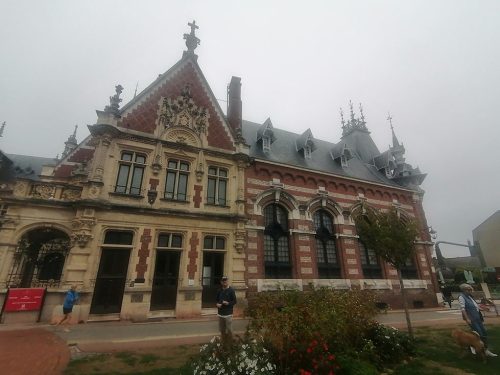
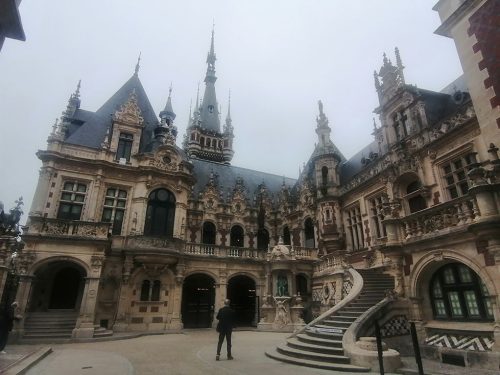
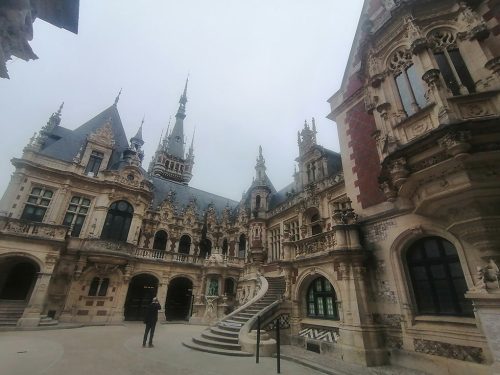
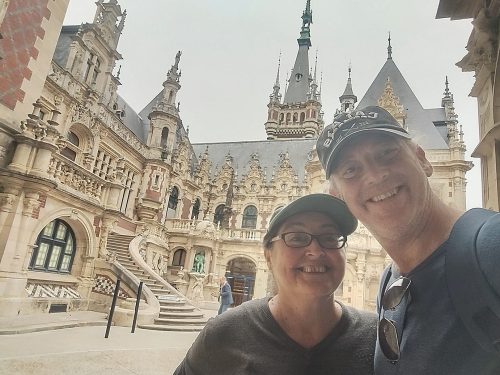
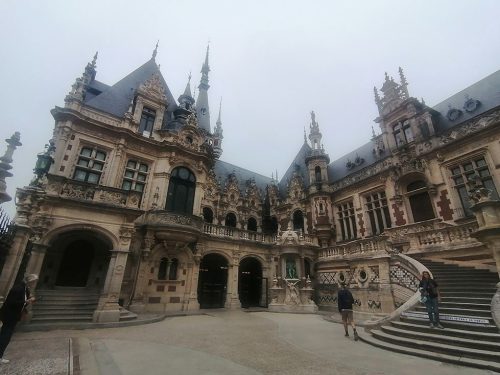
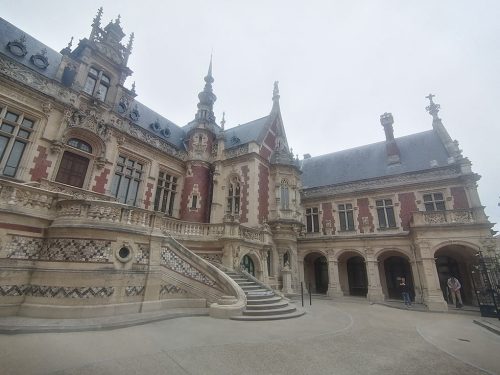
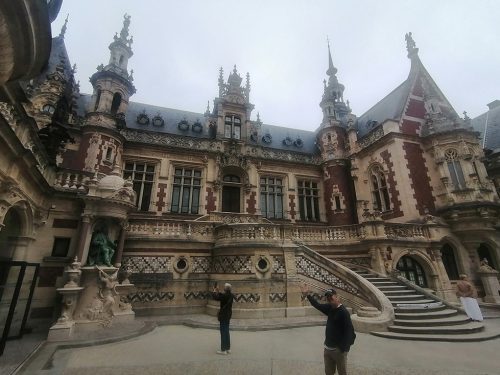
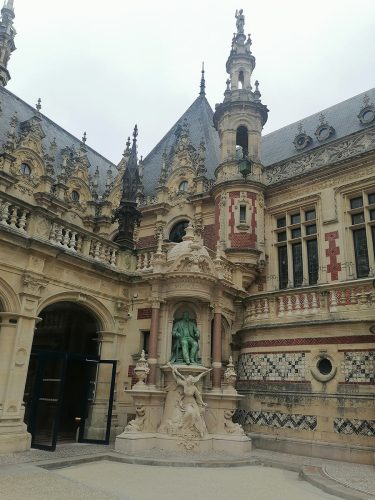
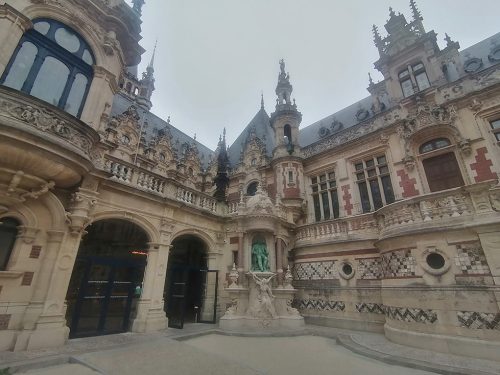
Fécamp is a city of art and history with several interesting buildings, including the Gothic Church of the Holy Trinity and the Benedictine Palace, a 19th-century masterpiece. We loved this palace and were most impressed by it. Strolling along the seafront and relaxing on the harbour pier is also great.


Where to stay
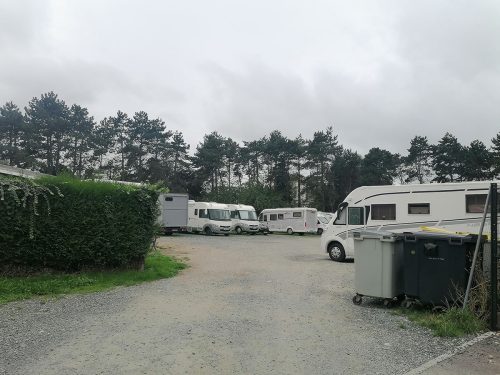
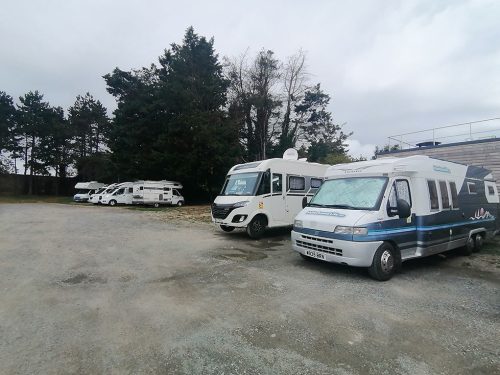
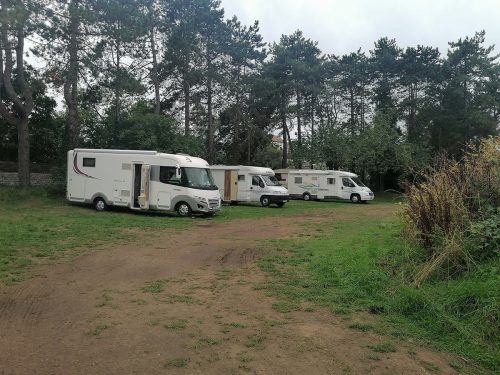
We stayed at the city’s free motorhome area (coordinates: 49.75811, 0.38329), a 10-minute walk from the old town. The site consists of a gravelled area on either side of the entrance and a dirt-and-grass area at the back. There are no facilities or services, though trash bins are located at the entrance. We stayed in the gravel section. It is very popular because it is free, and it fills up in the evenings—including the grassy area. I recommend arriving early in the morning. It is a great spot for visiting this amazing city.


What to see
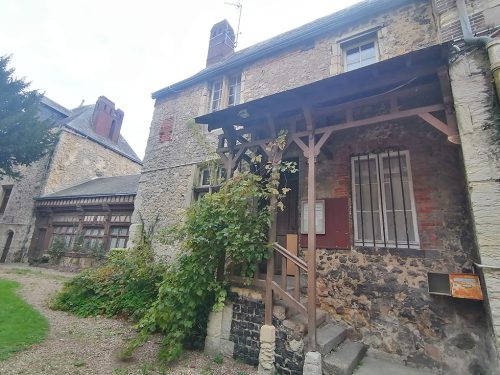
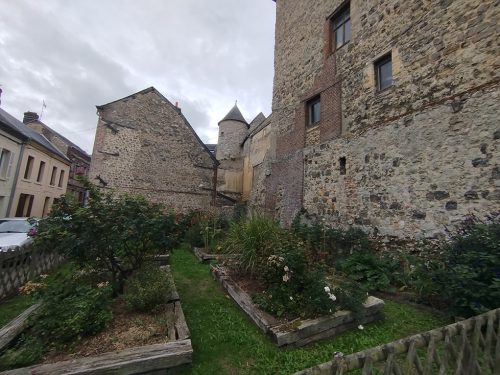
The first place we saw was the town hall, just a five-minute walk away. To our surprise, the town hall is part of the Abbey of the Holy Trinity; you pass through a doorway and find yourself in the abbey’s courtyard. The abbey is a historic monument dating back to 1840. Inside, you can visit several 12th-century chapels.


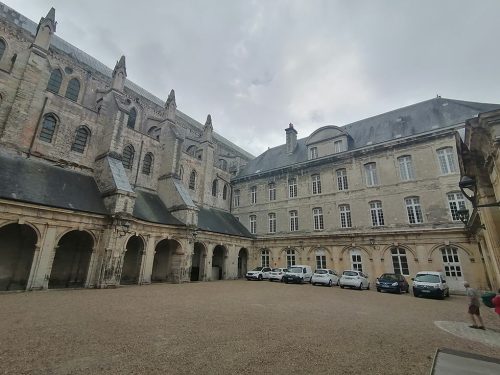

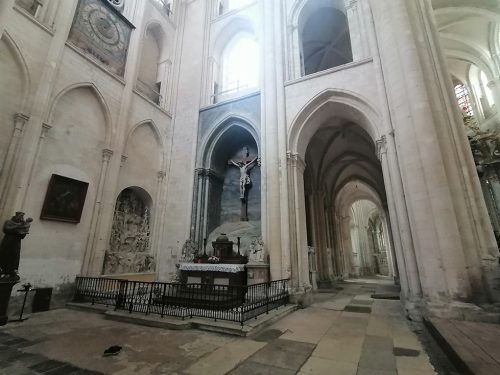


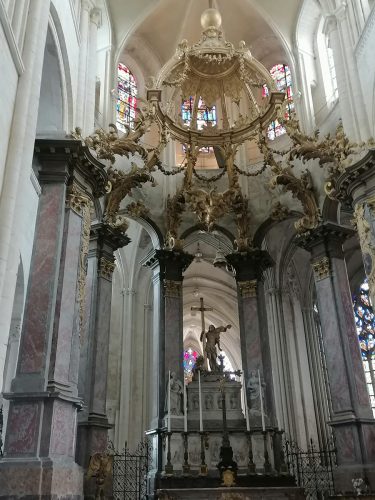

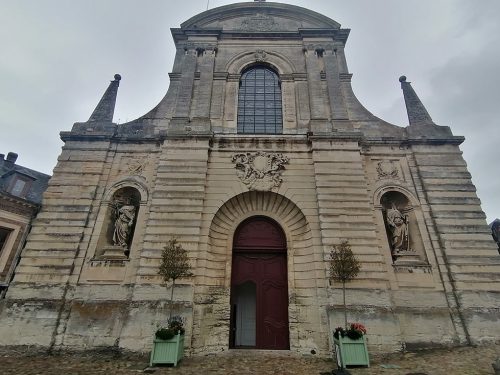


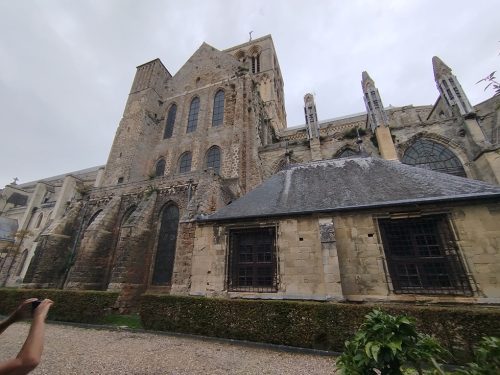
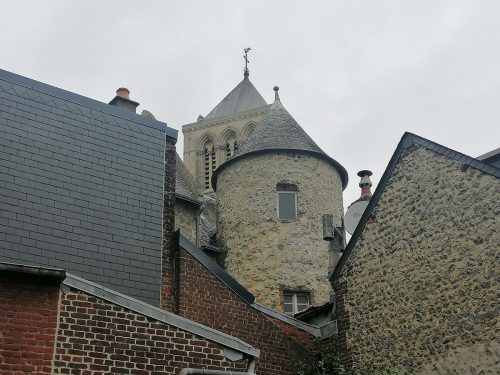
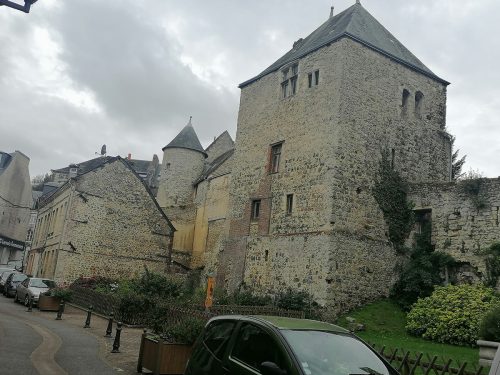
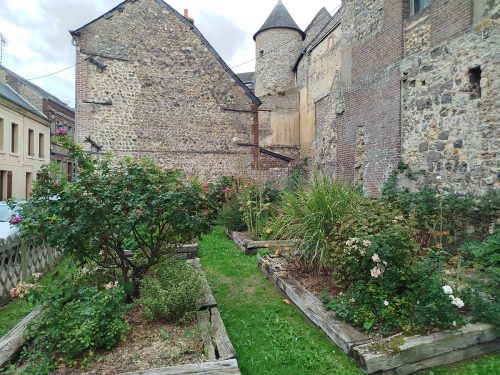
Rising beside the abbey is the choir school tower, once part of the ancient fortifications—defences consisting of alternating round and square towers. In the Middle Ages, this building housed the music school. To the right of this tower, the Chapel of the Virgin is attached to the abbey, housed in a separate Norman-style building.




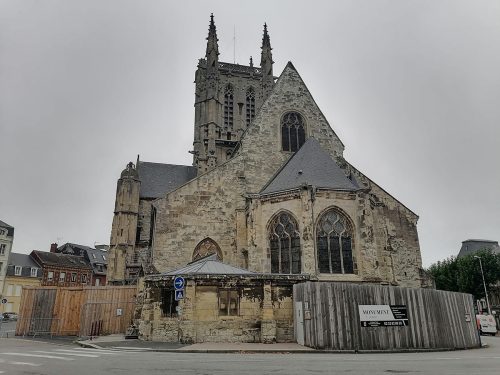
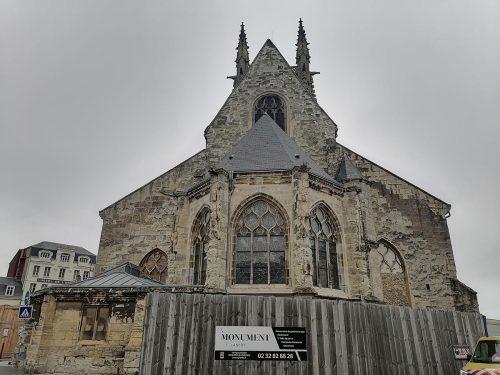
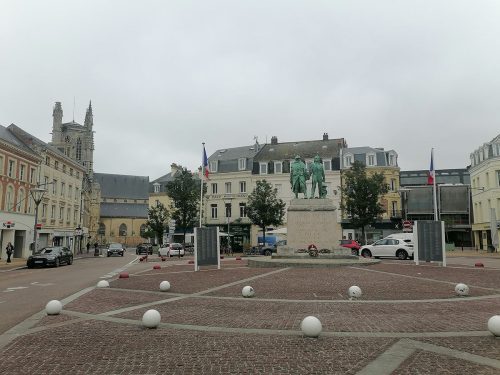
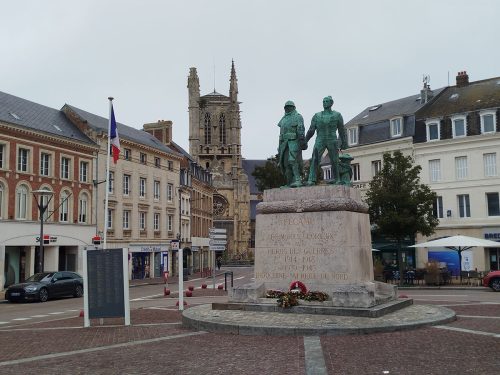
In the afternoon, we headed towards the seafront promenade and the harbour. We walked along the main street, passing a church that was under renovation. At the end, we reached a roundabout and the harbour. It is a small harbour filled with yachts and sailboats, flanked by shops, bars, and restaurants.



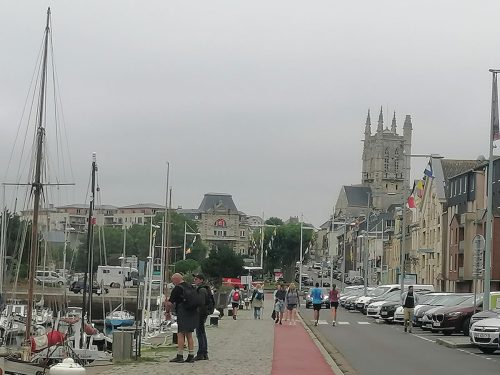


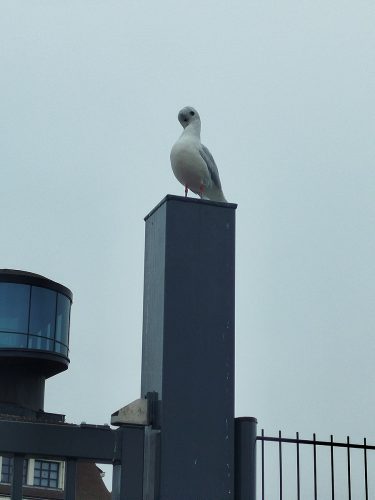

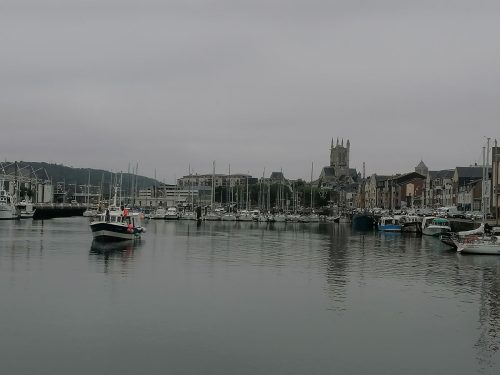


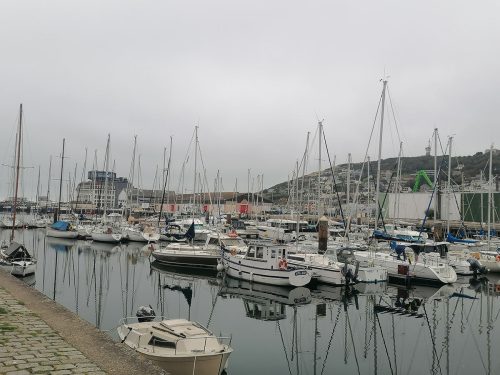


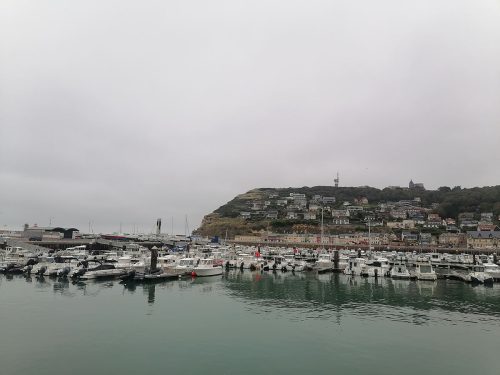
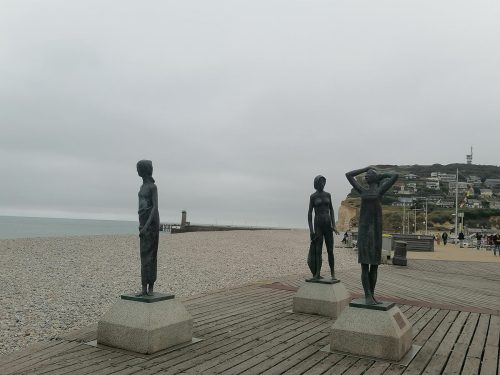
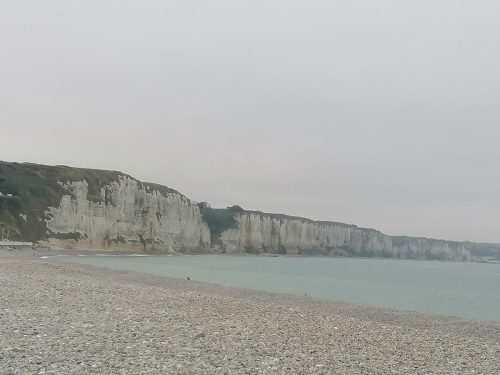
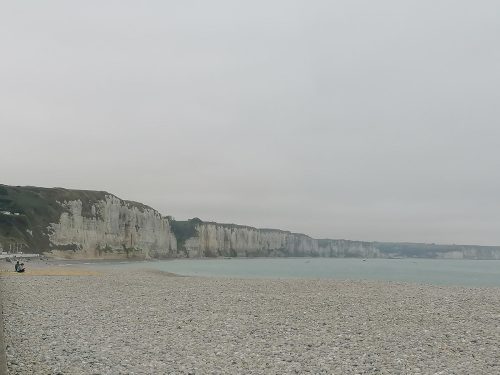
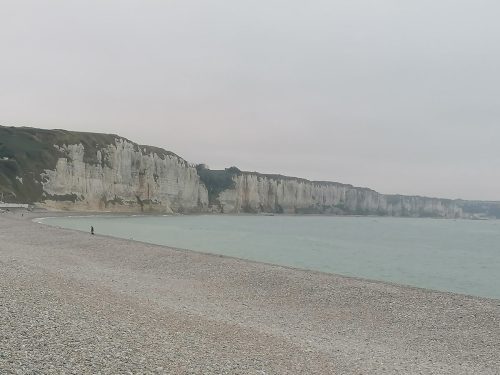
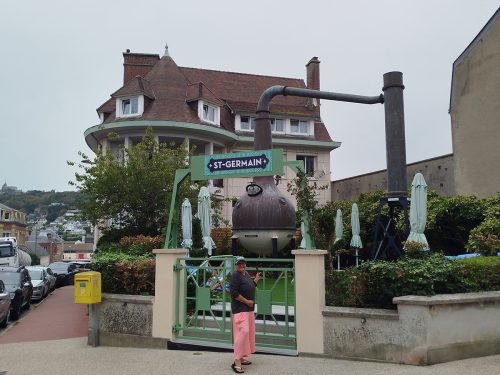
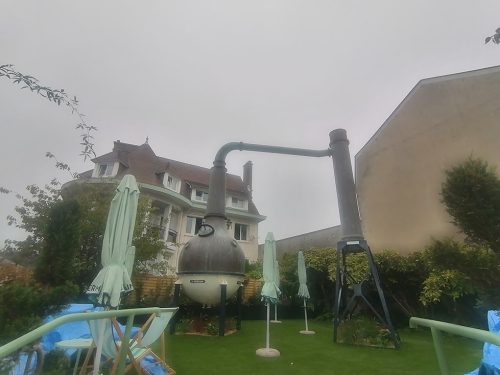
Afterwards, we went for a walk along the pier, where you can sit and admire the view of the white chalk cliffs. There are some really cool statues in the area.




Afterwards, we headed to the Old Town and arrived at the Benedictine Palace, which features Gothic and Renaissance influences. This 19th-century masterpiece houses a museum of ancient and religious art and an exhibition on the history of the famous Bénédictine liqueur—complete with a tasting. We loved it; although we didn’t go inside, it truly looks like a fairytale palace. Alexandre Le Grand built the palace and discovered a 16th-century grimoire containing the recipe for an elixir; he recreated and adapted the formula to produce a digestive liqueur that he named Bénédictine.






We finished touring the city and returned to our motorhome.

Our next stop is Honfleur, considered one of the most beautiful towns, which you can see in the next blog post.

