England – Ludlow (En)
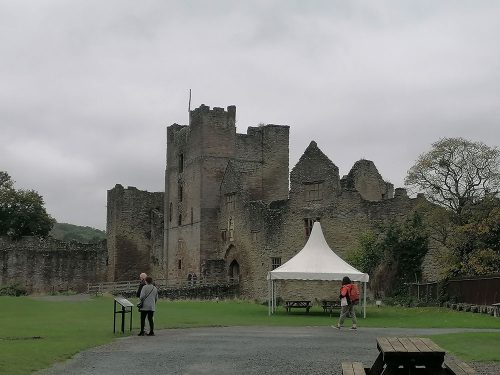
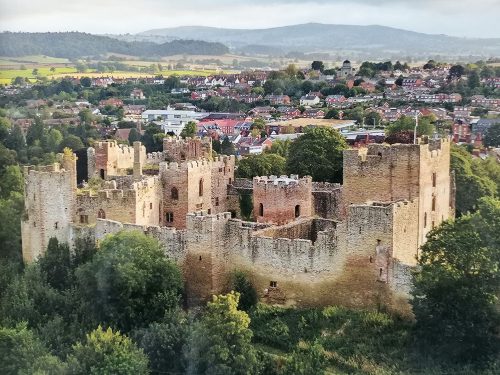
Ludlow is a thriving medieval town in Shropshire and an architectural gem with a lively atmosphere. The historic town centre and 11th-century Ludlow Castle are situated on a cliff above the River Teme and are surrounded by the beautiful countryside of South Shropshire and the Welsh Marches. Ludlow has a reputation for the quality of its food and drink, with many excellent restaurants and cafes. This is demonstrated each September by the Ludlow Food and Drink Festival.

Where to stay
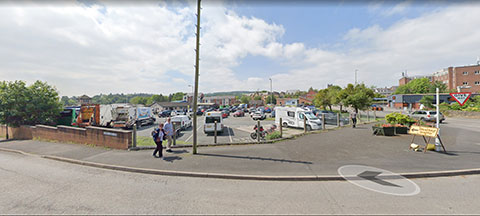
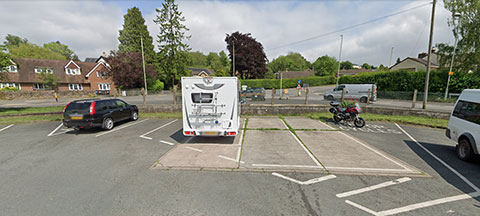
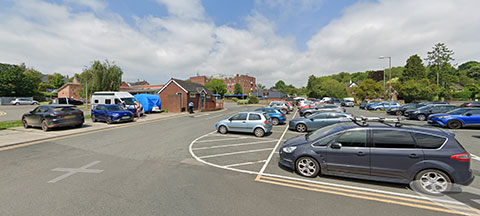
We stayed for two days in the municipal car park called Smithfield Car Park (52.367434, -2.711249 lat, long), which is close to the centre. It has no facilities, but there are toilets in the car park. There is a space big enough for motorhomes, and it costs only £3.20 a day. It is ideal for visiting the city as you can walk and see the whole town, including the castle, the market, and its church.
What to see
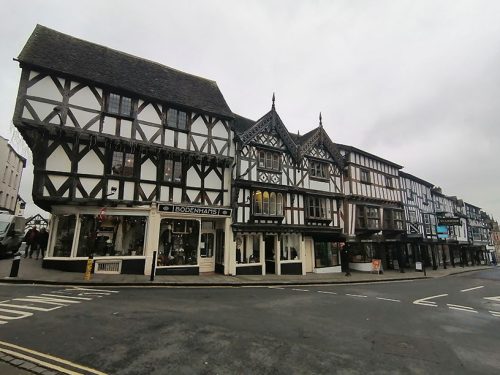
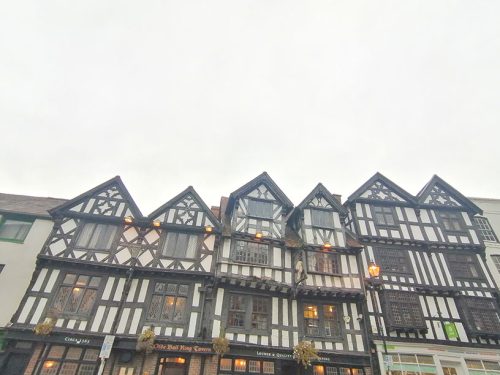
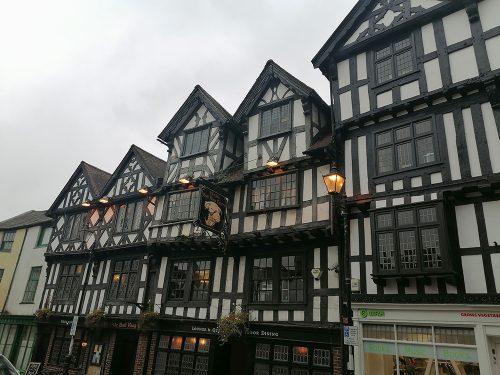
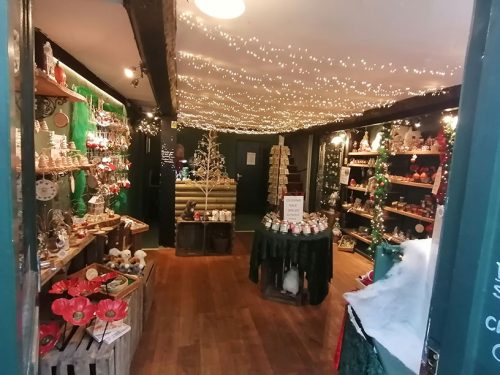
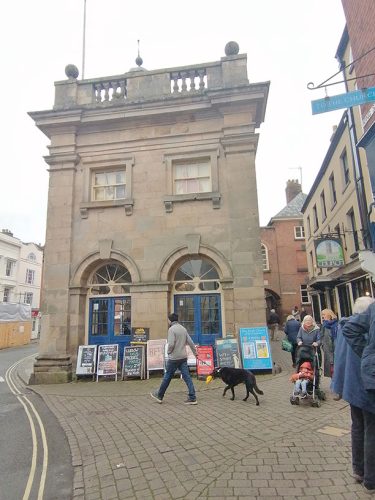
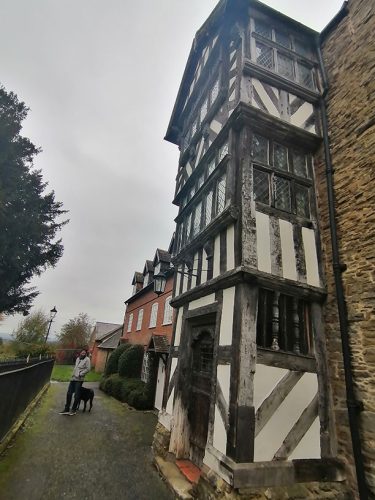
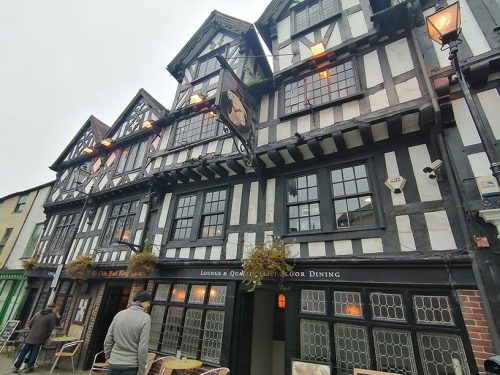
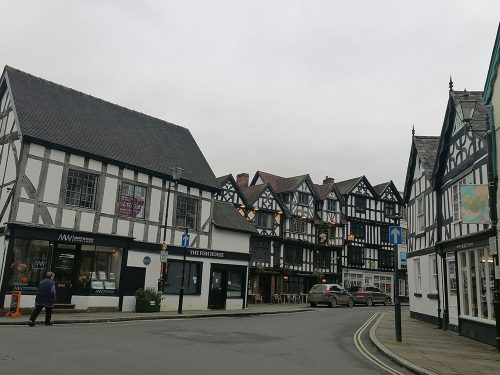
Ludlow has plenty to offer, such as walking through the streets of this historic town with its beautiful buildings, shops and typical pubs.
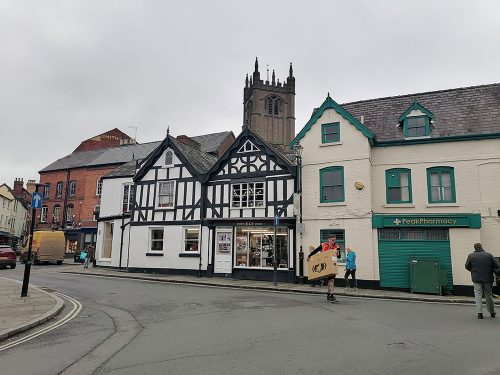


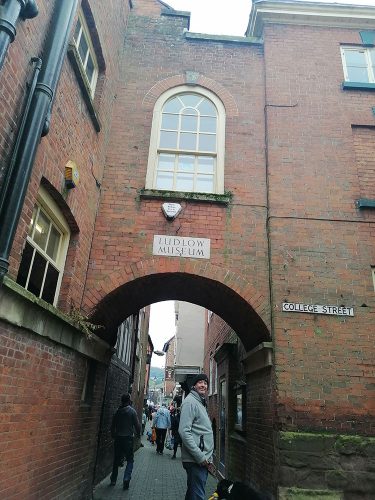

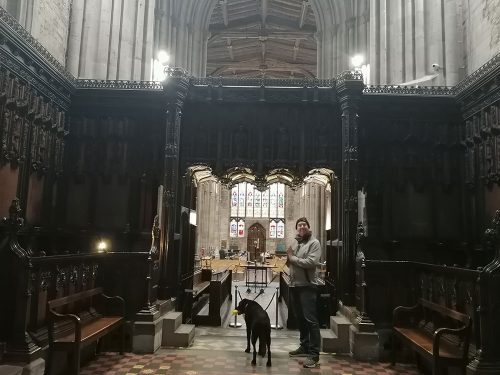
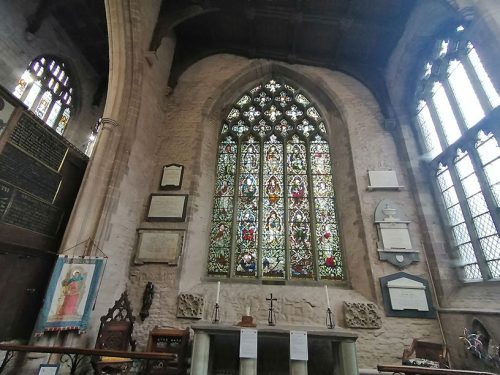
We then visited St Lawrence’s Church which was established as a place of worship when the Normans founded Ludlow in the late 11th century. It is situated in the centre of Ludlow on the hill around which the medieval town developed. It is the largest parish church in Shropshire. Its tower is 41 metres high and offers excellent town and surrounding countryside views. Its features include a large set of misericords in the choir stalls as well as beautiful stained glass windows. What struck us most when we walked in was that has a shop and café inside! And by the way, dogs are welcome so Asha was able to come in with us.
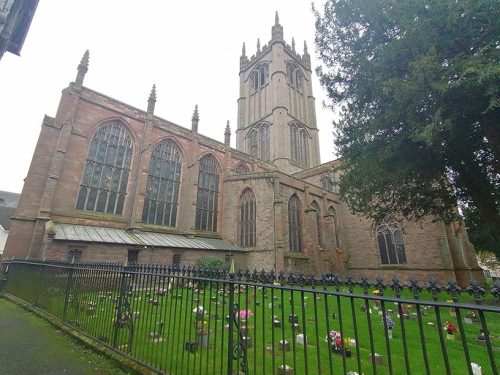
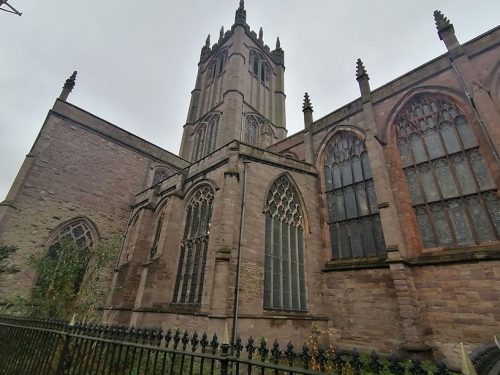
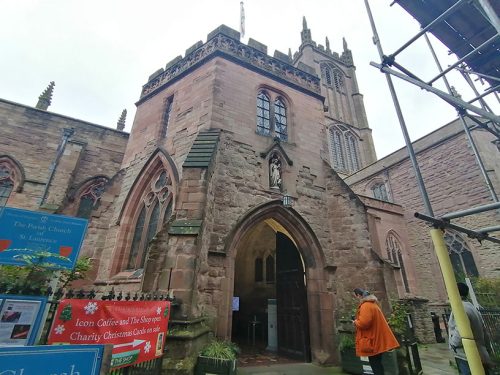
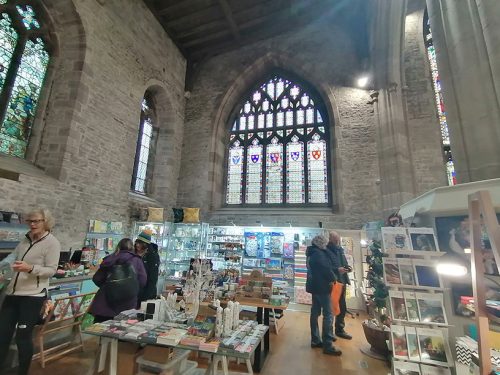
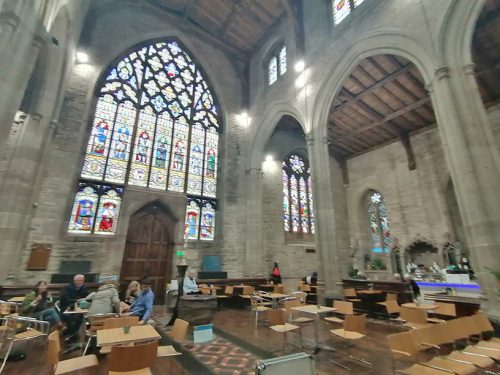
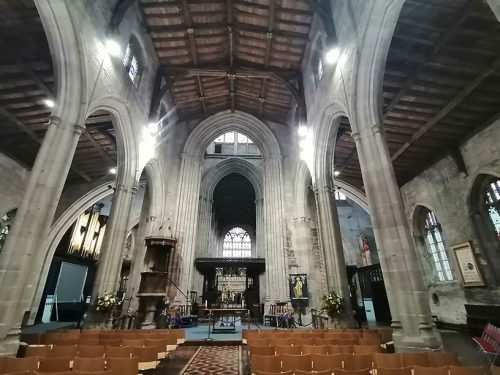
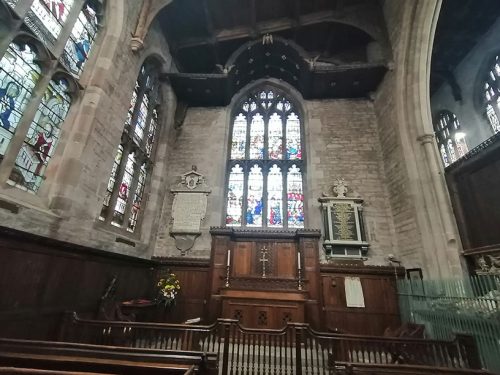
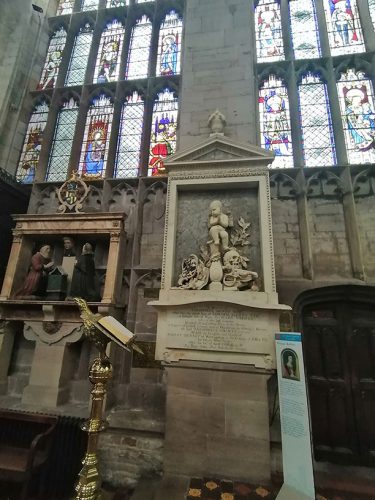
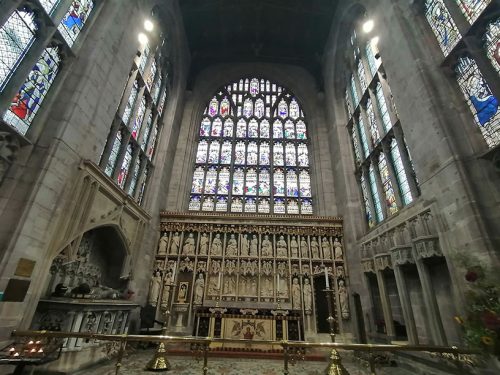
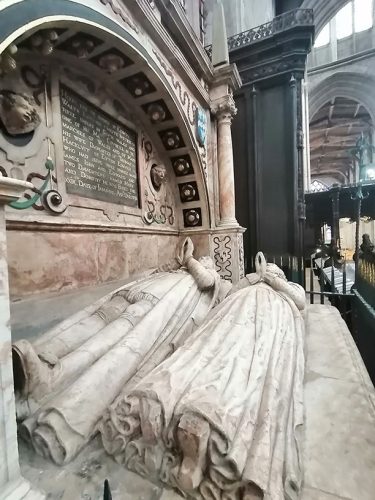
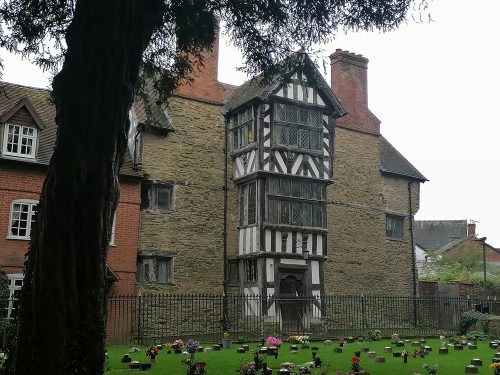
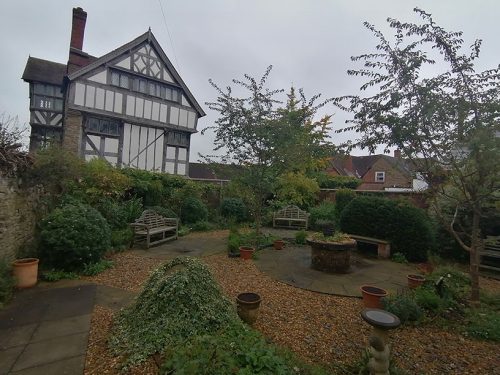
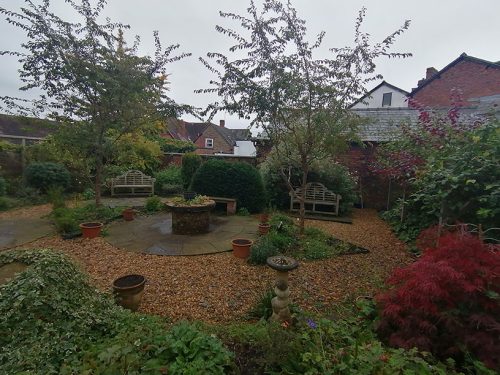
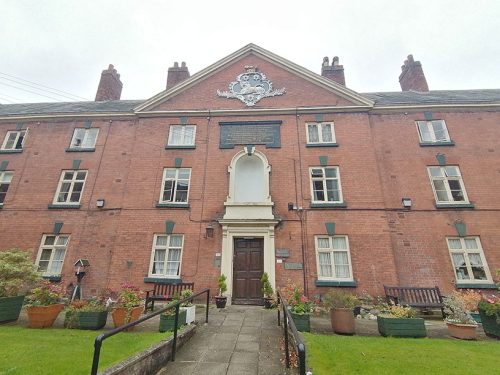
Outside the church is the Jubilee Garden, the site was purchased with public donations in 2012 and the garden was opened in 2018. Also located there is College Street founded in 1284, its current function is that of housing for retirees.
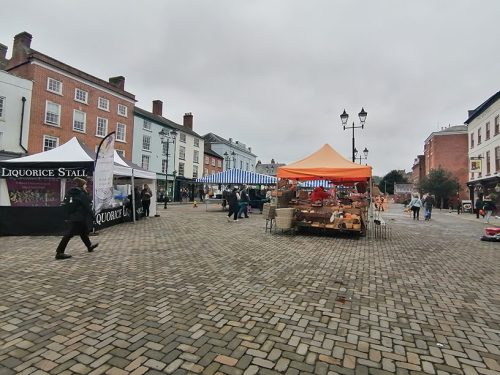
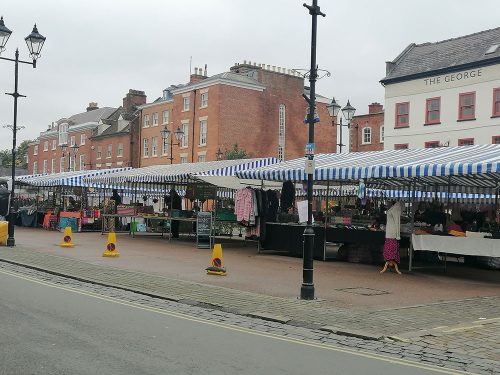
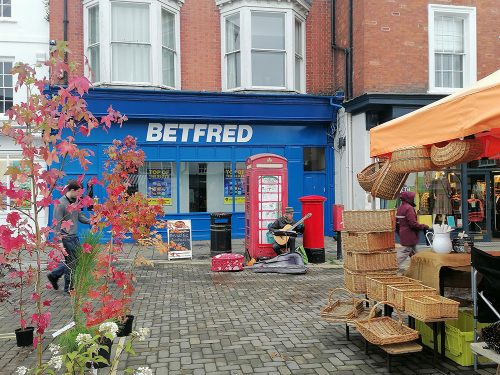
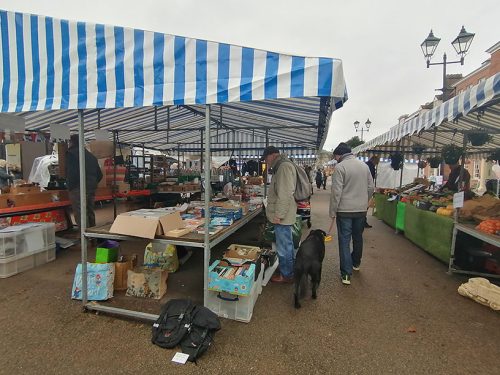
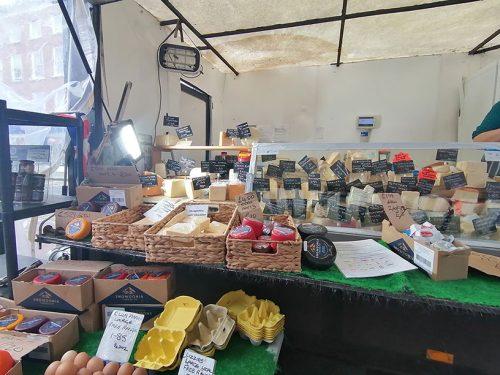
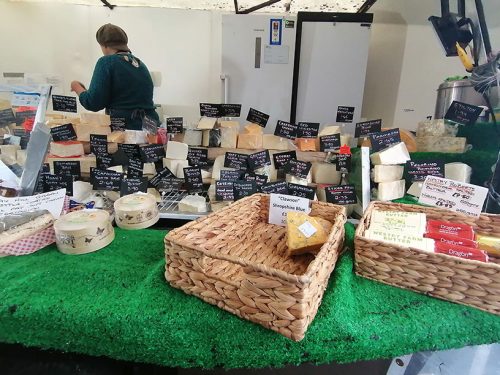
We walked towards the castle and before arriving there was a market in the square in front of the castle, complete with musicians playing in the street.
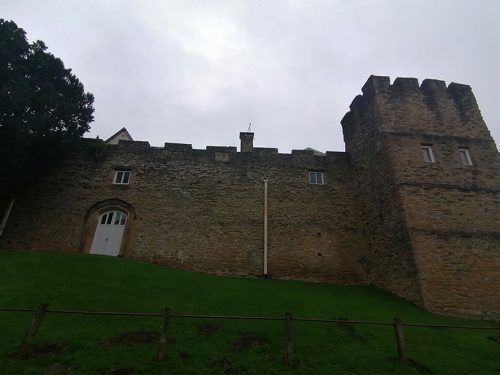
We went to see Ludlow Castle, the construction of which began around 1085, with many subsequent extensions over the next two centuries. It features examples of architecture from the Norman, medieval and Tudor periods. In 1233 the city walls were built; Ludlow Castle lay within the circuit of the walls. Ludlow Castle has played a key role in some turbulent events in English history; in 1473, the Prince of Wales and his brother were held here before their mysterious death in the Tower of London. The impressive ruins of the castle occupy the oldest part of Ludlow.
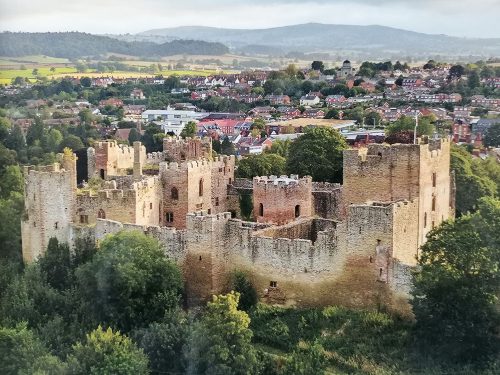
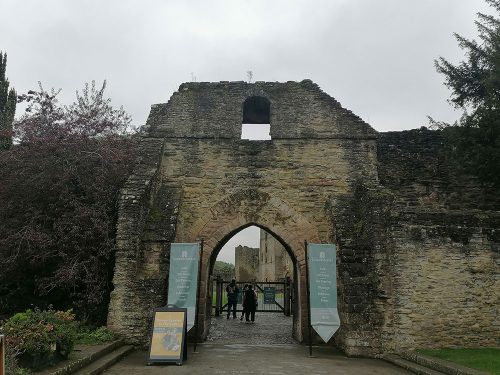
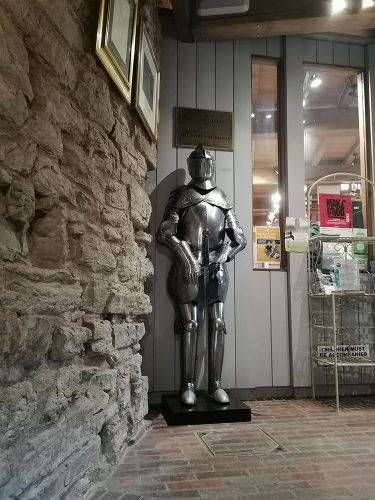

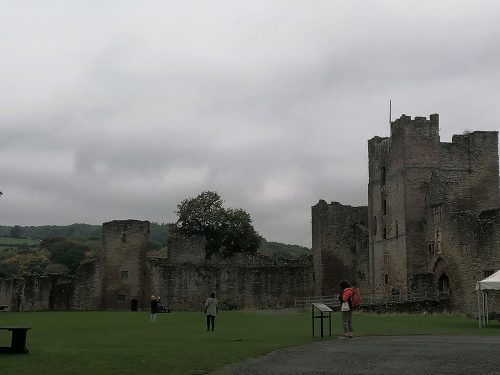
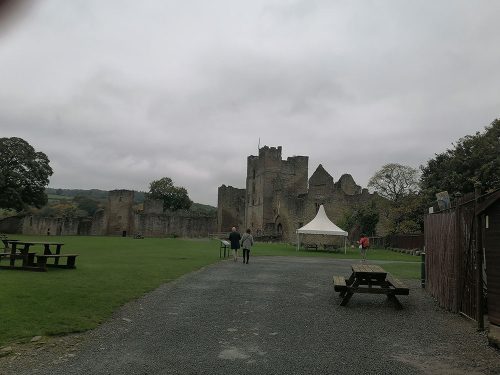
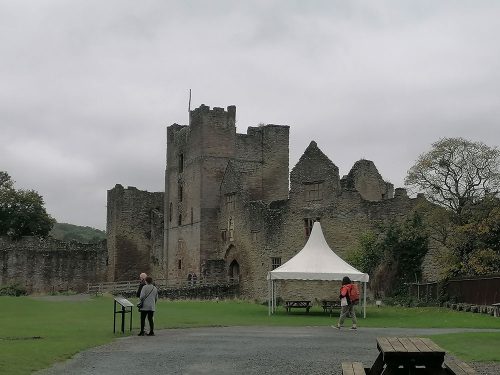

It is one of the most interesting castles in the Marches, situated in a dominant and imposing position over the River Teme.


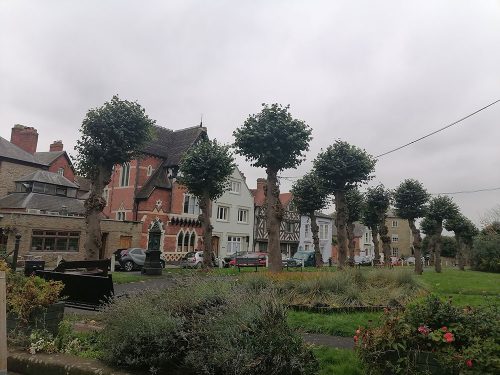
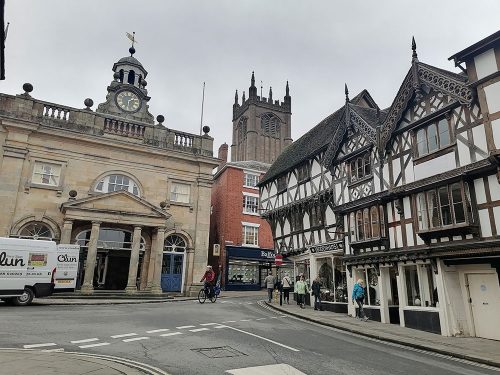
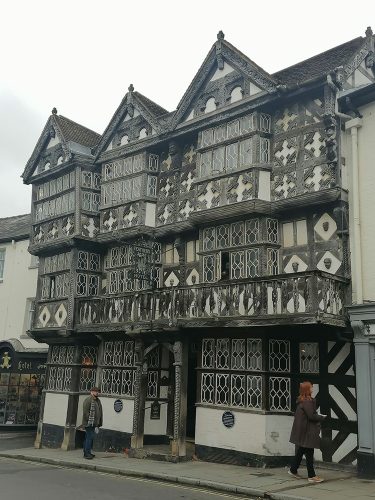
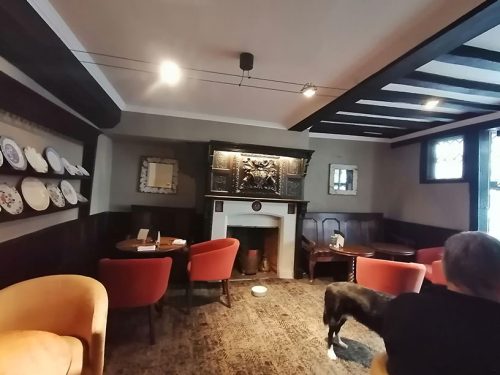
We continue our tour of the city where we find the Feathers Hotel built in 1670, with a balcony added in the mid-19th century. It has been called “a treasure of a house, inside and out.”
From here we went to Wales, where our first stop was Llanidloes the first town on the River Severn and the gateway to the Cambrian Mountains, which you can see in the next post!

