Spain – Cuenca (En)
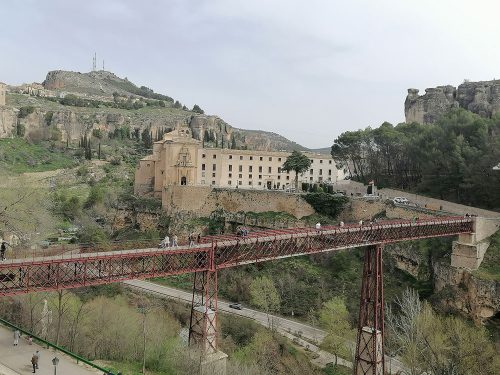
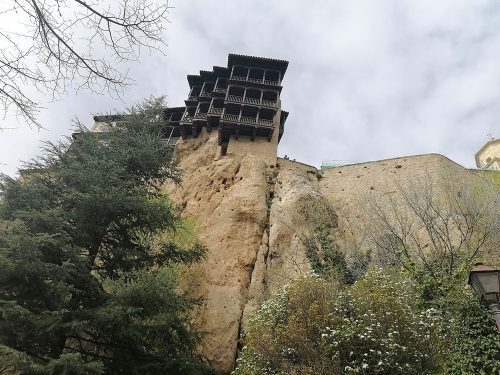
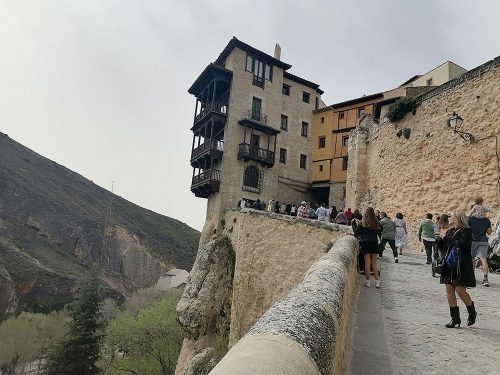
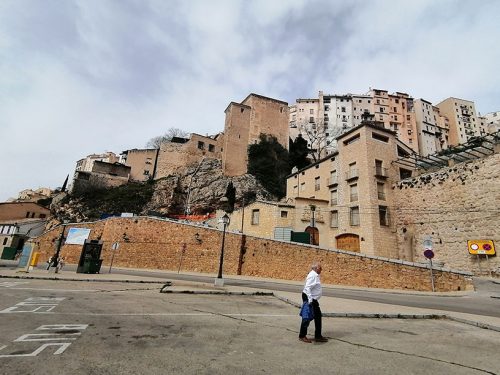
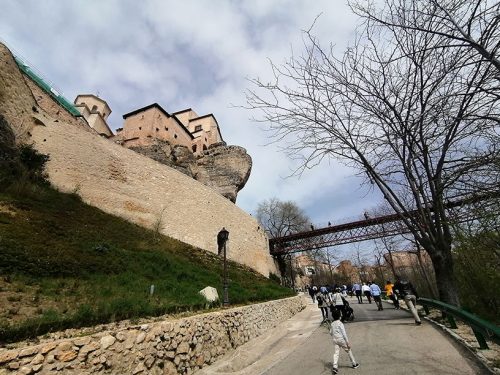
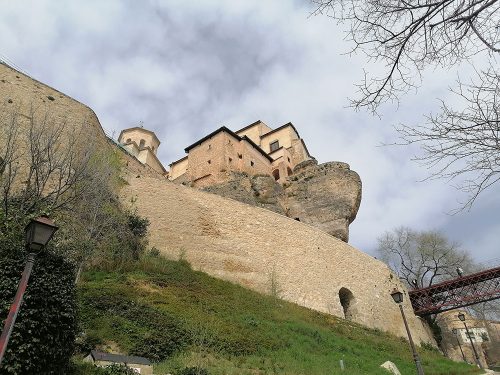
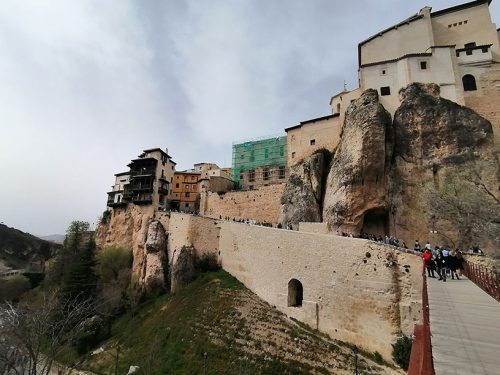
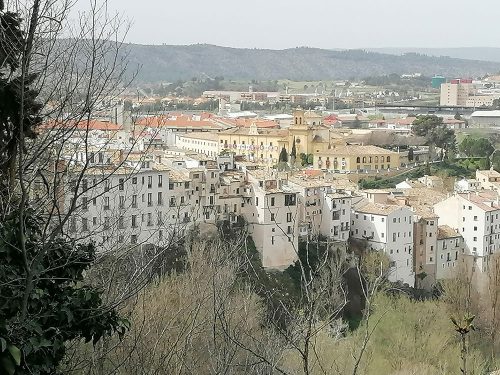
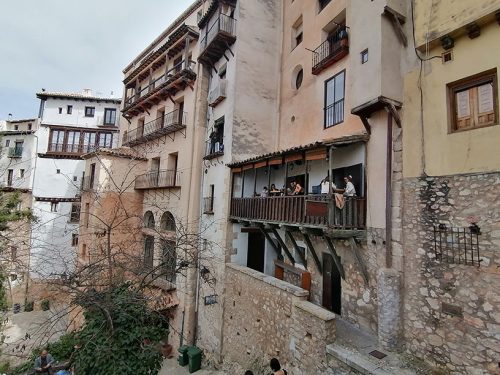
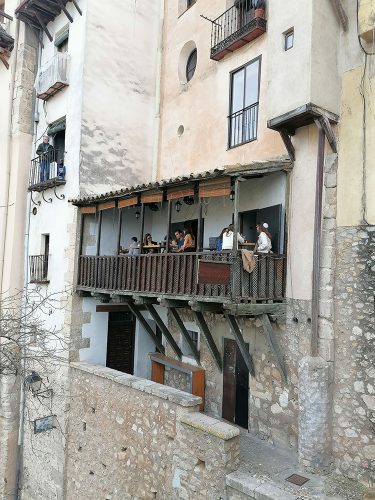
Cuenca is a city rooted in the mountains of central-eastern Spain, listed as a World Heritage Site by UNESCO. Originally founded by the Arabs, it still preserves the historic walled area, with its steep cobbled streets and its ruins of medieval castles. Attached to the limestone wall are the famous and well-preserved “hanging houses”.
Where to stay
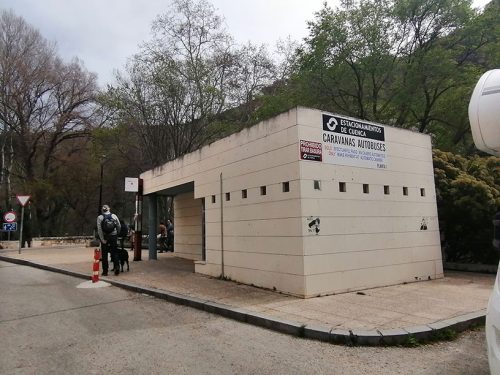
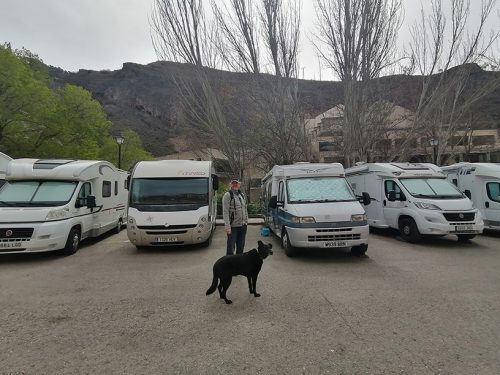
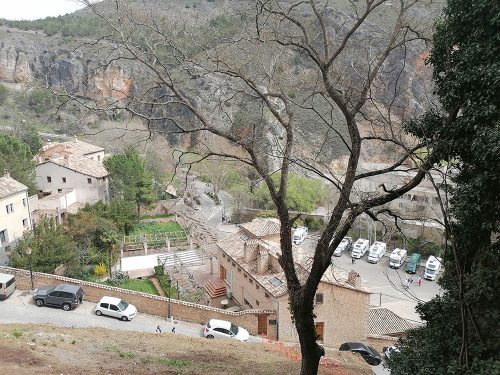
We stayed in the caravan park (40.076199, -2.1295 lat, long) next to the old town and the hanging houses. It is a paid parking lot for motorhomes and buses, without services. It is better to pay for the entire day, 15 euros, than for hours (2.60 euros per hour). We spent the entire day and very well, peacefully sleeping. It is the only place to visit the old town and the hanging houses since it is a 5-minute walk away.
What to see
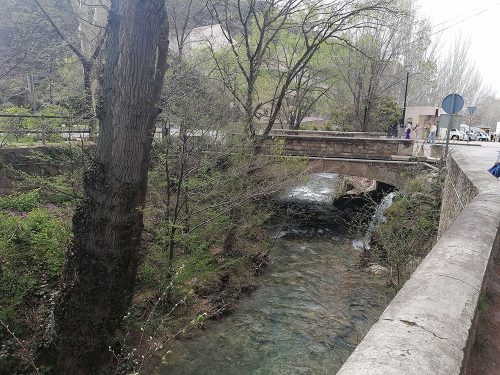
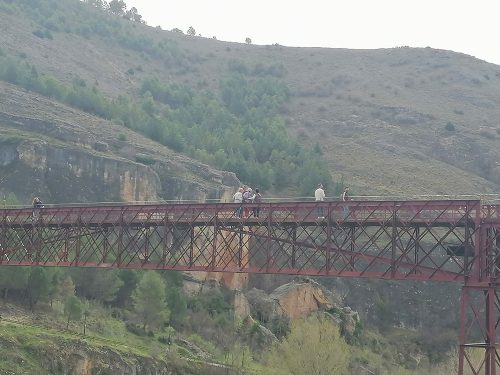
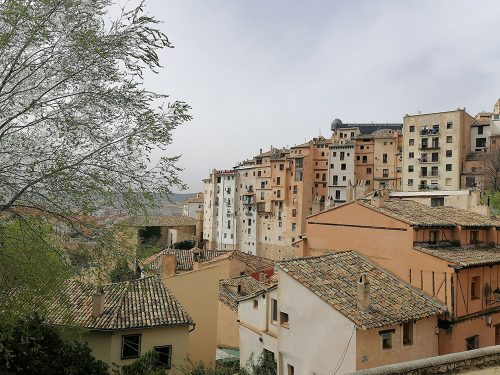
The first thing we saw was the San Pablo Bridge and the Hanging Houses. The houses were built between the 13th and 15th centuries and drew attention for being perfectly integrated with the landscape on high cliffs and with wooden balconies that look directly at the Huécar River at more than 60 meters high. In addition, the Museum of Spanish Abstract Art is located here. To enjoy one of the best views of the Hanging Houses, we recommend crossing the San Pablo bridge. This viaduct was erected in stone in the 16th century, although the one we can see today is made of wood and iron and dates back to 1902. The panoramic view it offers of the Huécar Gorge and the historic centre of Cuenca is truly impressive.

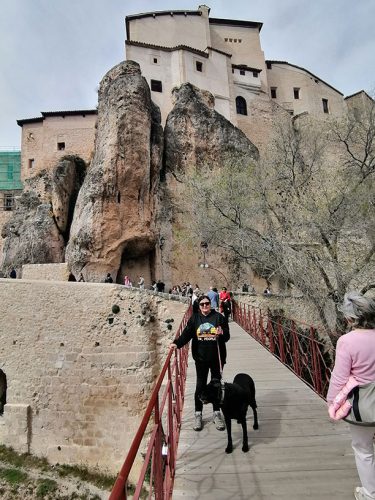
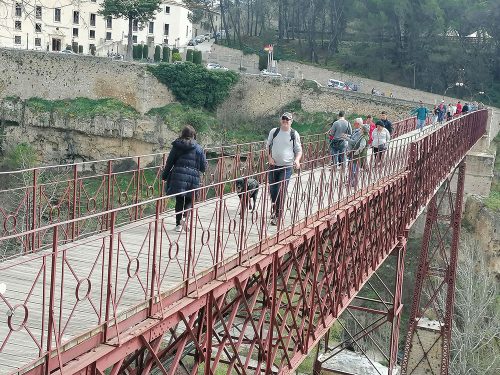
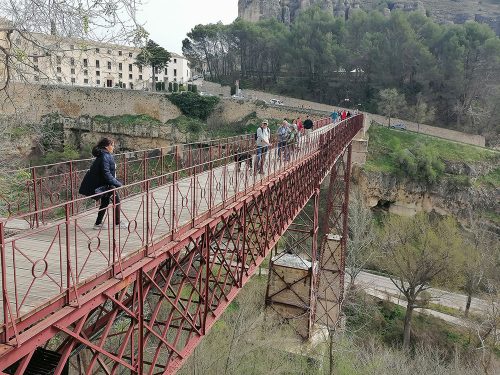
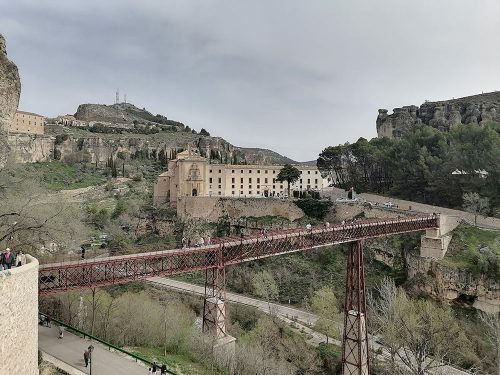
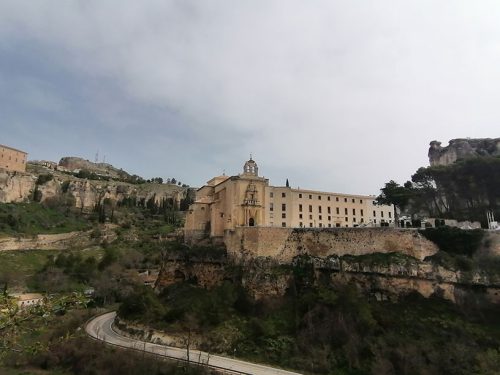
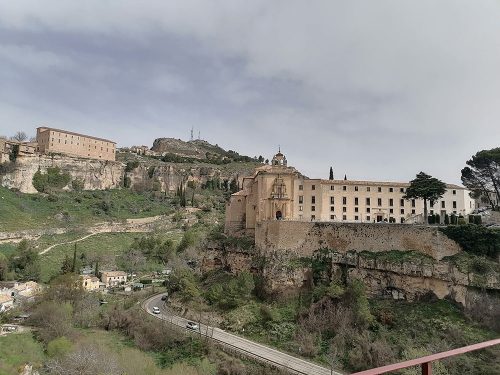
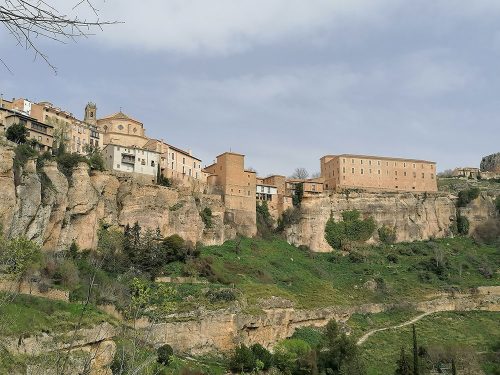

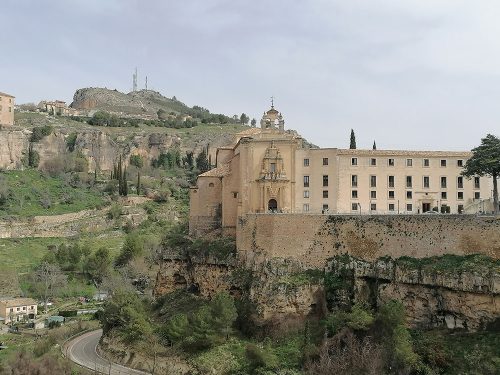
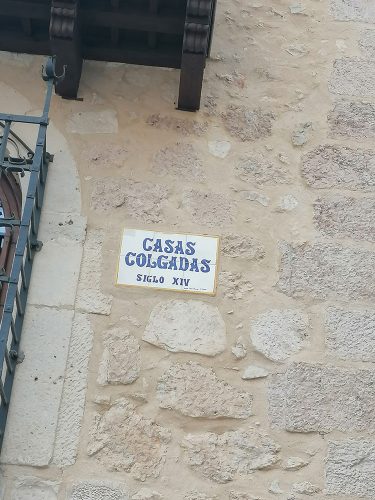


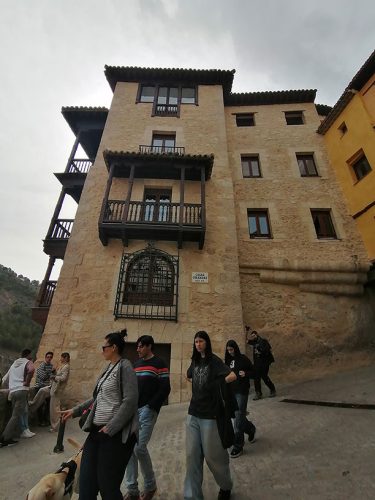
From the hanging houses you enter the old town where the first thing you see are the King’s Houses from the 14th and 15th centuries.
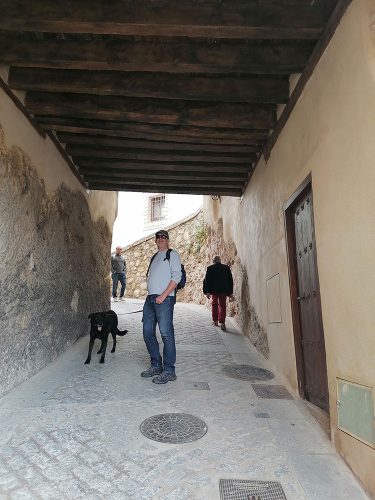
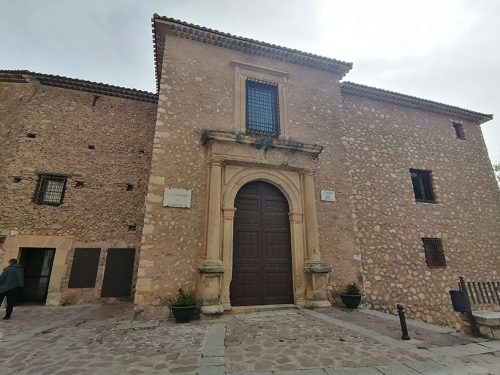
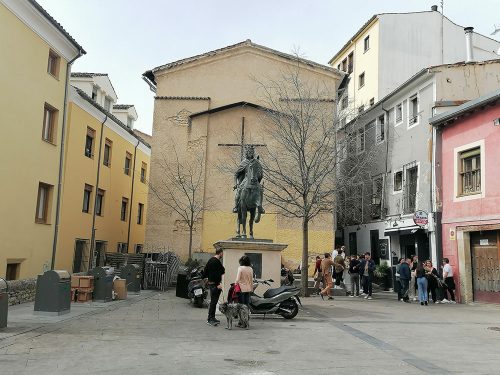
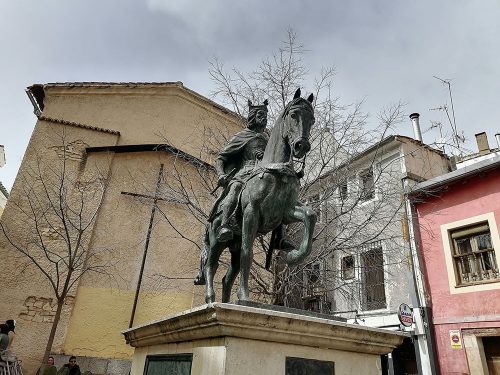
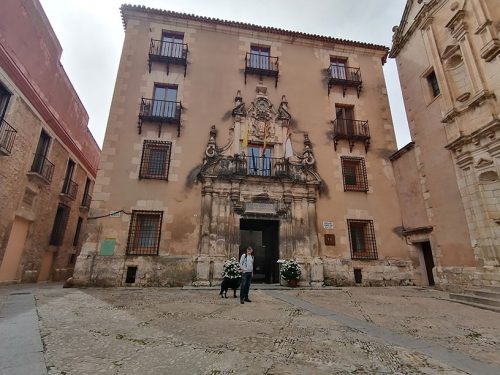
We arrive at the Mayor Square of Cuenca, where you find the Cathedral of Santa María and San Julián, which began to be built in the 12th century. The Cuenca Cathedral is a perfect combination of different architectural styles. From the Gothic elements of its foundation, through its Renaissance cloister or its neo-Gothic façade, built in the 20th century. In the square, you can also see the Town Hall declared a Site of Cultural Interest, the Petras convent from the 18th century and the many colourful houses that decorate this place.
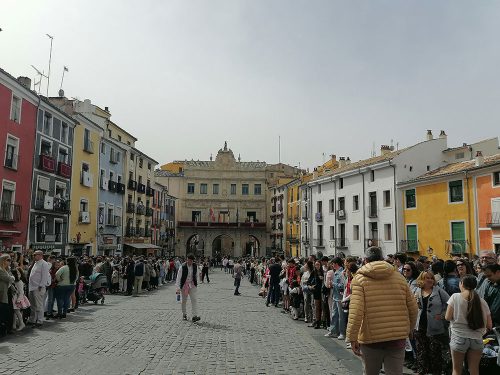
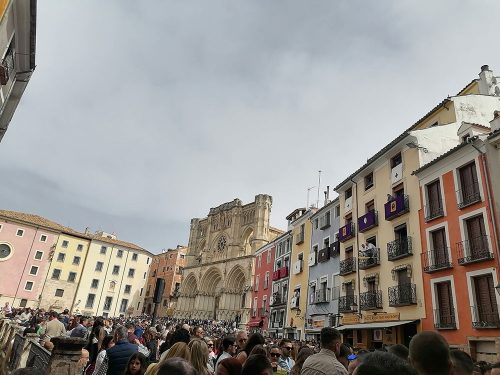
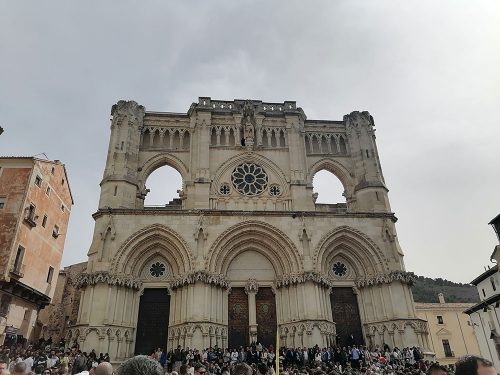
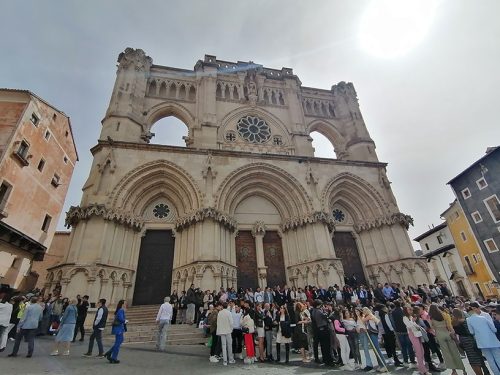
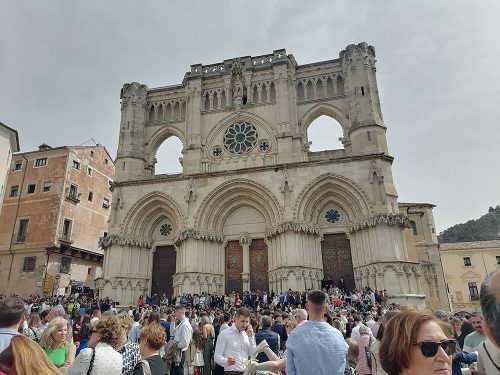
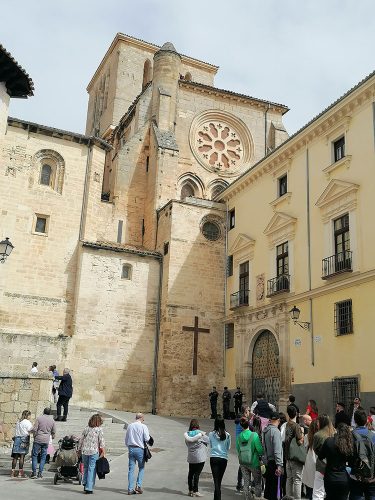
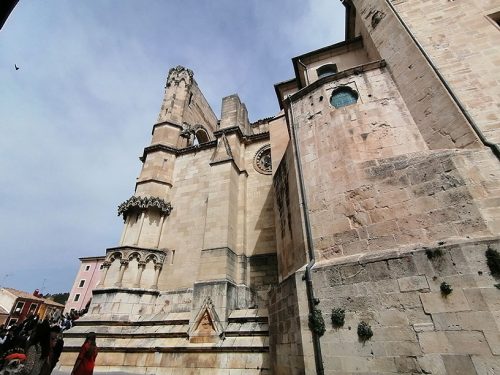
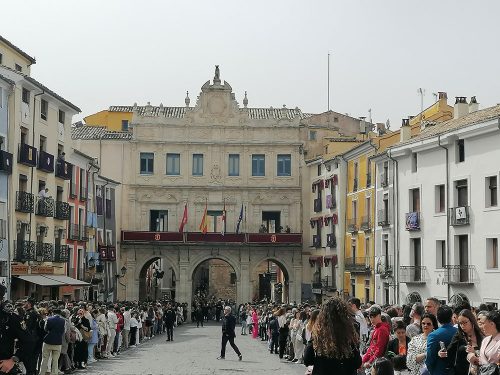
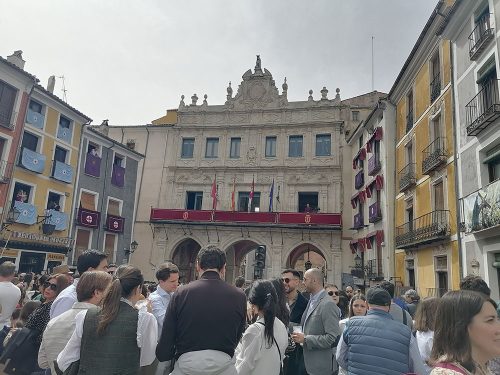


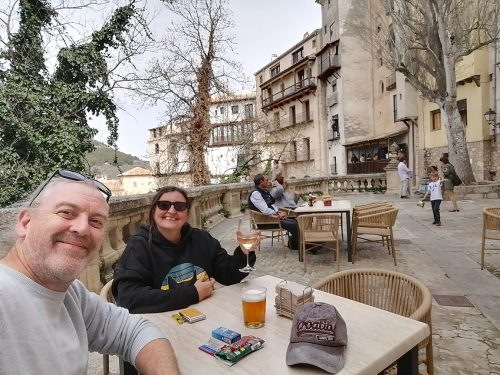
In the square, there are many bars to have a drink, but since it was Holy Sunday it was very full as you can see in the photos, so we decided to go explore and found some bars down an alley with impressive views, so we had a few drinks with the free tapas they were giving us. A shame that almost all of them had eggs, so I could only eat one, and I ended up quite drunk, hahaha.
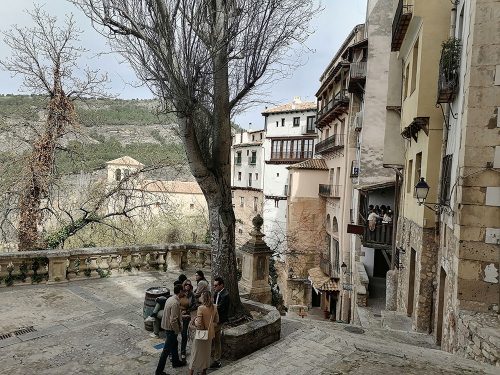

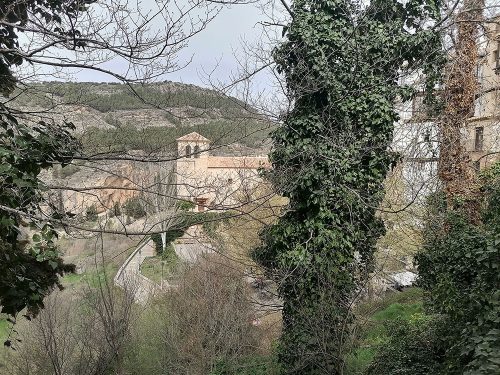
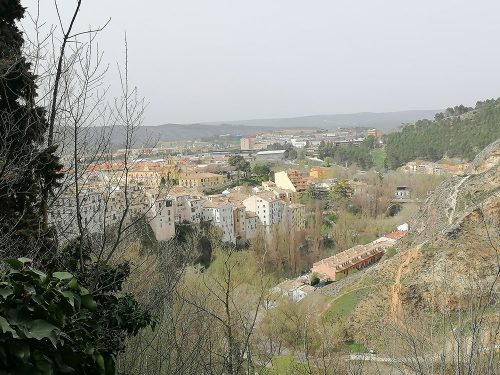
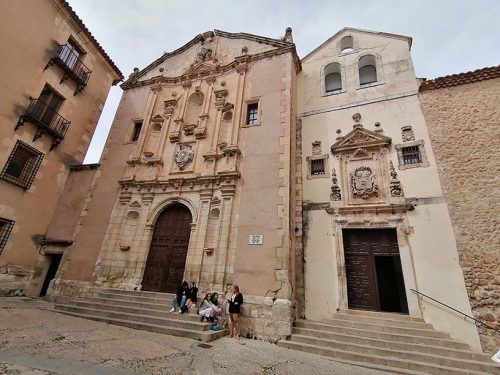
The next thing we saw was the 18th century Church of La Merced and the Castilla La Mancha Science Museum, a shame that both were closed and we couldn’t enter.

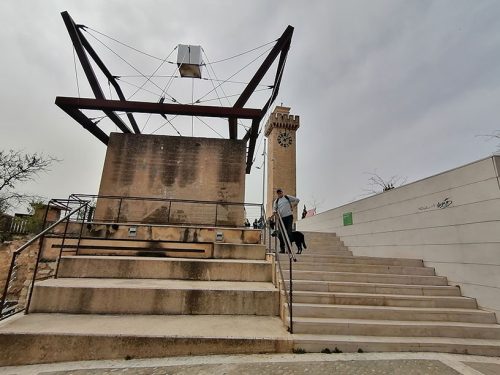
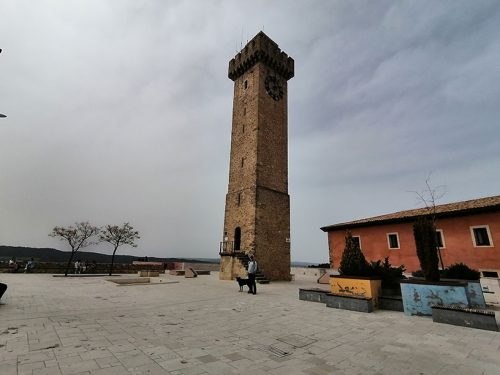
And we went to see the famous Mangana Tower. Its exact origin is unknown, but it is believed that it was built for the first time in the 16th century, on the ruins of the old Arab citadel, to serve as a surveillance point. Since then, this space has undergone different renovations until it acquired its current neo-Mudejar appearance. The tower is classified as an Asset of Cultural Interest and from the square where it sits, you can enjoy good views of the city and the Huécar River.


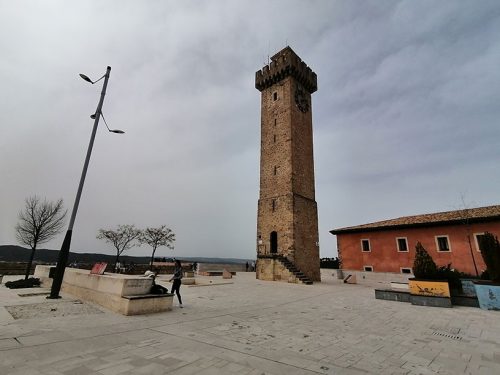

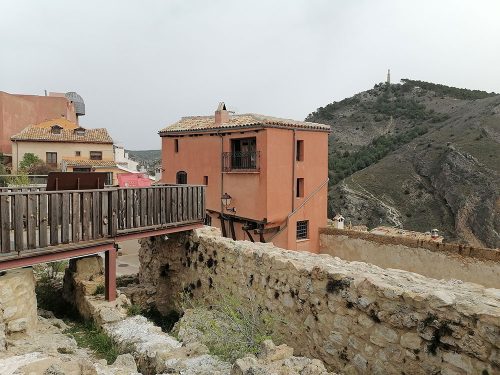
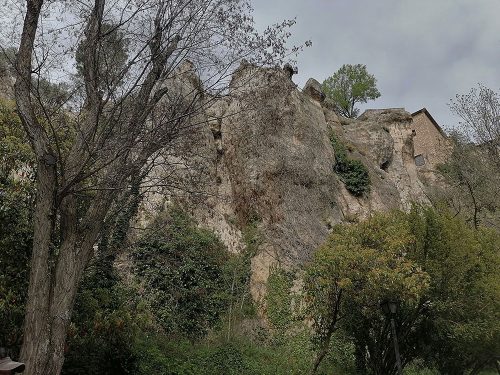
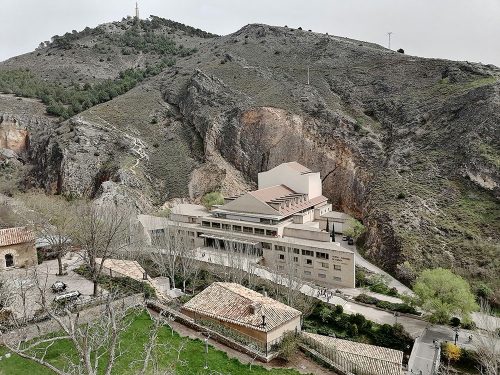
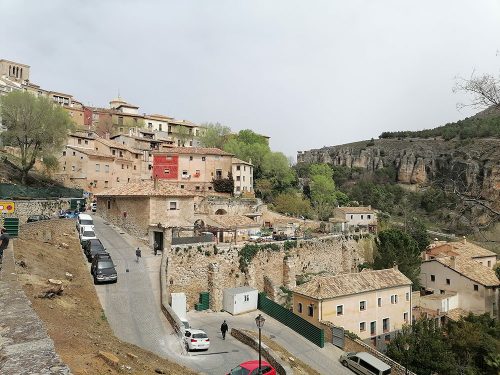
And from there we made our way back to the parking lot, all downhill where we were able to take some other impressive photos.


And the next day we went to Teruel, a high-altitude town in the mountainous Aragon region of eastern Spain. It’s known for classic Mudéjar architecture, a style combining Gothic and Islamic elements which you can see in the next post!

