France – Caen (En)
Caen is a port city and capital of Calvados department in northern France’s Normandy region. Its centre features the Château de Caen, a circa 1060 castle built by William the Conqueror. Caen is a vivacious city, ten minutes from the beaches.
Where to Stay
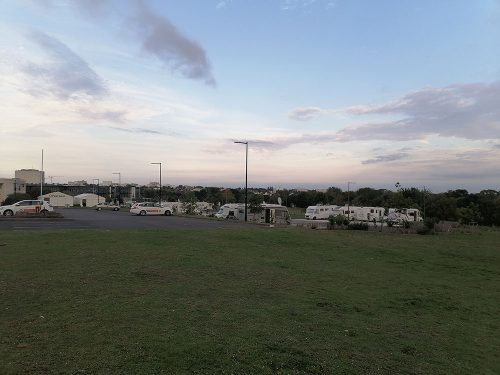
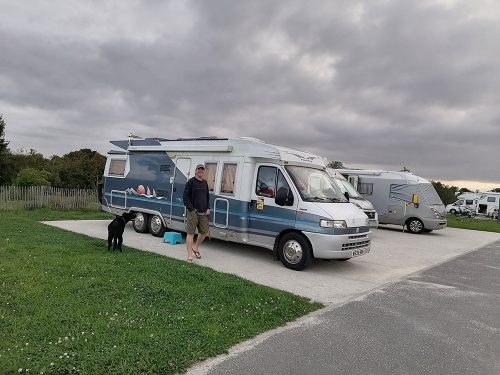
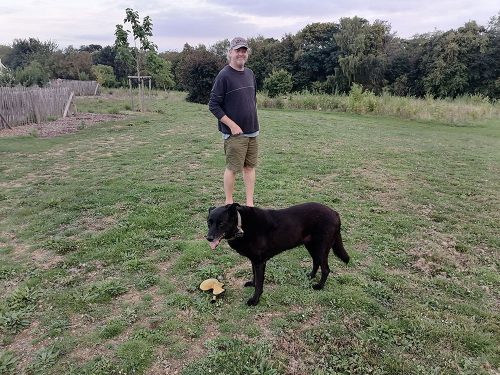
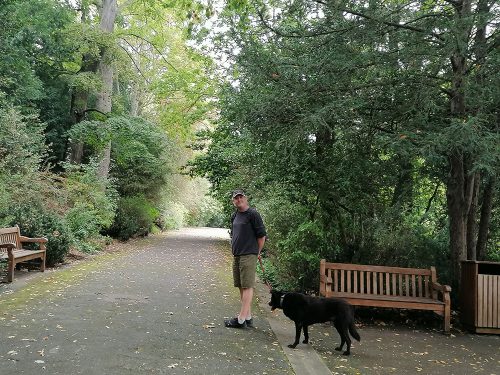
We stayed at Caen Aire (49.197166, 0.380895 lat, long) next to the Caen Memorial. It has facilities for emptying and filling the grey and black water and electricity. Cost 13,70 euros but you have to buy a Camping-Car Park card to go inside for 5 euros, so you pay 18,70 euros. We hope to use this card again! To the city centre, you walk 10 minutes through a path until you arrive at the botanic garden and then 5 minutes more to the castle.
Places to visit
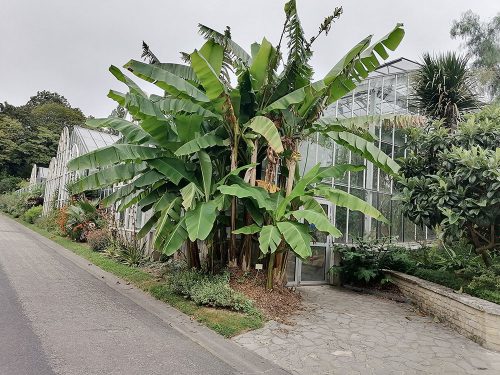
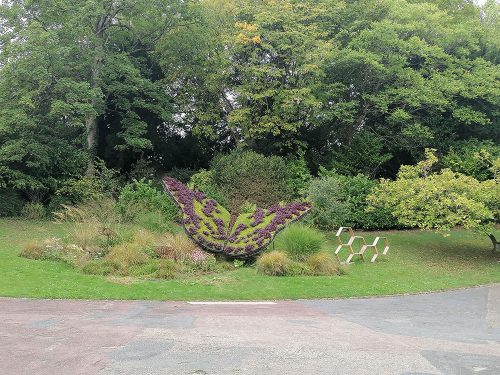
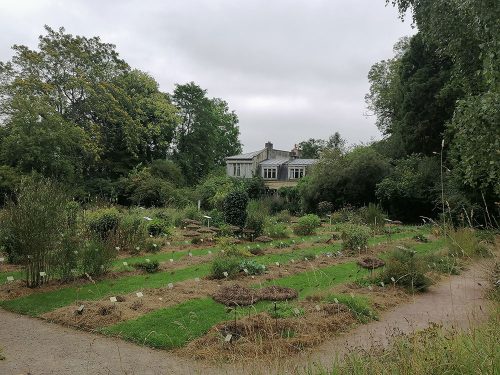
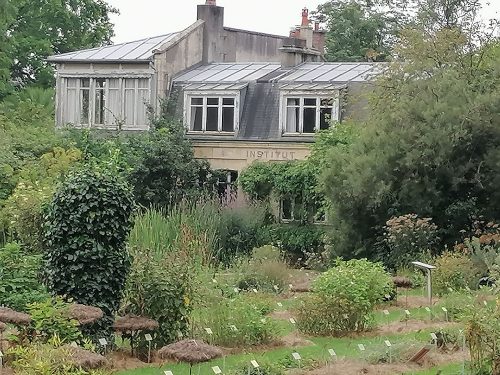
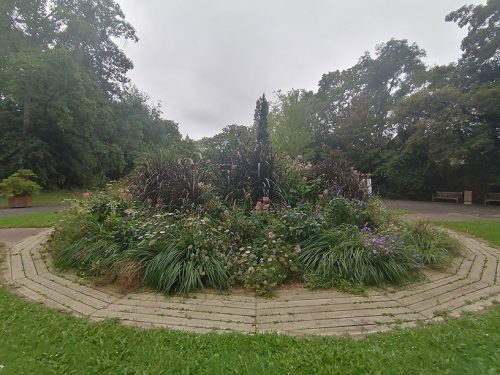
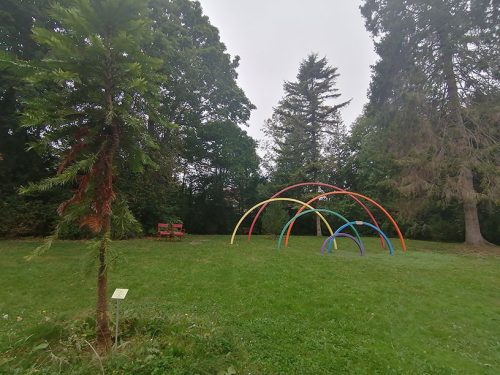
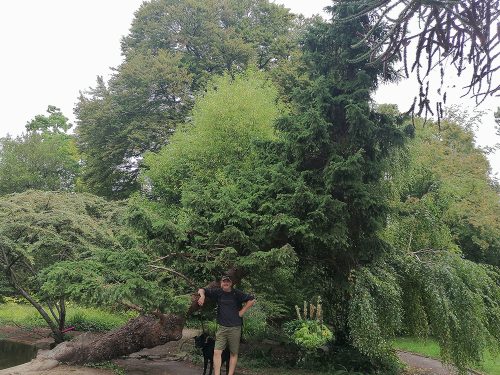
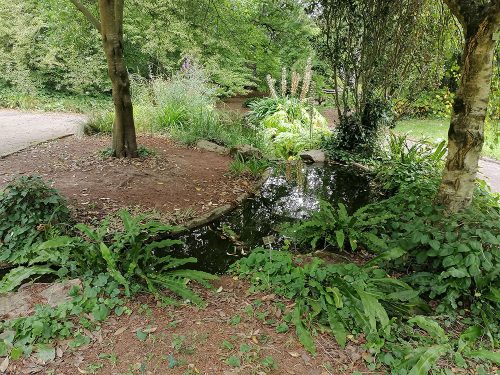
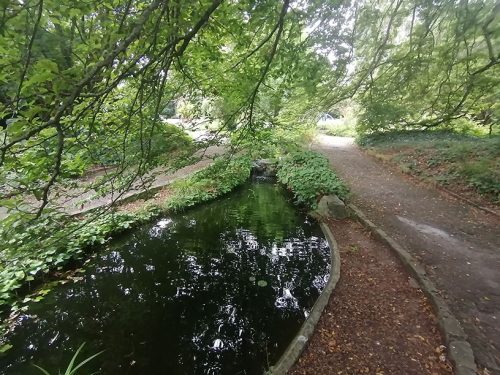
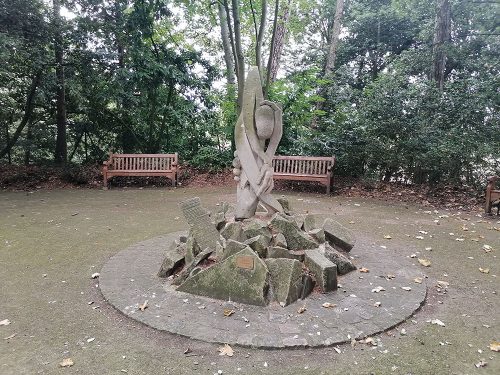
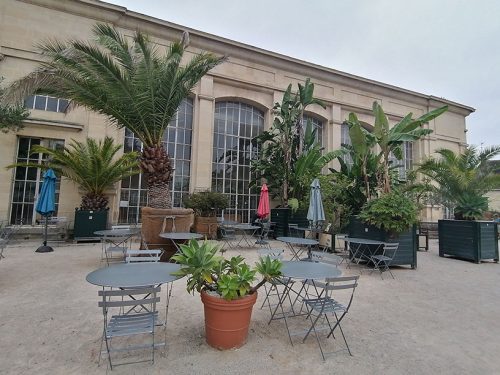
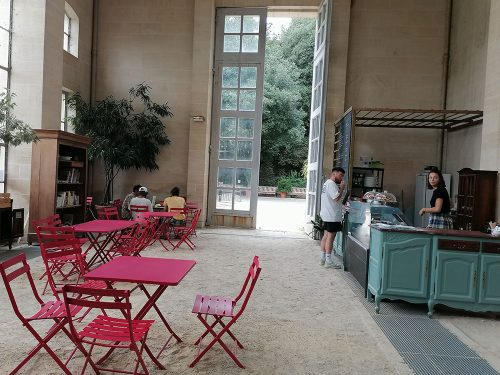
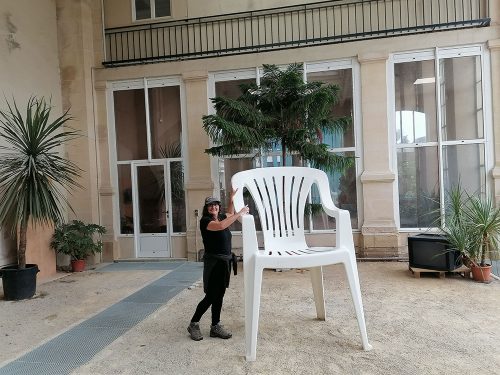
The Botanic Garden is the first thing you find when you arrive in the city. This garden owes its originality to a professor at the Faculty of Medicine of Caen, who in 1689 bought a garden and filled it with rare plants. Today it is a relaxation space where you can discover more than 2000 species, and you can have a coffee and something to eat in the unique coffee shop next to the nurseries.
The Castle, you can see it even if you don’t want to since it is one of the largest medieval castles in Europe, it has five hectares and thirteen towers. It was built by William the Conqueror, damaged by bombing in 1944 and restored after the war. Today it houses the Museum of Fine Arts, the Normandy Museum, the Court Room and the Church of St. George. We did not go inside to tour it because we decided to see the rest of the city first and then it got late and we were tired.
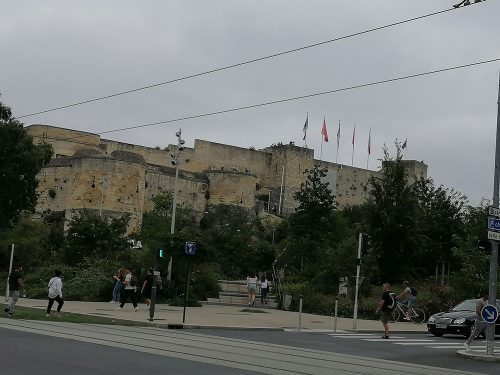
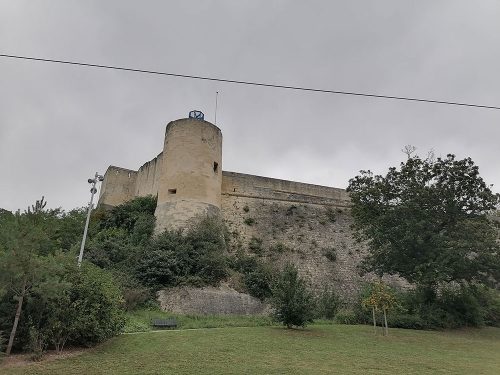
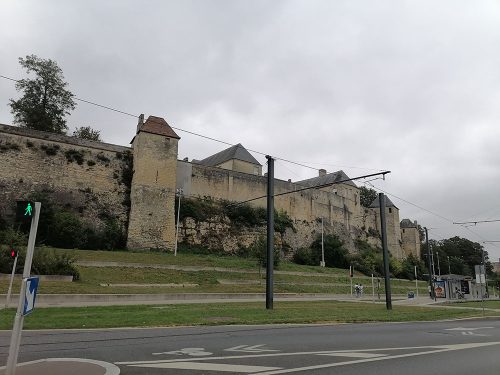
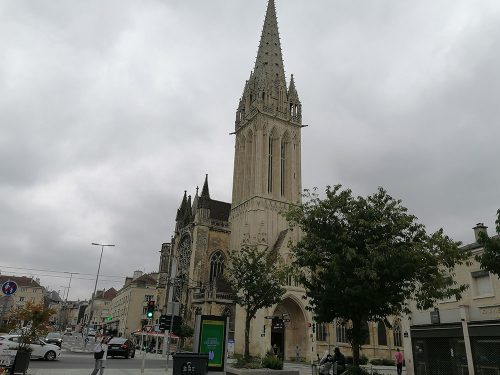
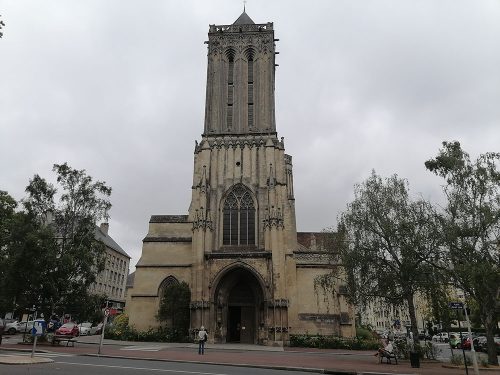
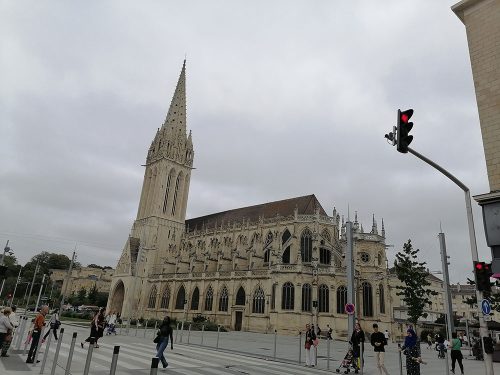
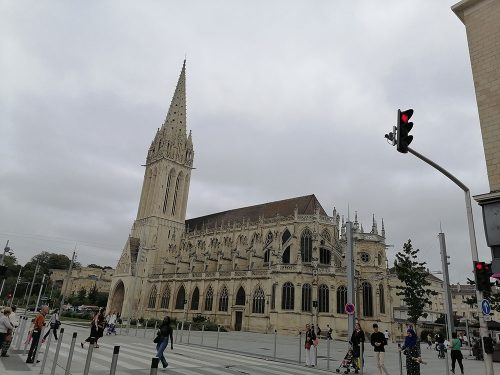
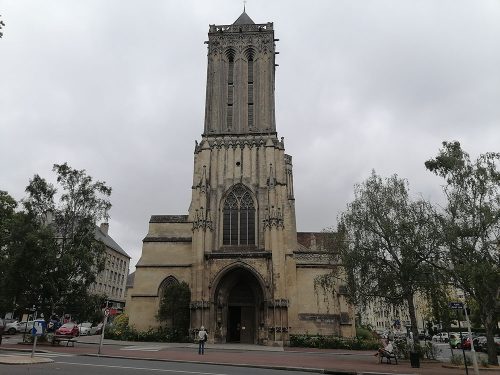
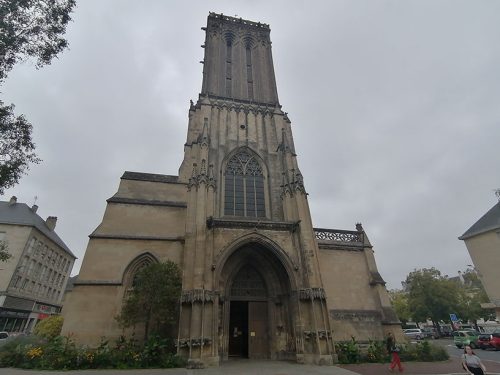
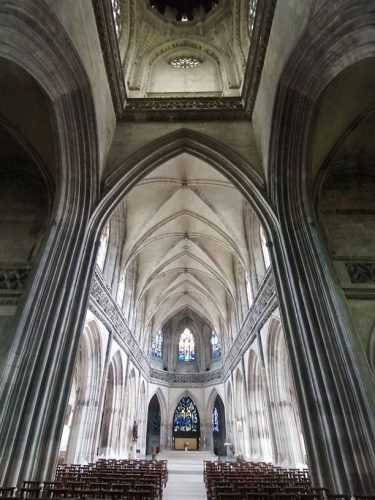
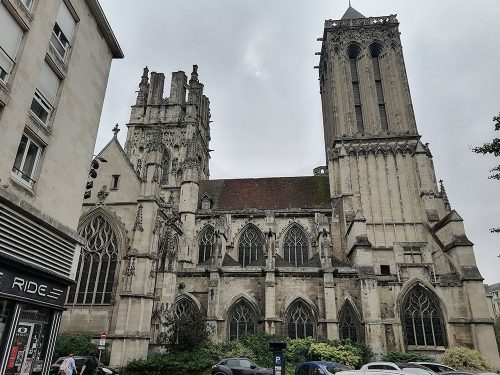
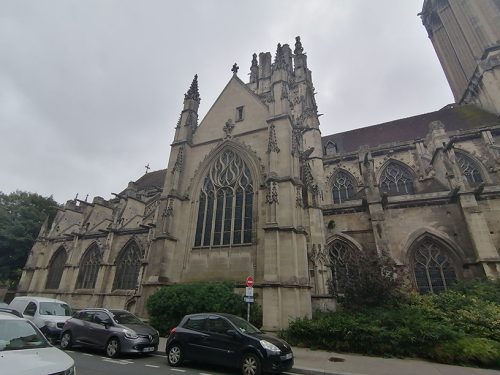
The Church of Saint-Pierre, just in front of the castle, has different architectonic styles as it was started in the 12th century and finished in the 16th century. Its facade with its rose window is from the 15th century, while the sides and the bell tower are Gothic and the apse is Renaissance, from the 16th century. We went inside to see it where the flamboyant Gothic frieze above the choir draws attention. Right in front of the entrance to the church, there is a statue of William the Conqueror and his wife Matilda of Flanders.
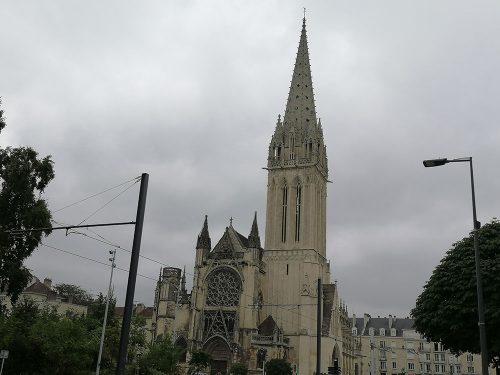
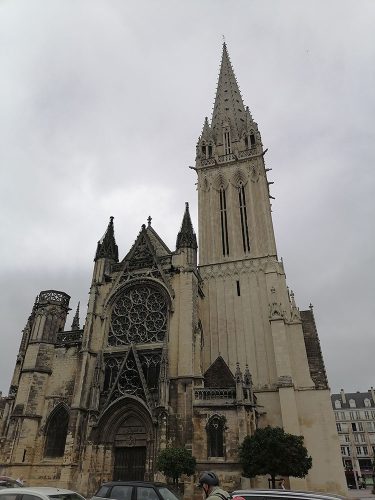
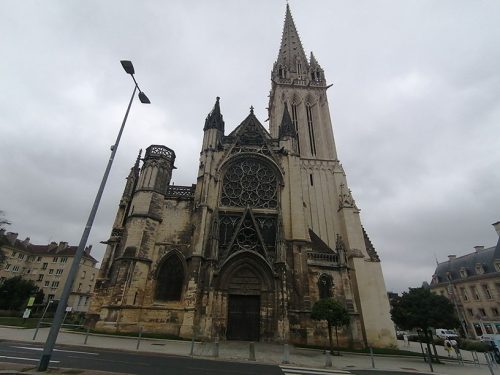
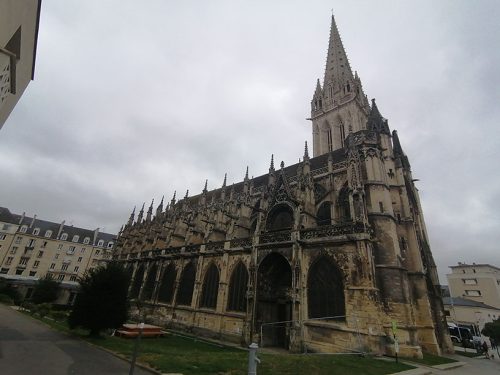

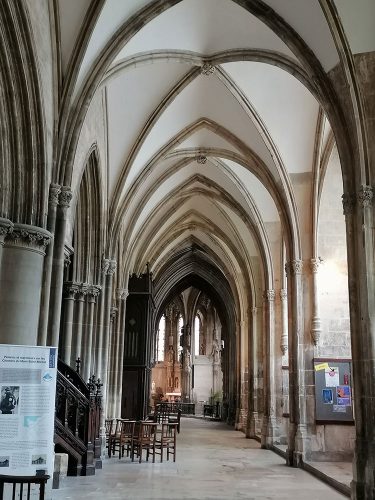
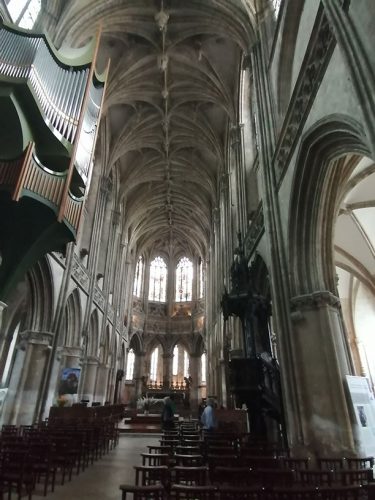
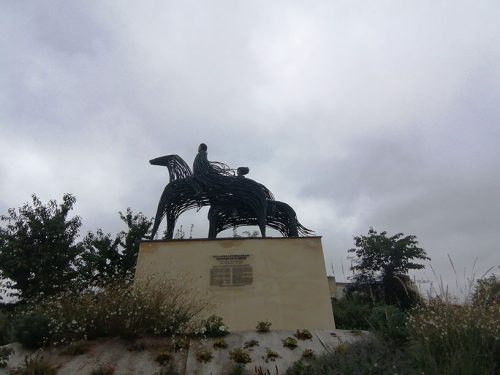
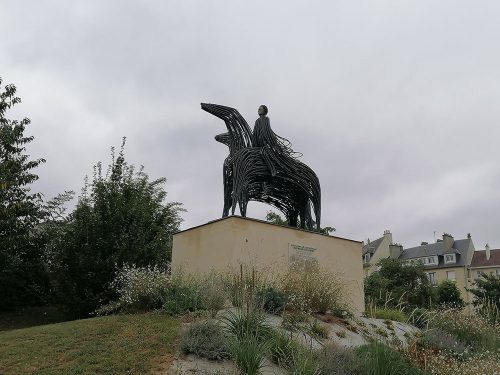
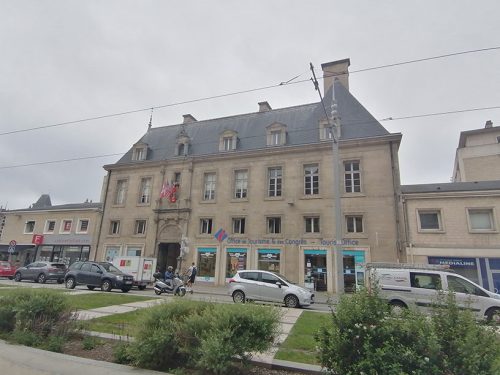
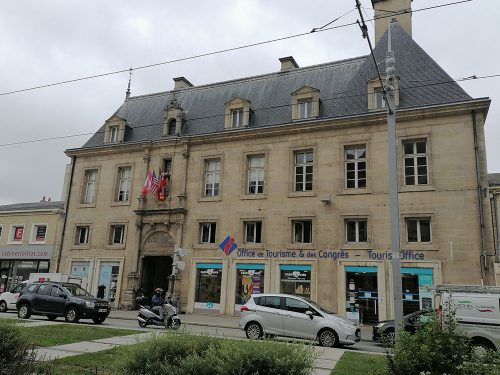
The Hotel d’Escoville: which houses the Tourist Office, is one of the most typical buildings of the first part of the Renaissance in Caen. Rue Saint-Pierre is one of the liveliest streets in Caen, home to two of the most characteristic buildings of the historic Norman capital, the 15th-century half-timbered houses. On this street, you also find the Church of Notre Dame de-Froiderue, which dates back to before the first millennium but was rebuilt in the 14th century.
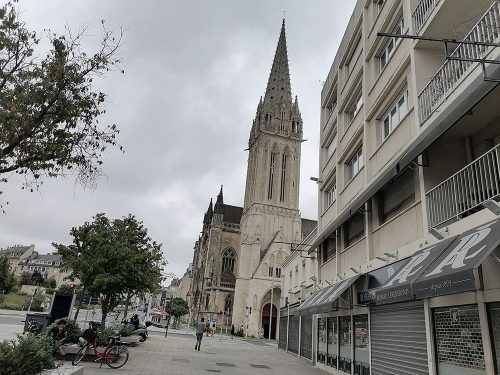
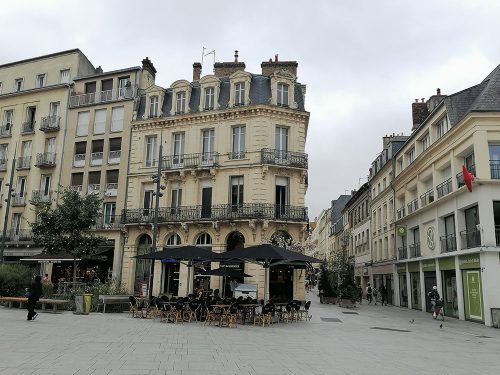
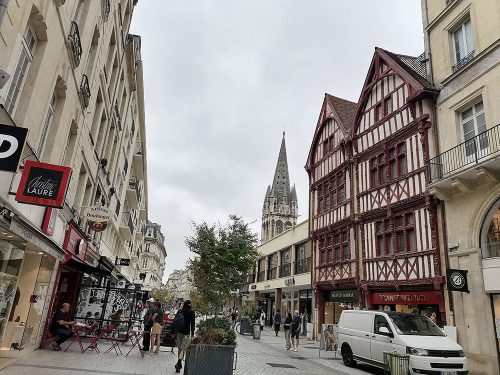
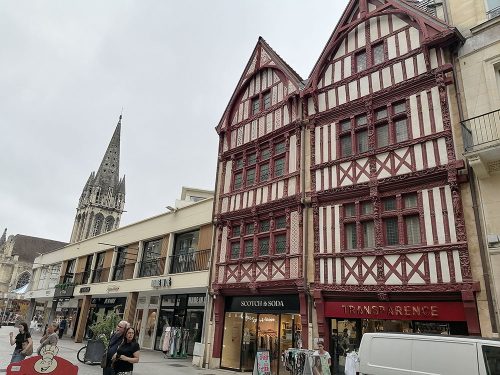
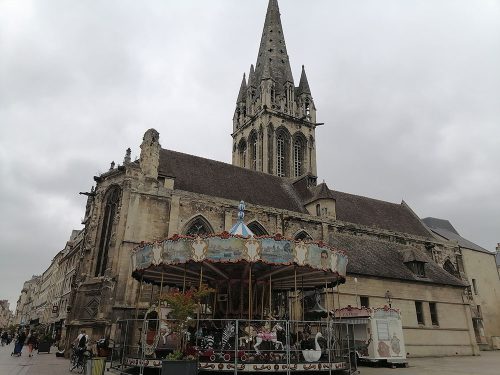
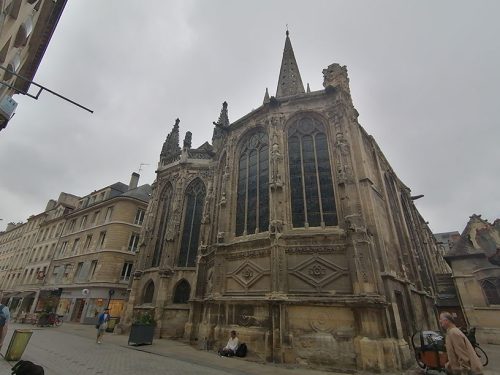
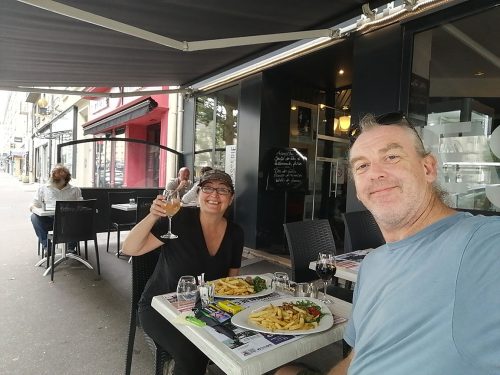
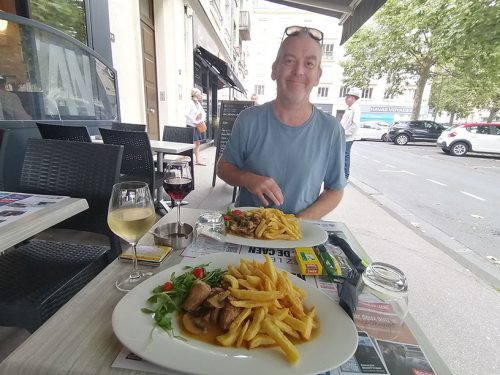
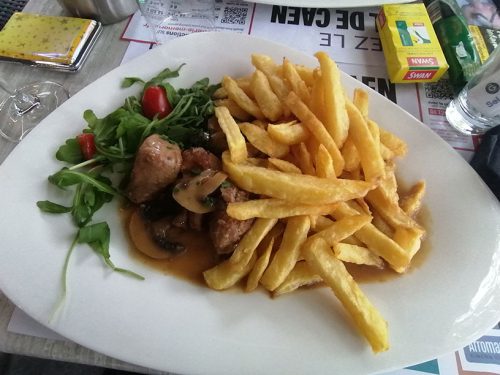
Parish of the Holy Trinity which we were able to see inside and which is built very similar to the Church of Saint-Pierre, it is located on a street full of shops and restaurants where we decided to have lunch. We had the plate of the day for 10 euros each. It was sautéed Normandy pork, which is a kind of pork cheek with a sauce made of mushrooms, onion, cream and Calvados wine with chips, it was delicious!

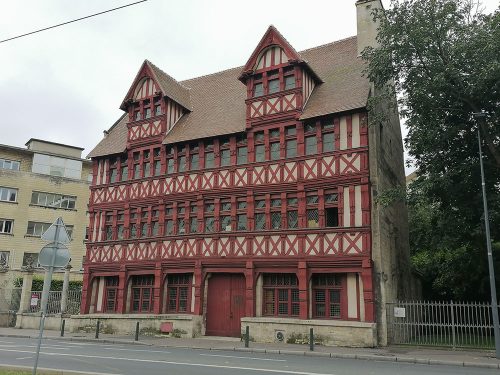
The Maison des Quatrans is located in front of the castle and is another house with a half-timbered facade, it suffered a lot of damage in the war so it was rebuilt.

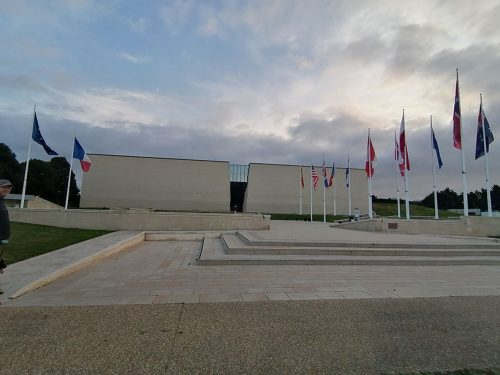
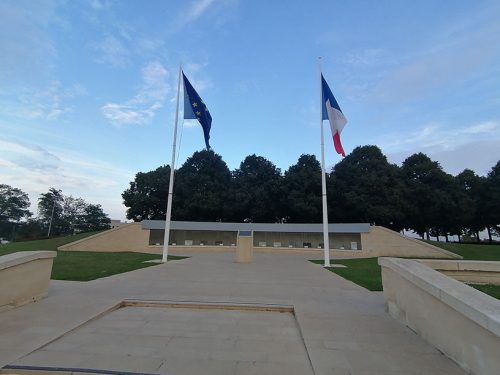
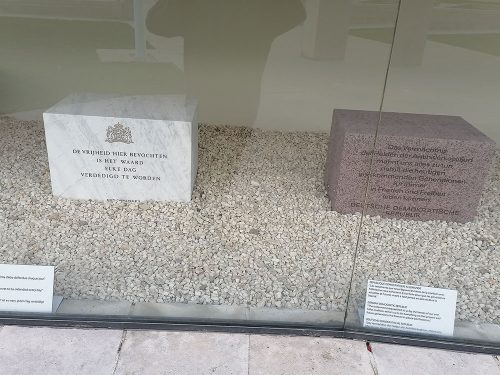
The Memorial of Caen was the last thing we saw since it is next to where we were staying and we saw it when we returned from the city centre. This Museum is above all an international cultural centre dedicated to peace.
And our next stop is Barfleur, a fishing village in the English Channel, in Normandy which is listed as one of the most beautiful towns in France which you can see in the next post!

