France – Criel-sur-Mer (En)
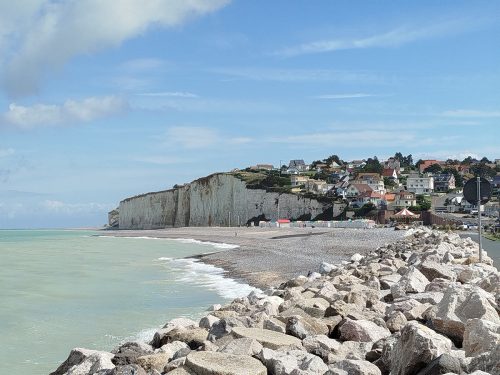
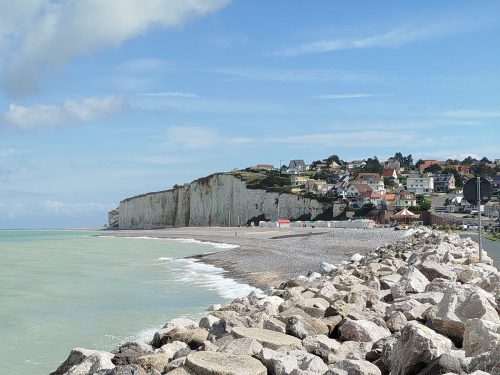
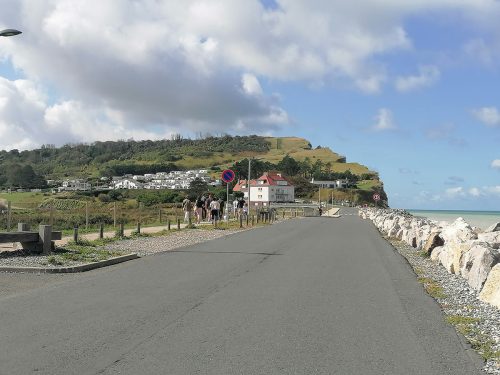
Criel-sur-Mer boasts Europe’s highest chalk cliffs (106 m at Mont Joli-Bois), along with historic architecture and natural sites. We went to see the cliffs, the small village, and the beautiful valley.

Where to stay
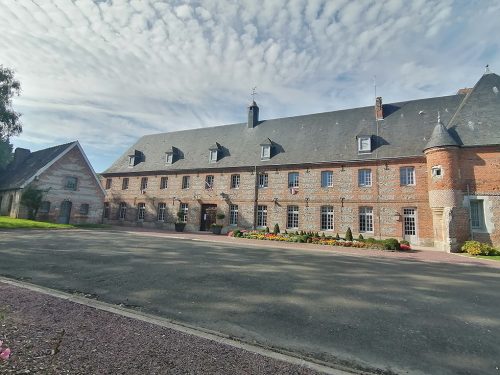
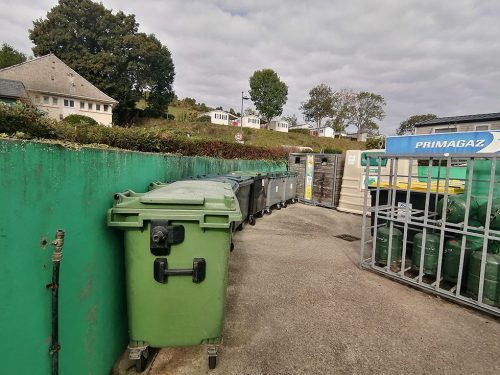
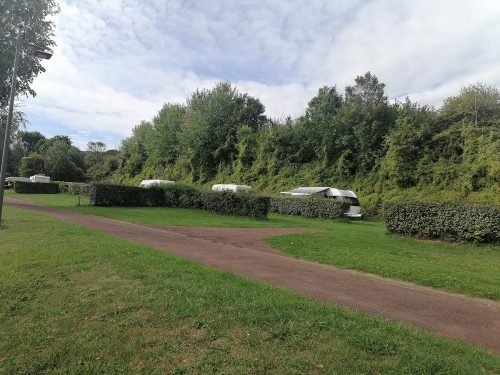
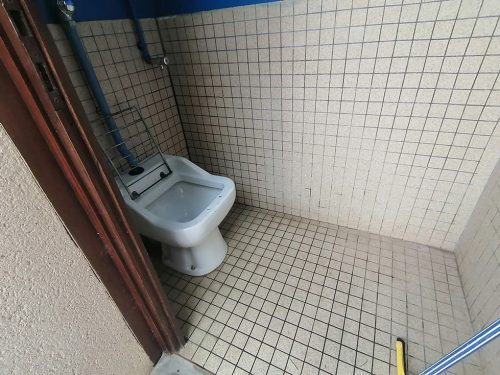
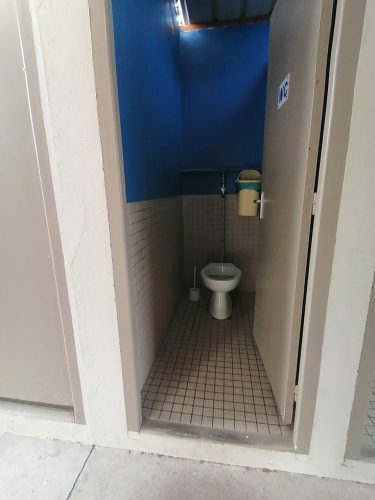
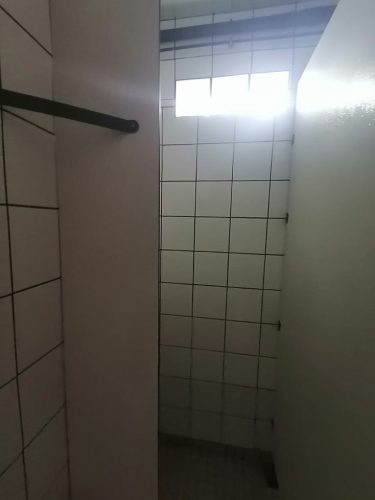
We stayed at Camping Le Mont Joli Bois (coordinates: 50.0257, 1.30834), a 10-minute walk from the cliffs in one direction and another 10 minutes from the village in the other. The campsite has two price points: €17.90 in the paved area, and €27 if you stay in the grassy area, which features shade and hedges for privacy. We stayed in the paved area where you need ramps, but otherwise, it’s a great spot with everything included. The greywater disposal point is located outside, before the entrance. The sanitary facilities are opposite the entrance and include toilets (without paper or seats) and showers (the hot water worked well in the women’s showers, but Ben said the men’s showers ran cold); water pressure was low. There is an area for washing dishes with hot water, a washing machine, and an area for hand washing. The chemical toilet disposal point is on the side of the building. It has a ping-pong table that we enjoy using. The paved area has electricity hookups. It isn’t an amazing campsite, but it is the cheapest one in the area for visiting the cliffs.







What to see
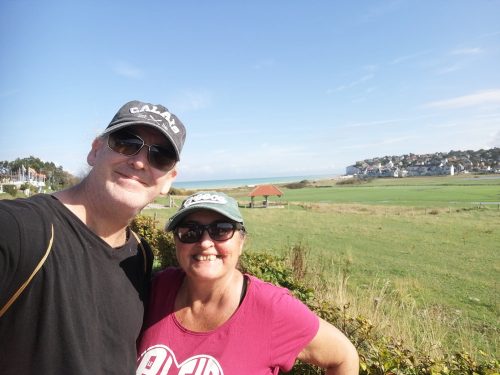
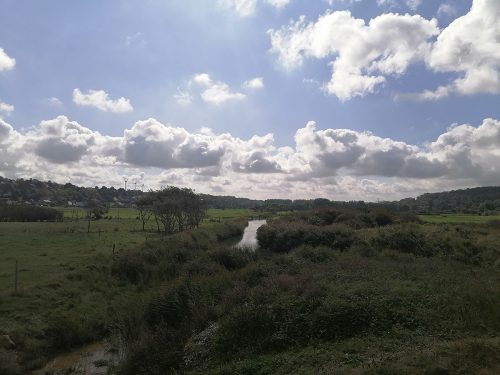
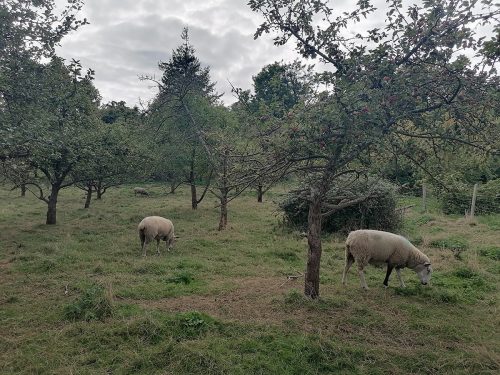
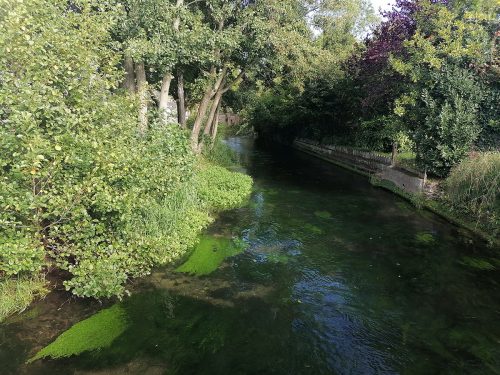
We set off in the morning to see the cliffs. The path to the beach is beautiful, as you go through the valley, with grazing cows, streams, and lush greenery all around.





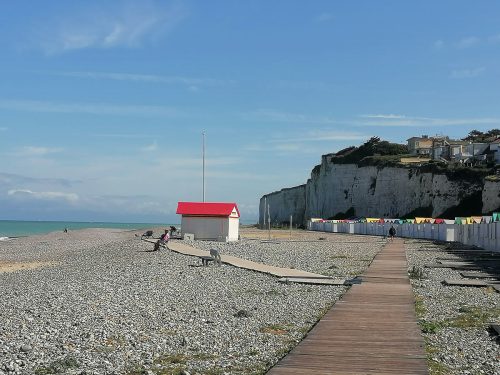
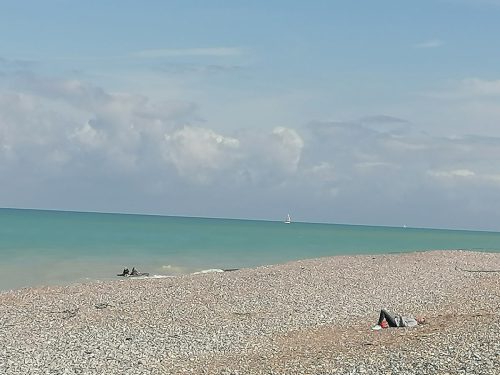
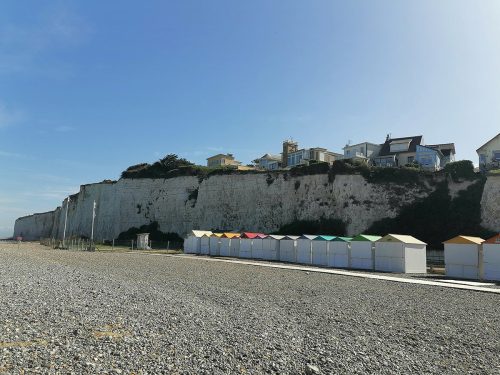
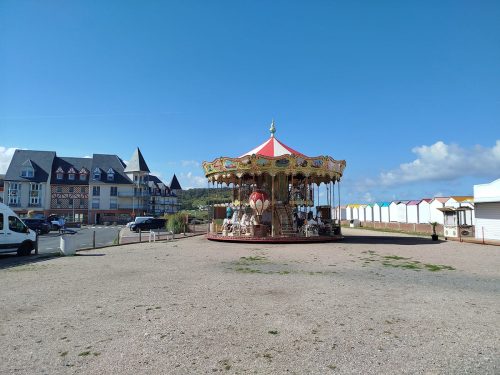
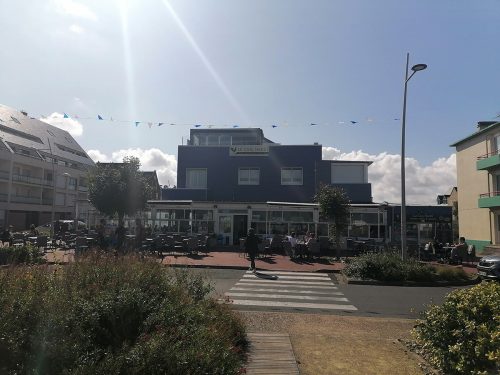
There are several bars and restaurants and a carousel on the beach. The best part is the white cliffs of Crete—they are beautiful.




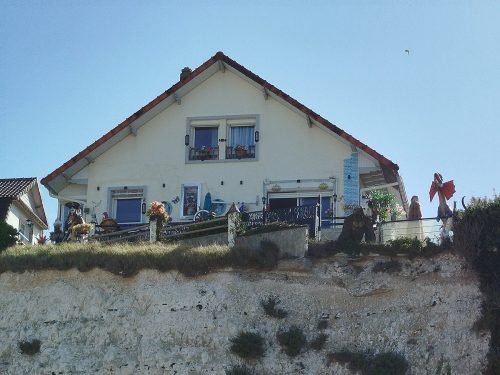


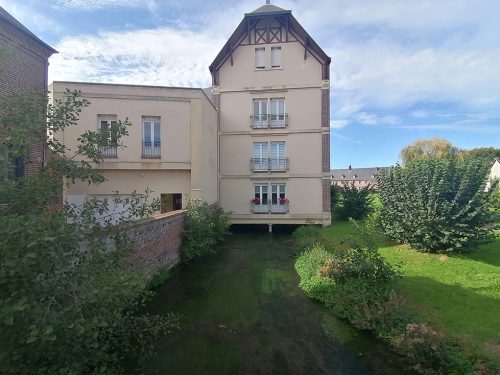
In the afternoon, we went to see the town; the houses really stood out—they are beautiful. They make you want to live in them.



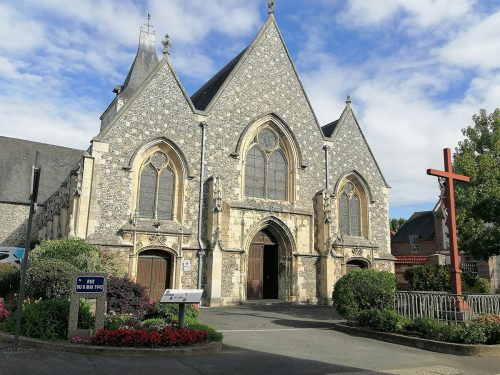
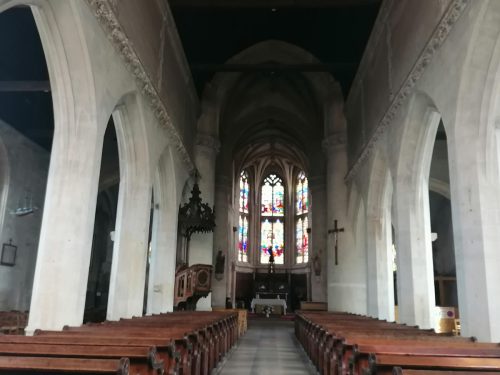
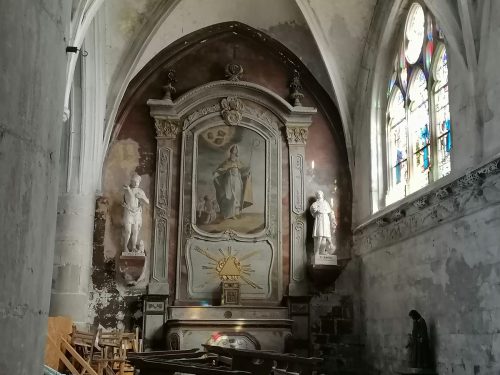
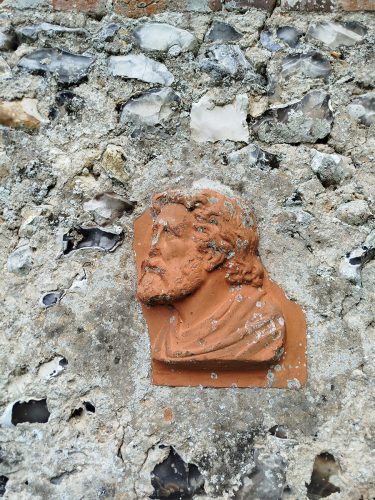
The Church of Saint-Aubin is a historical monument built with walls of flint, sandstone, and white stone. The central portal dates from the 14th century. Inside, the stained-glass windows are a highlight.



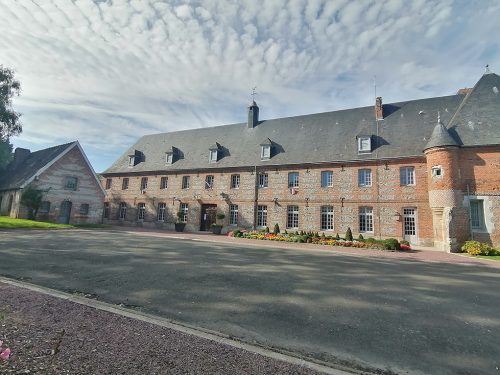
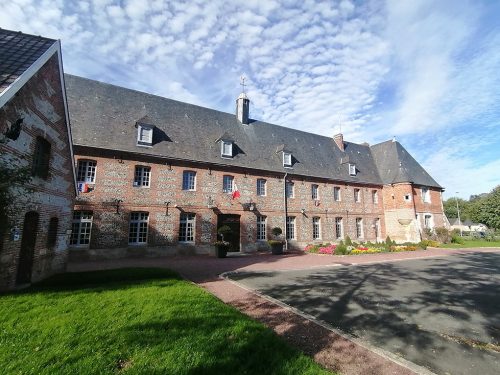
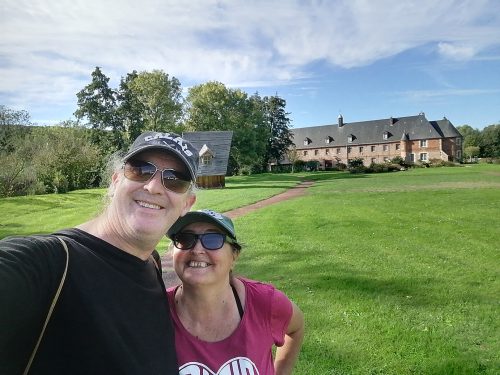
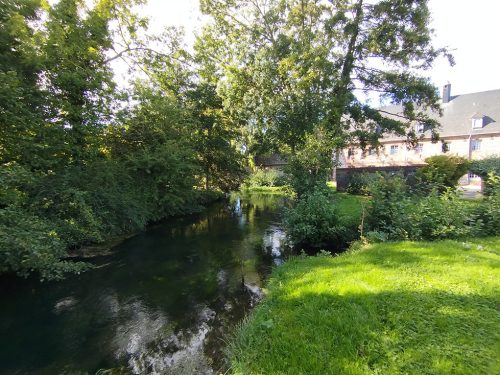
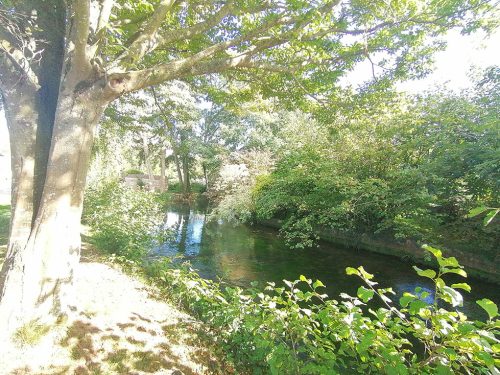
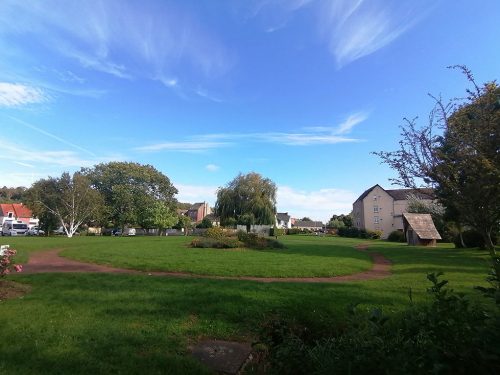
We went to see the town hall, which is located in a beautiful mansion—or castle—surrounded by gardens, complete with a small stream and a little garden house that we absolutely loved.








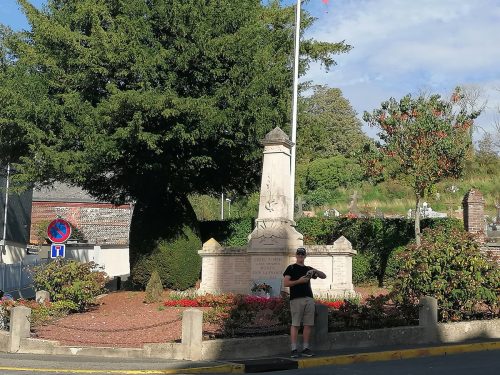
On the way back to the campsite, we passed a monument to France’s fallen.


Next stop: Fécamp, a coastal tourist hub, a site of artistic and religious pilgrimage, and home to the famous Bénédictine liqueur—which you’ll see in the next blog post.

