France – Dijon (En)
After two years of unsuccessful attempts to visit Dijon—due to flooding and roadworks that prevented us from arriving in our motorhome—we finally managed to go this year. All we knew about Dijon was that it was famous for its mustard. We discovered that it is the capital of the Burgundy region, boasting a rich wine culture, a beautiful lake, and a lot to see.
Where to stay
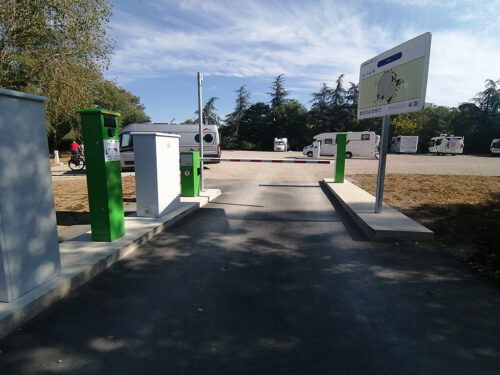
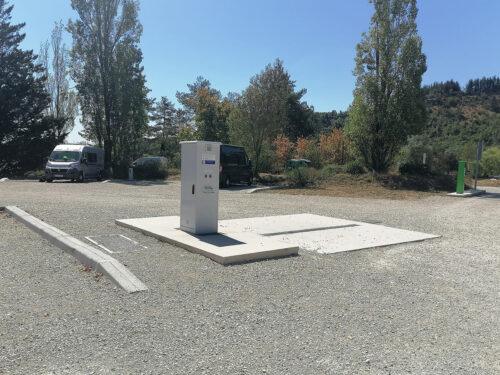
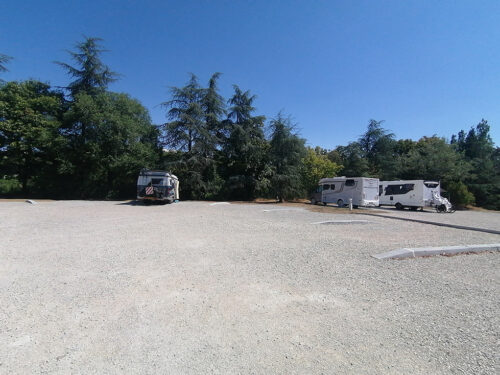
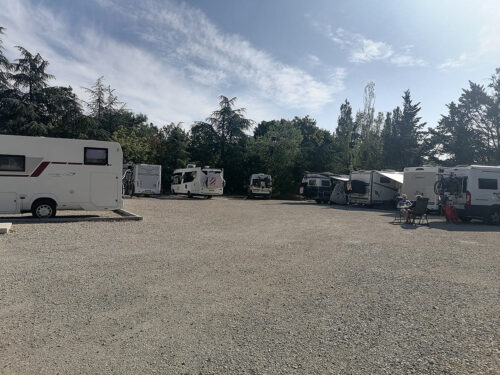
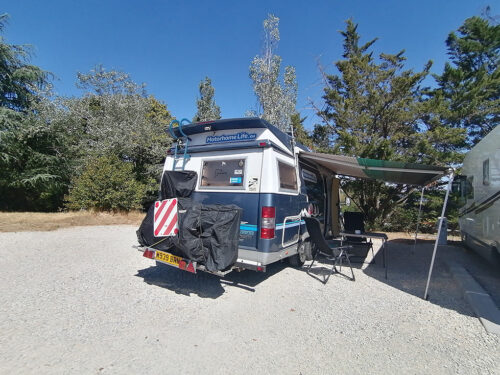
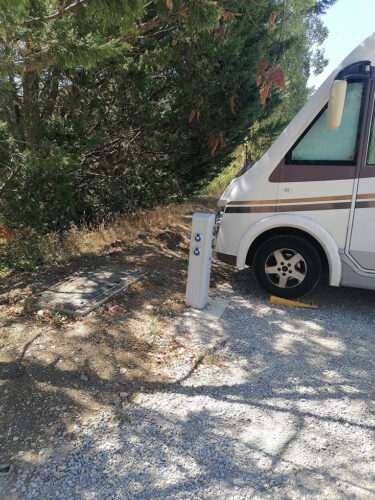
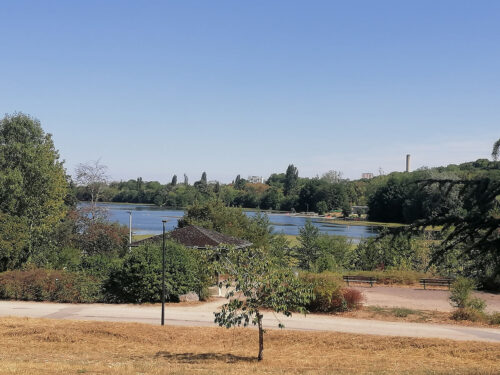
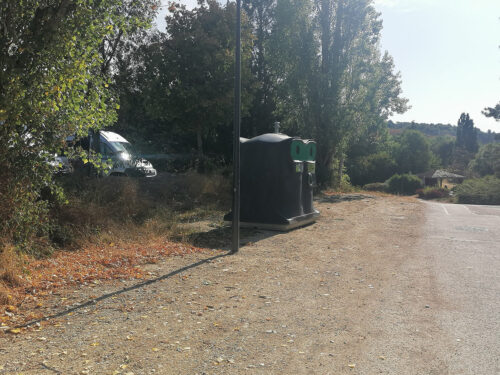
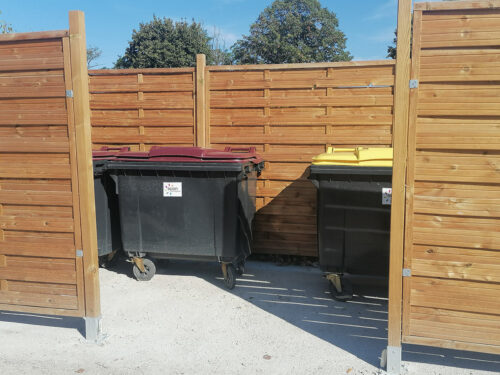
We stayed at the Lac Kir Camping-Car Park (47.330907, 4.988361 lat, long), located between the banks of the Ouche River and Parc de la Colombière. These “Camping-Car Parks” are designated areas for motorhomes where you can purchase a lifetime access card for 5 euros, and top it up with credit to pay for entry and use the facilities. We paid 28 Euros for two days to stay here. The areas are equipped with grey and black water disposal systems, electricity, potable water, and trash bins. They are much cheaper than standard campsites and are usually located close to the city centre. In this instance, the site was right next to Lac Kir, which features a walking path around the water and a swimming area complete with a bar-restaurant. Here, we met two lovely Spanish couples—Edita and Moisés, whom we hope will visit us in Marbella, and a couple from Seville whom we hope to see again on our travels.
What to see
We decided to walk to the city centre—even though it was an hour’s walk away—to see Lake Kir and its beach.
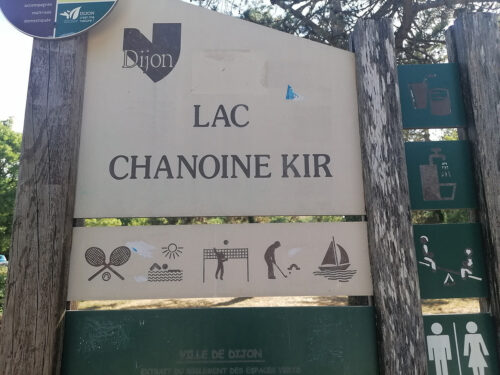
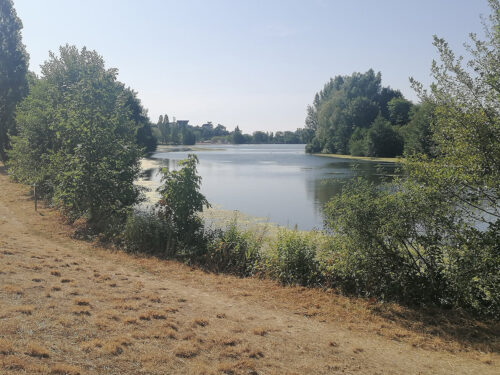
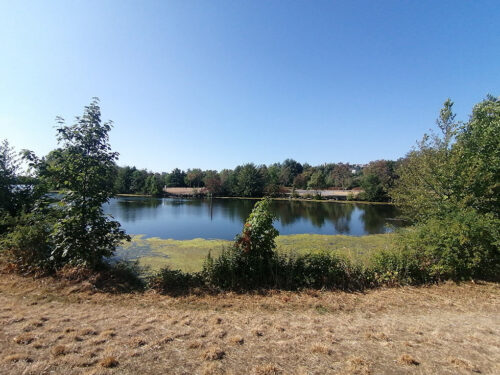
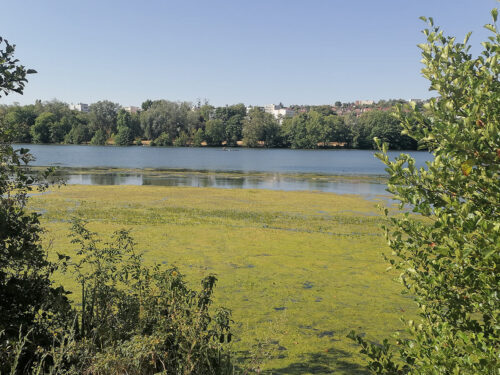
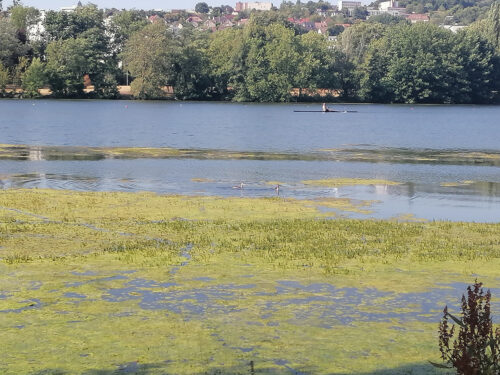

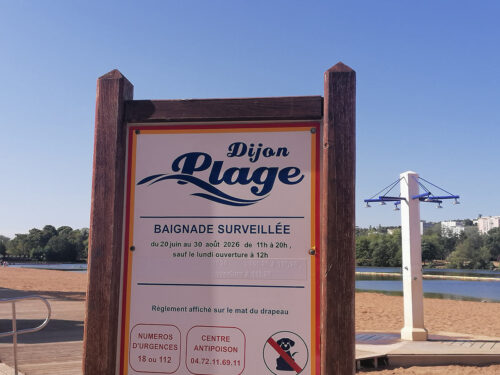
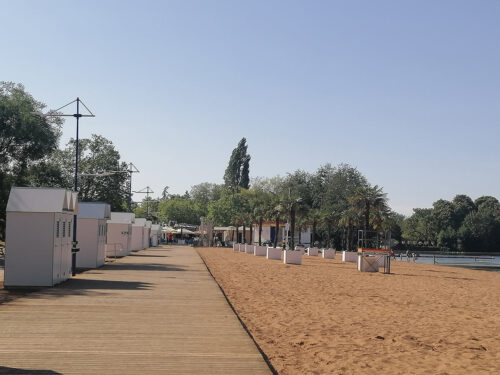
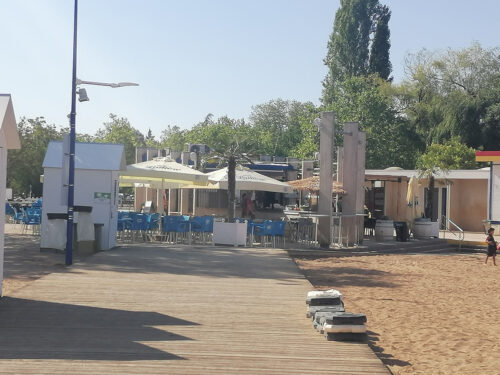
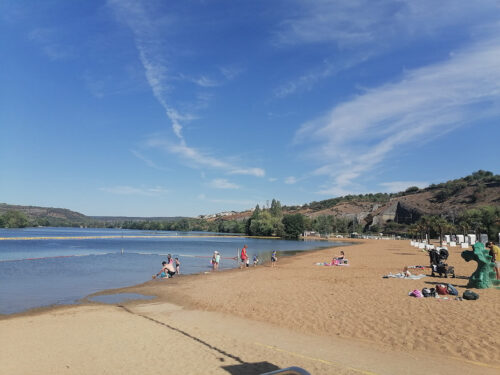
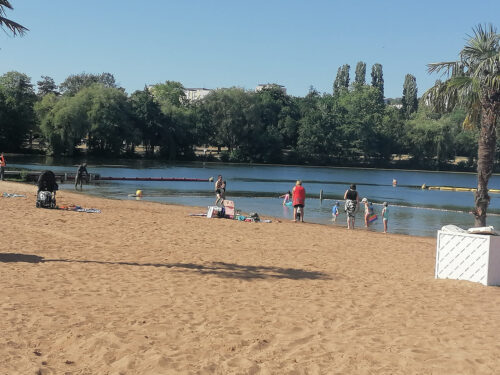
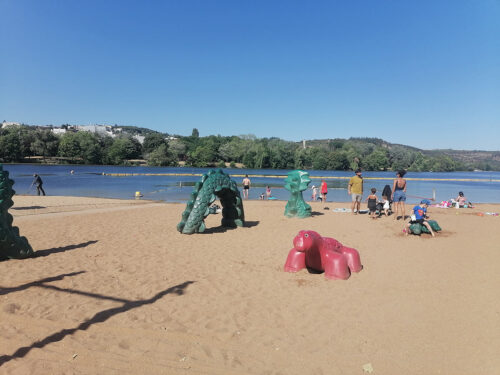
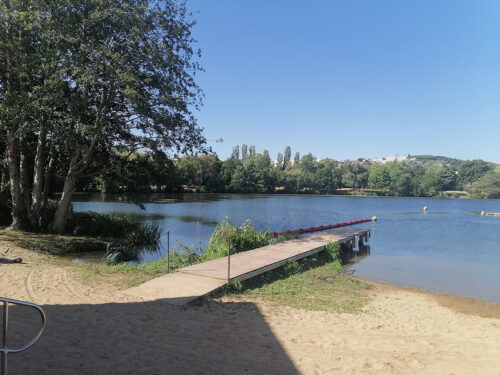
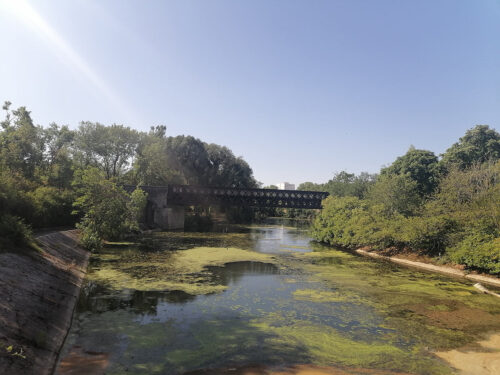
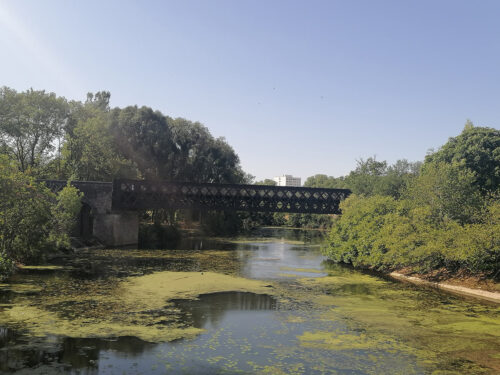
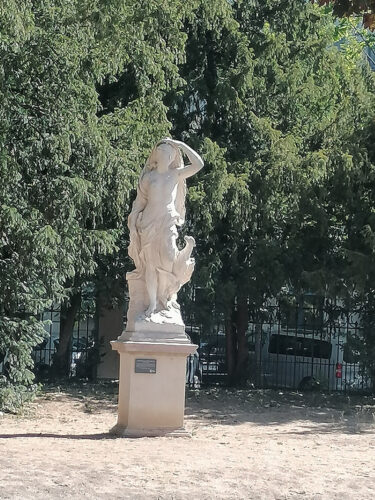
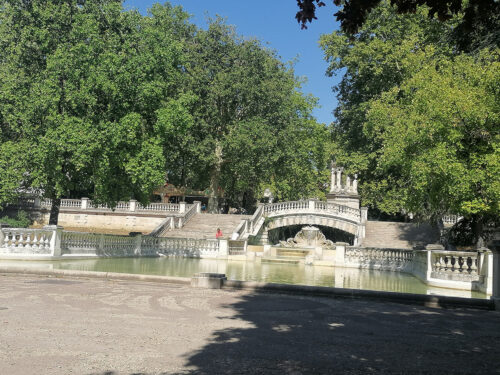
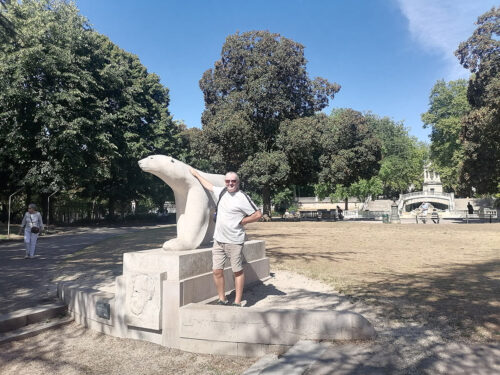
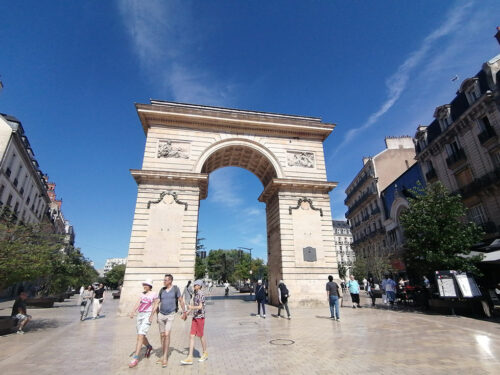
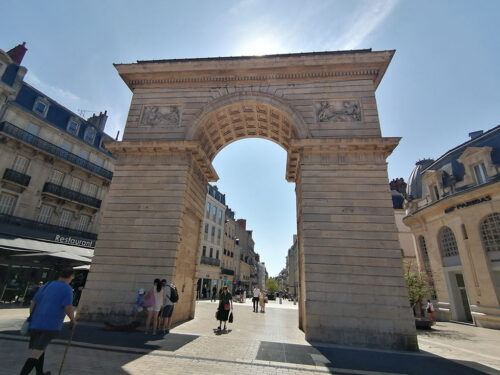
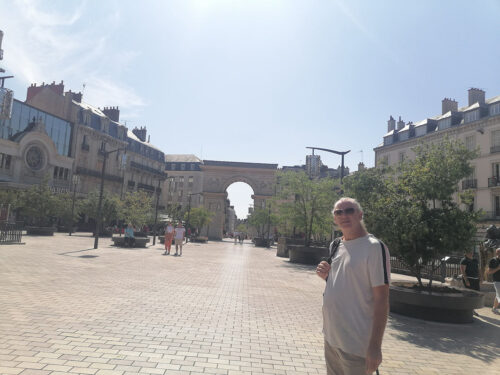
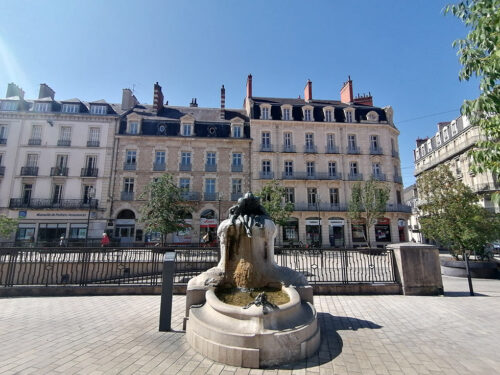
It is a 30-minute walk around the lake, and another 30 minutes on foot to reach the Darcy Garden, notable for the famous White Bear sculpture; opposite stands the Porte Guillaume, an 18th-century triumphal arch that serves as a gateway to Dijon’s historic centre. The Porte Guillaume is located in Darcy Square, which features a fountain dating back to 1904.
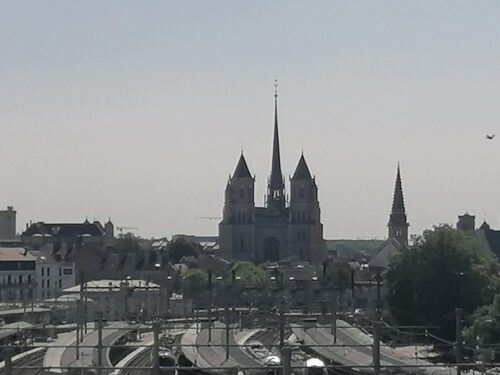
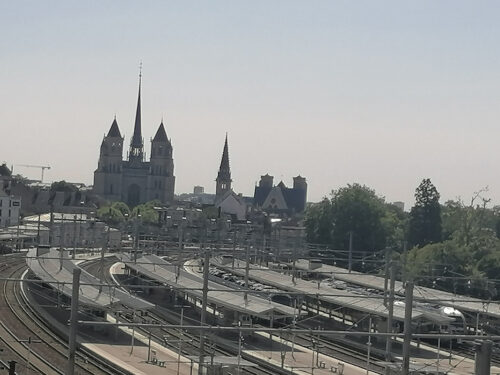
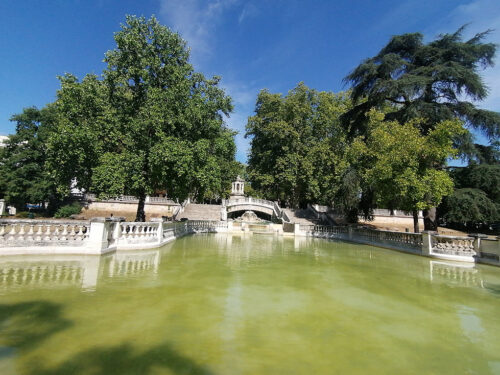
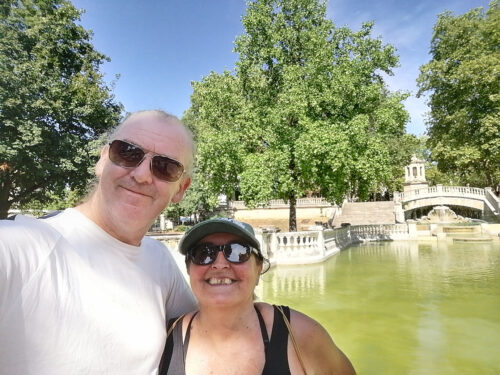
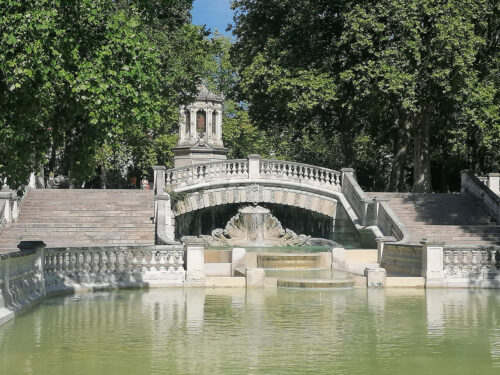
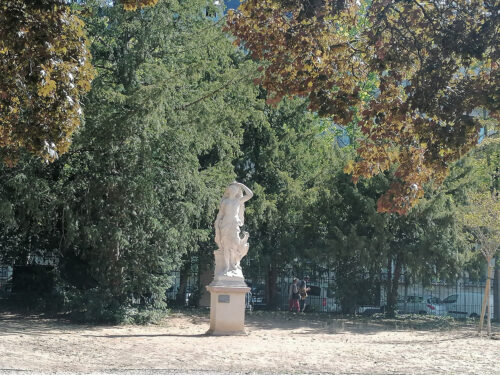
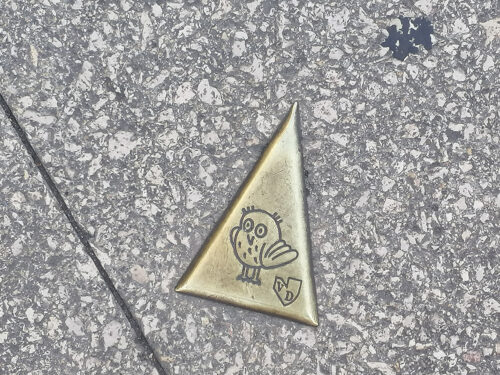
Edita and Moisés told us to follow the Owl Trail—a route marked by metal arrows on the ground that leads you through the main historic streets and points of interest—and that is what we did. The first place the owl-shaped arrows led us to was the post office square, where there is a statue displaying the time in various world capitals.
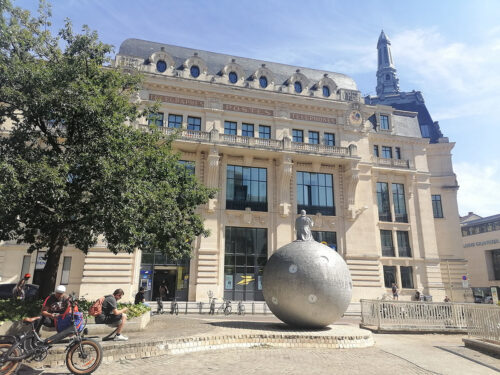
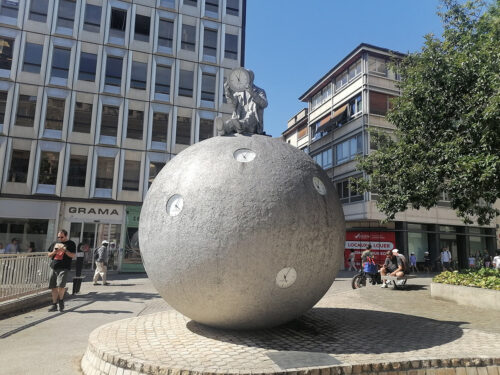
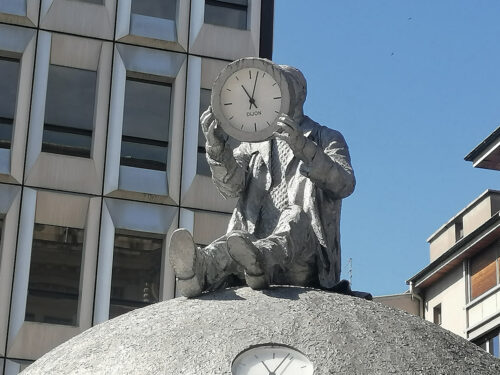
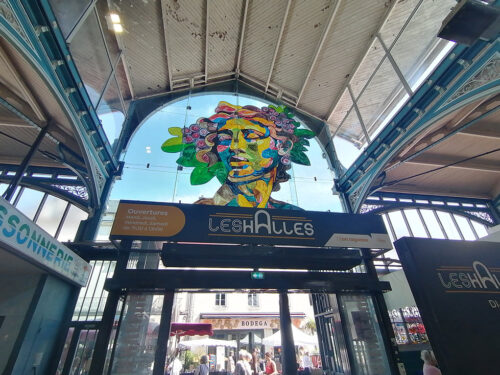
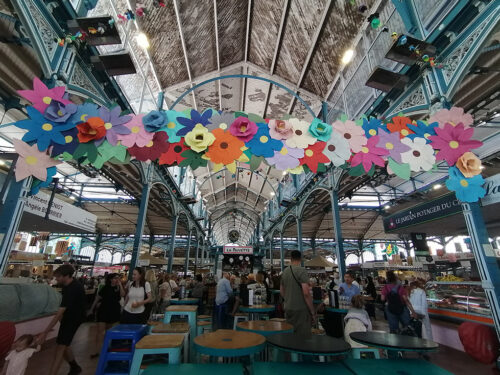
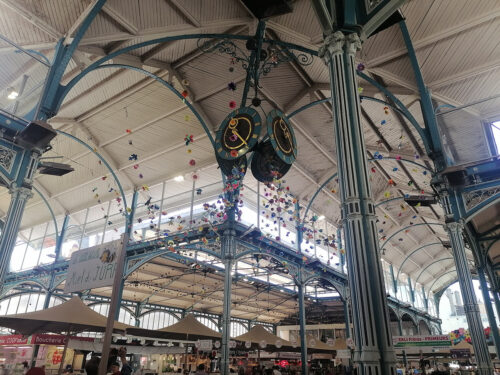
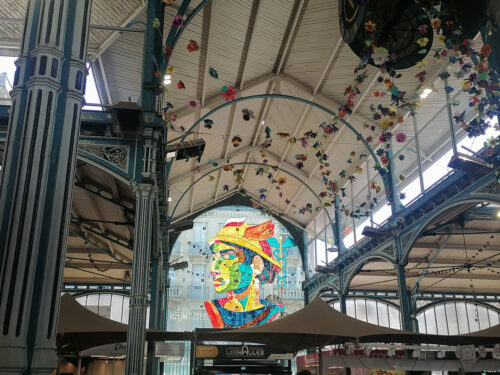
We continued to the Central Market (Halles), which is beautiful inside. In the streets surrounding the market, there are street stalls selling all kinds of things.
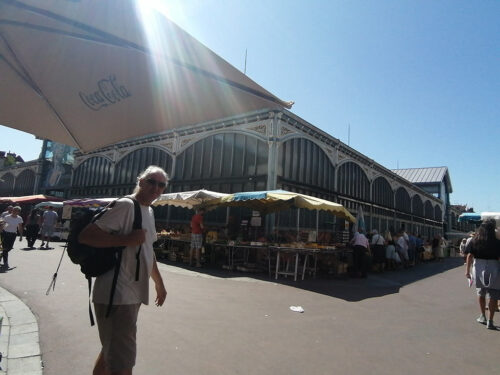
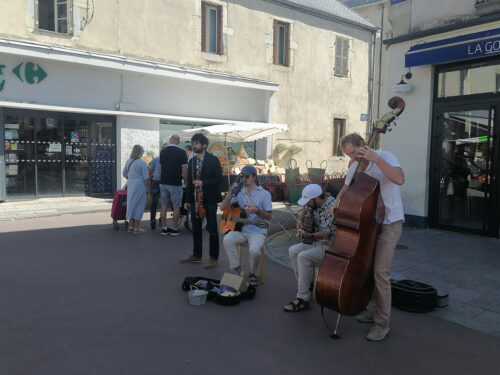
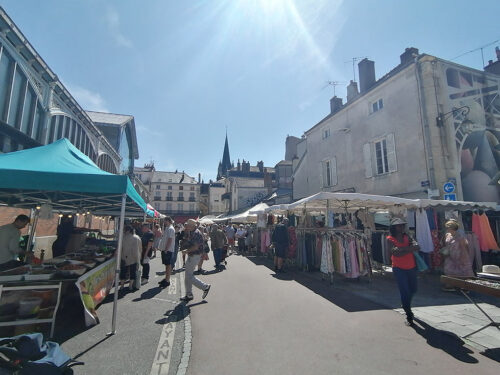
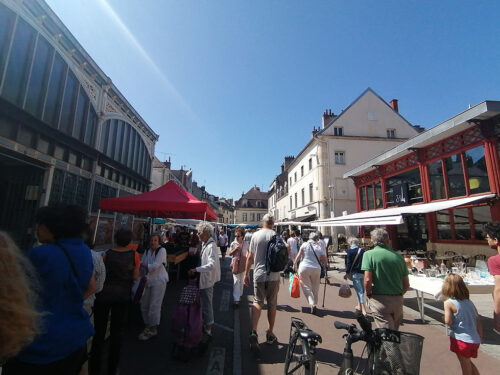
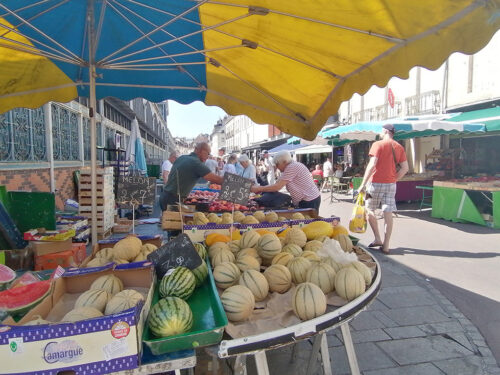
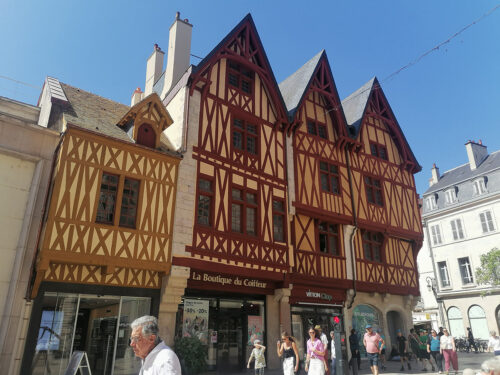
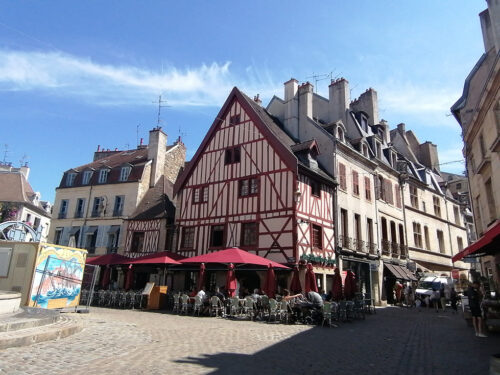
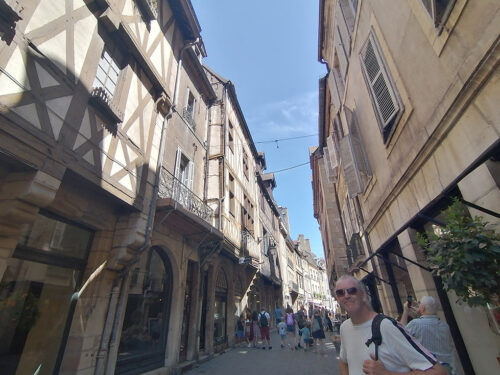
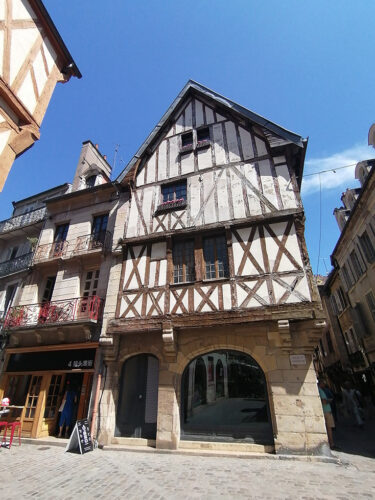
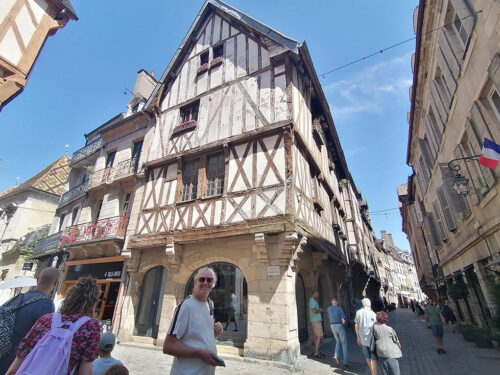
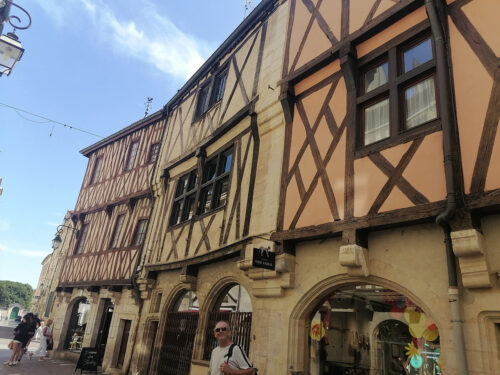
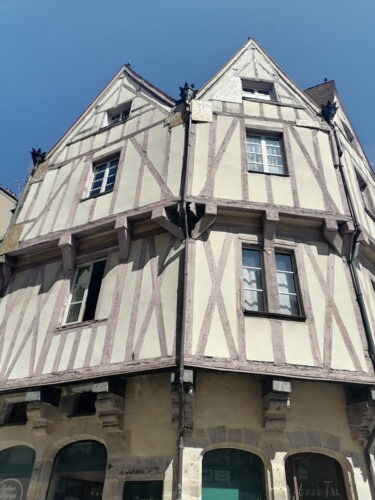
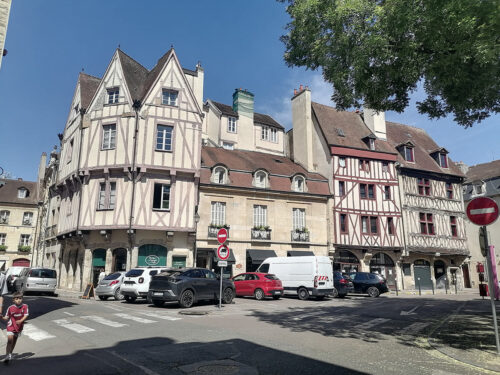
We wandered through the narrow streets lined with half-timbered houses, passing charming squares and the Maillar mansion—built by the mayor of Dijon in 1560—which features Renaissance ornamentation on its façade.
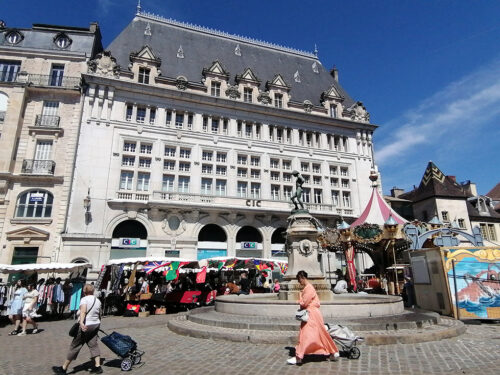
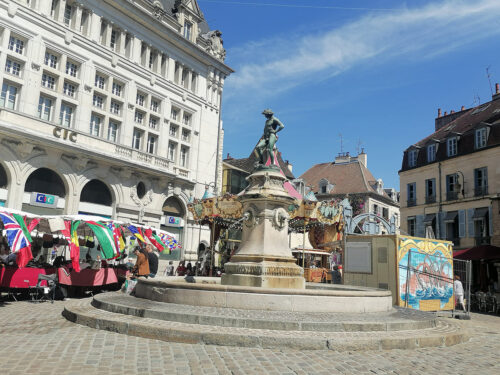
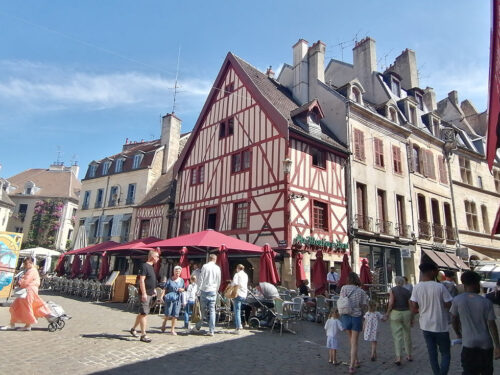
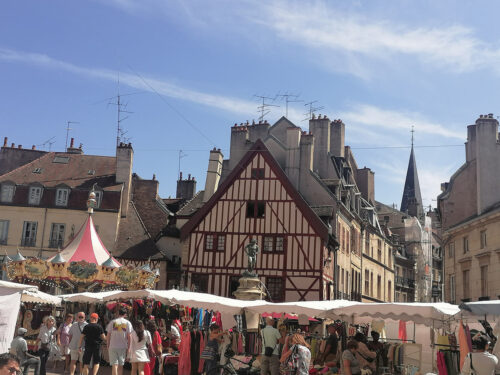
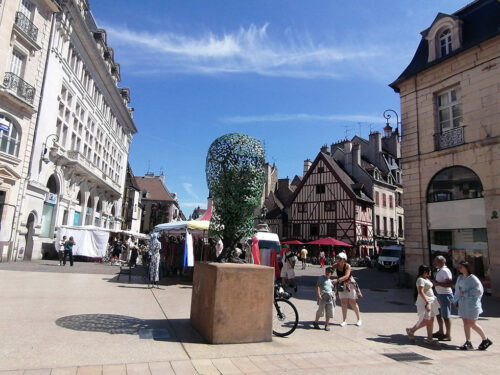
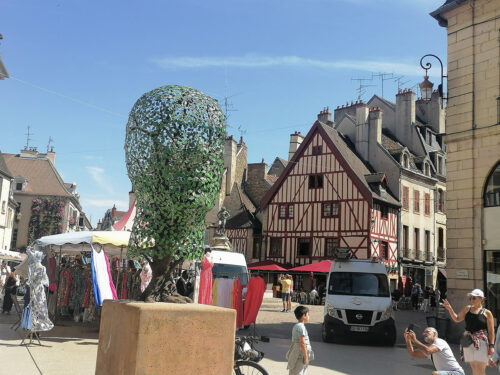
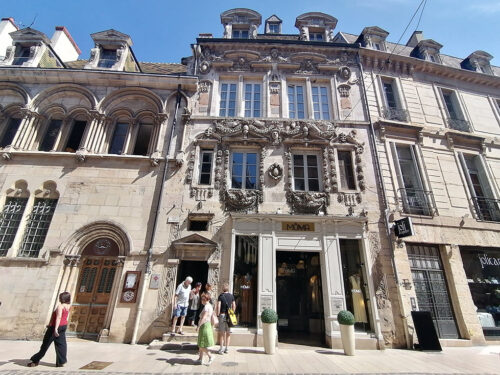
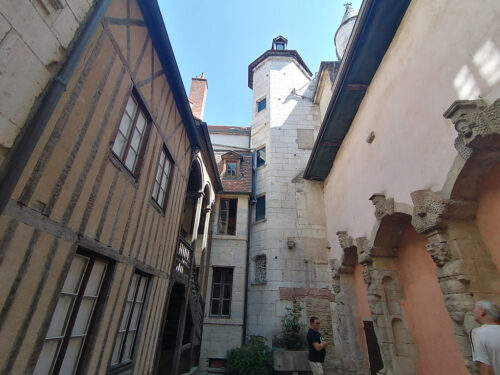
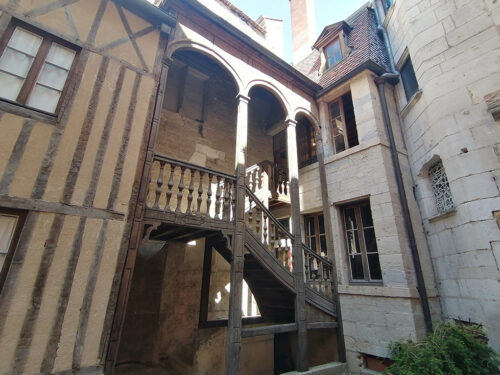
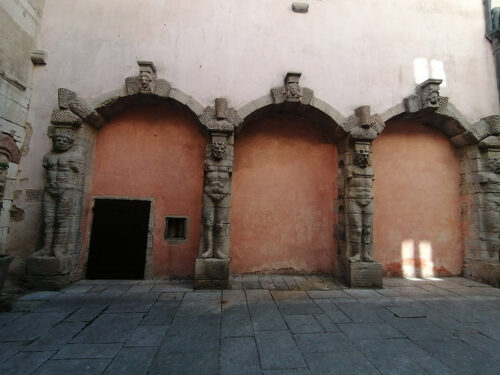
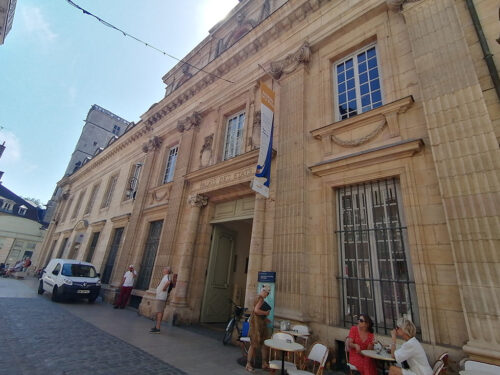
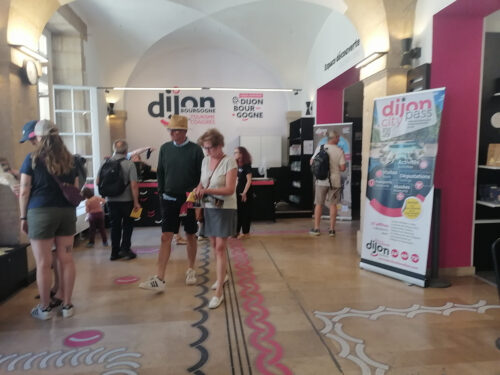
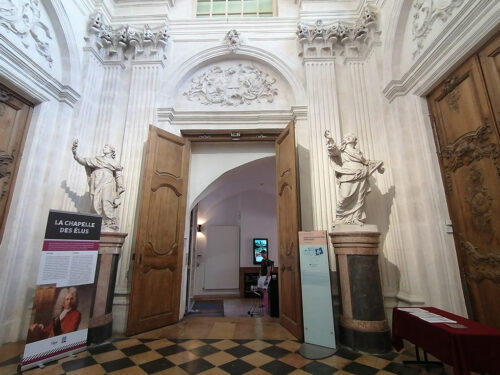
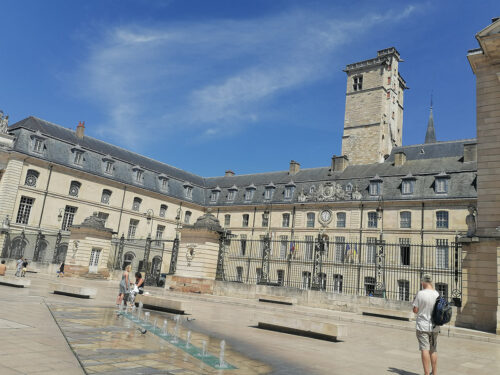
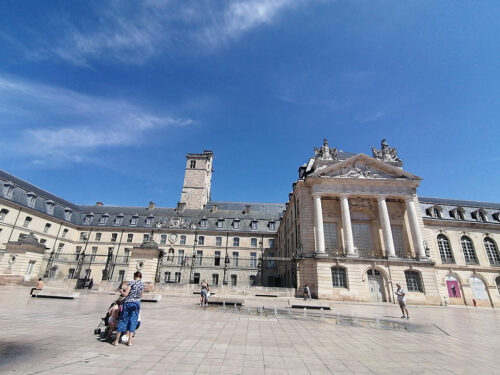
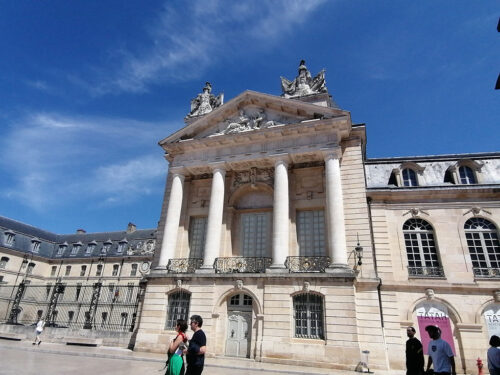
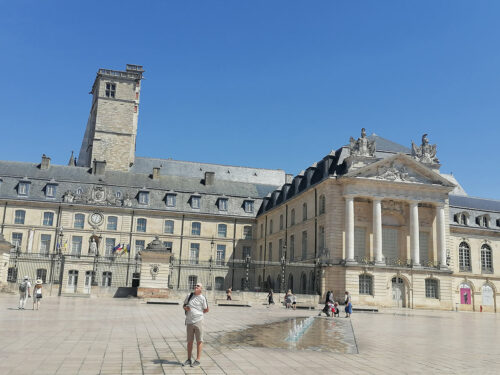
Next on the route was the Palace of the Dukes of Burgundy, rebuilt in the 14th and 15th centuries, and the tourist office, where the Chapel of Elus is located.

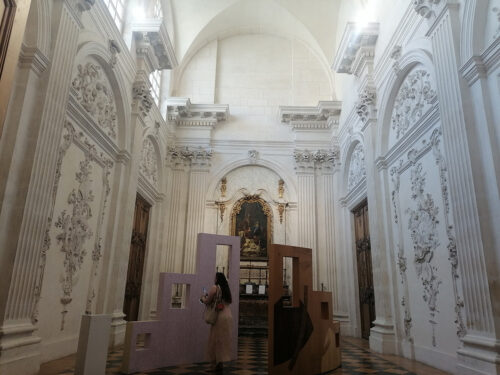
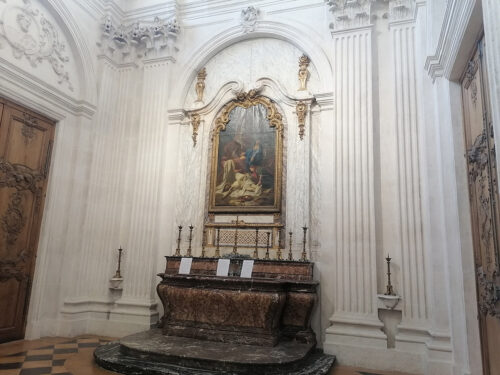
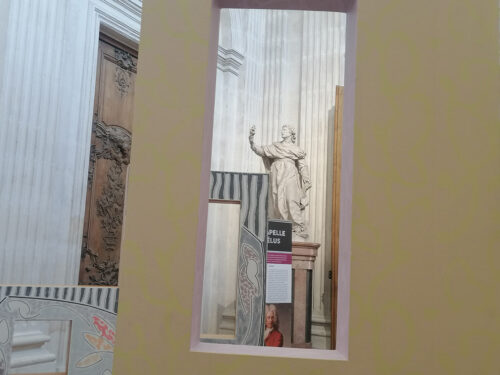
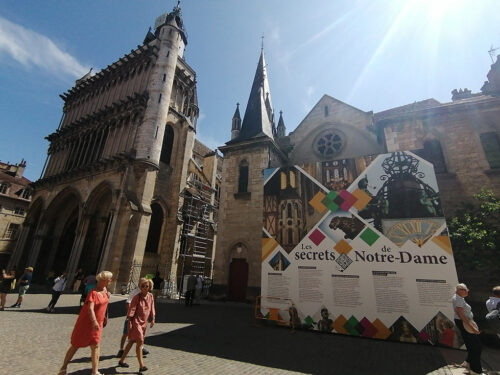
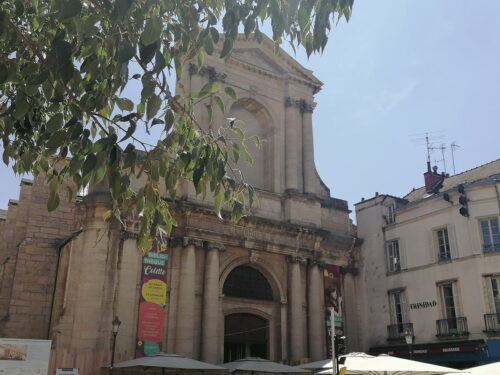
Finally, we arrived at the Church of Notre-Dame, built starting in the 1220s. The original carved owl is located there on the north façade. Tradition holds that you should stroke it with your left hand while making a wish to bring good luck. We didn’t do it, however, because there was a massive line of people waiting to touch it.
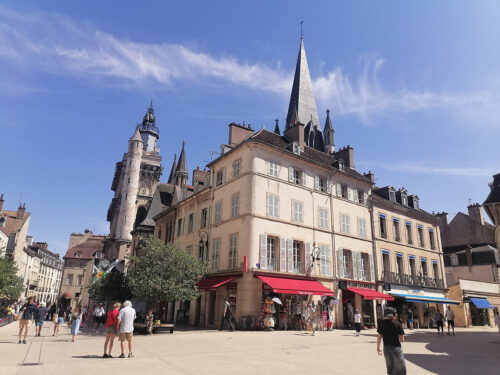
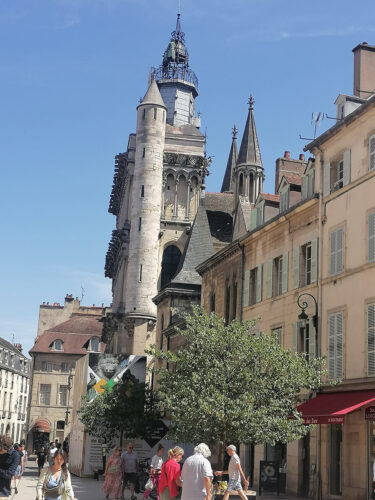
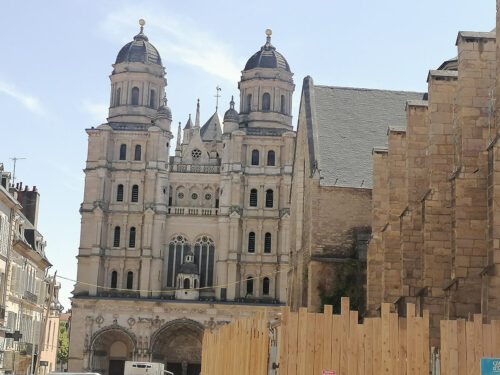
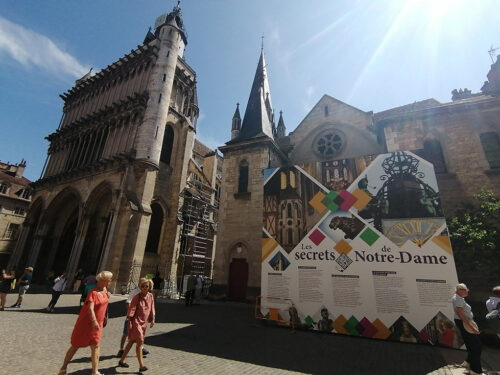
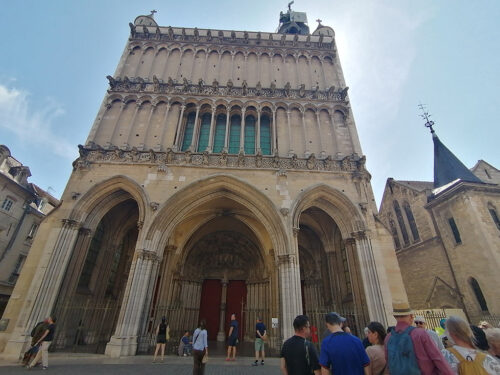
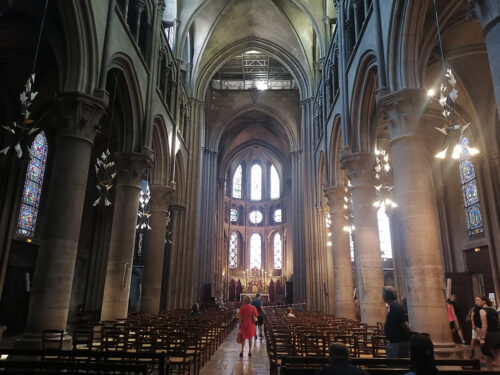
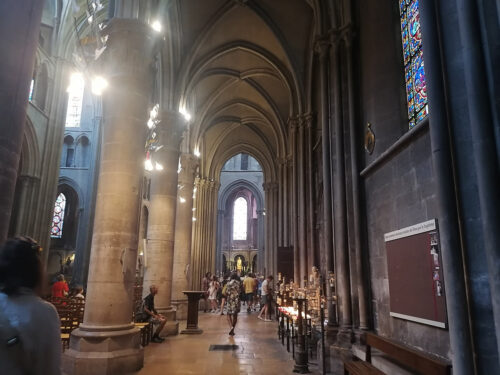
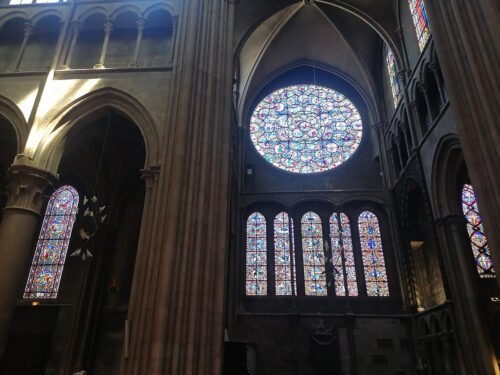
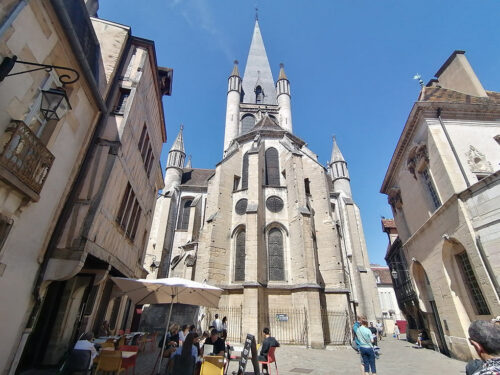
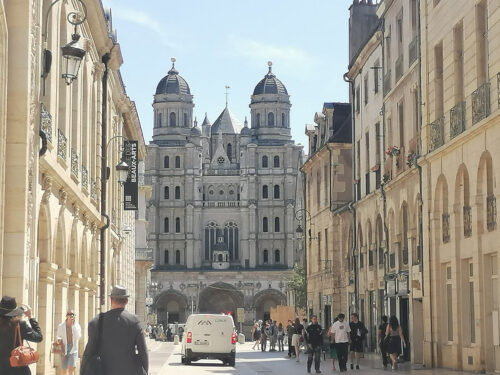
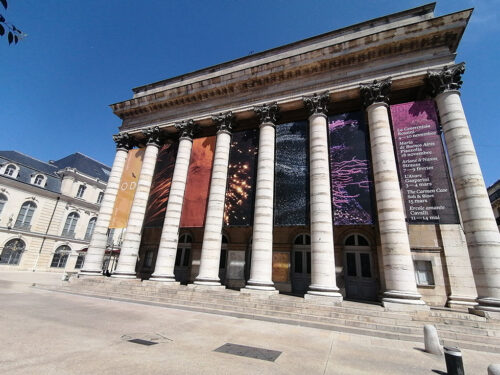
We passed through more streets with beautiful half-timbered houses until we reached the theater square and the Museum of Modern Art.

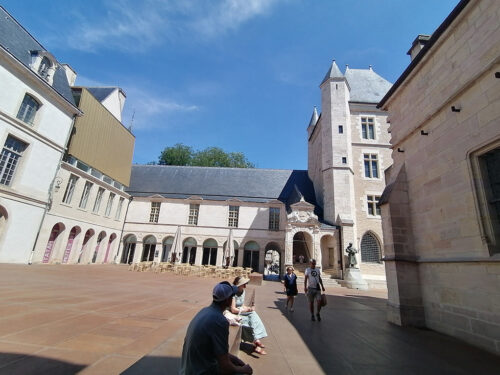
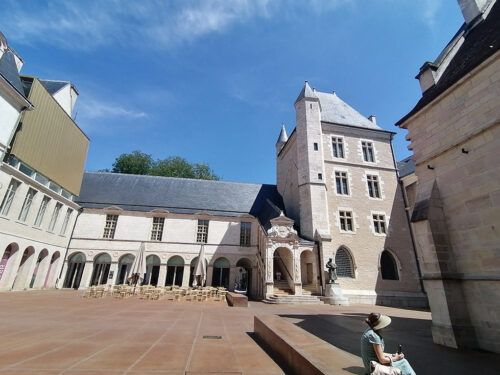
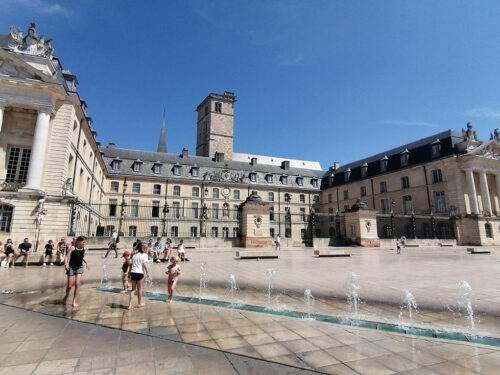
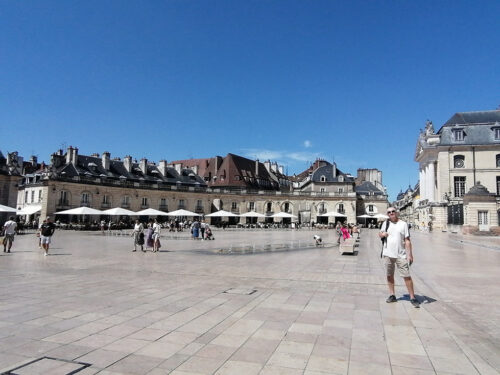
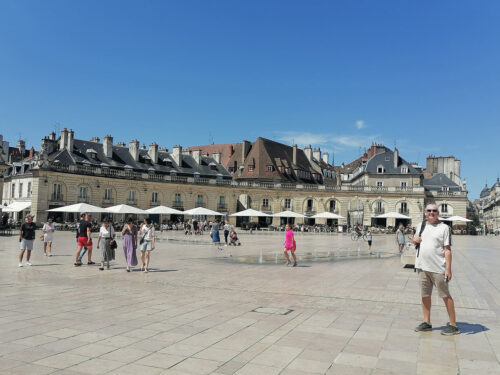
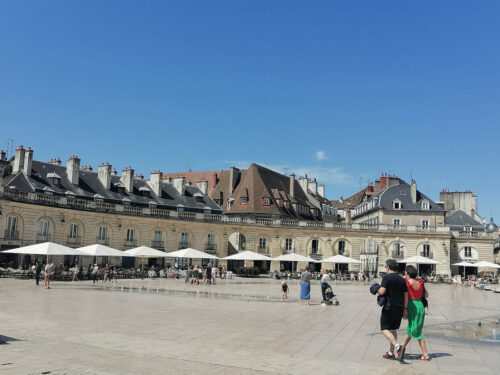
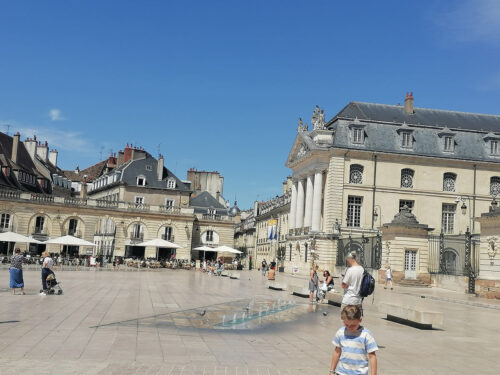
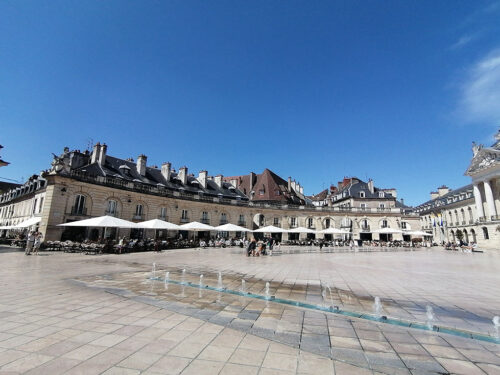
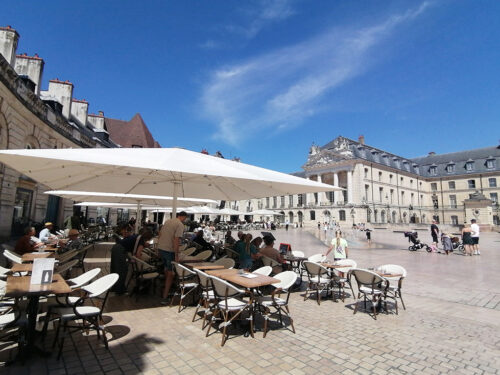
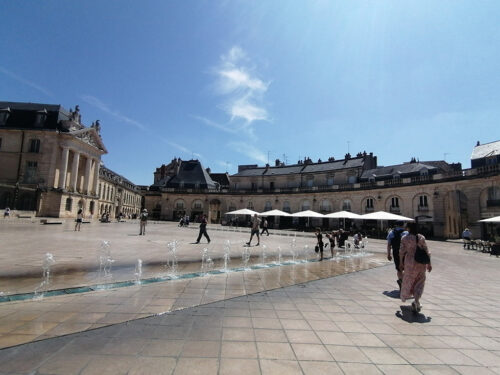
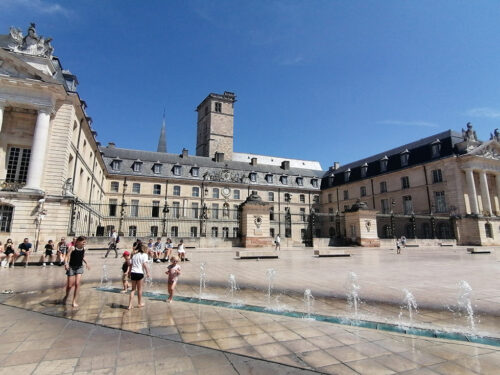
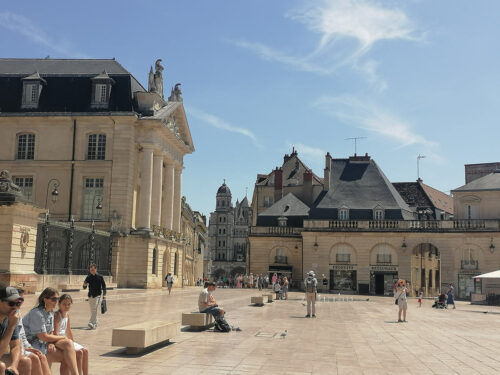
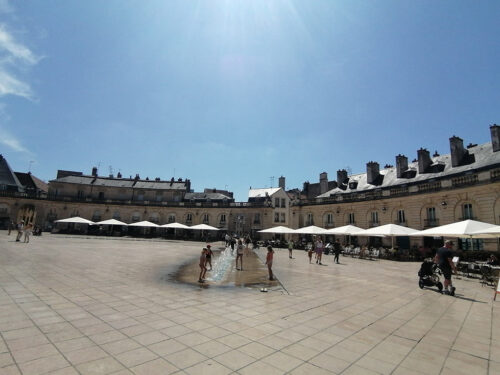
We concluded our tour at the Place de la Libération. It is a royal square dating back to the late 17th century. Situated in front of the Palace of the Dukes of Burgundy, it was designed as a setting for a bronze equestrian statue of Louis XIV, which was destroyed during the French Revolution. The square features several spectacular fountains and statues.
After walking for nearly five hours—though we did take breaks to eat croissants and sit down—I ended up limping due to a hip strain, so we went to catch the bus in front of the Jardin Darcy.
And the next day, we headed to Châteauvillain, a medieval village in the heart of the national forest park, which you’ll be able to see in the next blog post.

