FRANCE – Mâcon (EN)
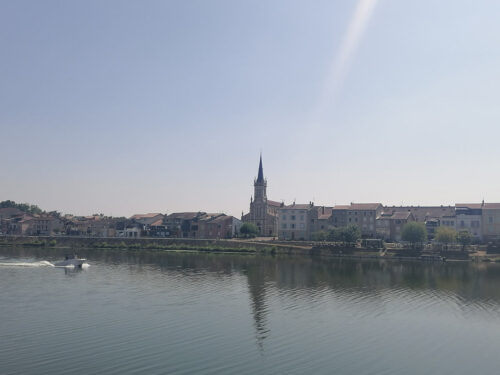
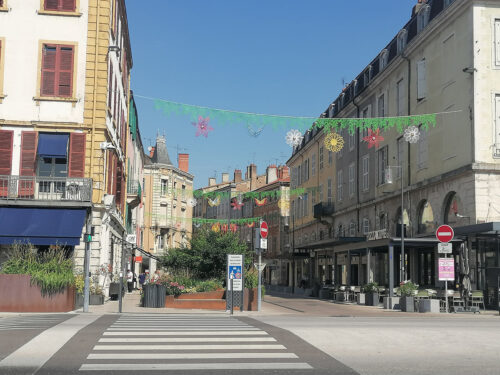
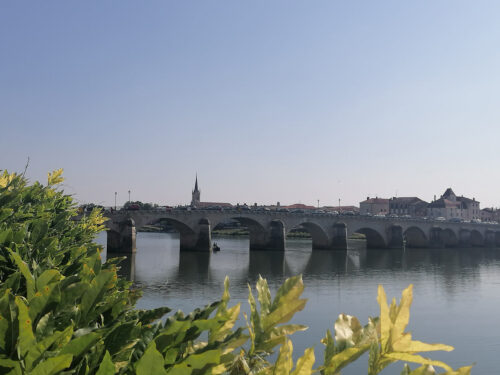
We went to Mâcon because we had been there four years earlier and the municipal campsite was excellent, featuring a swimming pool—ideal for the forecast temperatures of 38 and 39 degrees. The city offers a perfect blend of history, culture, and gastronomy. Views of the Saône River and the unique buildings make the city well worth a visit.
Where to stay
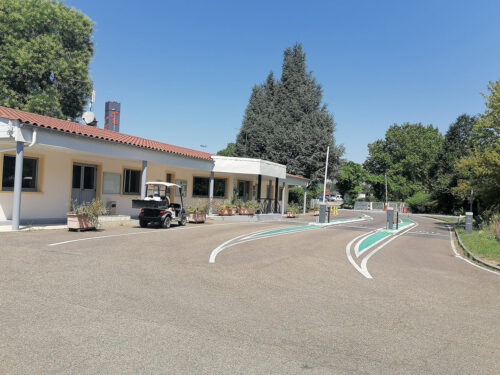
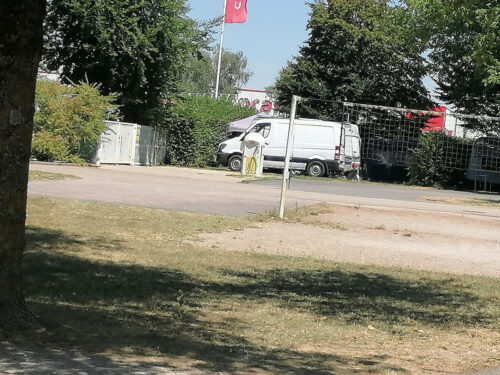
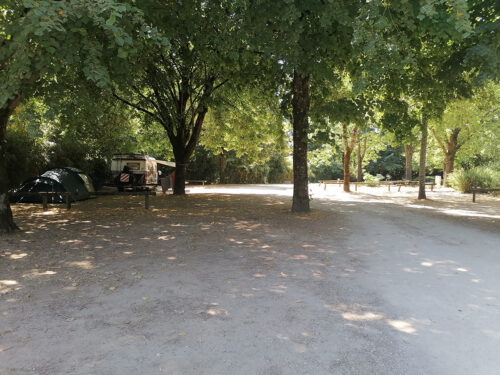
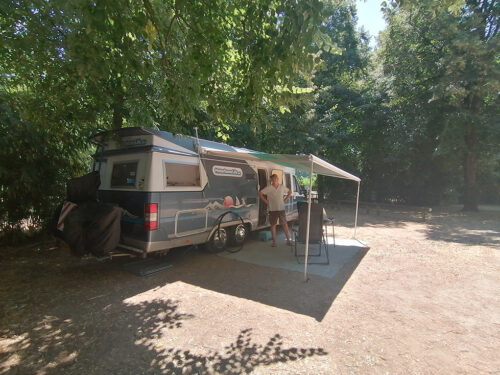
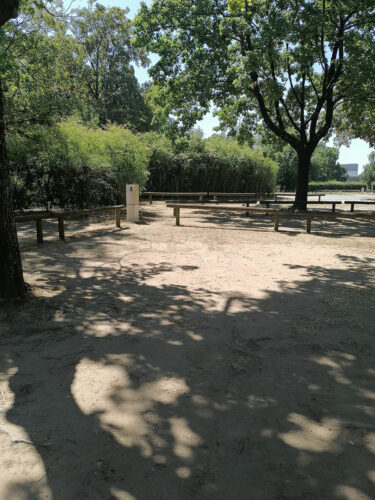
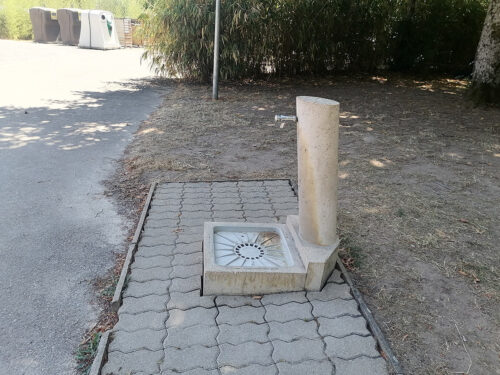
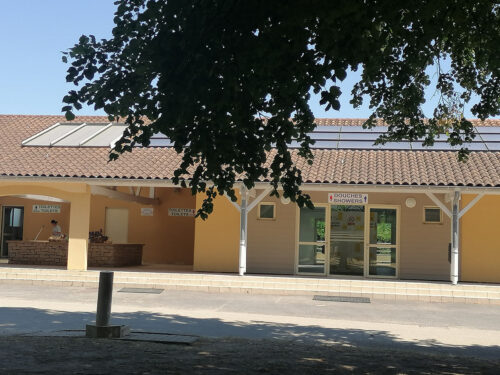
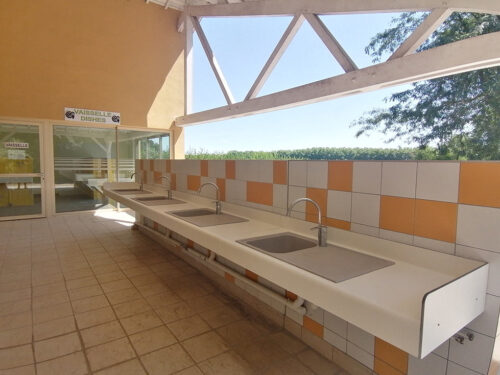
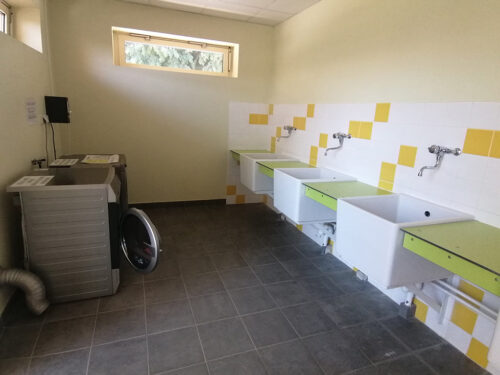
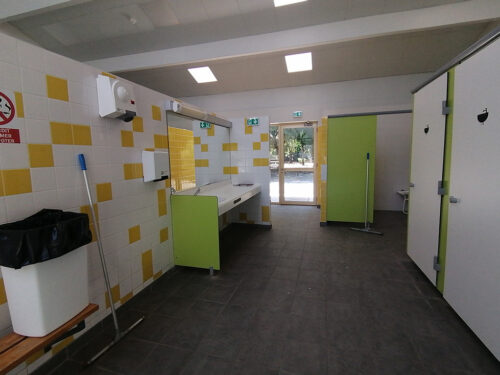
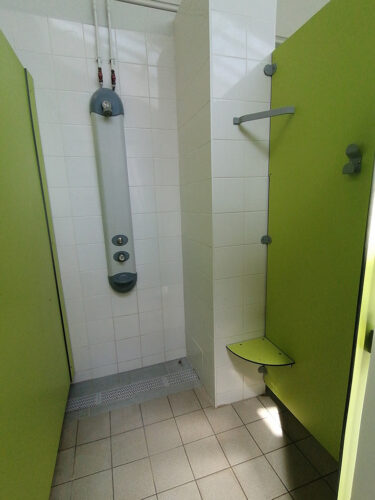
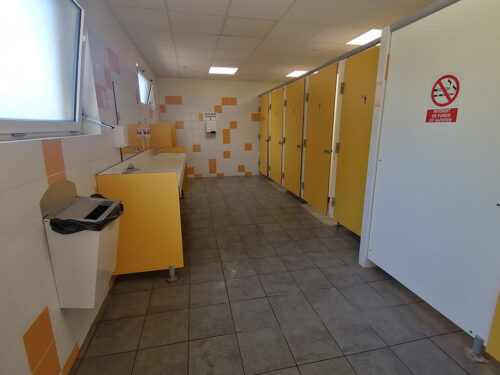
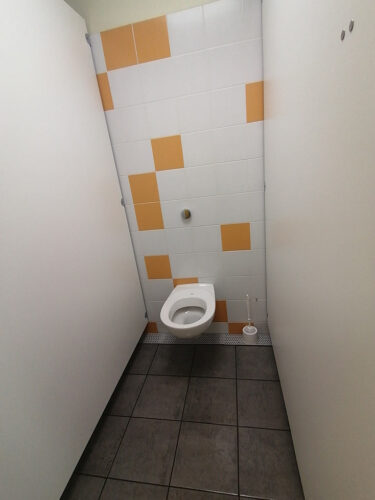
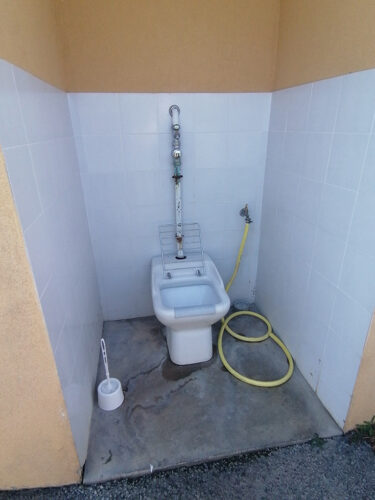
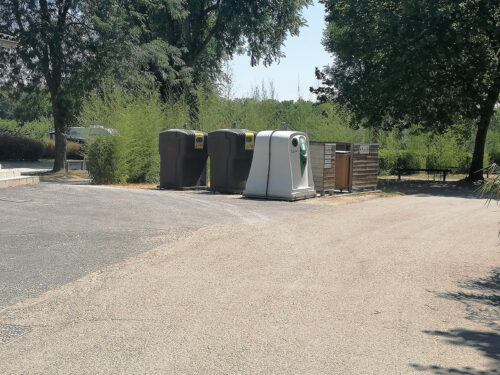
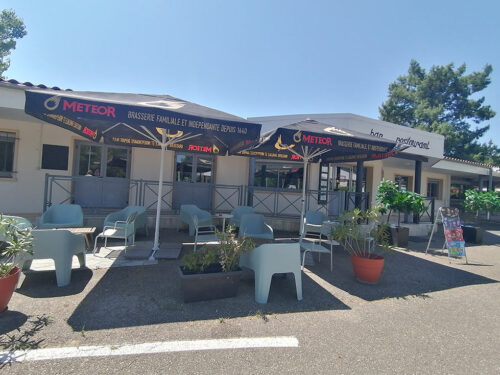
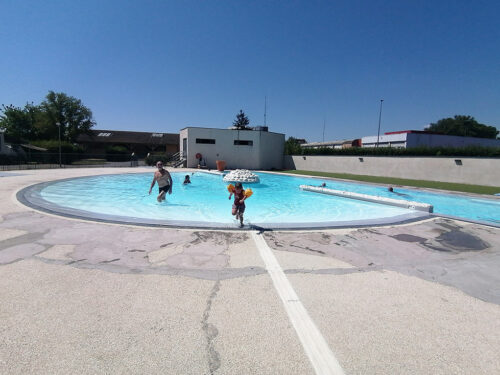
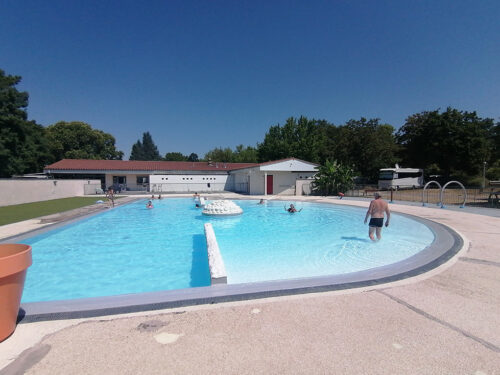
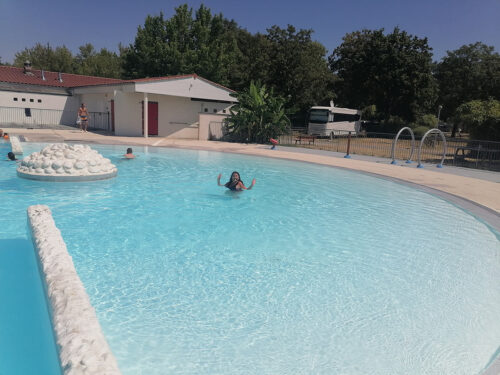
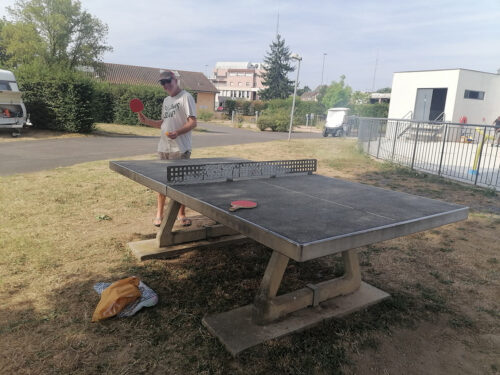
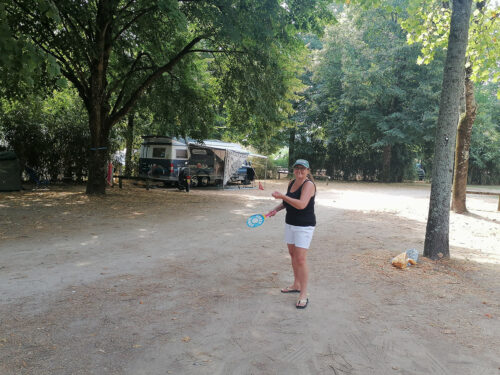
At the Mâcon Municipal Campsite (46.3307, 4.8445 lat/long), opposite a Lidl and several restaurants. We decided to stay for eight days due to the high temperatures. Staying for a week or more costs just €18 per day, including electricity and the tourist tax. It is a large campsite with shaded pitches. There are several facilities blocks featuring toilets, showers, a laundry area (€5), a chemical toilet disposal point, and an area to wash dishes with hot water. The toilets lack paper and seats—common in France—and the showers have push-buttons mounted flush against the wall. I recommend using the disabled shower, as it is a private cubicle and the button is easier to operate. Drinking water taps are located throughout the campsite, and the service area for filling and emptying tanks is near the exit. Amenities include a pool that is perfect for cooling off (though only 1.20 meters deep), ping-pong tables, a foosball table, and a restaurant. A Lidl supermarket and several restaurants are located right across from the campsite. The city centre is a 5-minute ride by scooter or 15 minutes by bicycle. I recommend it as a base for visiting the city.
What to see
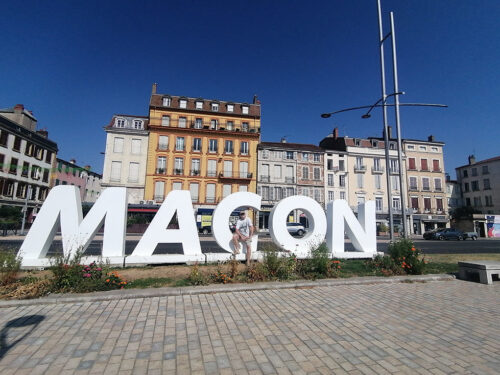
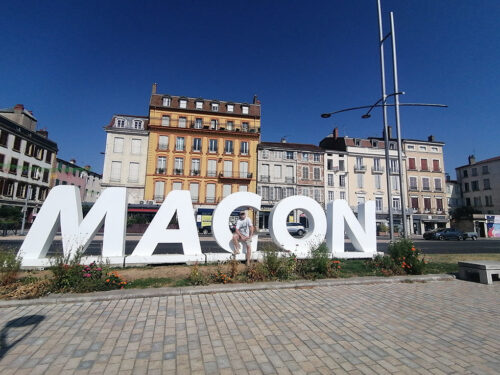
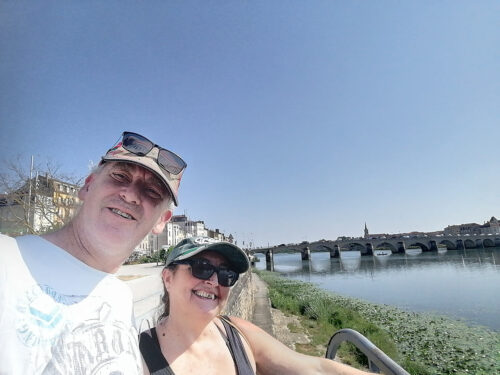
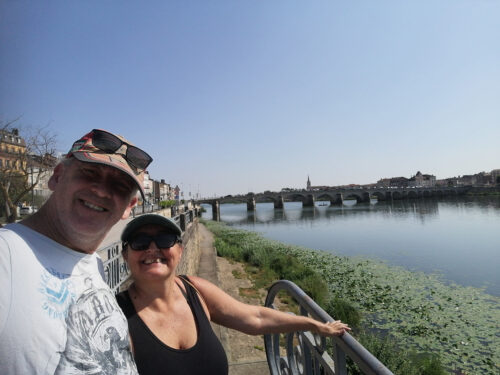
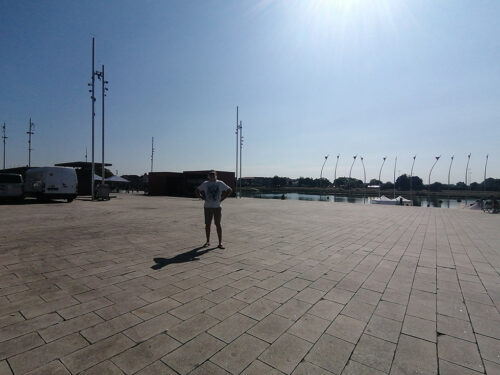
There is a lot to see in the city. We went by motorcycle and parked on the other side of the avenue running along the Saône, where you come across the city’s name and enjoy stunning views.
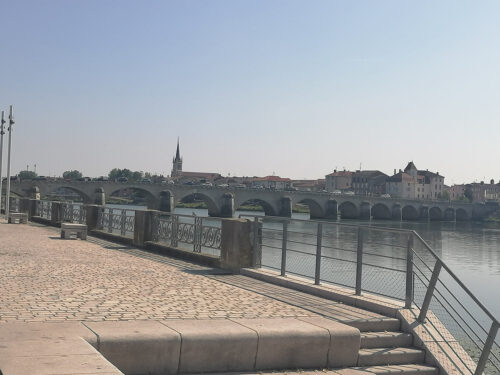
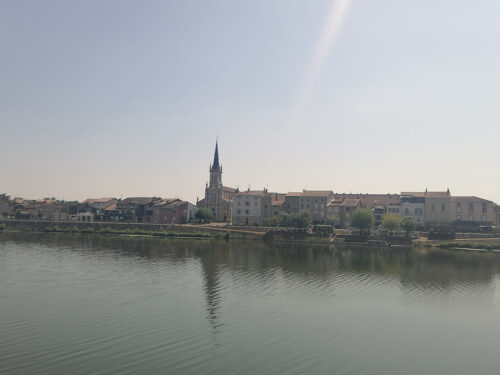
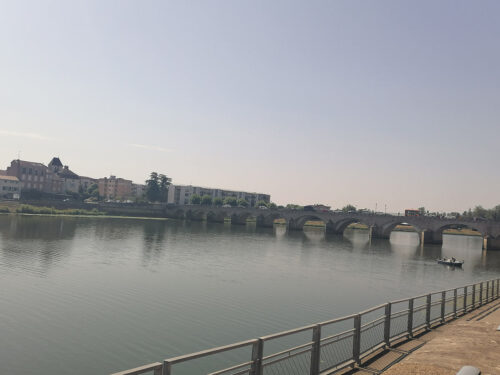
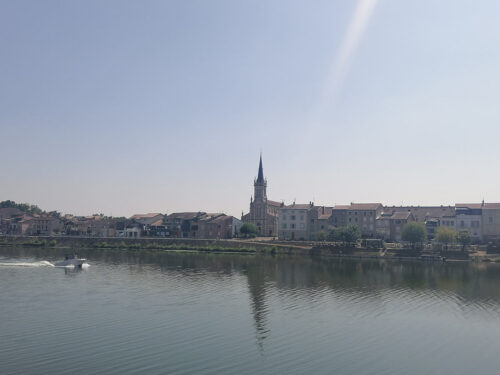
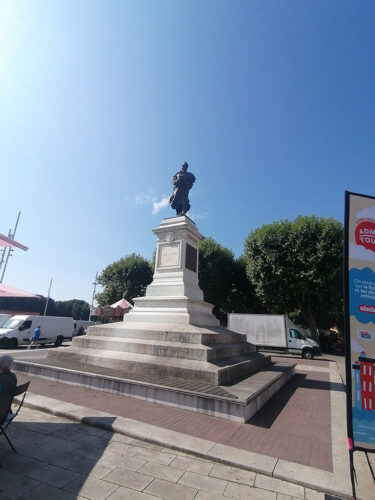
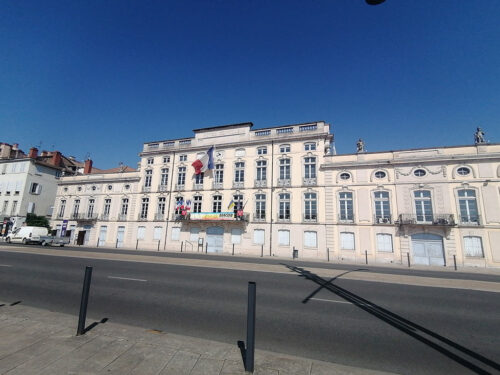
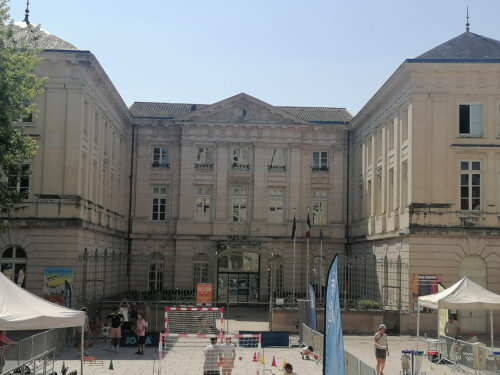
Continuing along the promenade, you reach a lively square in front of the town hall, where there is a statue.
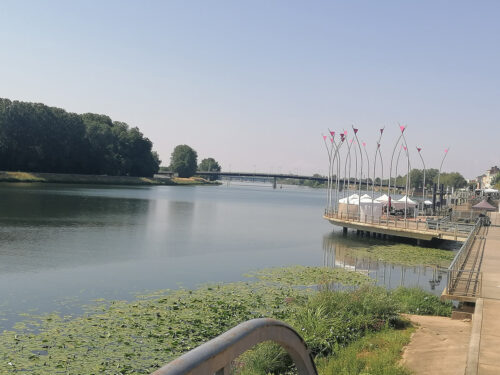
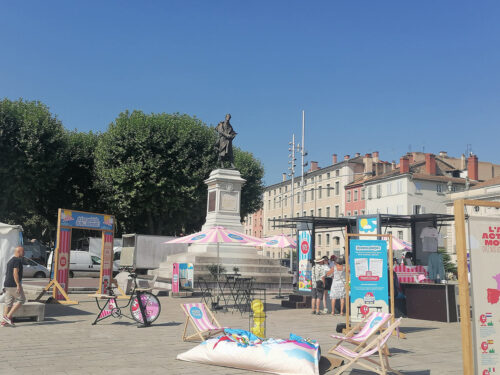
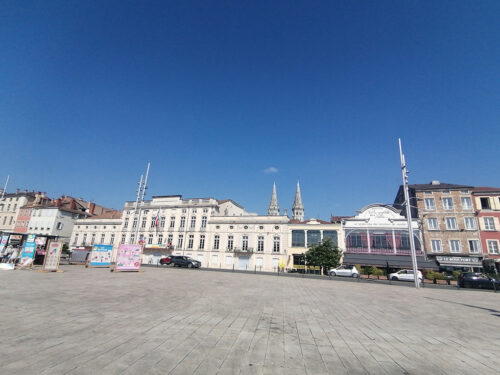
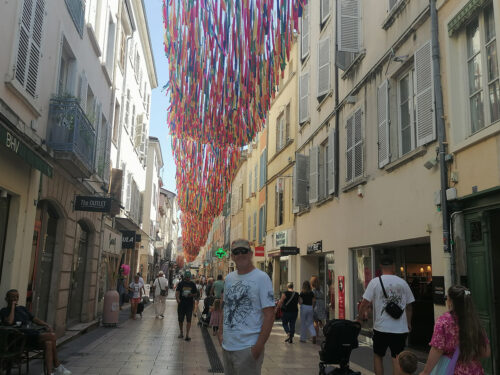
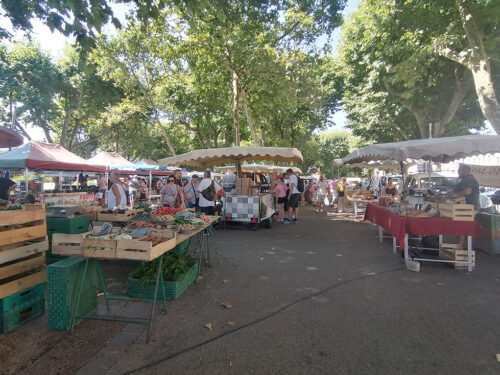
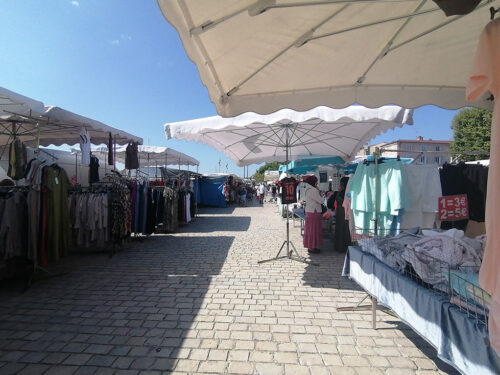
Next to the square, we came across a street market selling everything from food to clothing and antiques, and where one could sample the food—which is exactly what we did.
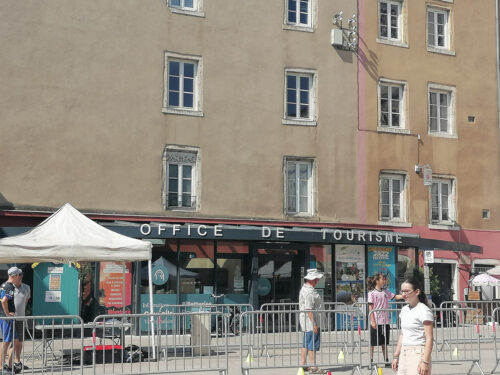
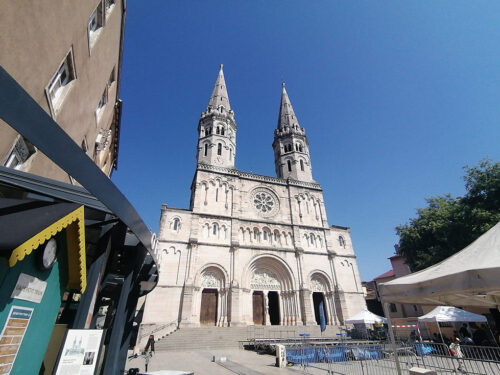
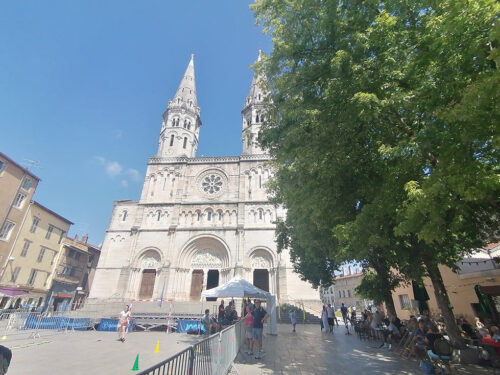
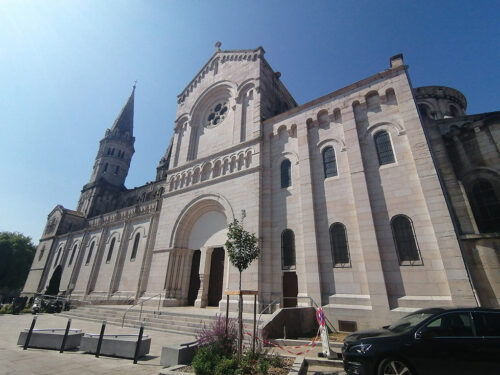
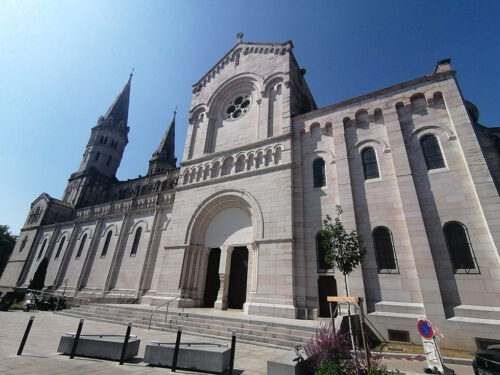
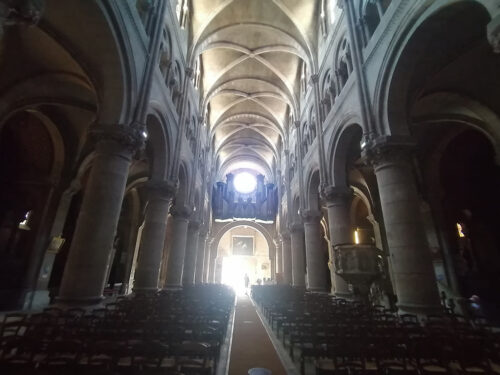
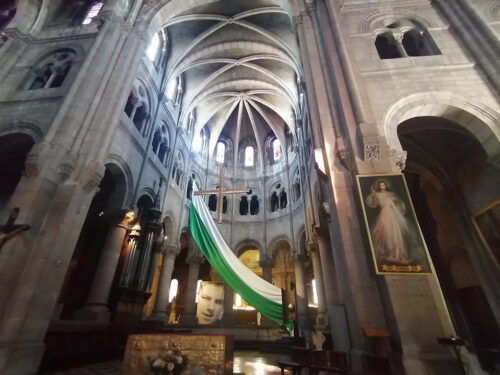
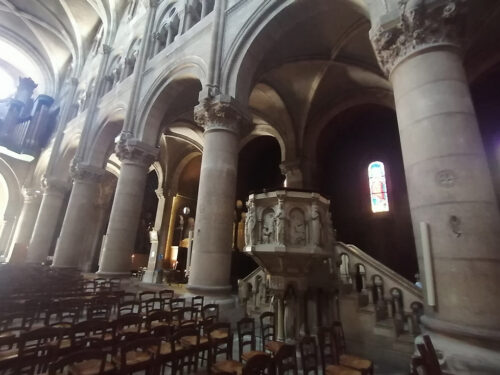
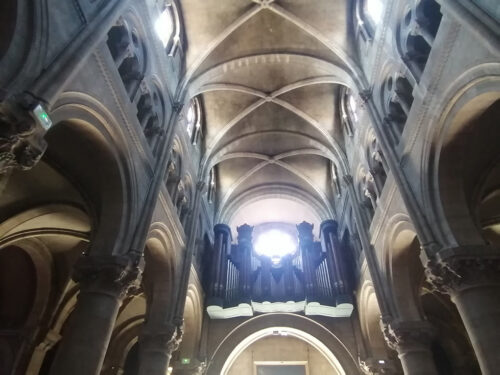
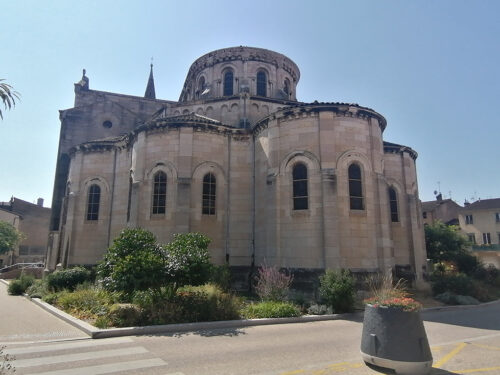
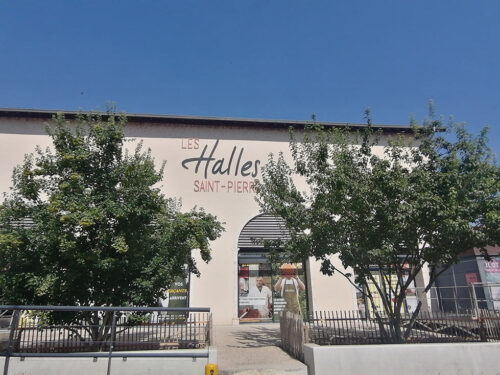
We crossed the street and headed to the lively Place aux Herbes—surrounded by bars—where the tourist office and the Church of Saint-Pierre are located; the latter is an impressive 19th-century church designed by the architect Berthier. The rear of the church is striking, and the municipal market—which was closed—sits opposite it.

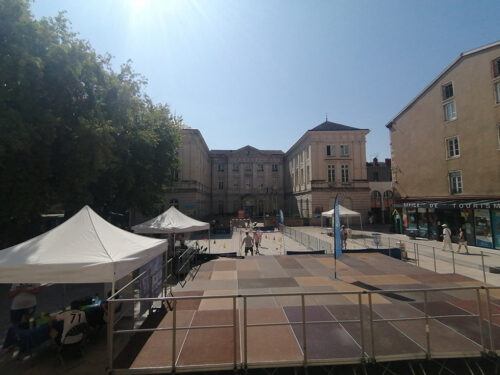
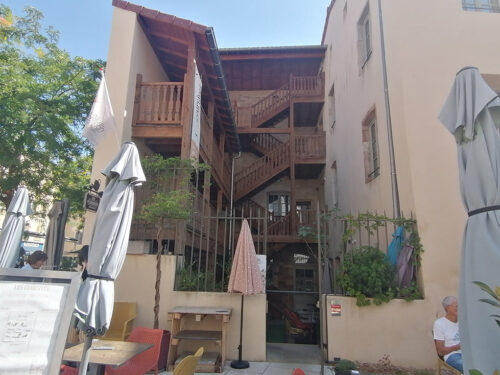
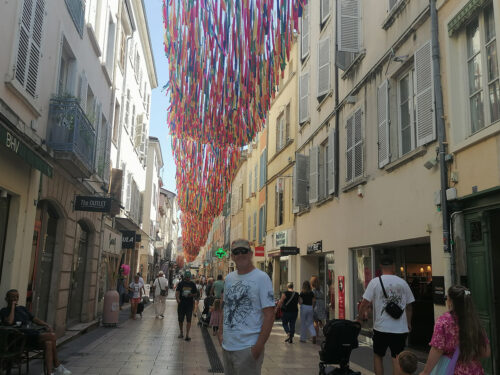
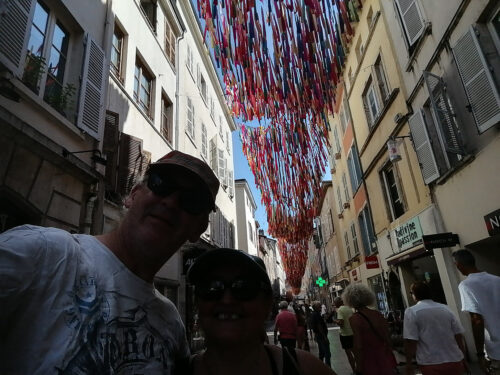
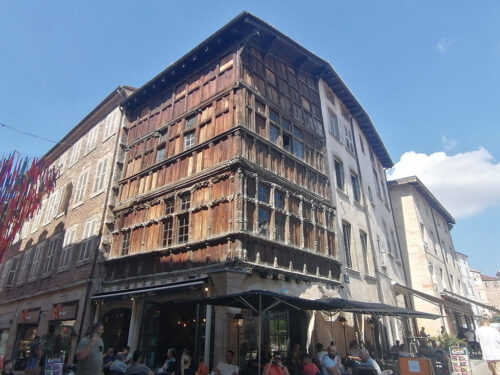
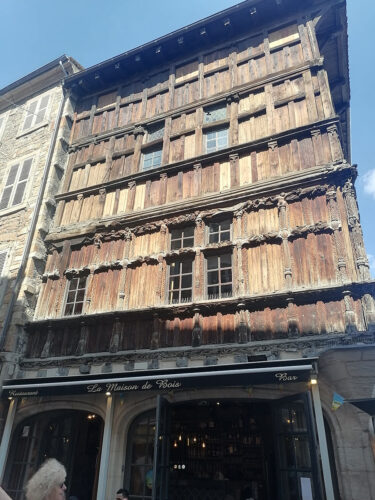
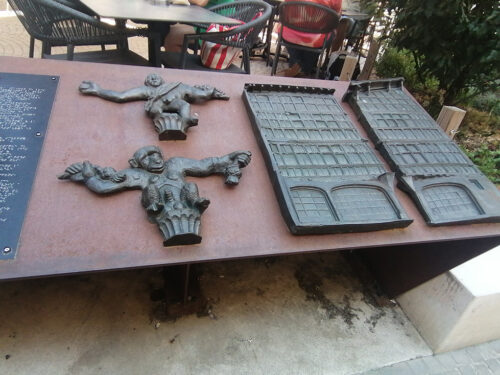
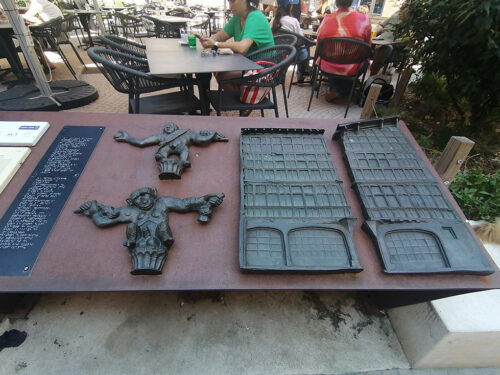
We strolled through the shopping streets until we reached La Maison de Bois, a centuries-old house with a wooden façade featuring statues of monkeys and masked figures.
Next stop: Dijon, known for its famous mustard and its buildings featuring architectural styles ranging from Gothic to Art Deco—which you will see in the next blog post.

