Italy – Cesenatico (En)
We went to Cesenatico, which we’d never heard of before, because we saw it had a port designed by Leonardo da Vinci. It’s a coastal town, but we didn’t like the beach at all. What we loved, however, was the port designed by Leonardo da Vinci, which is magnificent with sailboats, bridges, bars and delicious food. The old town, with its charming alleyways, is also very beautiful. This town is definitely worth visiting; we loved it.


Where to stay
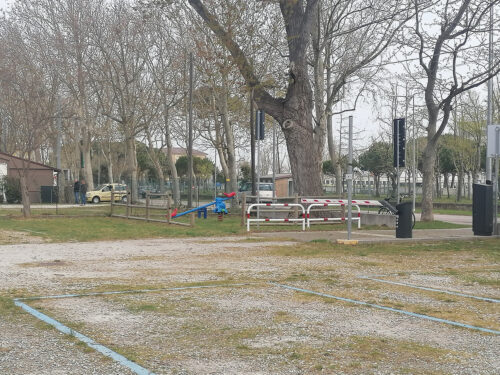
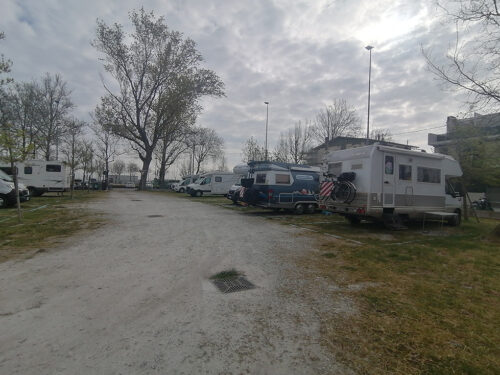
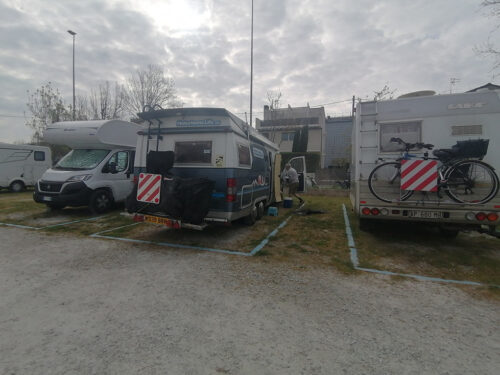
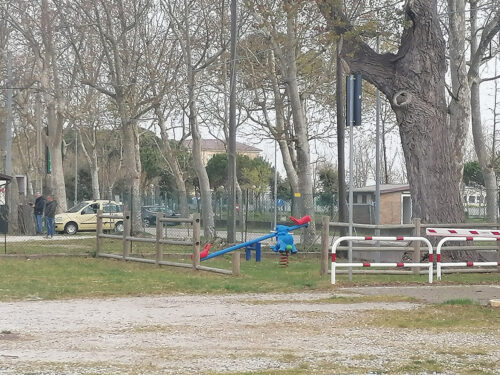
We stayed at the village’s motorhome area (44.189194, 12.415006 latitude, longitude), just 2 minutes from the beach. This is a new area that costs €7 per day, with a grey and black water disposal point, drinking water, rubbish bins, a children’s playground, and a shaded area with tables and chairs. Access is easy, as is the loading and unloading process. It’s a spacious, well-lit, and safe area. There’s a barrier that opens when you arrive and take a ticket, and you pay at the machine when you leave. You can only stay for 3 days. The area is opposite the beach and has a pizzeria nearby. It’s close to the seafront promenade, but the centre and port of Da Vinci are a 40-minute walk away. I recommend it for visiting this wonderful village.





What to see
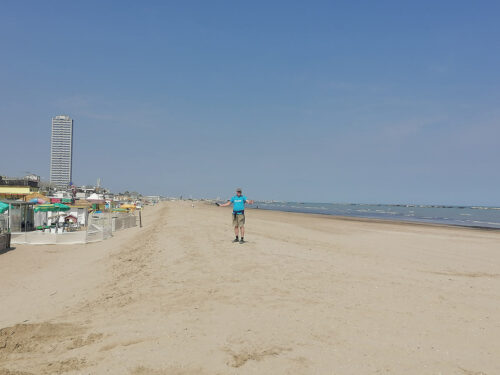
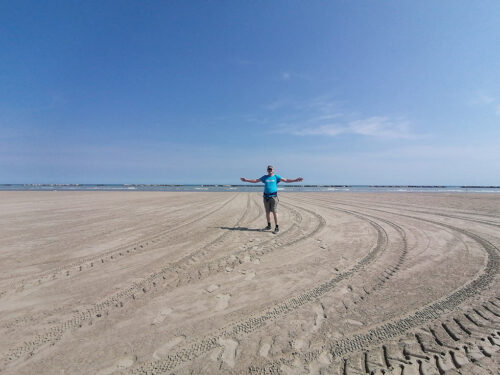
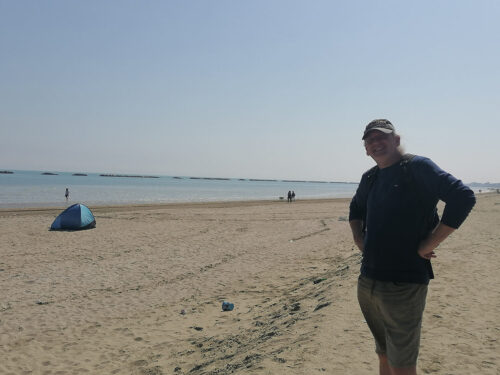
The first thing we did was go to the beach and see the statue of a famous Italian cyclist. We didn’t like the beach at all, as it’s full of beach bars with playgrounds, all very touristy and family-oriented, which you have to walk through to get to and from the beach.


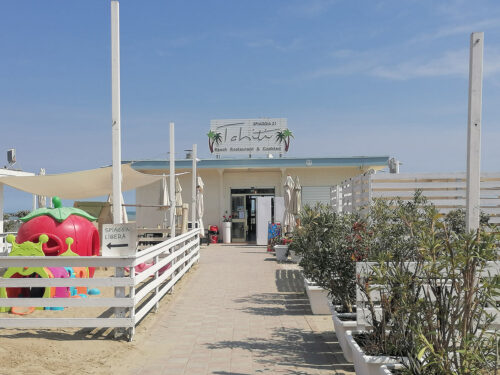



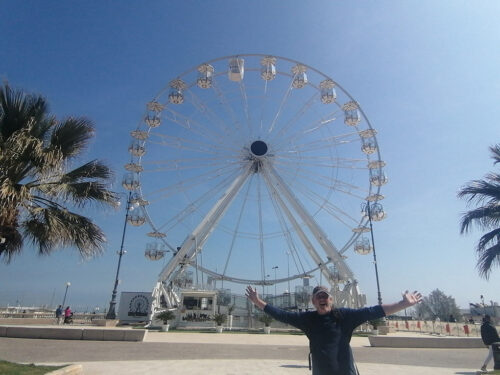
The next day, we went to see the town on the motorbike. The first place we stopped was on the seafront promenade, with a giant Ferris wheel, and people were doing Pilates. You can’t walk along the beach because, as I said, you first have to go past the beach bars, which aren’t very nice.





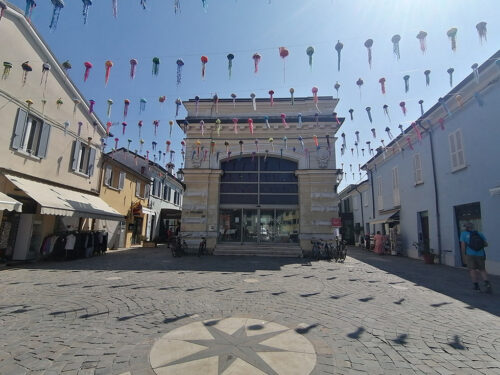
From there, we went and parked at the port, which we crossed on foot until we reached the old town, where the fish market is located, very beautiful with jellyfish hanging in the street.




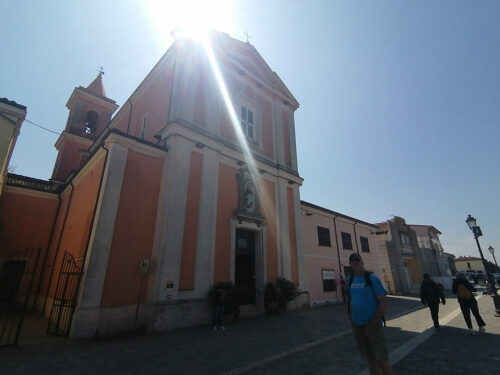
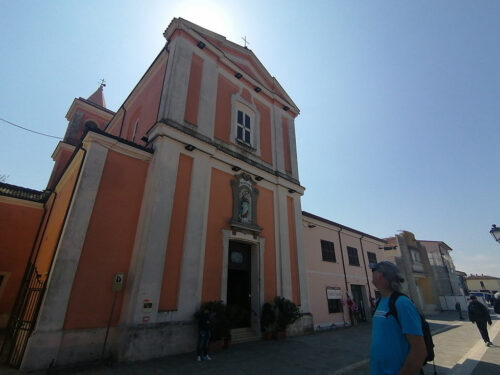
Then we went to Conserve Square, where in the centre there is a statue of Garibaldi, and on one side is the Basilica Cathedral of Cesena, which we were able to visit.




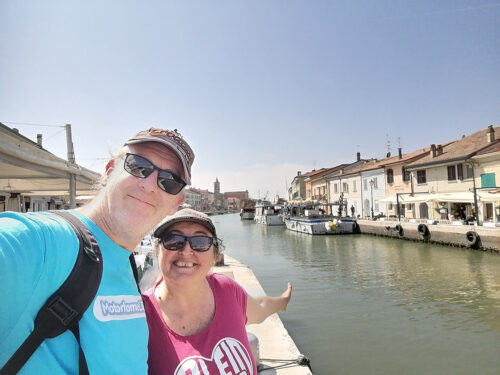
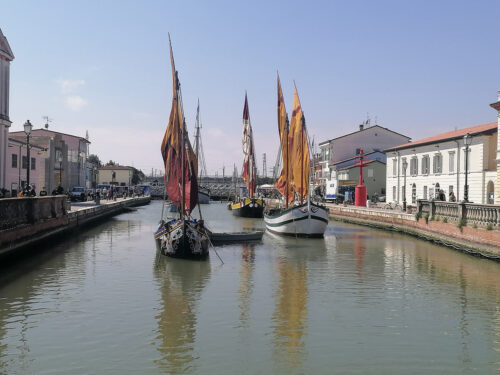
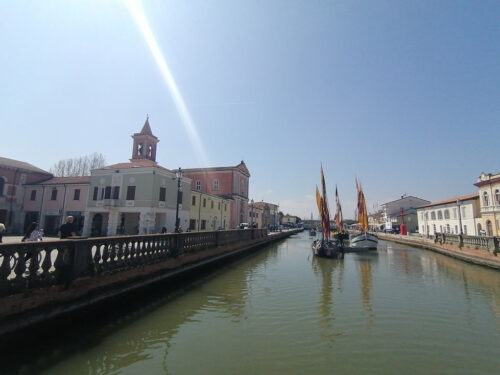
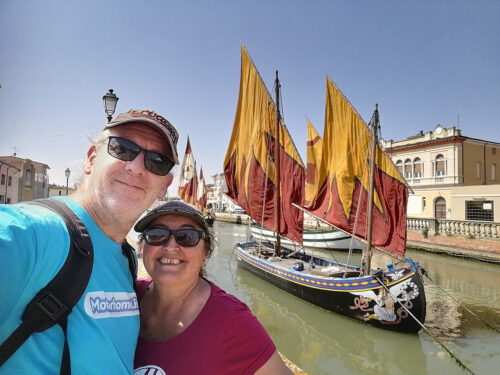
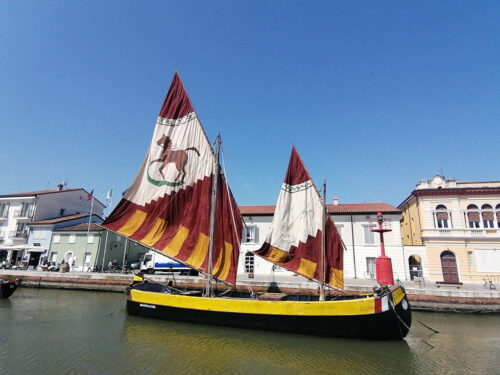
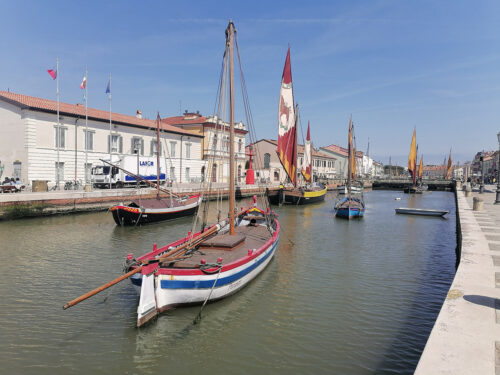
Then we explored the Leonardesco Canal Port. The history of Cesenatico’s port began around the canal harbour, inaugurated at the beginning of the 11th century to provide access to the sea. In 1502, Leonardo da Vinci created the relief commissioned by Cesare Borgia. Today, the Leonardesco Canal Port remains the heart of social life, surrounded by restaurants. A section of the harbour is reserved for traditional Adriatic sailing boats. We loved it; it was completely different from anything we’d seen before.








What to eat
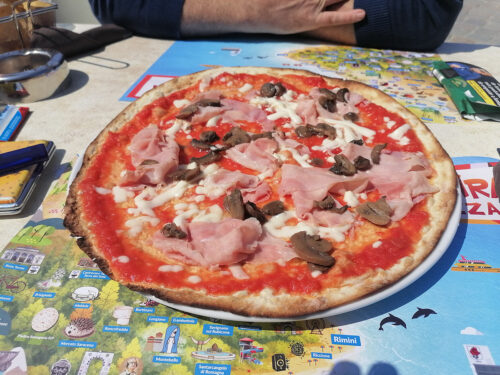
The typical foods are seafood, sausages, pizza, and some brochetas (pizza bread) that we loved. With all the lovely restaurants along the canal, we decided to have lunch at one of them. We chose Mattira because they had the local vermouth called Aperol Spritz, and Ben wanted to try it. I highly recommend this restaurant; with your vermouth, they give you free tapas that practically make a complete meal. Ben ordered his Aperol Spritz, and I had a piña colada, which was delicious. For tapas, they brought us olives, potato chips, peanuts, and a plate of assorted brochetas. The brochetas are like pizza, but with different bread; they were delicious. We also ordered a ham, mushroom, and olive pizza to share. We liked the brocheta more than the pizza! We ate very well and cheaply, all for 25 euros.


We said goodbye to this great town and went to Fano, the largest Roman settlement on the Adriatic coast, which you can see in the next blog post.

