Italy – Fano (En)
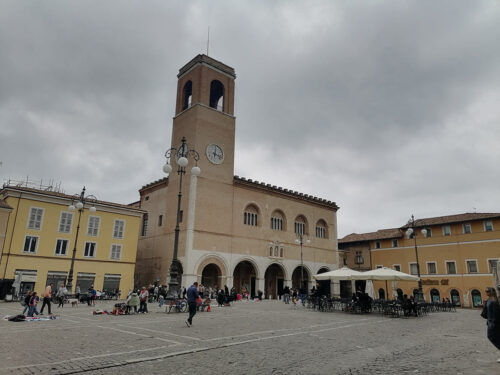
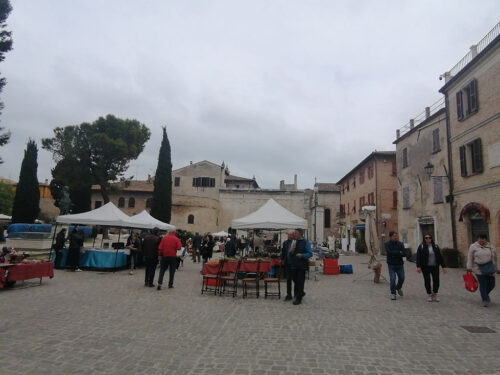
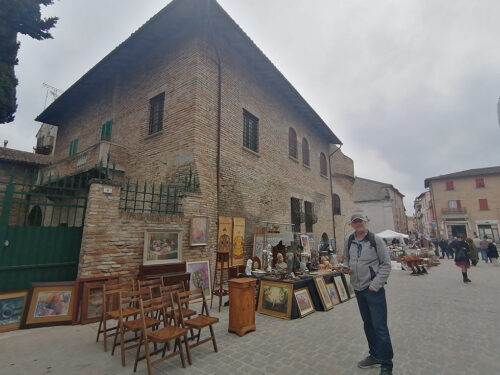
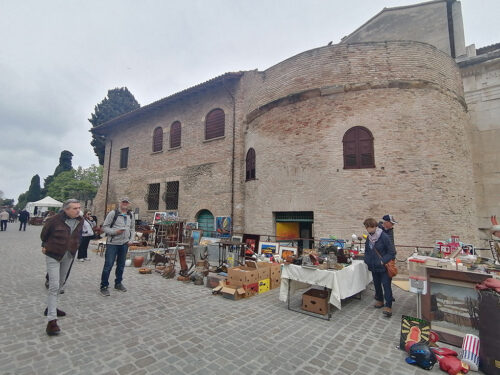
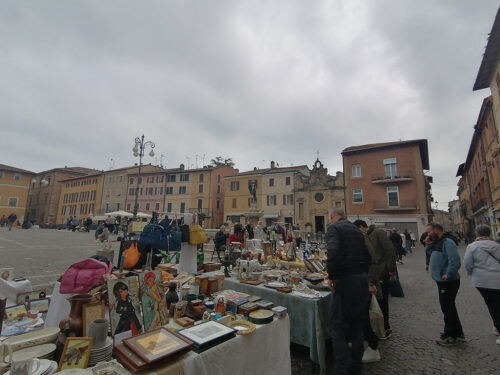
We decided to visit Fano before taking the ferry to Greece. When we visited Fano, we discovered a very lively city with a beautiful old town. We were told that the city dates back 2,000 years and it was founded by Julius Caesar in 49 BC. We were there on a Sunday, and the entire old town was a bustling antique market—it was fantastic.


Where to stay
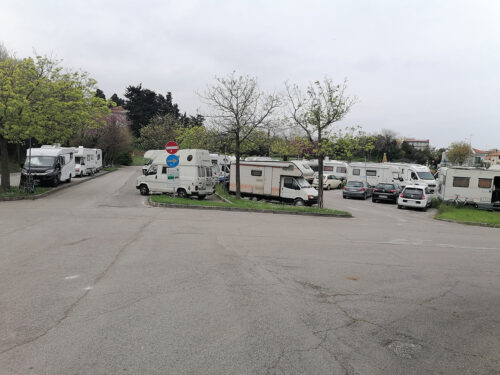
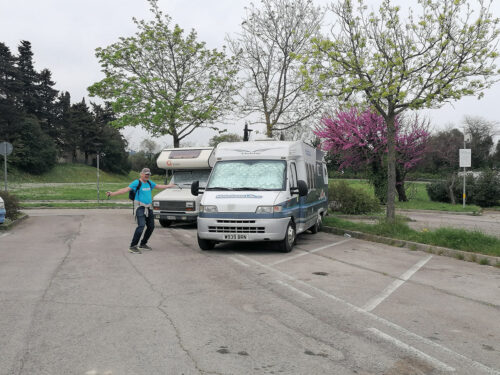
We stayed at the free Kennedy Parking campervan area (43.845798, 13.0103 lat, long) near the city centre. It’s a parking lot with bins and a loading/unloading zone in front. There are supposed to be designated campervan spaces, but cars park wherever they want, so they take up most of the space. If you arrive mid-morning, it’s difficult to find parking. The location is great; you can be in the old town in 5 minutes. It’s a good place to spend a day and visit this beautiful city.


What to see
We walked to the city centre and passed by the Albani Canal, artificially constructed in 1723 to bring water to the Borghese Port. The canal is home to freshwater fish, molluscs, crustaceans, and amphibians.


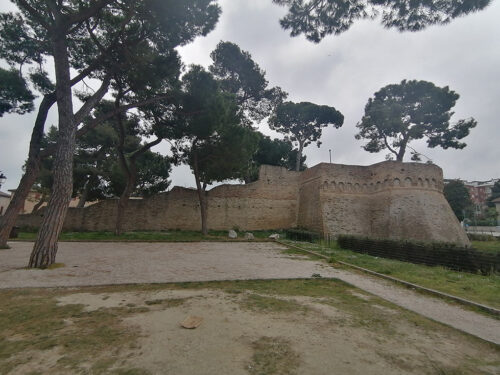
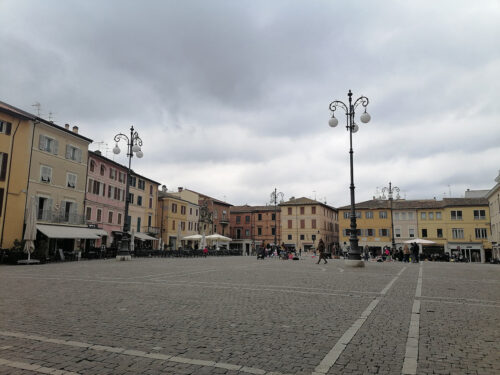
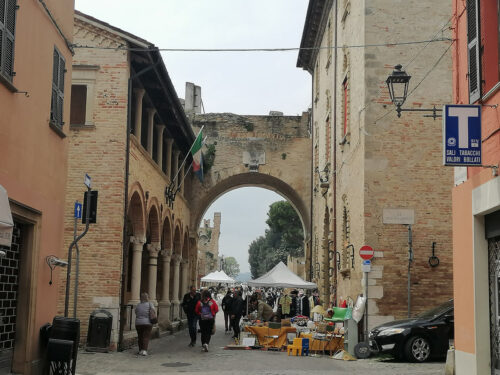
Crossing the canal, we came to the medieval walls where the antique market began. There’s a lovely square surrounded by medieval and Renaissance buildings, with a statue of Julius Caesar and a model of what the town looked like in the past. Stalls selling secondhand goods and antiques line the square.



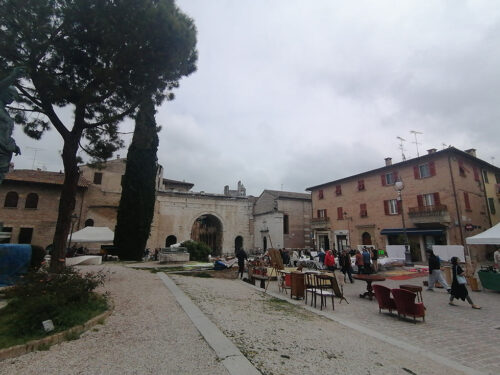
Of particular note is the Arch of Augustus, one of the city’s most important symbols, marking the access to the sea from the ancient Roman road. It is the main gateway to the city and dates back to 9 BC. It features an inscription on its frieze.
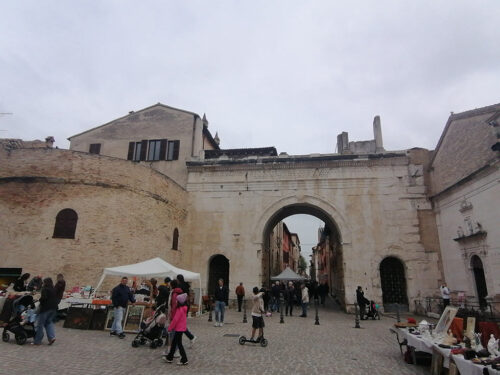
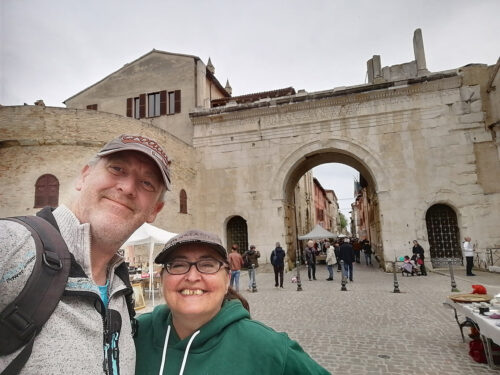

We entered the old town, and all the alleyways were full of stalls. It was really cool. We walked past a church, but they were having mass, so we couldn’t take any pictures.

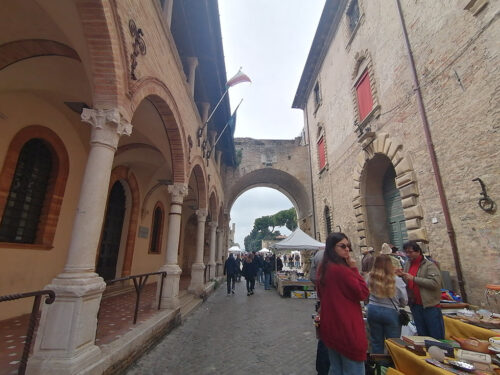


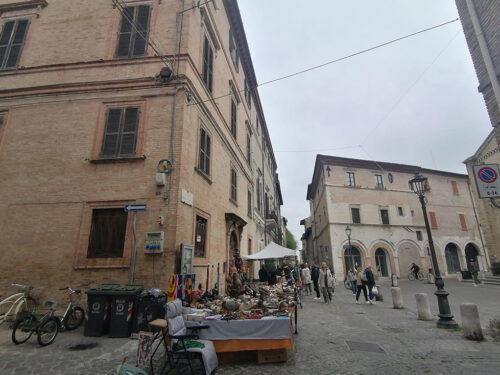


We arrived at a square with more stalls and the San Domenica Art Gallery.


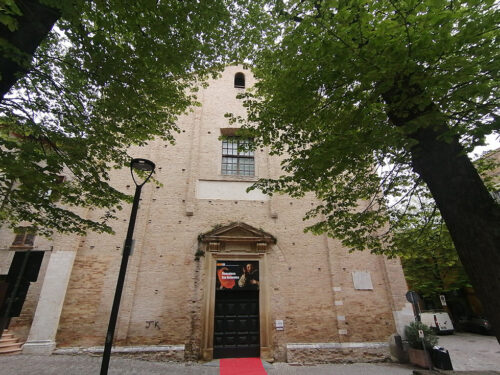

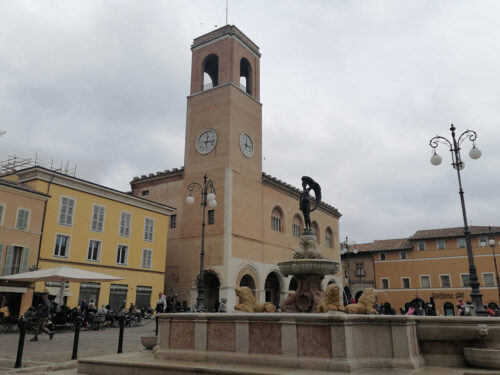
The Archaeological Museum and the Painting Gallery of the Malatesta Palace are amazing. We entered and explored without paying. There is supposed to be an entrance fee, but we didn’t see the ticket booth inside, so we were able to see most of the palace for free. The Malatesta Palace was built in the 14th century with a beautiful vaulted hall and a small turret. The modern section was built in the 15th century. Inside the palace are the archaeological museum and the art gallery. The museum is divided into four areas: archaeology, numismatics, ceramics, and art. Of particular note is the statue dedicated to the Goddess of Fortune, a symbol of the city. The statue is a perfect bronze reproduction.


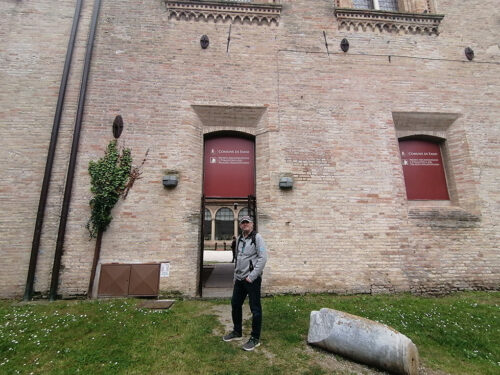
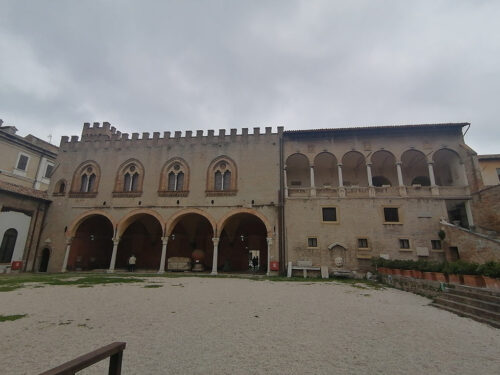
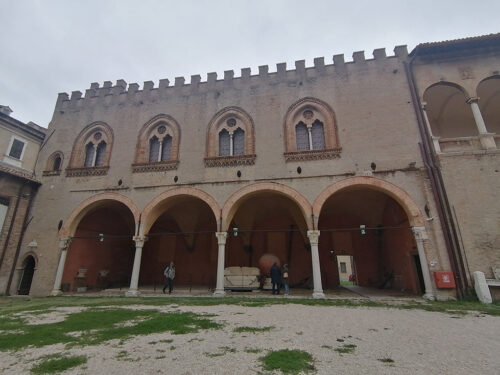
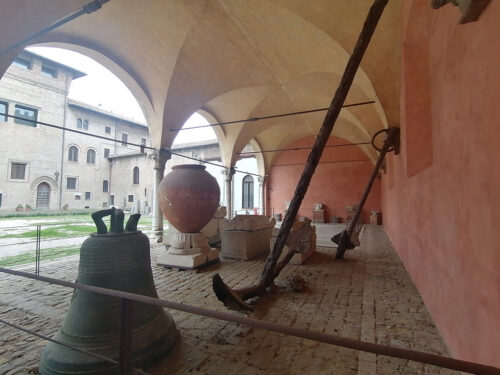


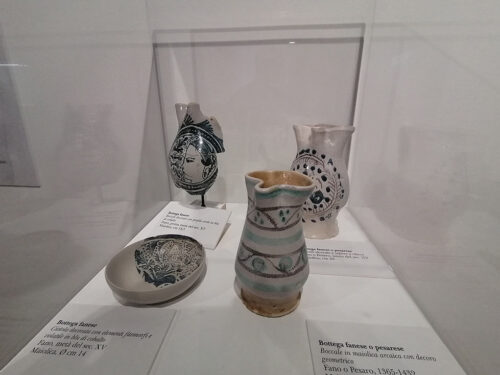

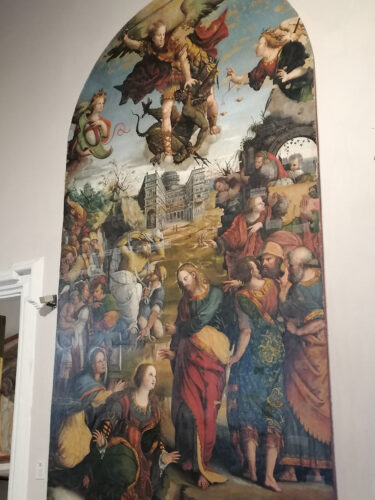


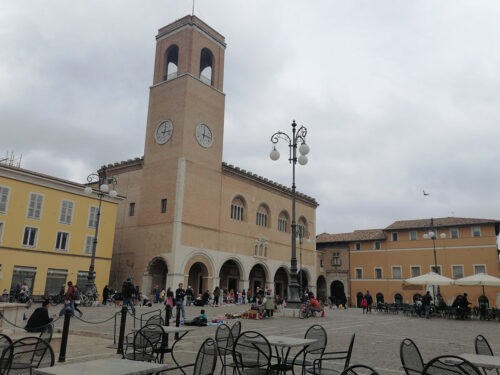
We left the palace through a door that opens onto the Theatre of Fortune Square. The plaza is really cool and has even more stalls. There’s a church there that’s almost hidden; you can only see the facade. It’s the Church of the Virgin of the Square, from the 13th century, which we loved.
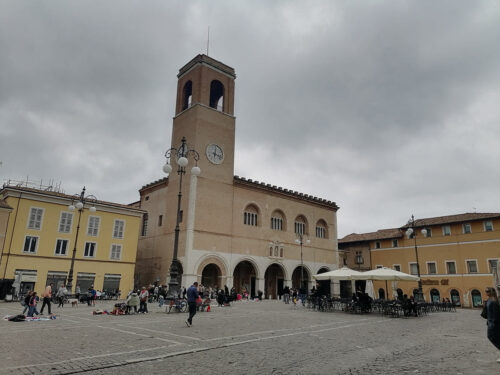


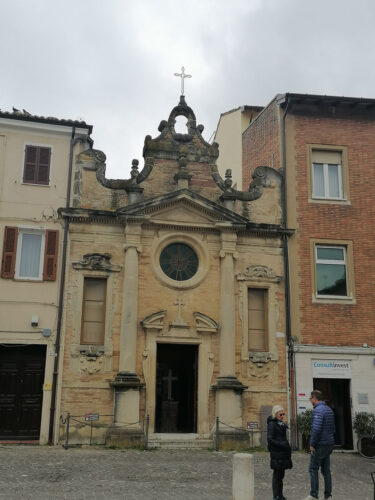


We continued exploring the old town, passing by a very peculiar Orthodox church, until we returned to the Gate of Augustus.
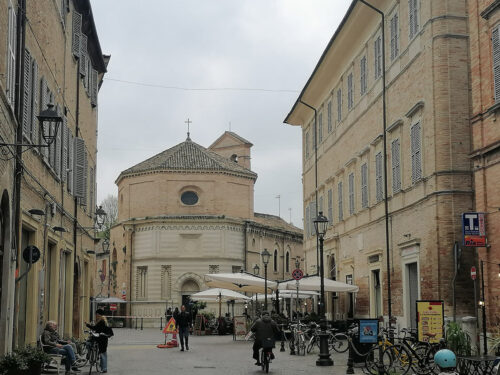

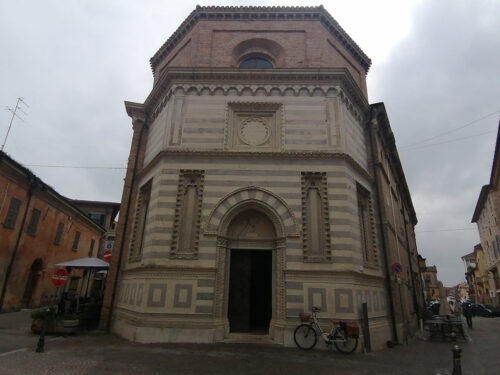


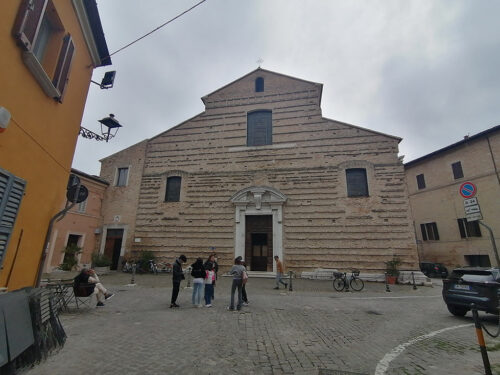


The next day, we took the ferry to Greece, where our first stop was in Plataria, a town with a beautiful marina, which you can see in the next blog post.

