Greece – Peloponnese – Kalamata (En)
Kalamata is the capital of Messinia, in the Western Peloponnese, which has supplied the world with its black olives for centuries. It is the second most populated city after Patras and the main port of the Messinia region. In Kalamata you will find ancient relics and houses with Byzantine architecture with red-tile roofs, small alleys and stone-built churches.

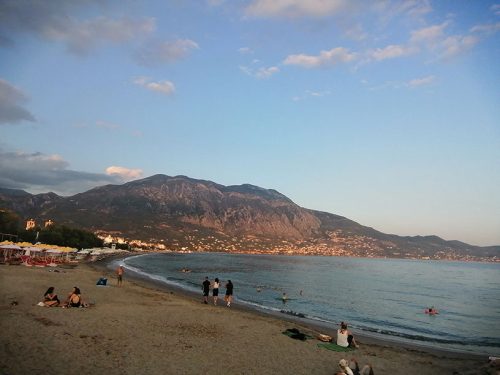
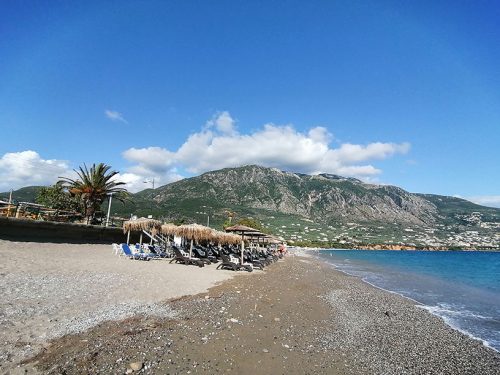
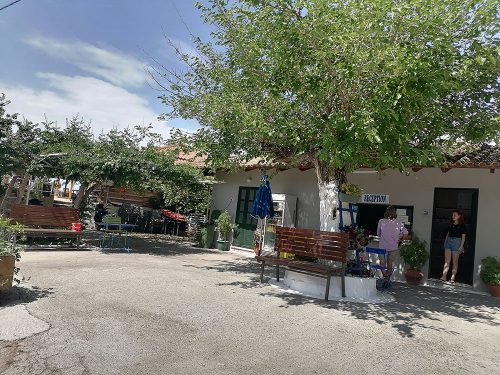
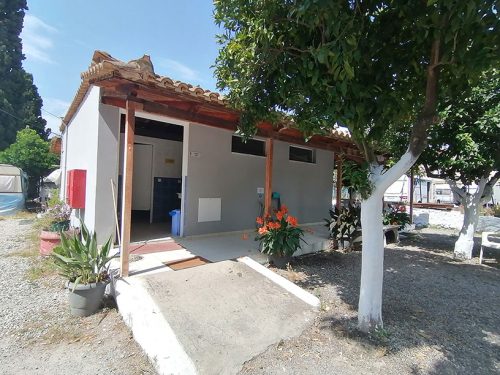
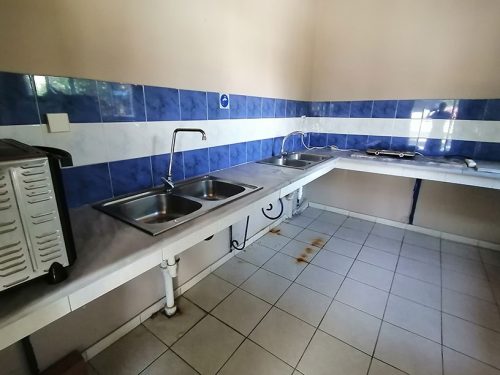
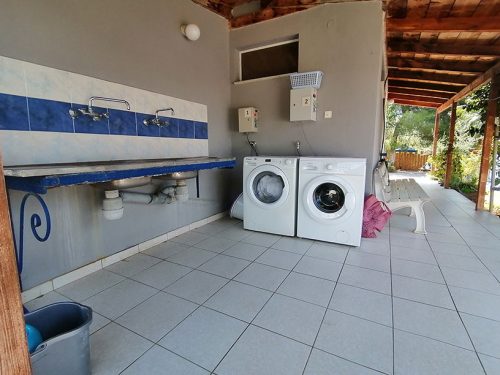
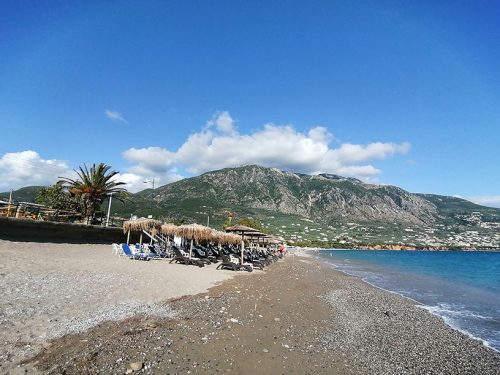
We stayed at Camping Fare (37.021118, 22.143731 lat, long), right in front of the beach, you cross the road and you are there, less than 100 metres. It has big shade plots, the facilities are excellent including music when you are having a shower. It has a kitchen area with fridges and freezers that you can use, and washing machines for 1 euro! You can walk on the promenade until the harbour, take a bus to the town centre, or go on a motorbike as we did. 20 euros per day if you pay in cash. We totally recommend it!




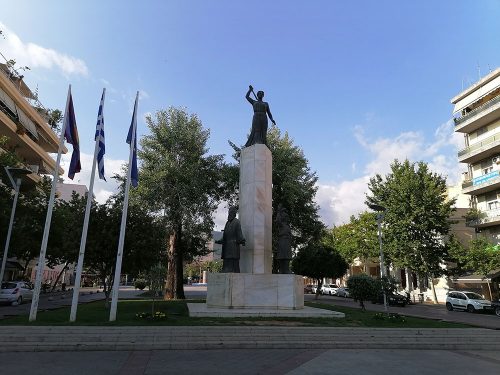
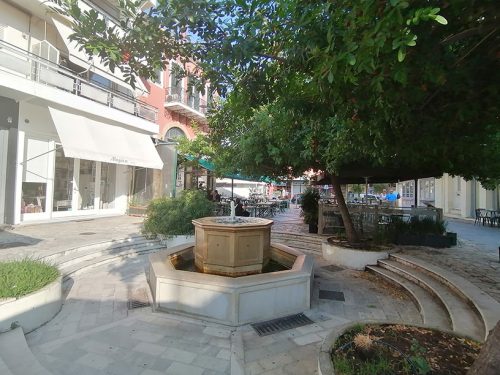
We went on our motorbike to the town centre and parked in Central Square, Platia Trion Navarhon, where you will find a lot of cafes, restaurants and shops. Going up you will find the Vasileos Georgiou Square which has a cosmopolitan air and it is full of cafes, bars and shops. It leads to Aristomenous Street (the main shopping area), with several arcades full of shops where you can also eat something. You will enjoy the neoclassical structures, among them the beautiful building of the Bank of Greece.



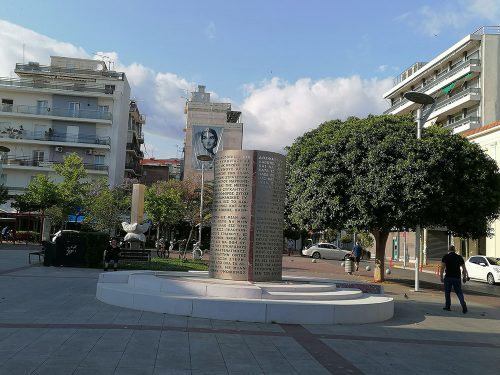


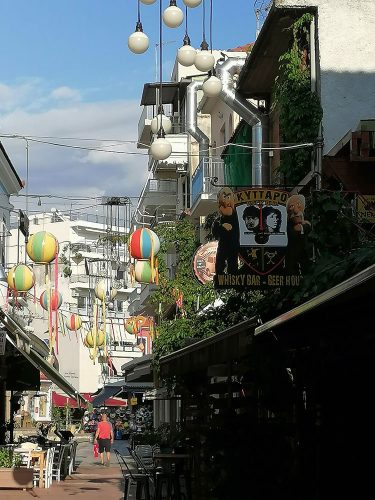
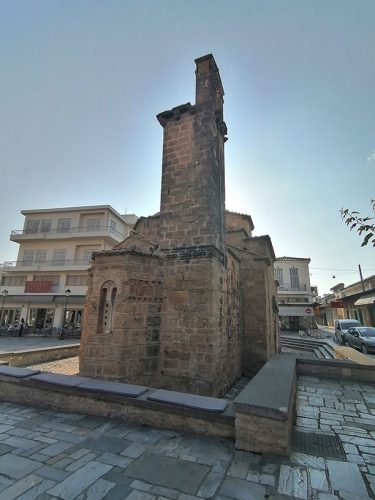
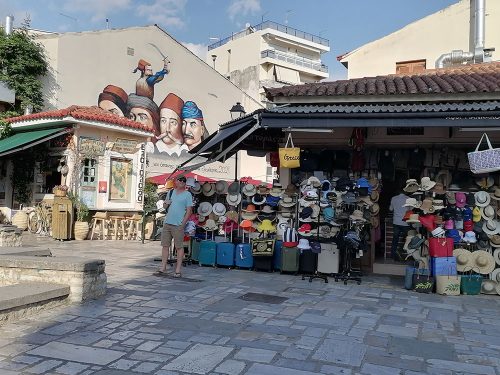
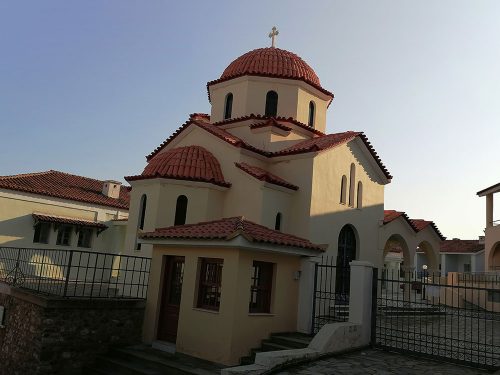
The city has a beautiful old town, with narrow streets, traditional houses and a lively market. In the old town is the 23rd March Square for us the most beautiful in the city and not only captures the history but also the magical atmosphere of Kalamata. This square takes its name from the date of the liberation of the city from the Turks, in 1821. The tiny Church of the Holy Apostles in the centre of the square is where the revolution is said to have been declared and celebrated the first mass of the liberated city. Around it, there are shops, cafes, bars and taverns.








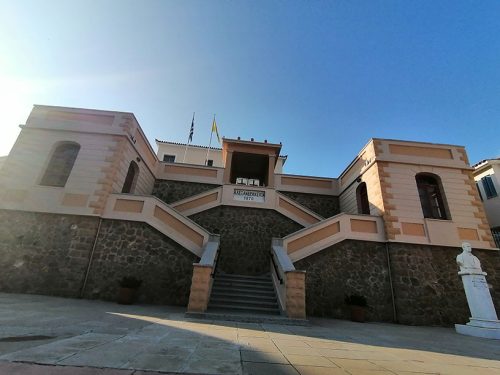
There are two museums in the old town. The Kalamata Folklore Museum, housed in the 19th century Kyriakou Mansion, has two floors and has collected memorabilia related to the 1821 revolution against the Ottomans, as well as other objects of daily life, and the Archaeological Museum of Messinia, with exhibits from prehistoric to Byzantine times.

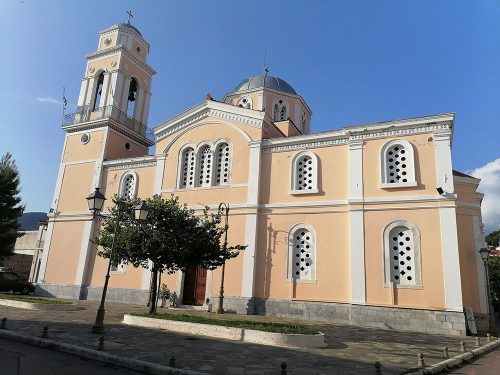


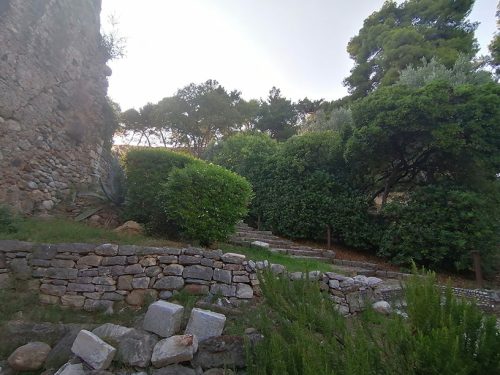
Located just above the old town market and past the Church of St Efrem is the Kalamata Castle. Dating from the early 13th century, it was built by the Byzantines and finished by the Franks, with great views of the city. The Kalamata International Dance Festival is held there every July and they were practising when we were there.


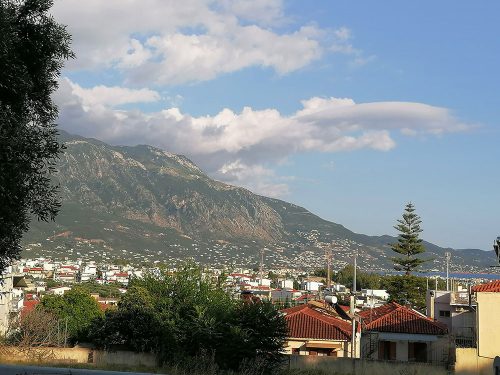


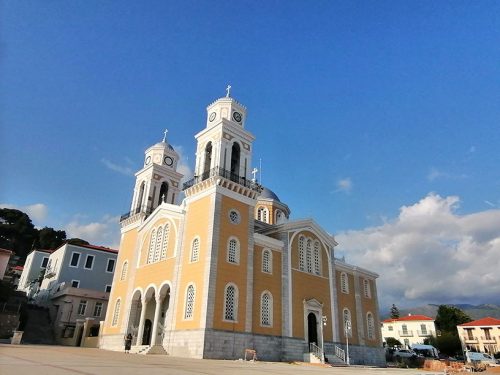
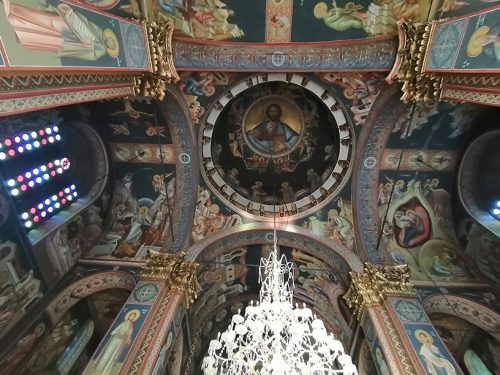
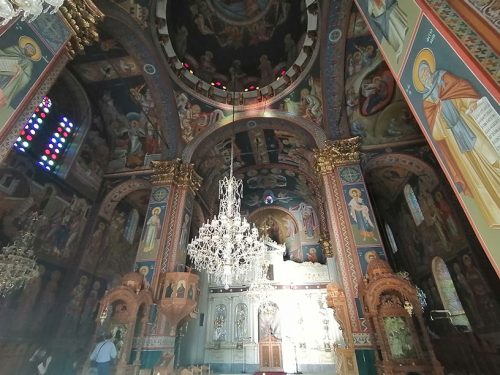
Among the most important attractions of the city, we can mention the Byzantine Church of Agios Andreas, which stands on a hill above the city and offers panoramic views of the surroundings. It has two bell towers and a blue dome, and in its square, there are a series of statues in a row, one presiding over the rest.







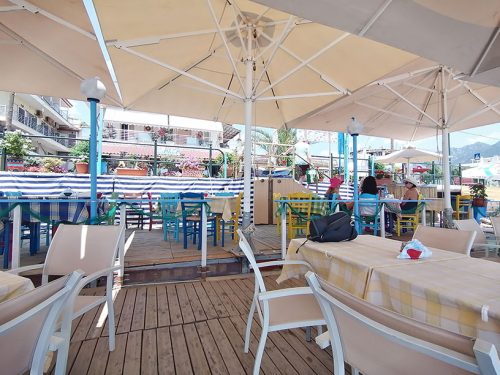
We walked along the promenade until we arrived at the famous Kalamata pier. Here is where city life gravitates during the summer, you will pass cafes, shops and great ouzo and meze places and bars serving everything.

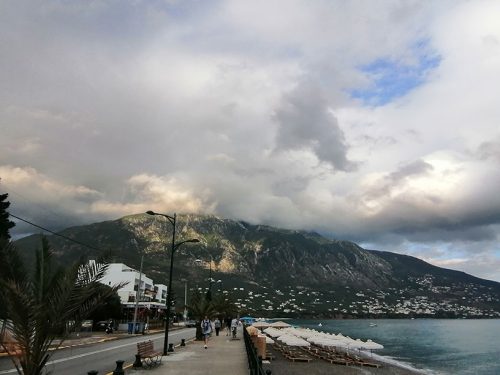
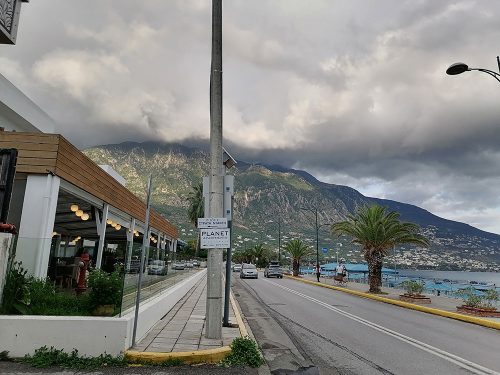
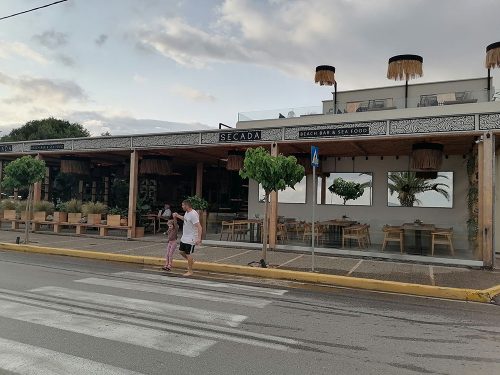
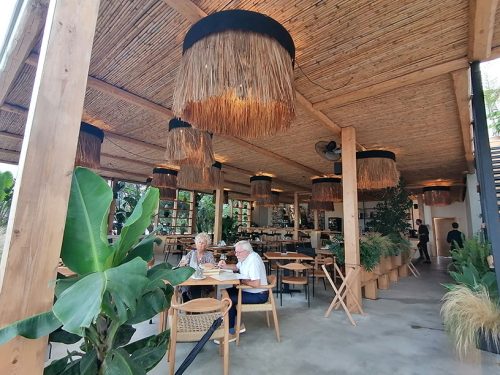


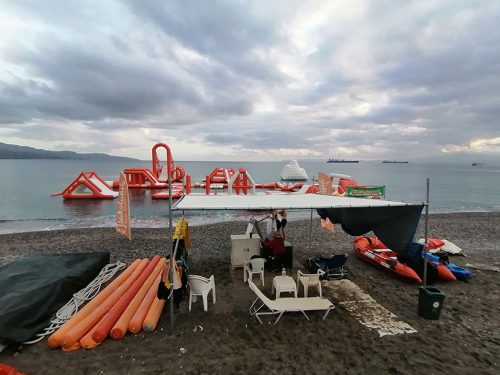

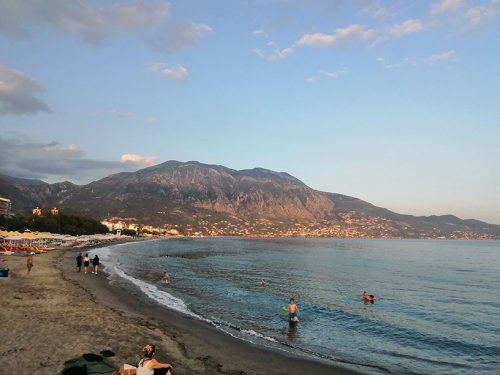

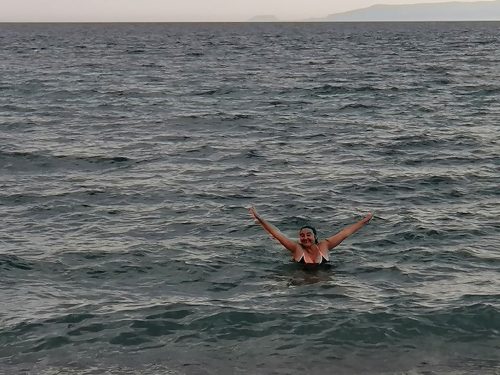
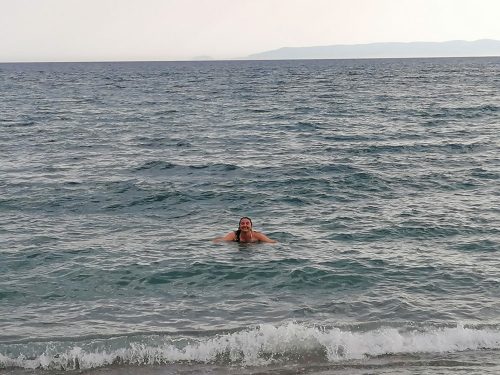
Of course, we enjoyed swimming on the beach every day where the sunbeds are free if you just have a drink or something to eat. And clearly, we went to lunch in one of the beach restaurants where we had sardines, only 6.50 euros per ration and where we enjoyed the sunbeds and the sea.



Our next stop is another town on the coast called Finikounda, in the municipality of Pylos-Nestor, in Messenia, famous for its beaches and food in its taverns. And you can see this in the next post!

