Spain – Castellón de la Plana (En)
Castellón de la Plana, overlooking the Mediterranean Sea in the province of Valencia, is packed with fascinating places. It is a great city to try Valencian cuisine, soak up the culture, and visit fantastic beaches in Costa Azahar.


Where to stay
We stayed in a paid caravan park (9.98051, -0.06513 long, lat), opposite a huge shopping centre with a supermarket and shops. The park cost 15 euros, but when we arrived there was no electricity so we were charged only 10 euros. There is a washing up area, toilets, and showers, as well as grey and black water loading and unloading. The manager is very friendly and helps you with everything. There is also a caravan mechanic who looked at our brakes and told us everything was fine! It is a 40-minute walk to the centre and if you don’t want to walk there is a bus stop right outside or you can get a taxi with your dog. We recommend it!


What to see
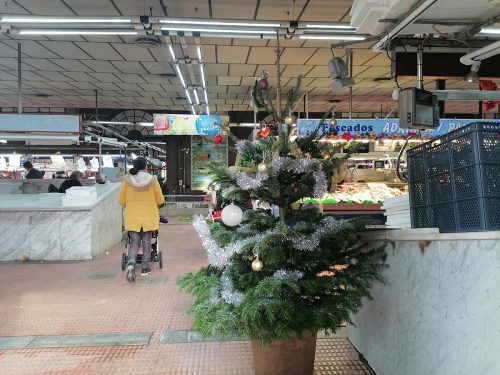
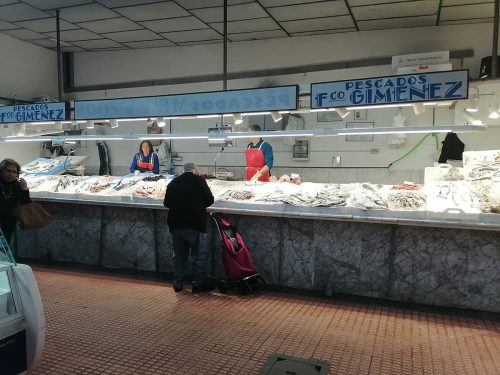
We took a taxi with Asha that dropped us off in the centre and the first thing we saw was the emblematic Central Market of Castellón with more than 80 stalls we walked around looking at the quality products and enjoying the lively atmosphere.



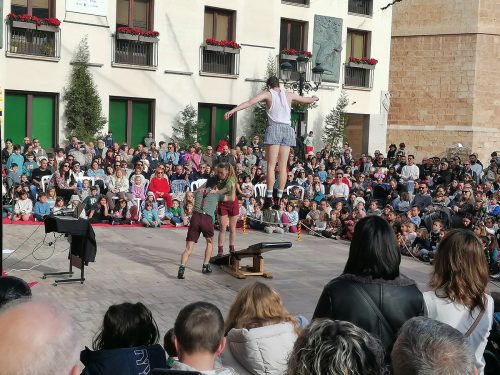
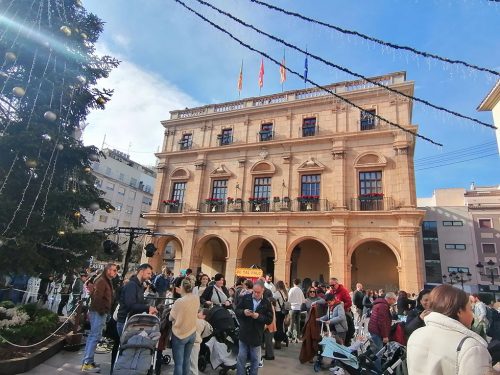
Then we went to the Plaza Mayor of Castellón which was full of people with jugglers in the centre of the square performing in front of one of the most beautiful buildings in the city, its Town Hall, a baroque building dating back to the 17th and 18th centuries.




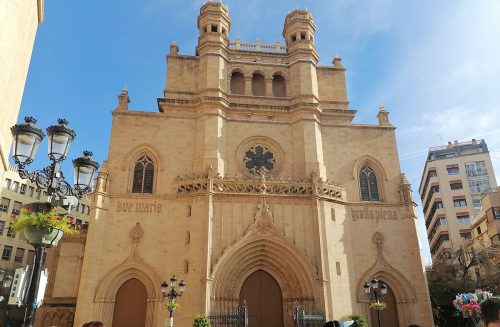
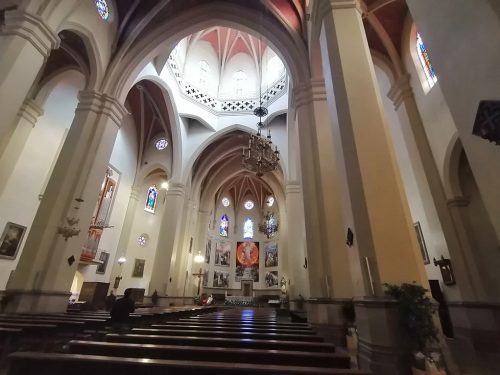
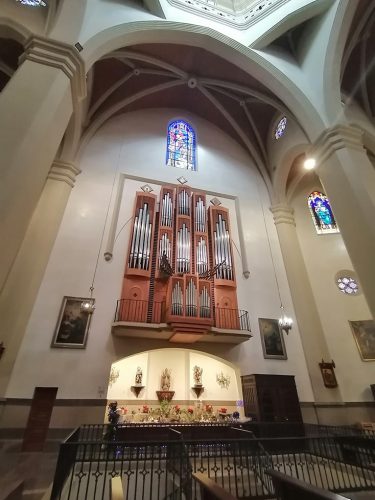
The square also contains the Co-Cathedral of Santa Maria, dating from the early 13th century. In the 15th century, the co-cathedral was rebuilt after a fire and demolished during the Spanish Civil War. After its last reconstruction, only three of the Gothic doors remain. The interior is full of art. You can see an 18th-century image of the Immaculate Conception and baroque paintings, among many other pieces.





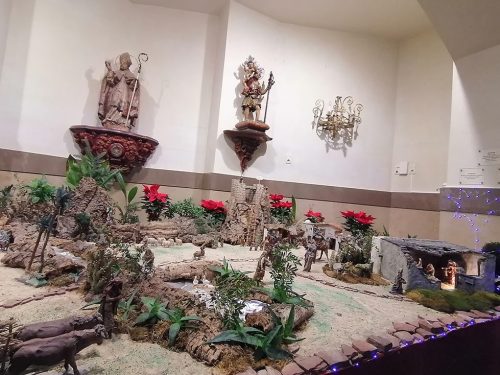


The El Fadrí Bell Tower is an icon of Castelló de la Plana. Construction work on the tower began in the 15th century and was completed at the end of the 16th century. Located in the city’s Plaza Mayor, its name, El Fadrí, which in Valencian means “bachelor”, refers to its detached nature, as it is not attached to the place of worship, the church of Santa María la Mayor. The El Fadrí bell tower, about 60 m high, is divided into 4 sections: the clock room, the prison, the bell ringer’s residence and the bell room. The bell tower is open to visitors.


We then took a walk around the city where we saw the tourist office and the old casino built in 1922 based on a 17th-century construction, as well as several statues and old buildings.
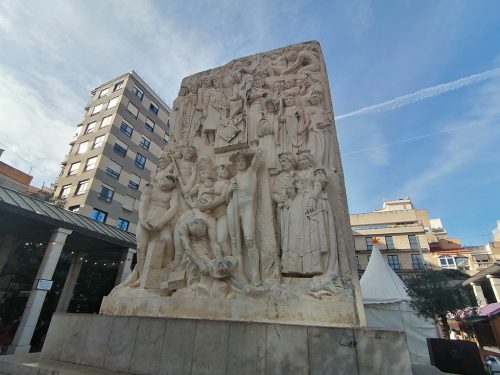


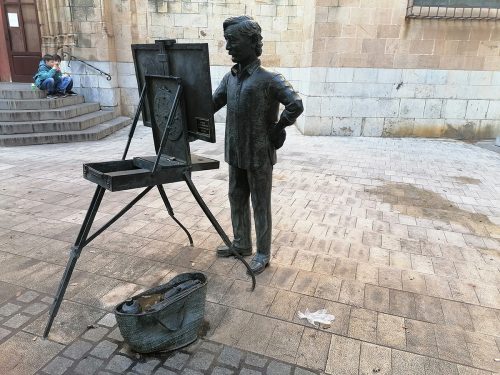

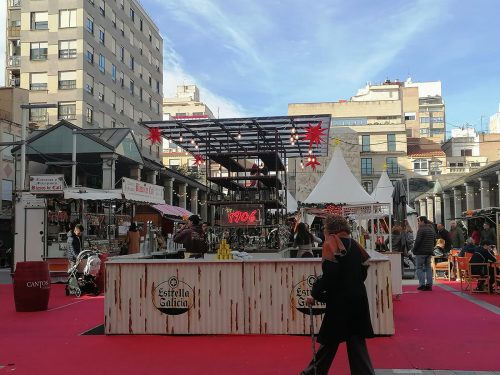
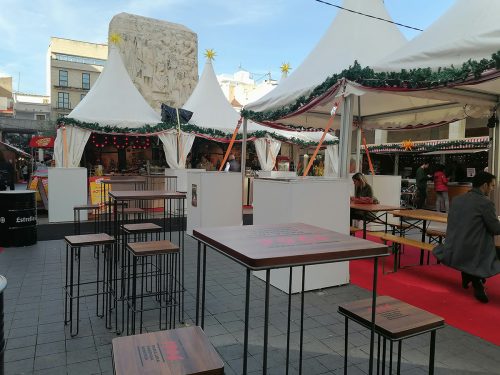
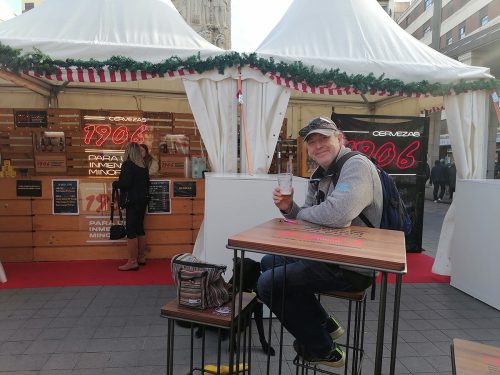
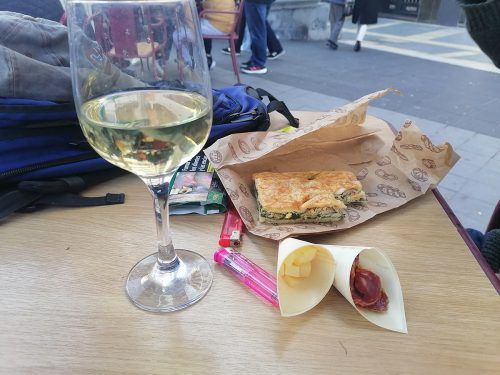
We returned to the square where there were lots of stalls with music serving local wines and tapas, where we had a few drinks and tried cheese, chorizo and a typical empanada!



Thus ended our visit to Castellón and from there we went to Murcia, a university city in the southeast of Spain and the capital of the Murcia region where the Cardenal Belluga square is the city’s architectural showpiece, which you can see in the next post!

