Spain – Cordoba – Montilla (En)
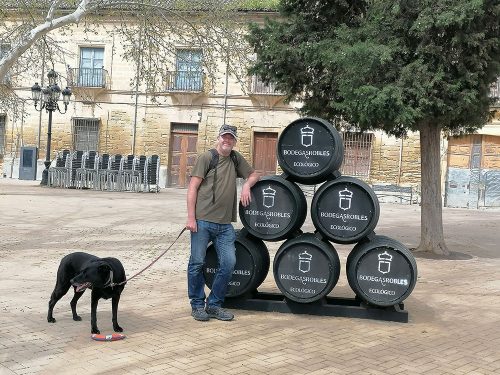
Montilla is a small town located in the Southern Andalusian countryside, surrounded by vineyards and olive trees. It was founded as such in the 13th century and was not consolidated as an independent municipality until 1371. In 1846 Edgar Allan Poe published “The Cask of Amontillado”, a suspense story with a winery as a key place in the story. That wine is amontillado, a highly alcoholic wine, born in the Montilla area in the 18th century.


Where to stay
We stayed in the town’s motorhome area (37.588538, -4.633818 lat, long), which is a free car park shared with cars. It has to fill and empty grey and black water, and it is flat. Next to a very nice park and 5 minutes from the centre of town. The only bad thing is that there is a beeping sound all night, which I have been told is to scare away animals from the crop fields. I couldn’t sleep all night, so we only stayed one day.


What to see
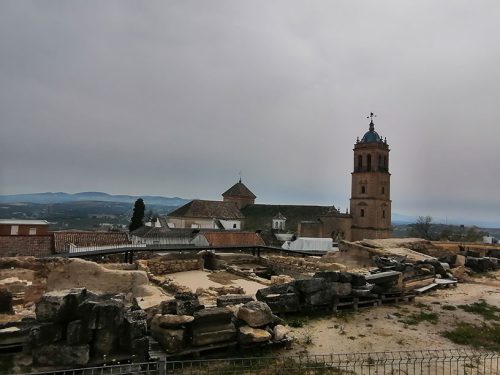
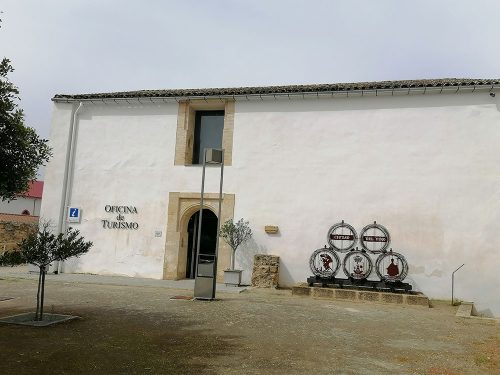
The first thing we went to see was the Castle-alhorí, which is located at the top of the hill on which the town is built. Before reaching the entrance to the Castle and its archaeological site located 400 meters above sea level, you find the church of Santiago. The castle built in 1722 on an old castle has small towers in each of its corners that serve as a memory of the old castle. In this area, there is also the tourist office located in the old Palace or House of the God Mars.




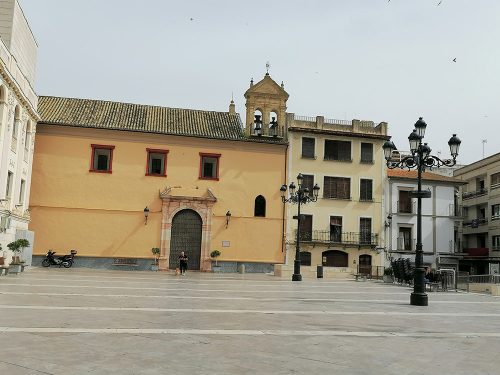
Then we went to see the Rose Square, which is considered a meeting point in the town, surrounded by buildings of special relevance, such as the Tercia, the Garnelo Theatre and the Chapel of the Rose.




Then we saw the Basilica of San Juan de Ávila which is a minor pontifical basilica, dedicated to San Juan de Ávila, patron of the Spanish secular clergy and doctor of the Church since October 2012 and it houses his remains, kept in the “Ark of the Will”.
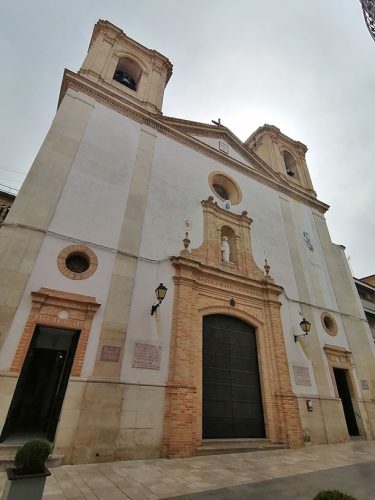


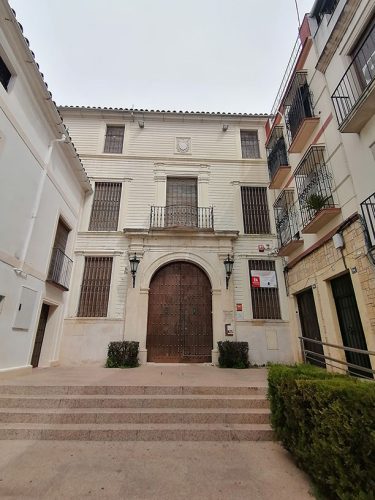
Passing the town market you find the house of the Peruvian writer and historian Inca Garcilaso de la Vega, whose house-museum is one of the main attractions of the town. Returning towards the centre is the Garnelo Museum dedicated to the painter José Garnelo, located in the Water House, which is a stately building from the 19th century, with neoclassical characters whose name comes from containing the first tanks for the distribution of drinking water. the city. We couldn’t see the museum because it was Monday and it was the day it closed.


On our way to the Don Quijote Restaurant that my brother-in-law had recommended to us, we came across the Amontillate Mural, a mural within the Montilla mural route that refers to wine. And we went to have lunch at the Don Quijote Restaurant, where we shared the typical Crispín that my brother-in-law recommended to us and that you only find in Montilla. It is a type of flamenquín made with hake, filled with battered and fried bechamel and with pink sauce on top. We also shared the Quijotín, which is like a schnitzel fillet with mushroom sauce. I have to say that both things were very good, especially the Crispín. I highly recommend this restaurant if you go to Montilla.


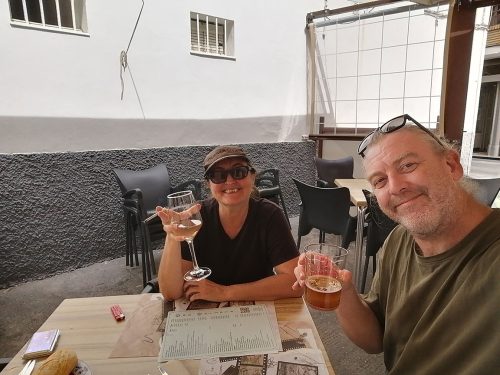


And so our visit to Montilla ended, the next day we went to the province of Ciudad Real, to our friend Carmen’s farm, where she took us sightseeing to the town of Viso del Marques and to a nut factory, all of which you can see in the next post!

