Spain – Cordoba – Cabra (En)
Cabra is a city and a Spanish municipality in the province of Córdoba, it is considered the gateway to the Sierras Subbéticas Natural Park, considered a geopark by UNESCO due to its great geological and natural value.


Where to stay
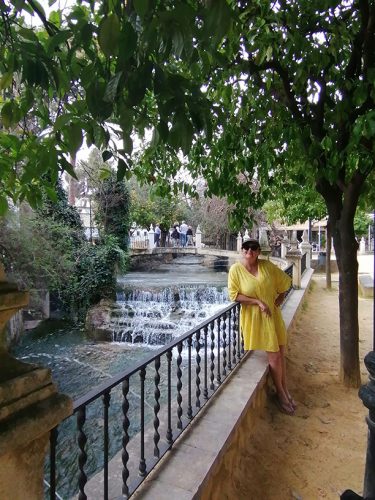
We stayed in the town’s motorhome area (37.466515, -4.423377 lat, long), which is free and is next to Fuente del Río, one of the places to see in Cabra. The area is very nice and flat with trees that provide some shade. Very easy to fill and empty grey and black water. It also has an electricity outlet that you can use to charge your computer and other things. A 15-minute walk from the town centre. Many thanks to the town, for a perfect place to stay, we spent two days there. There is a beggar who comes asking for money to eat, you say no and it doesn’t bother you, we give him some food.

What to see
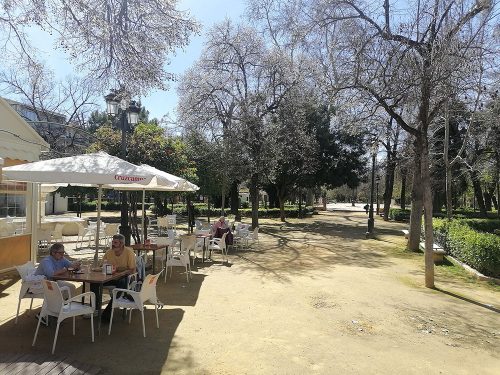
We walked with Asha and the first thing we found was the Atajadero Cross and Fountain, where a local man told us that we had to drink because it is the best water in Andalusia that comes from the mountains. We continue straight and arrive at Paseo Alcántara Romero, which is a 19th-century garden that has rare and precious species, such as the centuries-old sequoias.


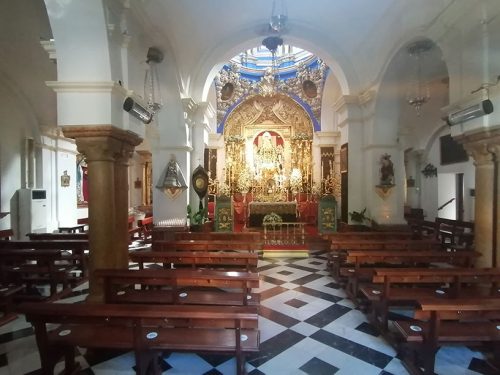
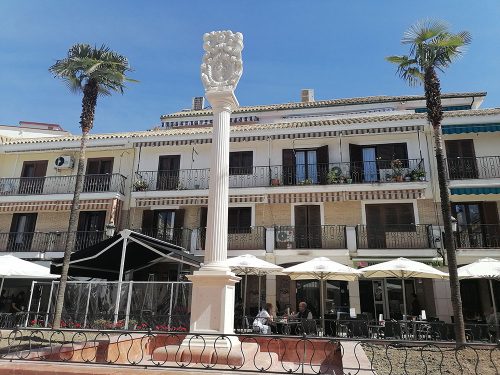
Arriving in the centre, we find the Parroquia de los Remedios, built in the 16th century as the hermitage of Our Lady of Soledad on the remains of another dedicated to Santa Ana. In the 18th century, it was rebuilt with a square floor plan divided into nine spaces. In front, there is a square with a very beautiful statue.




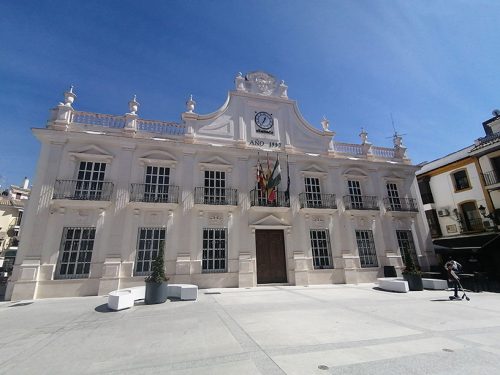
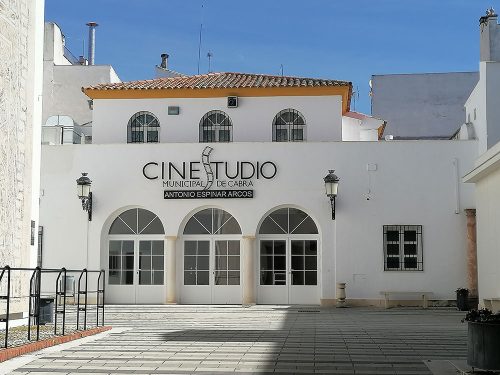
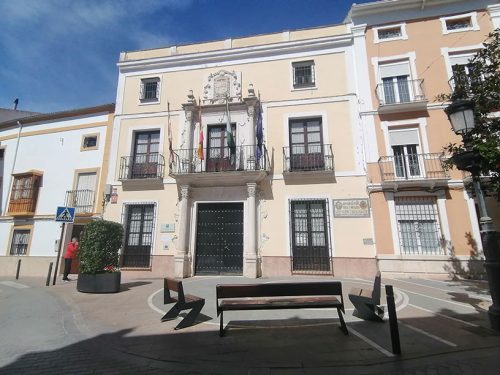
Then we arrive at the Town Hall square, surrounded by bars and in one corner you find the Cabra film studio.

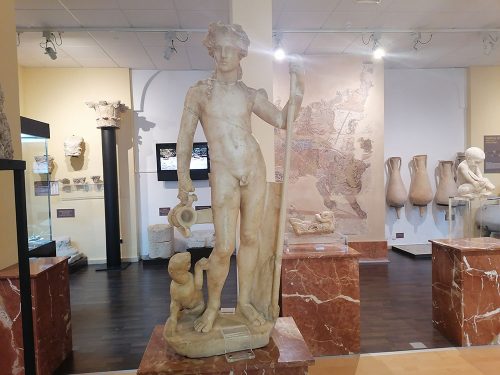
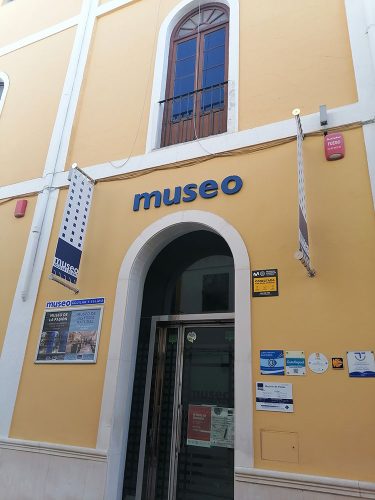
Then we went to see the Archaeological Museum, which is located in the House of Culture and is free. In the museum, there are remains found in Villa del Mitra and Veleña. The finds are arranged from the Paleolithic to the present day. It also has a room dedicated to Mithraic rites, secret rites that only those who belonged to that cult knew.

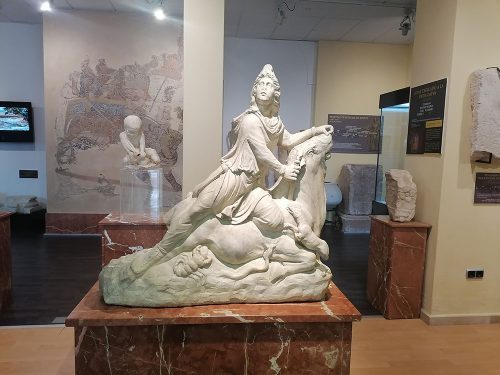

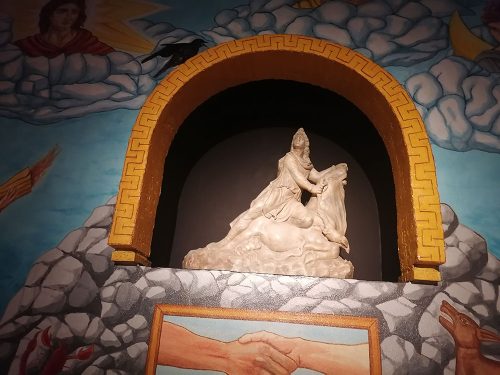


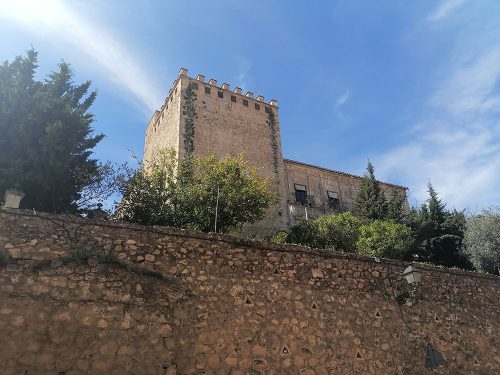
Then we went down to the tourist office where the Barrio de la Villa is located. It is the oldest neighbourhood in Cabra and there we find the remains of the Arab Wall, from the 11th century. The Parish of the Assumption is also located here, where they had the statues that they were going to take out during Easter and the Castle of the Counts of Cabra. To visit the castle it is necessary to make an appointment.


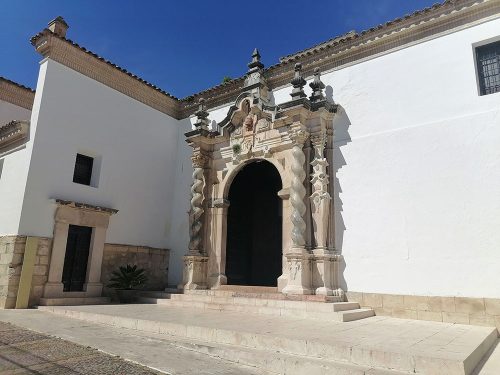


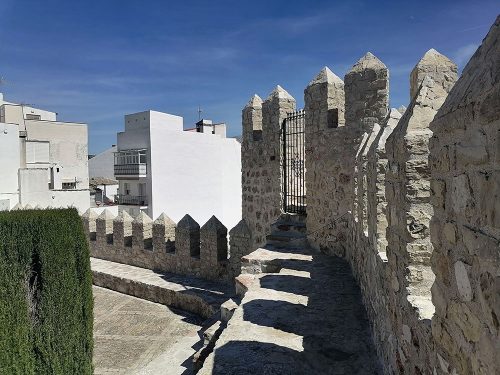


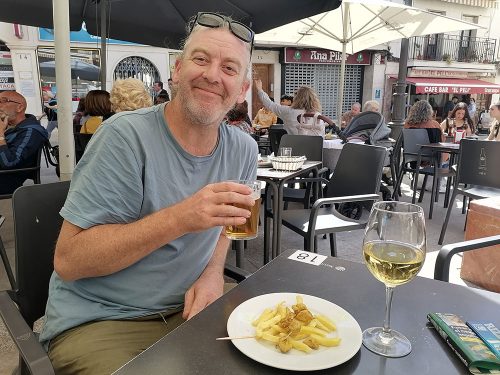
Afterwards, we went back to the Town Hall square where we had lunch on one of its terraces. We had free tapas for lunch that they gave us with our drinks. The first tapa was Moorish skewers with fries, the second was two plates of mixed paella and finally a Russian salad. The skewer and the paella were delicious, and we only paid for the drinks. We highly recommend it!


We finish our route through the town seeing the Birthplace of Don Juan Valera house, which is currently the music conservatory, but on the ground floor, there are two rooms with information about the writer. When we went it was closed and we couldn’t see it. We also passed by the Passion Museum which was also closed. And on our way back we stopped to shop at Mercadona where Asha and I took a break from the walk.



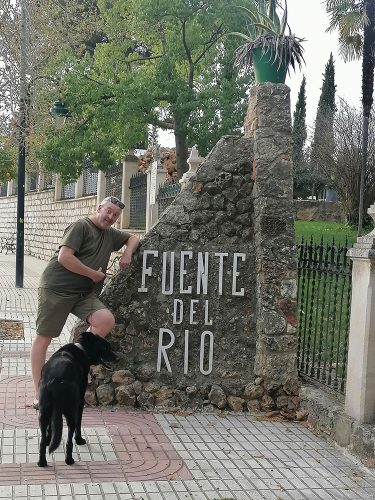
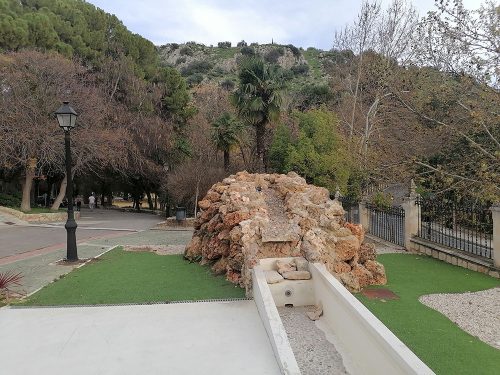
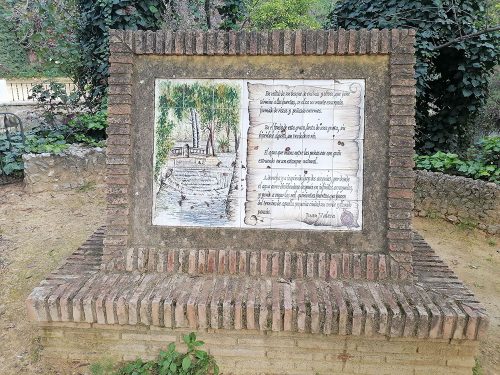
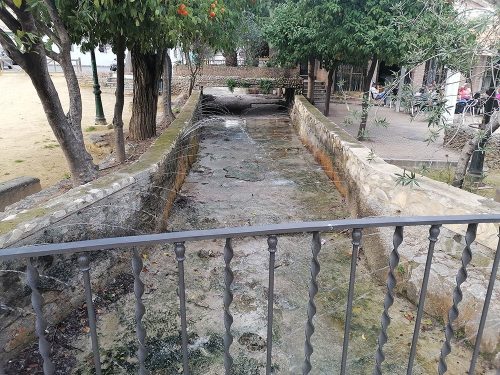
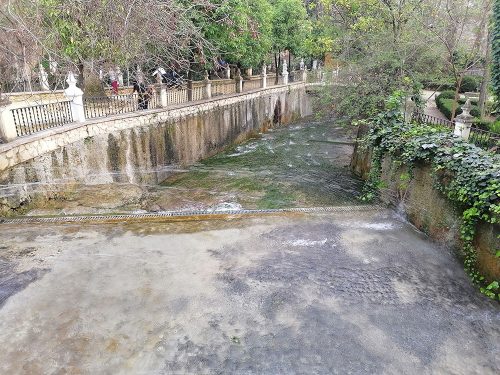
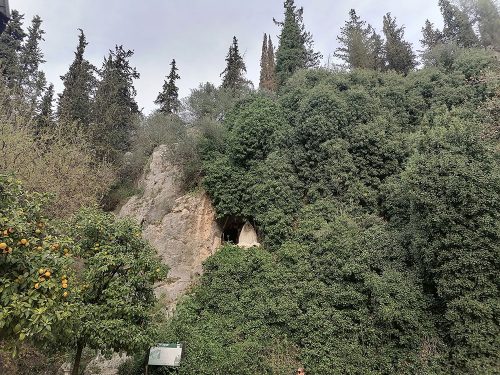
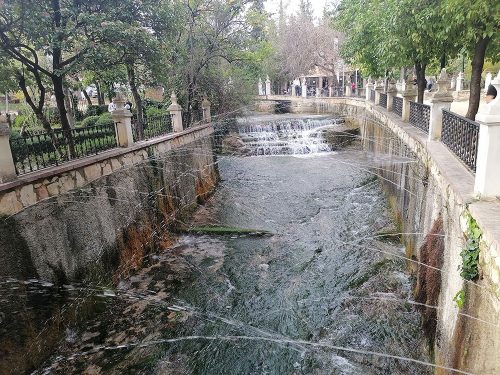
And the next day in the afternoon we went to see Fuente del Río, which is next to the motorhome area and the amphitheatre. It is a natural landscape catalogued as an Asset of Cultural Interest. The place is very beautiful and it is worth taking a walk through it.




And the next day we went to Montilla, the town of my brother-in-law Manolo, a small town located in the Southern Andalusian countryside, surrounded by vineyards and olive trees, which you can see in the next post!

