GREECE – Kastoria (En)
Our crossing to Greece from Albania was hectic, at the border in Albania everything went more or less well, because when the Albanian policeman wanted to check the motorhome inside he was confronted with Asha barking and growling and decided that he did not need to check our motorhome, hahaha, and he let us pass. On the Greek side, it was another story, since Ben is English and with Brexit they wanted to verify that he had not been in Europe more than 90 days, we gave him Ben’s Spanish residence card but he said he had to check it with his commander. After one hour of waiting, he let us pass into Greece telling Ben, do you really live in Spain? hahaha.
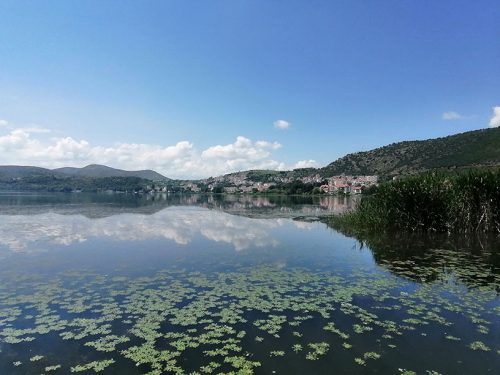
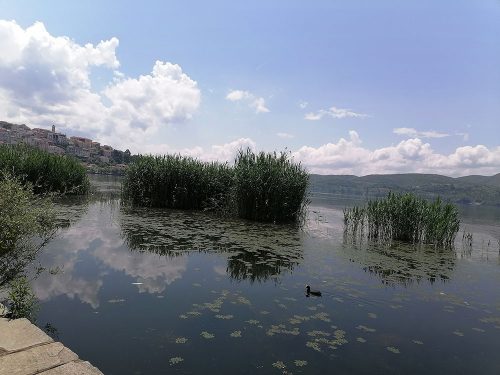
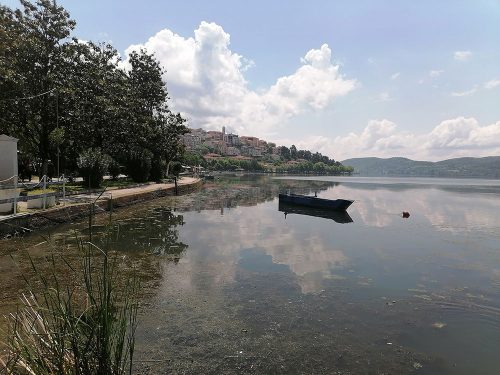
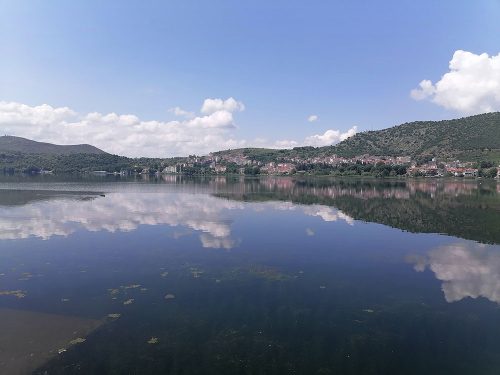
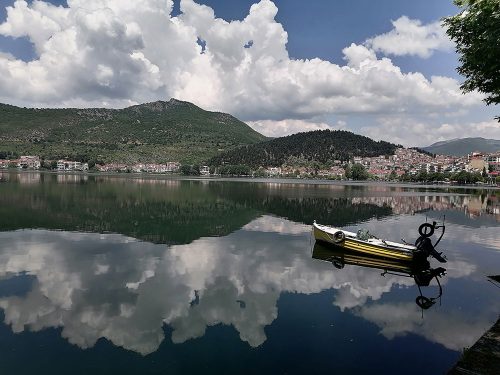
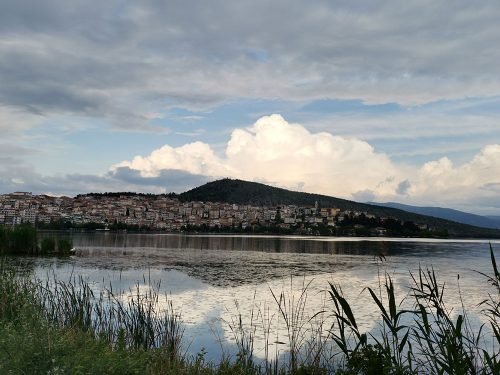
Our first stop in Greece was in Kastoria a city in northern Greece in the region of Western Macedonia. It is situated on a promontory on the western shore of Lake Orestiada, in a valley surrounded by limestone mountains. It is beautiful with gooses, pelicans and all kinds of birds.
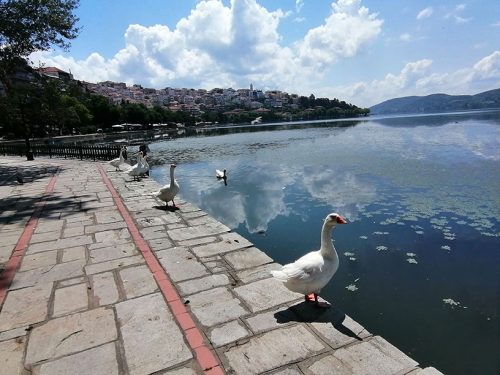


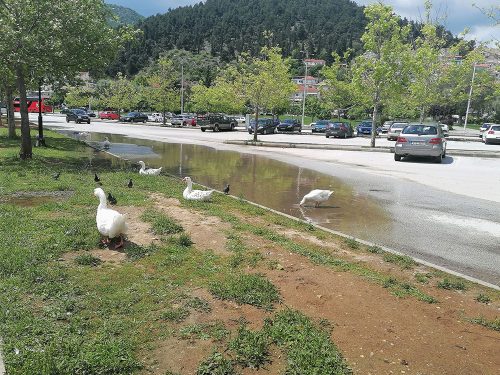
We stayed in a paid parking (40.520199, 21.261299 lat, long) in the town centre and right in front of the lake. A great location to visit the town with the best views of the lake and surrounded by gooses. We paid 3 euros from 11 am to 9 am the next day.
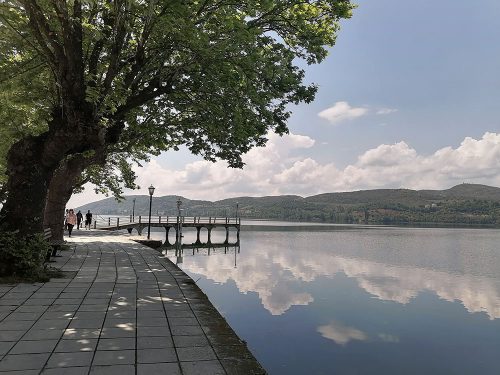
We went to see the city walking on the promenade next to Lake Oriestada, where willows lean to the surface, and where swans, silver pelicans, herons and other waterfowl dwell. The wetlands are home to at least 150 different species of birds and throughout the walk, you will find bars and typical Greek restaurants.









Kastoria is (and was) an important place for the Orthodox Church, where the Archbishopric is still located. There were more than 70 Byzantine churches between the 6th and 16th centuries, of which 54 remain today. Most of the churches are very small and have amazing frescoes. We went to see some of these small Byzantine churches. After a good hike up where we saw a turtle that we moved to the side of the way, we reached the post-Byzantine Church of Metropolis where we rested from the walk and the Clock Tower.


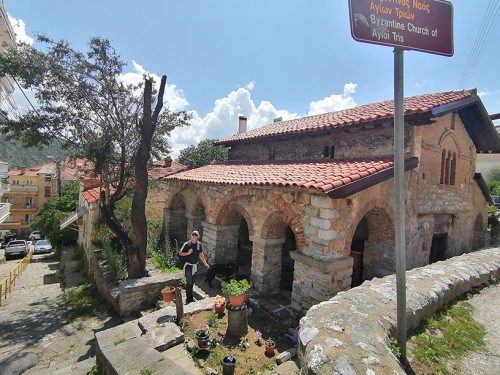
From there and going down we found the Byzantine Church of Ayioi Tris and the Byzantine Church of Zoodochos Pigi.


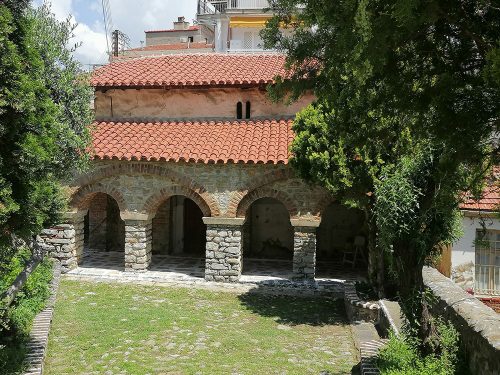
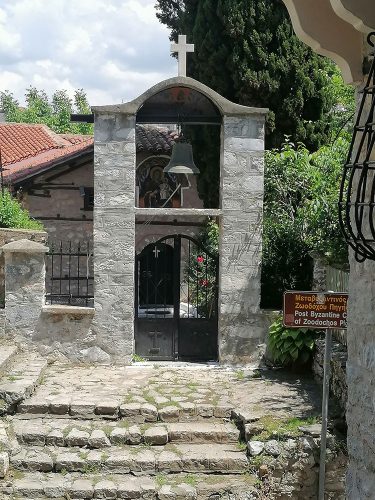

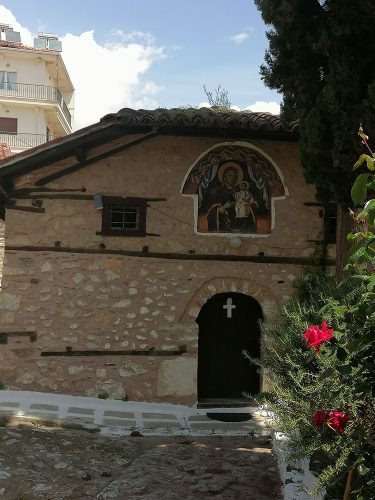
The next thing we found was a beautiful square surrounded by typical Greek taverns and where we saw the Macedonian Museum of Struggle and some majestic houses in the most luxurious part of the city.


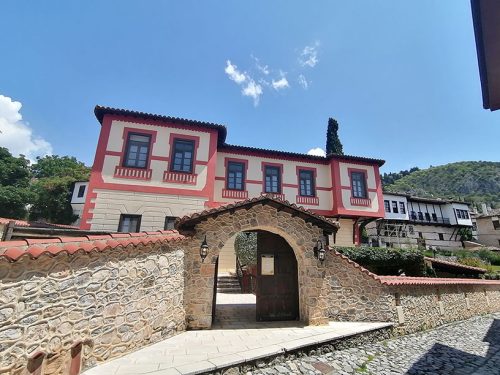

We went back to the Lake with the idea to visit the Dragon Cave at the tip of the peninsula, supposedly where a legendary dragon lived and characterised by many stalactites and stalagmites, as well as 10 underground lakes and to visit the Monastery of Panagia Mavriotissa or Monastery of the Dark-Skinned Virgin, the oldest monastic complex from western Macedonia.
But we didn’t go because it was another hour walking and we were exhausted and hungry, so we decided to have lunch in one of the Typical Greek Restaurants on the lake, where we shared as first course the Salad Kopsidia with rocket, lettuce, balsamic vinaigrette, cherry tomatoes, parmesan, grilled mushrooms, cucumber and cashew nuts, all on the top of delicious bread. The salad was huge! For the second course, we shared a dish called Avaptisto which is chicken stuffed with peppers, mushrooms, kaseri cheese, cream cheese and sour cream. All with a bottle of white wine for 32 euros! And it was yummy!
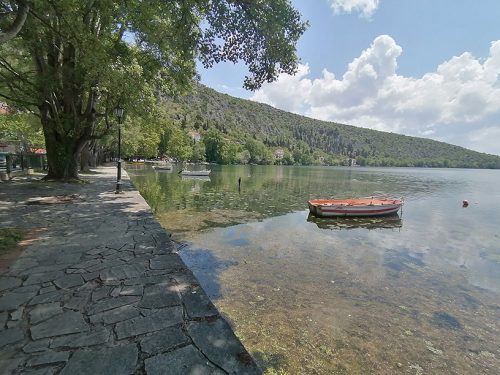
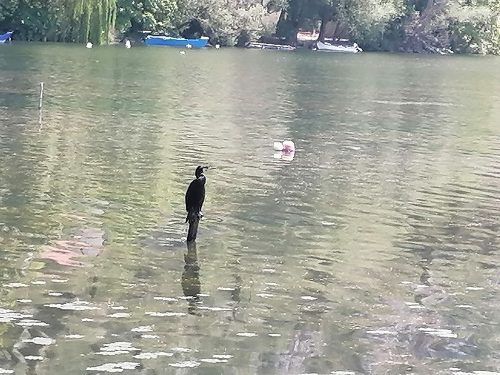


After lunch, we keep going walking the promenade where we saw gooses and pelicans on the lake.




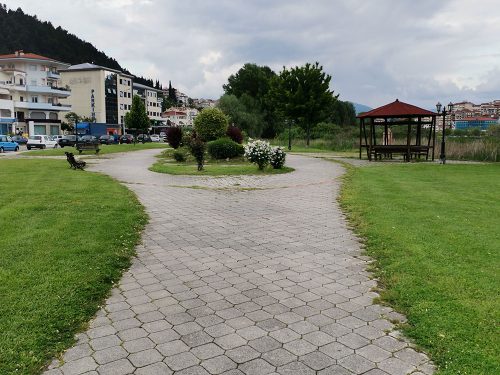
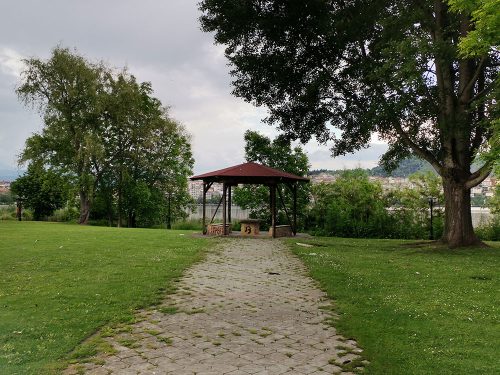
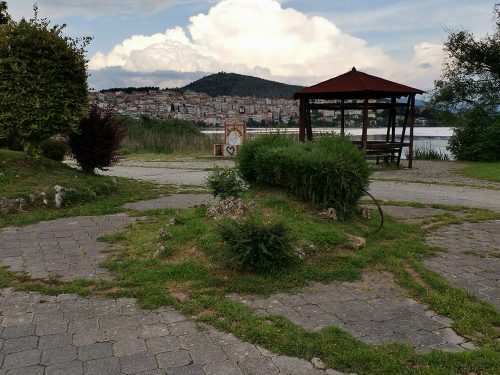

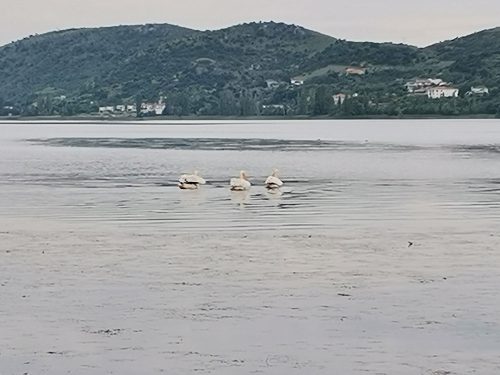
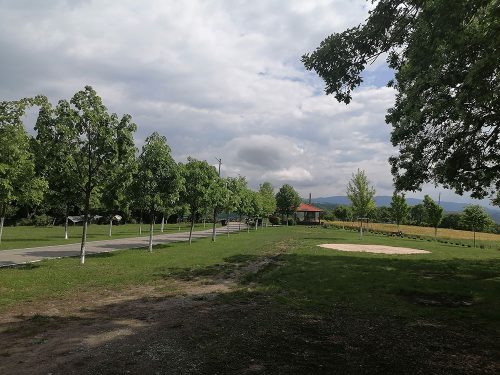
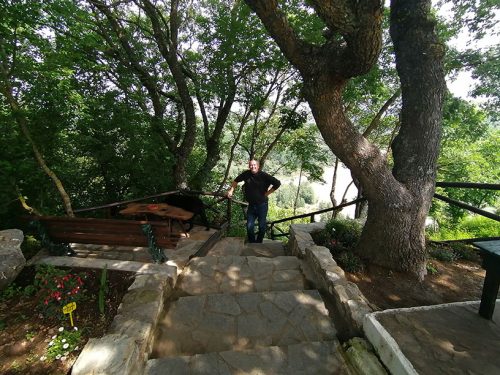
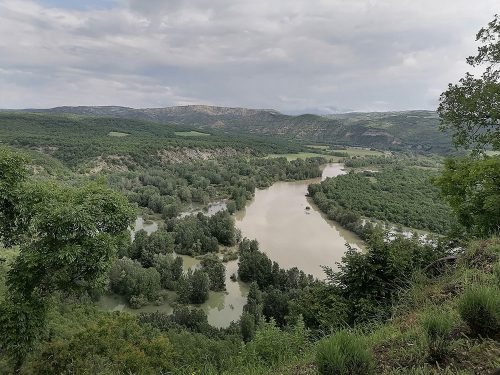
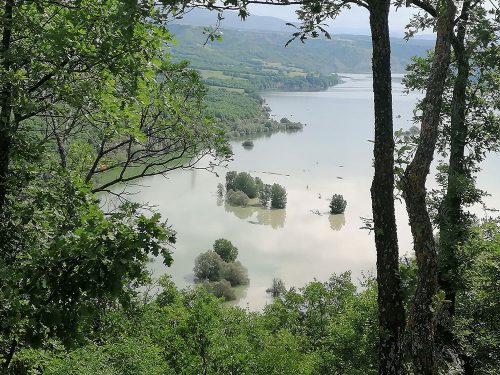
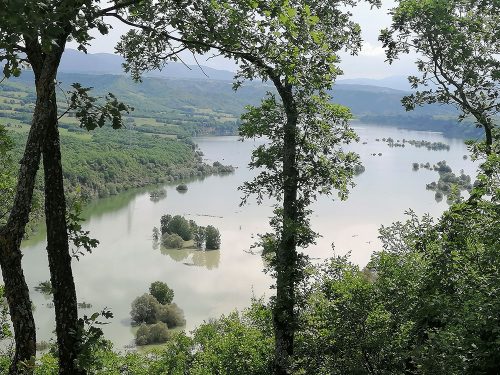
The next day, we went to Meteora but on the way, we decided to stop to see Saint Ahanasiou Park with amazing views of the Aliakmona River, beautiful red poppies and an Orthodox Chapel inside the park. By the way, all over Greece, you come across miniature Orthodox chapels that are very cute.






And in the next post, you can see Meteora, a rock formation in Thessaly, hosting one of the largest and most precipitously built complexes of Eastern Orthodox monasteries.

