Croatia – Mlini & Dubrovnik (En)
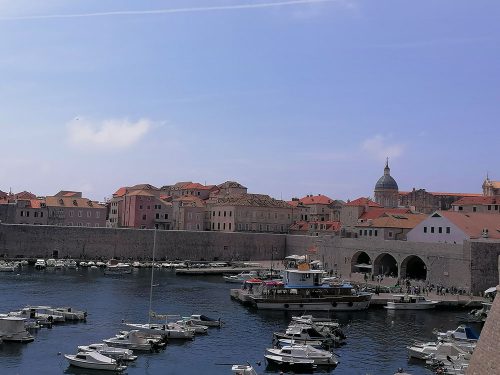
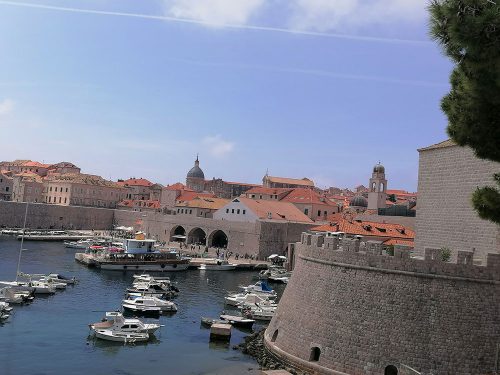
Dubrovnik is known as the Pearl of the Adriatic due to its cobbled streets, its buildings in Gothic, Renaissance and Baroque styles and the wall that surrounds the old town, being considered a World Heritage Site by UNESCO.

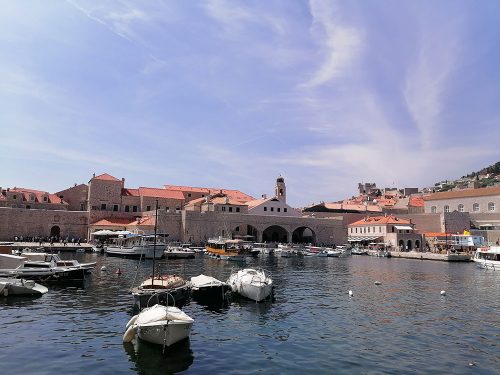


We stayed at Camping Kate (42.624001, 18.2071 lat, long) much cheaper than the other option in the area, 22 euros with an Acsi card per day. From the Camping, you could take a taxi boat to Dubrovnik where Asha could come. The camping is small but with all the services, we really liked it and recommend it if you want to visit Dubrovnik. Just be aware from 10th May the price is 27 euros with an Acsi card.
The camping is located in a village called Mlini which we visited on our first day there. Going down steps from the camping you arrive at the village beach and harbour which is very nice and has a square full of bars and restaurants and two churches. St Rocco Church‘s oldest part (the east side) was built at the end of the 15th century and in the 19th century was extended in its western part. And St Hillarus Church was mentioned for the first time in the year 1164 although it already existed before. In the 1667 earthquake, it was totally destroyed and built again in 1683 and remains the same today.


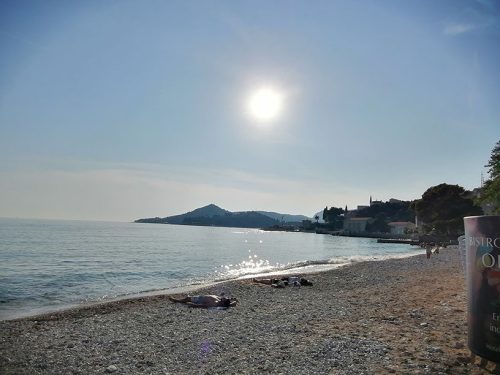


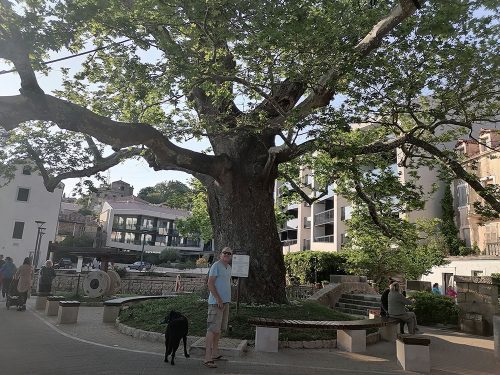
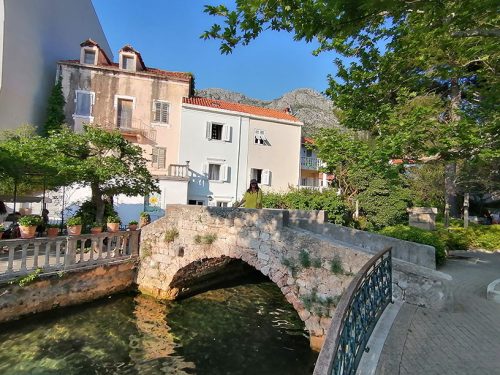
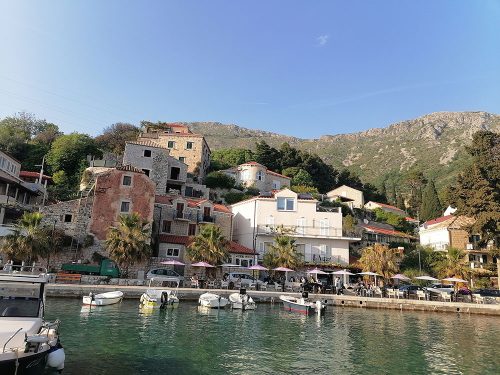
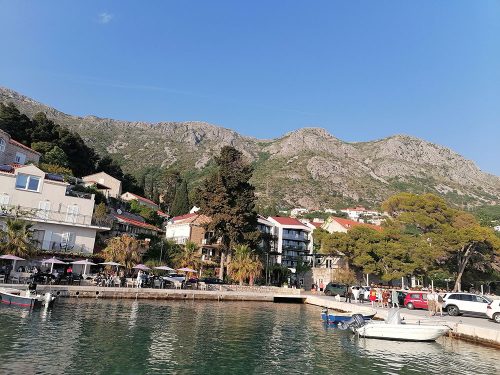


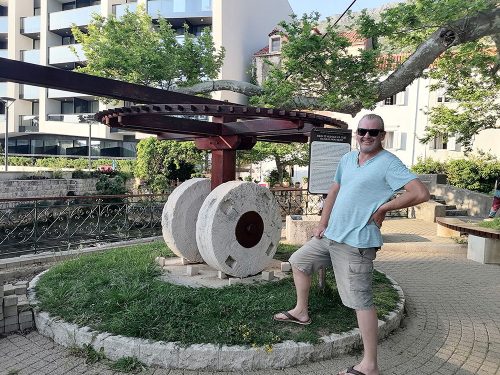


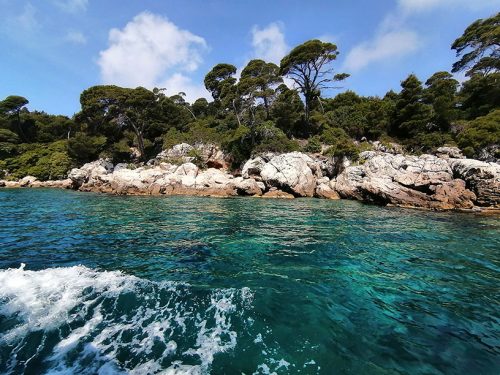
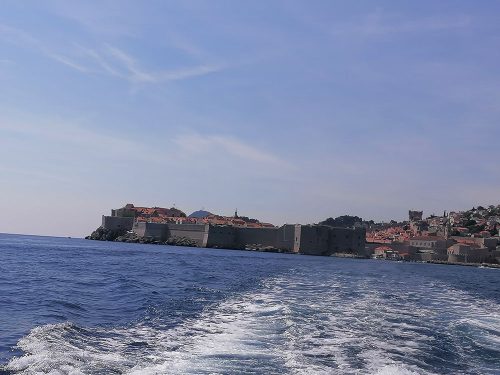
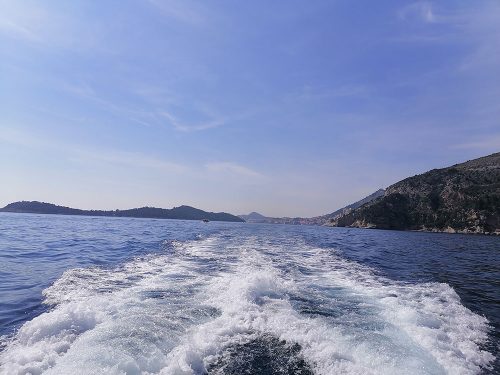
The next day we bought the tickets for the taxi boat in the camping to go to Dubrovnik, 15 euros go and return and we went to the harbour to take it. The trip is around 20 minutes with amazing views of islands and the city when you arrive, especially the views of the walls that have a height of 22 meters and 2 kilometres in length.




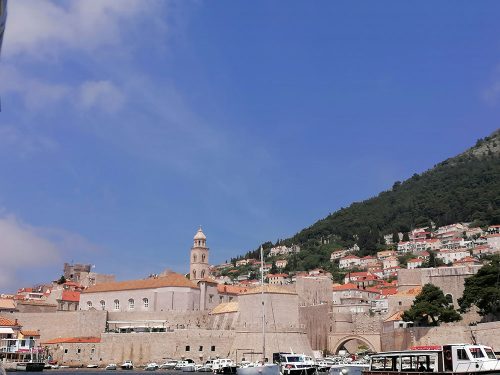



The first thing you do when you arrive is go through the Pile Gate which is the main entrance to the medieval small city that you find when you cross the gate. The gate was built in 1537 and it is the nearest point to the old town. When you cross the gate you see the walls that surround the old town centre. From the walls, you have a fantastic perspective of the historic centre with its reddish roofs and the Adriatic Sea.
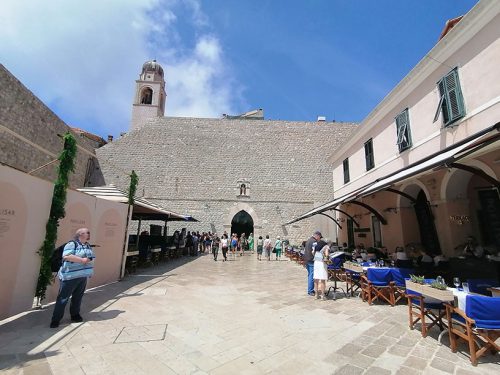


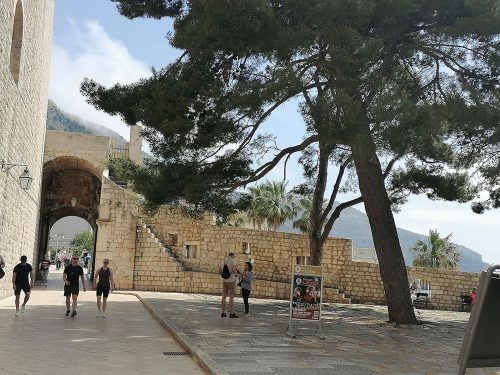



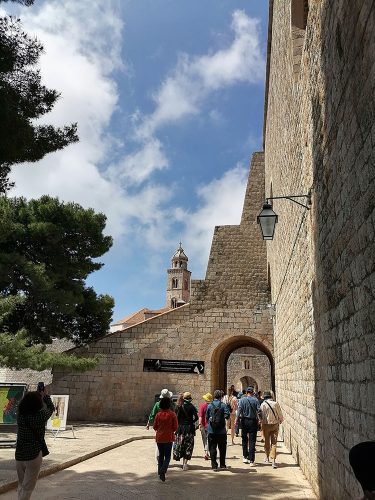
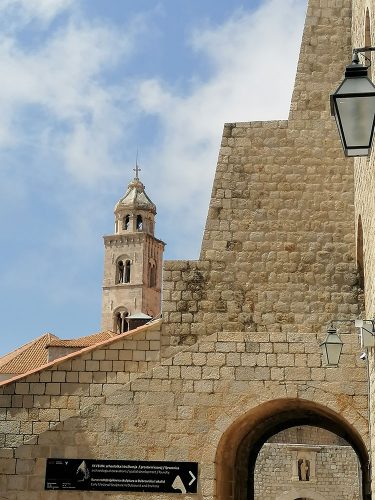


Next, we went to Stradun Street which is the main axis and the busiest street in the city. On this street are many of the most important buildings, such as the Romanesque-Gothic Monastery of St Domingo and the Onofrio Fountain. The latter is the main fountain in the city centre, dating from the 15th century and striking for its large size and circular shape. In the square, there was a Salvador Dali exhibition. The route through Stradun Street goes from the Pile Gate to Luza Square.
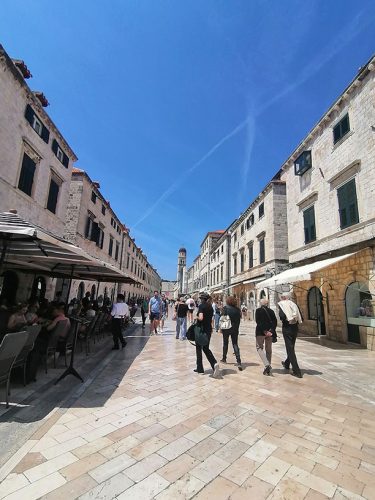
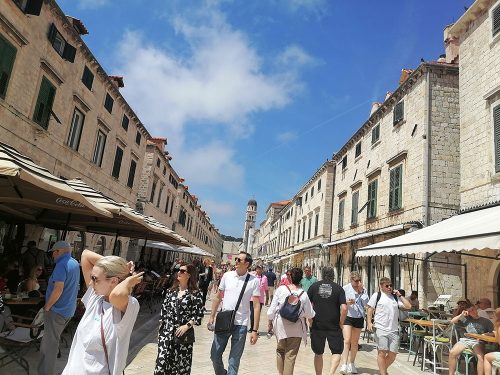


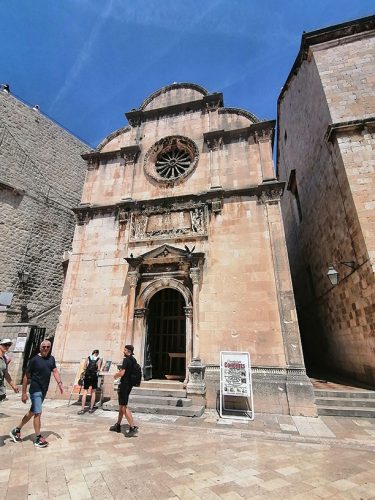
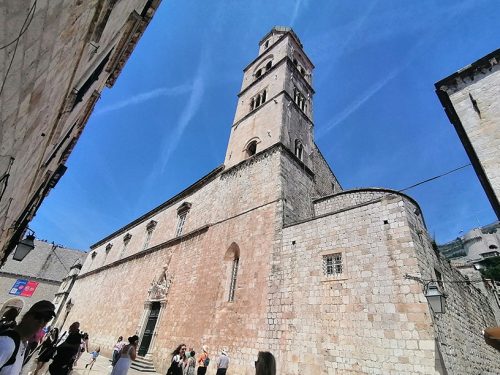
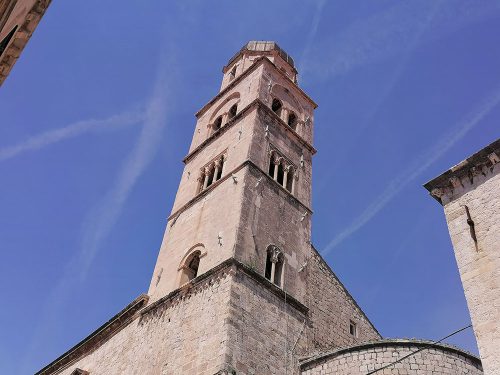


At the end of the street we found Luza Square where there are several notable tourist places, such as the Bell Tower, the Sponza Palace, the former customs center and one of the main economic buildings of the ancient Republic of Ragusa; and the small Church of St Blas.


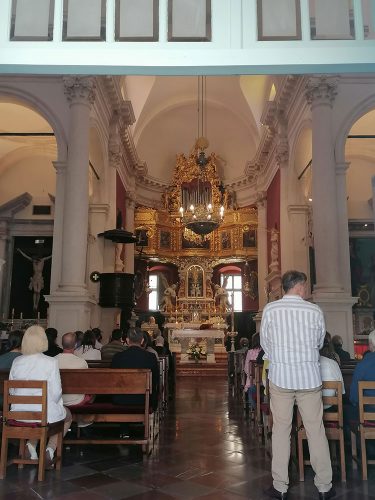


We walked through the narrow cross streets of the old town to the perpendicular axis of Stradun Street. These narrow streets fill the city with charm. They are full of lanterns, restaurants and multiple stairs.


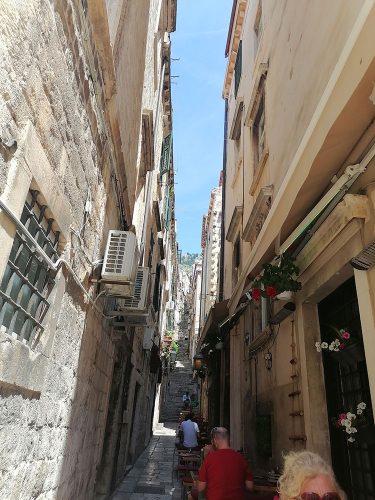

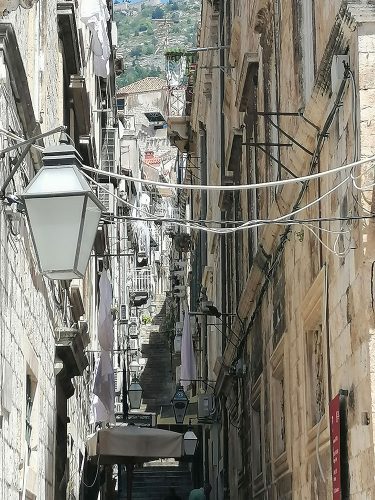

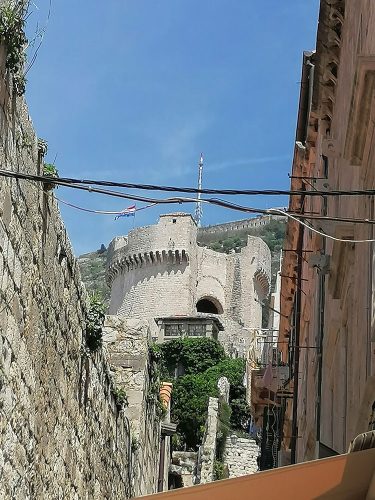

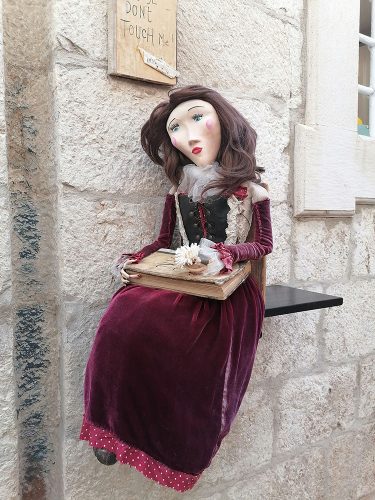
We arrived at a beautiful square full of restaurants, with a church, a statue in its centre and a clock.
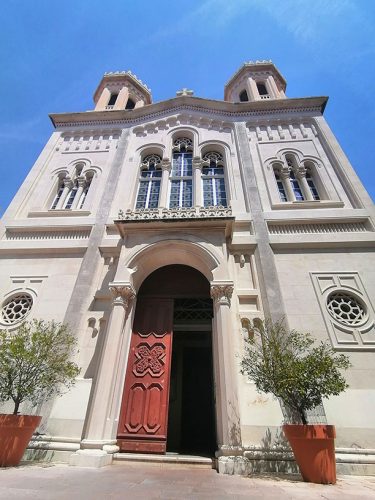


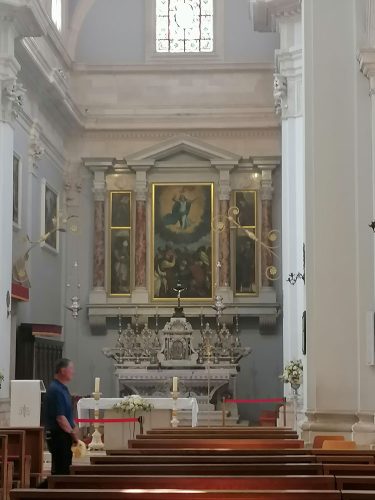
The next thing we saw was the Dubrovnik Cathedral called the Cathedral of the Virgin Mary. It was built in Byzantine style and rebuilt in Romanesque style through the 12th century. Its dome stands out above the rest of the roofs.


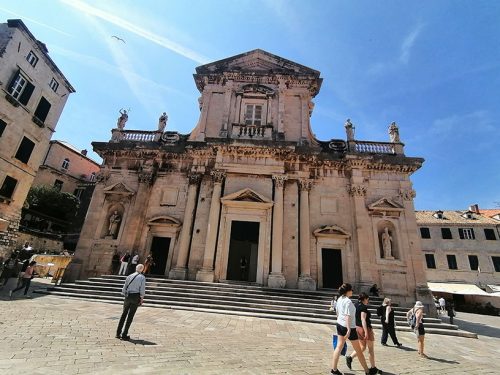


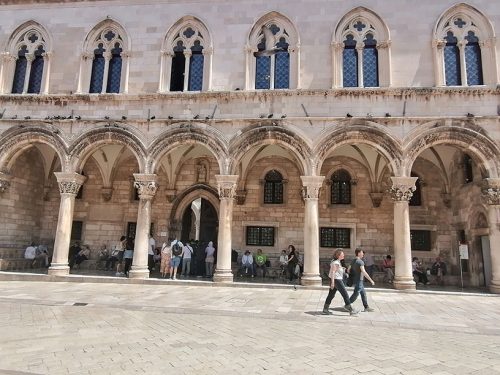
Walking through the streets we saw a guillotine which I tried (it was a bit scary and Ben did not want to try it, hahaha) and we arrived at the Rector’s Palace which was formerly the seat of the Rector of the independent Republic of Ragusa before it fell into the hands of Napoleon’s troops. It was built in the 15th century and restored in the 17th century, after the earthquake. Of its facade, the carved capitals of the pillars that give entrance to the palace stand out.


Tired of walking we went to lunch on one of the narrow streets, we wanted to try the typical dish called Cevapcici which is sausages of beef and pork and the typical dish called Raznjici a kind of skewers, so we decided to share the mixed meat platter because the waiter said we could try both dishes in it plus chicken, etc, all for 9 euros! We were a little disappointed because the Cevapcici was really delicious and it was only one piece really small! We should order just a plate of Cevapcici to share instead.


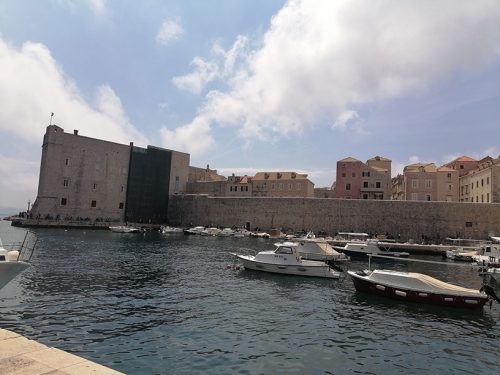
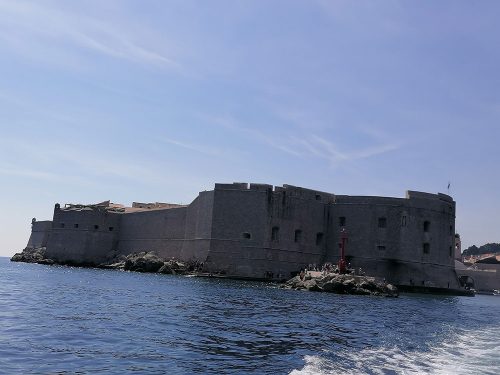
After lunch, we went back to the Old Harbour in front of which is the Fortress of St John, built in 1346 to protect the southeastern part of the harbour and which today houses the aquarium and the Dubrovnik Maritime Museum. We walked around the Fortress which I strongly recommend as it has amazing views and areas for swimming in the sea.


We finished our tour of Dubrovnik taking the taxi boat back to Mlini, with impressive views of the Fortress.


The next day we leave Croatia and go to Podgorica the capital of Montenegro which you can see in the next post.

