France – Avignon (En)
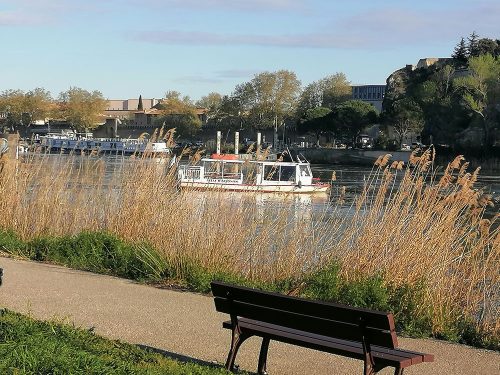
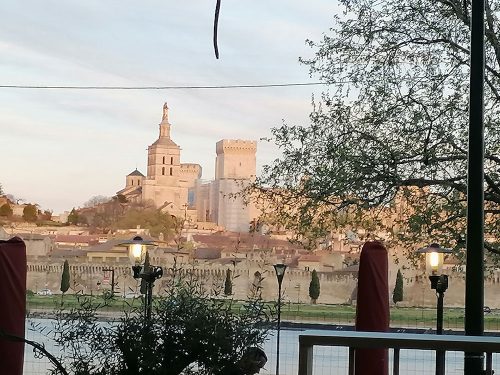
Avignon, a city in the Provence region in southeastern France, is located along the Rhone River. From 1309 to 1377, it was the seat of the Catholic popes. It remained under papal control until it became part of France in 1791. The city is beautiful as you can see below.


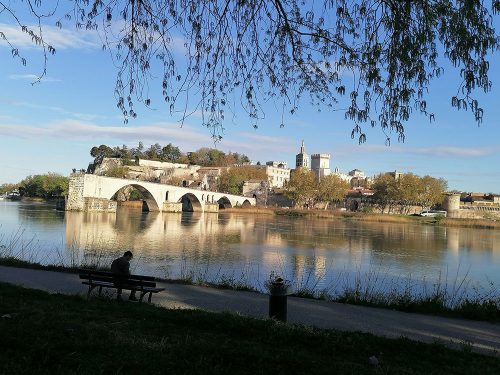
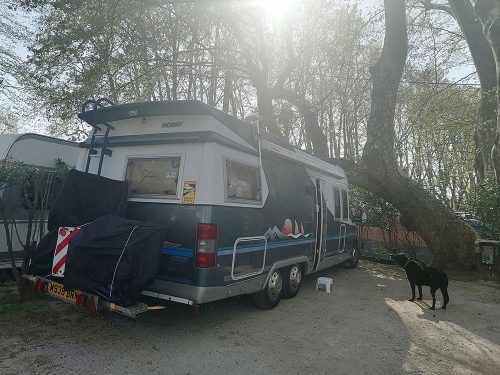
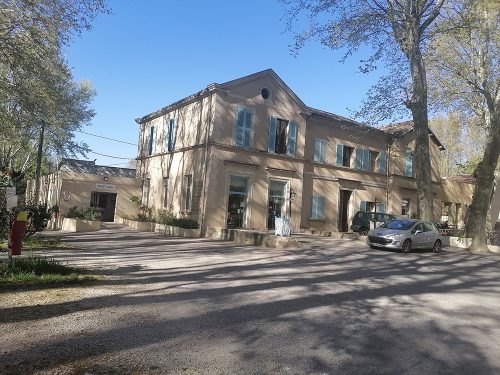
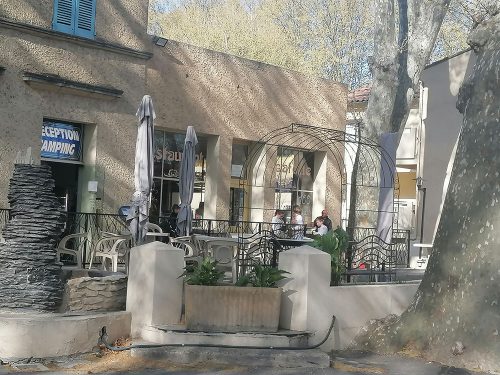
Camping Bagatelle (43.95367, 4.797738 lat, long) is where we stayed, in front of the bridge to cross to the town centre, next to the river, with the fantastic views above. With the Acsi card, we paid 20.50 euros per day including electricity. We were to stay 3 days but in the end, we stayed 4 days because they gave us a free extra day with the Acsi card. All the services are included except the wifi which is 1.20 euros per day. Services are ok, showers too small and not much pressure but staff friendly and it has a little shop and 2 restaurants, one with panoramic views to the city, so we recommend it if you want to visit Avignon.

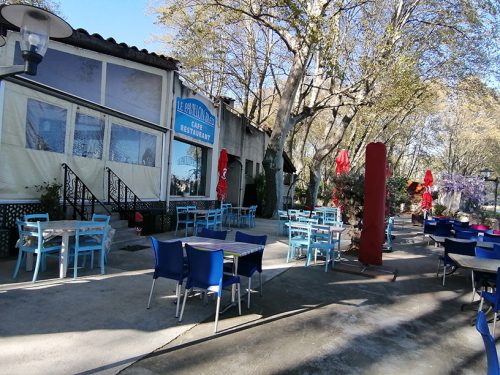
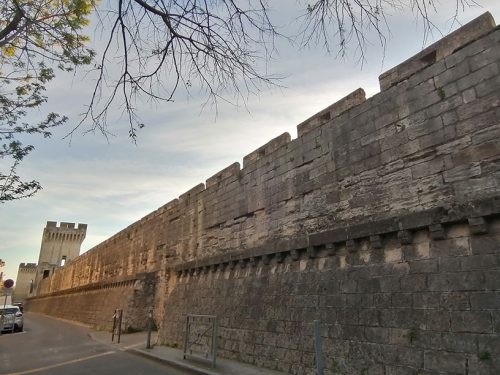
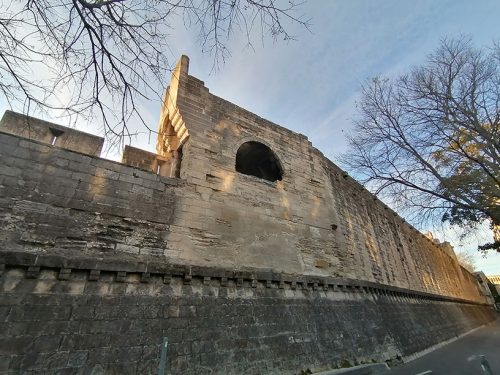
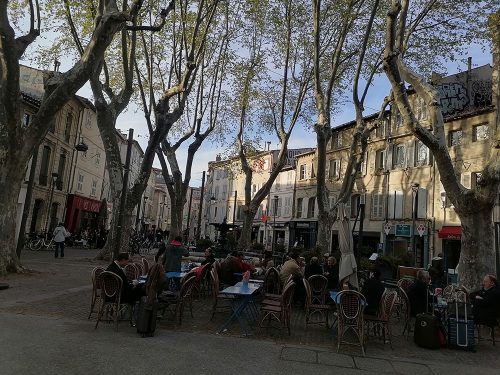
In less than 10 minutes you are in the town centre entering through one of the wall arches you arrive at a beautiful square with bars and restaurants. And from there you walk through the old town until you reach the Place du Palais where you can find the Petit Palais, the Cathedral and the Papal Palace all of them and the bridge and walls declared World Heritage Site.



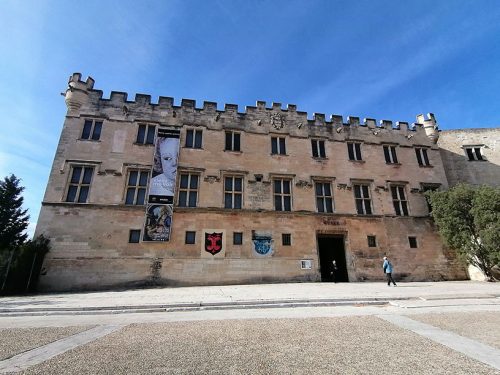
Petit Palais built between 1318 and 1320, on the north side of the Place du Palais, this Renaissance Palace was the residence of different cardinals and bishops for centuries. Today it is a museum and art gallery that contains a valuable collection of Renaissance paintings and sculptures by great Italian and French masters such as Botticelli.

In the square, you can find also the Cathedral of Avignon o Notre-Dame-des-Doms, located next to the Papal Palace. Built-in the 12th century in Romanesque style, this cathedral impresses at first sight with the 6-meter gilded lead sculpture of the Virgin that crowns one of the towers.
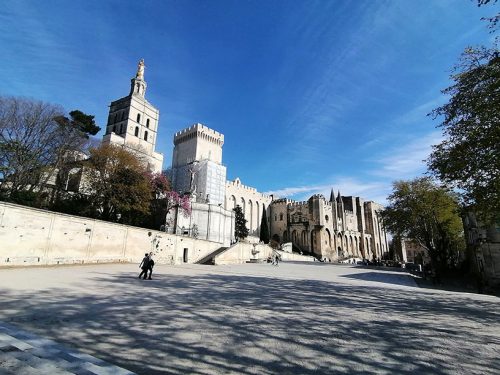
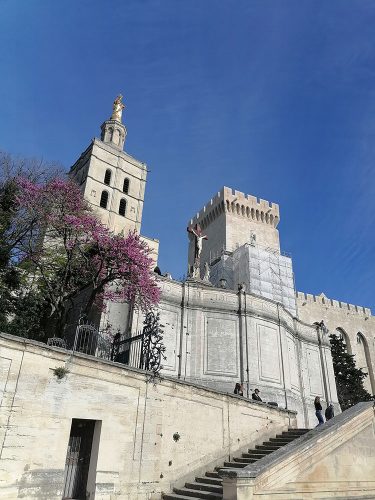
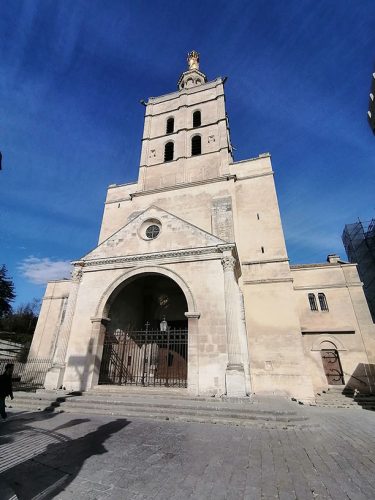


The Papal Palace is considered one of the largest and most important Gothic-style buildings in Europe. Built between 1335 and 1352 by Pope Benedict XII and his successor Clement VI. Inside this building, which is equivalent to 4 Gothic cathedrals and in which 9 Popes succeeded each other during the 14th century, you can visit 25 rooms full of frescoes painted by great masters and the views of the square and city from its terraces are magnificent.


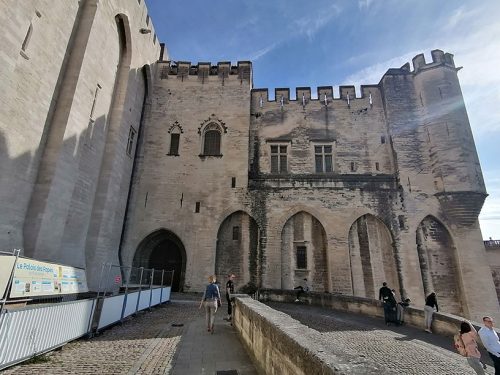

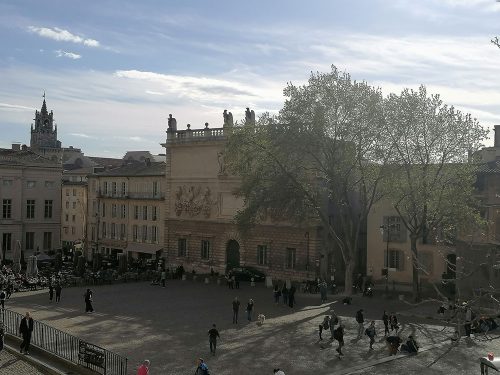

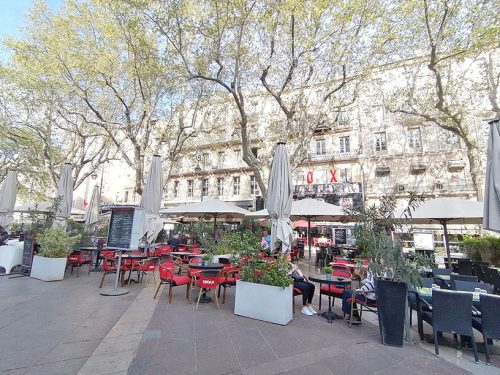
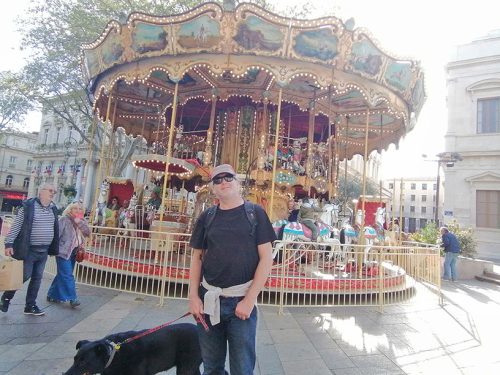
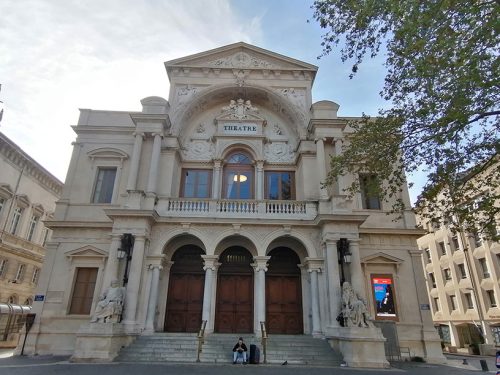
Next, we visited the Place de l’Horloge or clock square. This square owes its name to the great clock that was installed in the 14th century. Among the buildings that you can see in the square are the Opera House and the Town Hall, both from the 19th century, although the latter still has a 14th-century tower where you can see the famous clock. The square is full of shops, bars and restaurants so it is always full of life.


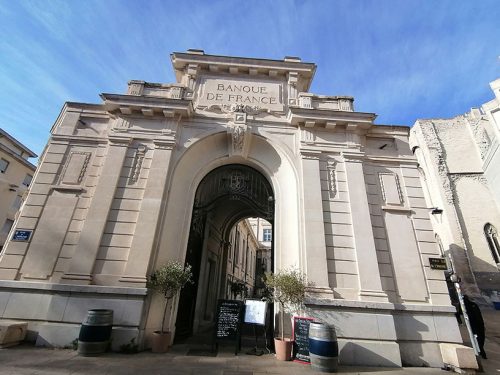
Then we went to see the Basílica of St Peter, Gothic in style and built between 1358 and 1524, it has the title of a minor basilica and its facade is framed by two impressive towers.


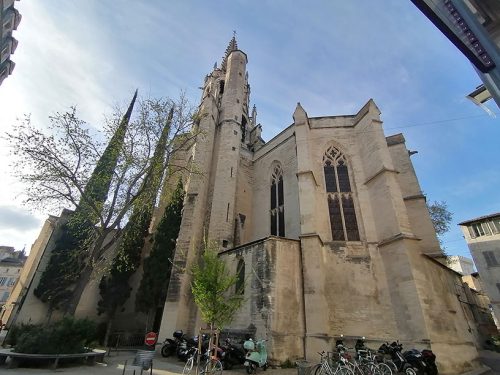
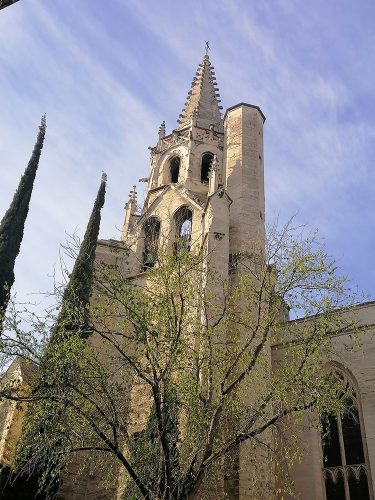

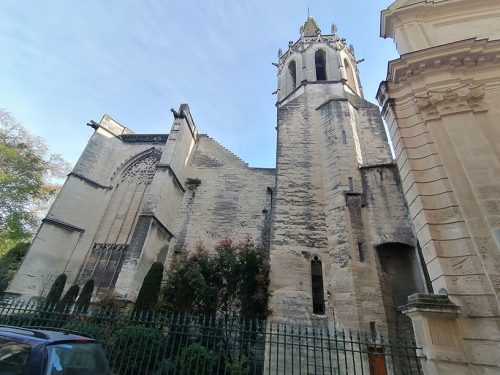
Just behind the Town Hall, we saw the St Agricol Church, Gothic in style and quite auster just 50 meters from the Clock Square, and if you go down the street you will find the Oratory Chapel.
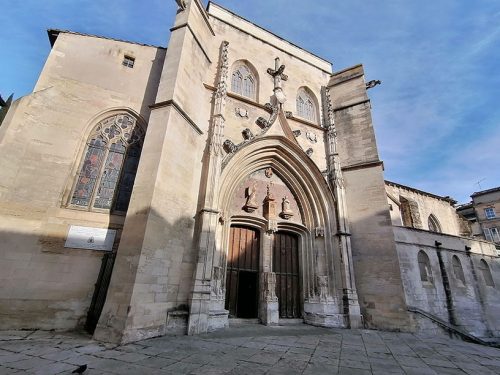
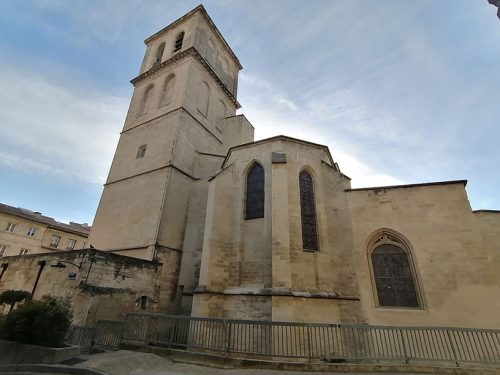
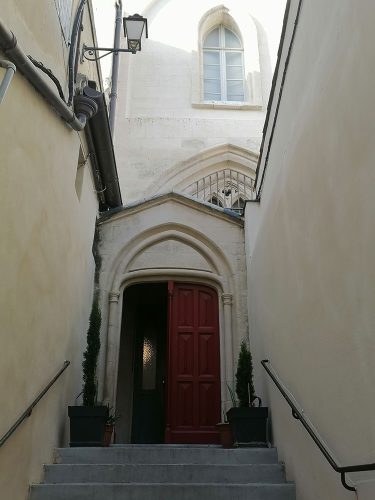


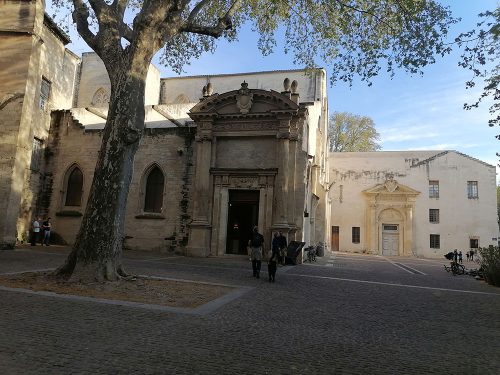
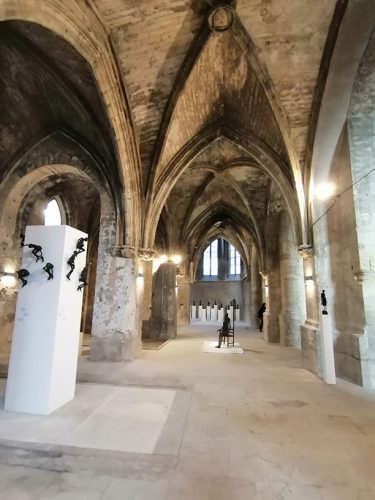
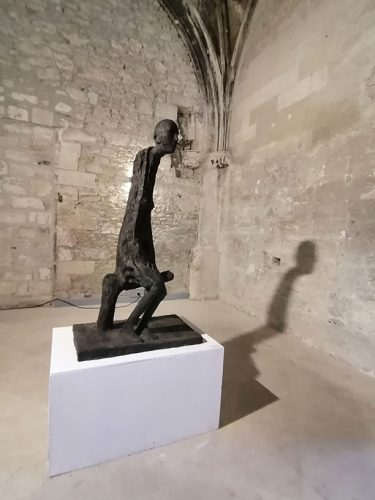
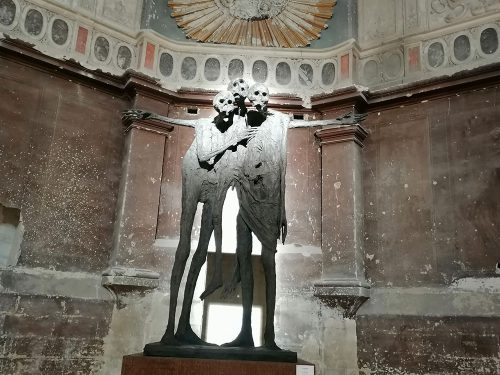
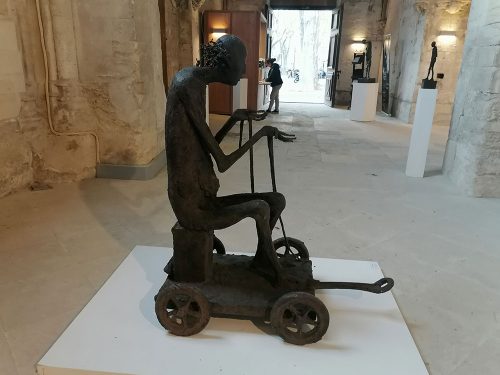
We continue strolling through the old town and find very cute squares, the Lapidary Museum, the Temple of St Marcial and an exhibition by the sculptor Marc Petit in a square surrounded by bars and inside of an old church. Admission was free, so we went inside and saw the exhibition, which was worth it.


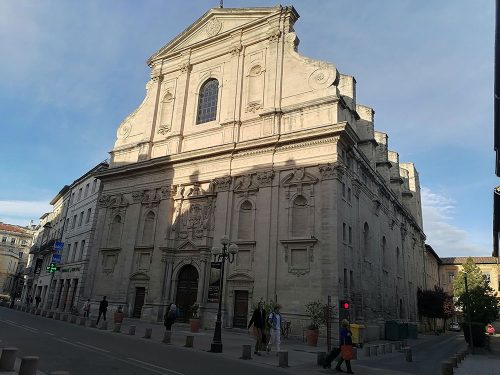
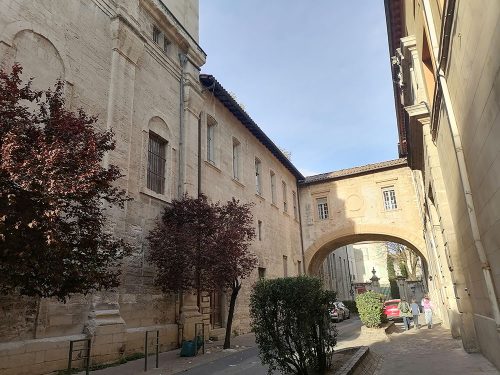






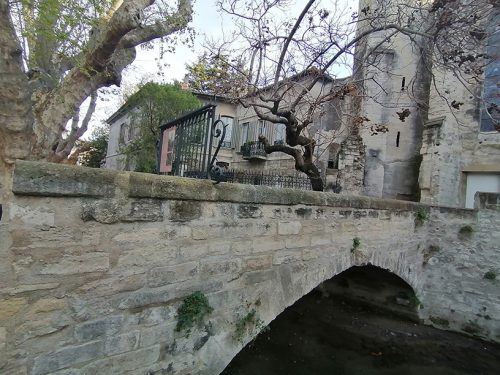
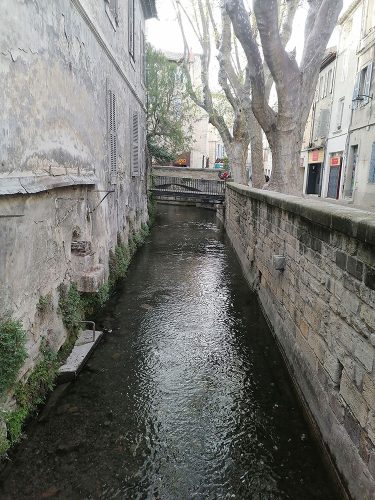
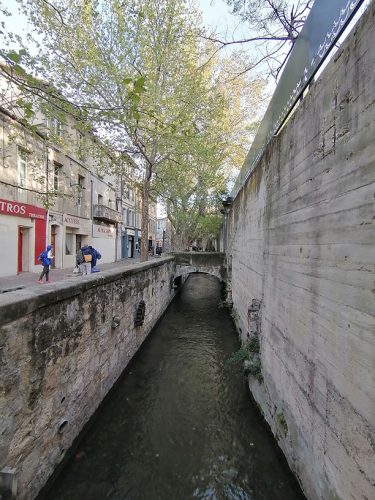
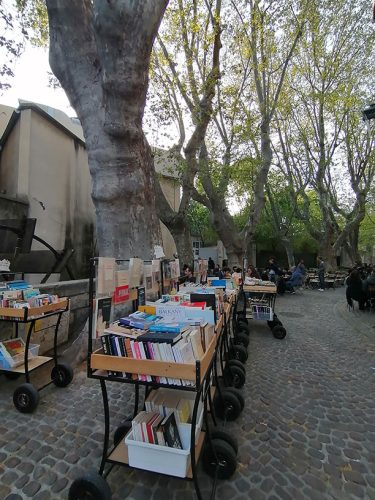
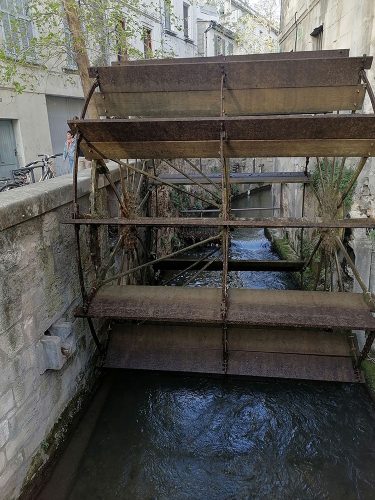
We finished our city tour in the Rue des Teinturiers, a cobbled street surrounded by old stone houses where the small canal de la Sorgue runs and where you can see the remains of four-wheel mills. The street is very bohemian, with bars and artists.







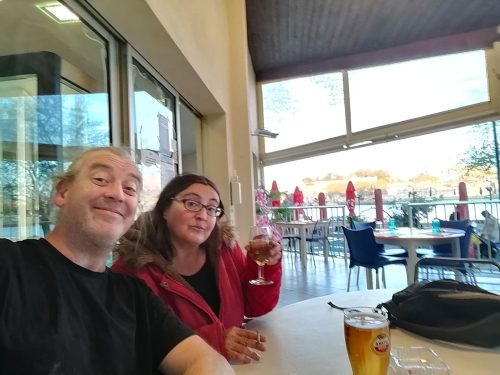
Before we left Avignon we had lunch in the panoramic restaurant of the camping, where we had the typical mussels and chips.




And on Sunday we went to the Provence Alps, to a town called Castellane which you can see in the next post.

