Spain – Galicia – Corcubion – Part II (En)
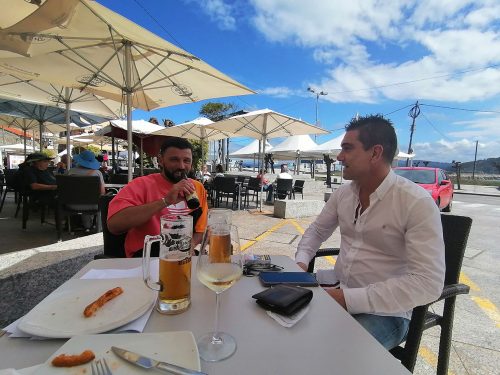
The next day Thursday our amazing guide started the tour taking us to Muxia. A town on the Death Coast where Tino tried to find a friend from his school when he was little. After asking around he got his phone number and called him and he came to have a drink with us. Really nice reunion and a lovely man who told us what to see in Muxia.
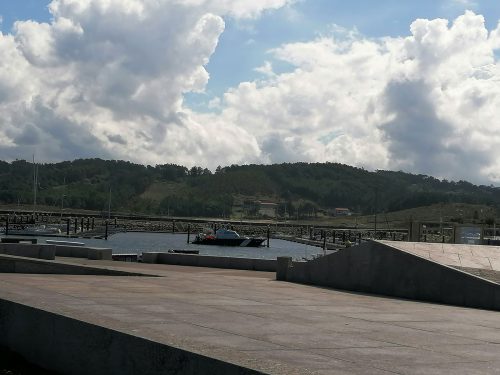

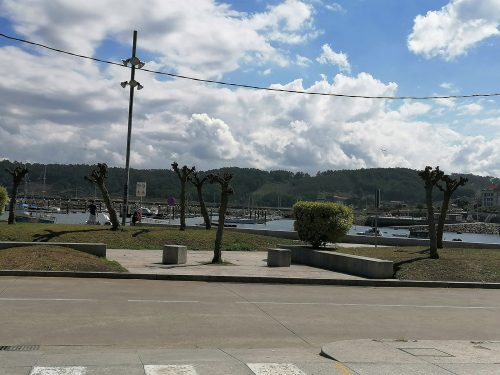

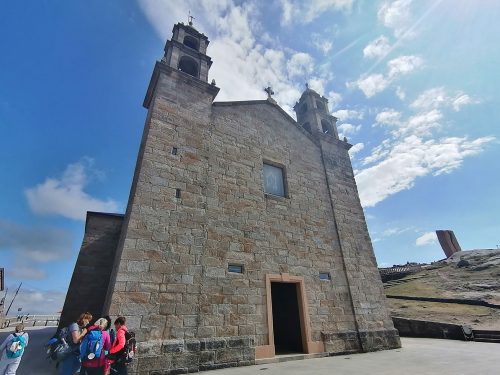
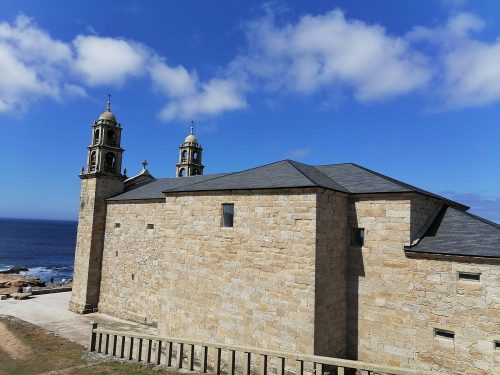
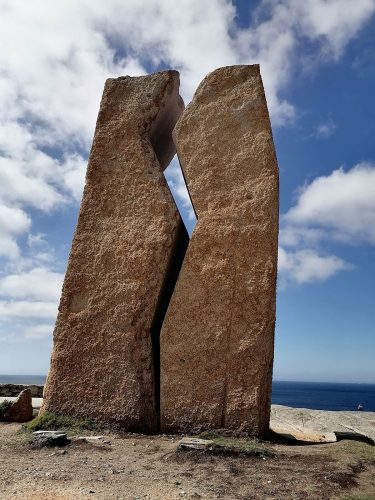
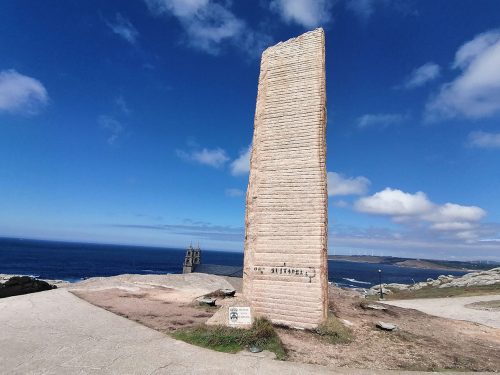
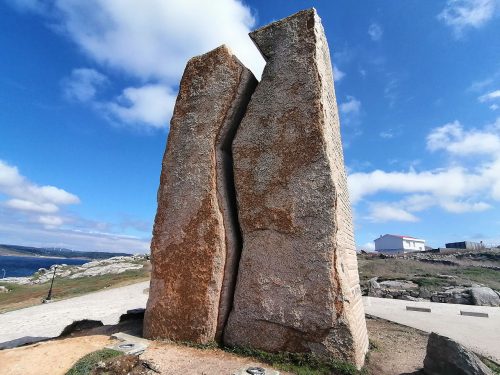
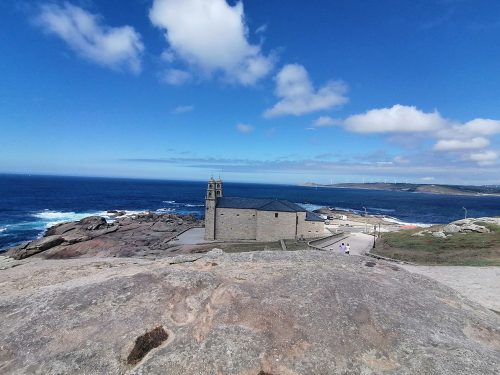
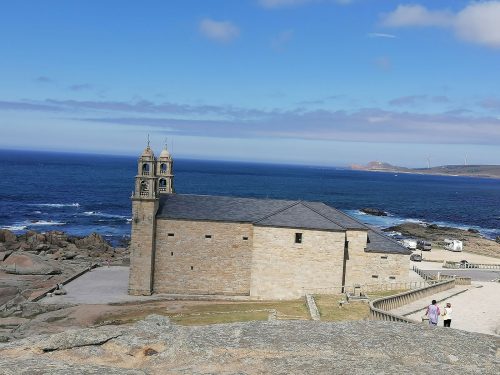
Following the advice given to us, we went to see the Muxia Lighthouse next to the Sanctuary of the Virgen de la Barca. The Sanctuary is an absolutely essential stop because of the mysticism that surrounds it. Legend has it that it was here that the Virgin arrived in a boat to encourage the Apostle Santiago. The temple stands on the remains of an old hermitage from the 12th century, although it has undergone numerous reconstructions over the years. After the Prestige disaster in 2003, a few meters from the sanctuary, A Ferida (in Spanish the injure), a monolith weighing 400 tons and 11 meters high, was erected to pay tribute to all those volunteers who tried to stop the ecological disaster of the Prestige.


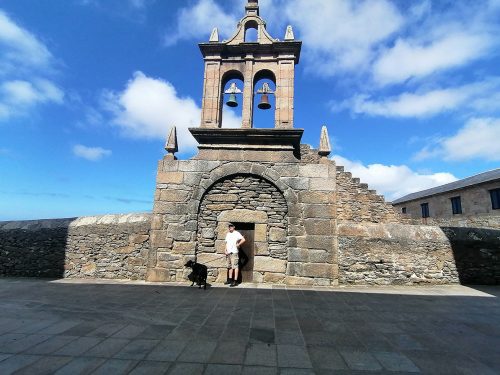
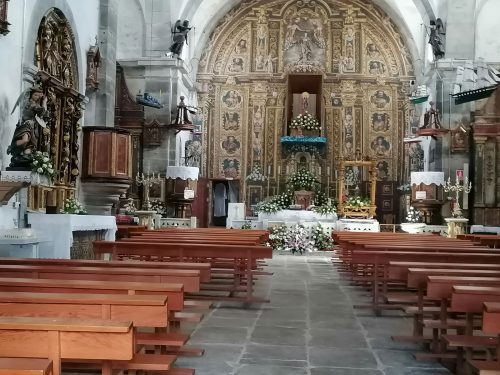

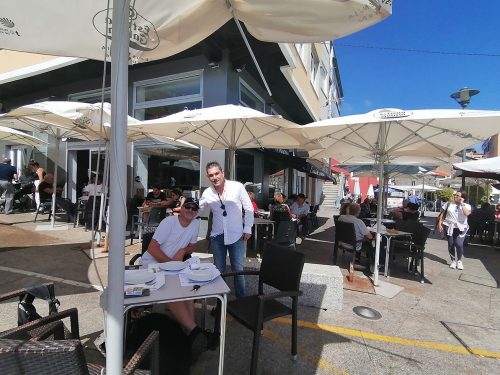
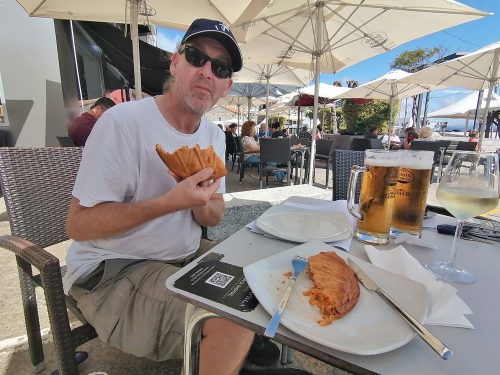
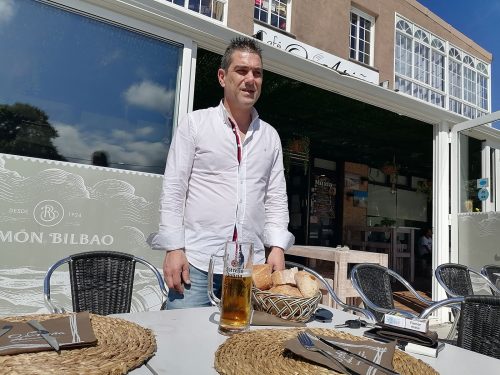
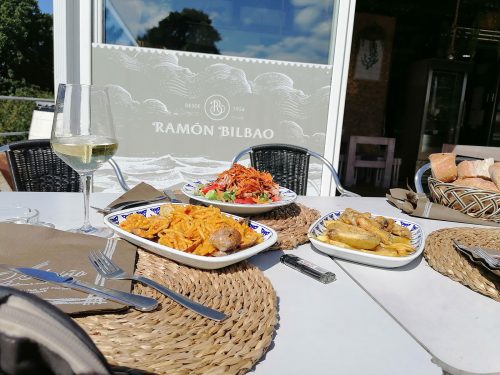
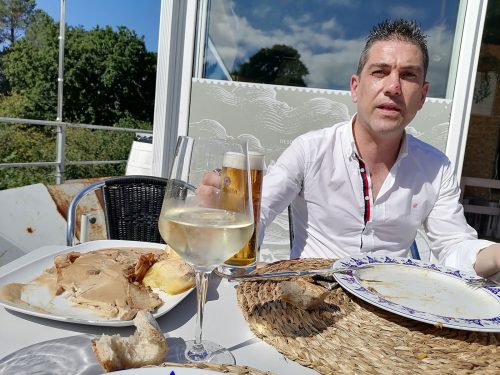
From here the idea was to go to Camariñas town for lunch but when Tino called the restaurant they told us that the kitchen closed at 3 pm so we were late. We stopped in a restaurant on the way in a very cool place and we had the menu of the day for 10 euros. We shared the starters: salad, noodles with clams and chicken wings between the three of us and then we shared the seconds, barbecued meat and pork fillet with mushroom sauce. We finished with a typical Galician herbs liqueur good for digestion and where the waitress was flirting with Tino during our lunch, hahaha.

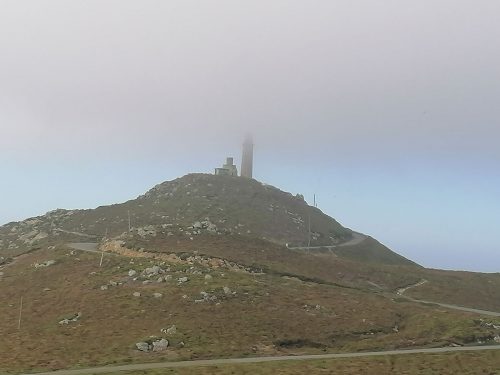
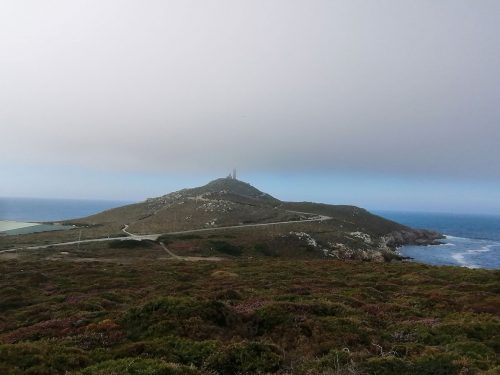
Finally, we arrived at Camariñas, an important fishing centre that is renowned all over Spain for the bobbin lacework of its women (the palilleiras). To the northwest are the impressive cliffs of Cape Vilan, a protected natural site.

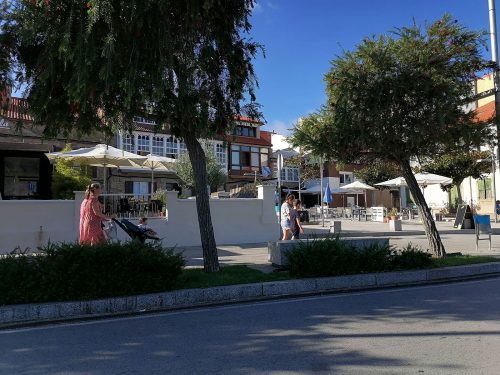
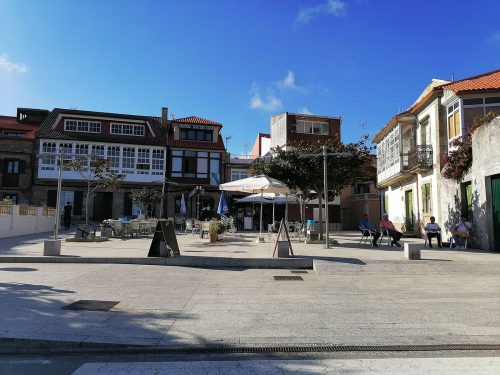
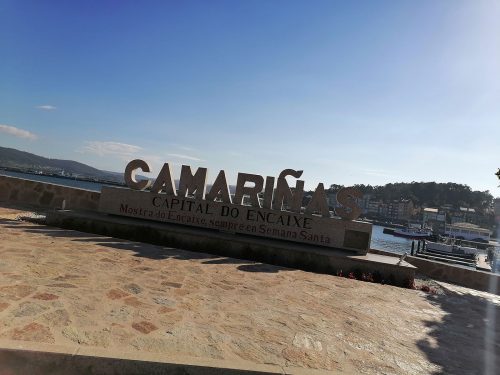
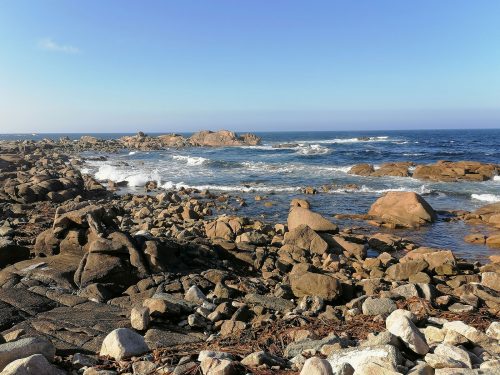
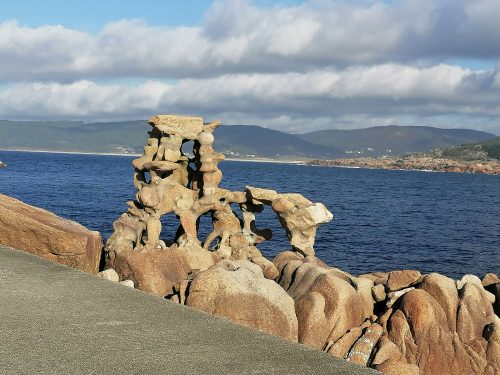
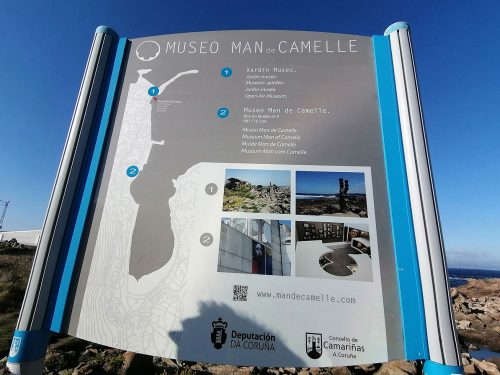
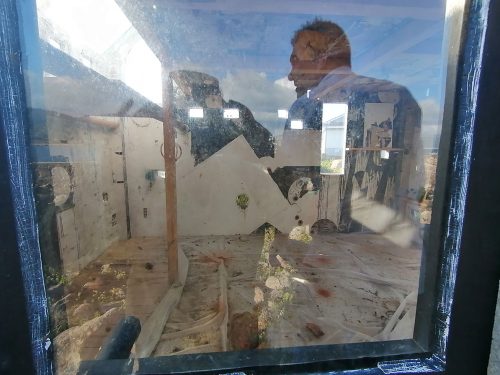
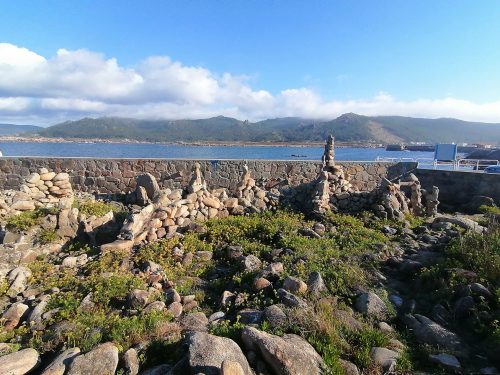
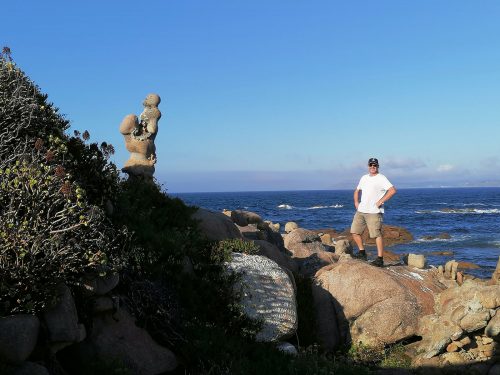
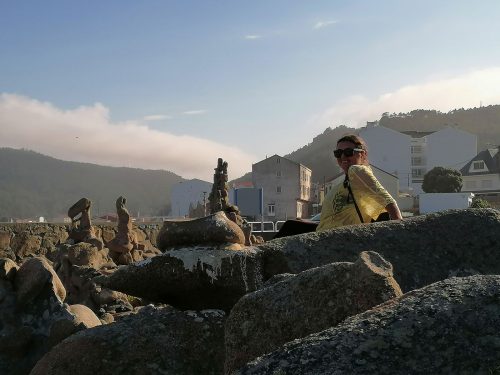
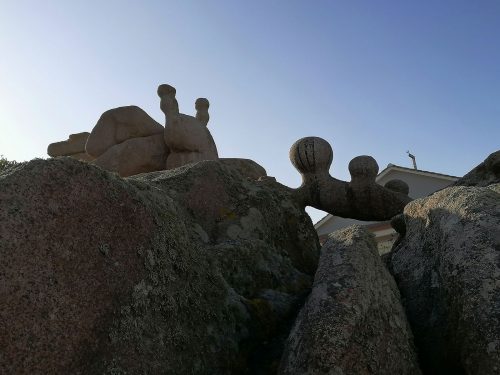
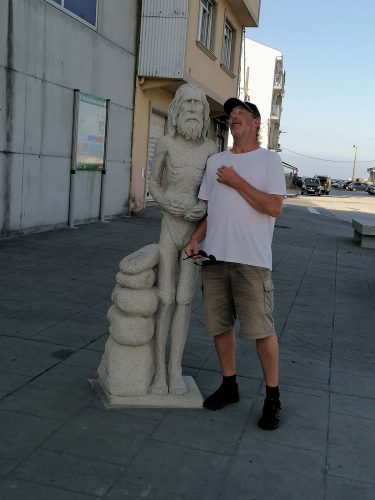
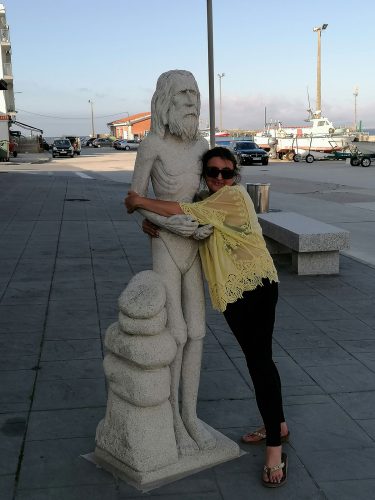
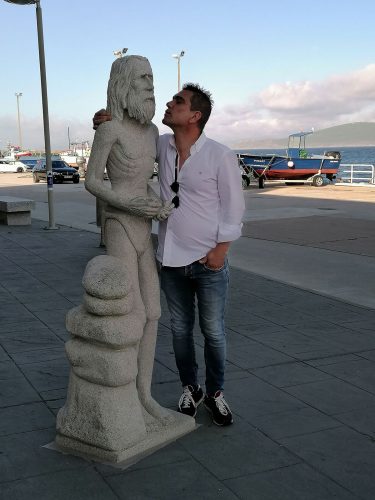
From here Tino took us to Camelle, a small and beautiful fishing port that keeps its charm located in the heart of A Costa da Morte. At the end of the dock, it is the museum that can be considered the most peculiar in Galicia: a museum of stones that have the most diverse shapes and colours that a man coming from Germany created after being captivated by this area: Man, the German of Camelle. Man was a German hermit and sculptor who lived in the village. He spent much of his time building sculptures on the beach and tending to his small garden. In November 2002, when the Prestige destroyed his sculptures and the ecosystem of the area he lived in, it is believed that Man let himself die of melancholy and sadness.
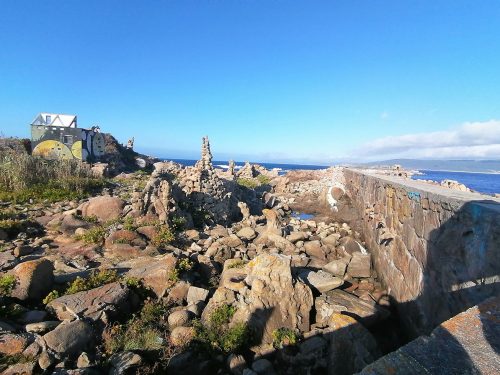
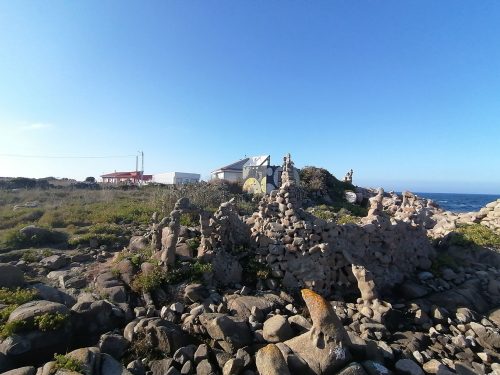



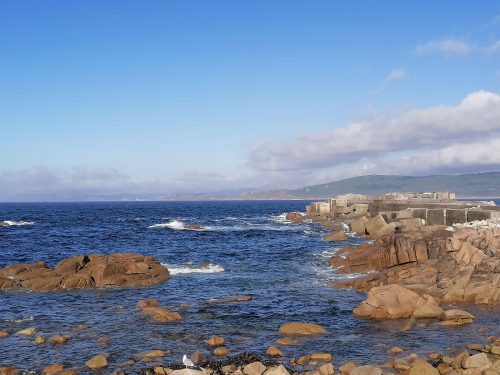
And from here we went to Arou, a small village facing the sea in the heart of A Costa da Morte, with an amazing beach that in the summertime is full of tourists and neighbours sunbathing and swimming in its clean waters. Where we had some drinks and free cheese and ham tapas.

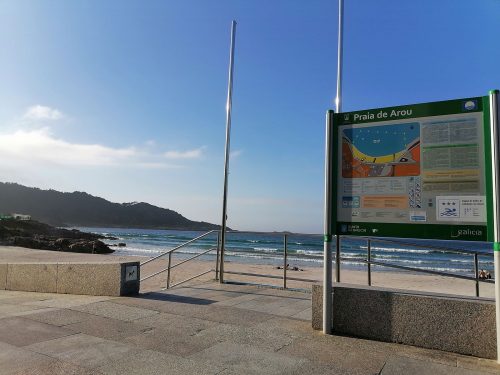
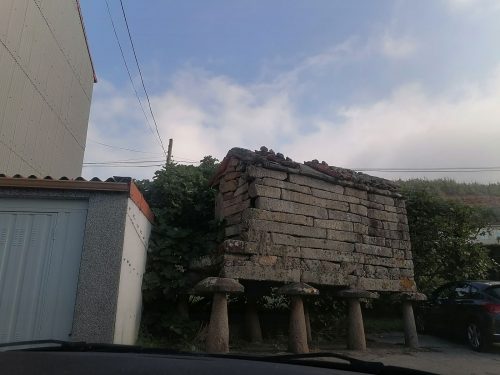

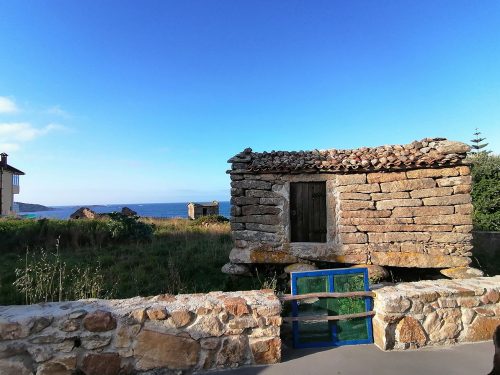
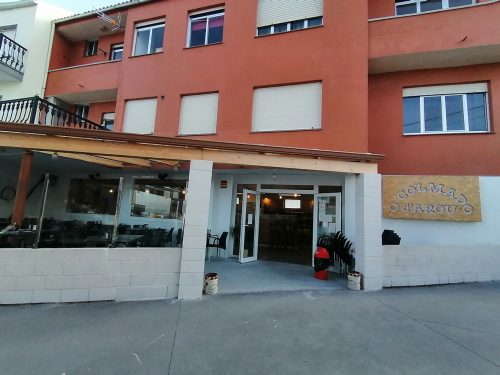

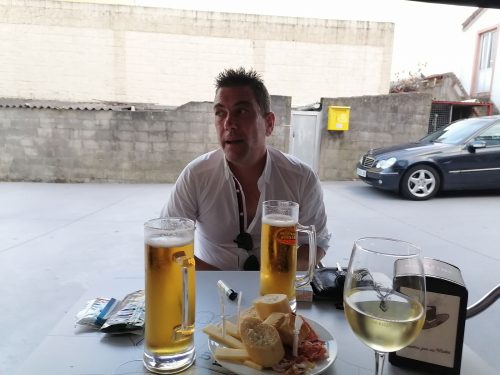
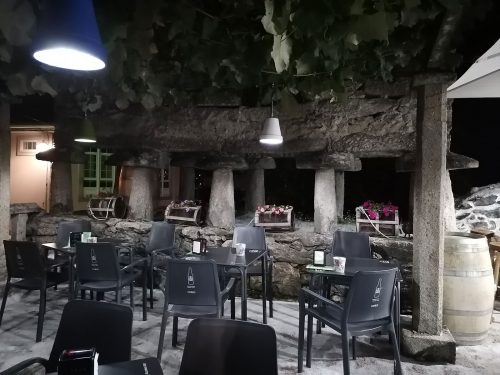
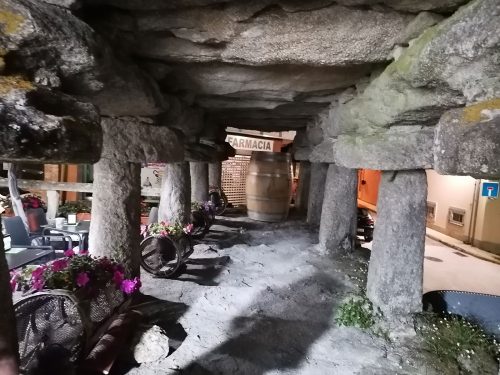
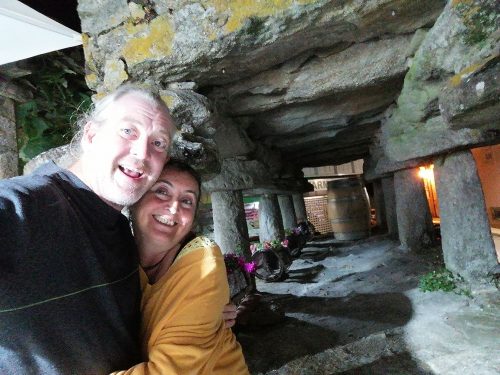
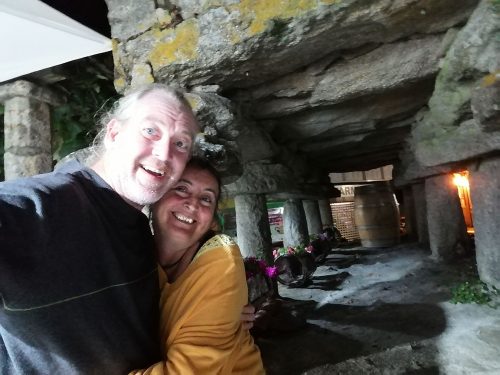
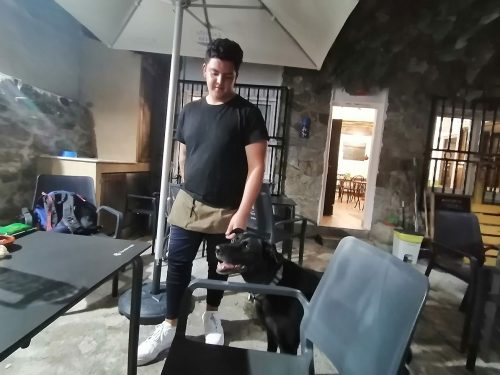
To finish the day we came back to Corcubión to a really cute bar with its terrace inside to a granary where we had drinks and more free tapas and where Asha was playing with the waiters. An amazing day thanks to Tino.

The next day Friday we went to Tino’s house to shower and to say bye and go to Guntin in Lugo province, but we finished in Porto Marín, and you will see and find out why in the next post.
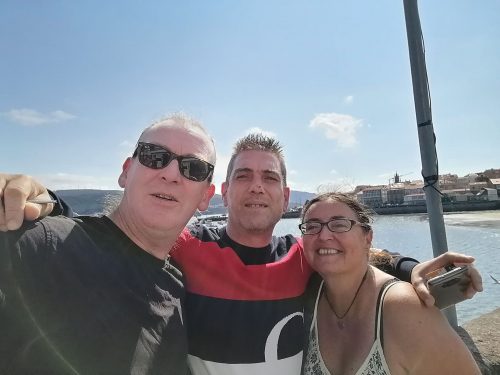
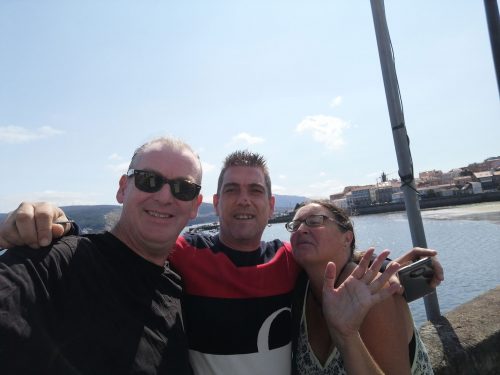
Thank you very much to Tino for all that he did for us, he is a lovely person and made our trip to the Death Coast an adventure. We had an amazing time and we hope to see him soon in Marbella!

