France – Amboise
Tap Like to like or love this post. It takes one tap, no sign-up.
Tap ❤️ to love this post, or pick another face. One tap, no sign-up.
Read the post, then tell us what you think. You can leave a comment at the end, or tap 💬 to go straight there.
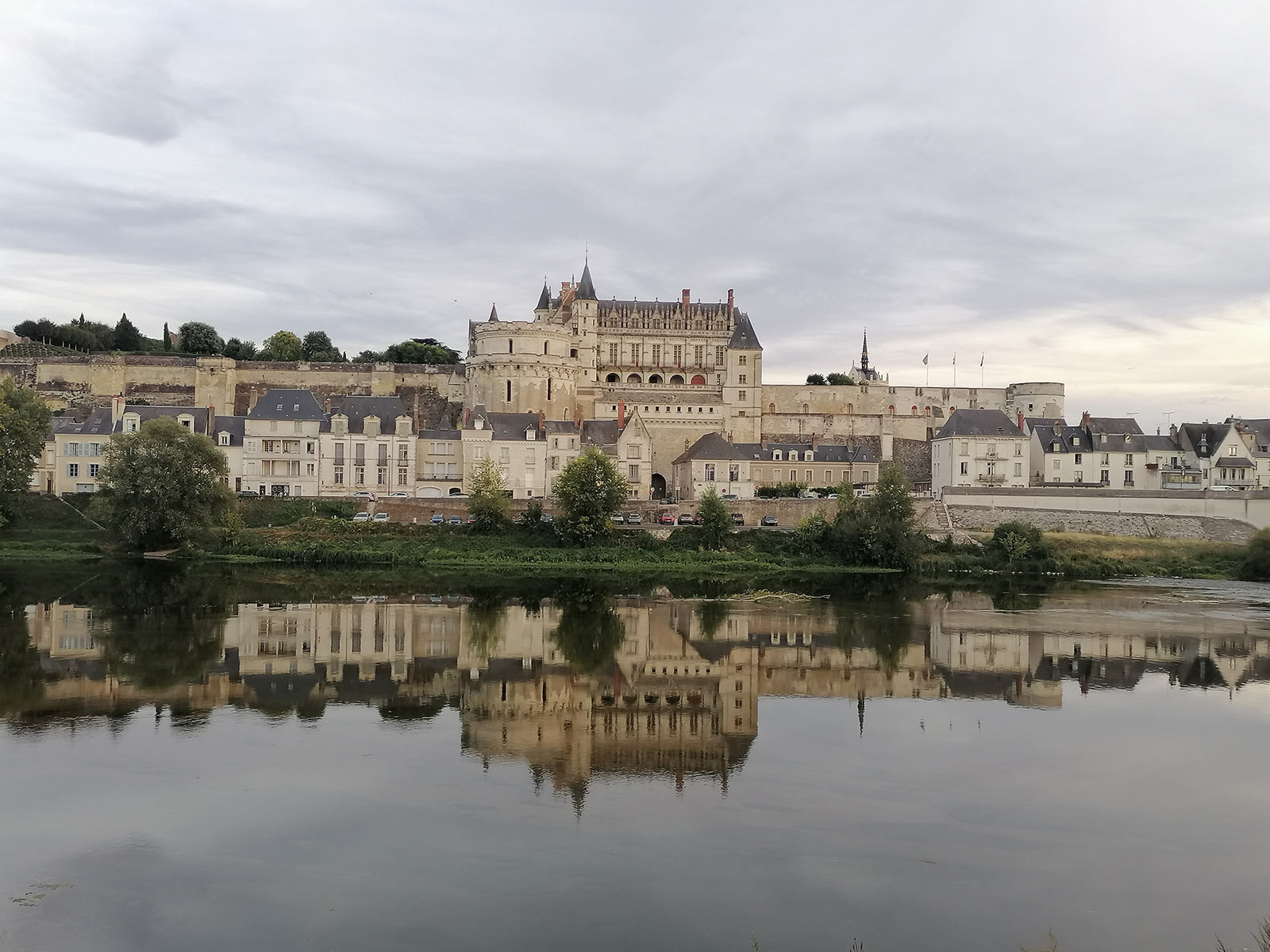
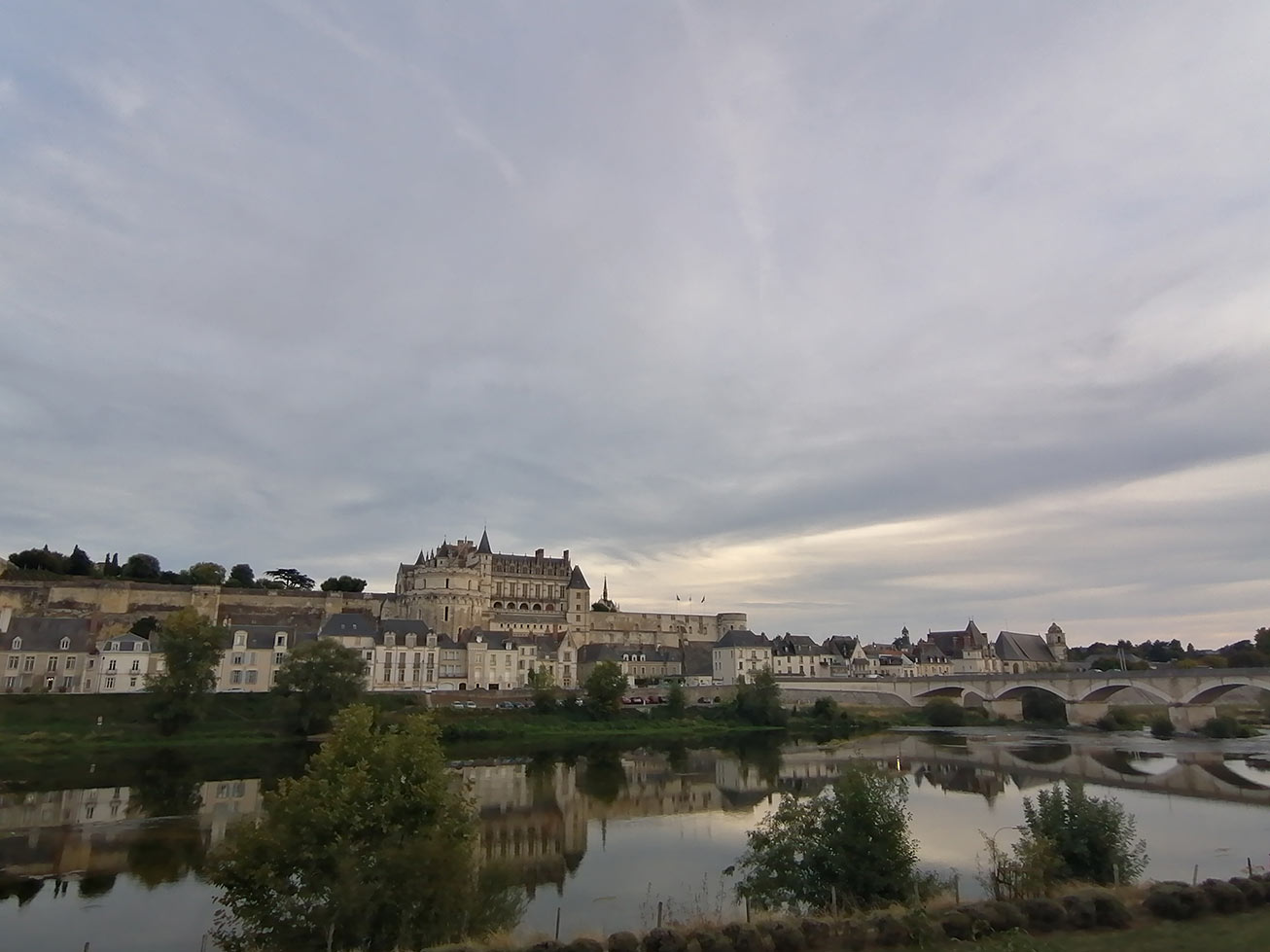
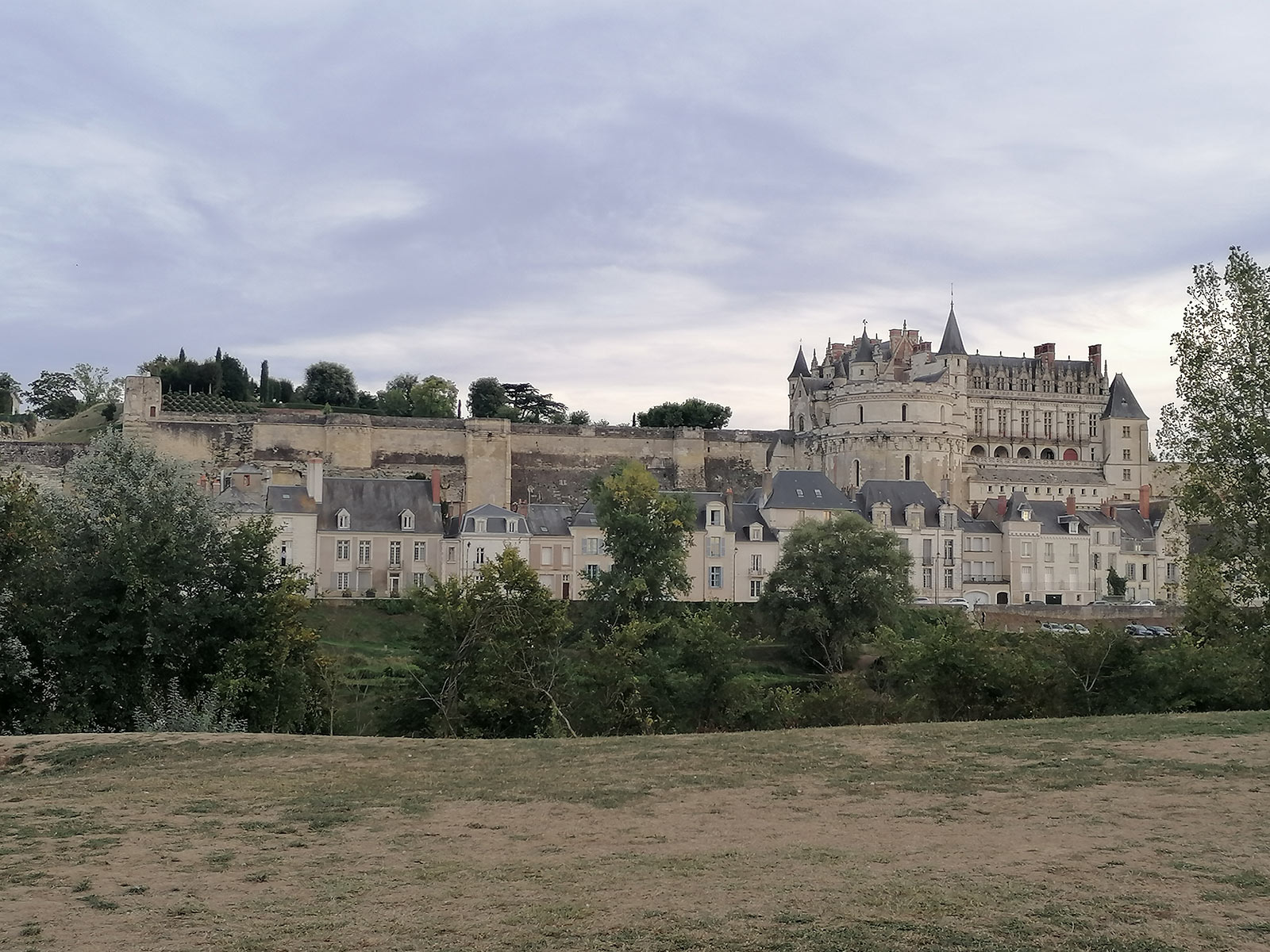
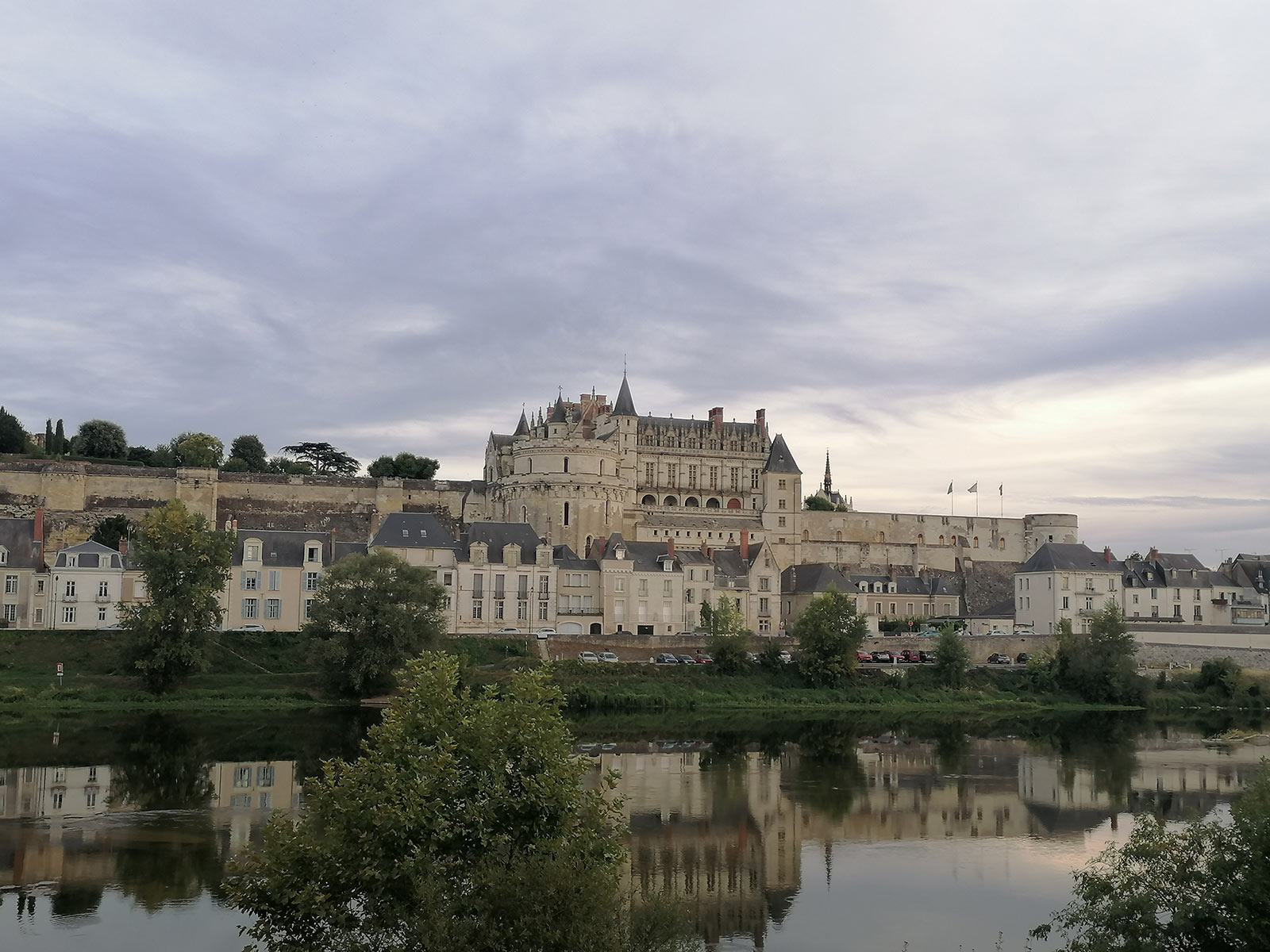
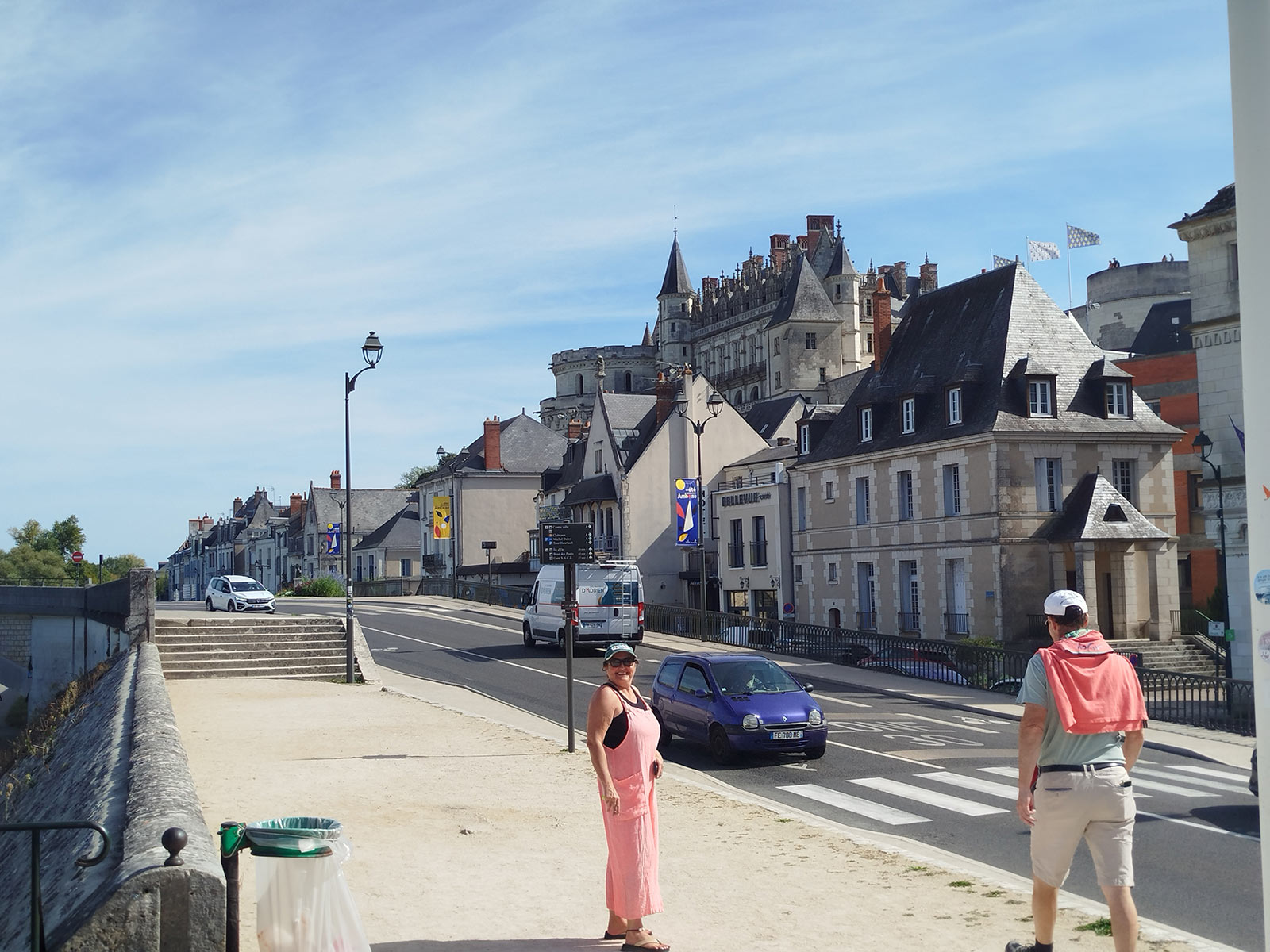
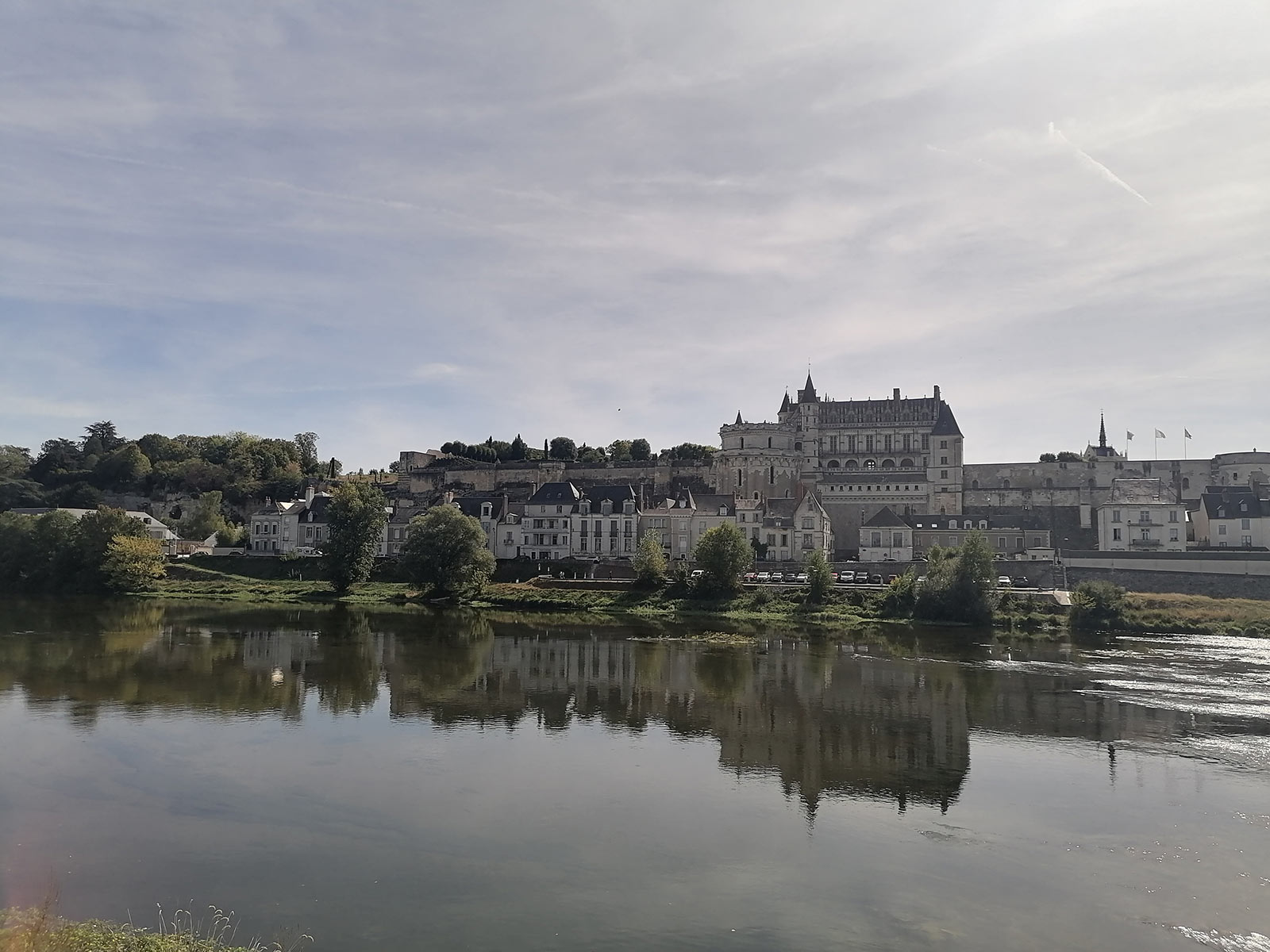
We went to Amboise because it is one of the towns in the Loire Valley that features a royal castle, and we absolutely loved it. The view of the castle from the bridge is stunning. Its charming medieval streets are lined with half-timbered houses, riverside markets, and local wineries. It is one of the towns in France we enjoyed most and highly recommend visiting.
Where to stay
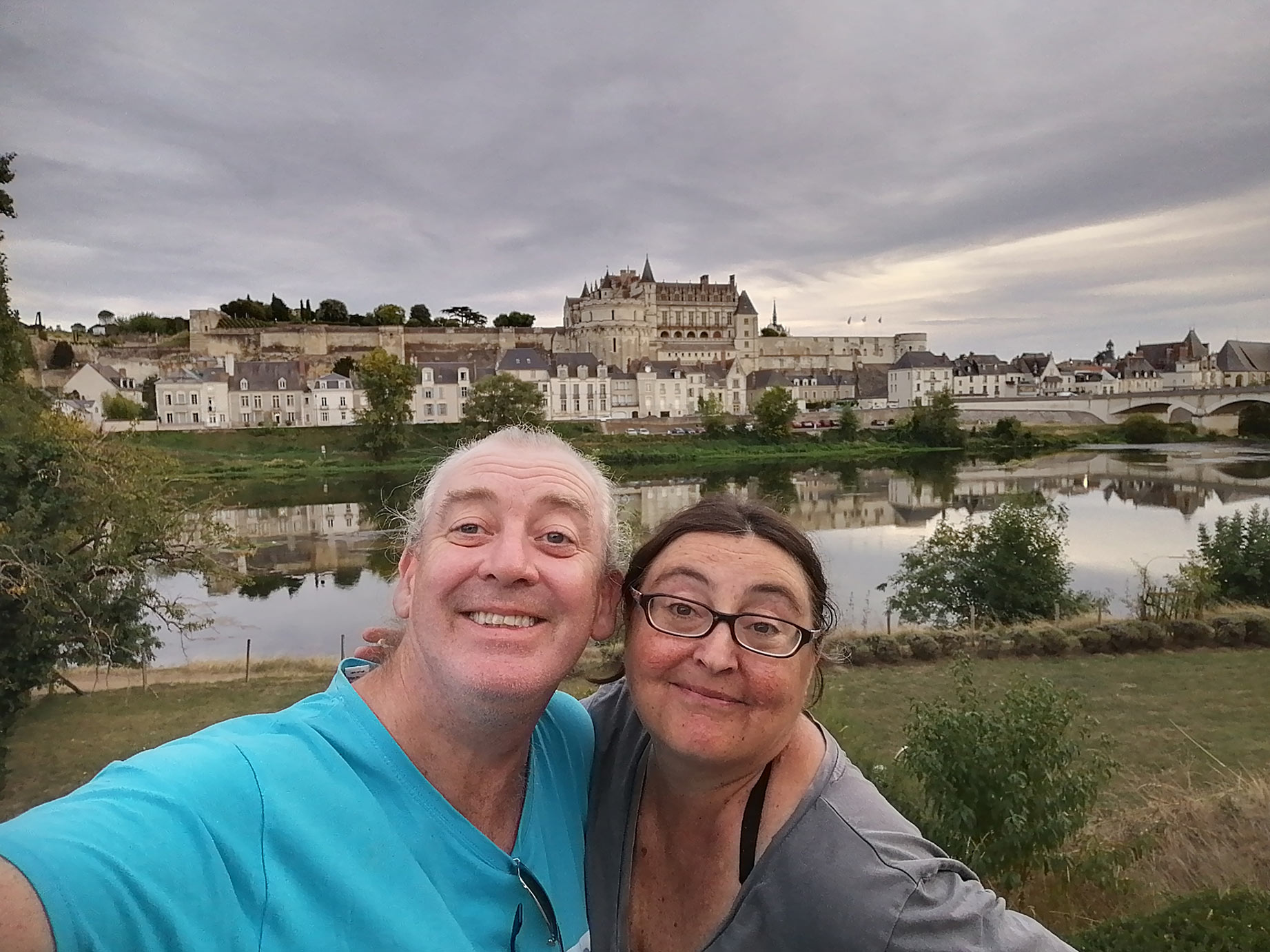
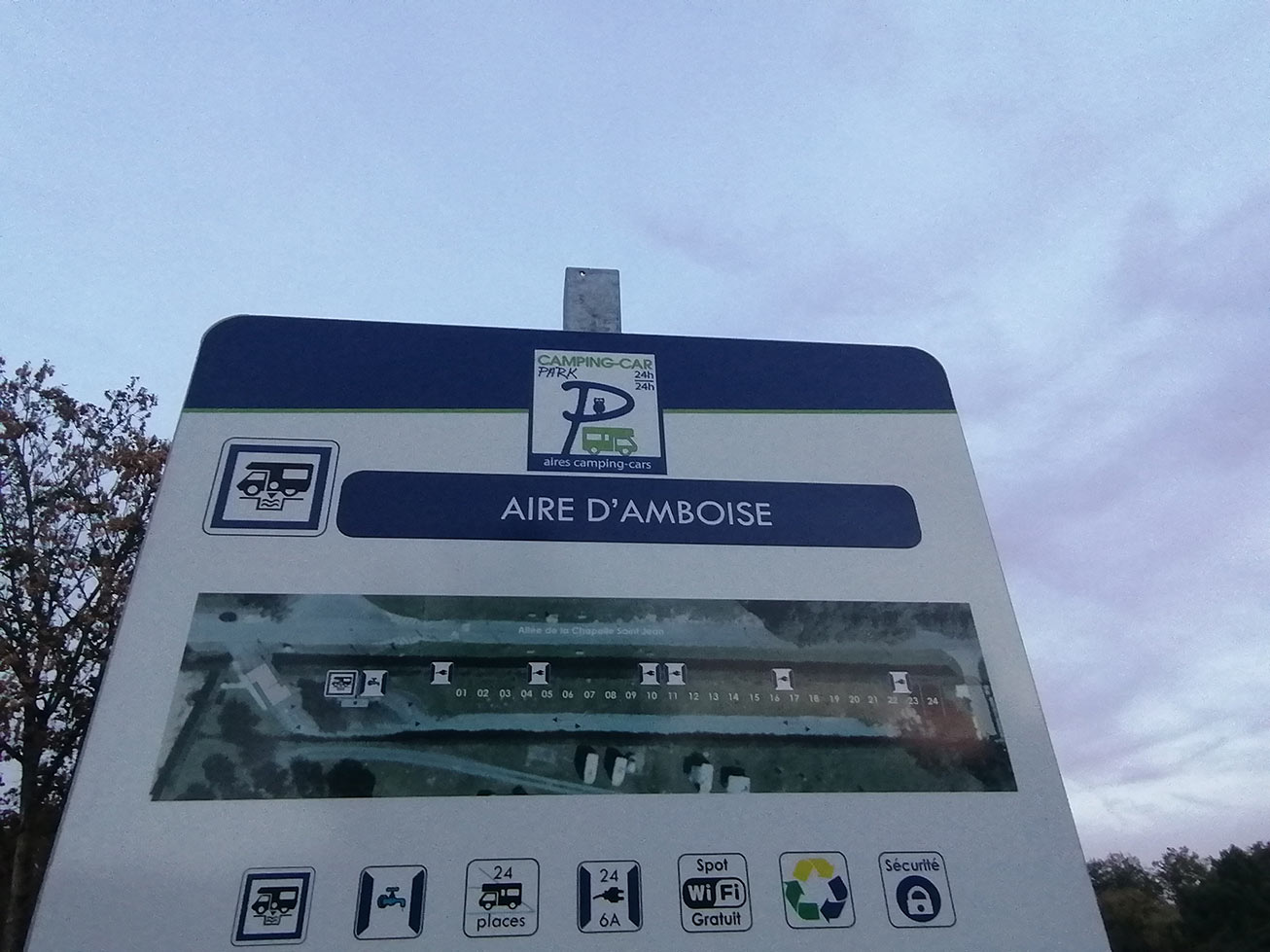
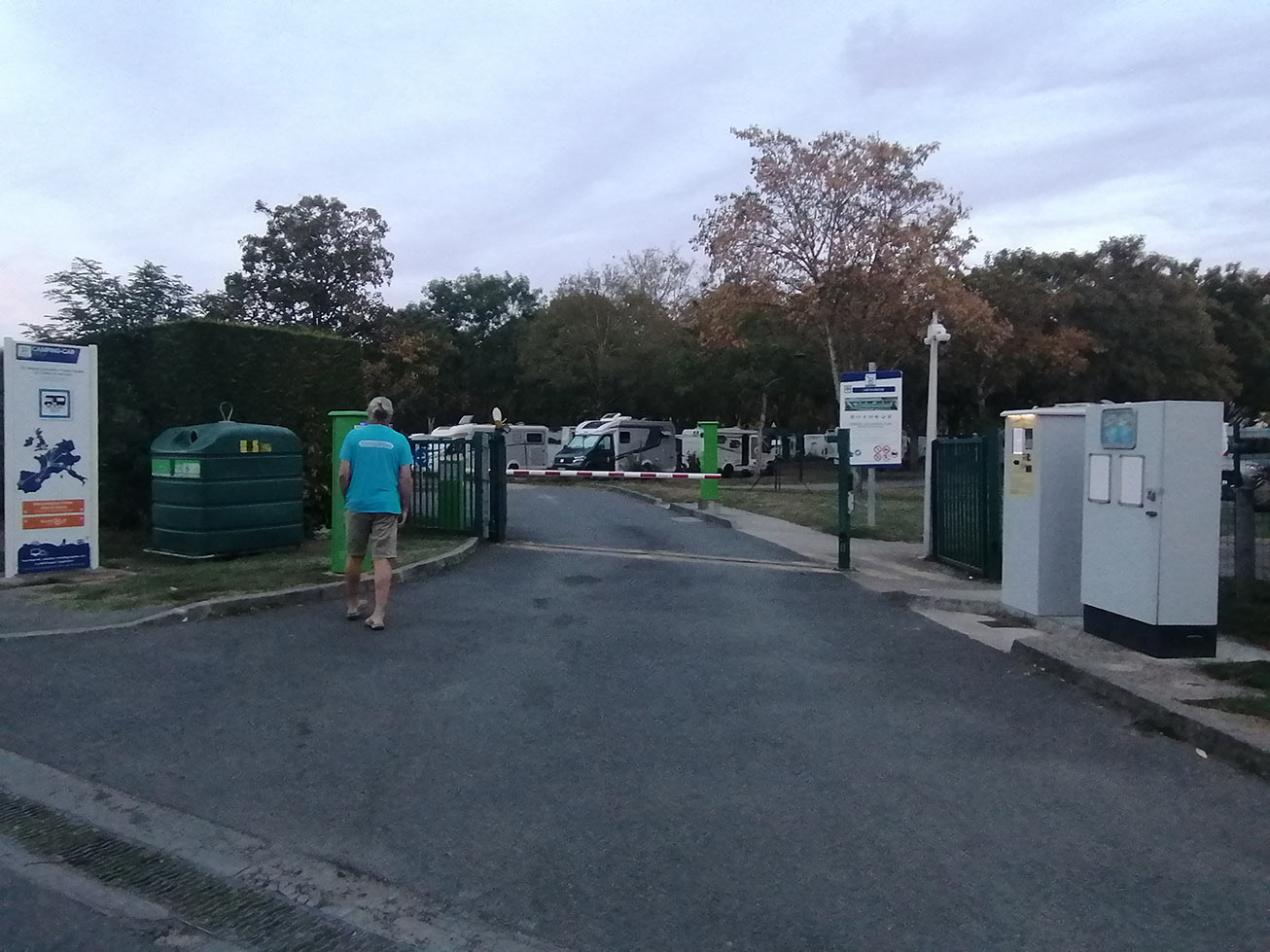
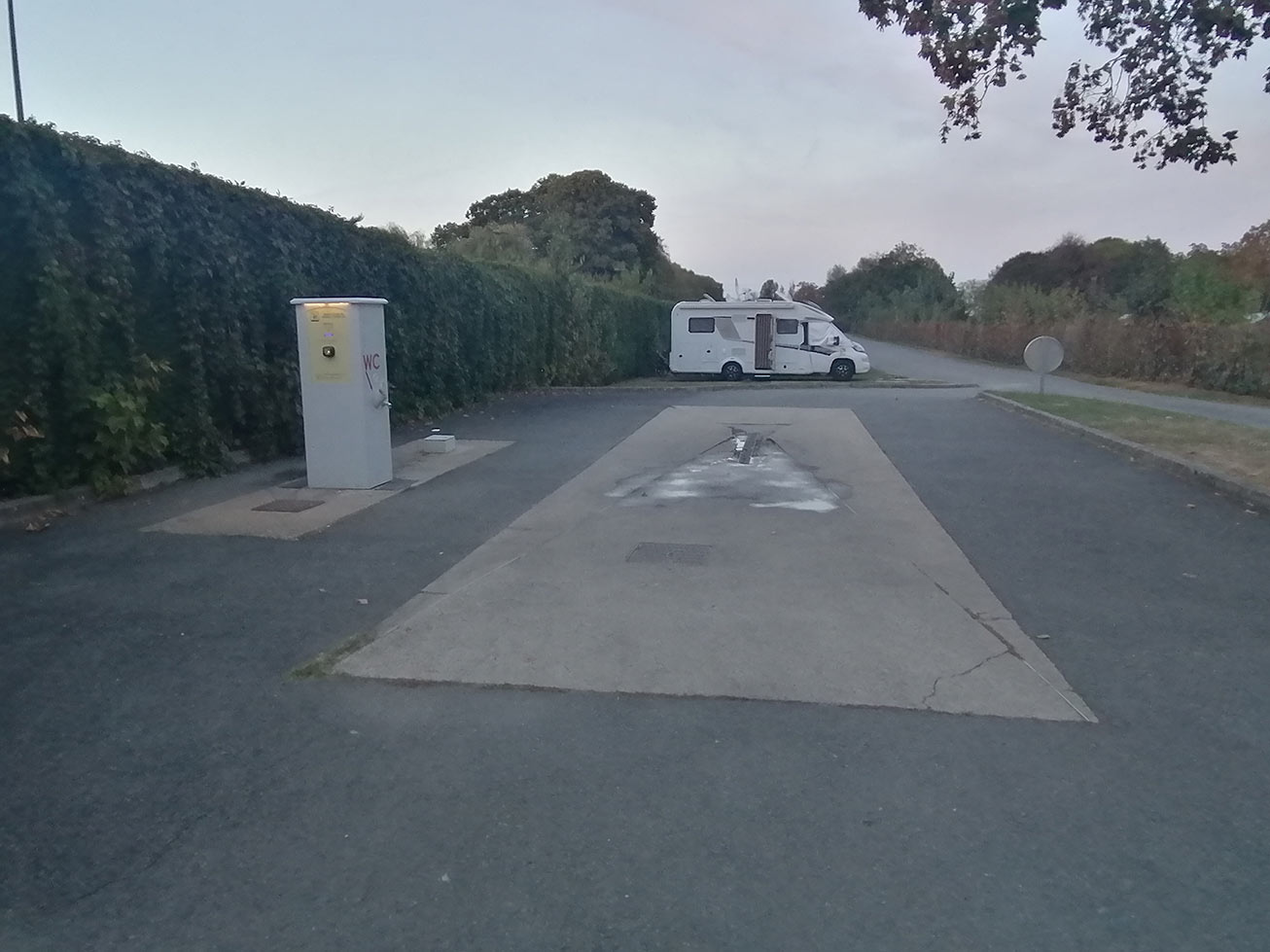
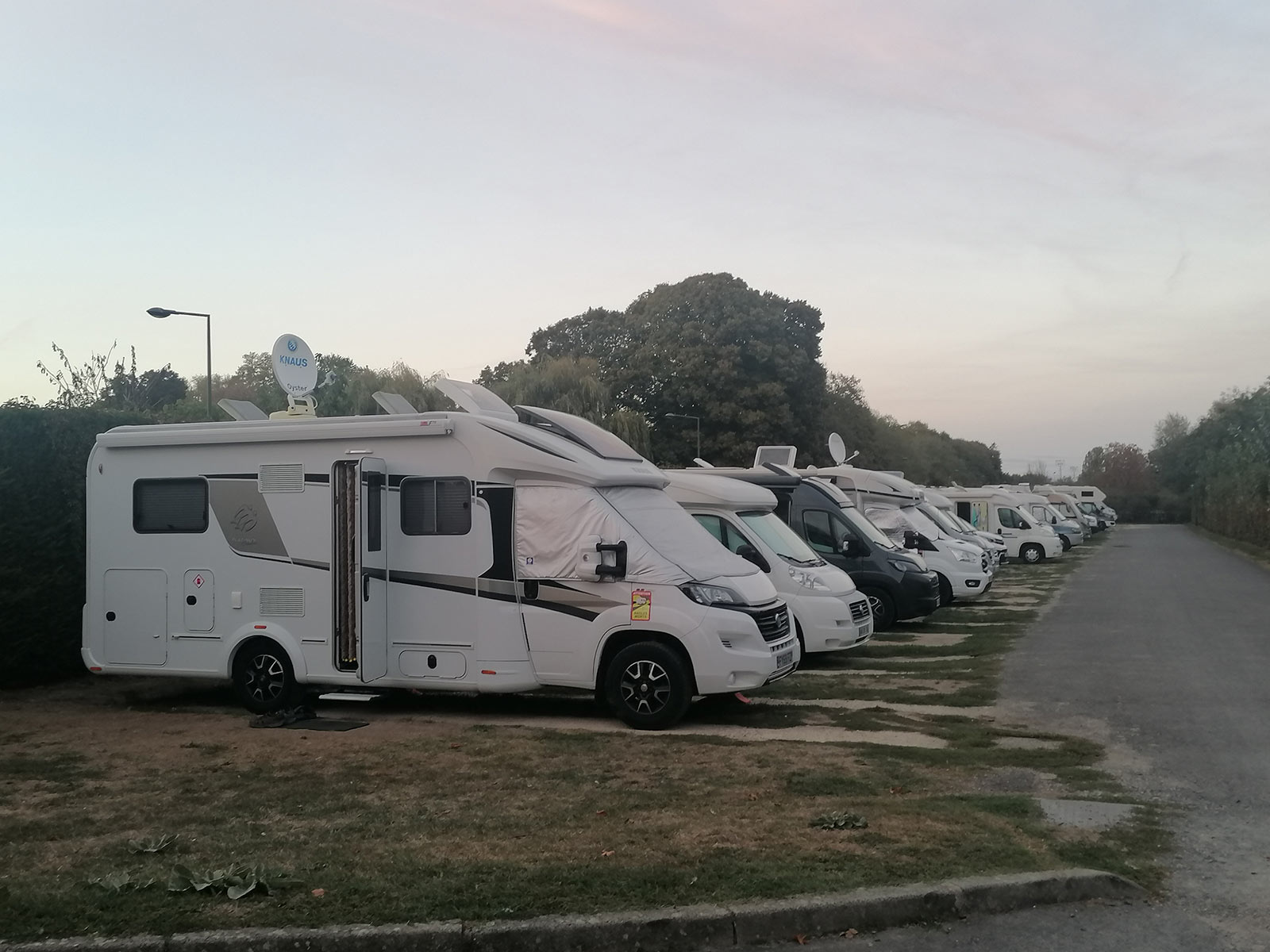
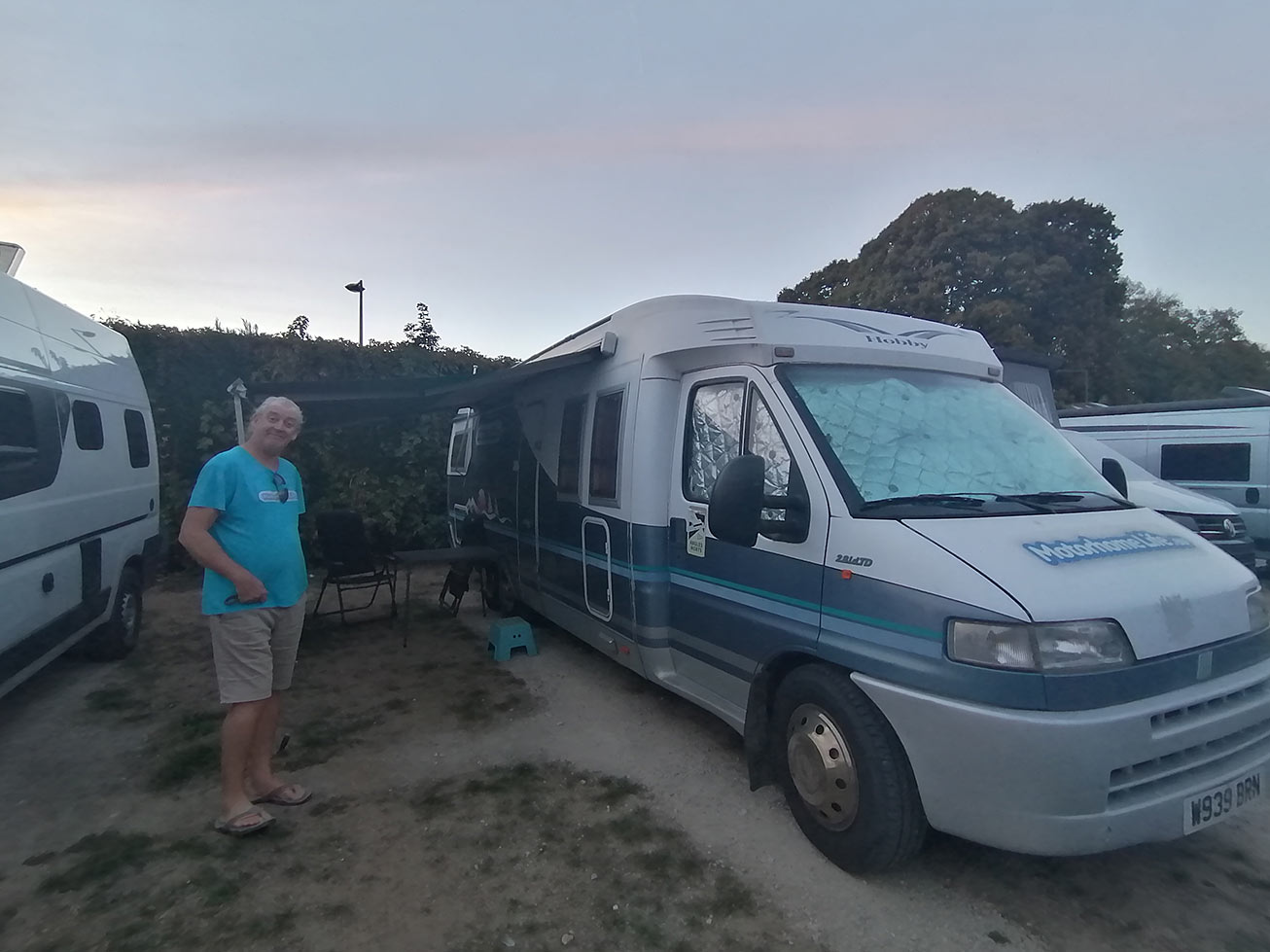
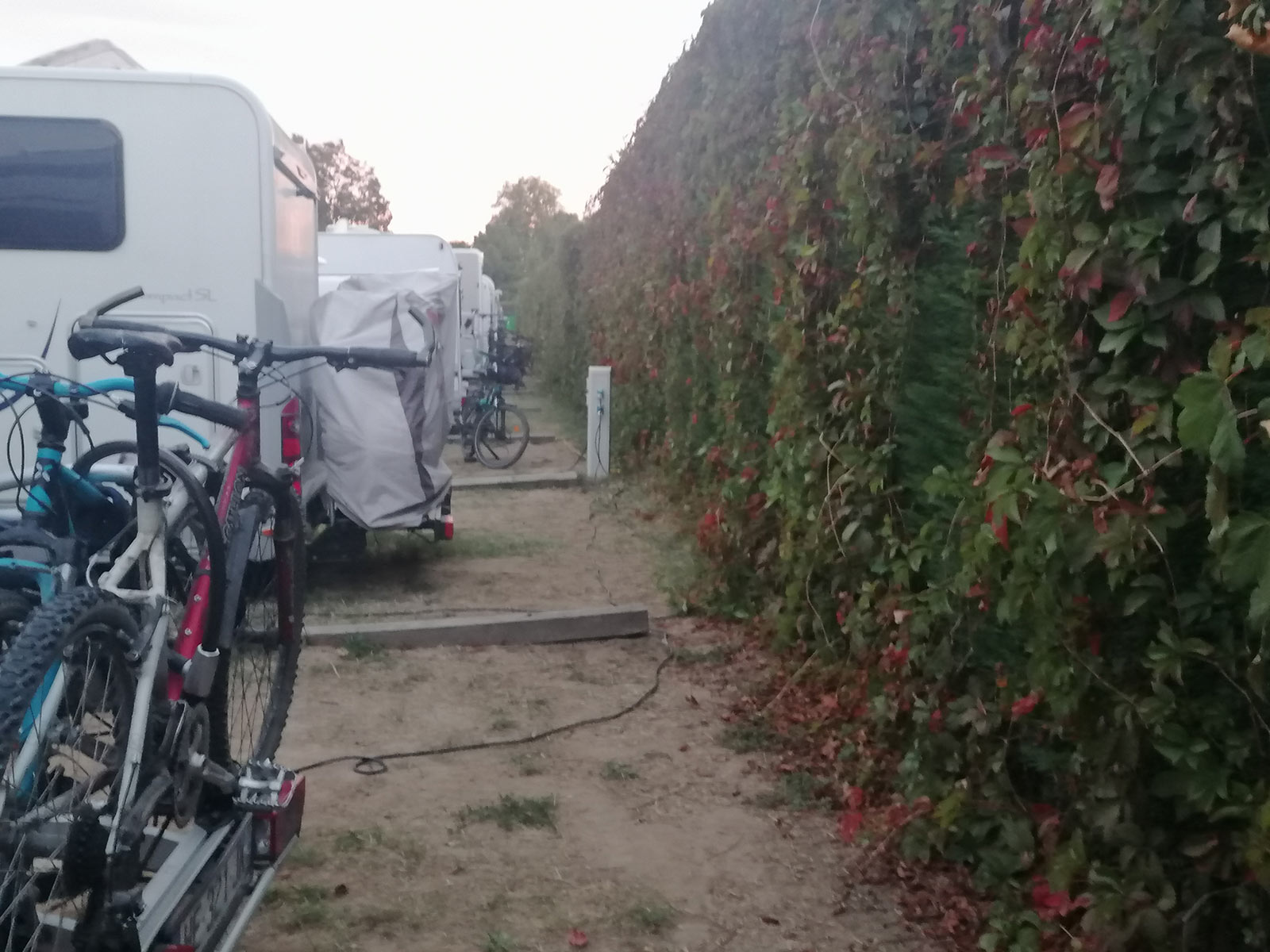
We stayed at the Amboise camping-car area (coordinates: 47.417597, -0.987475), next to the municipal campsite. The site is located on an island, a 5-minute walk from the bridge going to the castle, and offers stunning views. It costs 14 euros per day and includes full camping-car facilities, whereas the campsite costs 23 euros. The location is excellent, as you can easily walk to the castle and the old town.
Advertisements
For more information about the area, click on the review below.
What to see
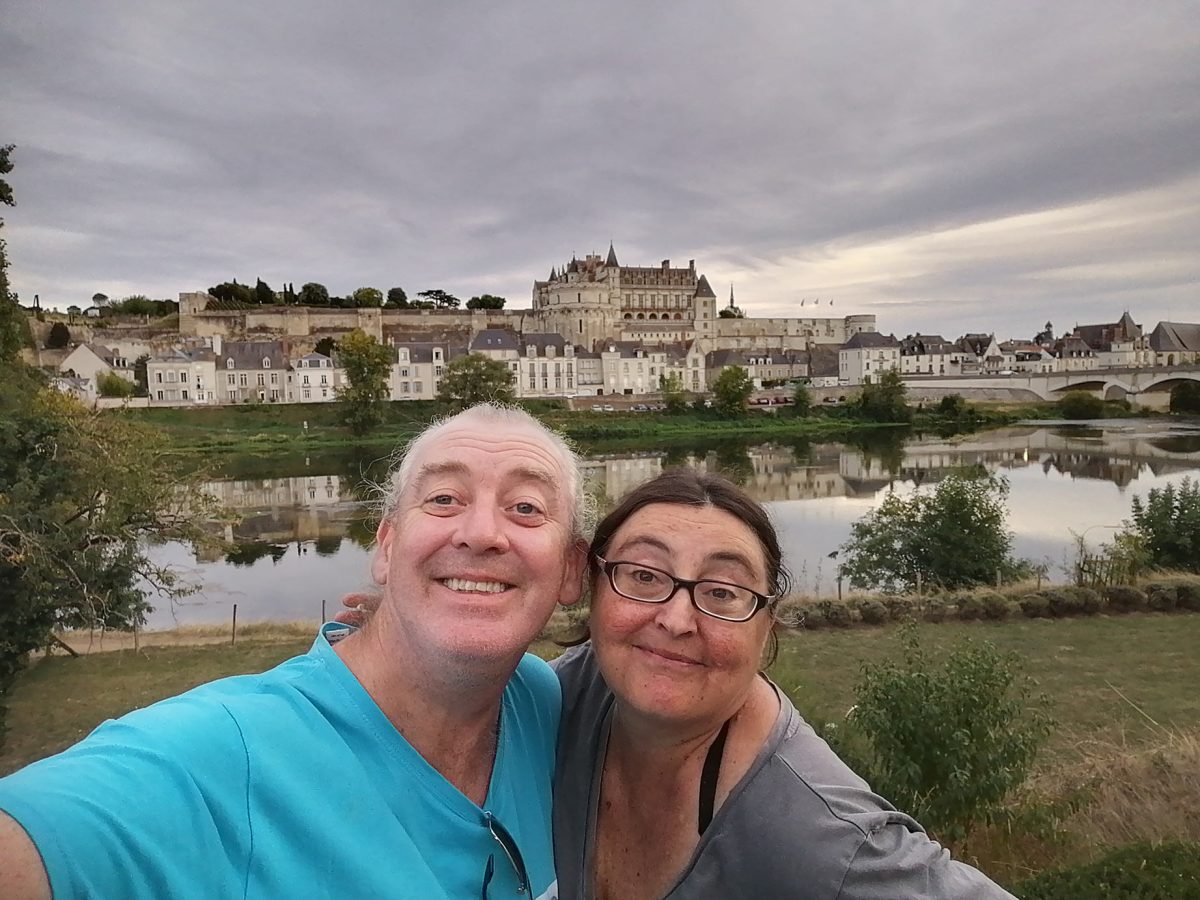
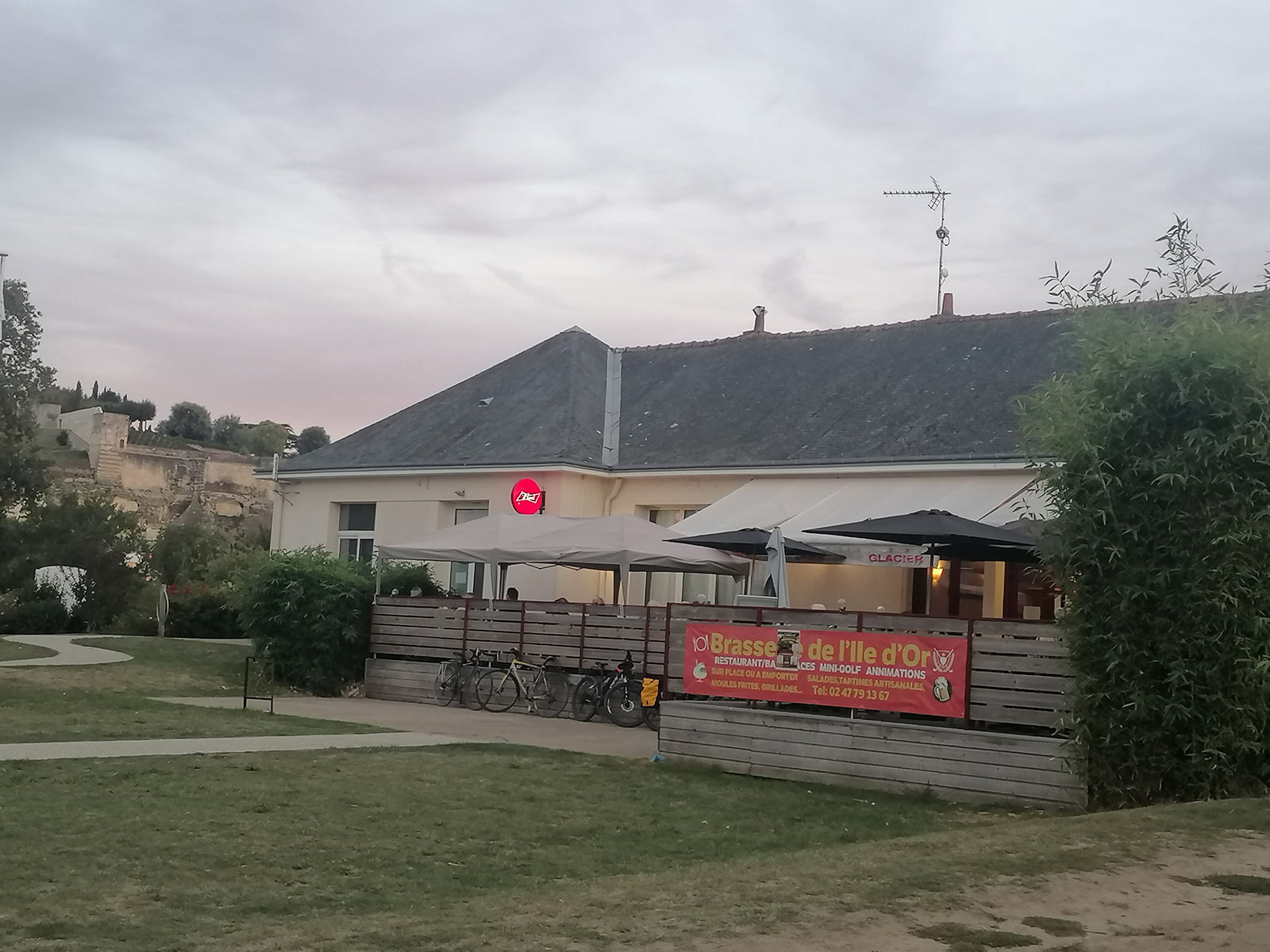
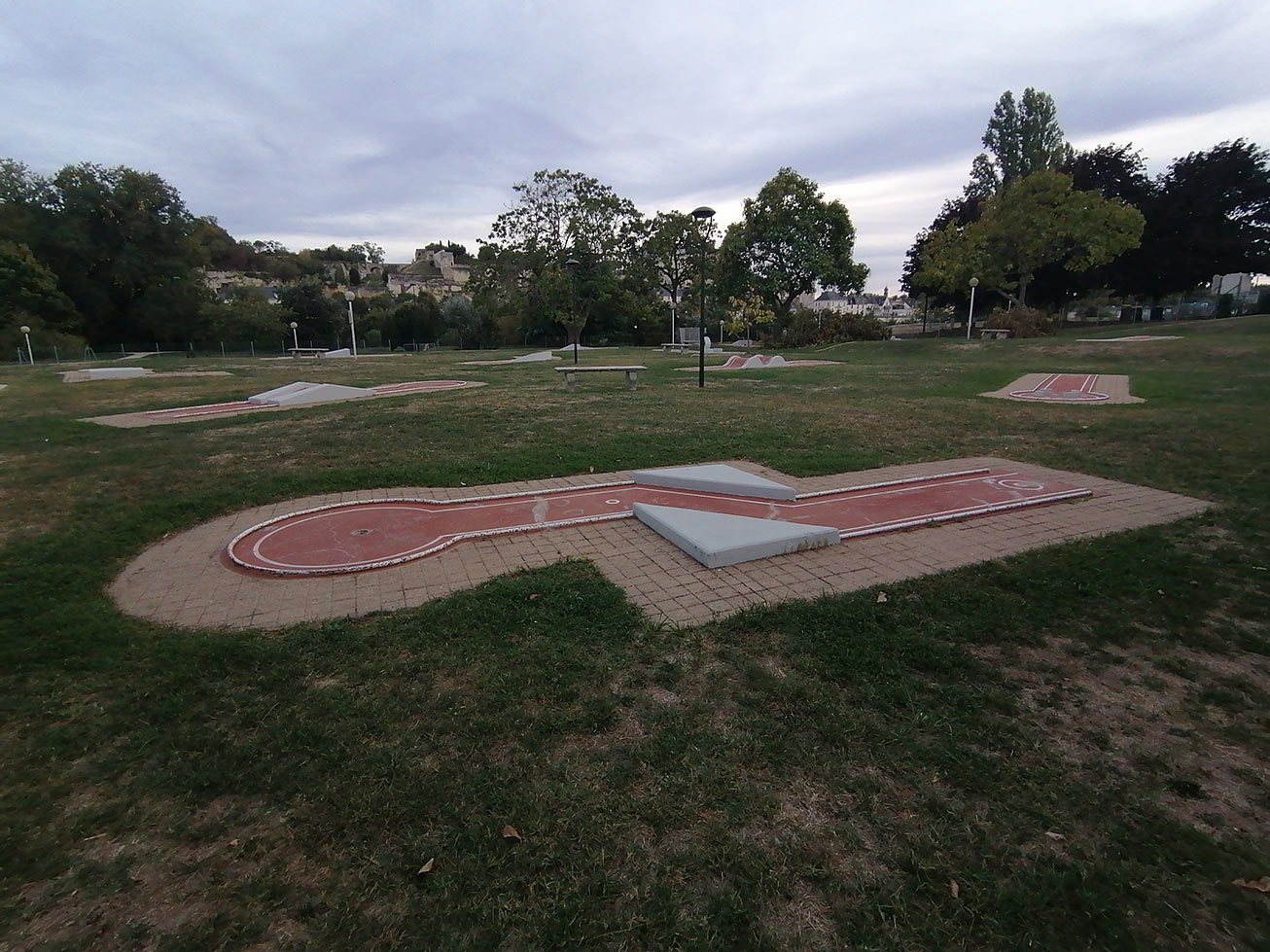
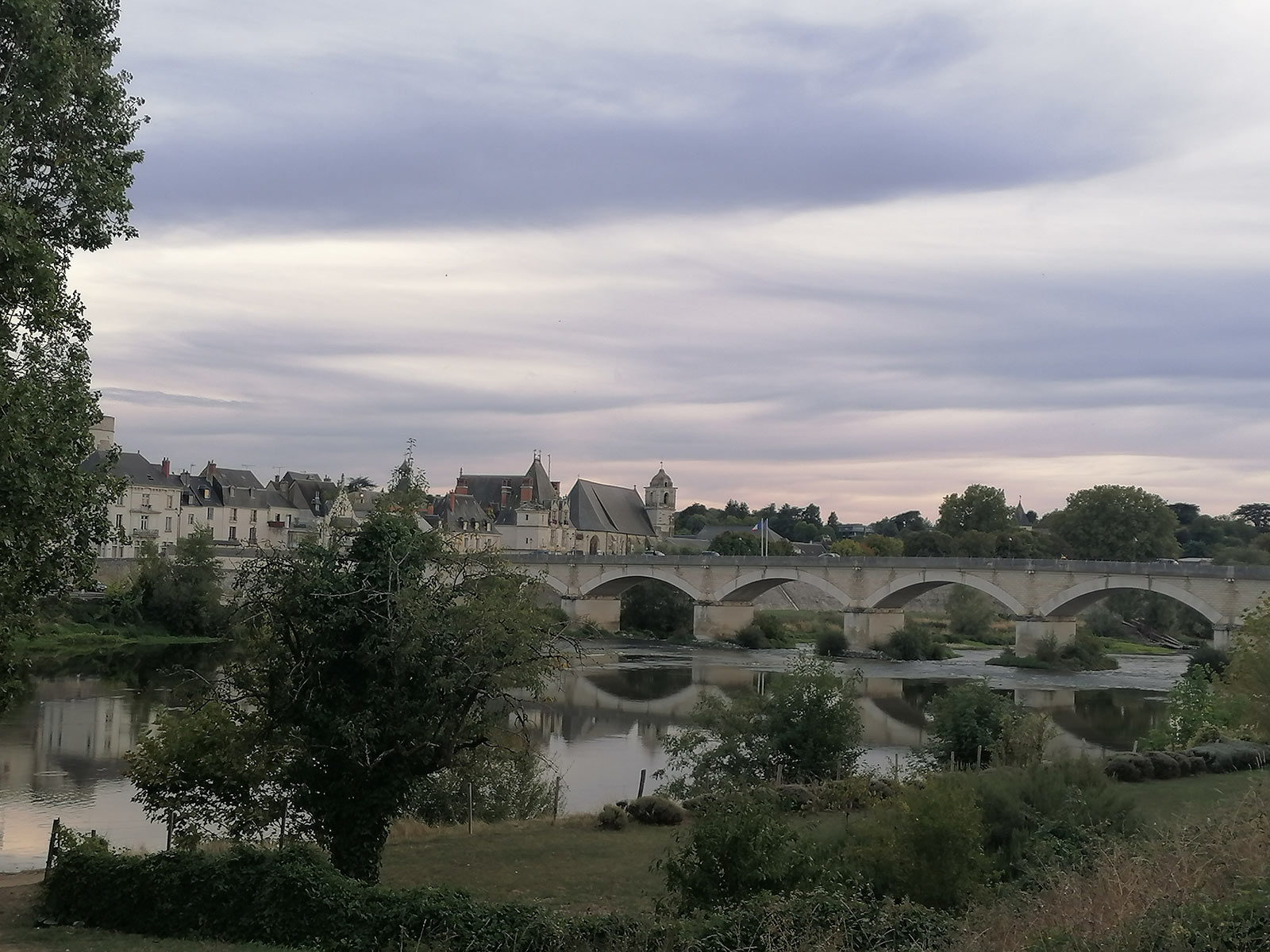
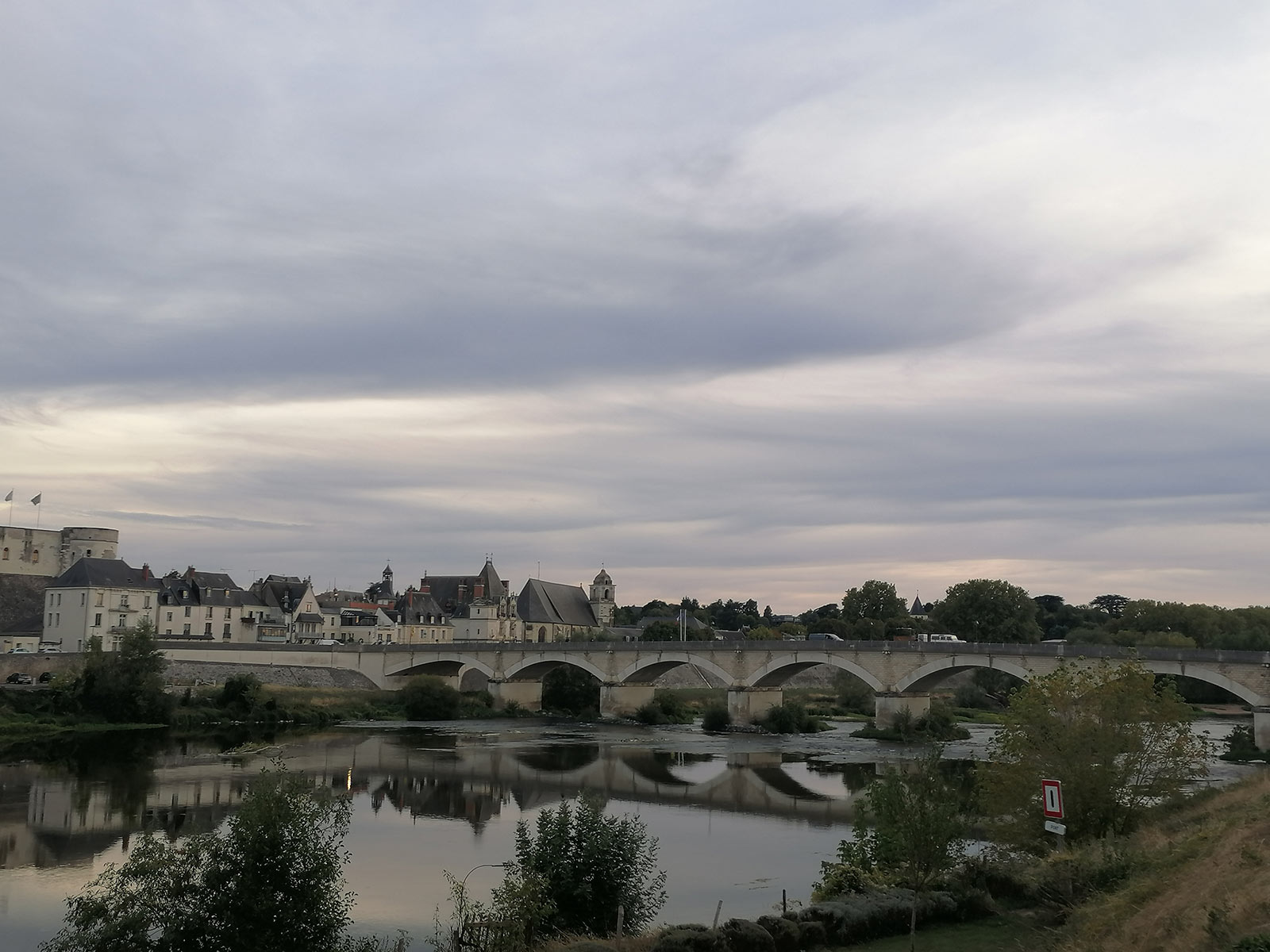
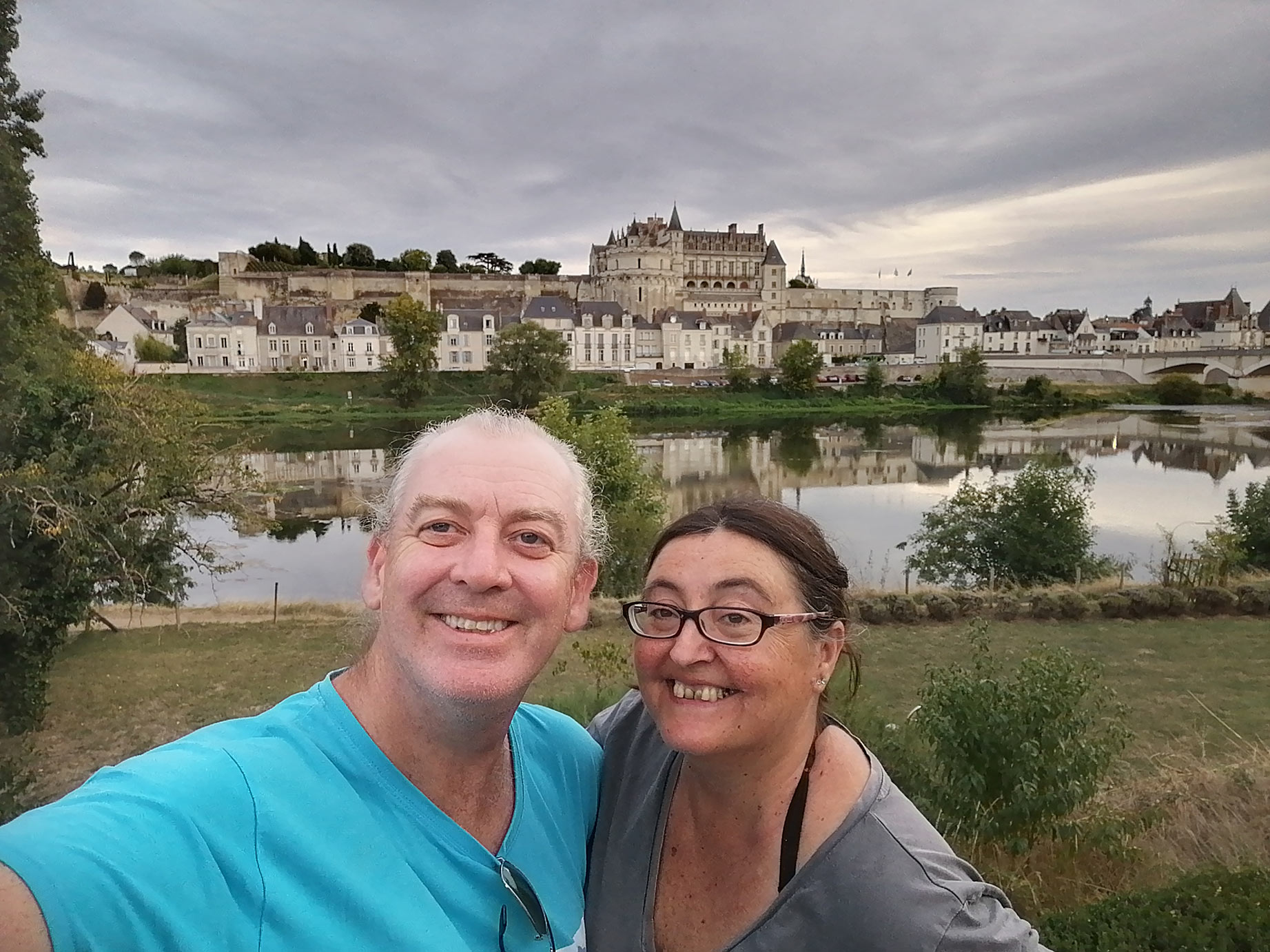
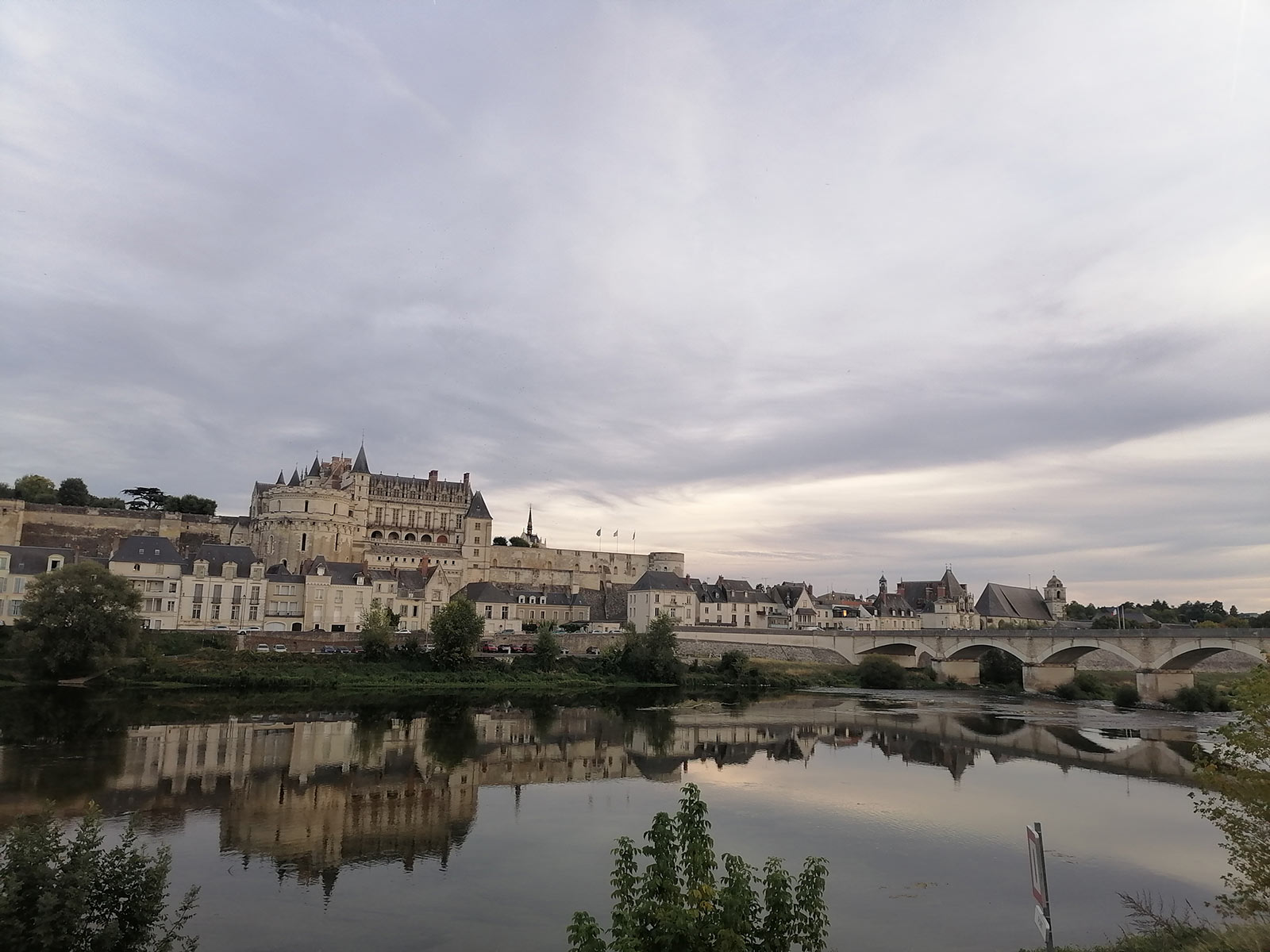
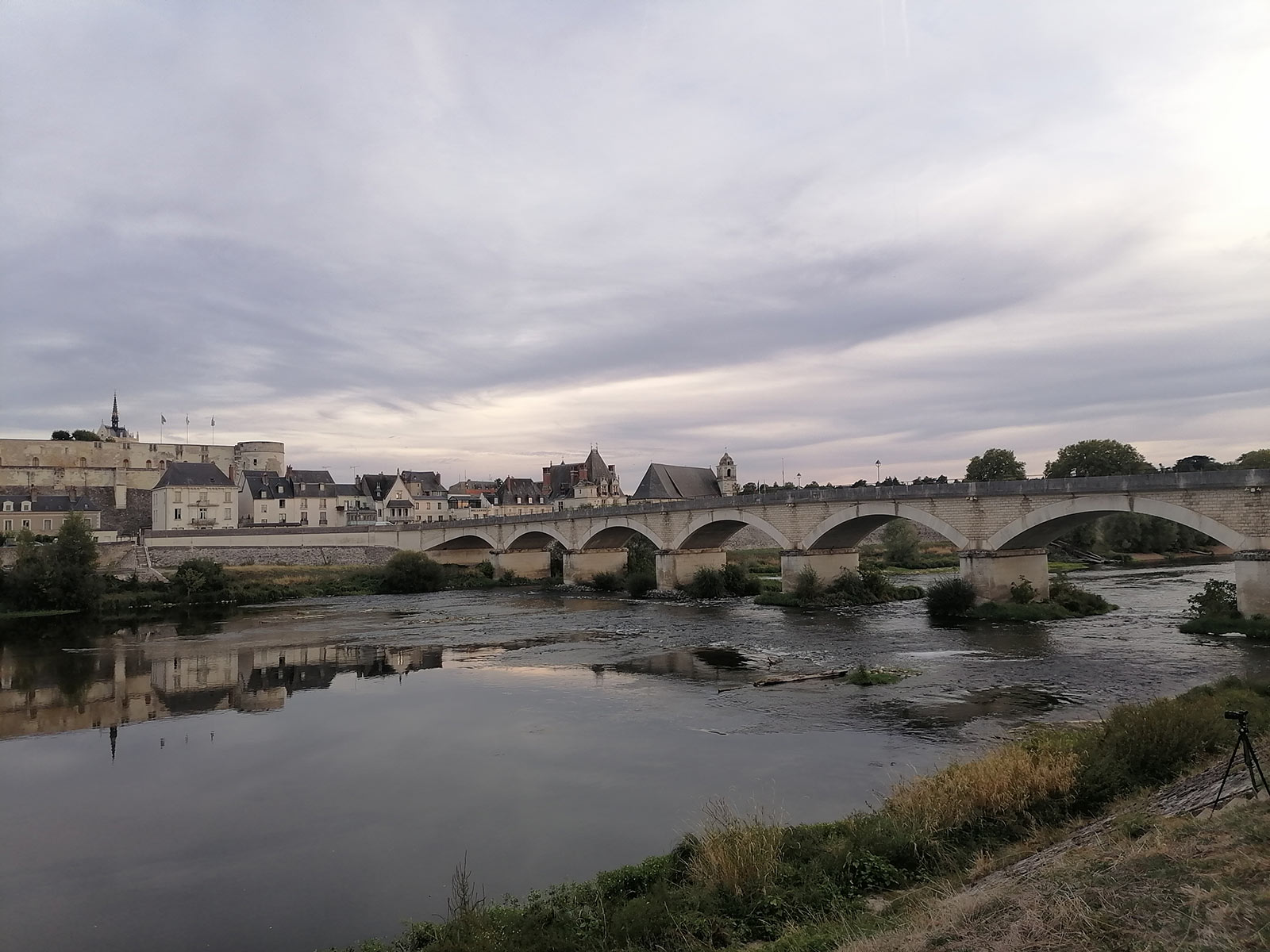
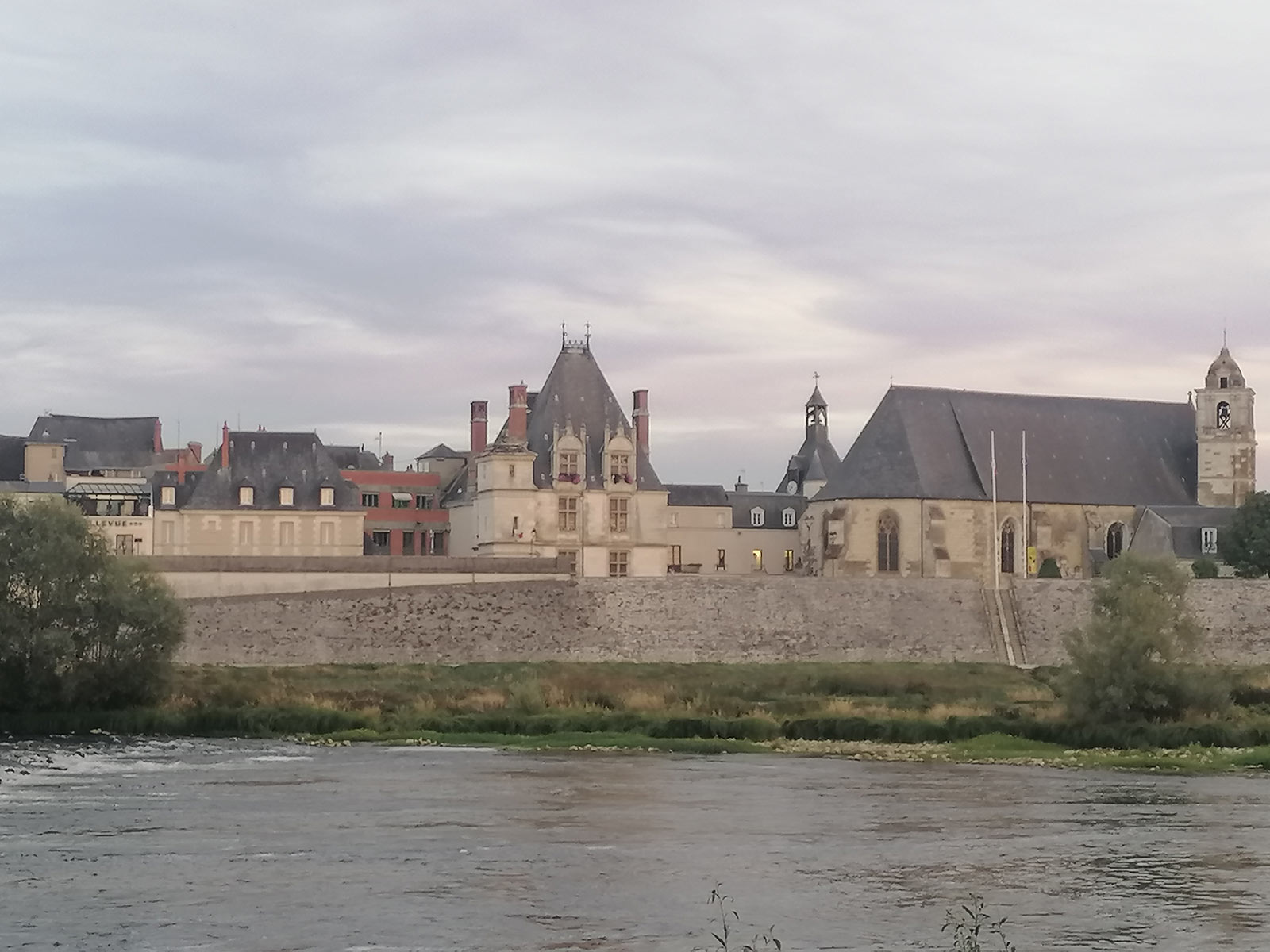
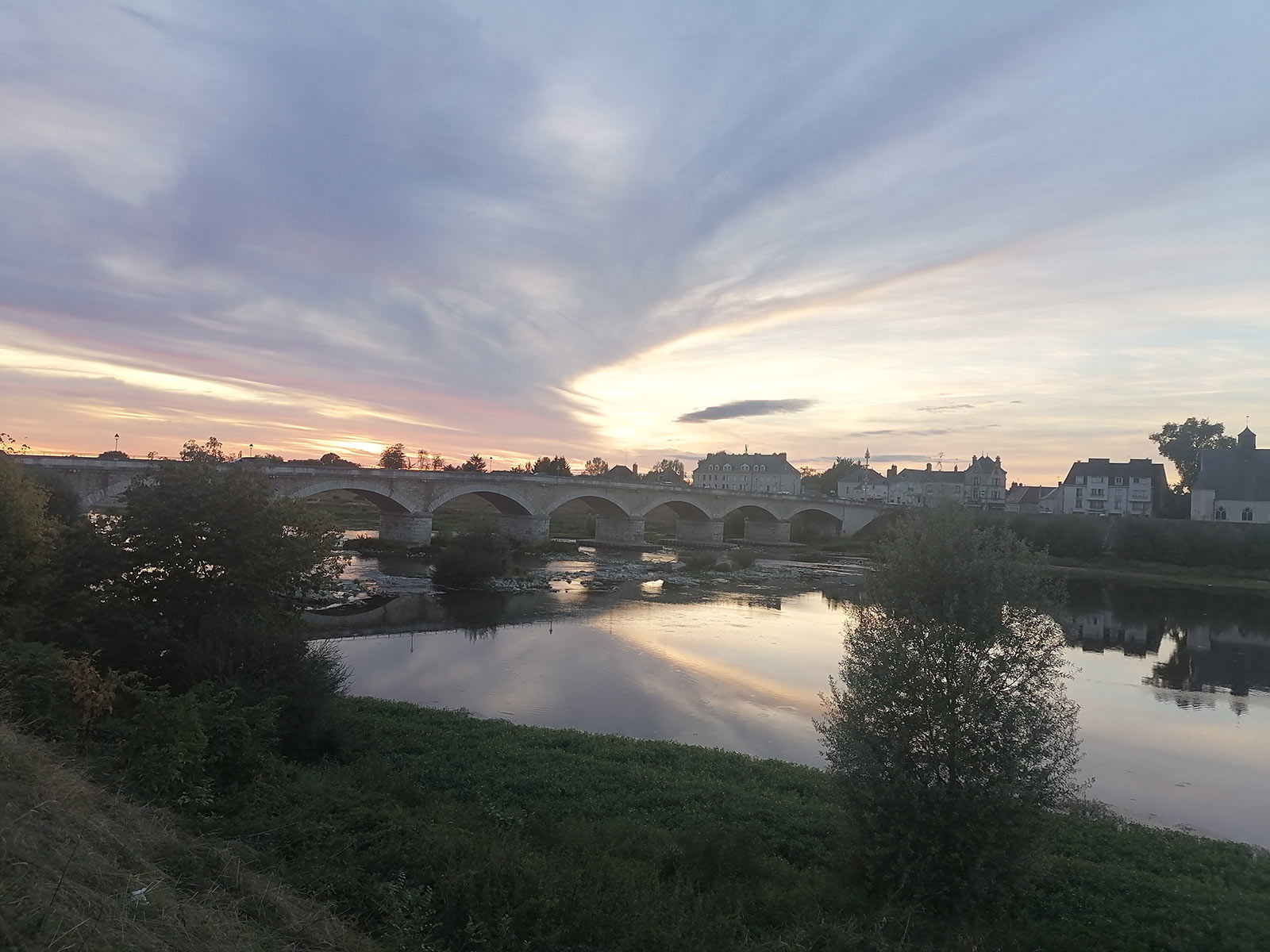
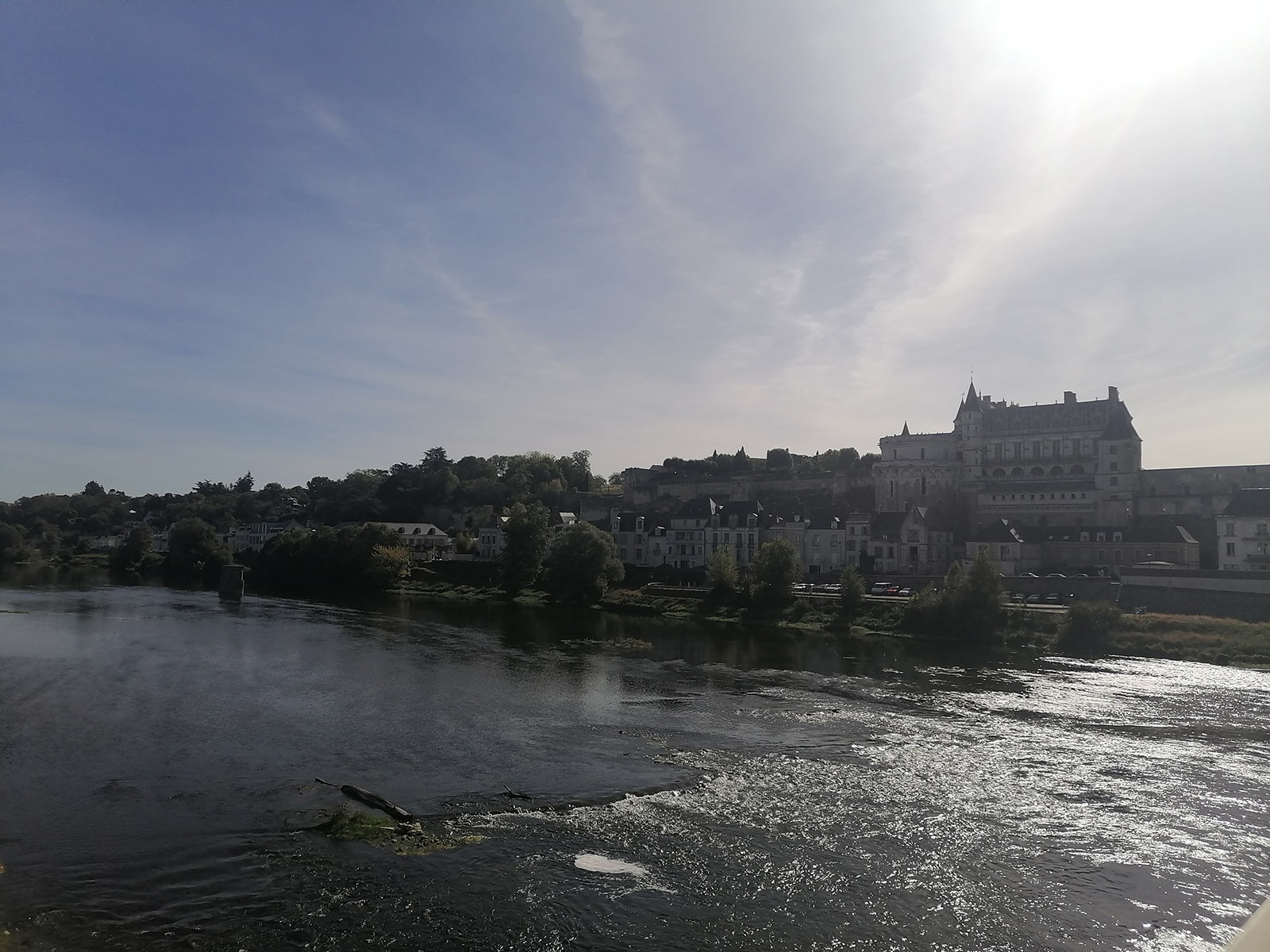
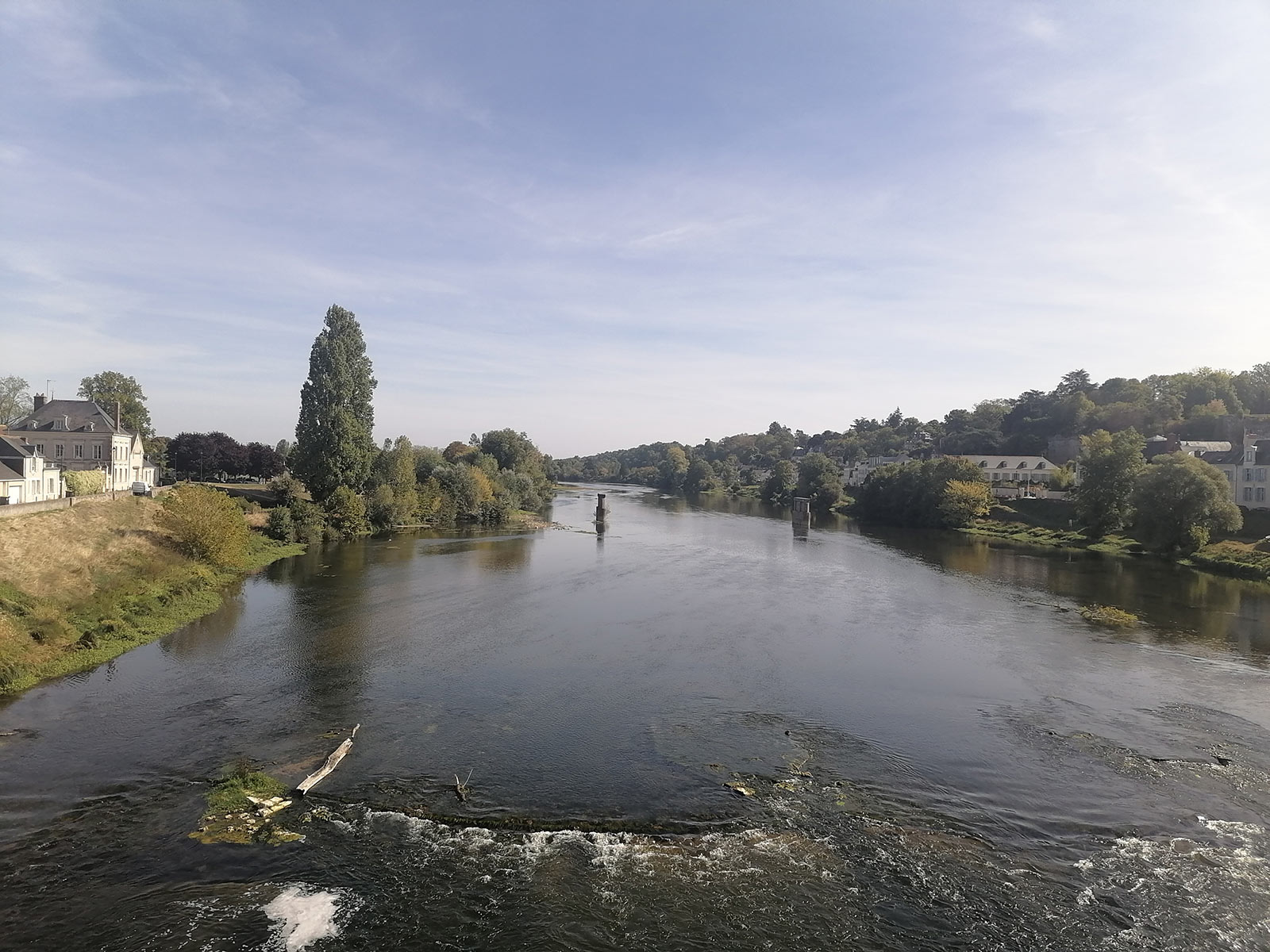
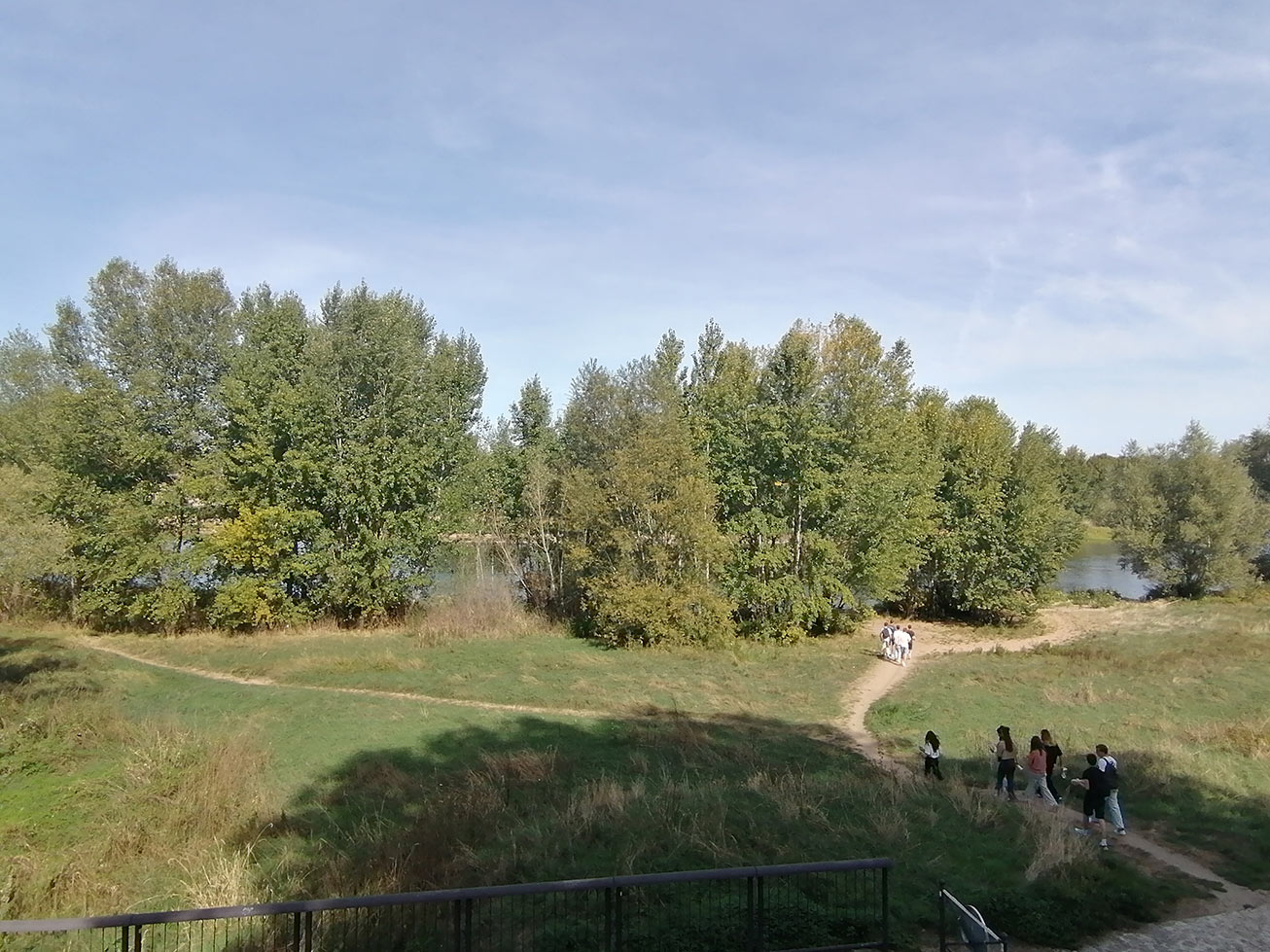
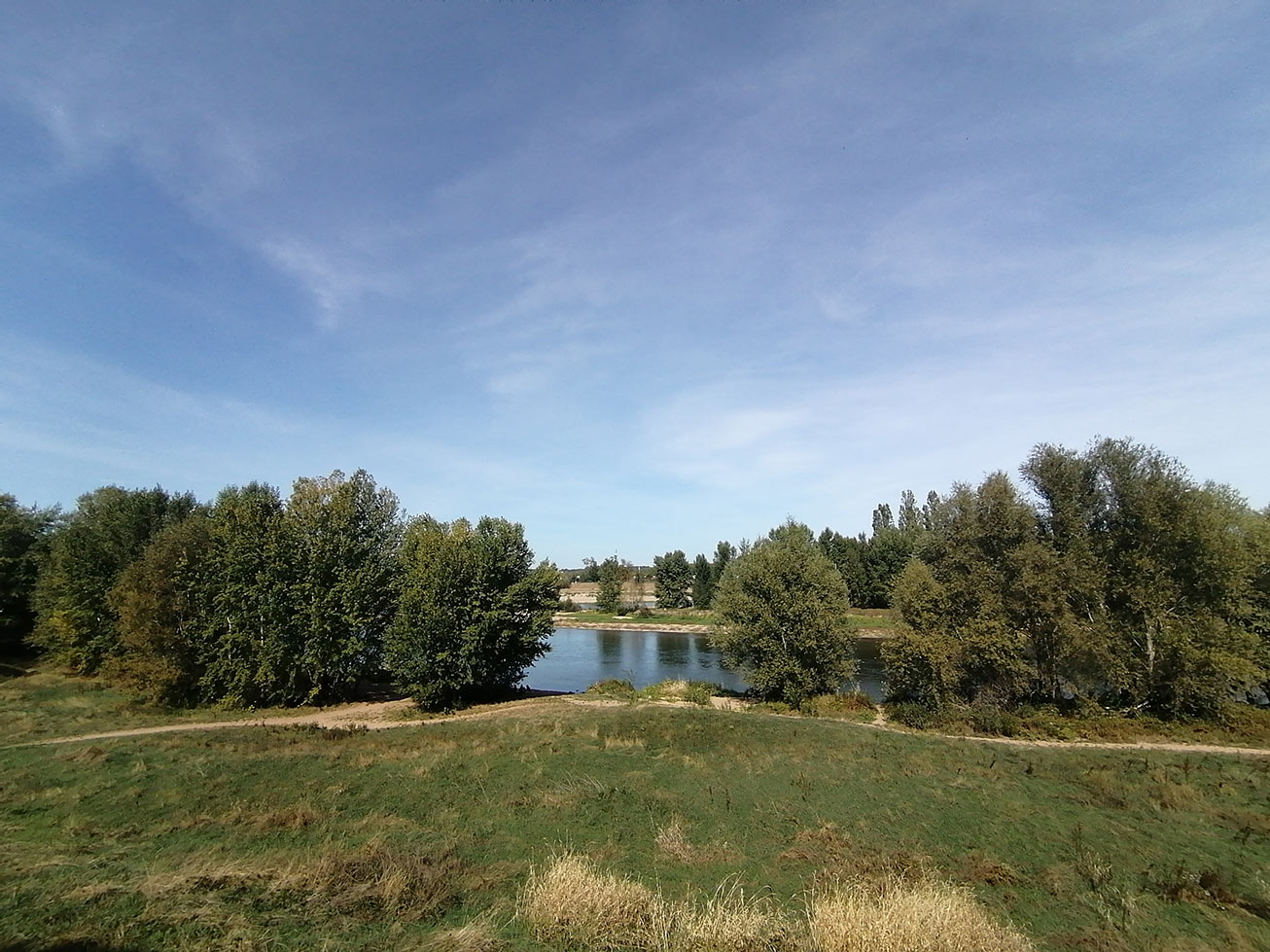
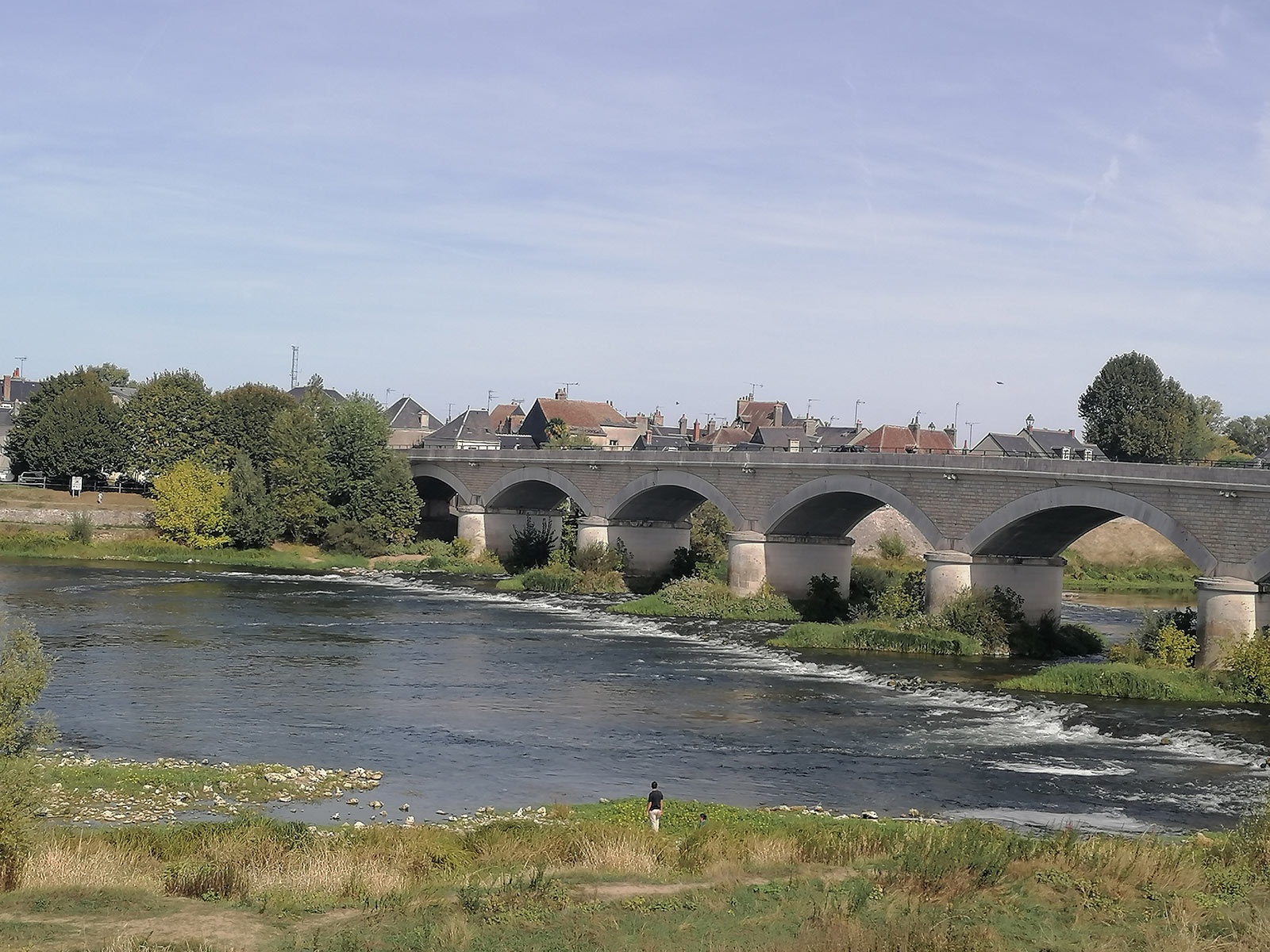
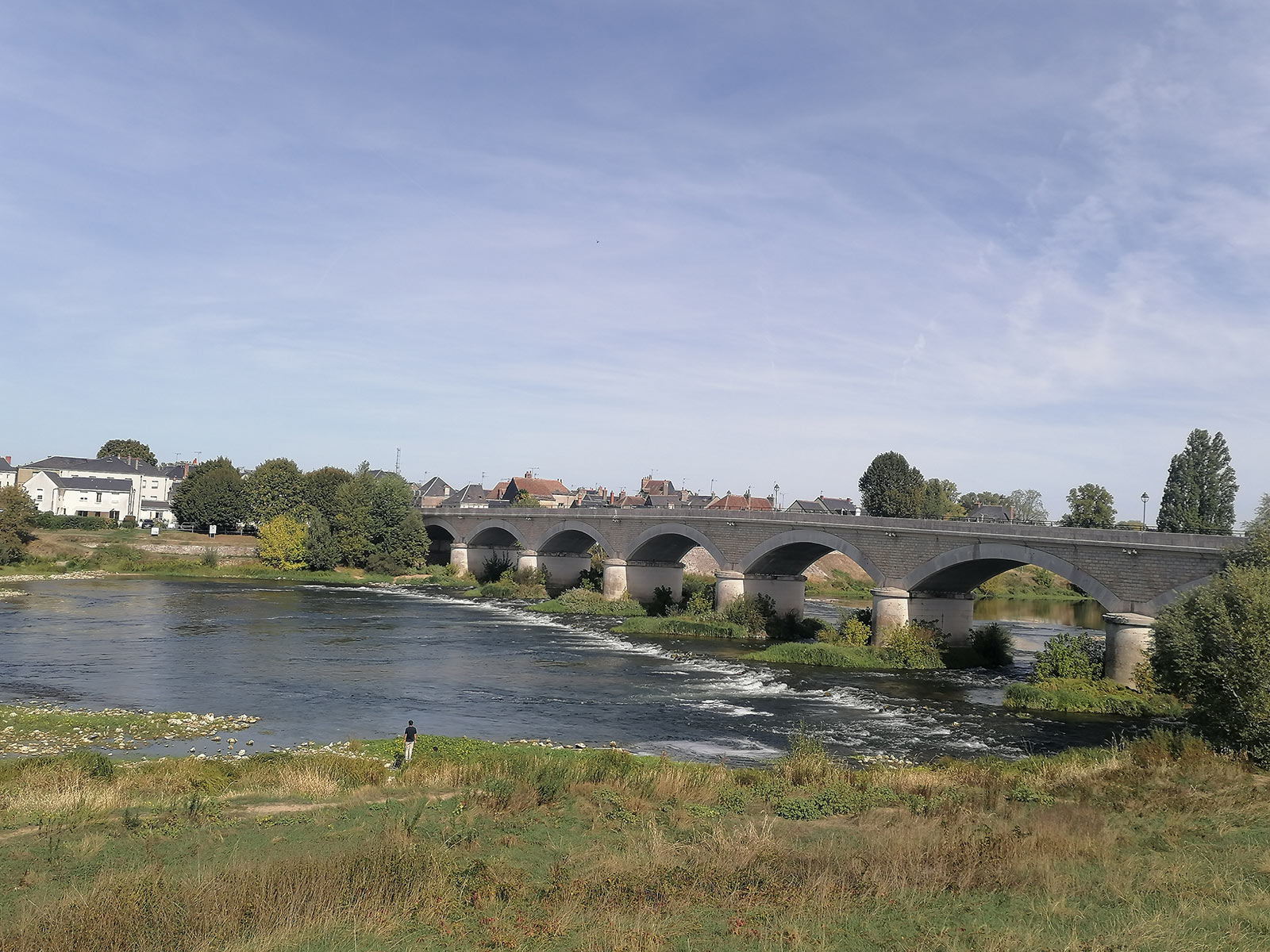
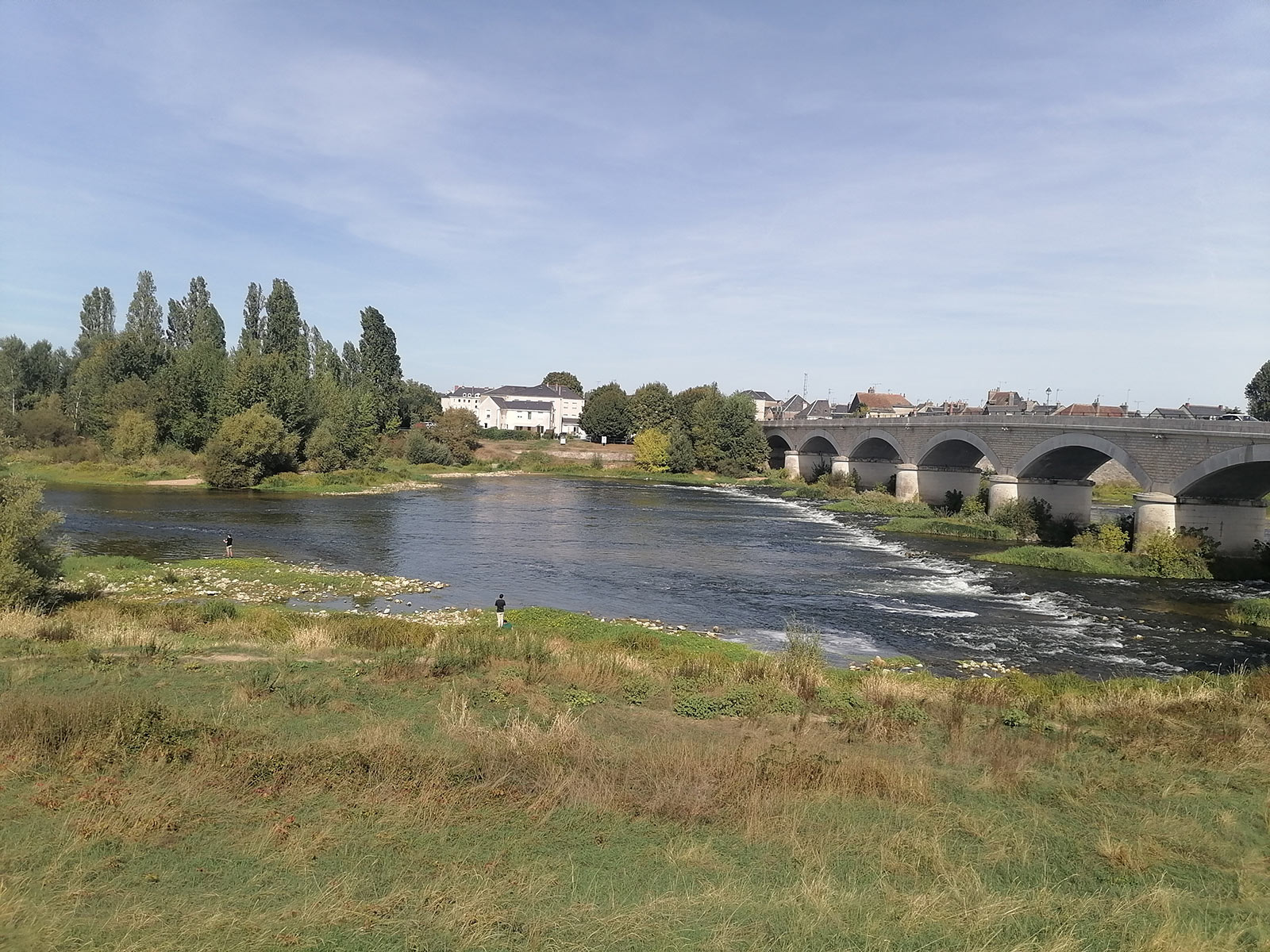
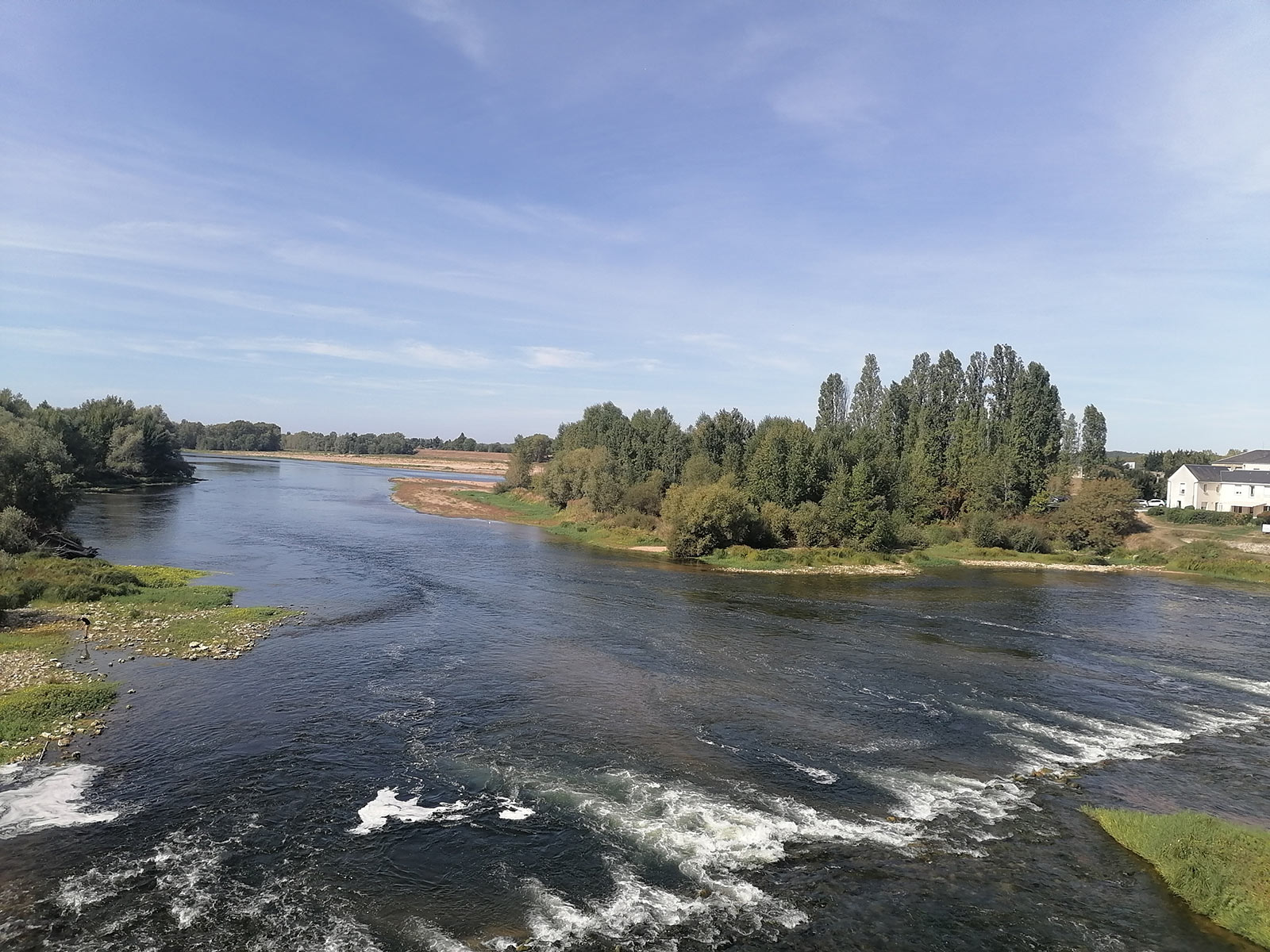
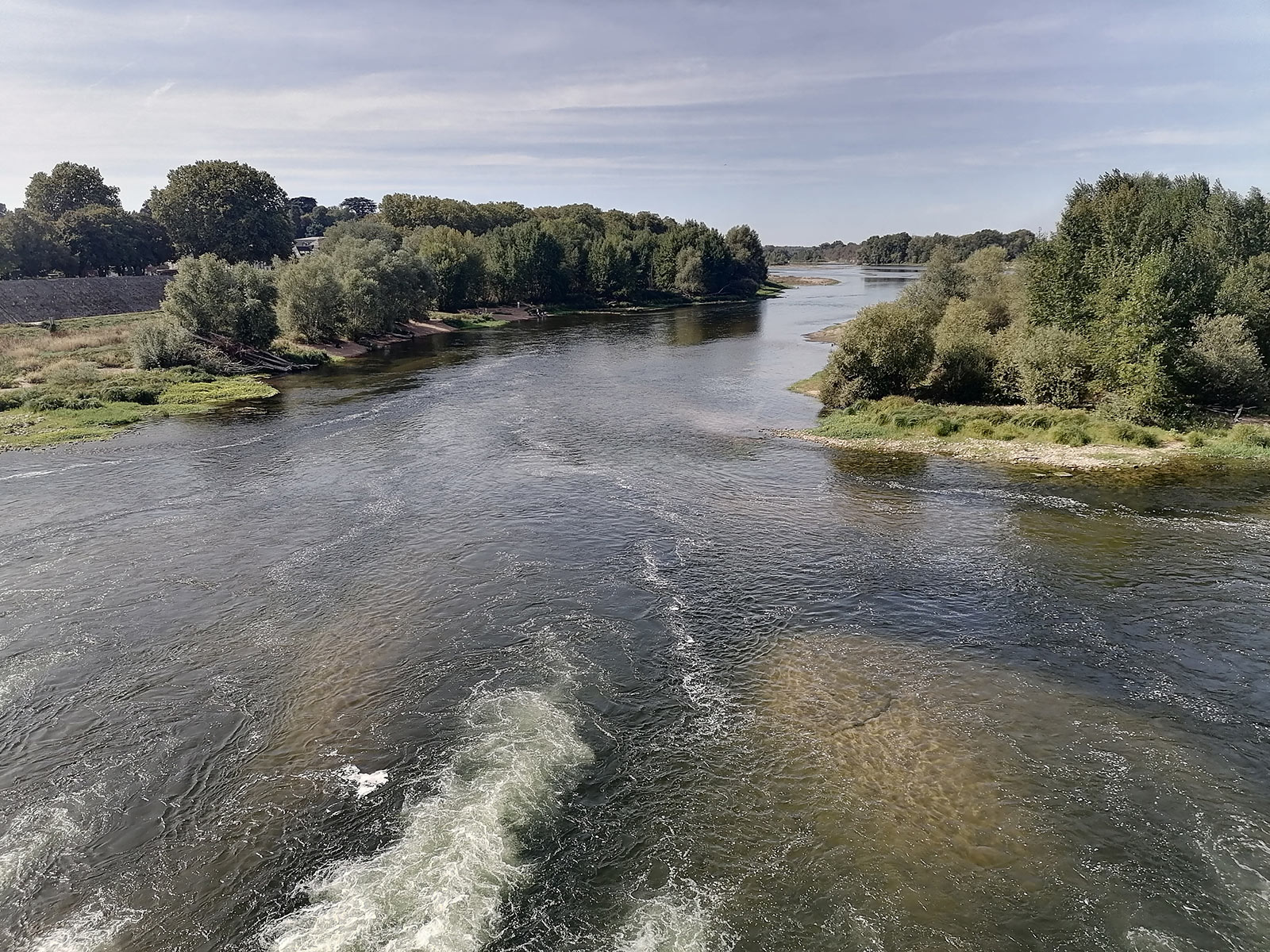
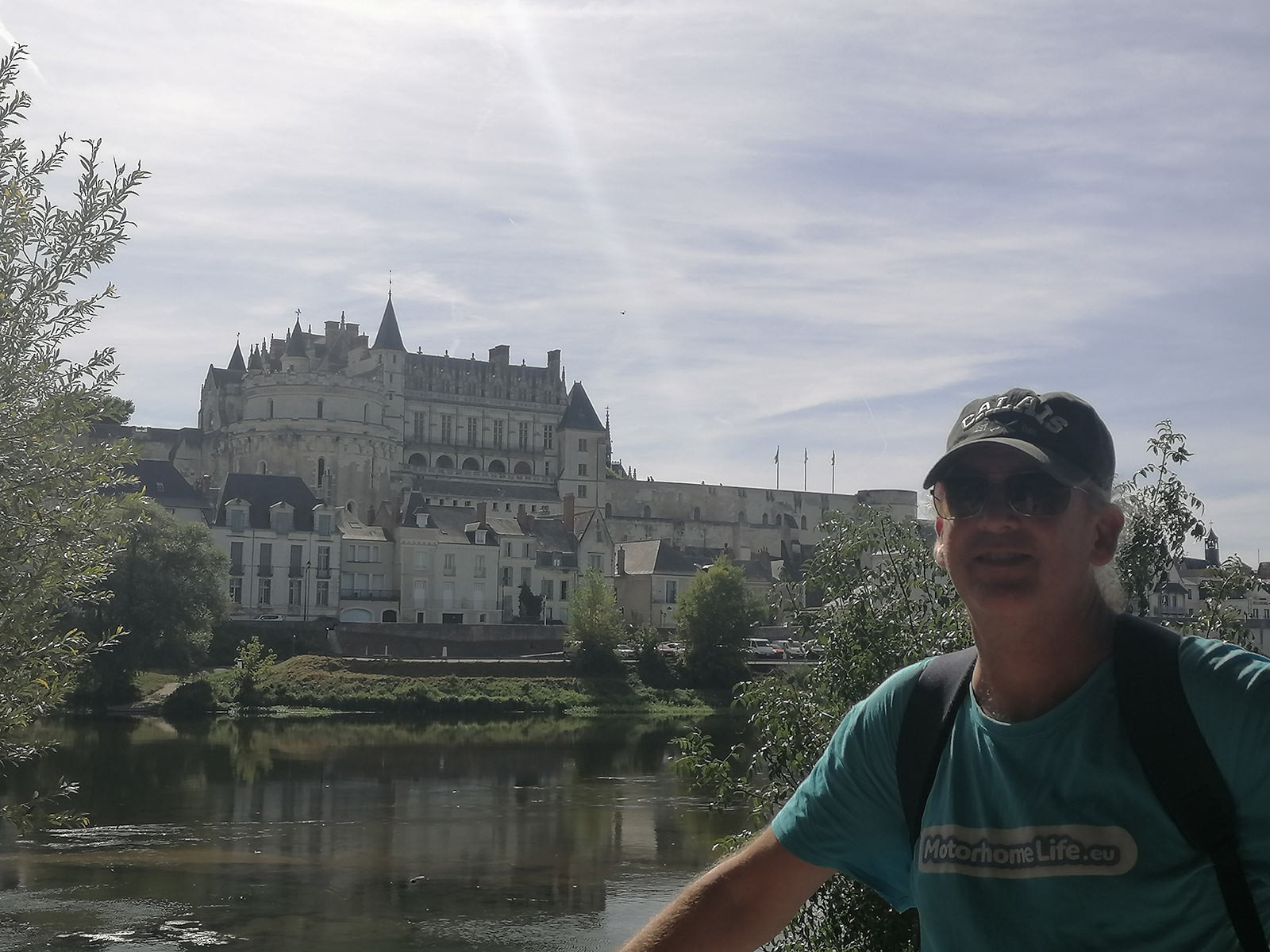
That evening we explored the island and saw the castle from the bridge; it’s impressive! Next to the site, there is a restaurant with a mini-golf course. From the bridge, you can see the whole town and the Loire River.
 +6 more photos
 +5 more photos
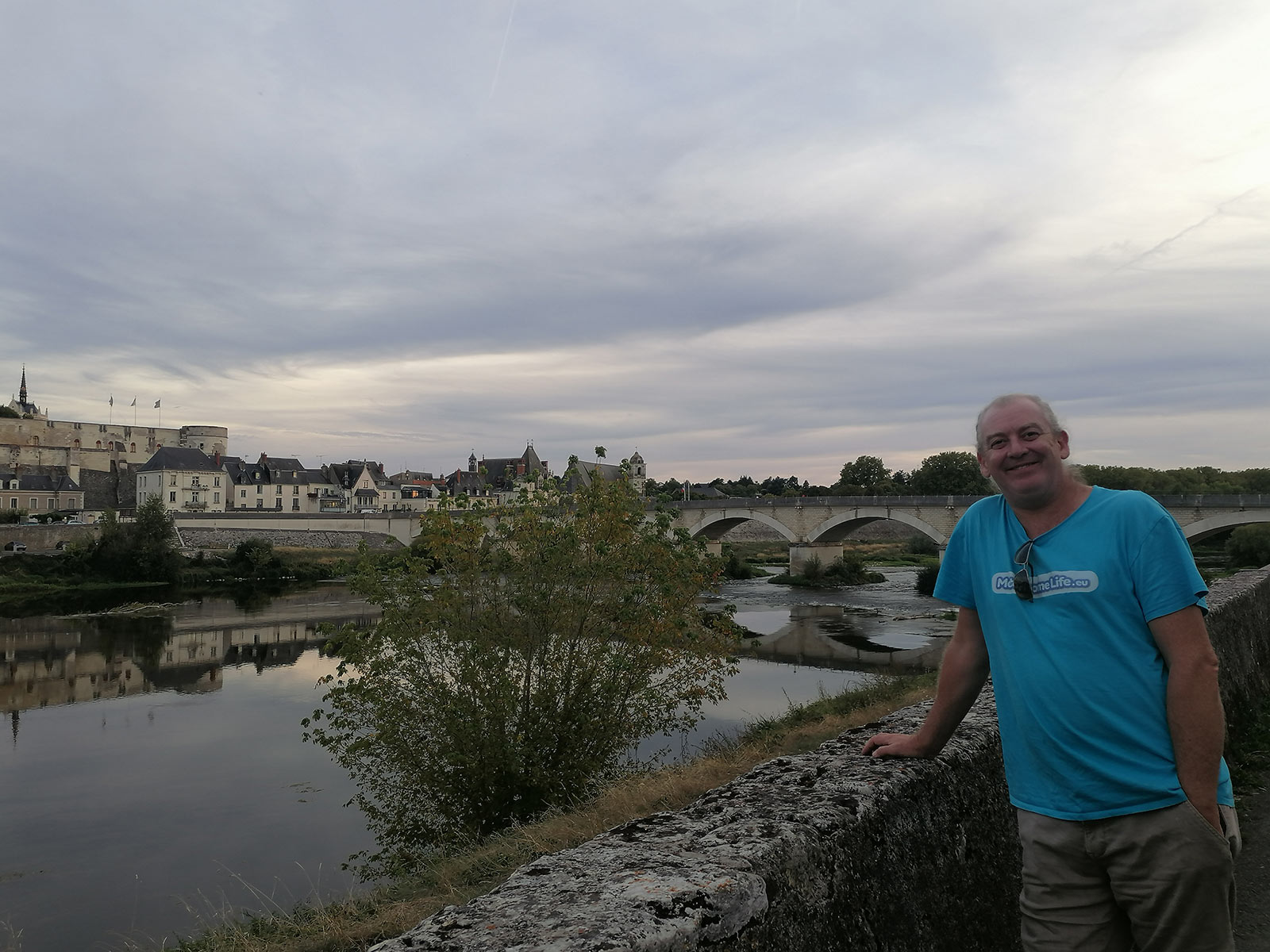
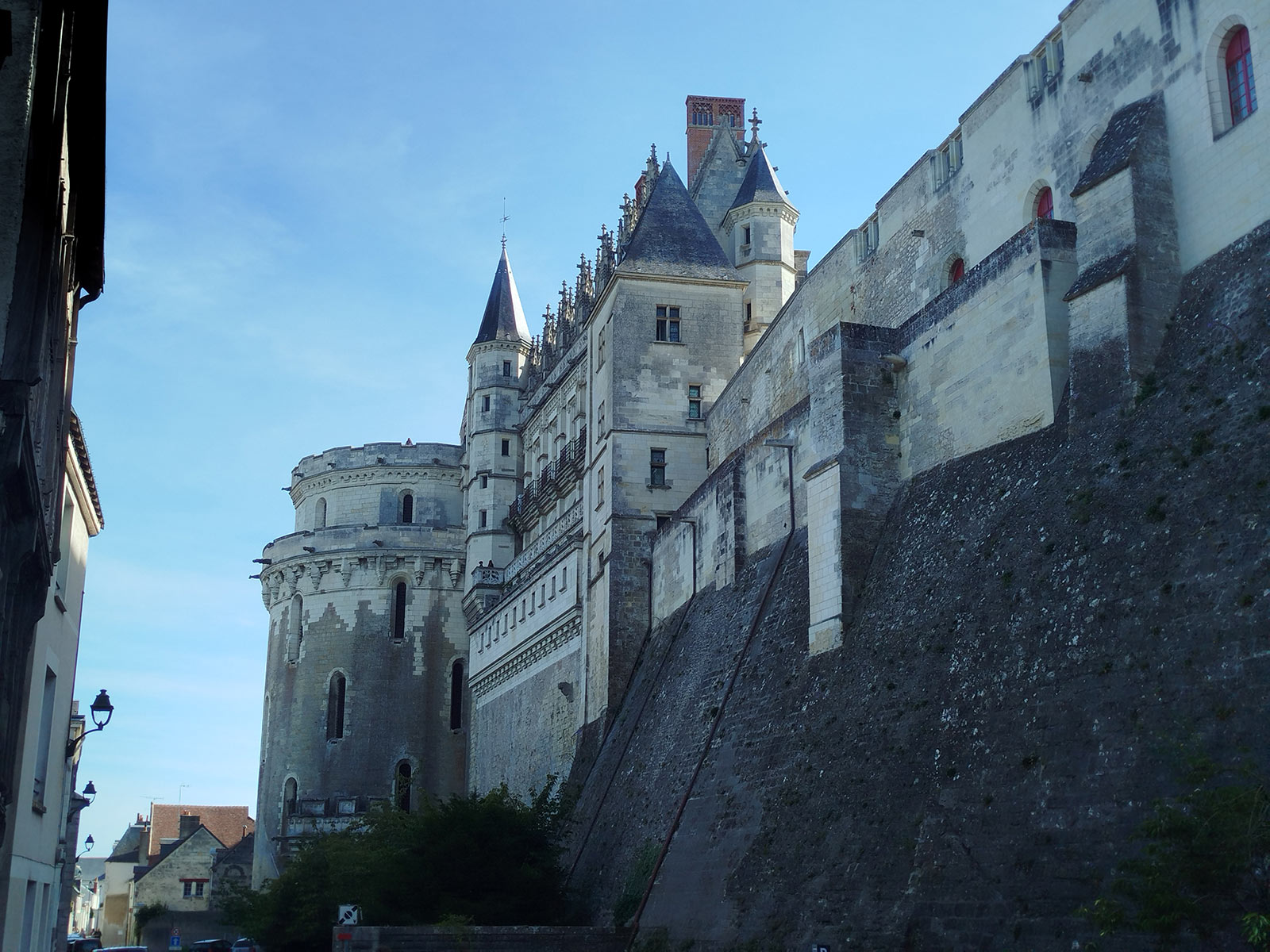
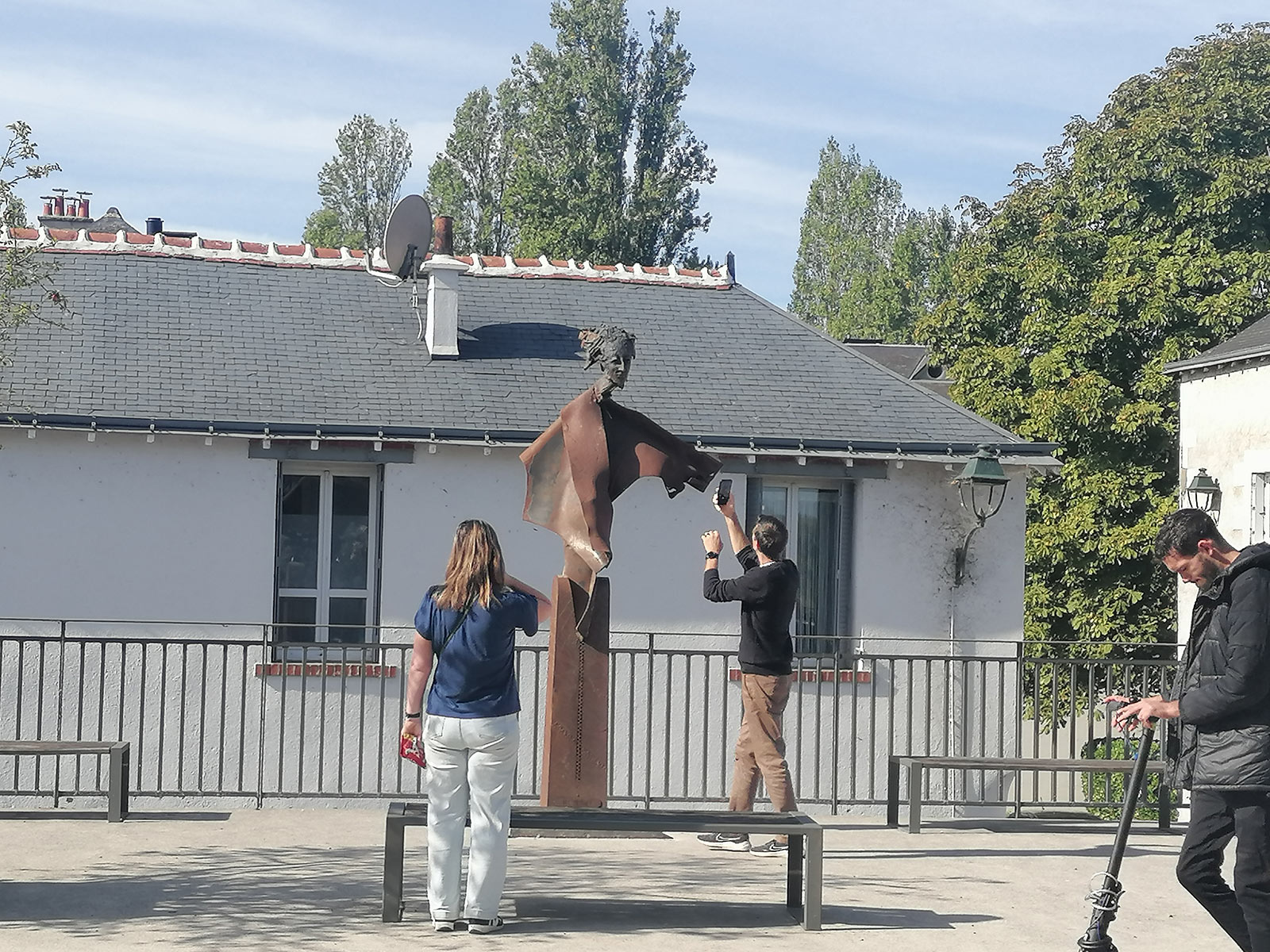
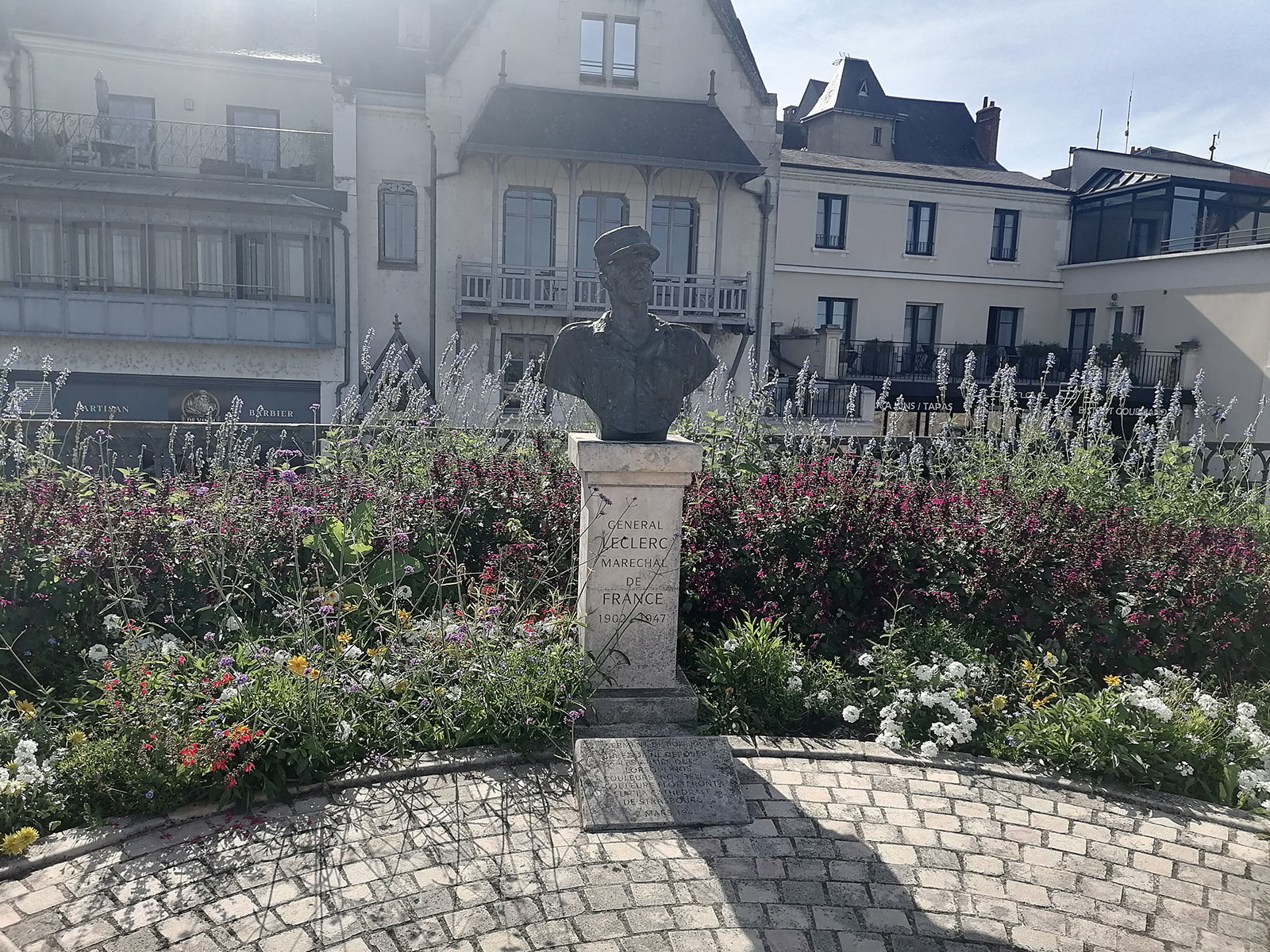
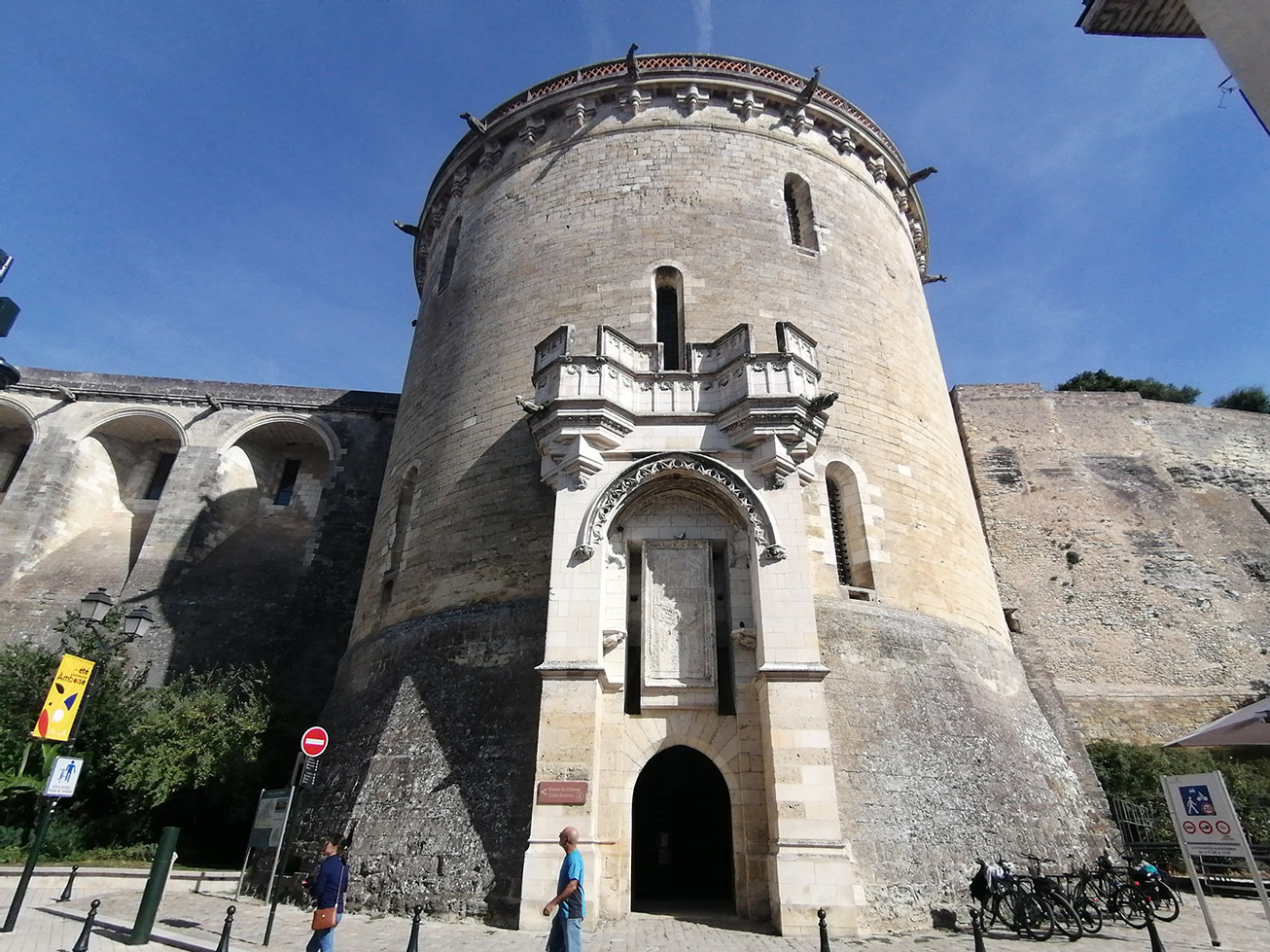
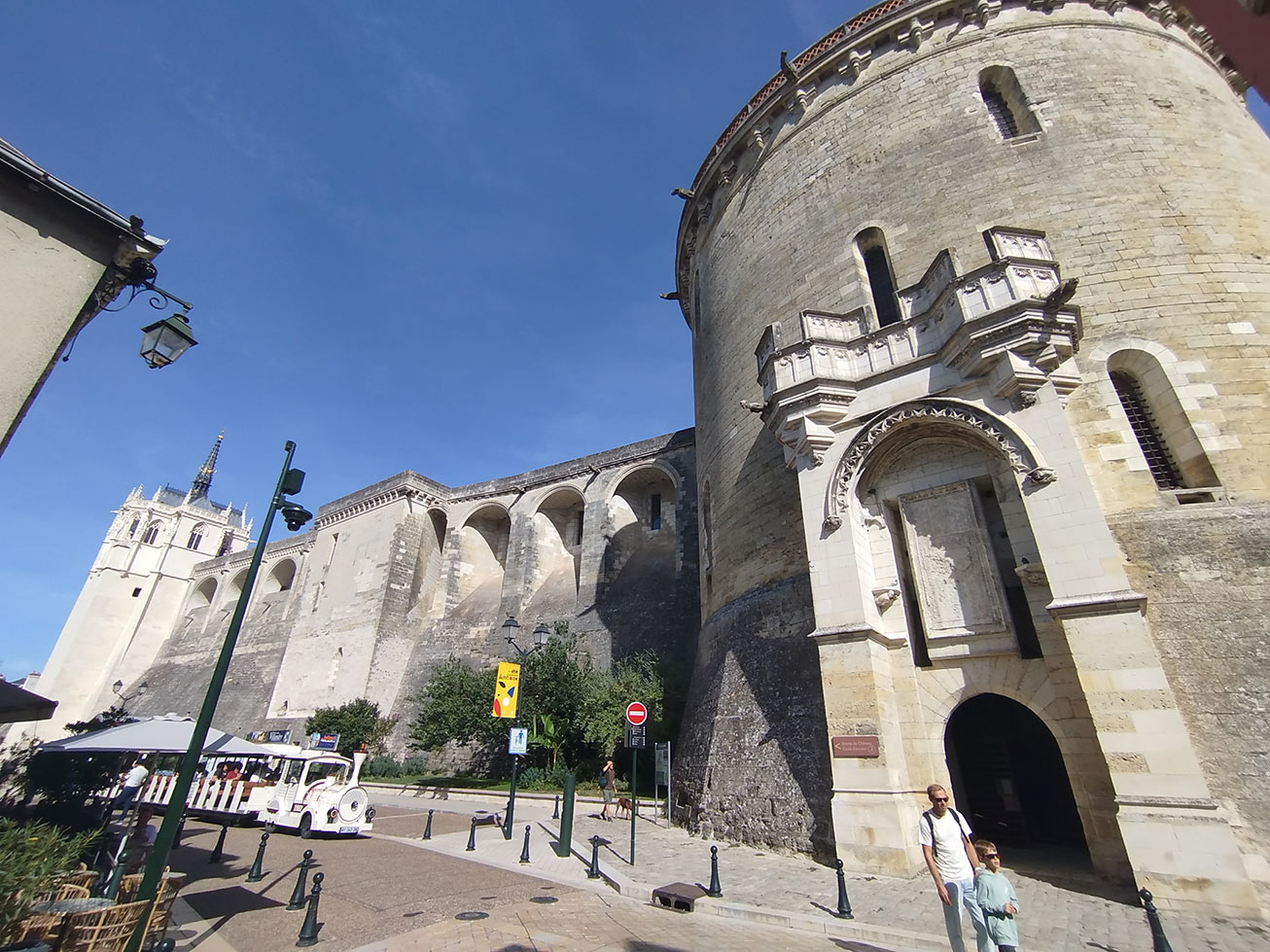
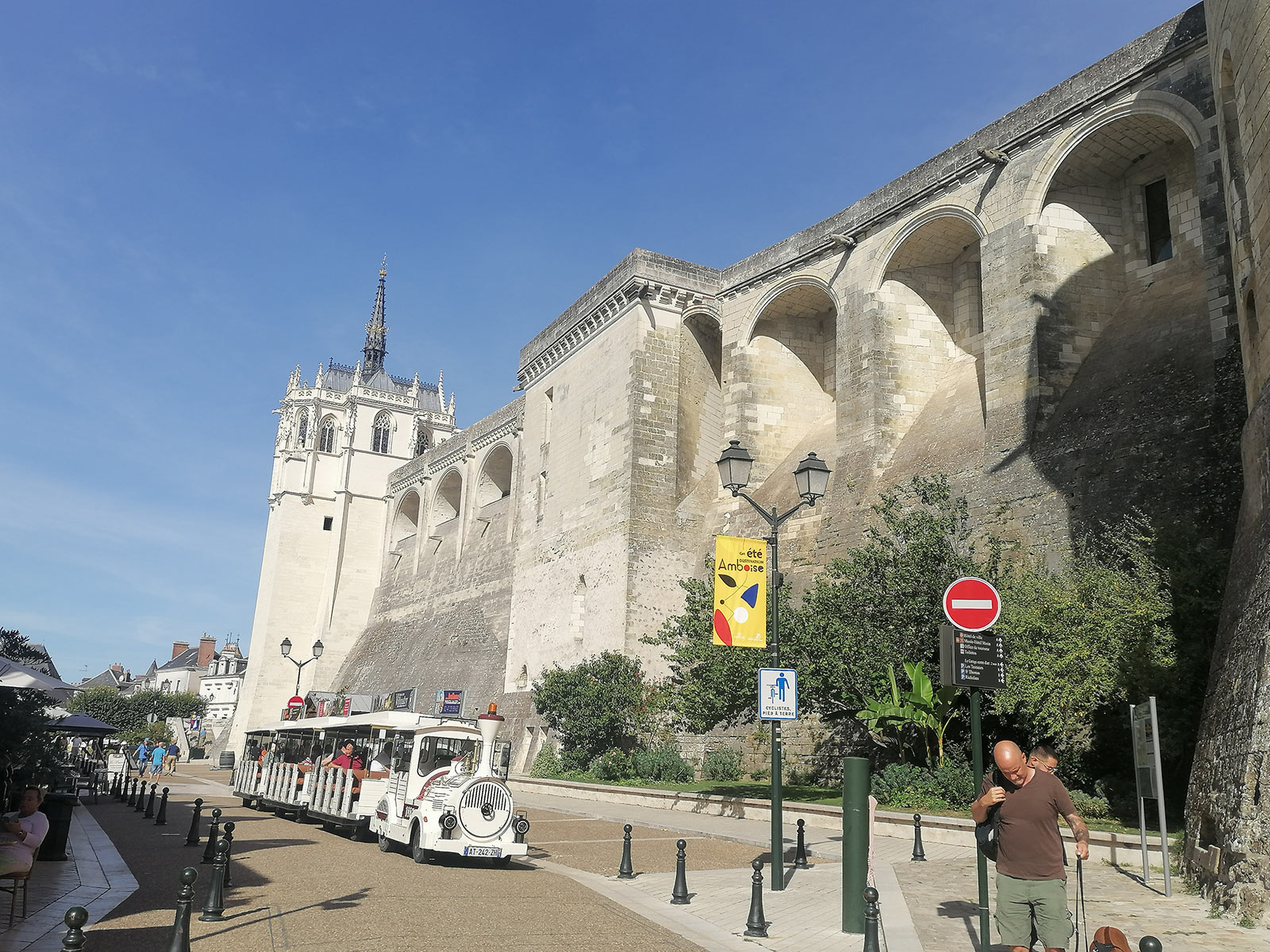
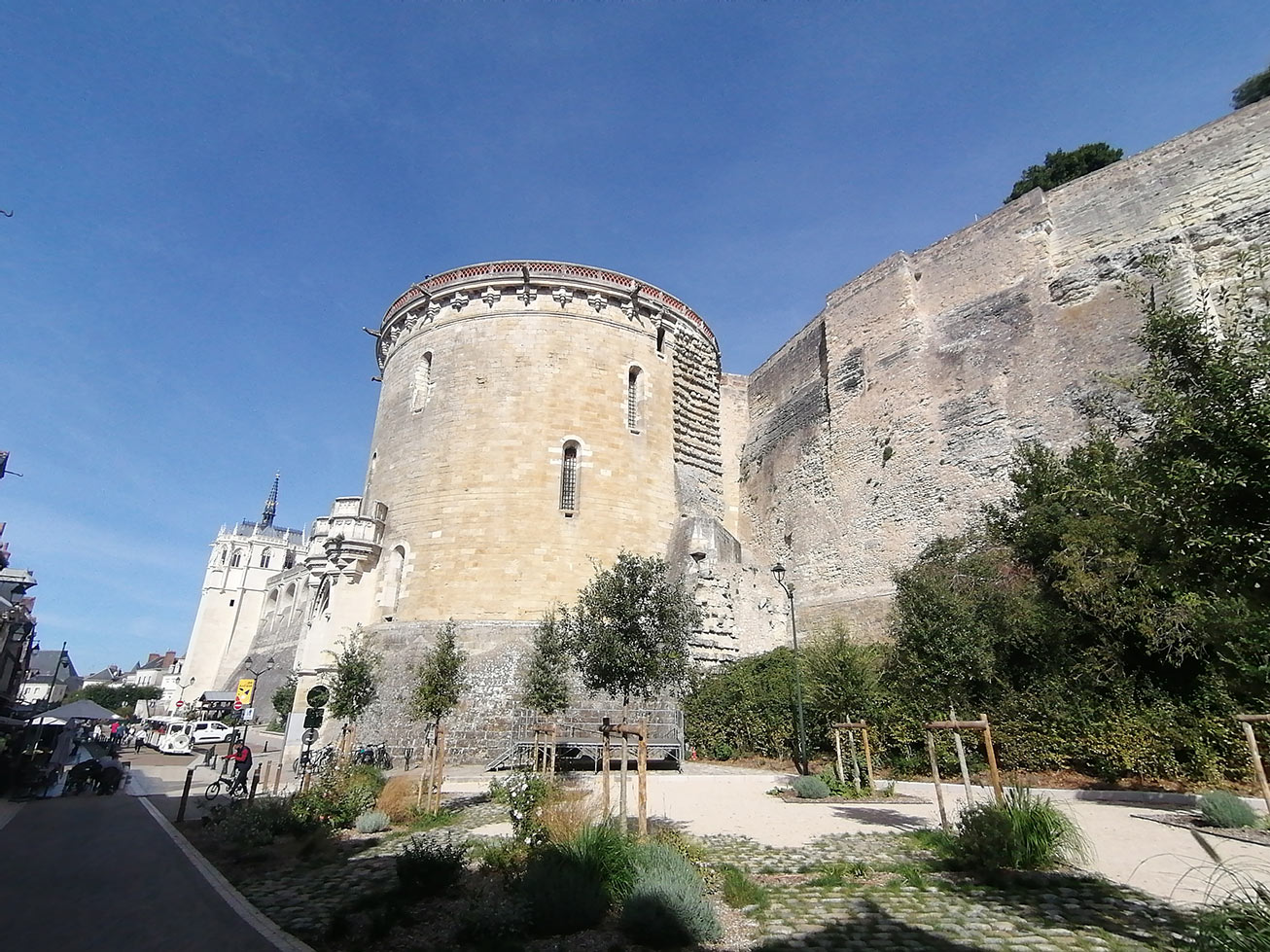
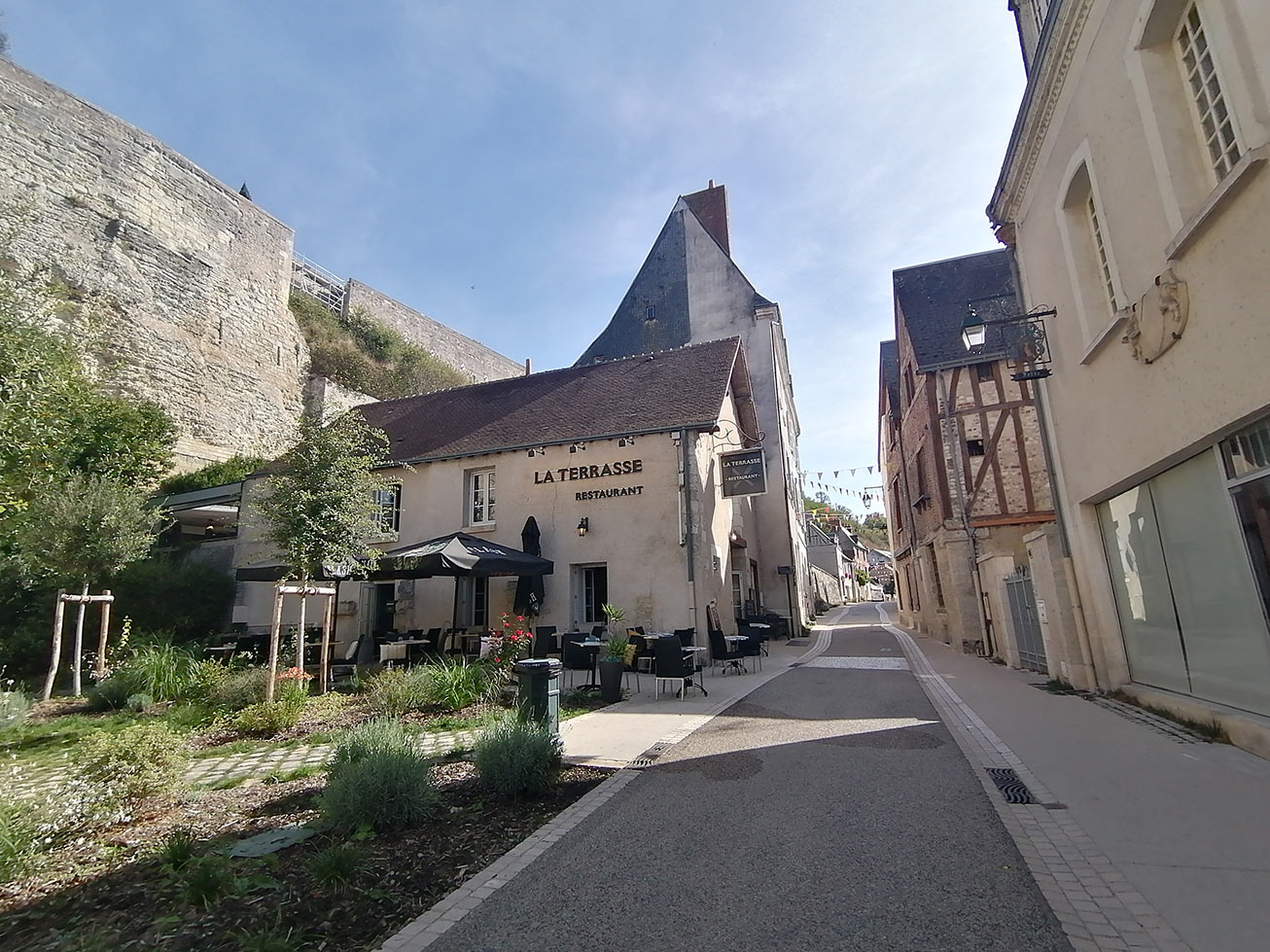
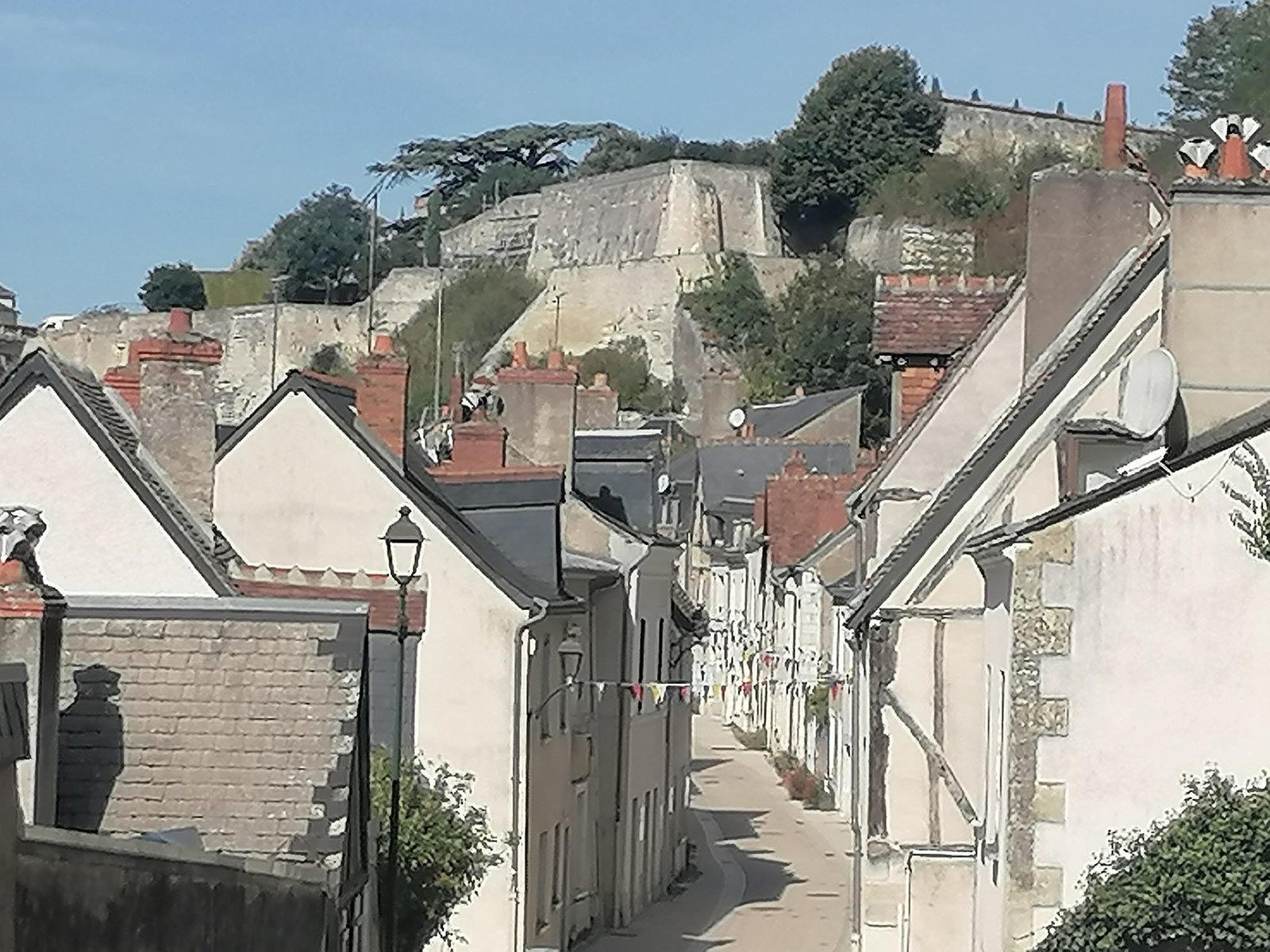
The next morning, we set out to see the city. On the way, we saw several statues—one of Da Vinci and another of General Leclerc. As soon as you cross over, you reach the castle walls, which are quite impressive given their location in a narrow alleyway.
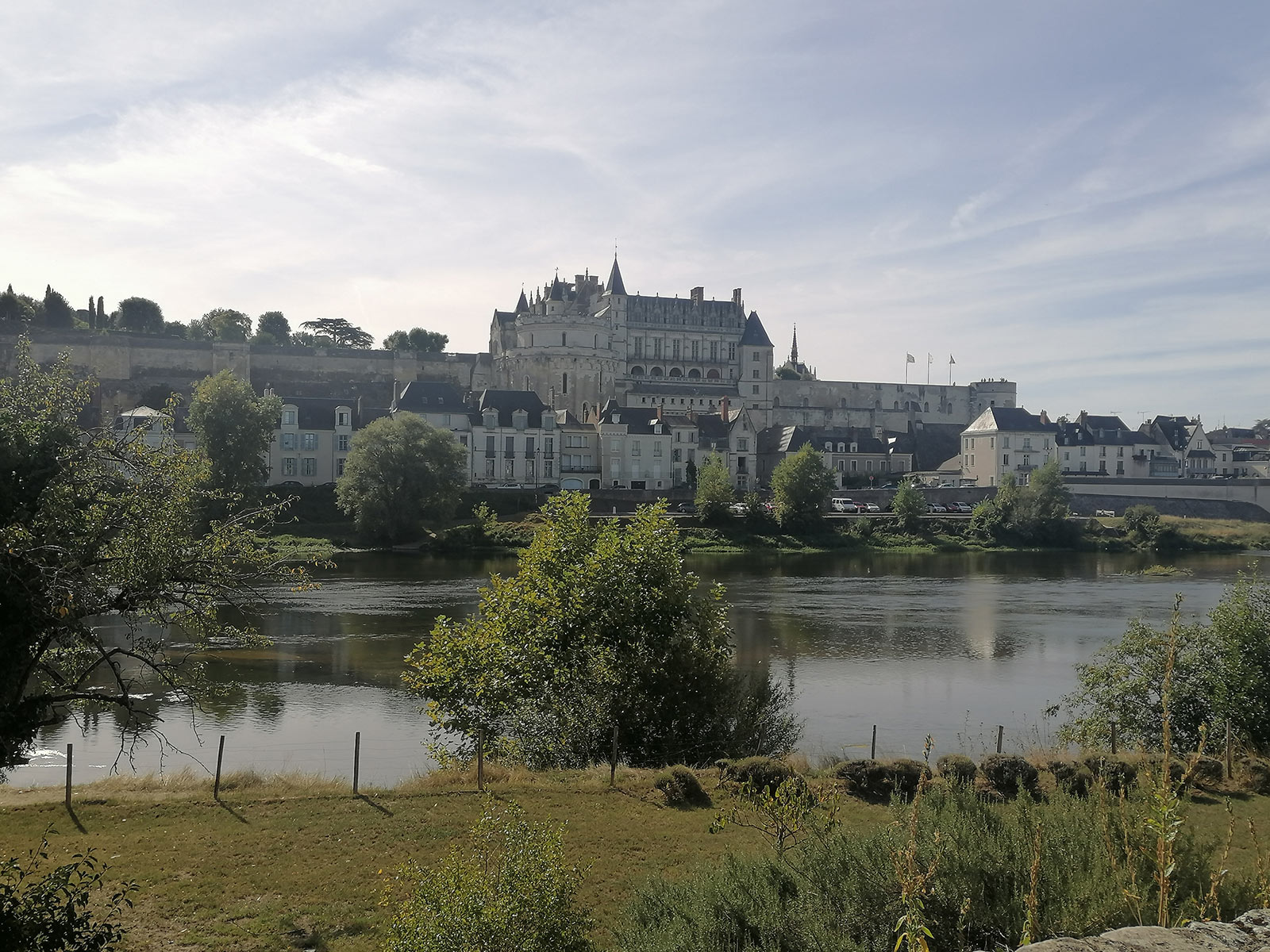
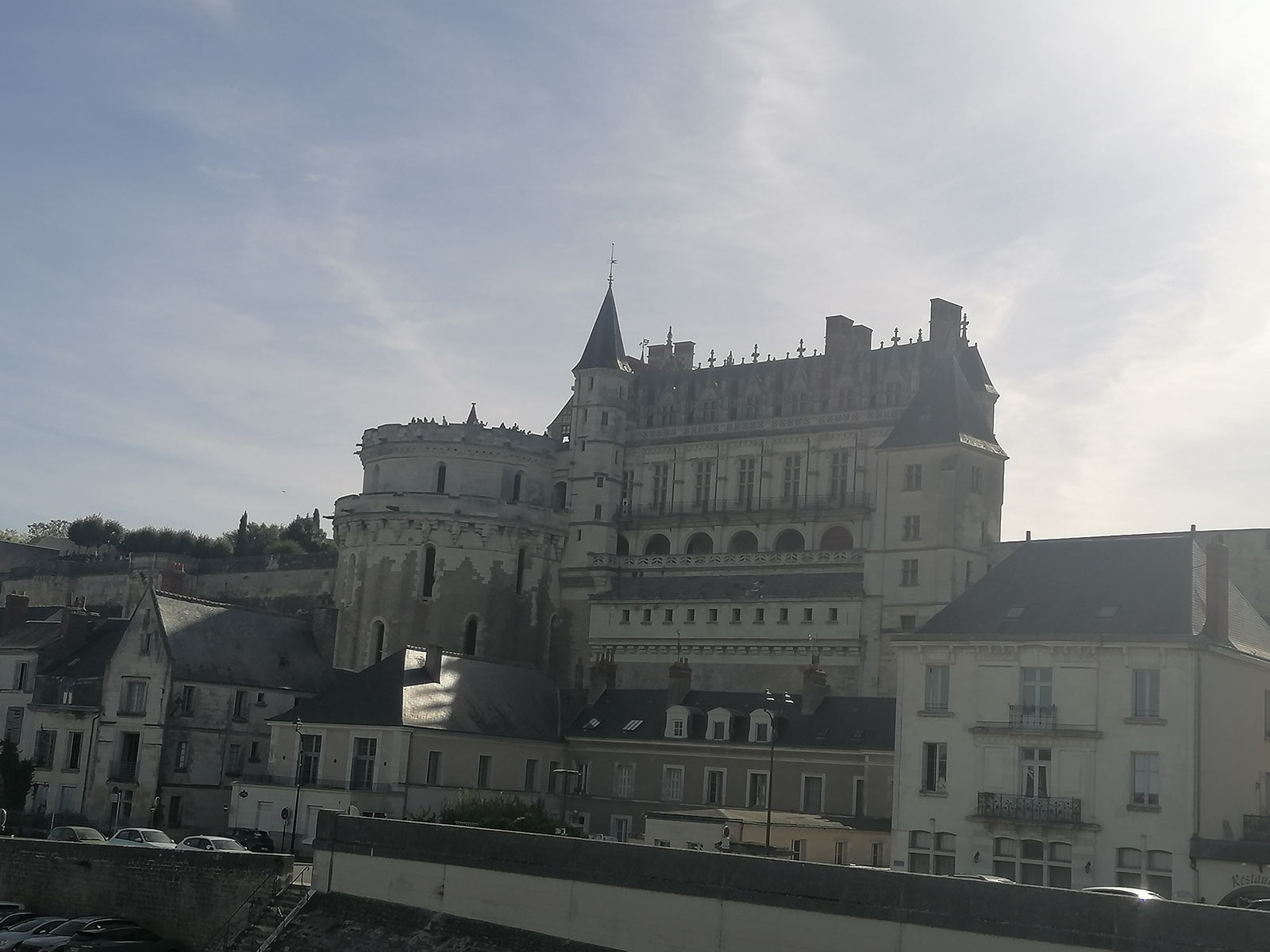
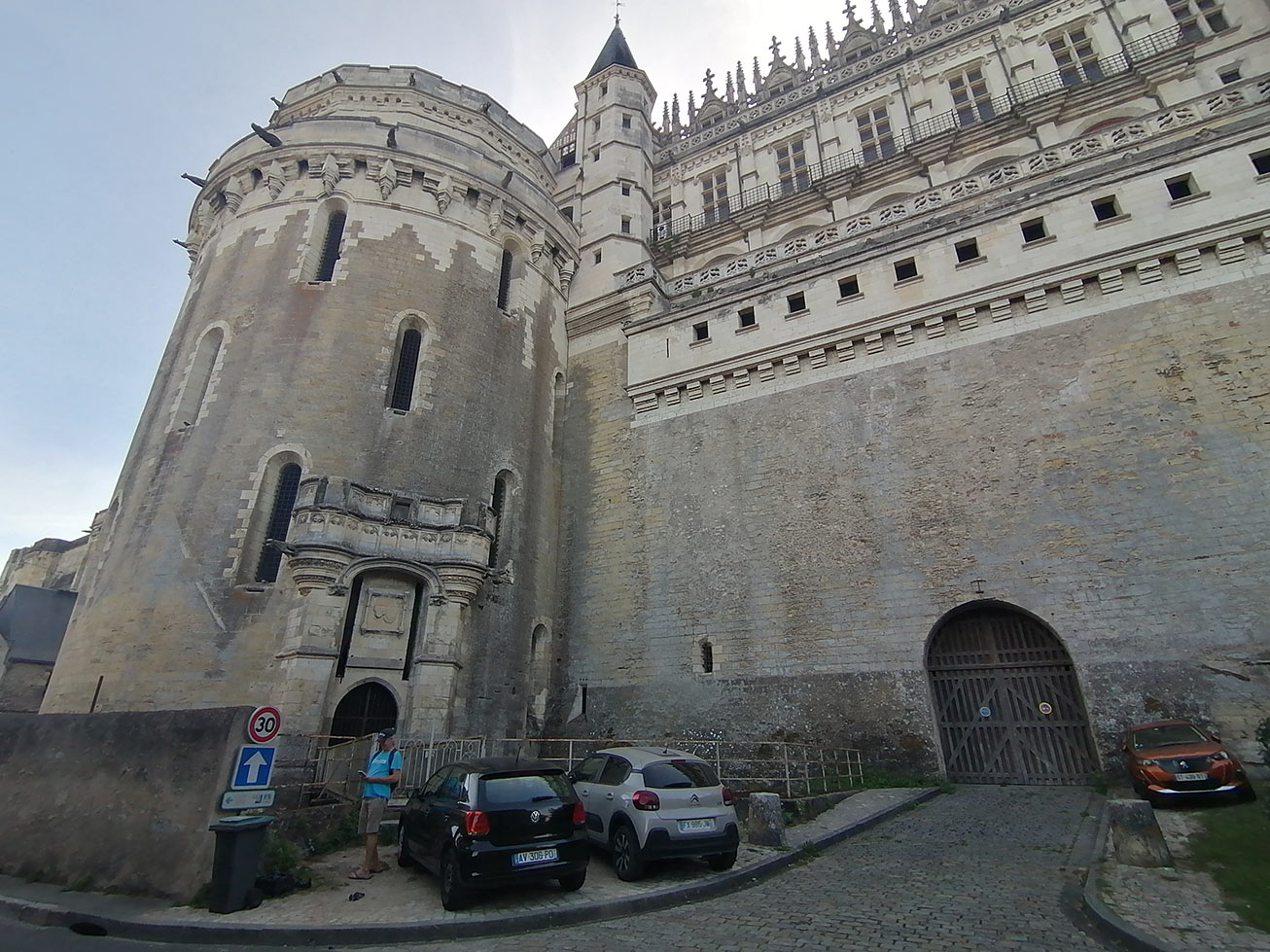
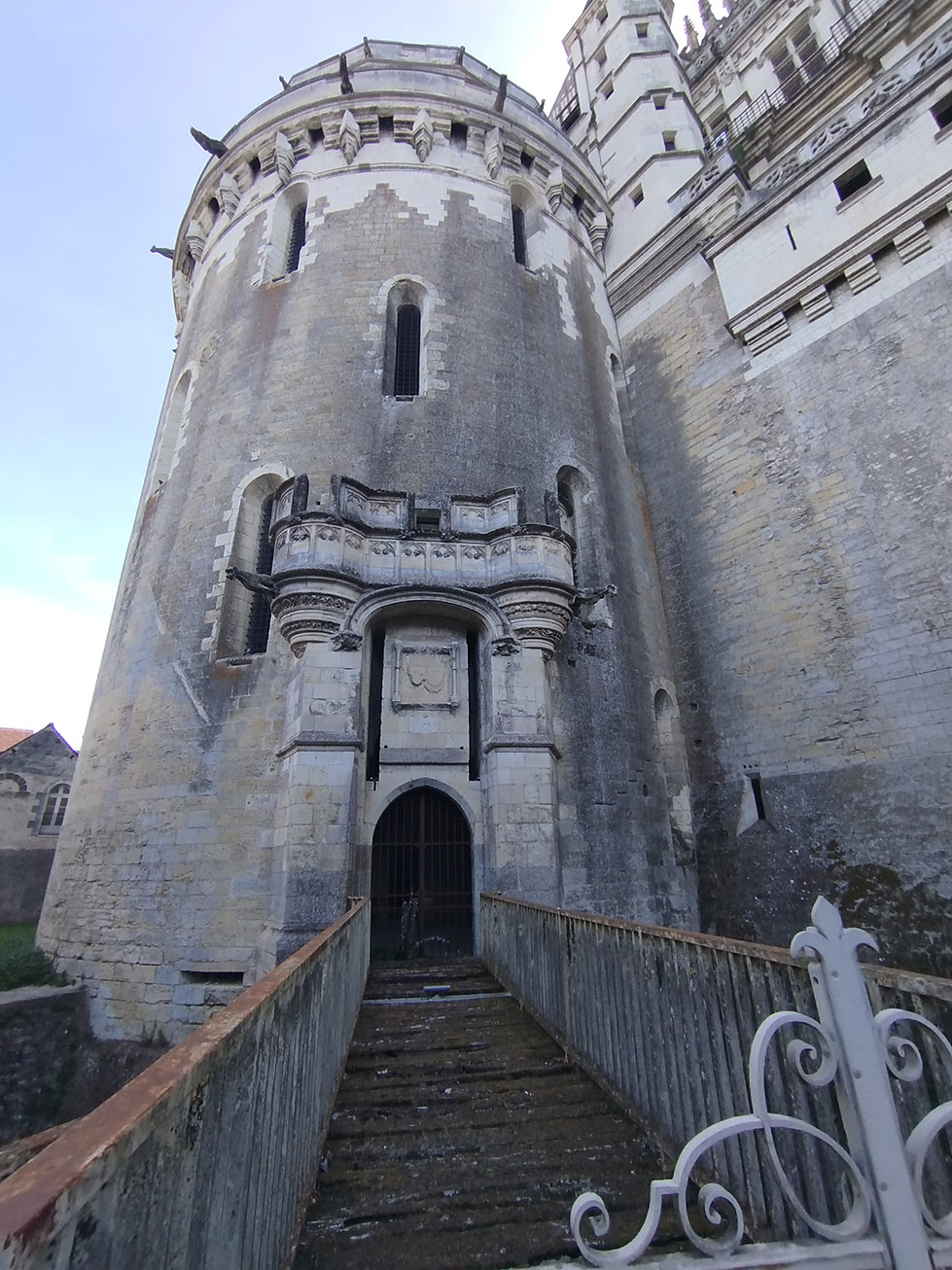
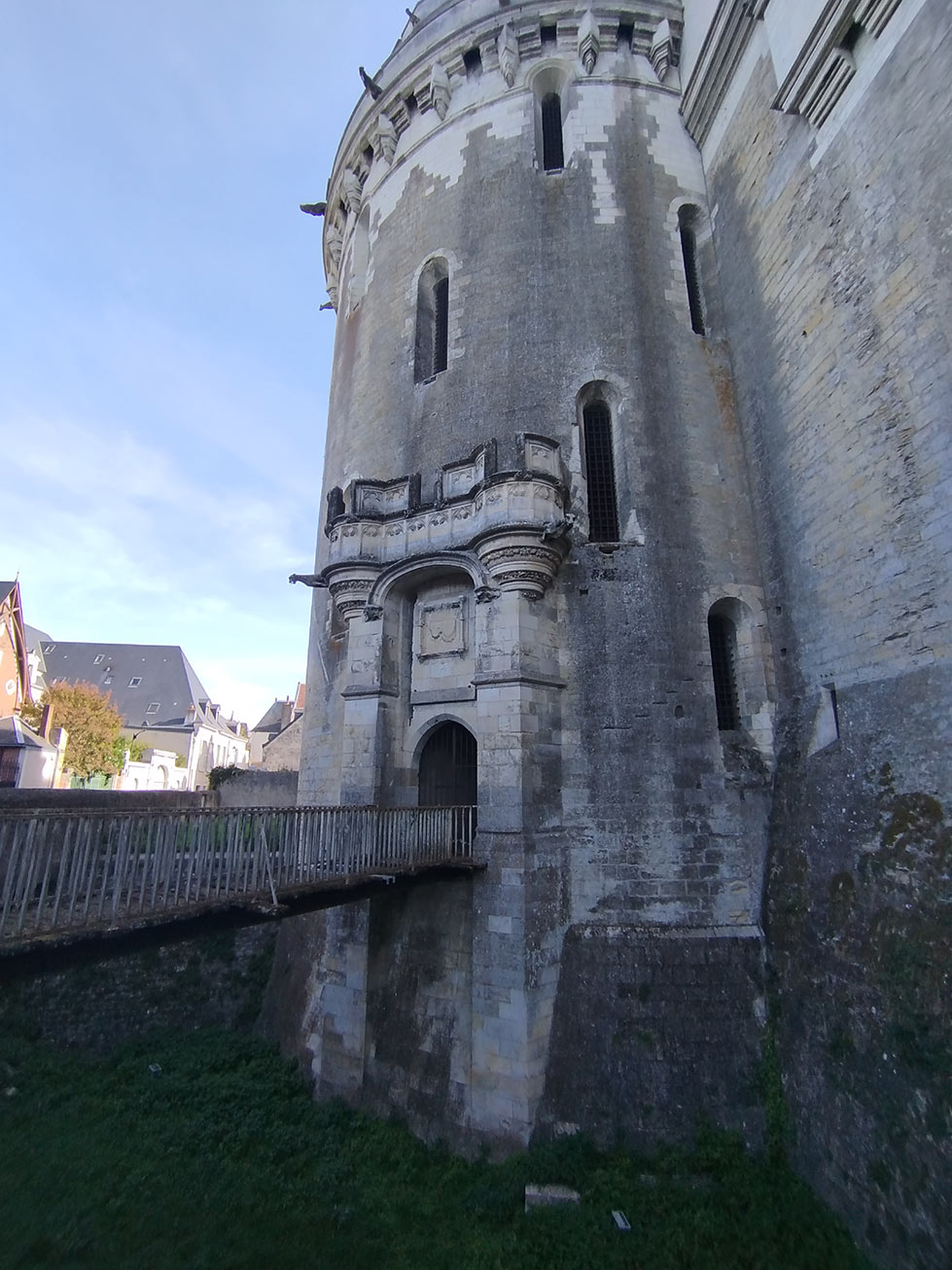
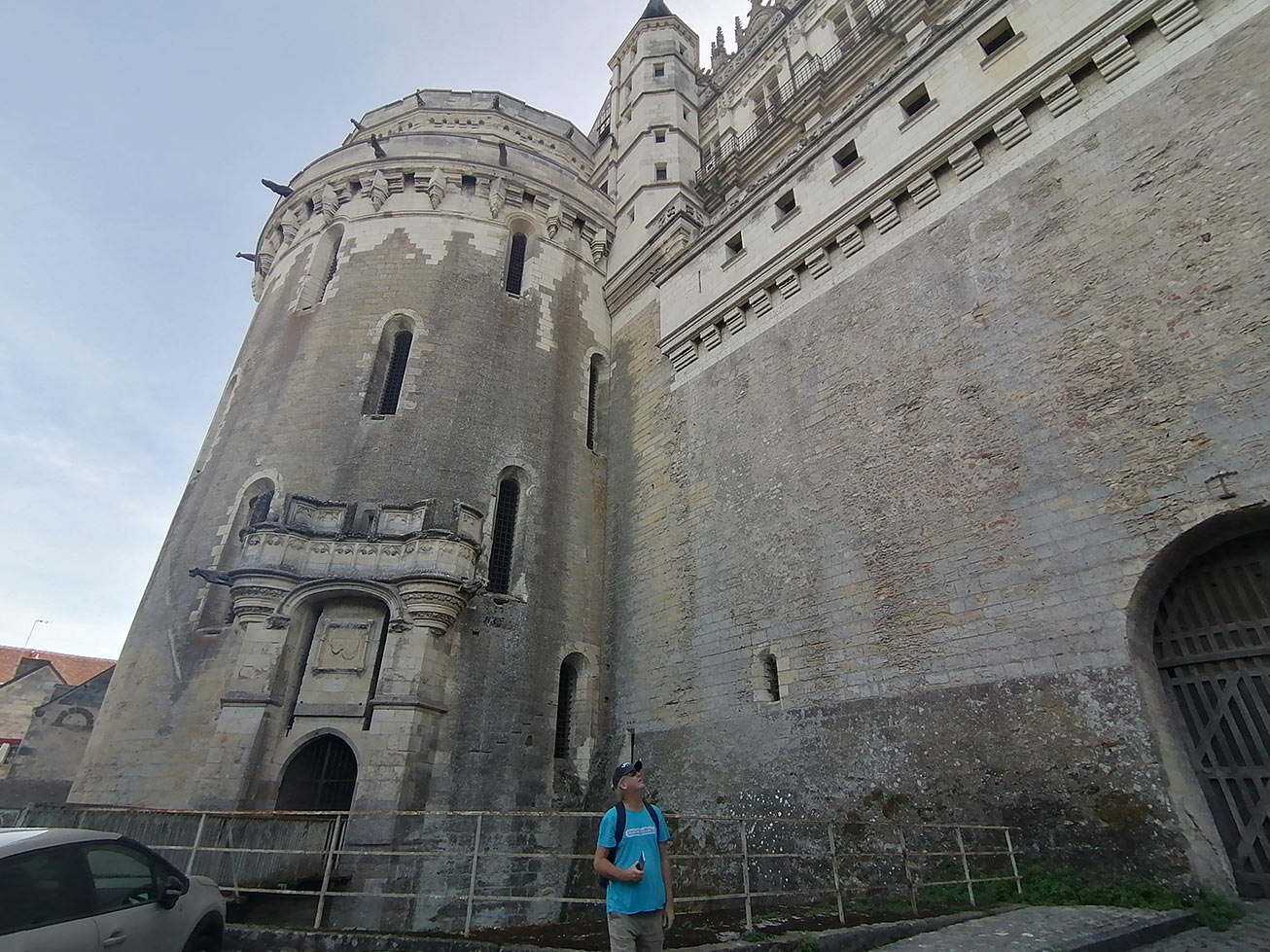
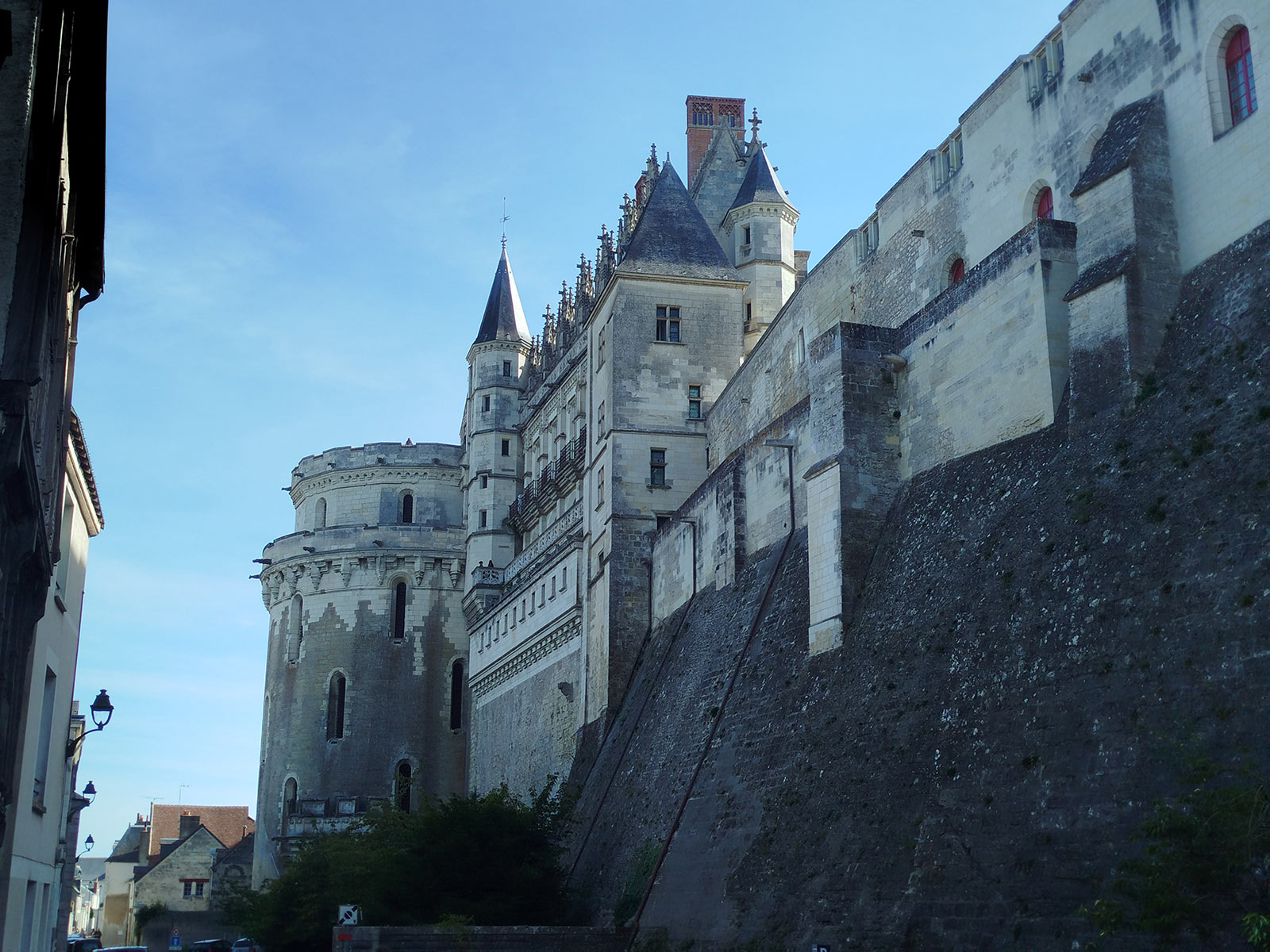
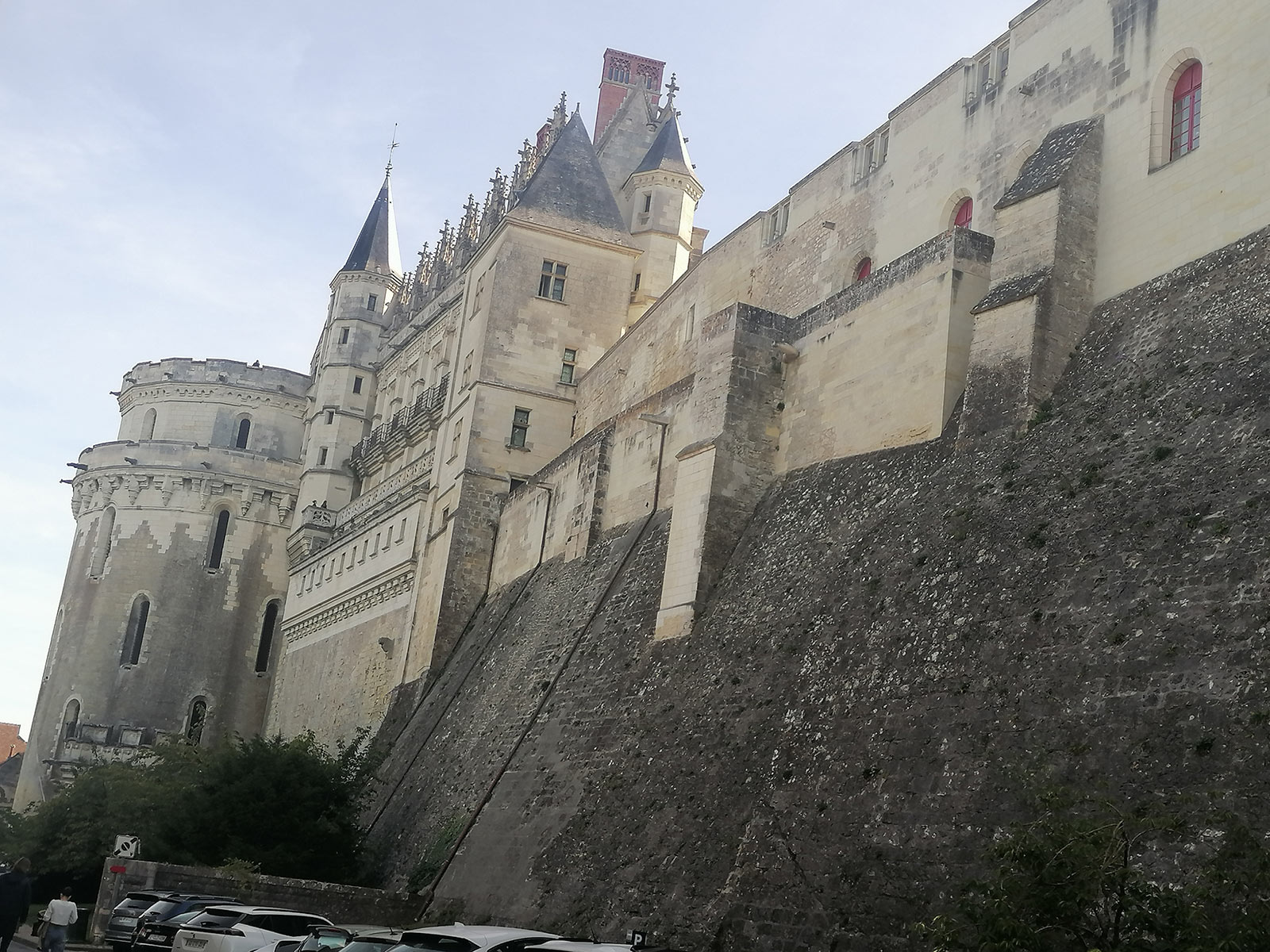
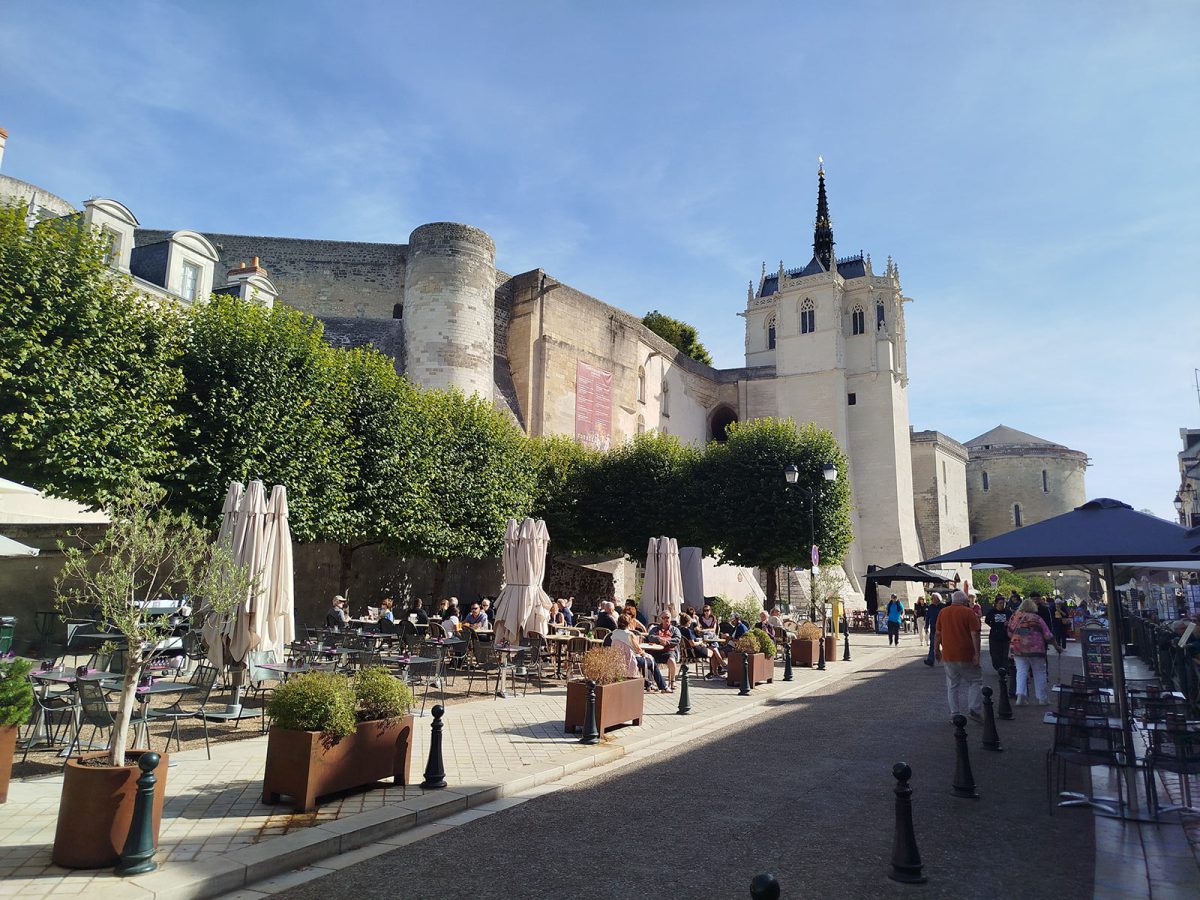
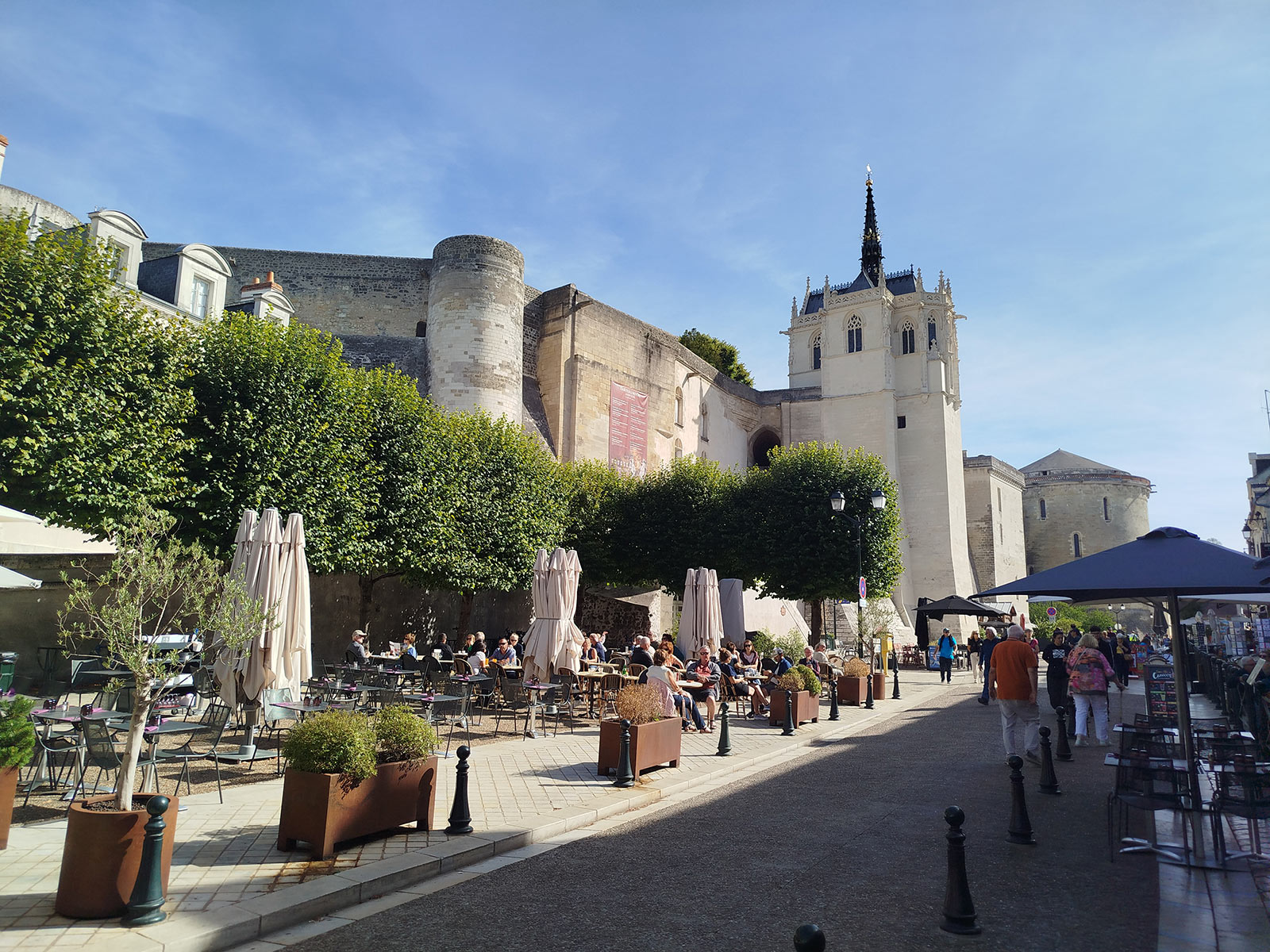
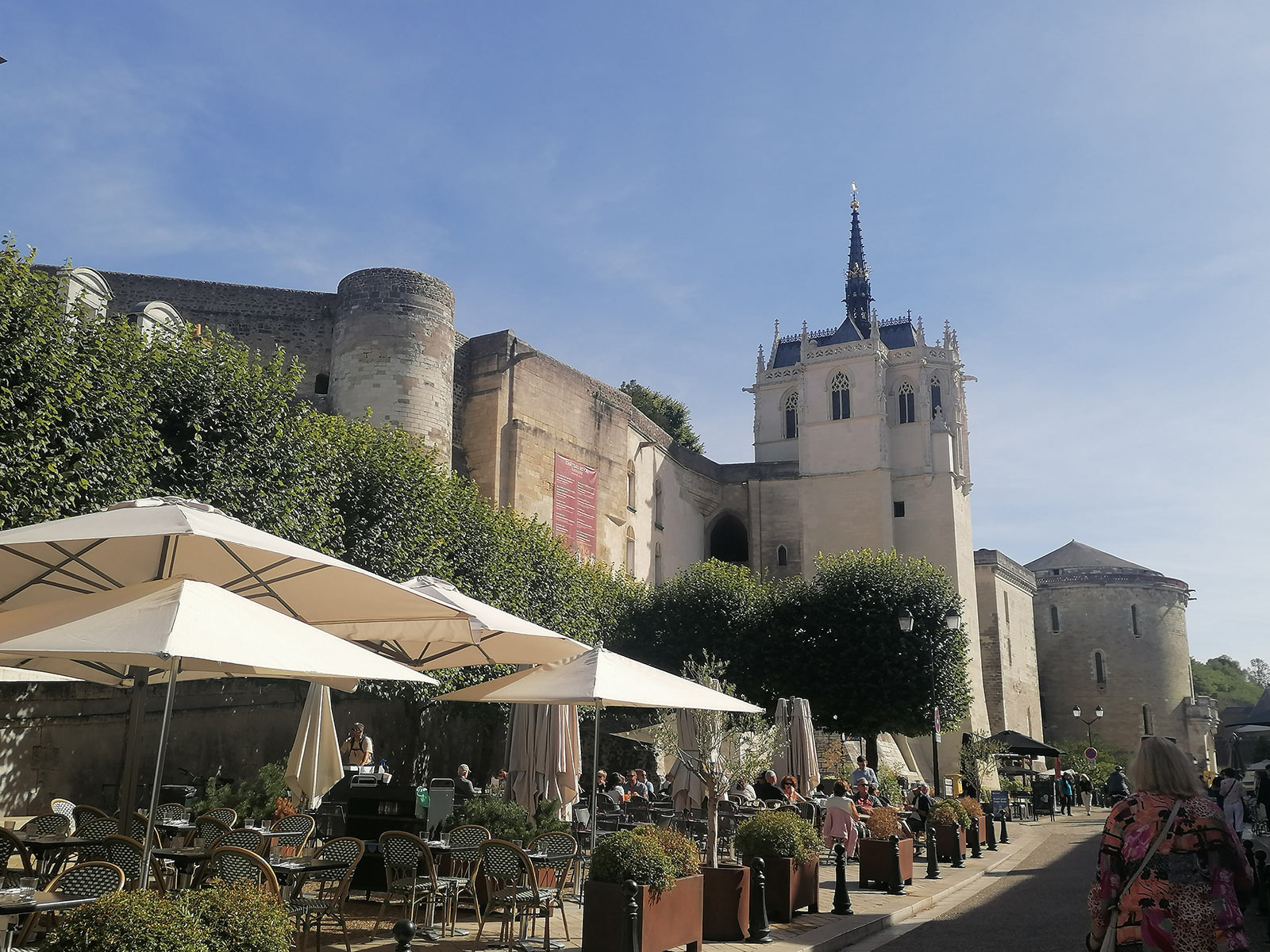
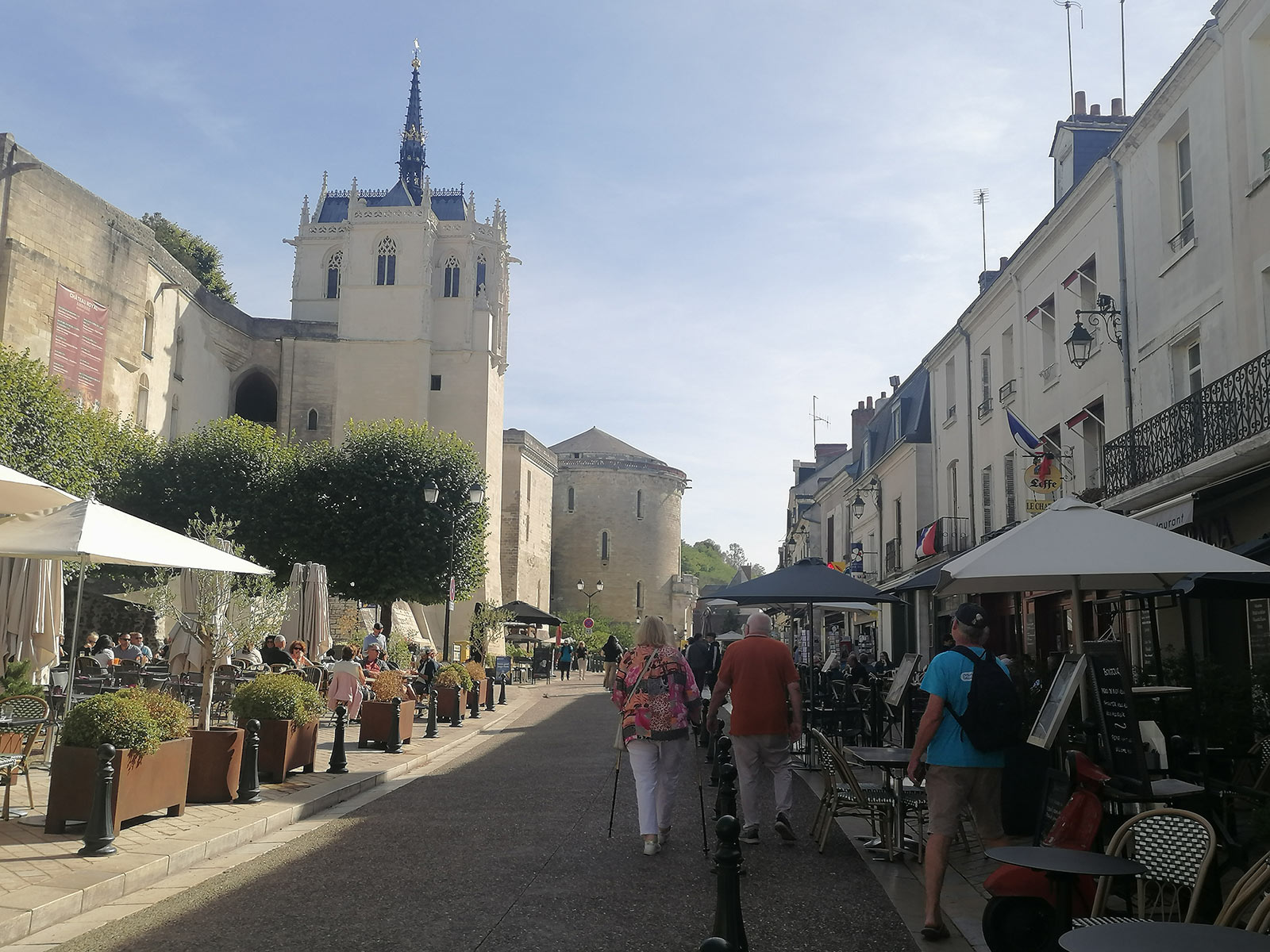
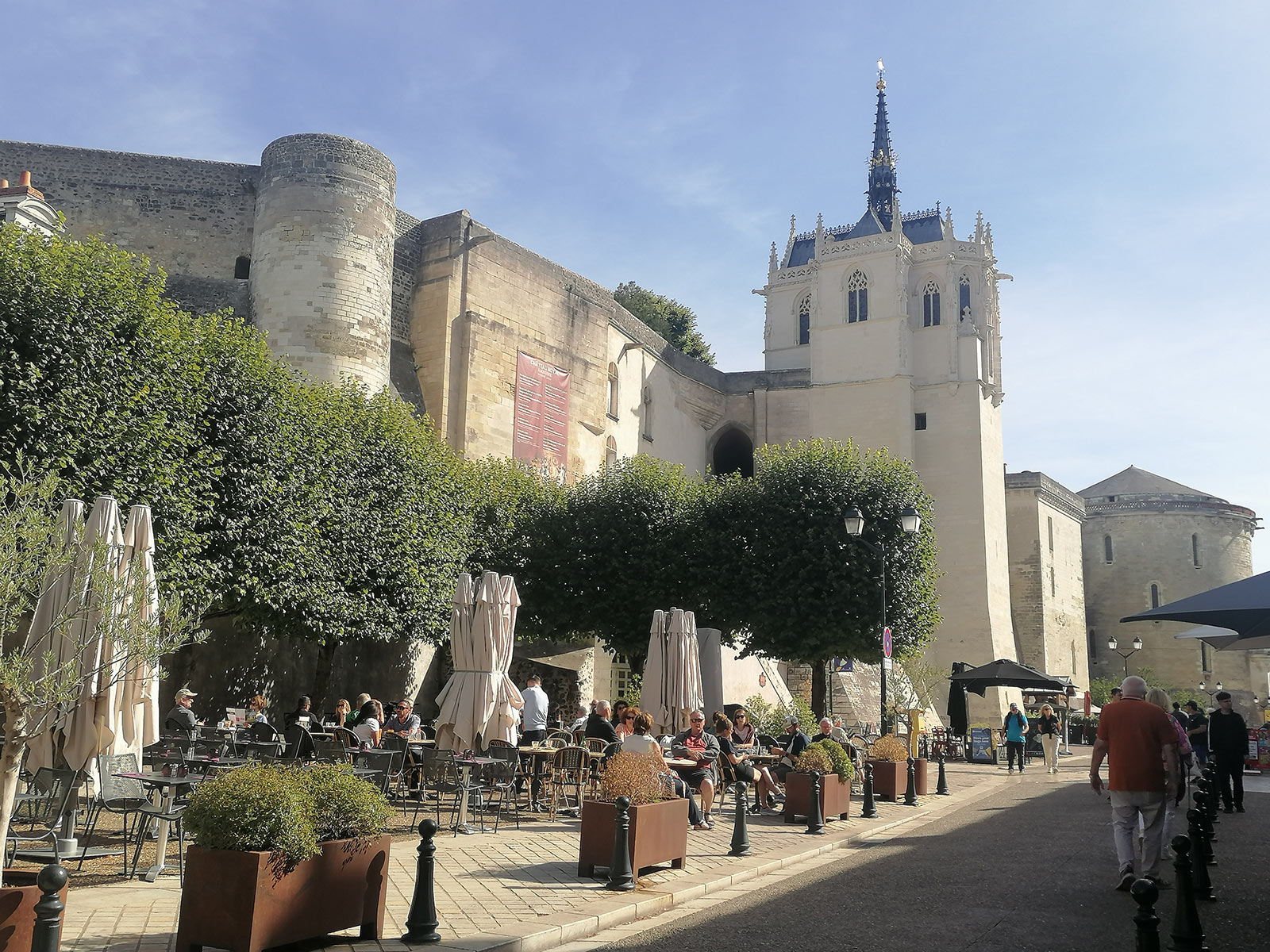
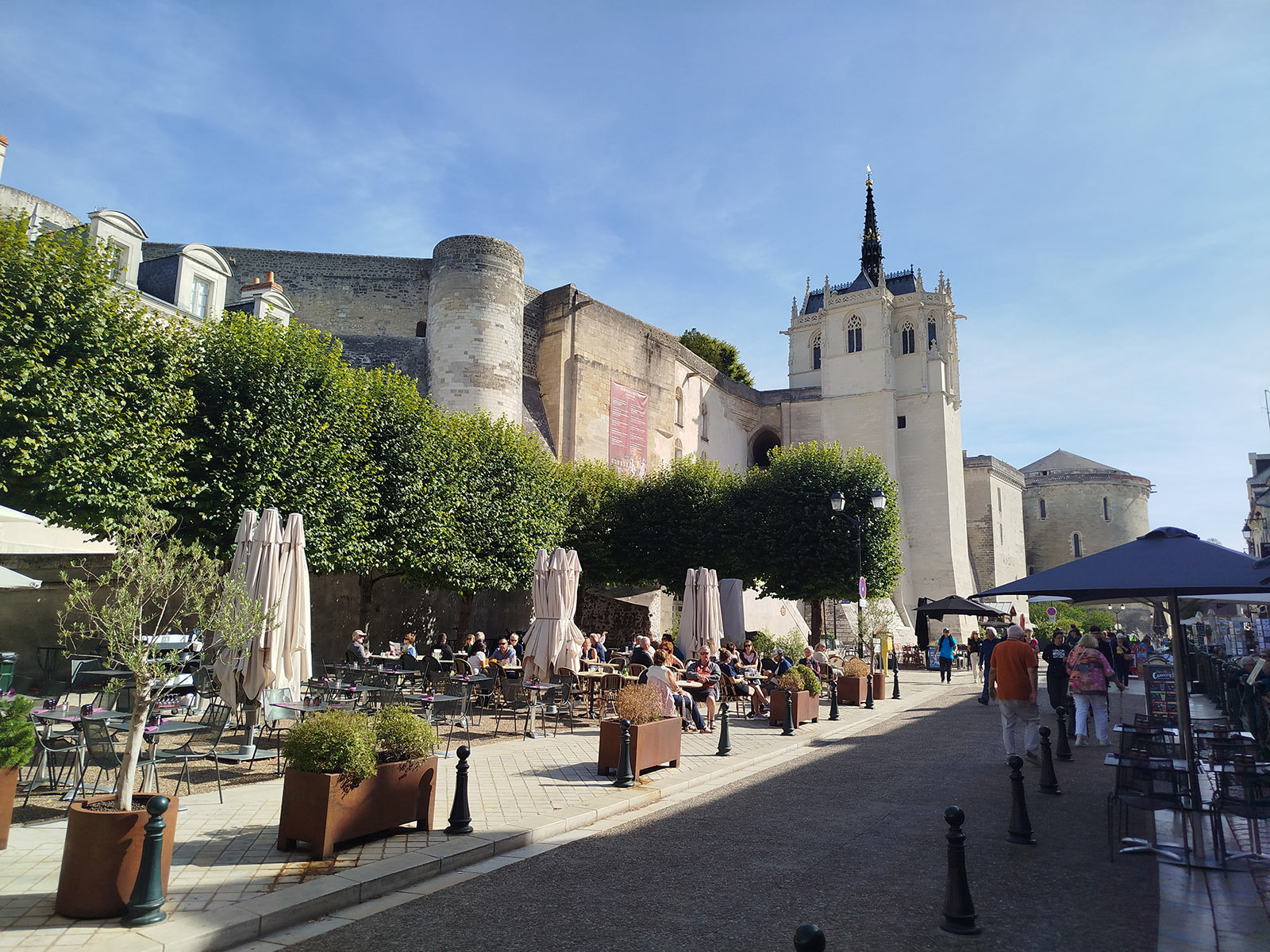
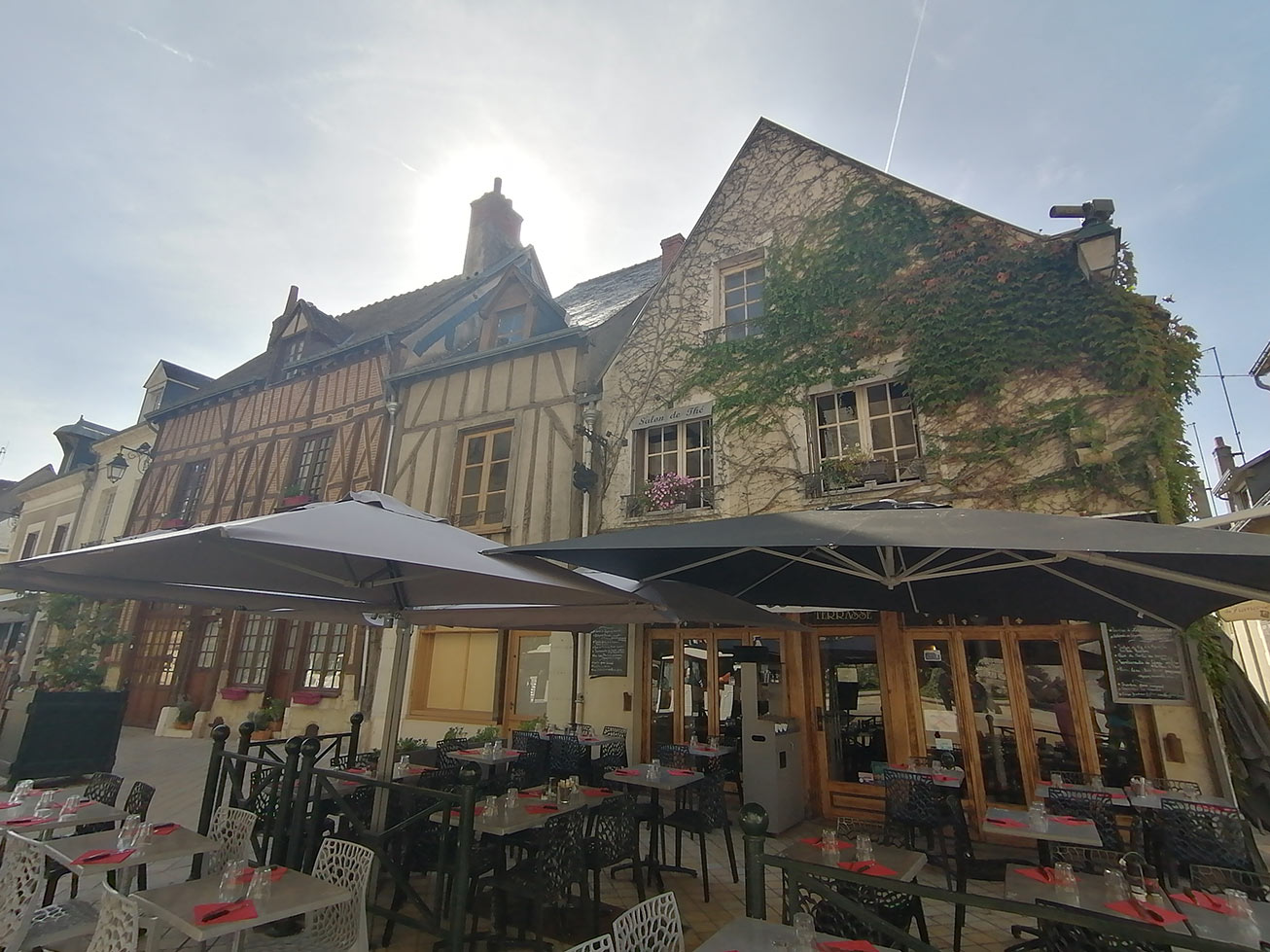
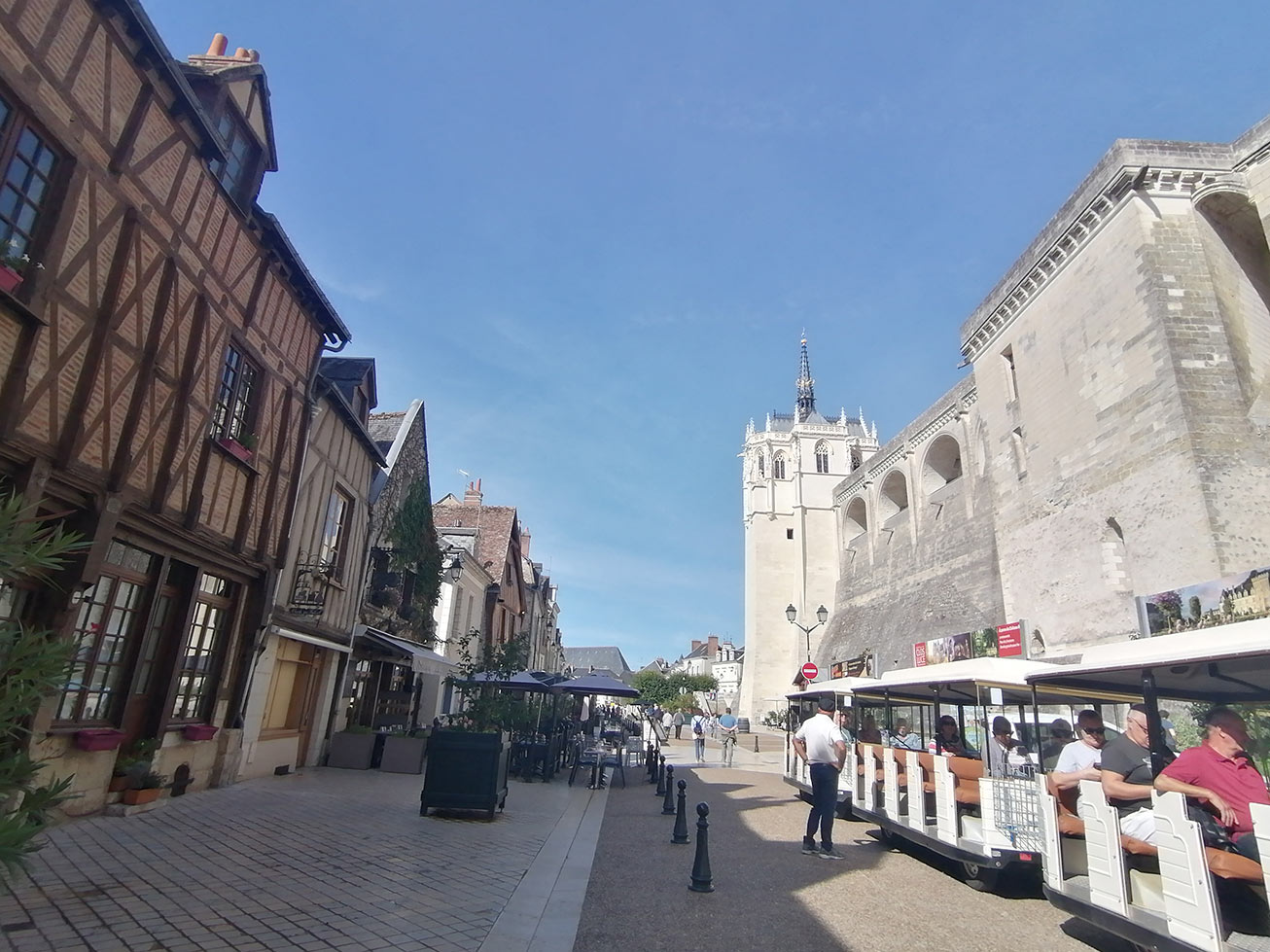
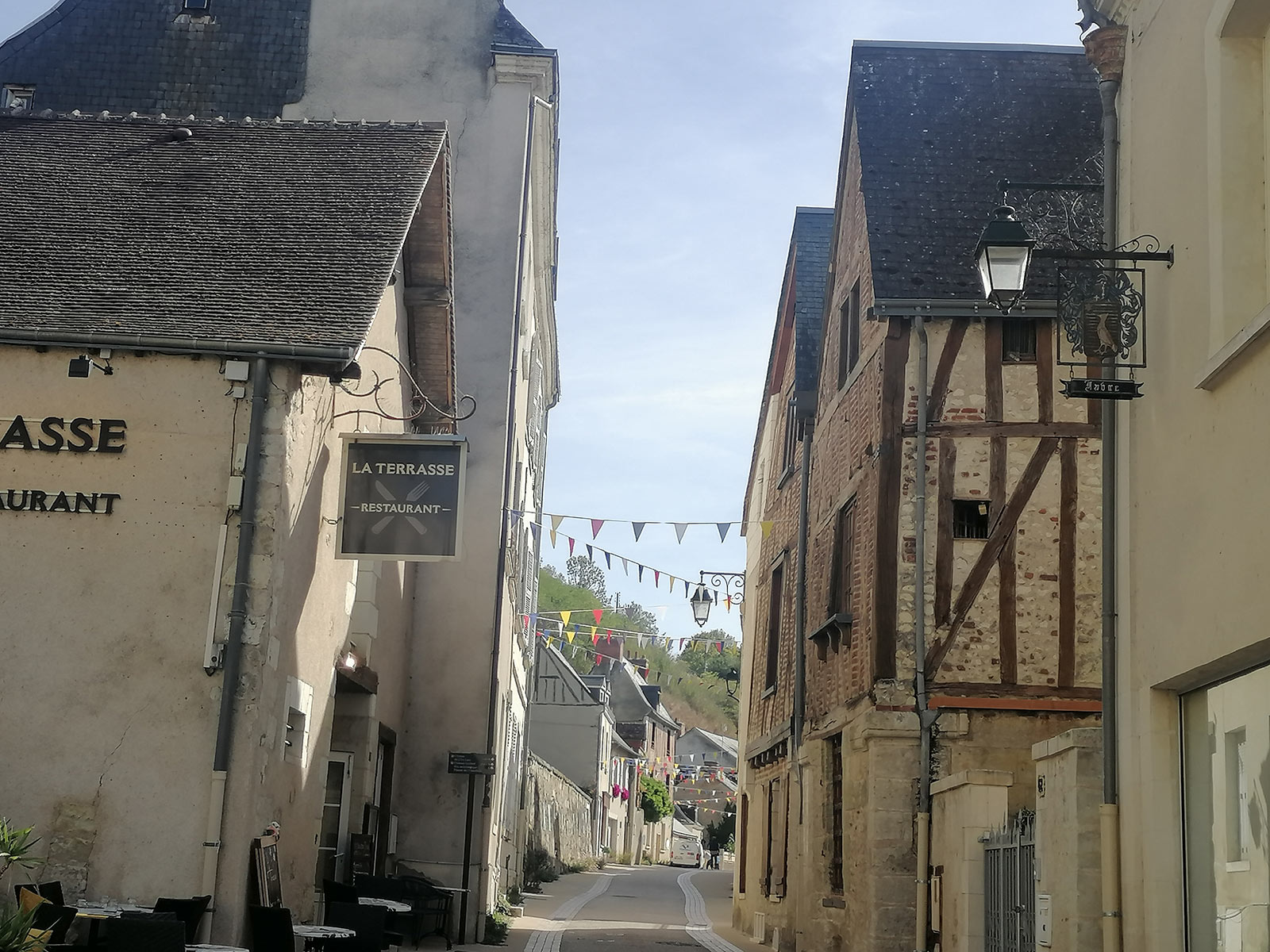
We wandered through the narrow streets of the old town until we reached a square filled with bars and restaurants, where the royal castle entrance is located. We looked inside but decided not to go in, as it costs around 40 euros for two people. This imposing royal residence, perched atop a hill, once served as a court for French kings; it features rooms in Gothic and Renaissance styles, panoramic gardens overlooking the Loire River, and the Gothic Chapel of Saint Hubert, which houses the controversial tomb of Leonardo da Vinci.
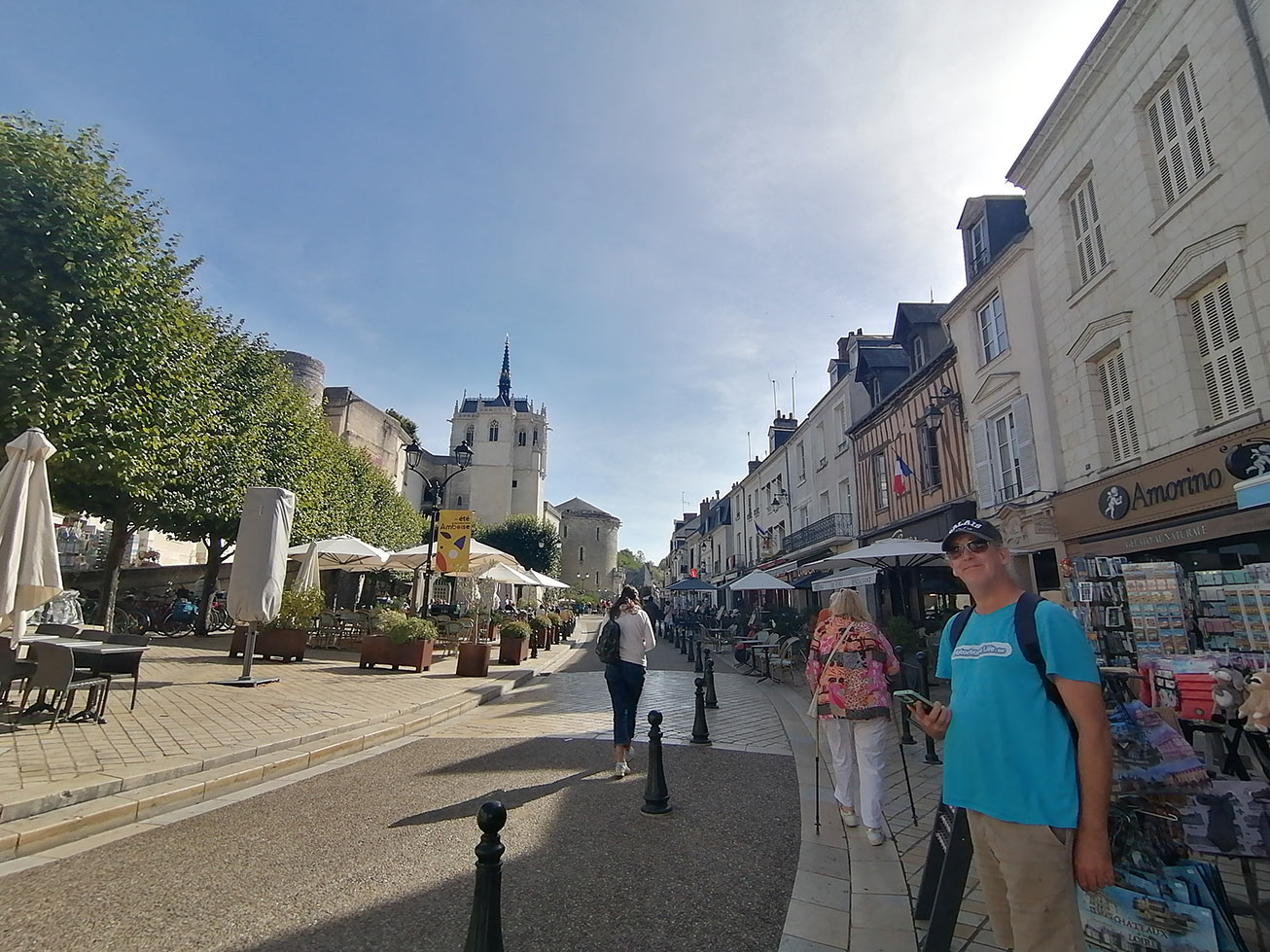
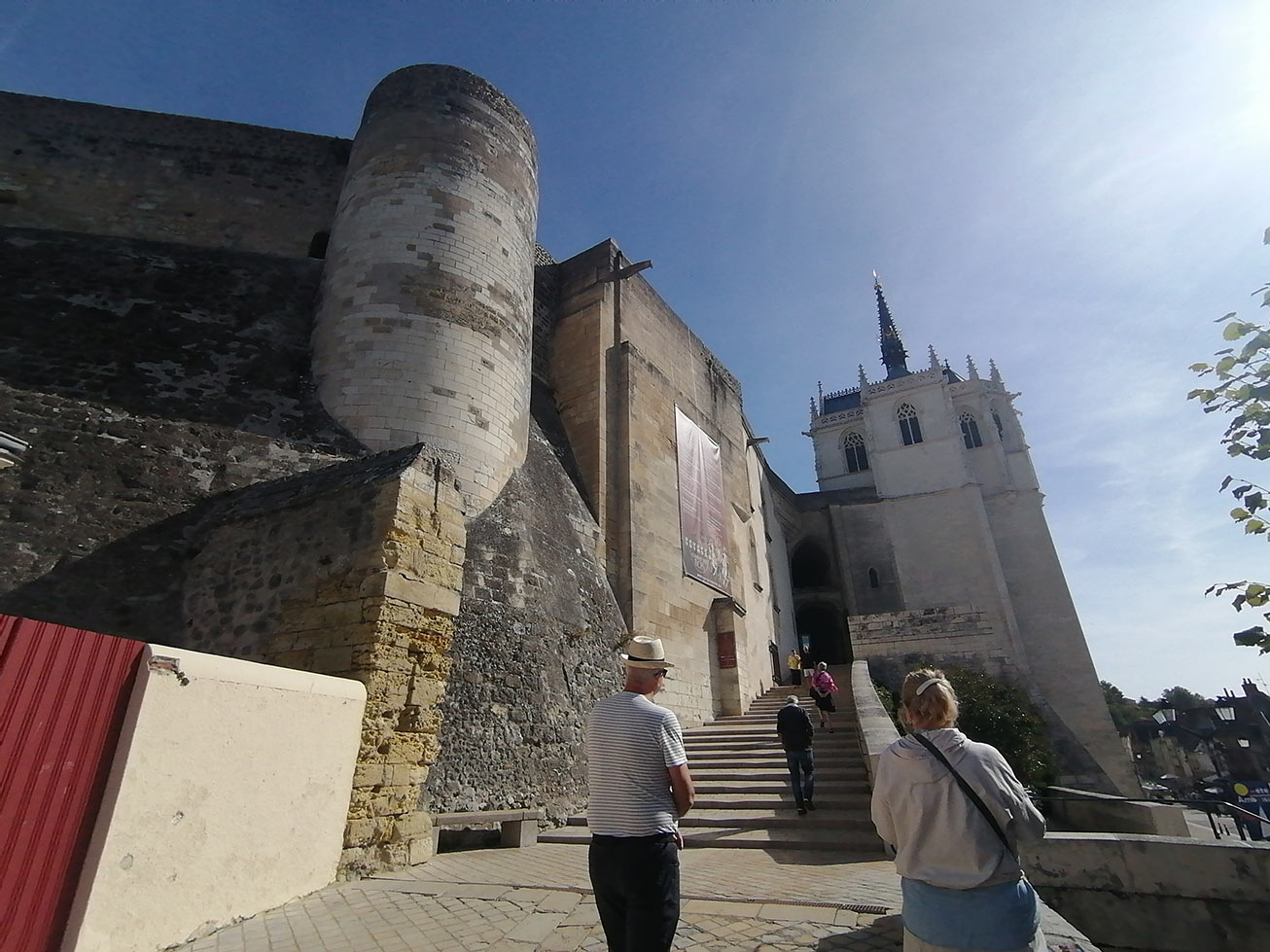
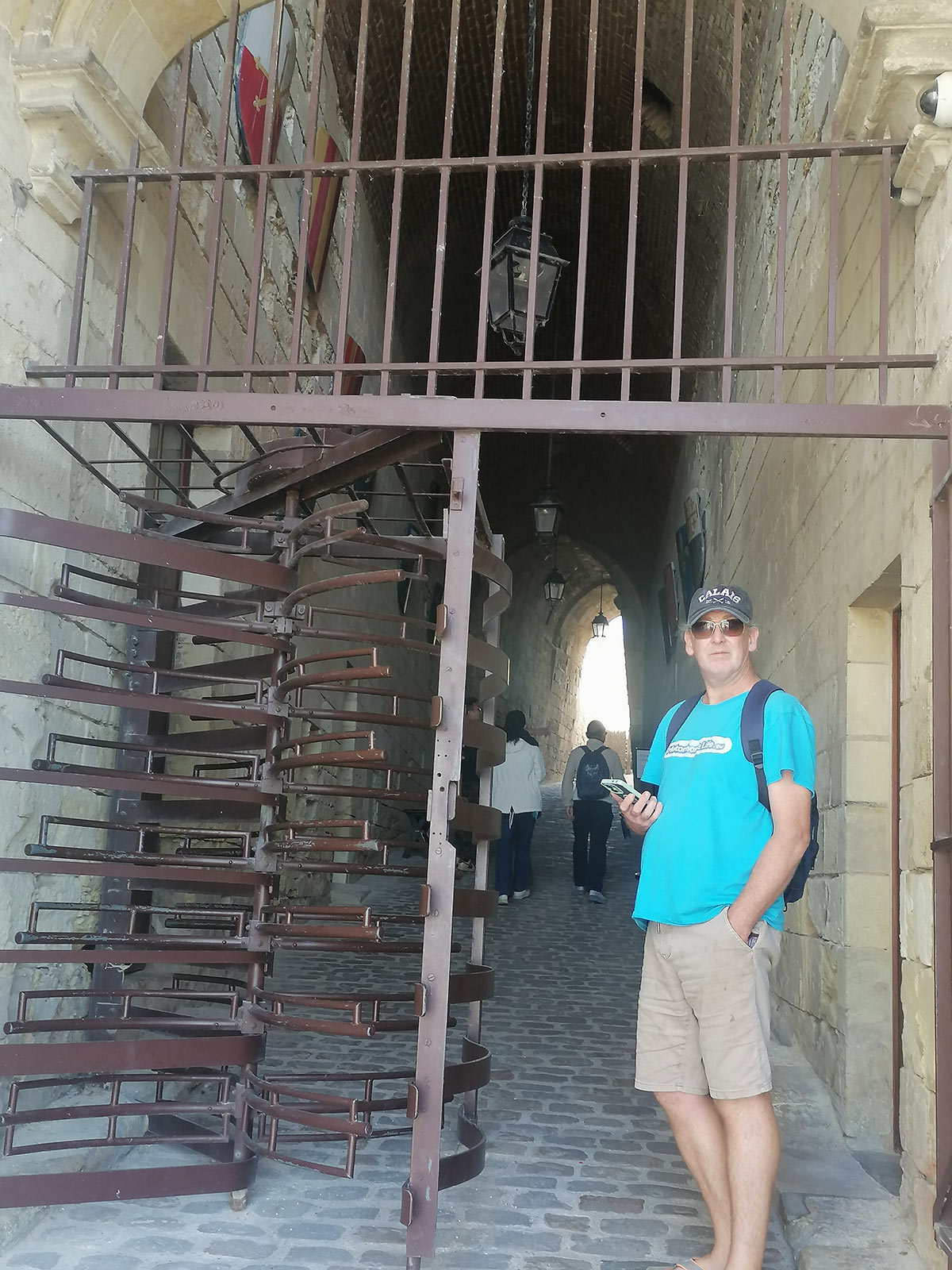 +11 more photos
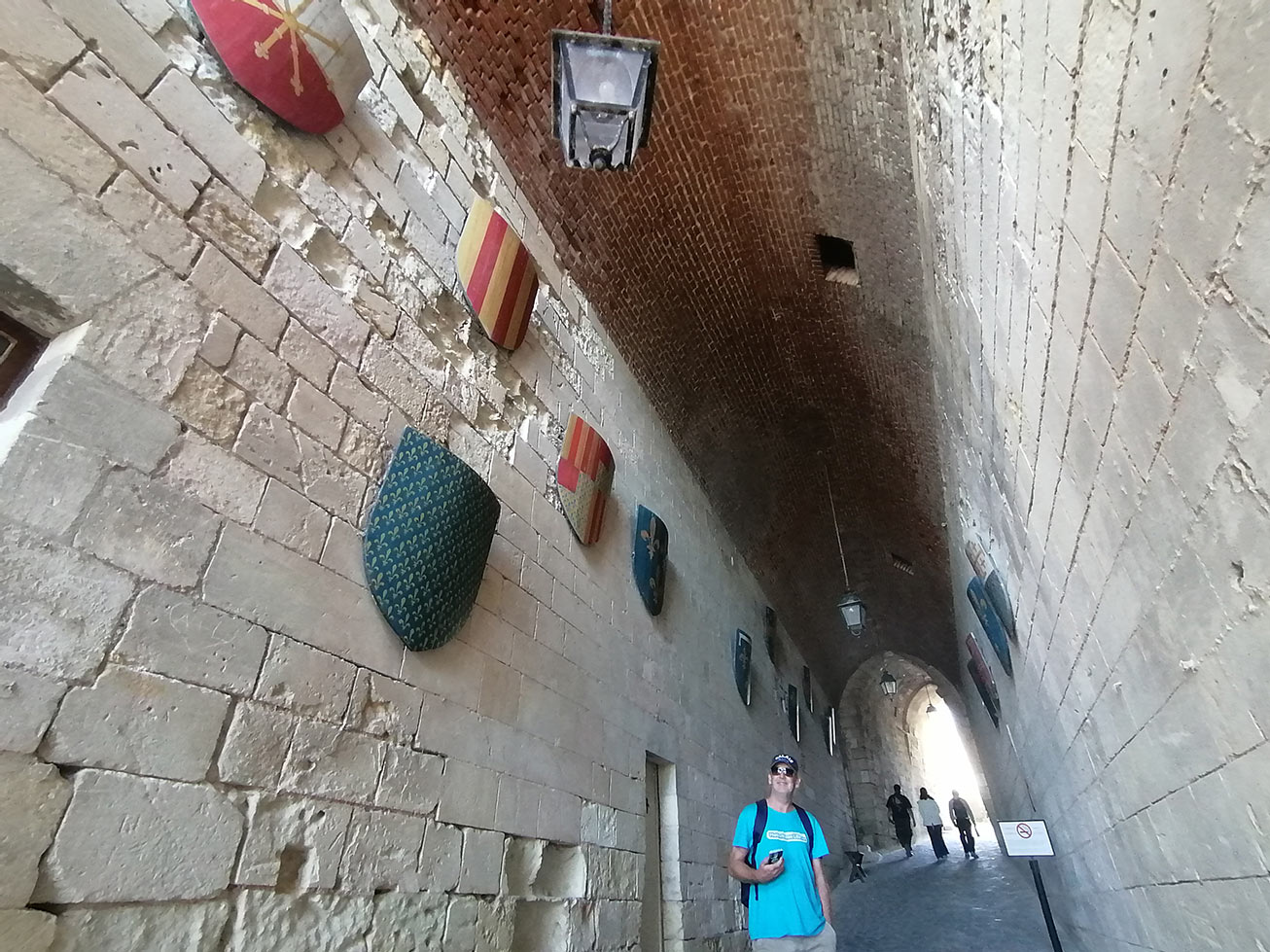 +10 more photos
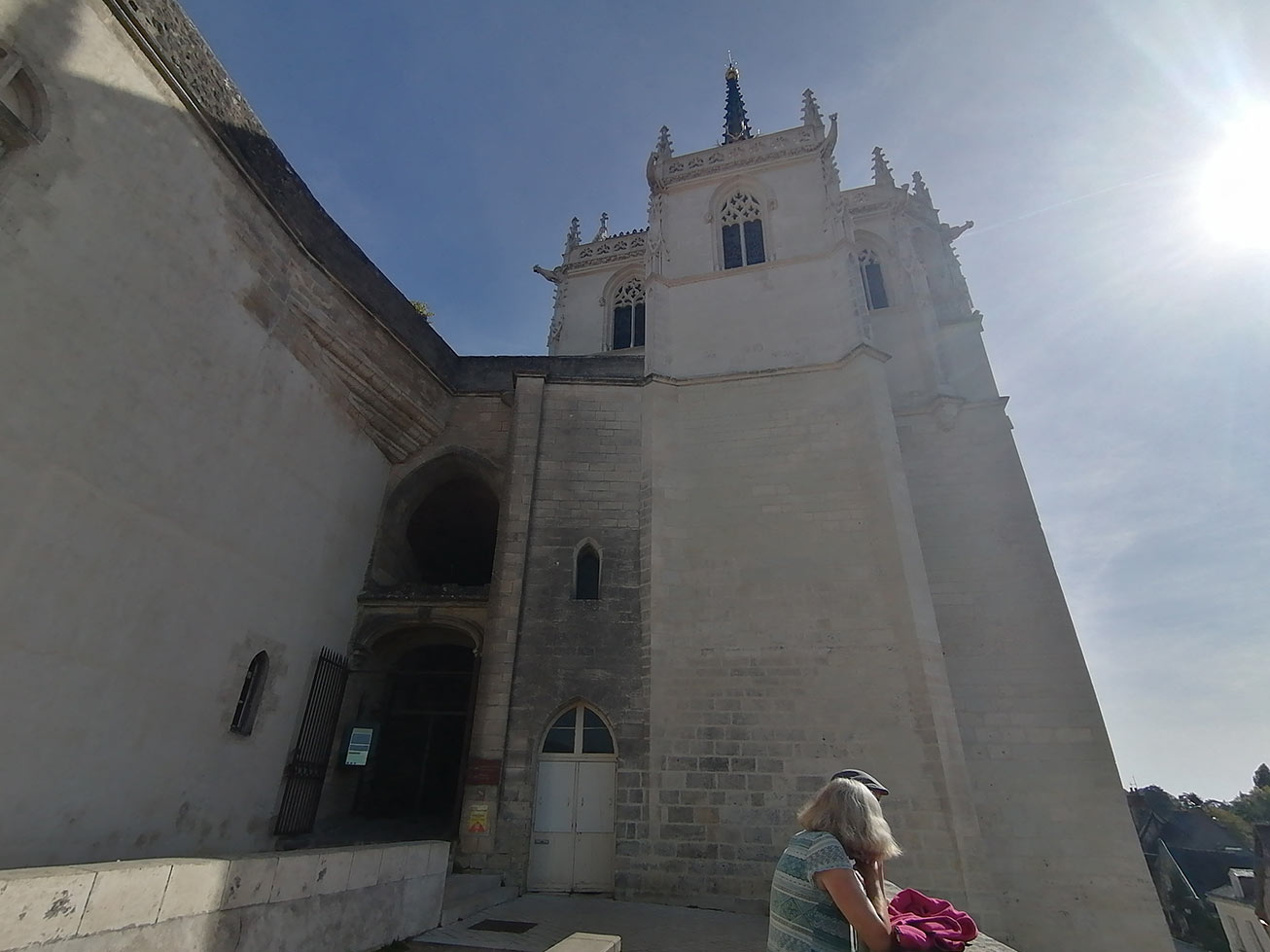
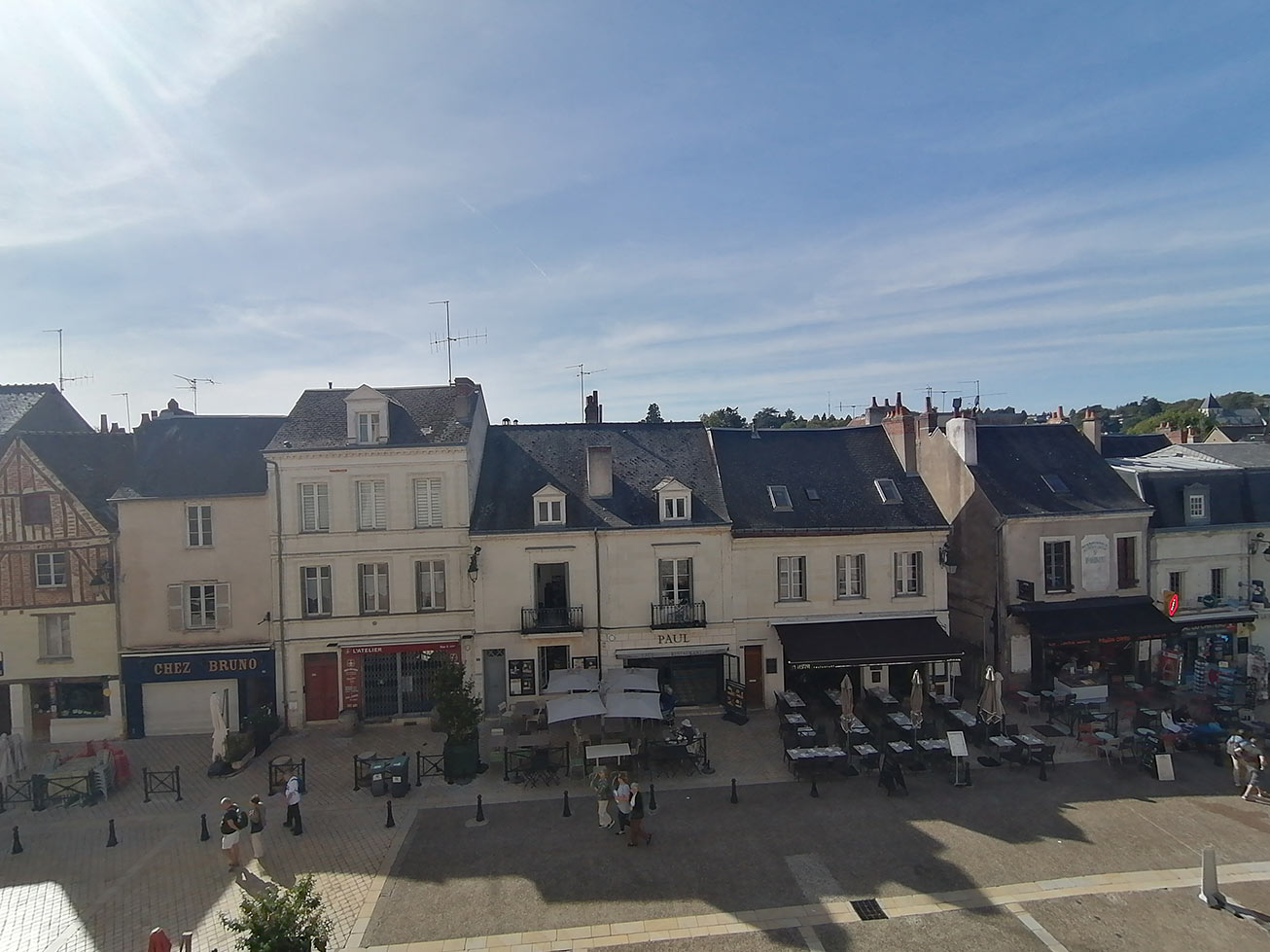
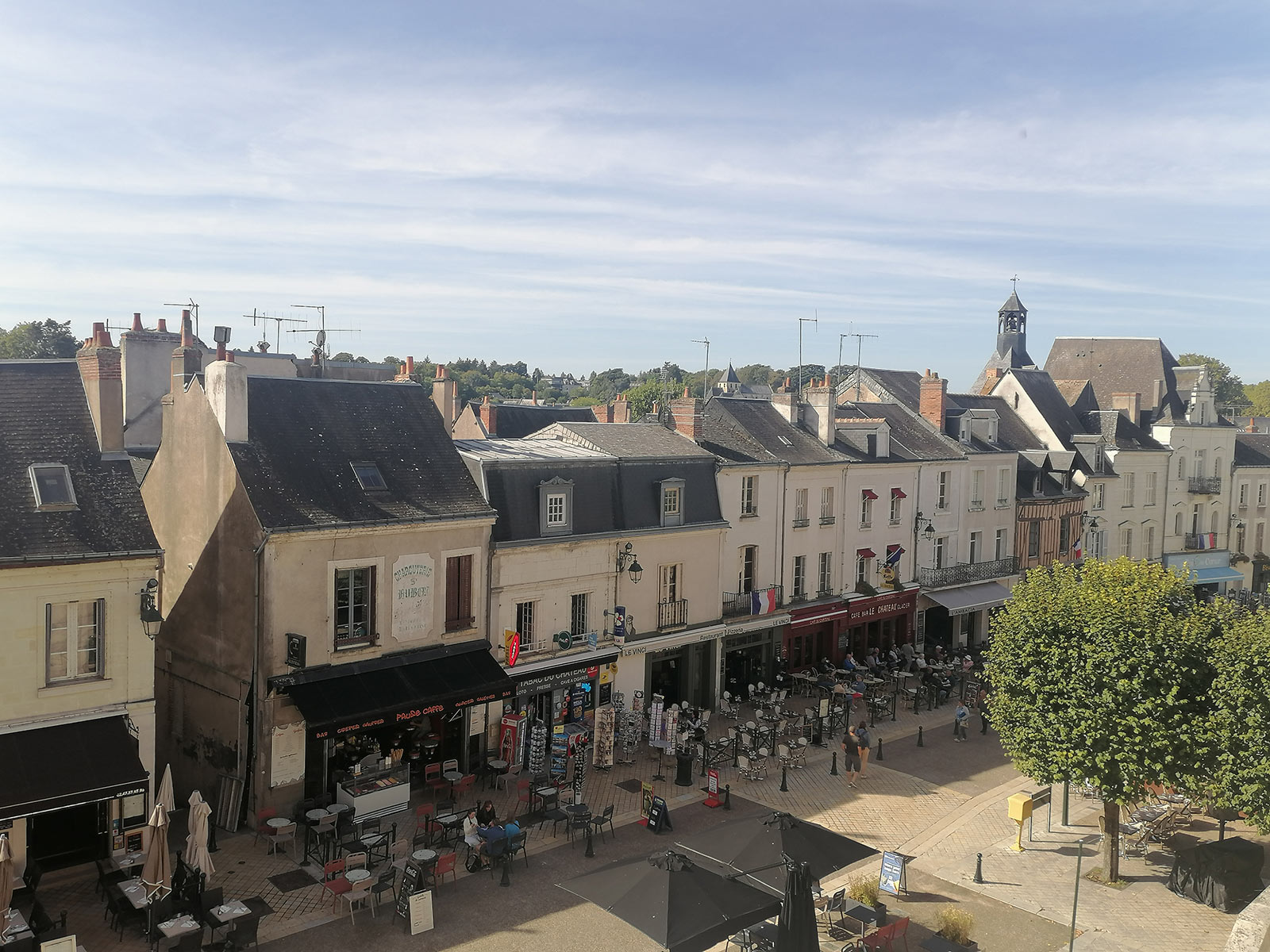
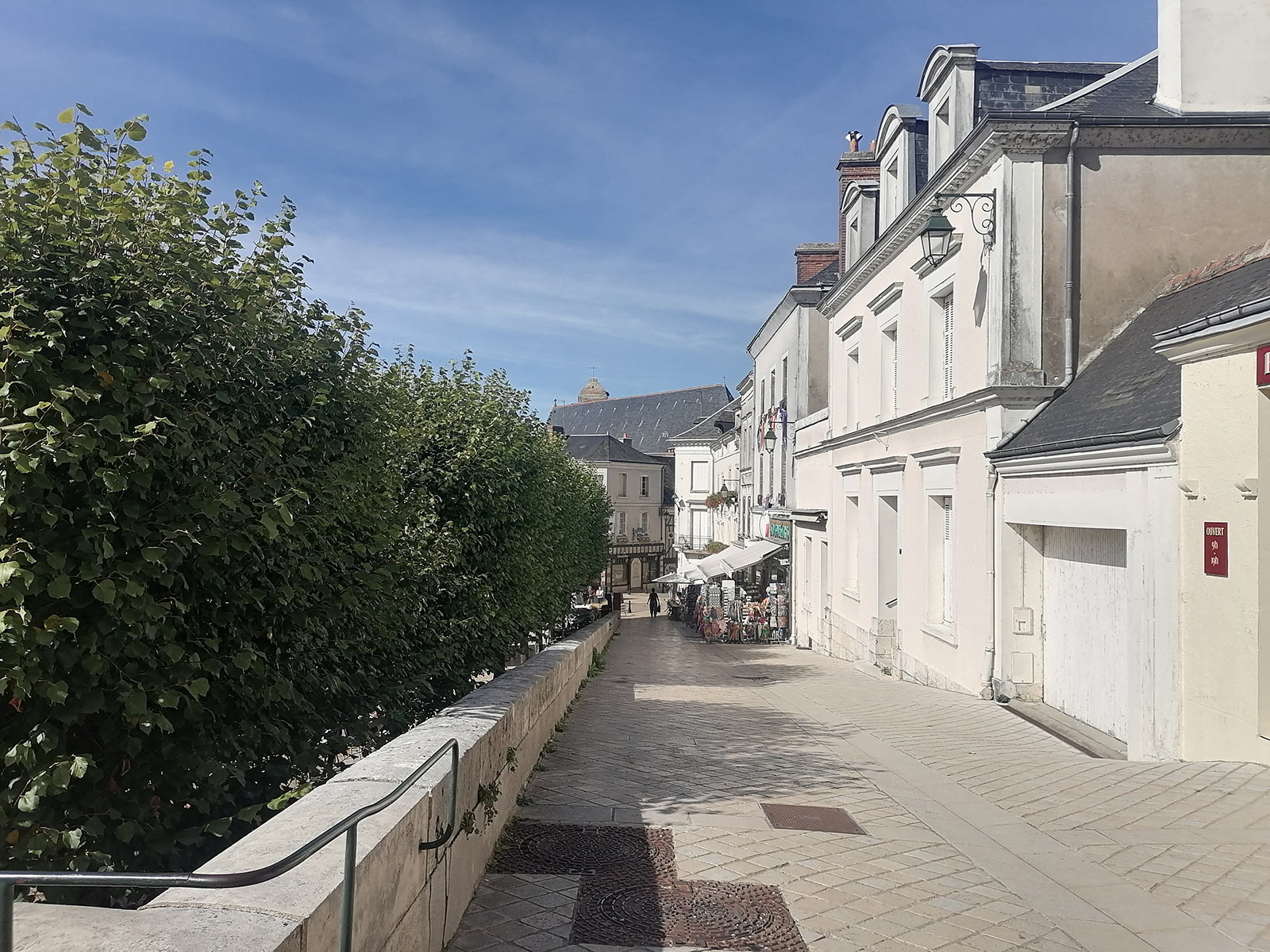
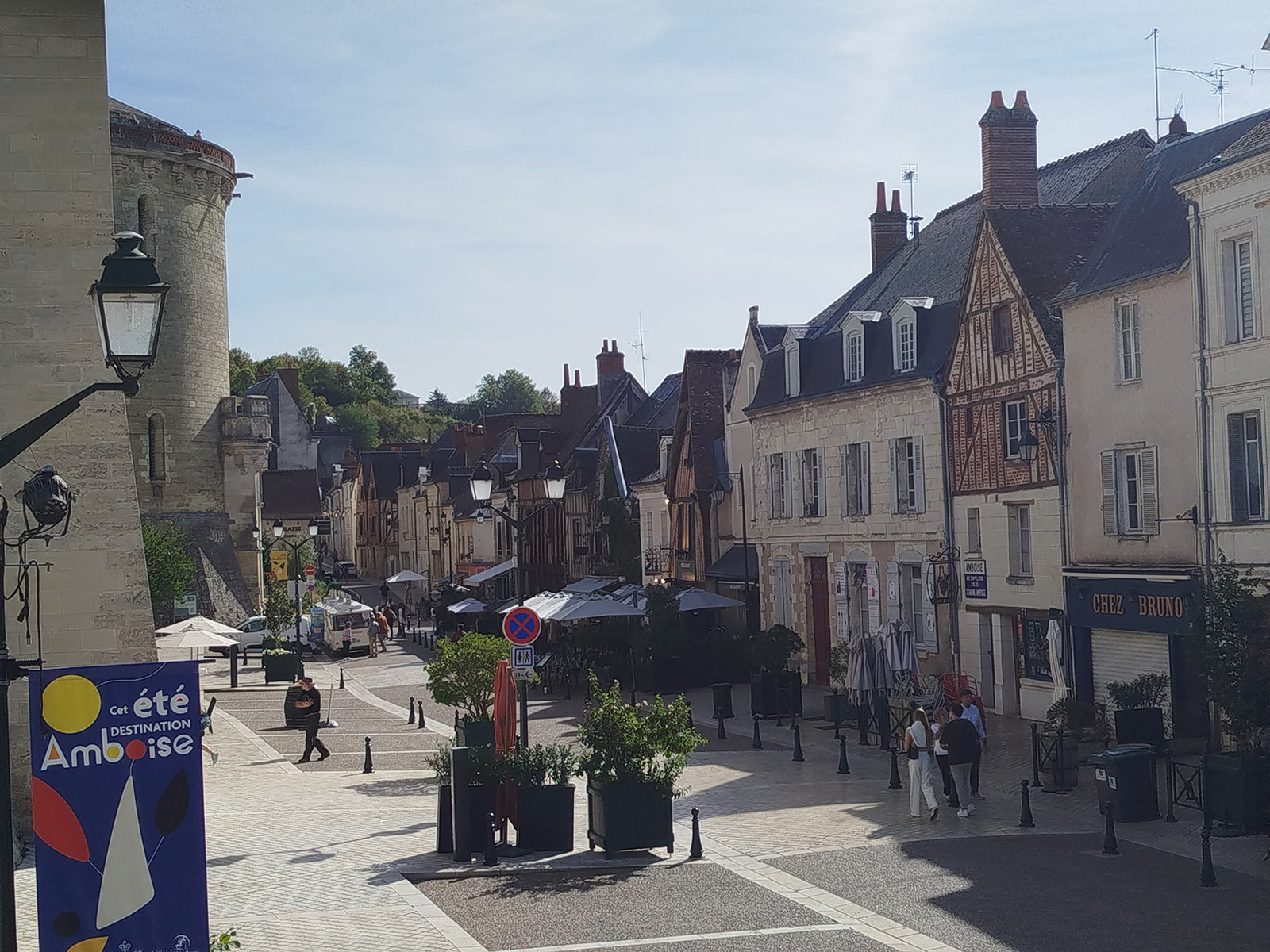
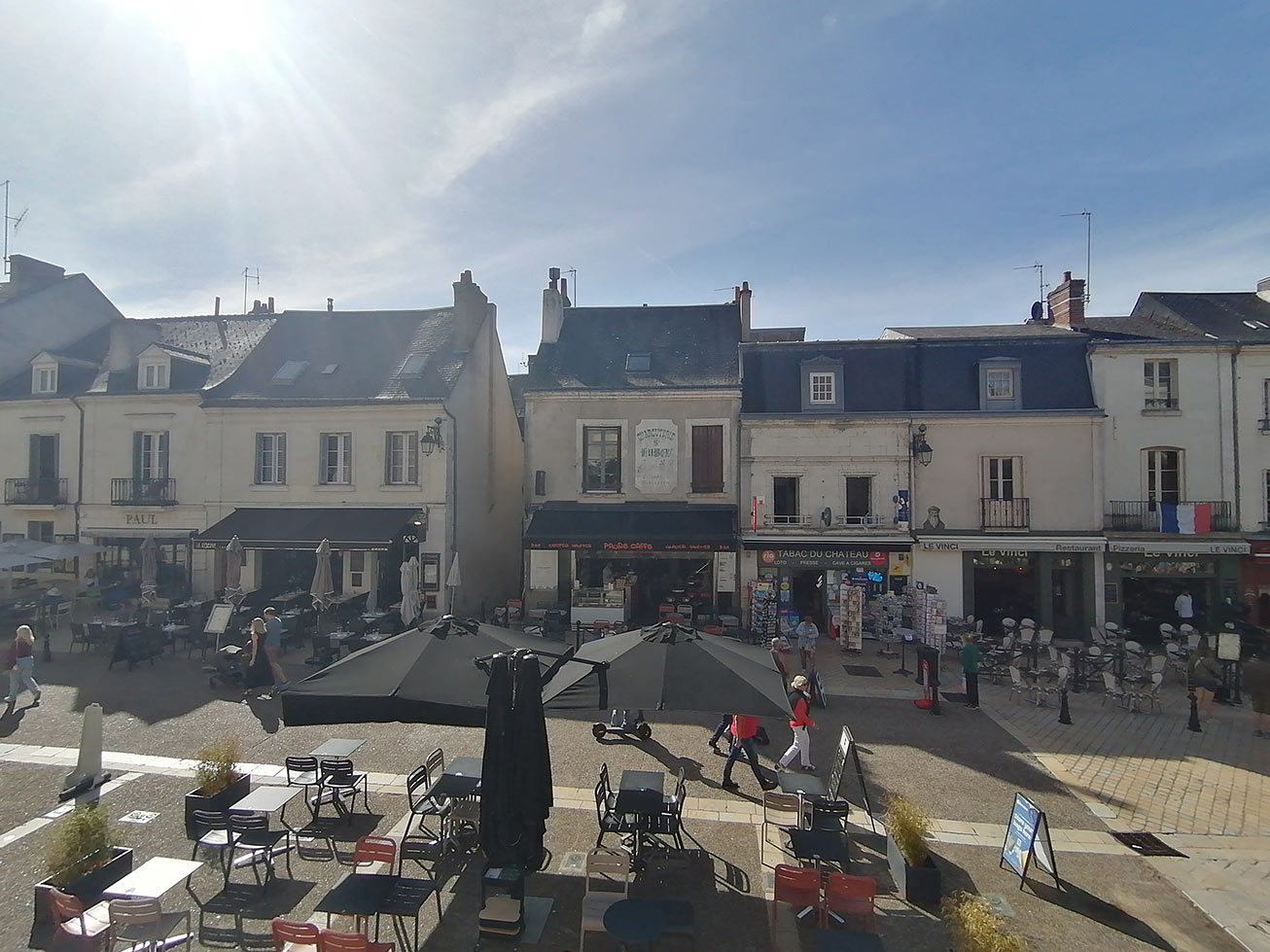
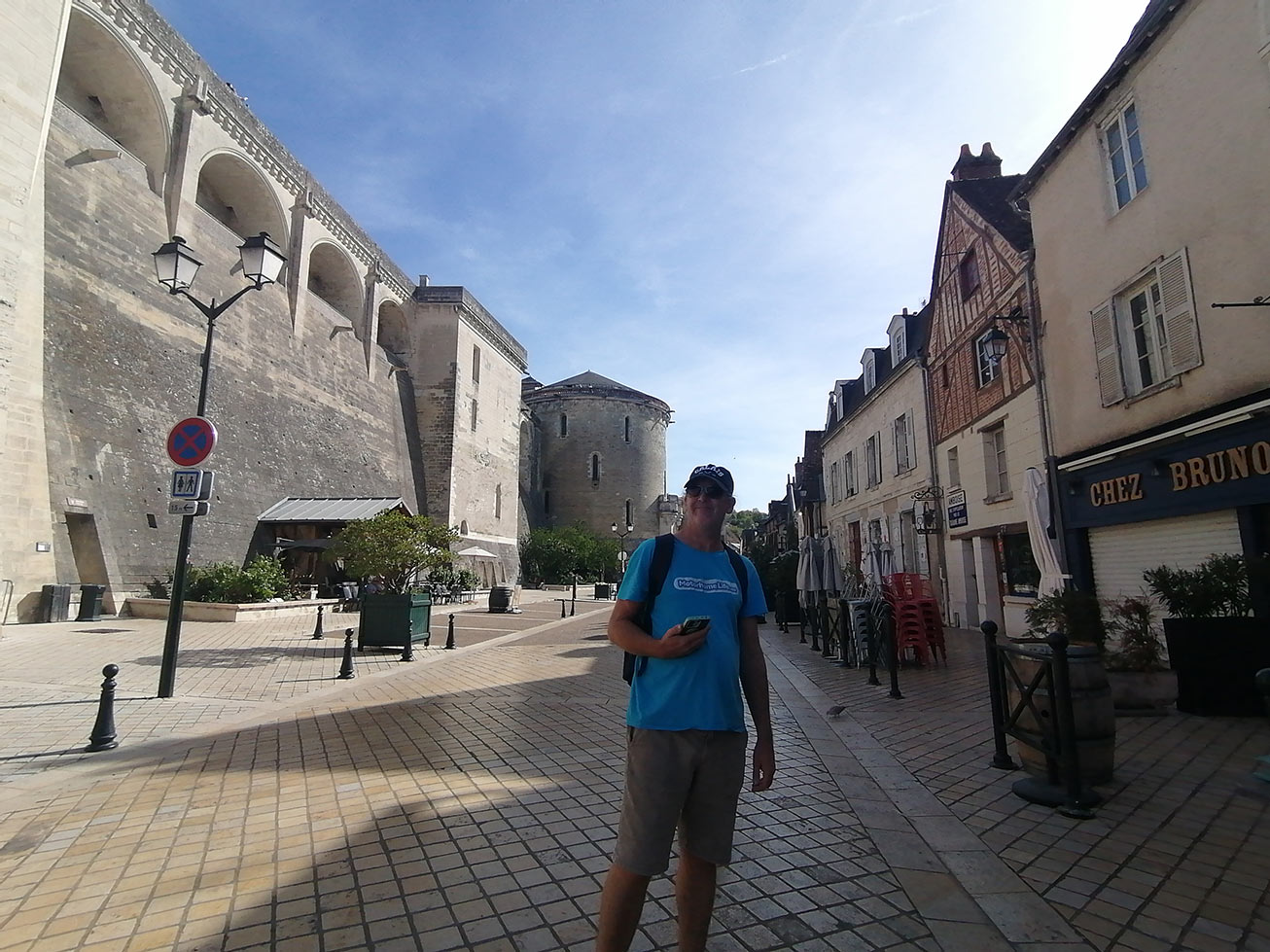
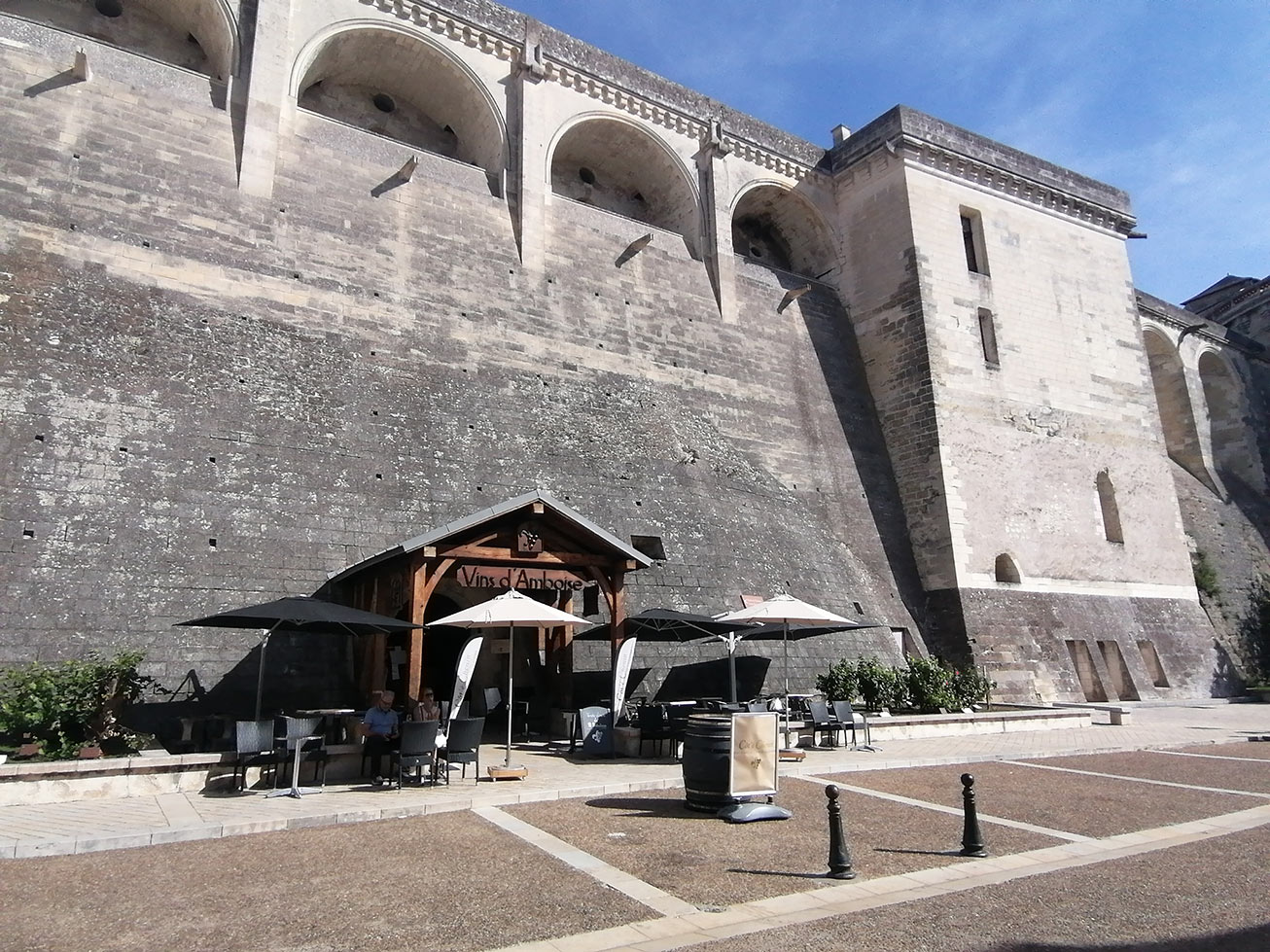
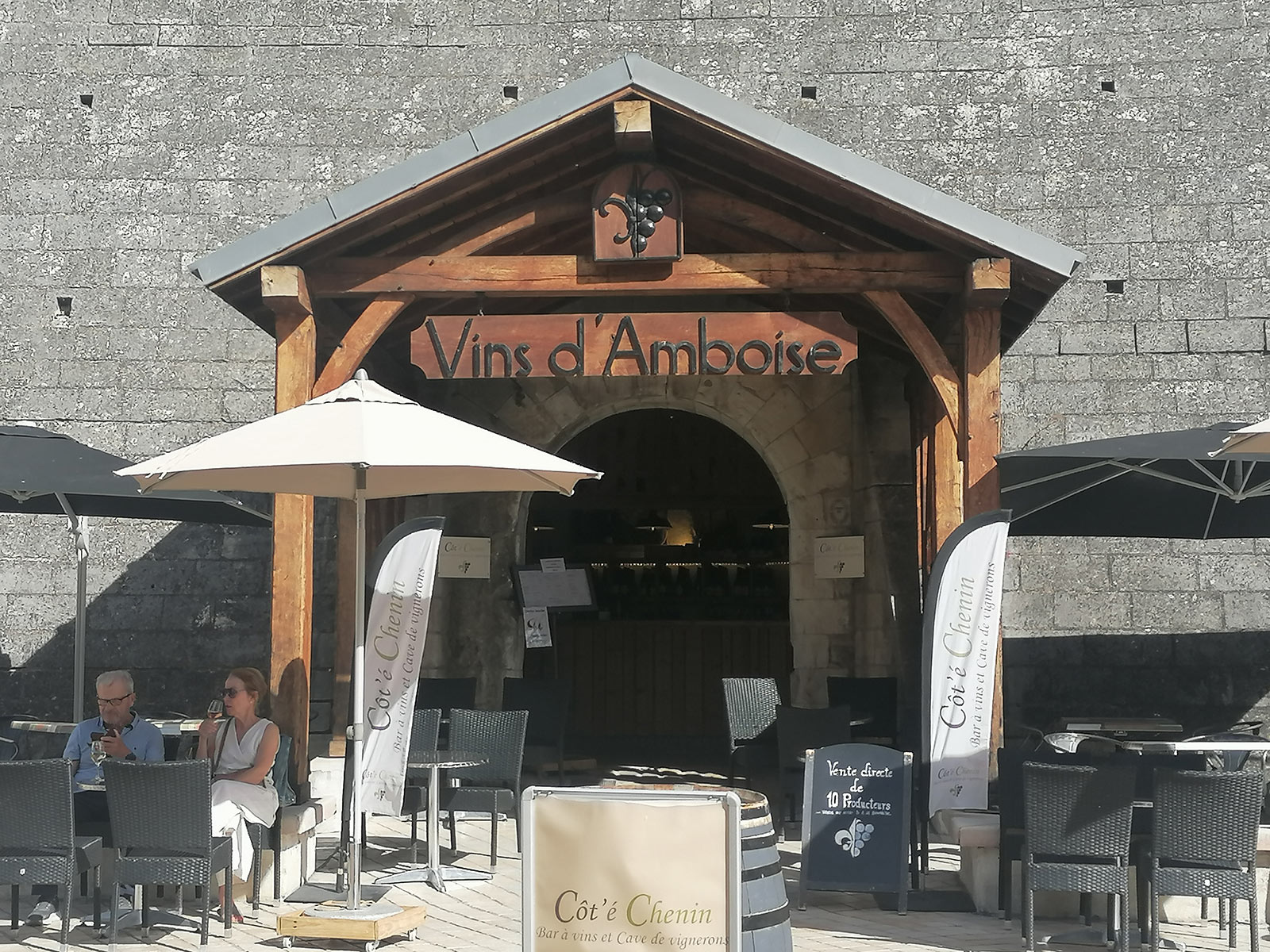
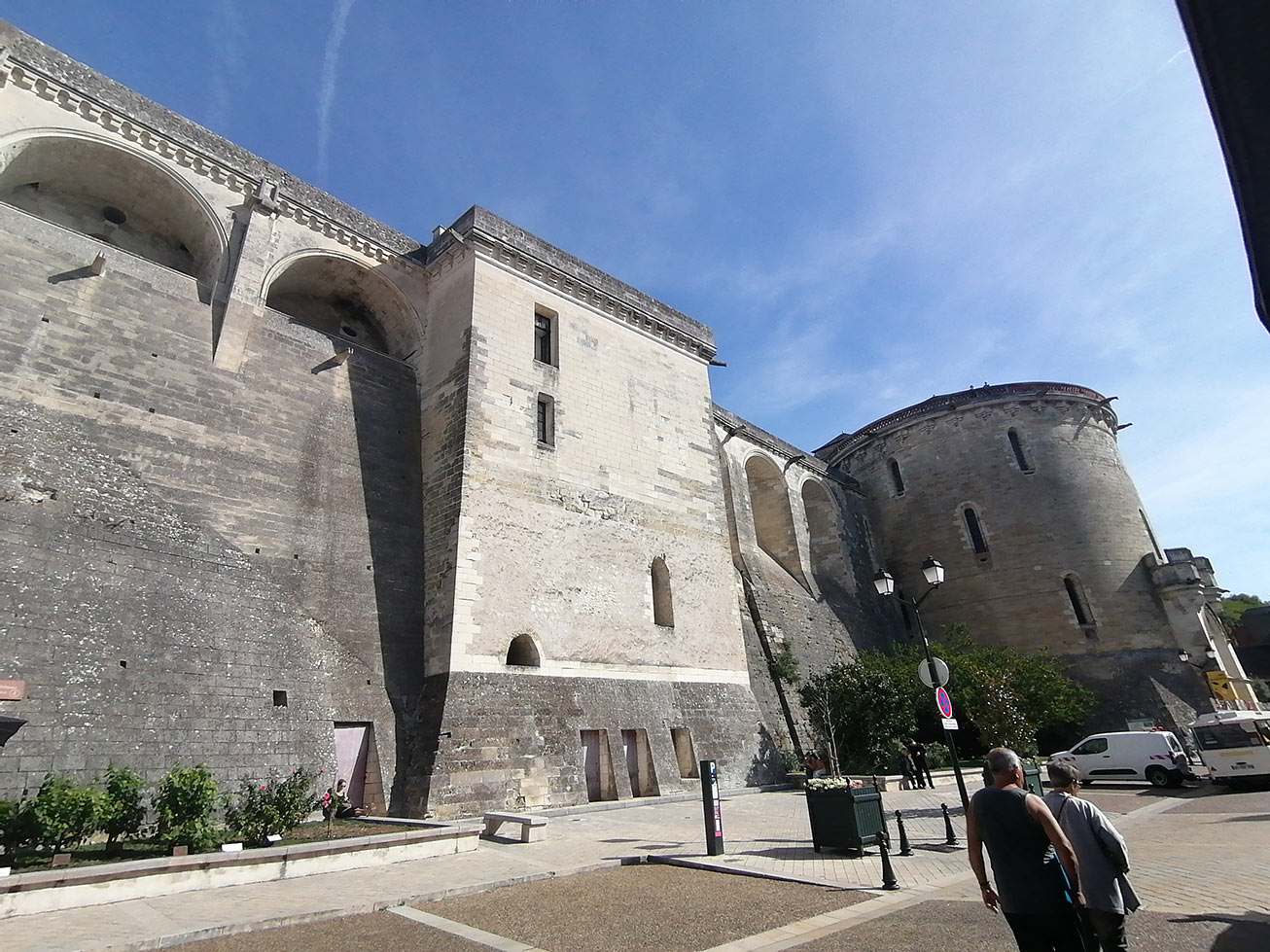
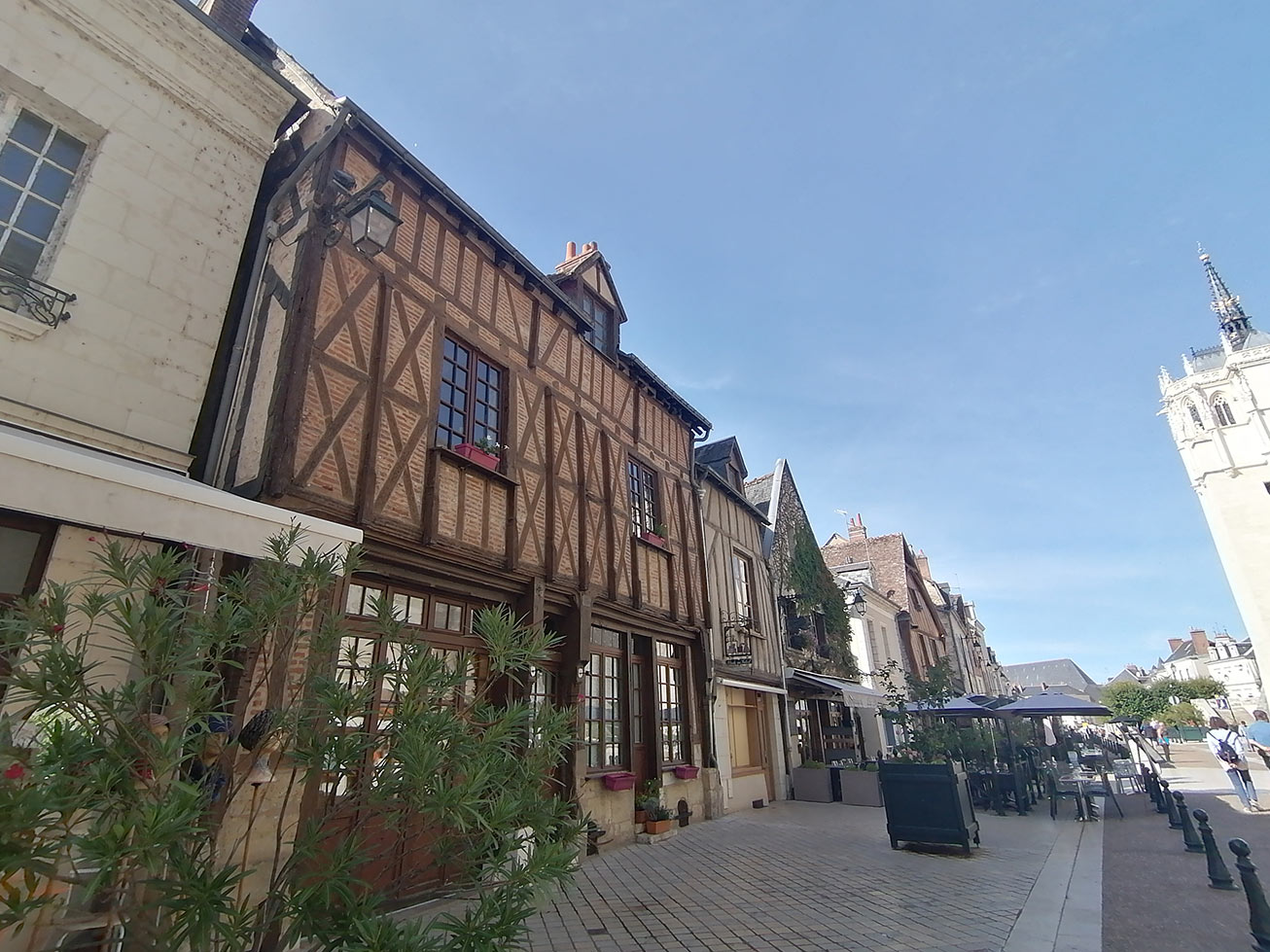
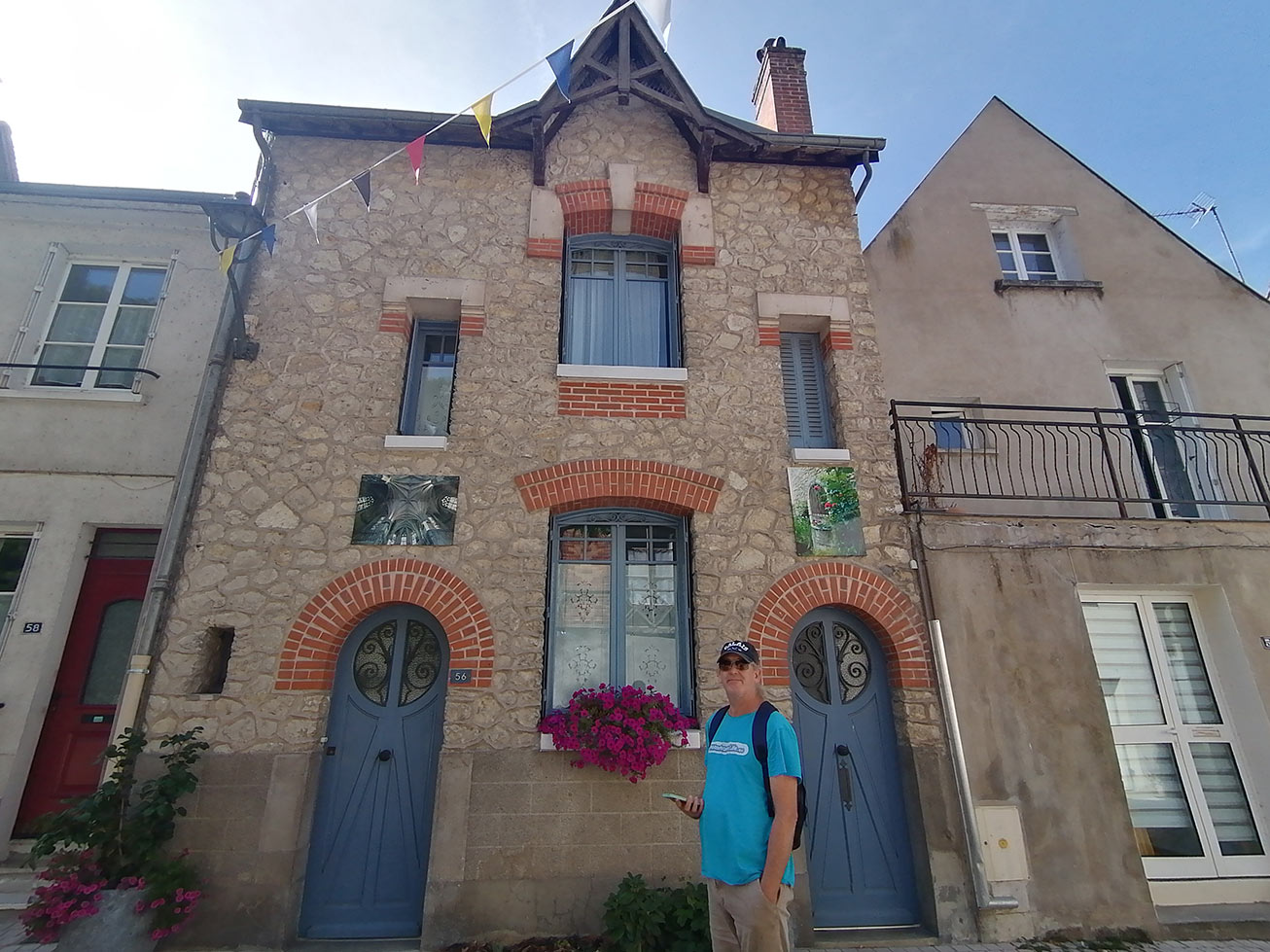
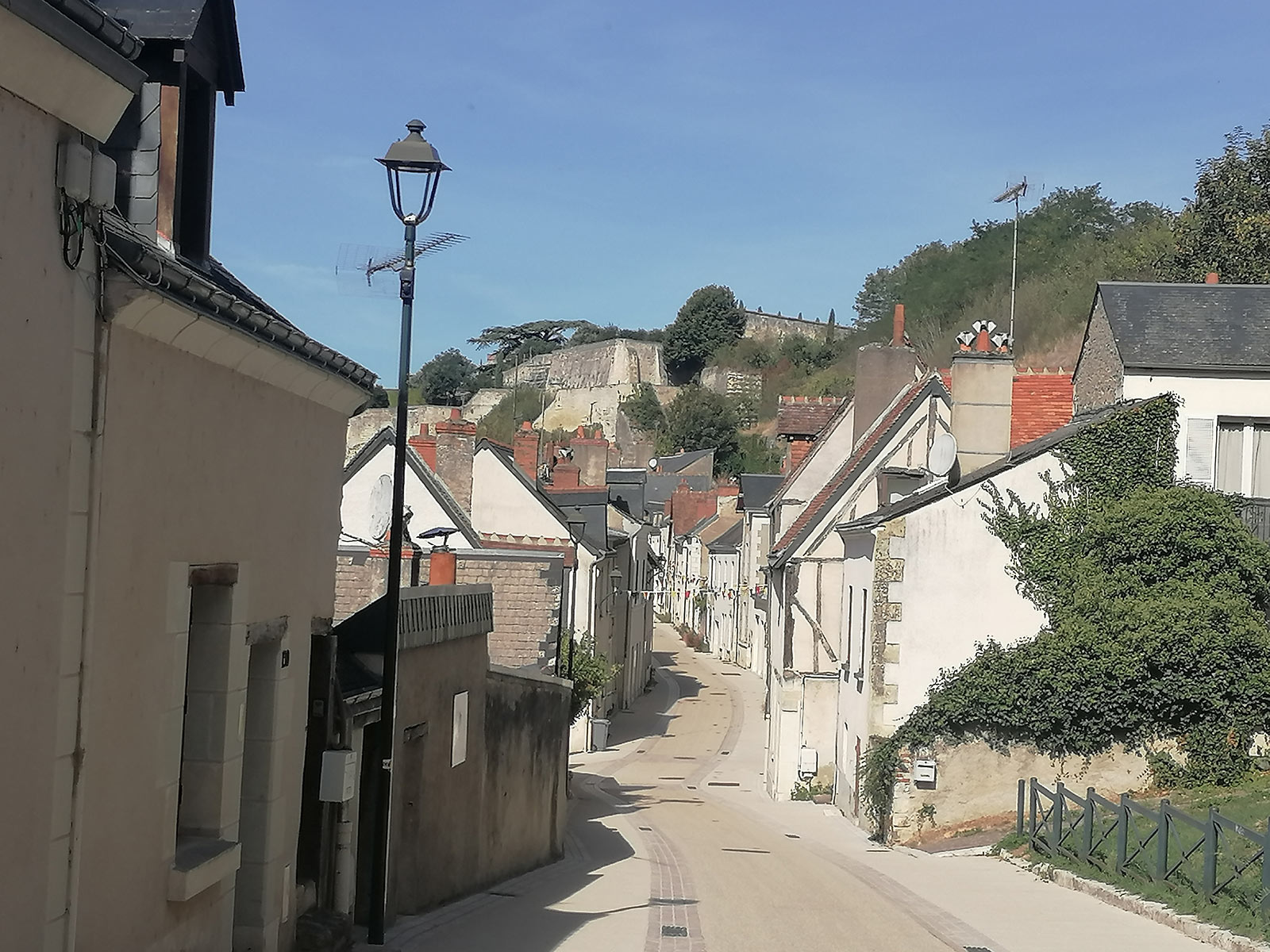
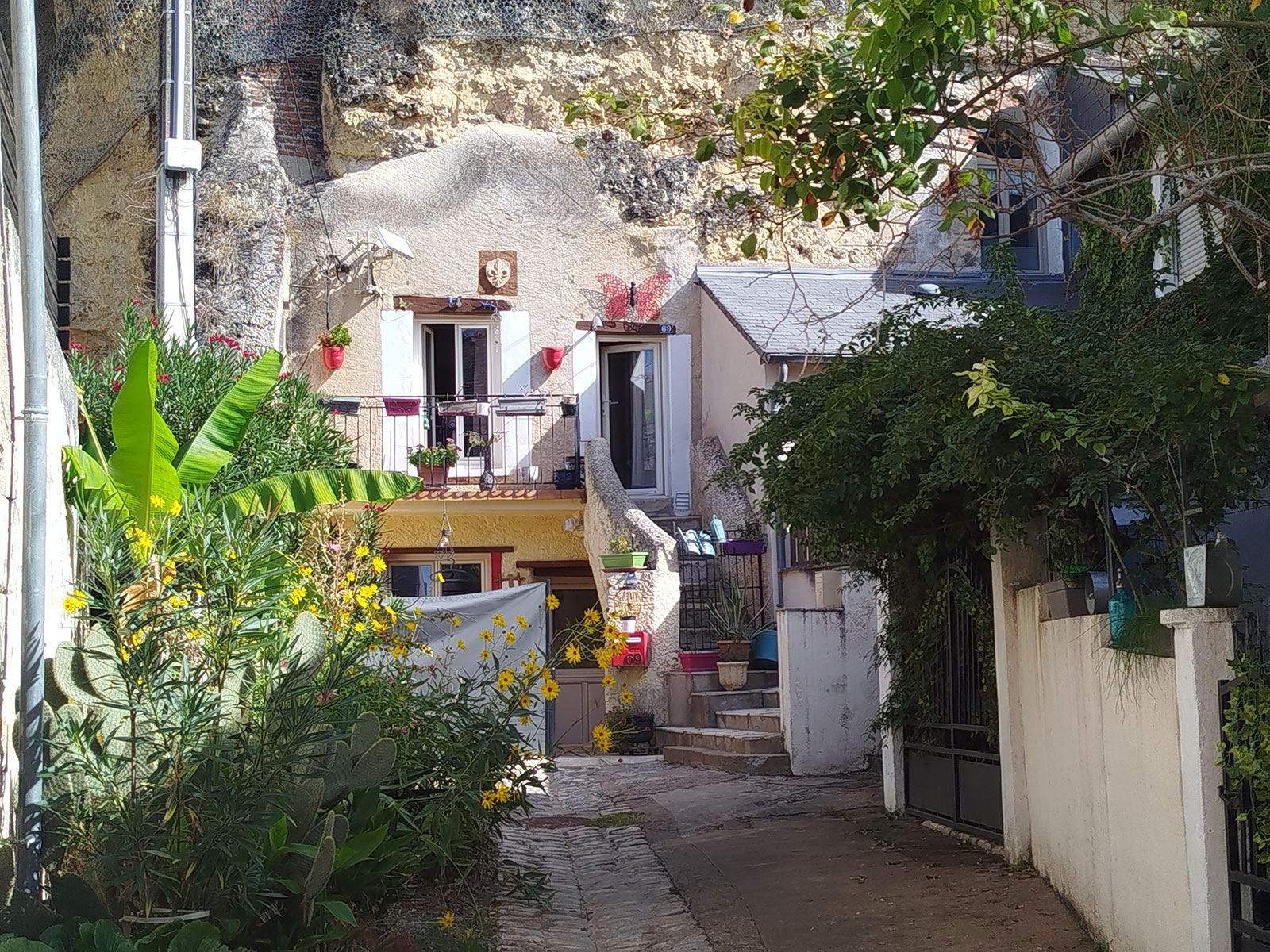
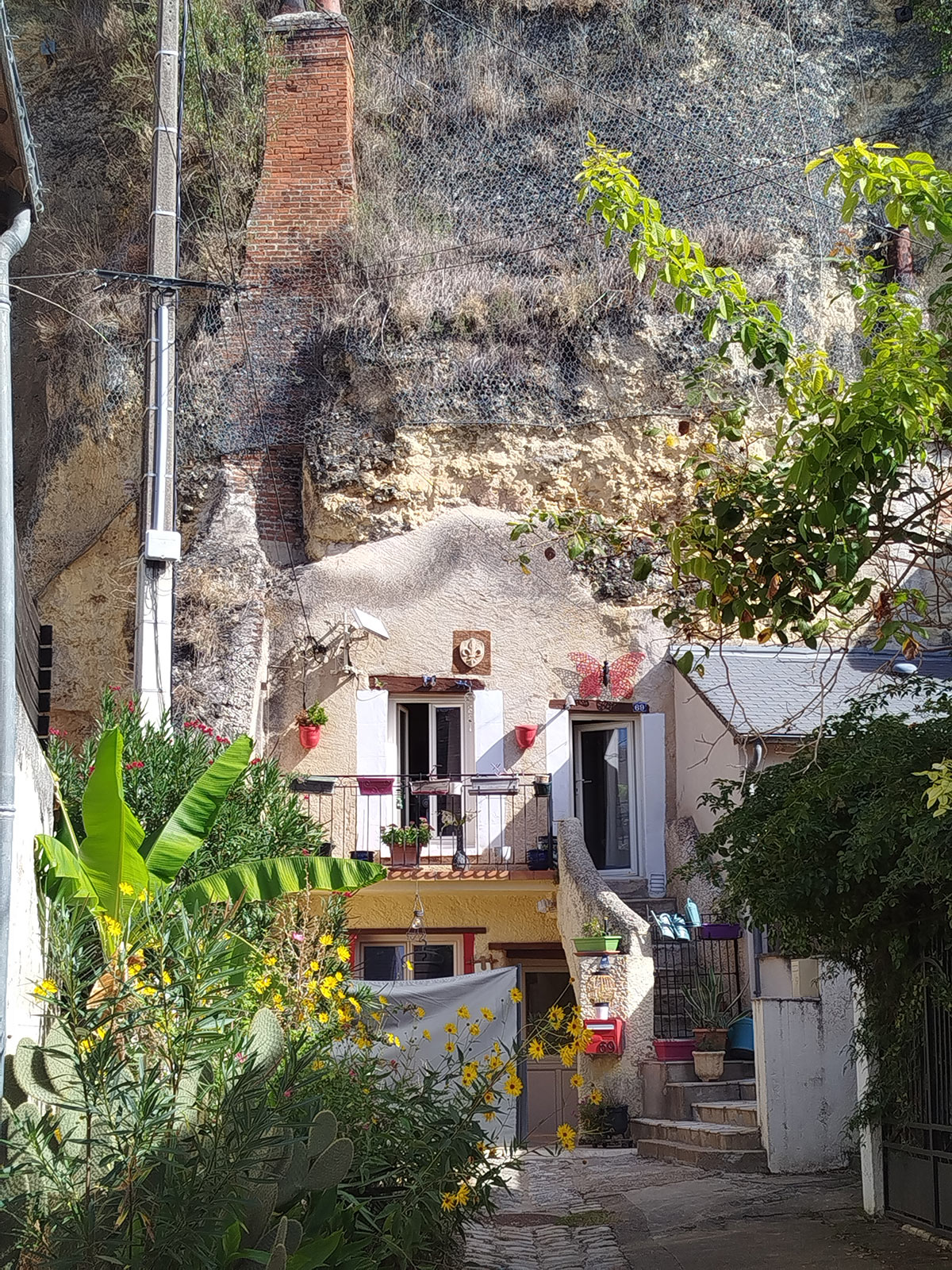
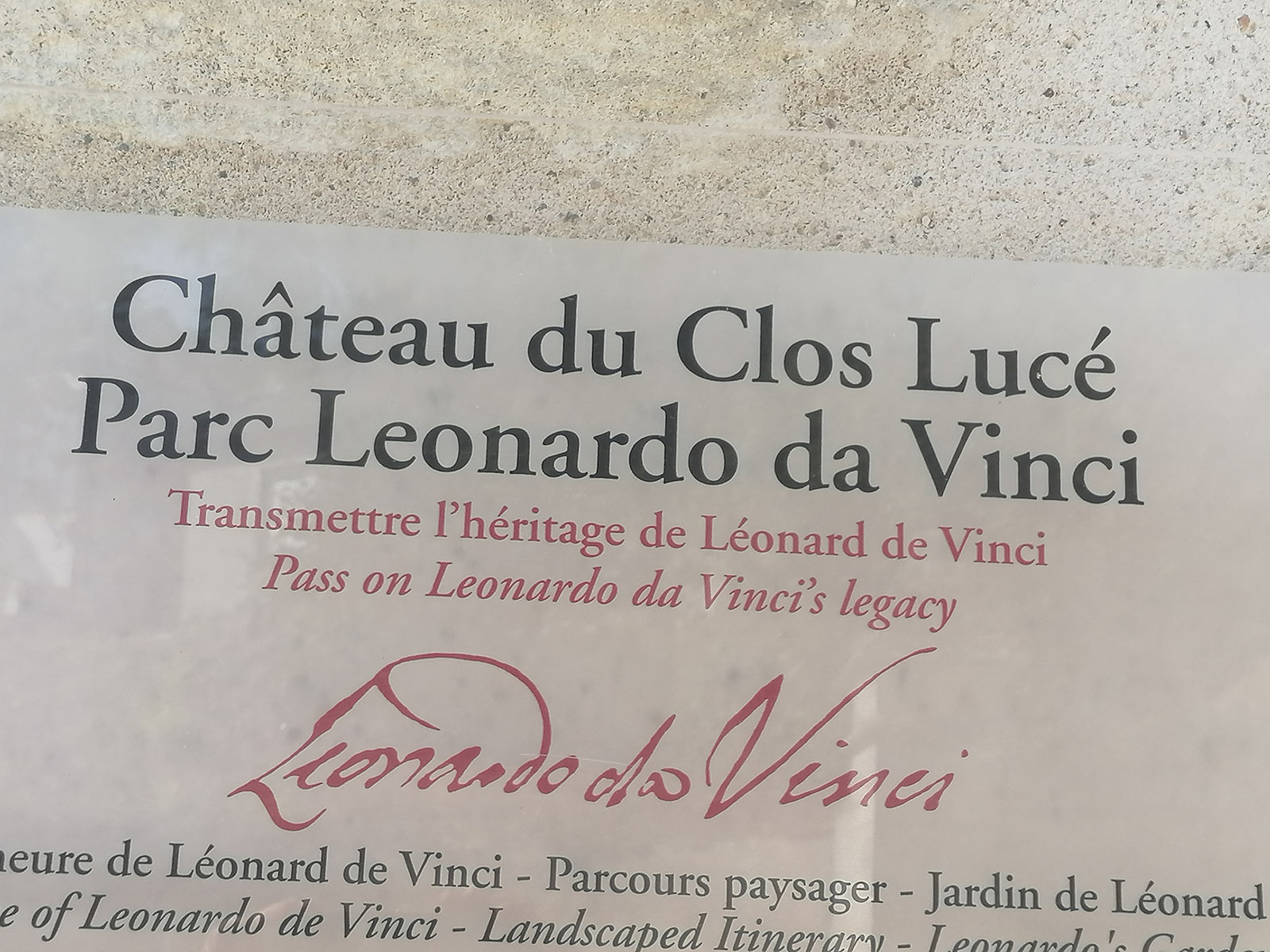
From there, we headed to the Château du Clos Lucé, walking along historic pedestrian streets lined with half-timbered houses. Just a 10-minute walk from the royal castle is the sumptuous brick-and-stone mansion where Leonardo da Vinci lived and worked during his final three years (1516–1519). We didn’t go inside, either, because it was even more expensive than the royal castle.
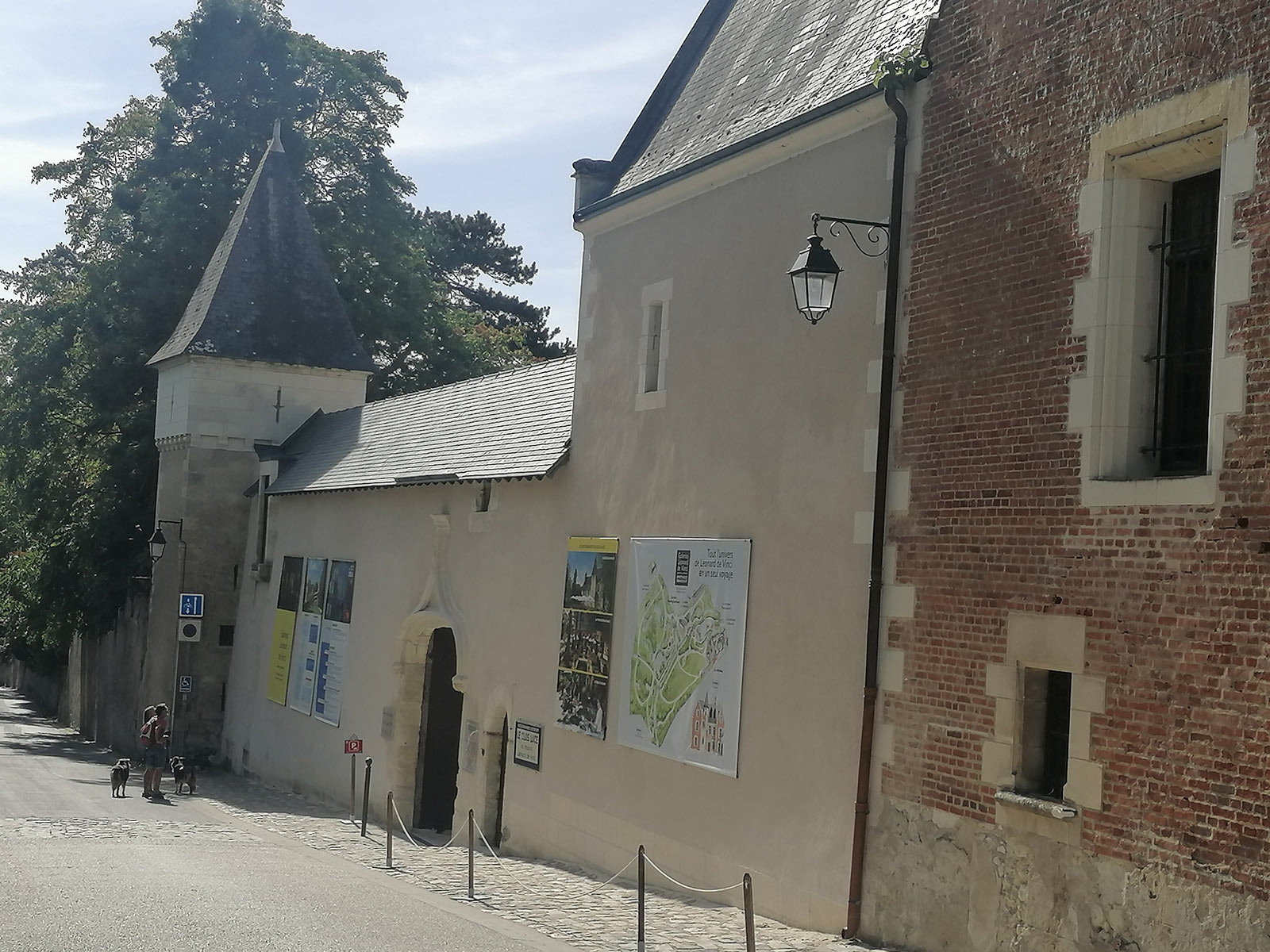
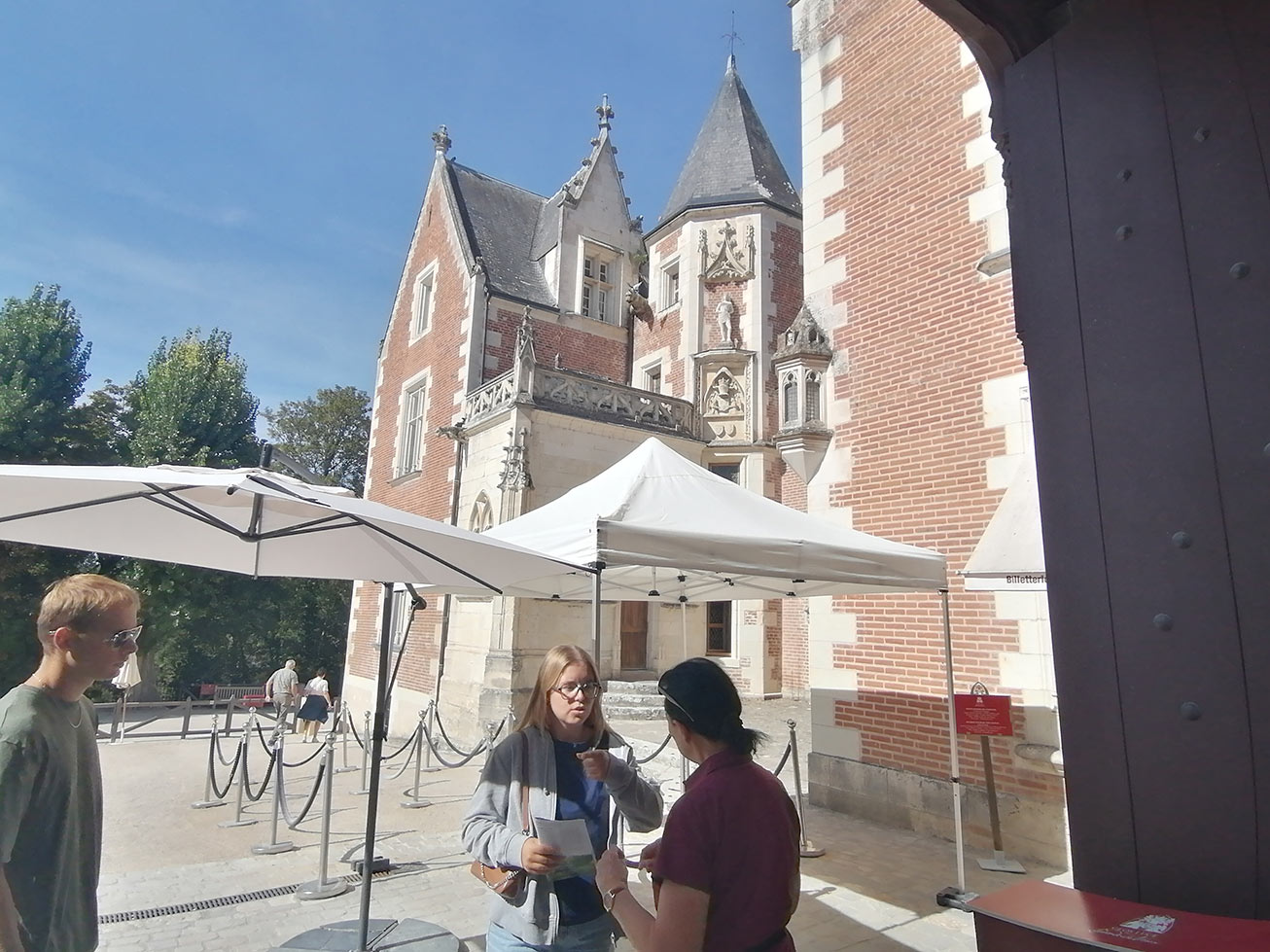
Advertisements
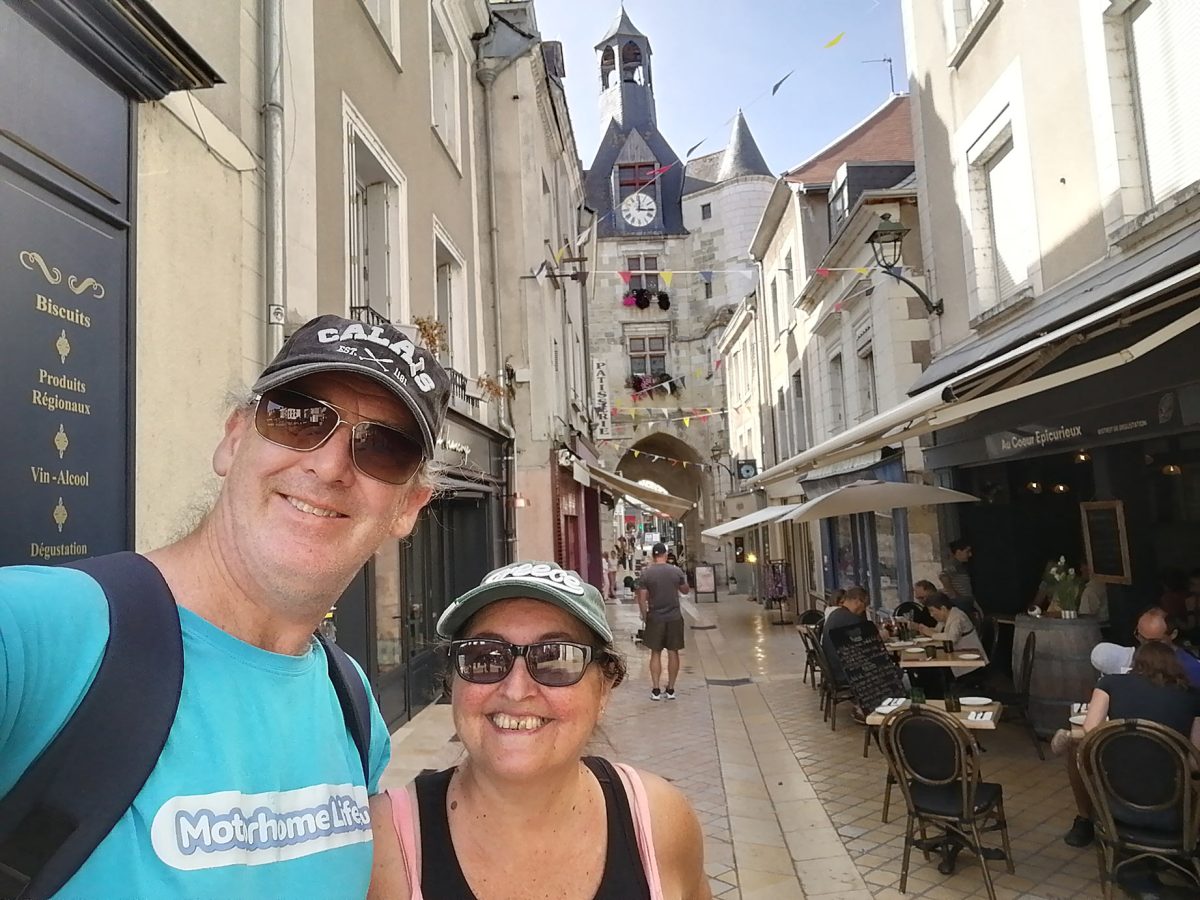
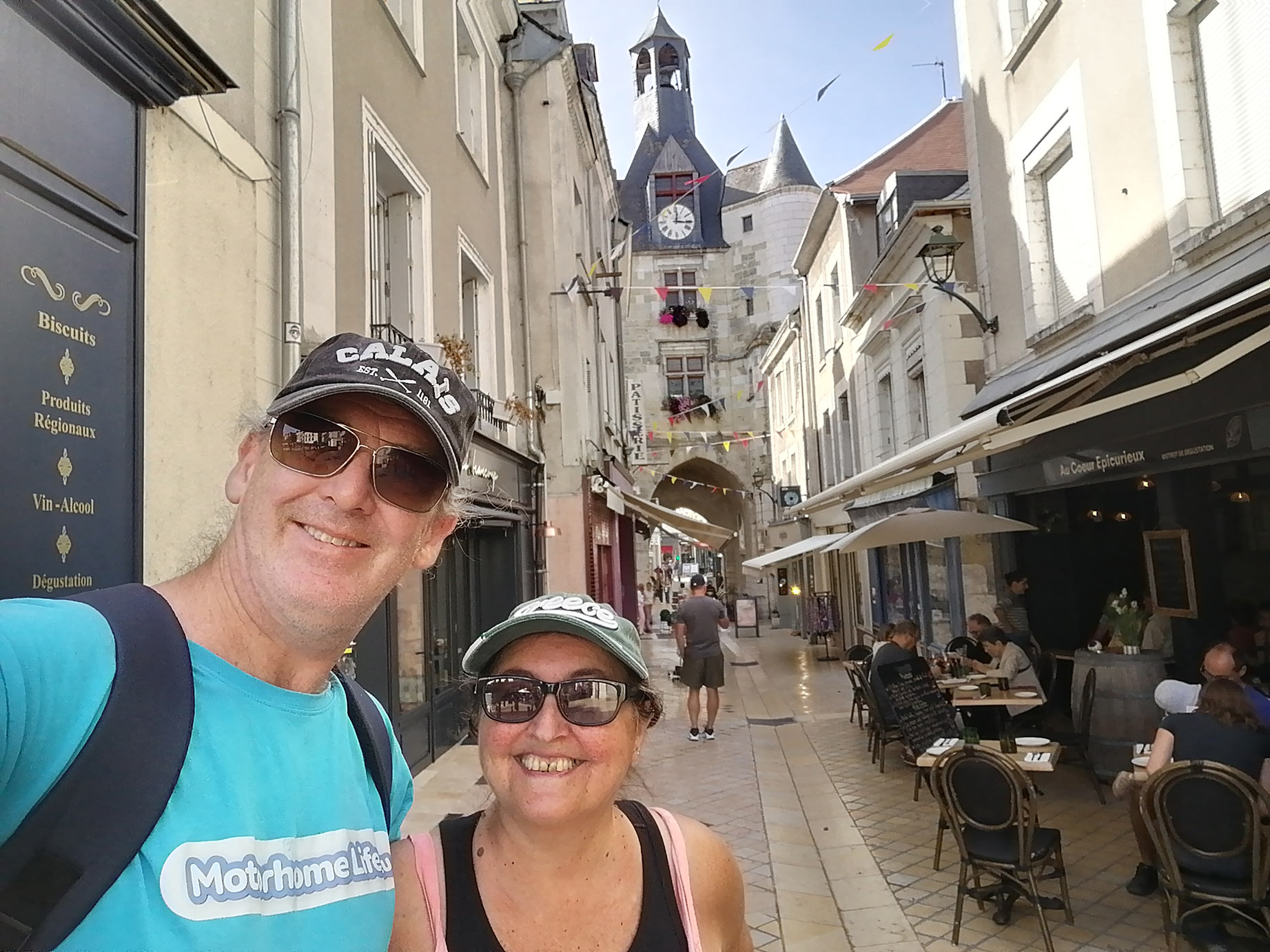
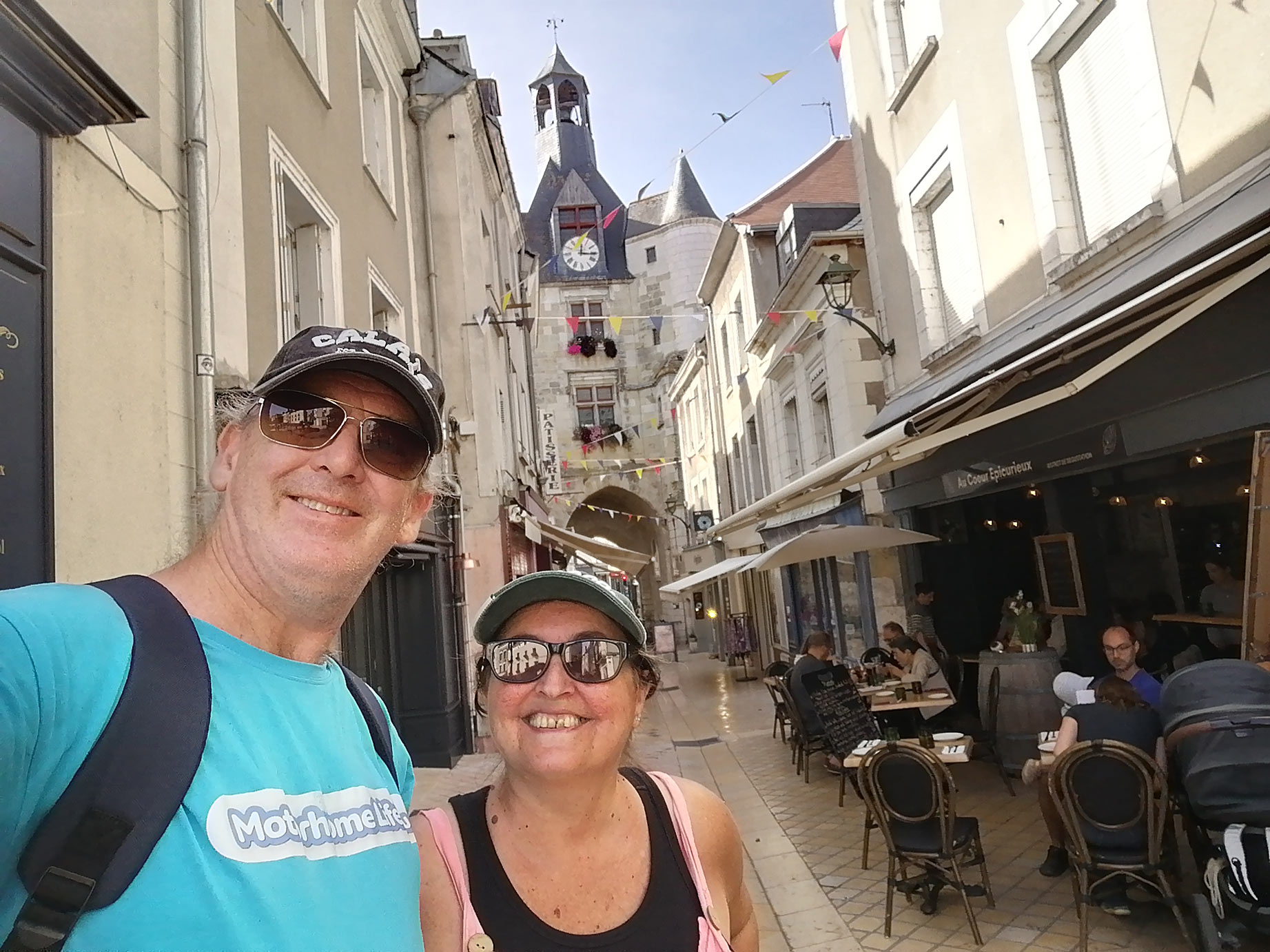
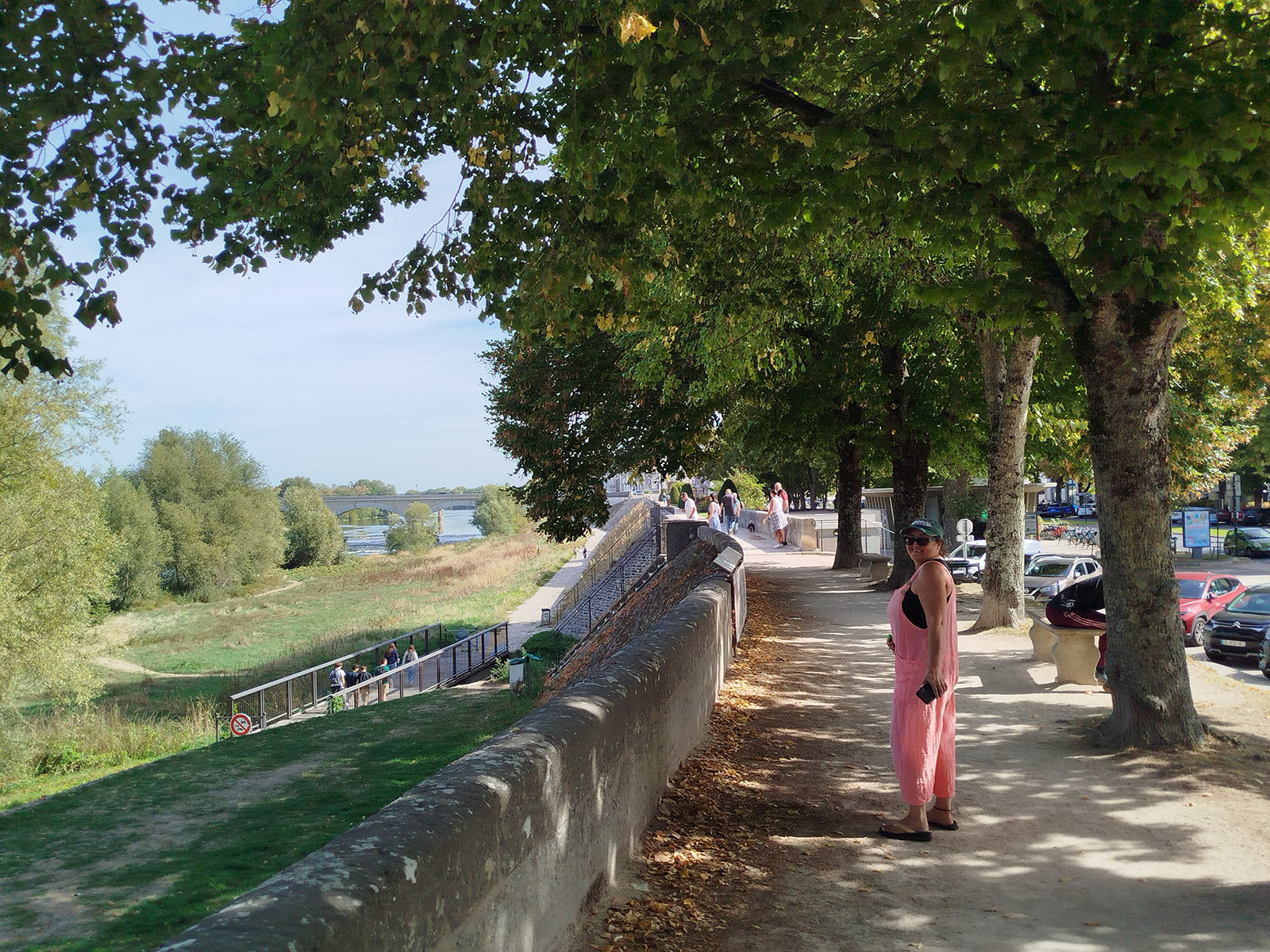
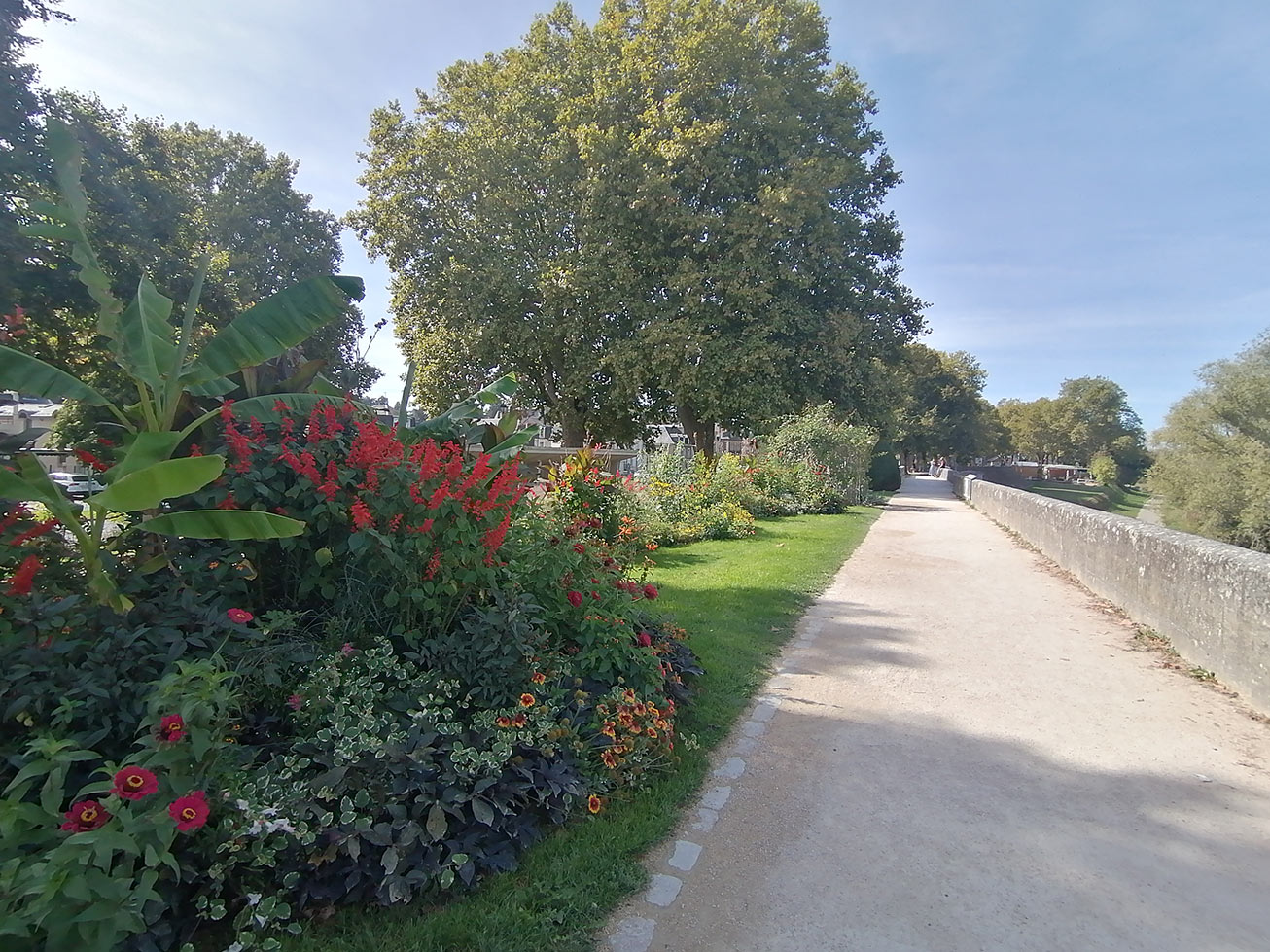
We returned to the old town, and we saw the beautiful clock tower. Then we headed to the park by the river, where the tourist office is located.
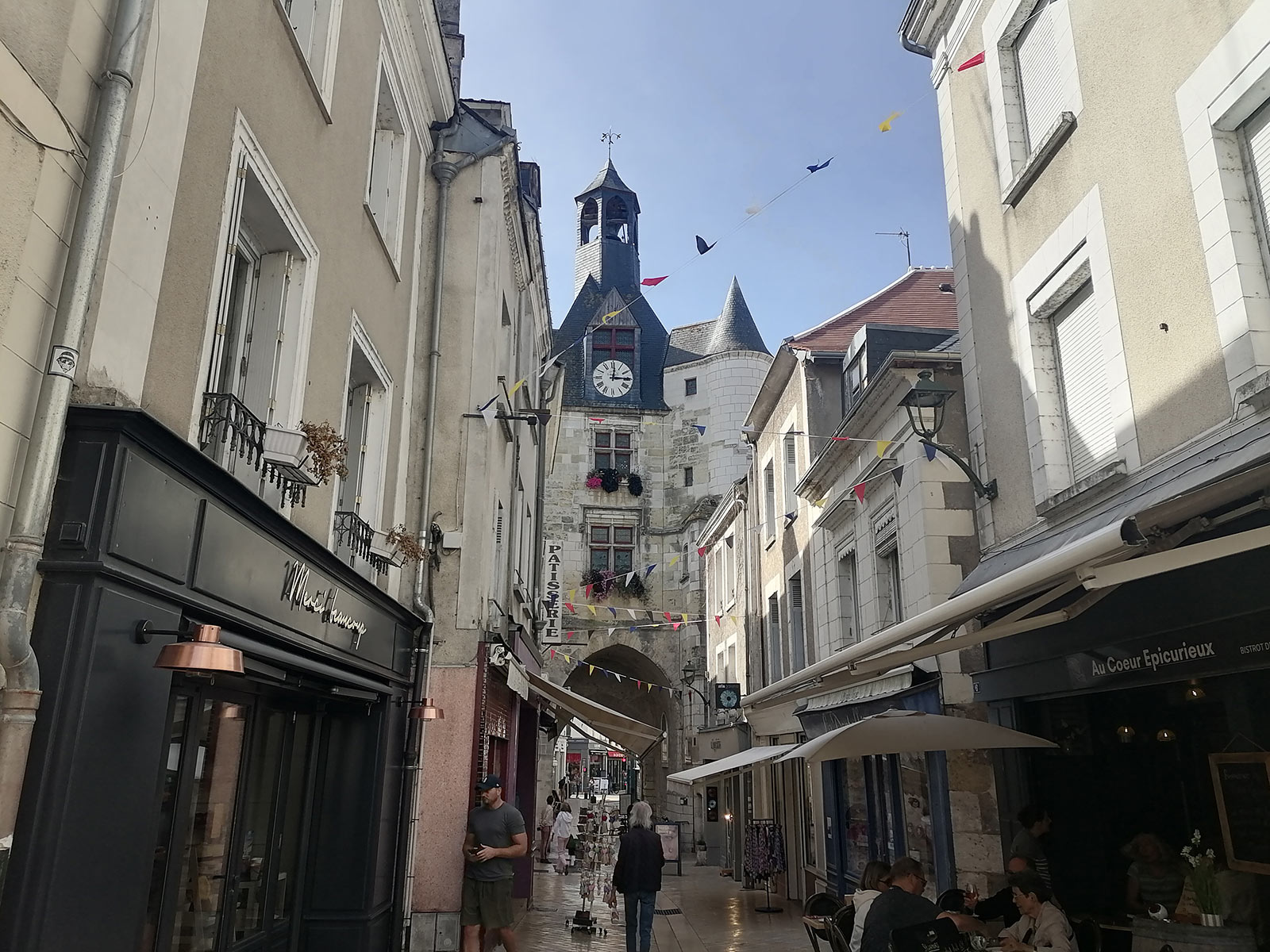
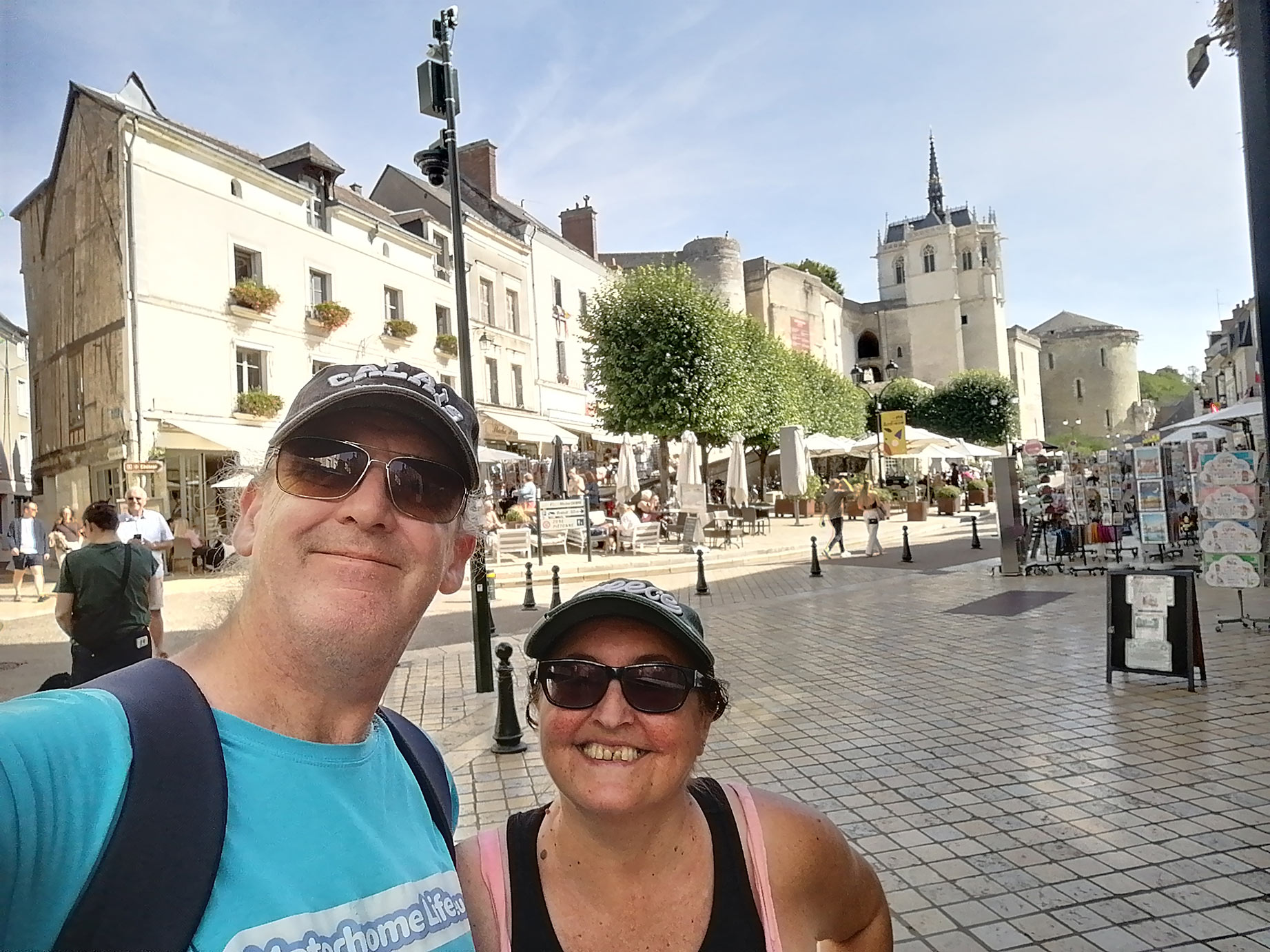
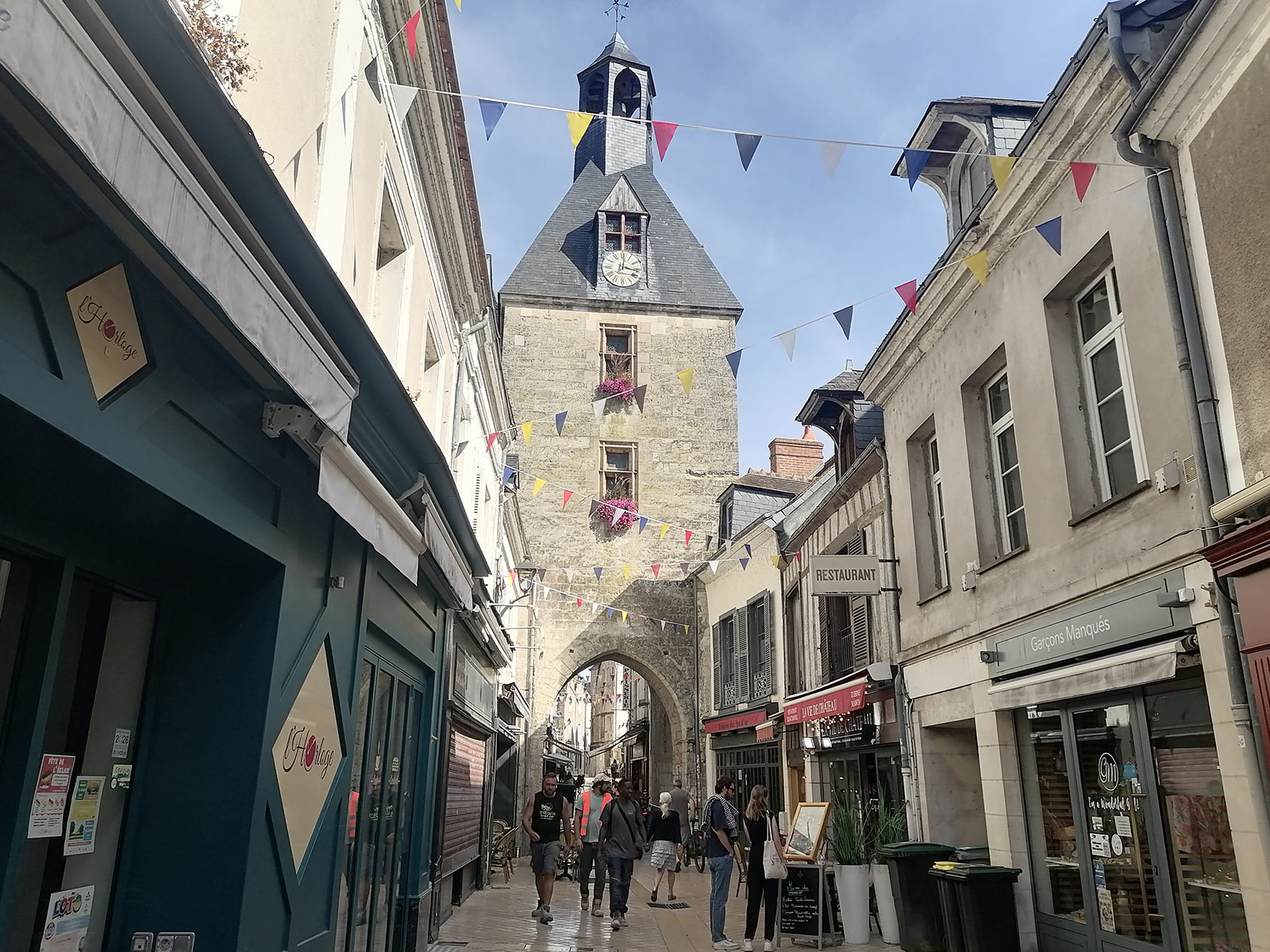
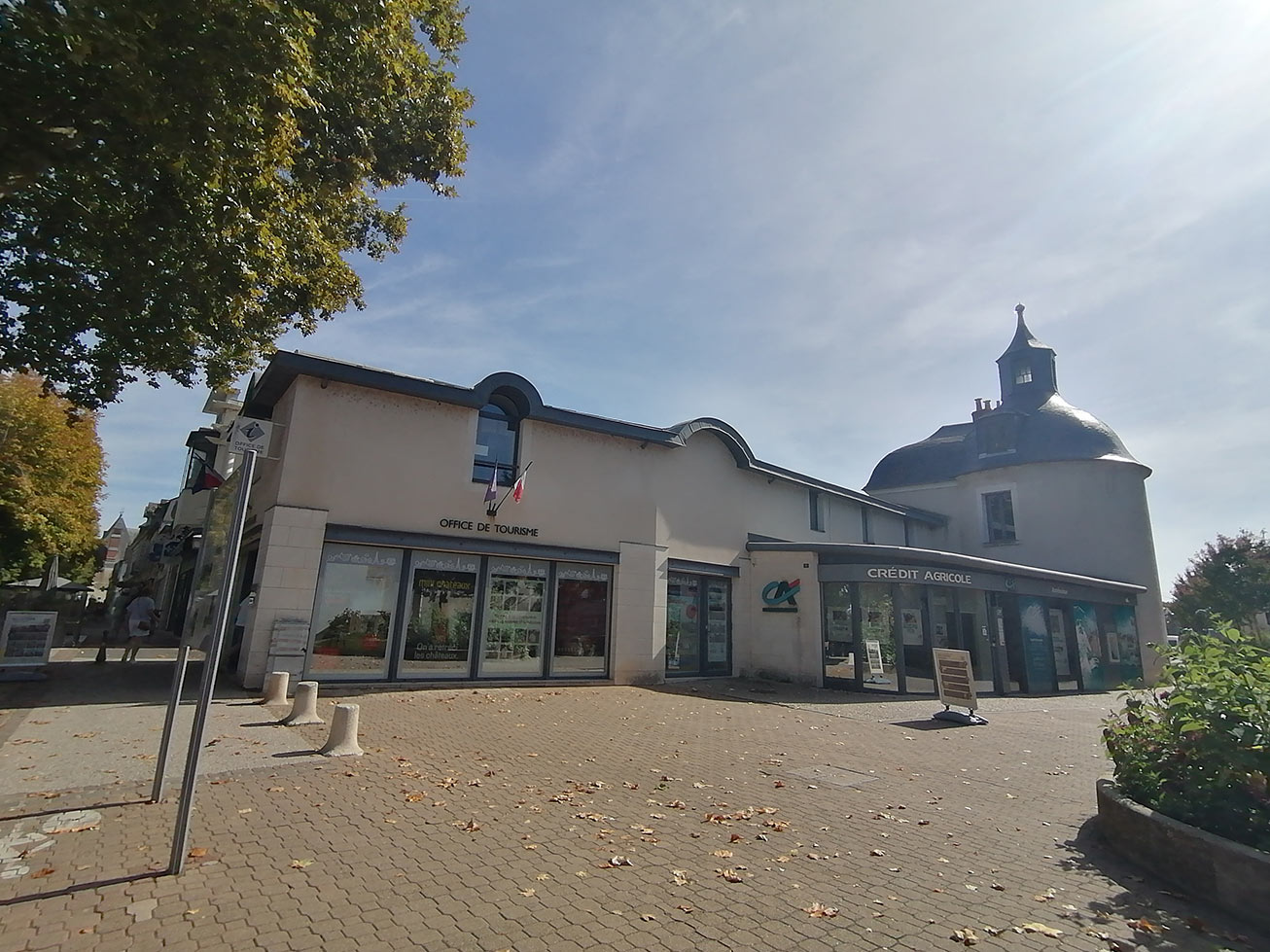
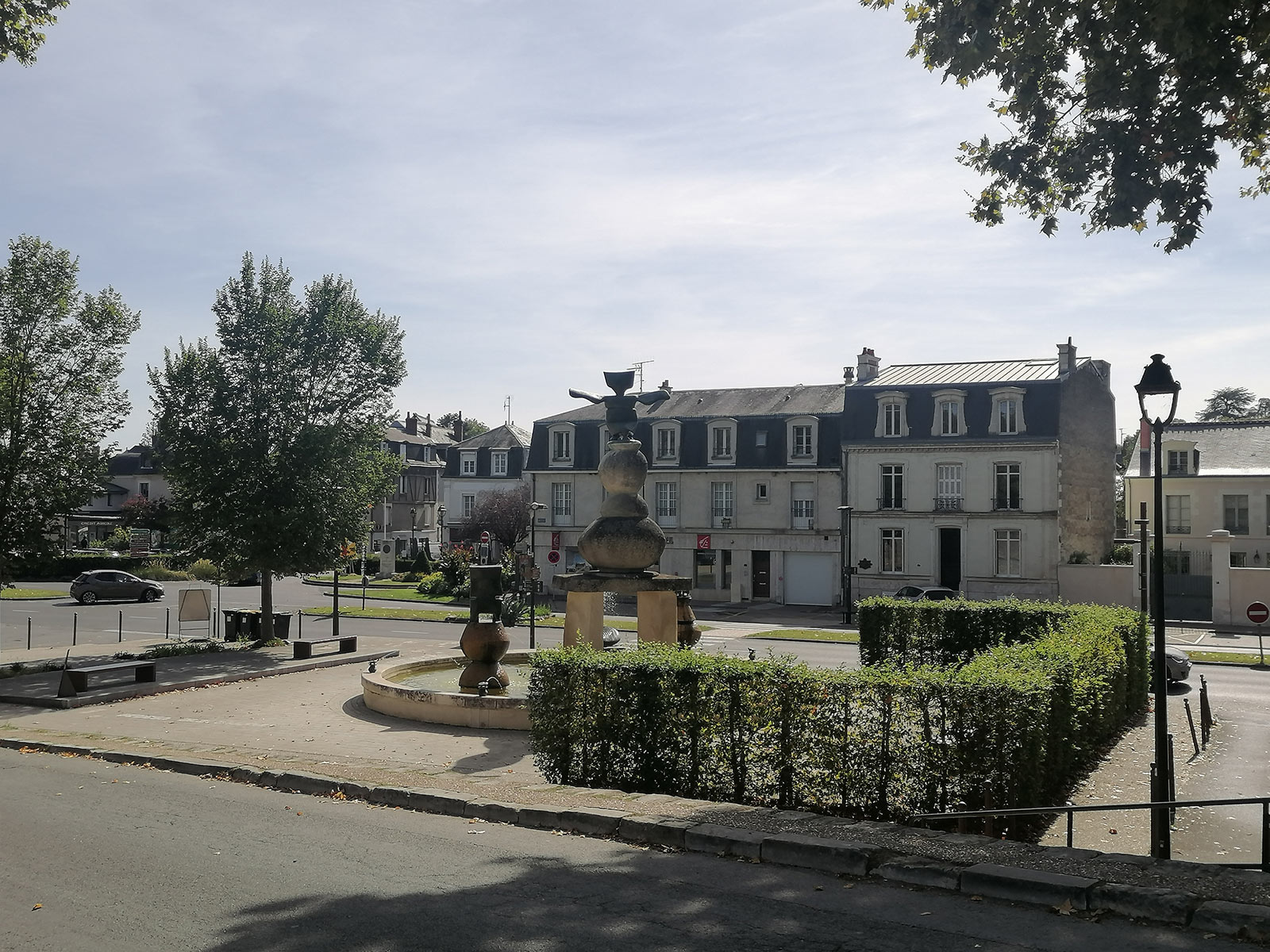
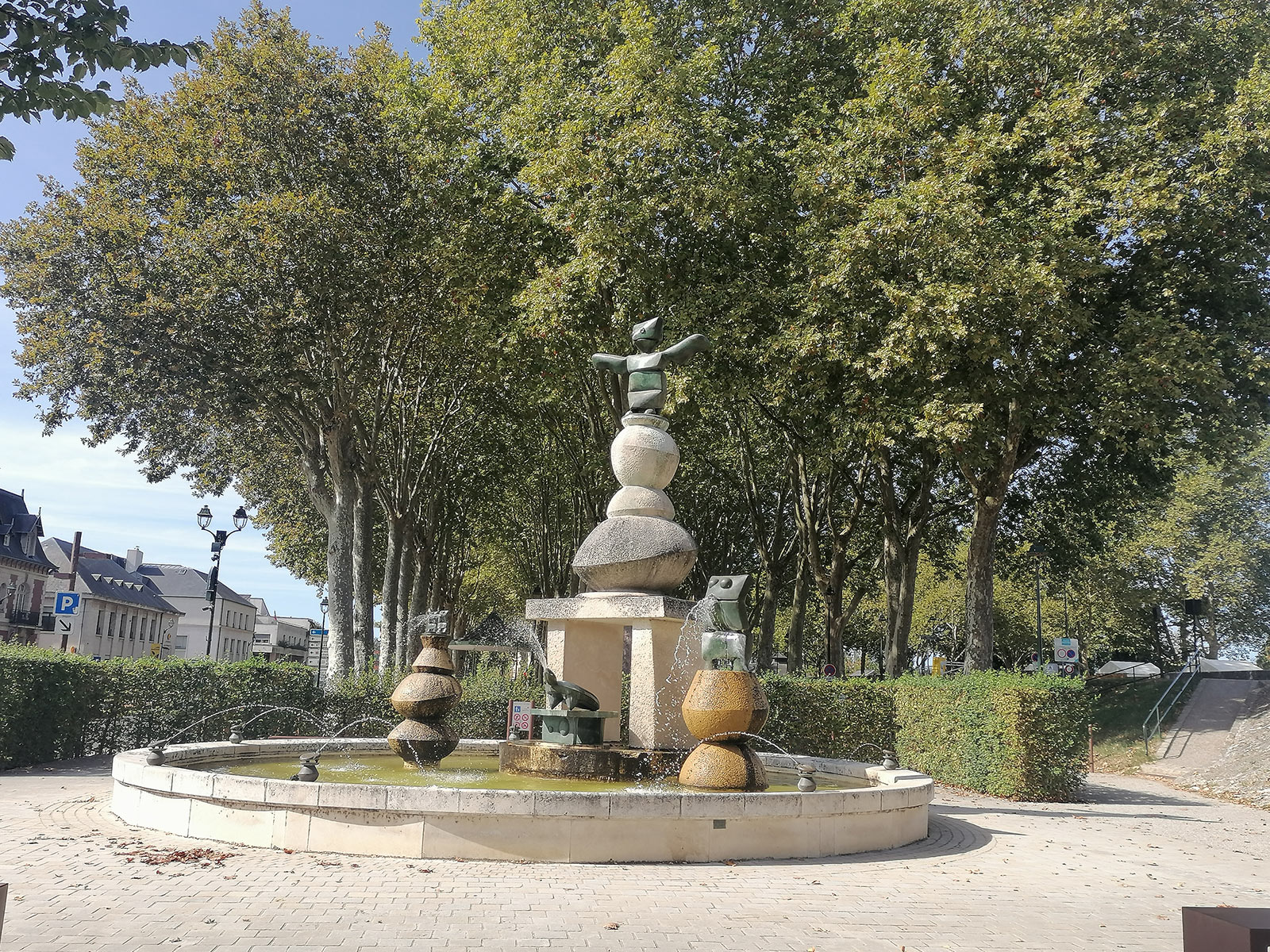
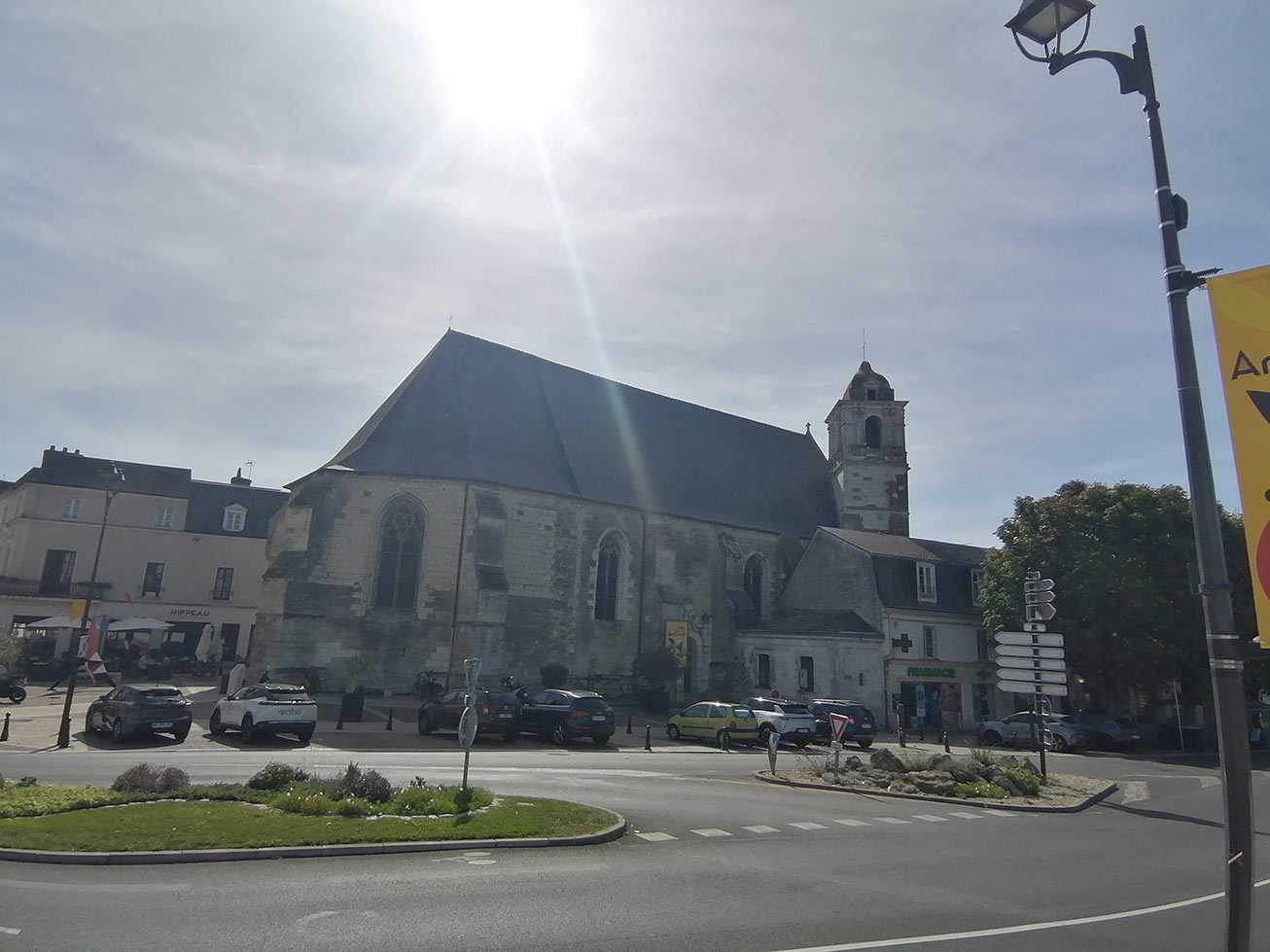
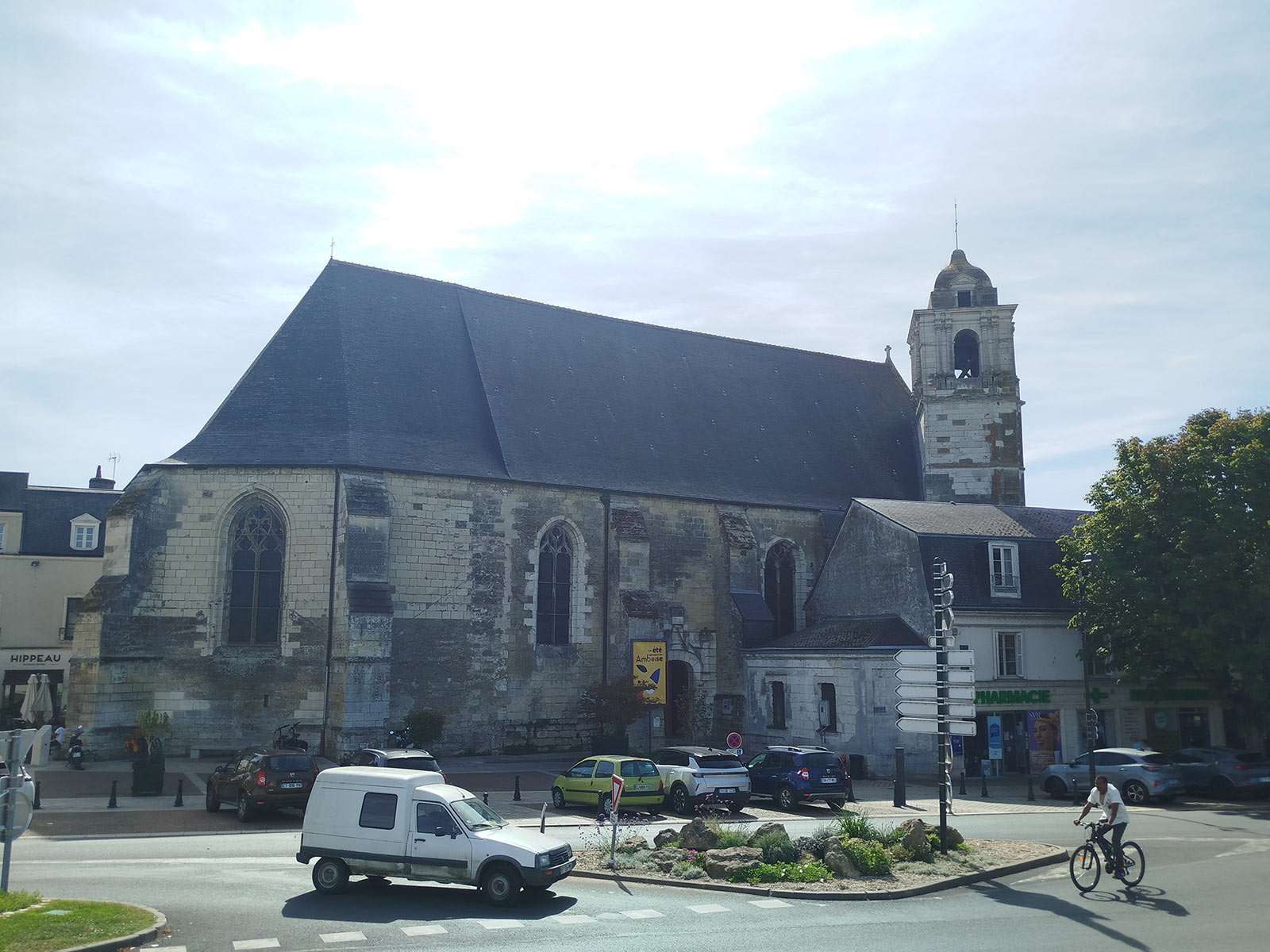
Opposite the park, in a charming square, stands the Church of Saint Florentin — built by 1469 at the request of Louis XVI—which we visit inside.
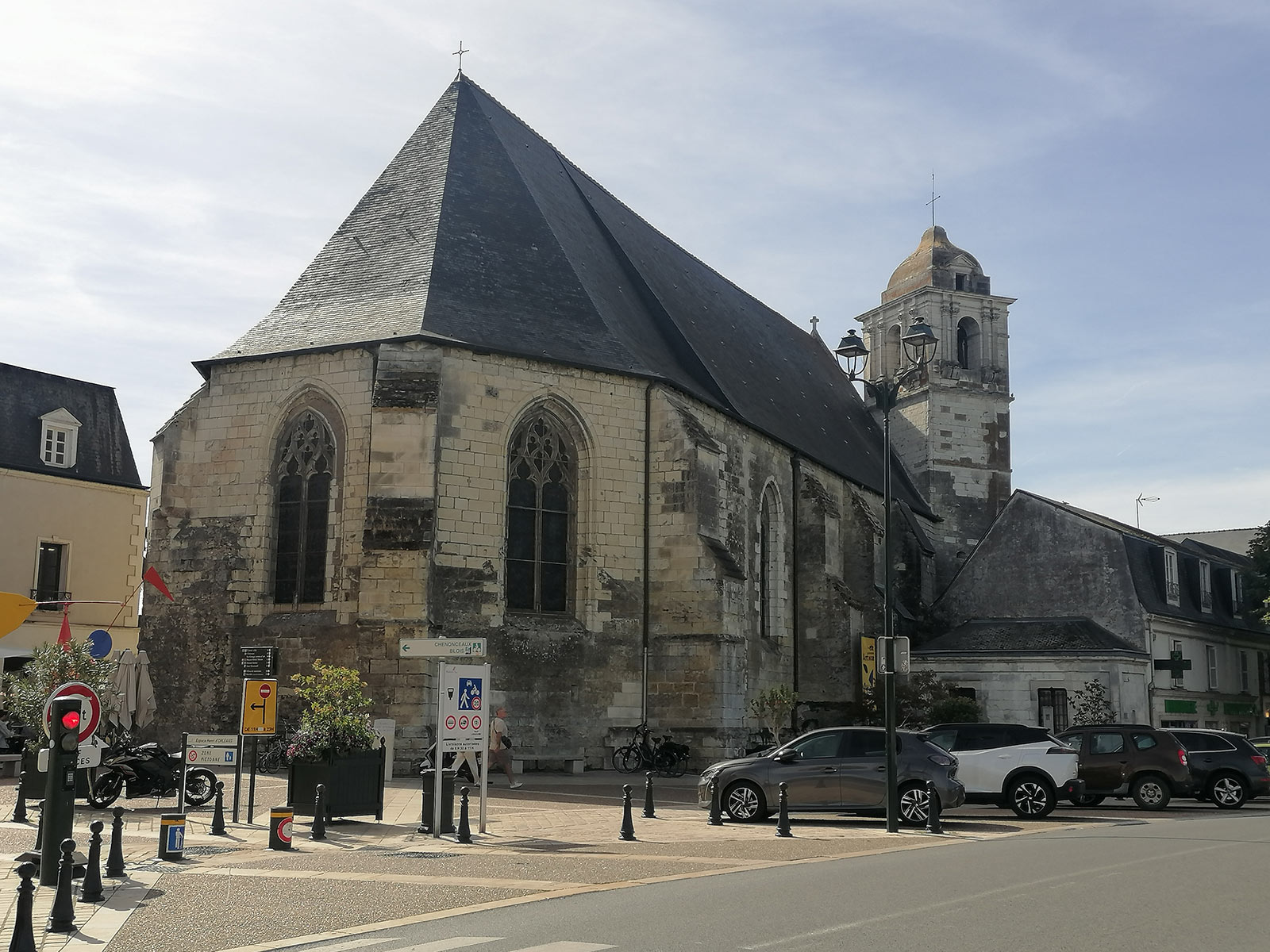
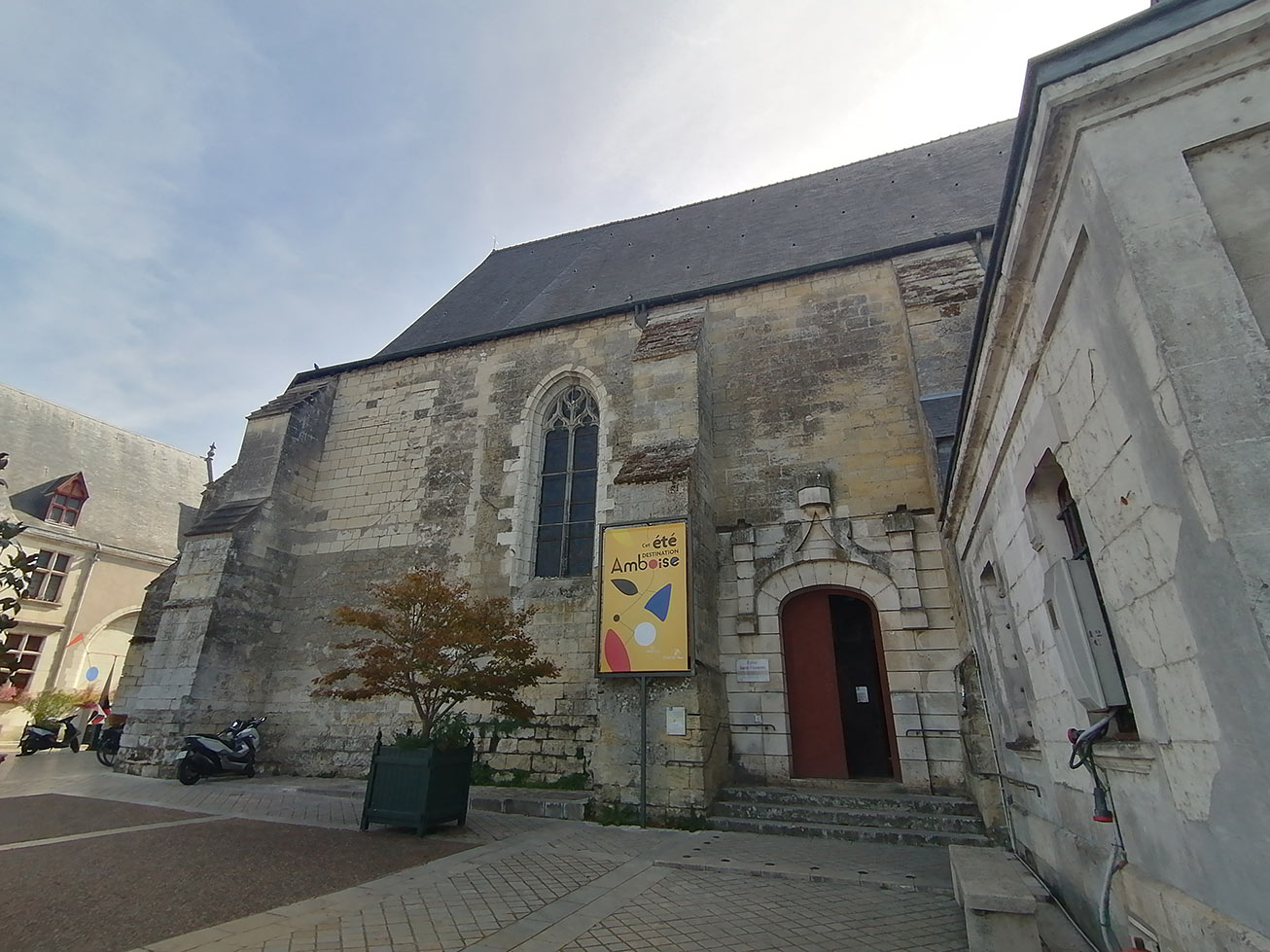
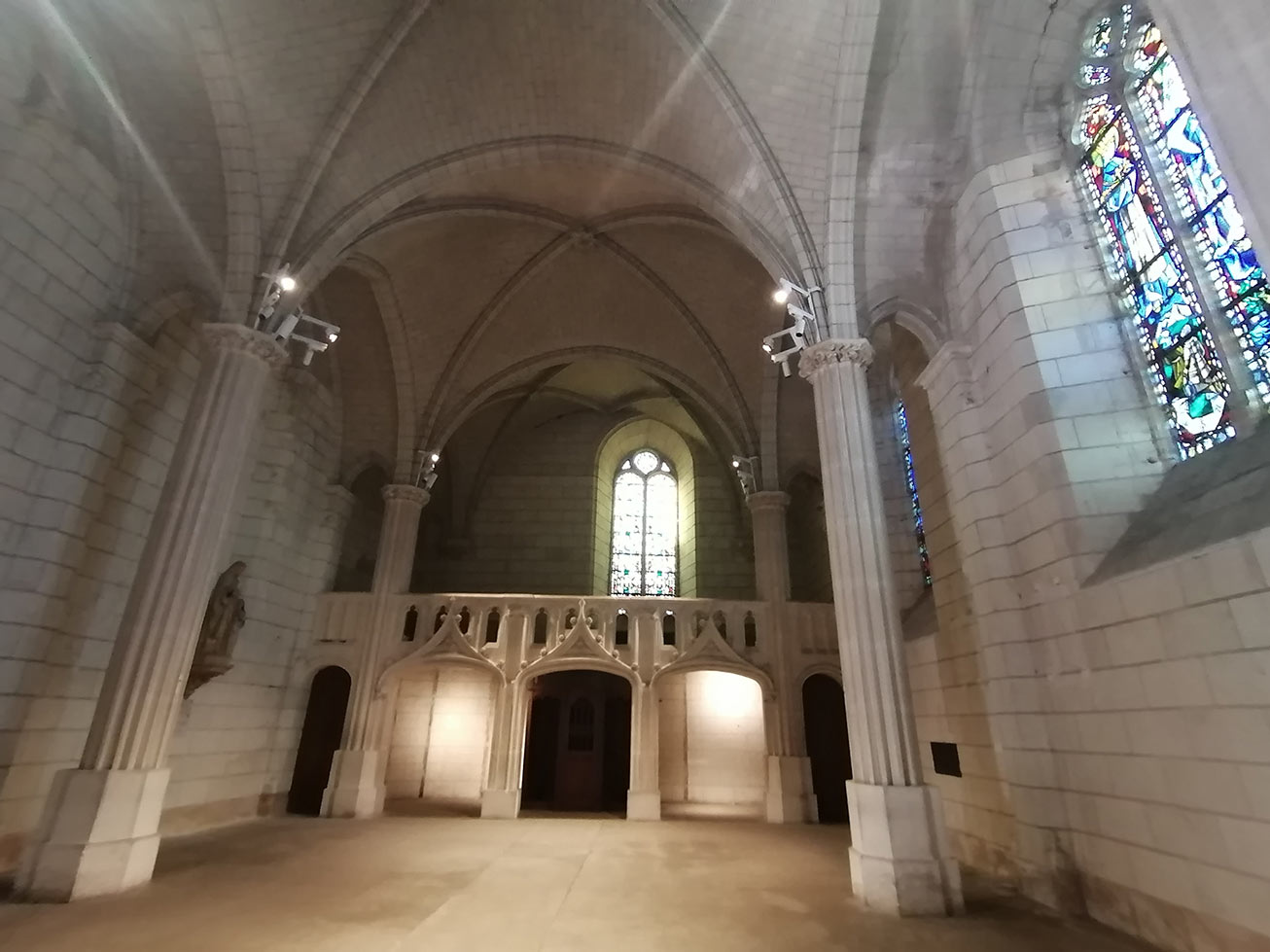
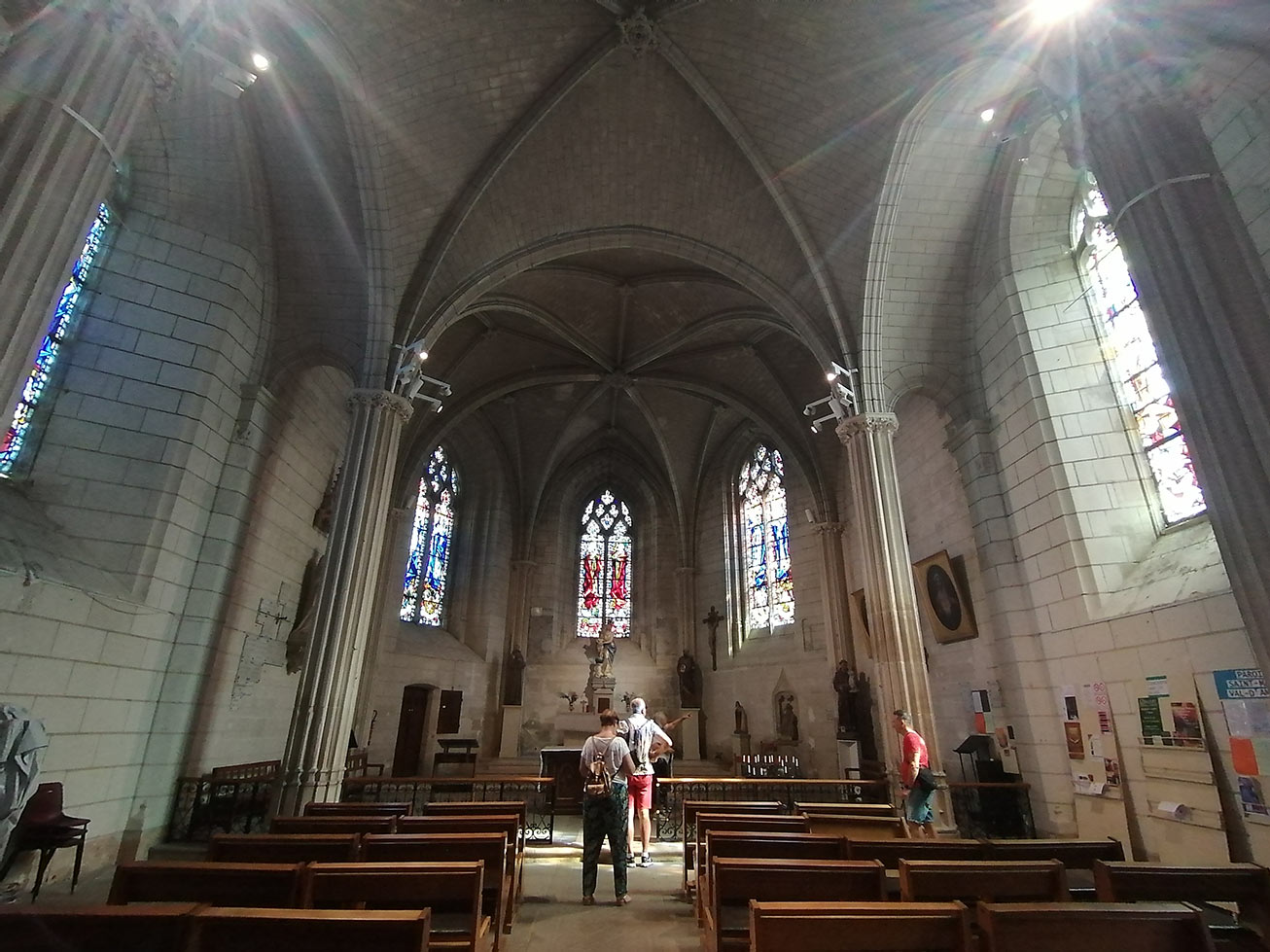
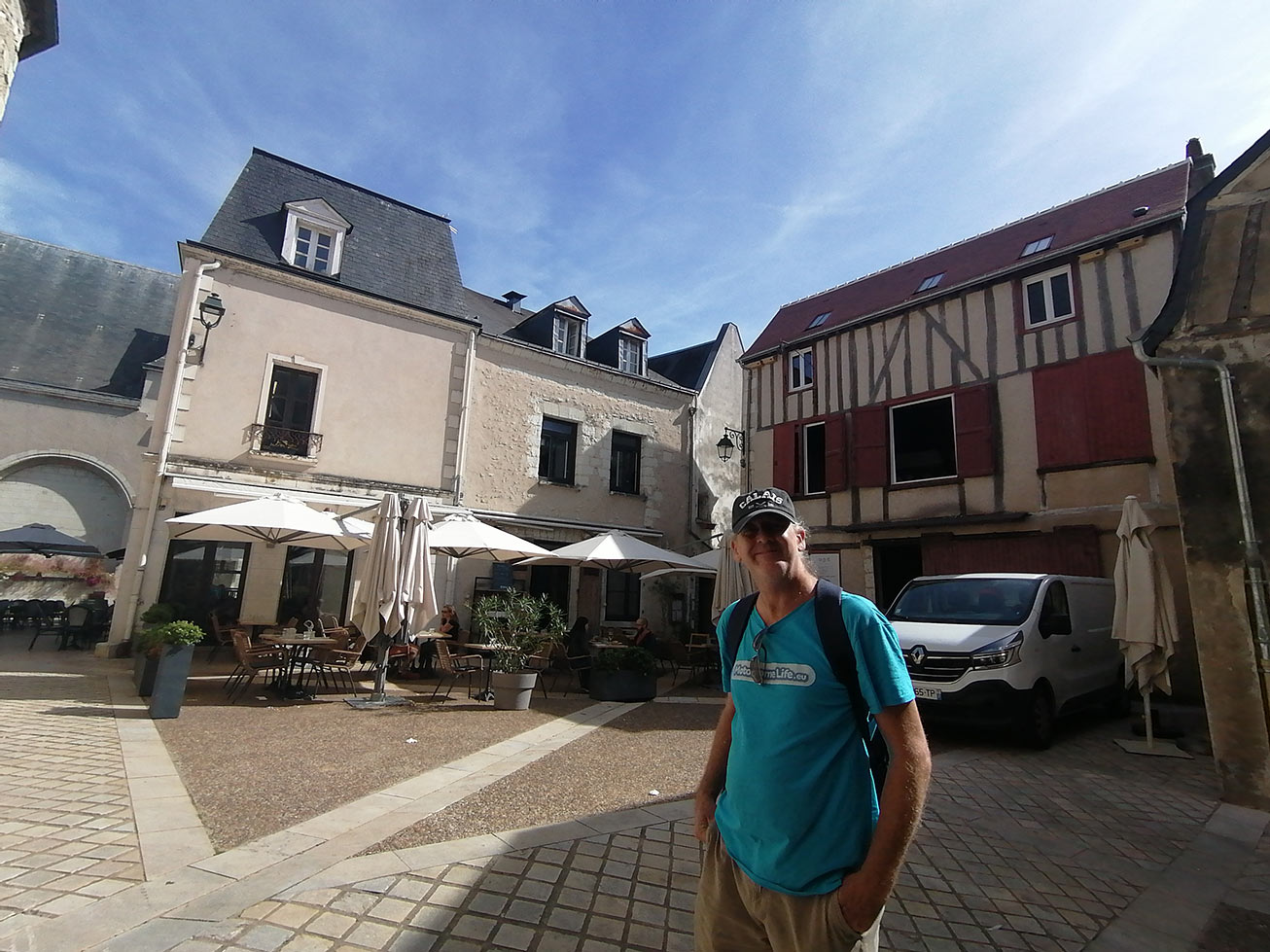
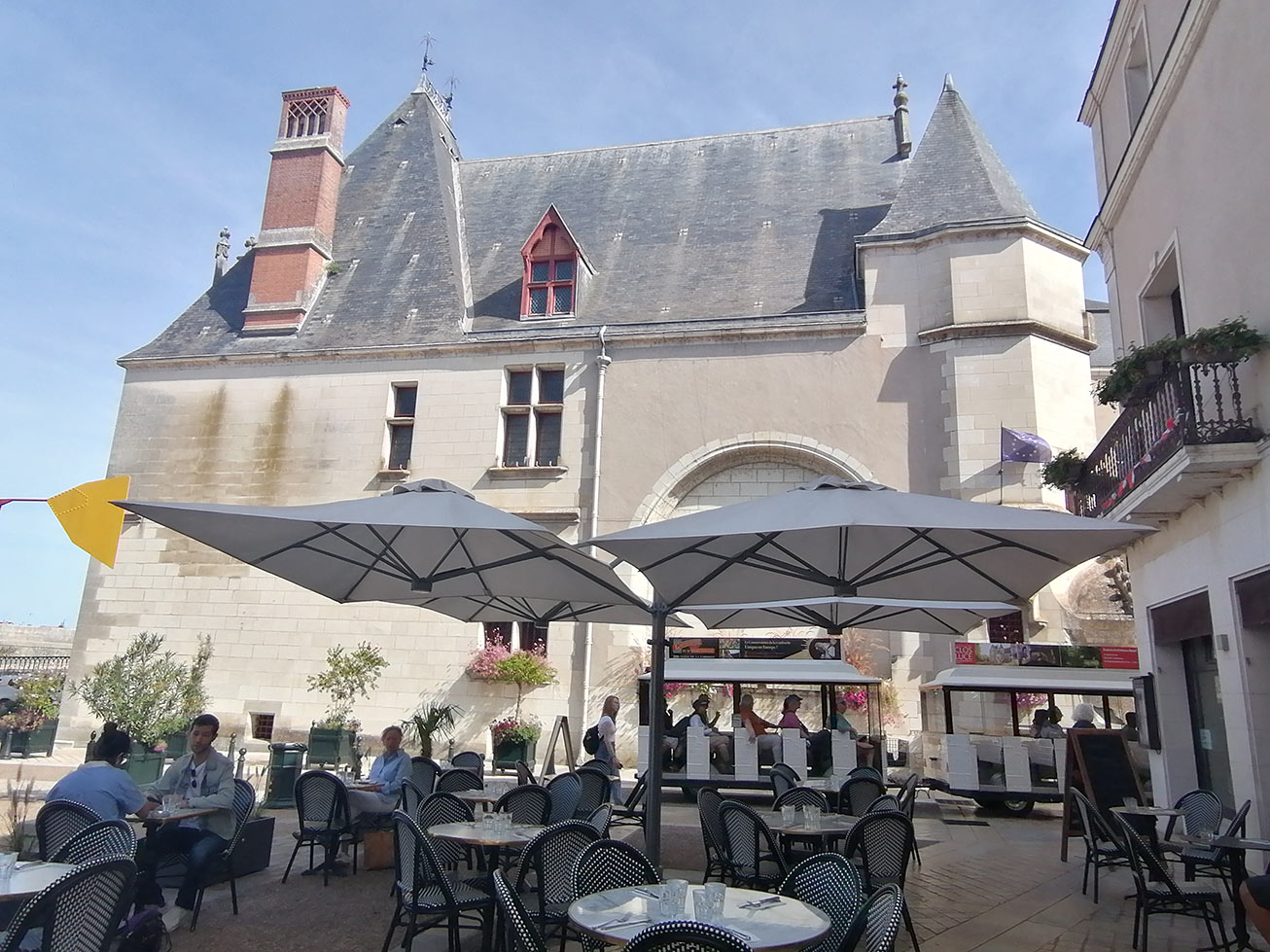
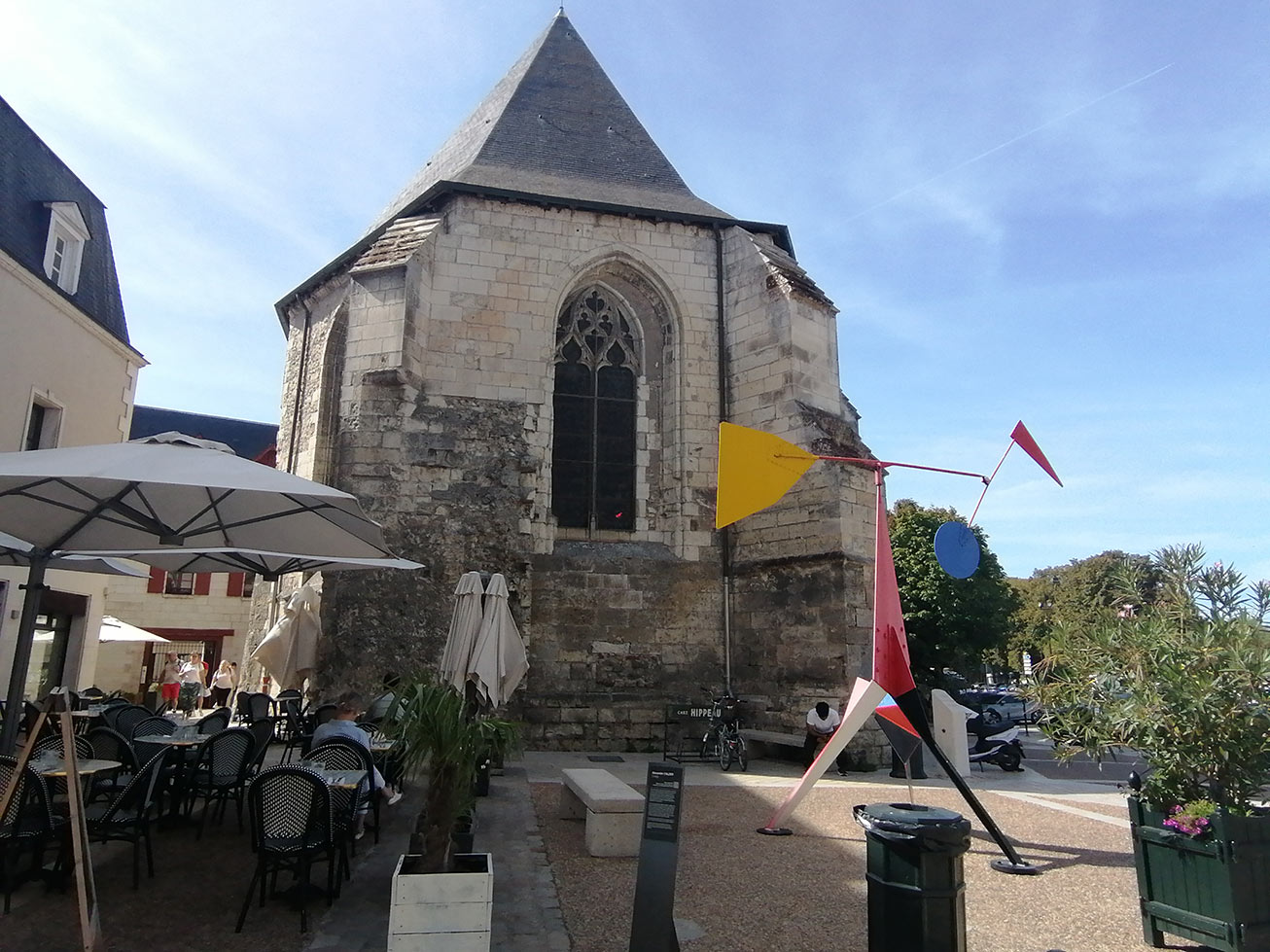
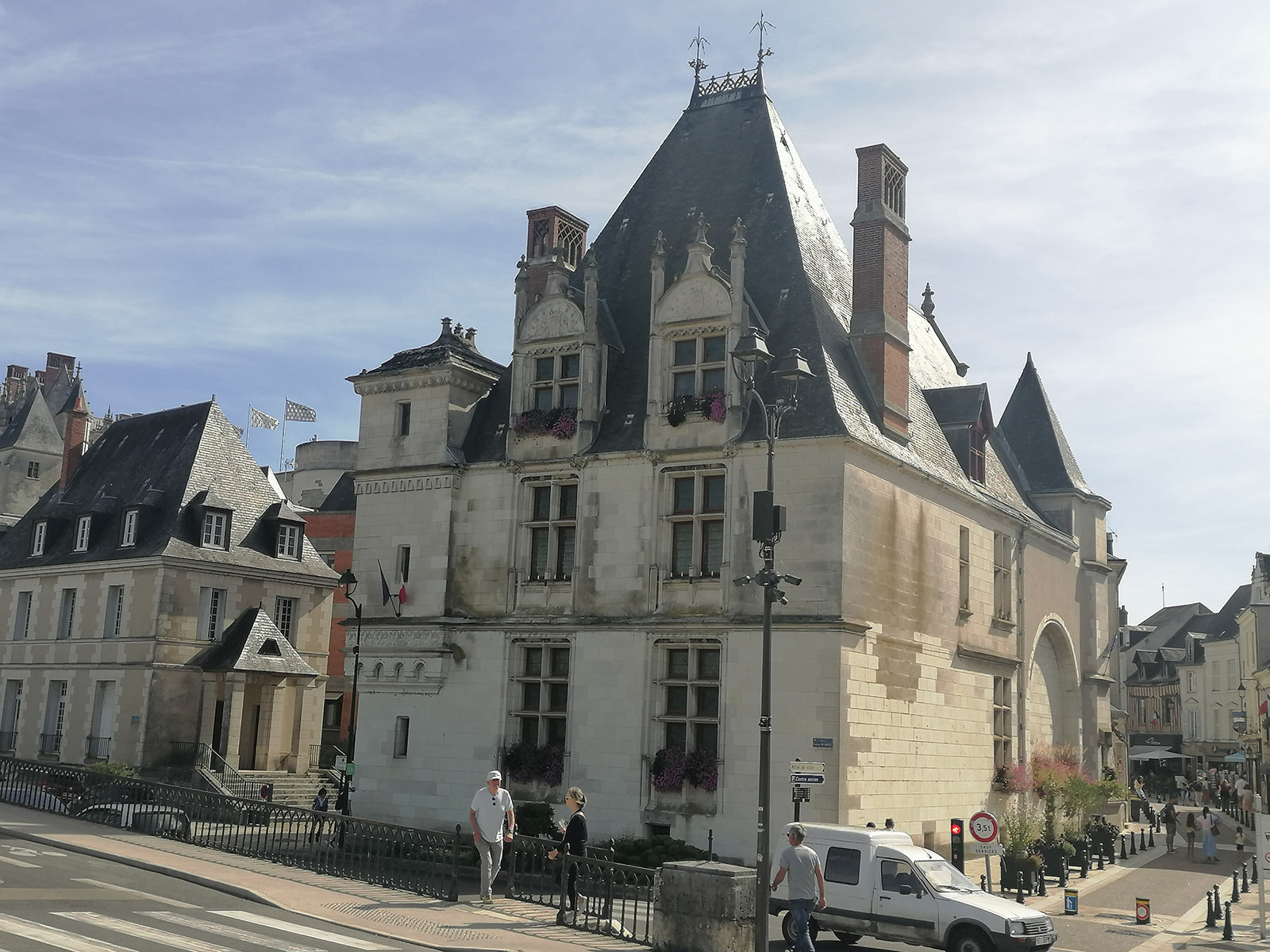
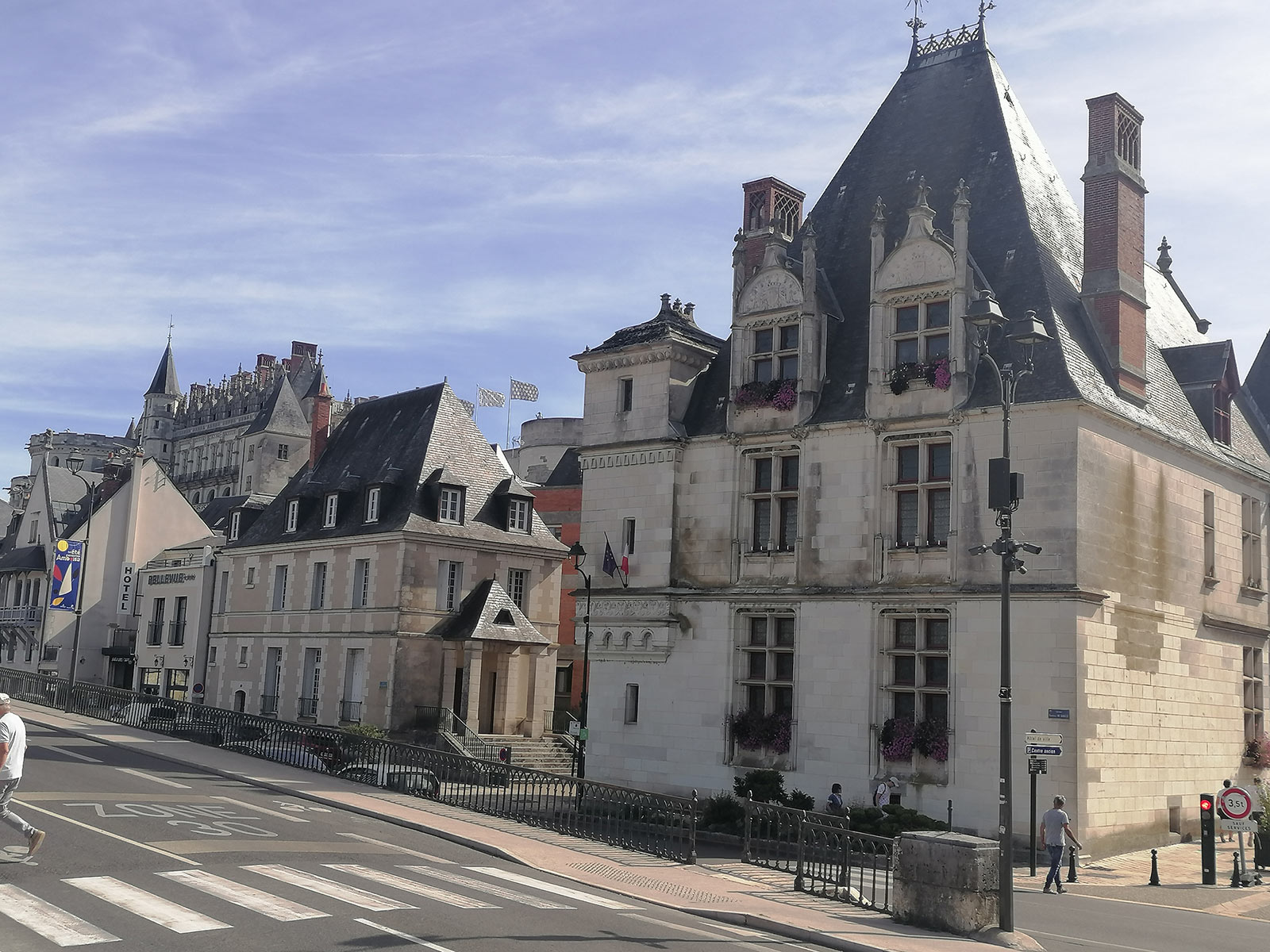
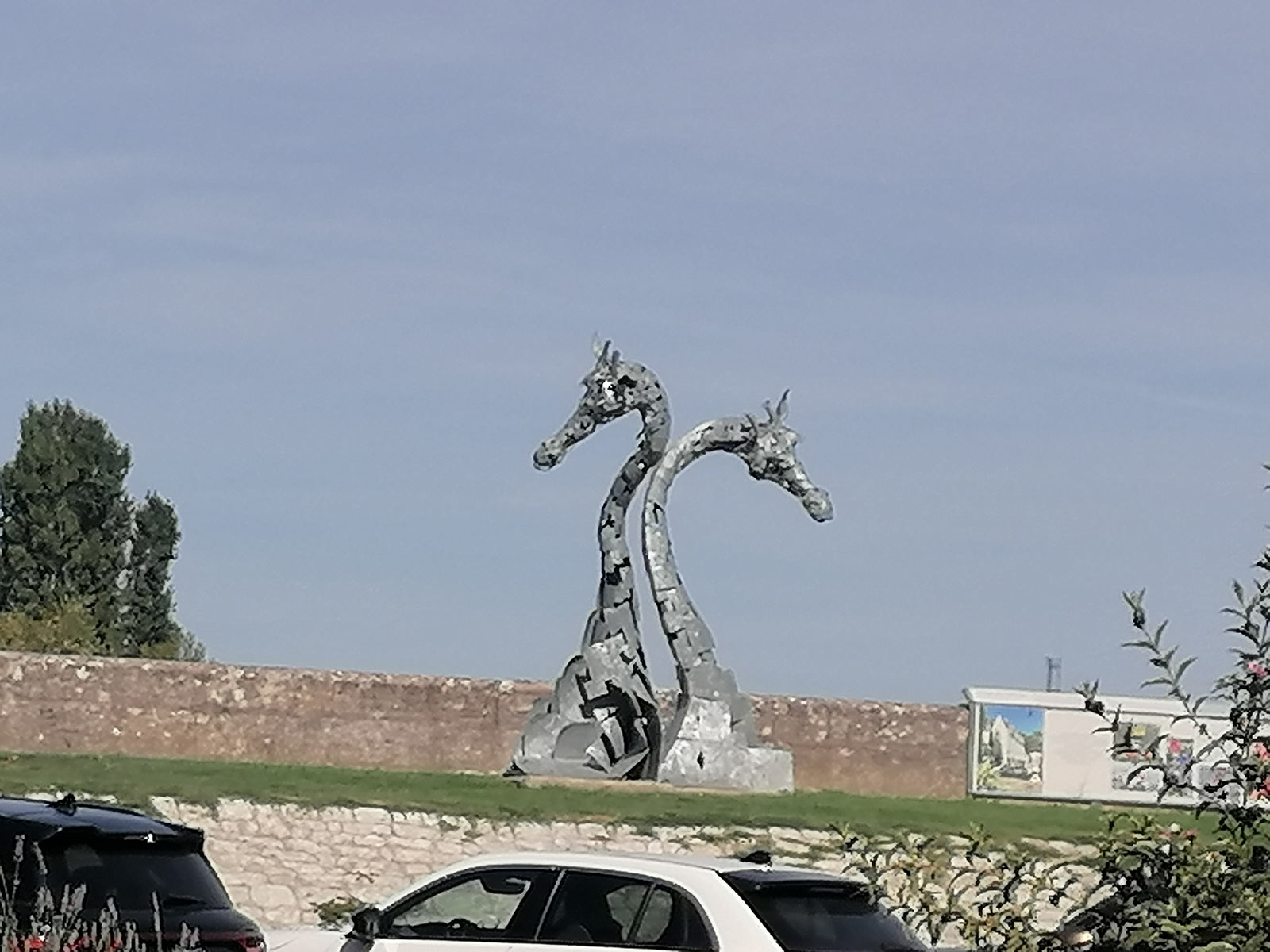
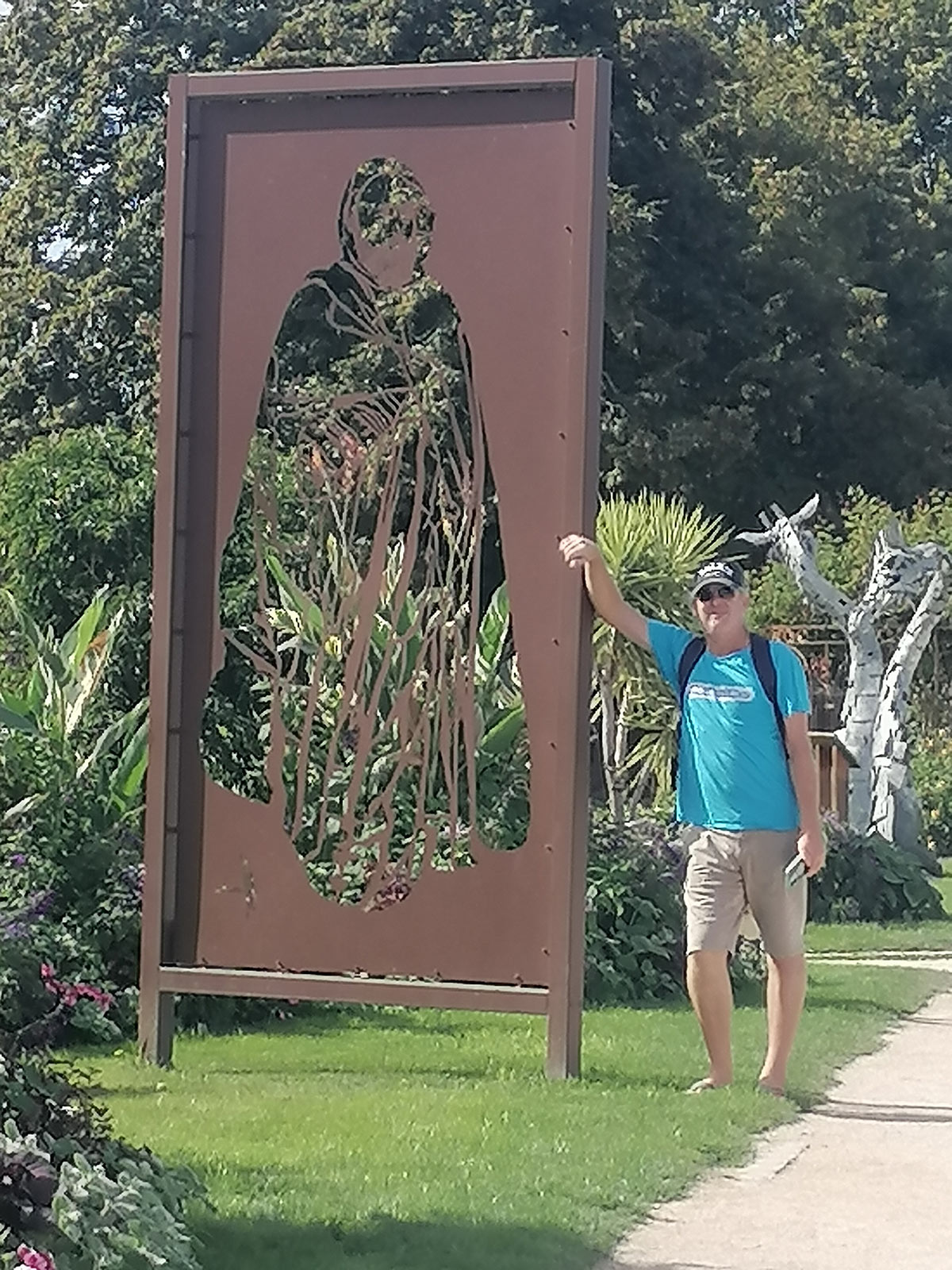
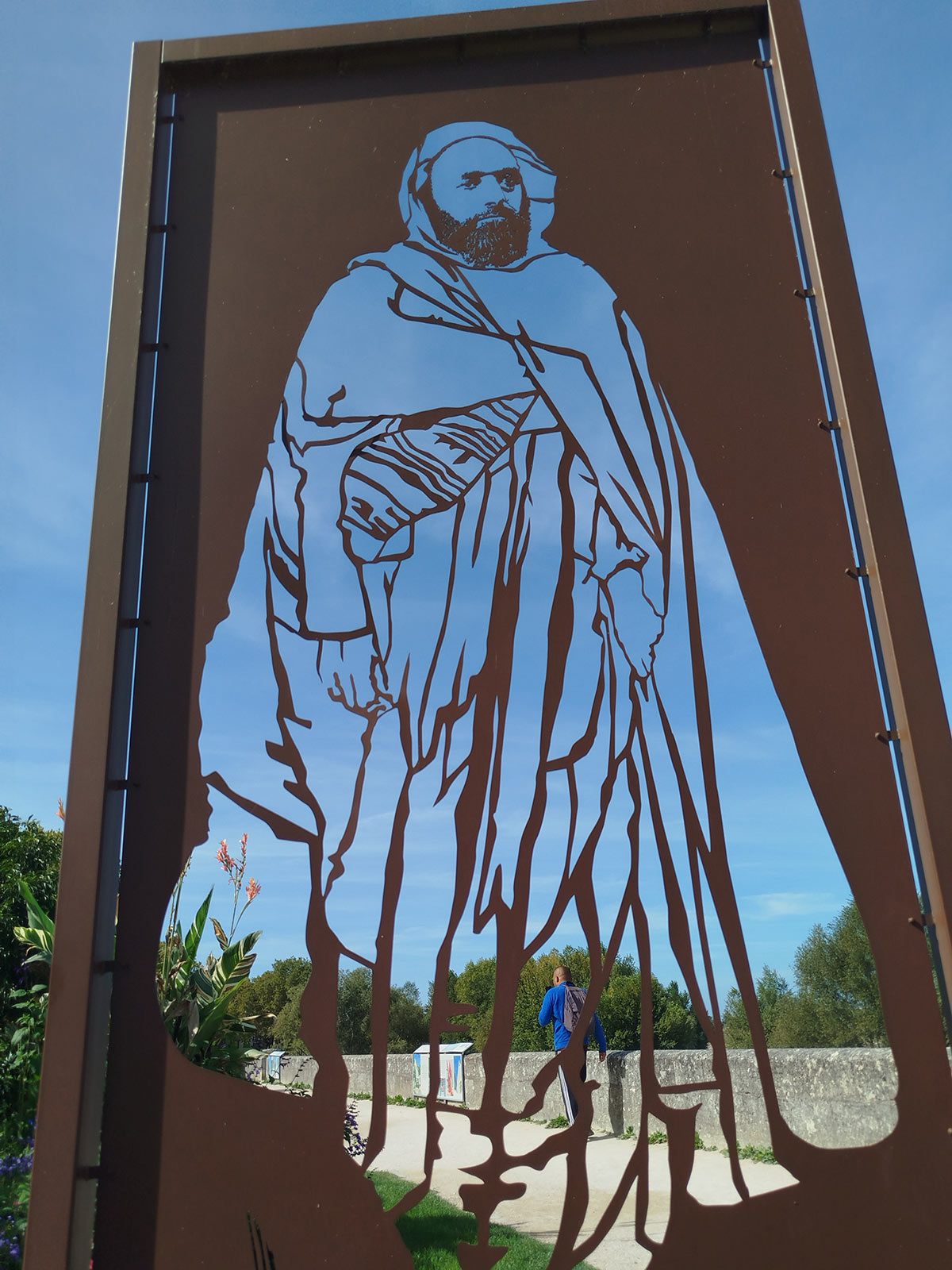
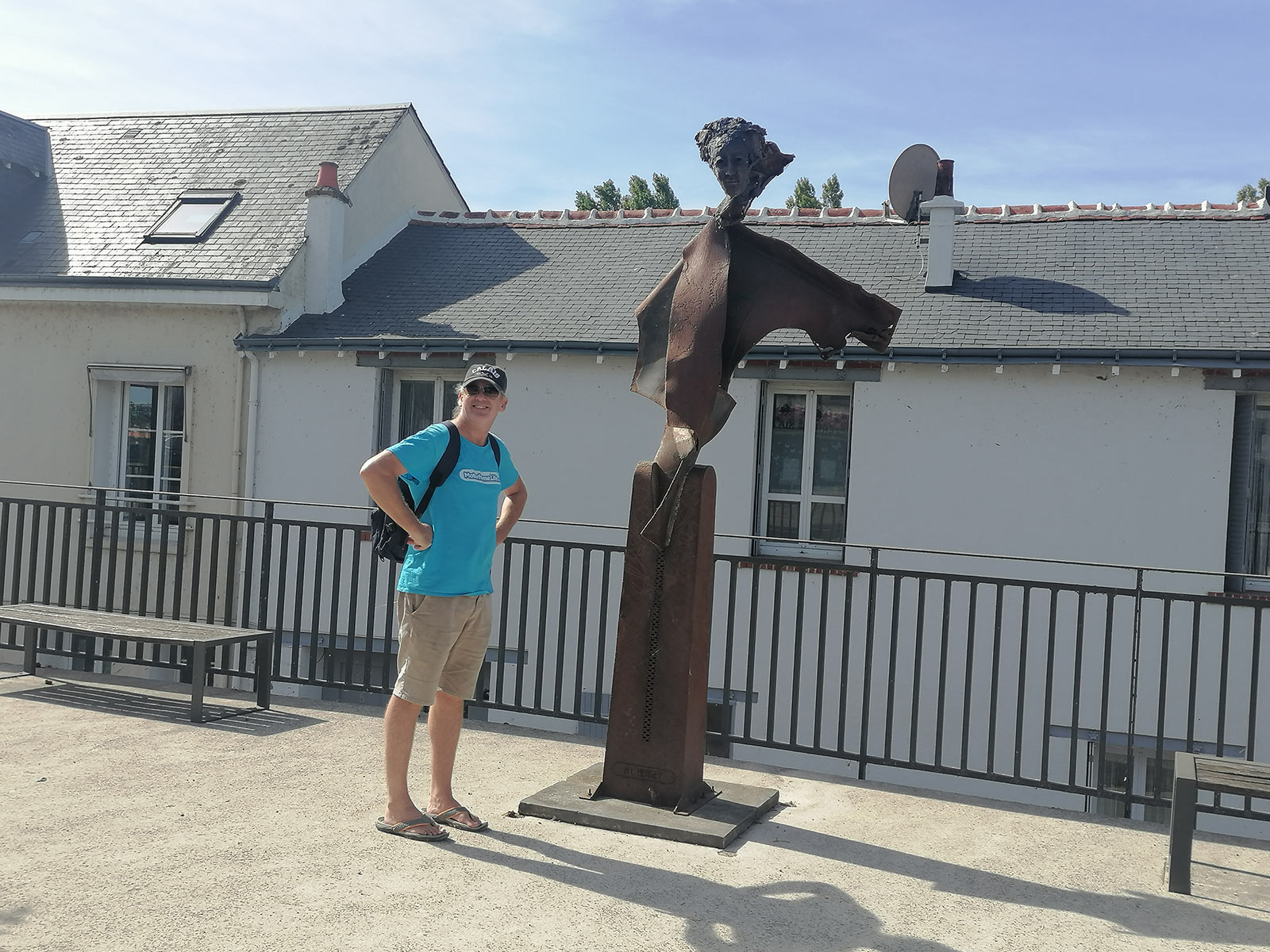
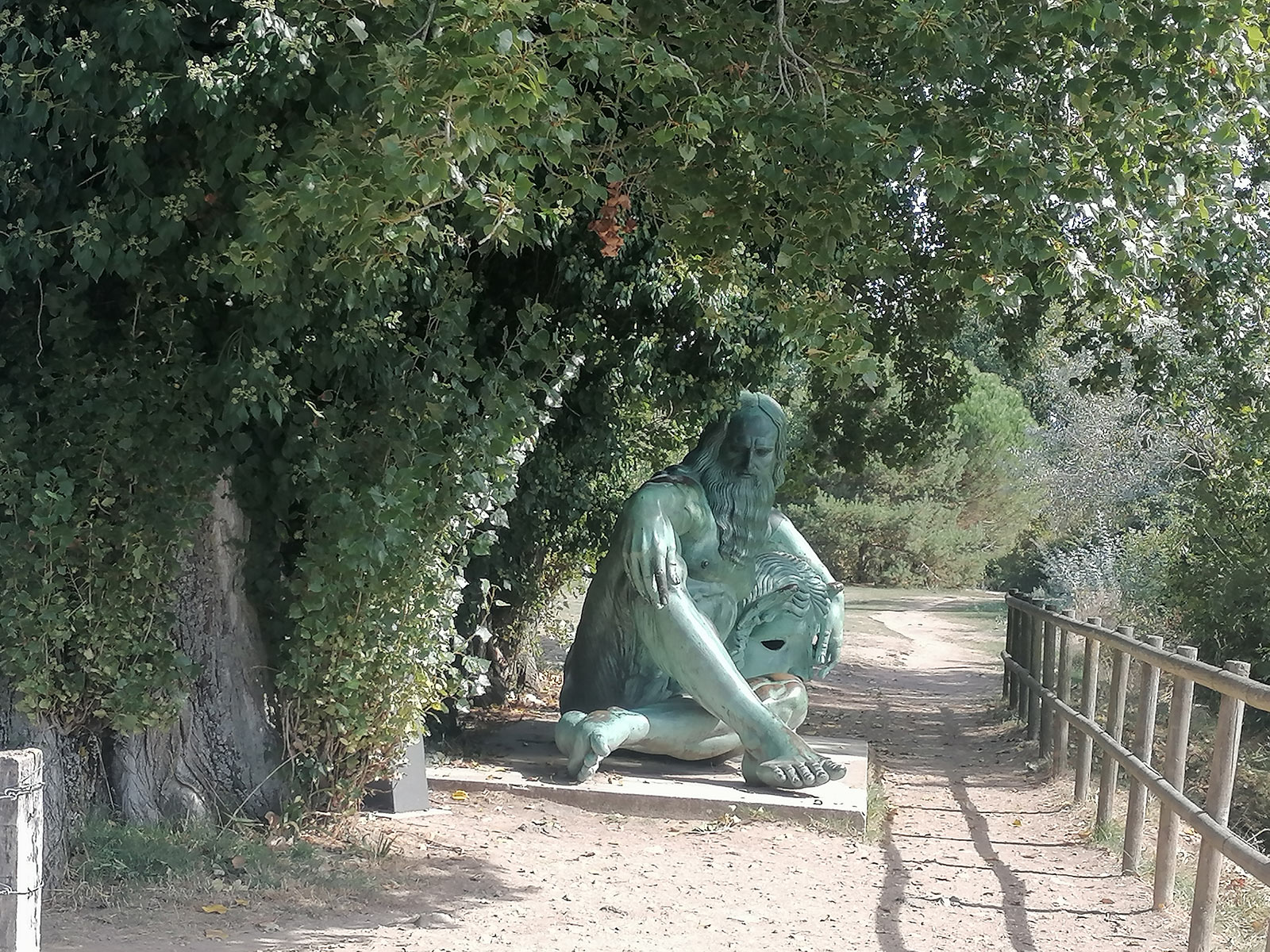
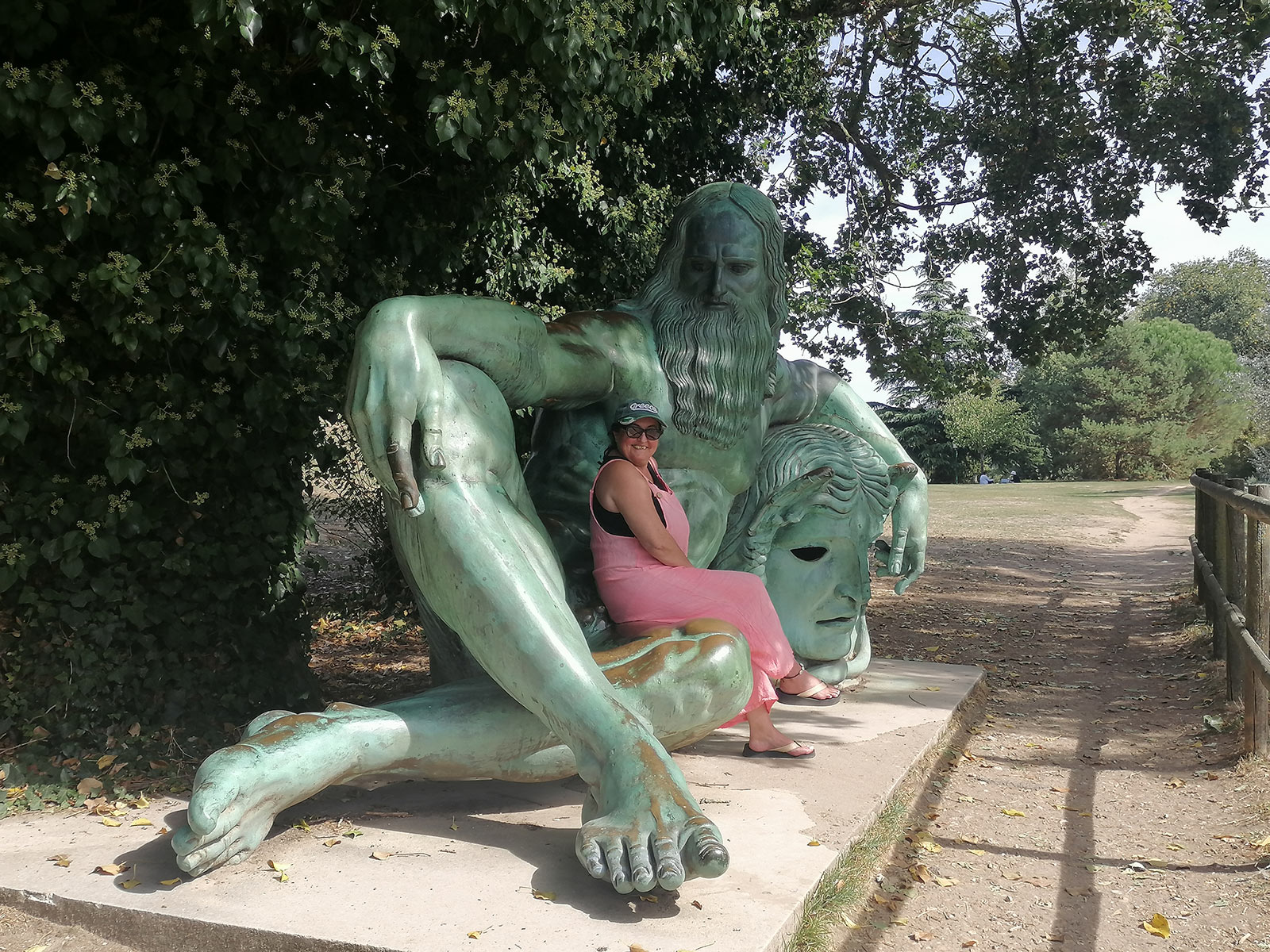
We returned to the park where you can see a statue of Leonardo da Vinci. We walked along the Loire River until we crossed the bridge, where we encountered an impressive bronze statue of Leonardo da Vinci.
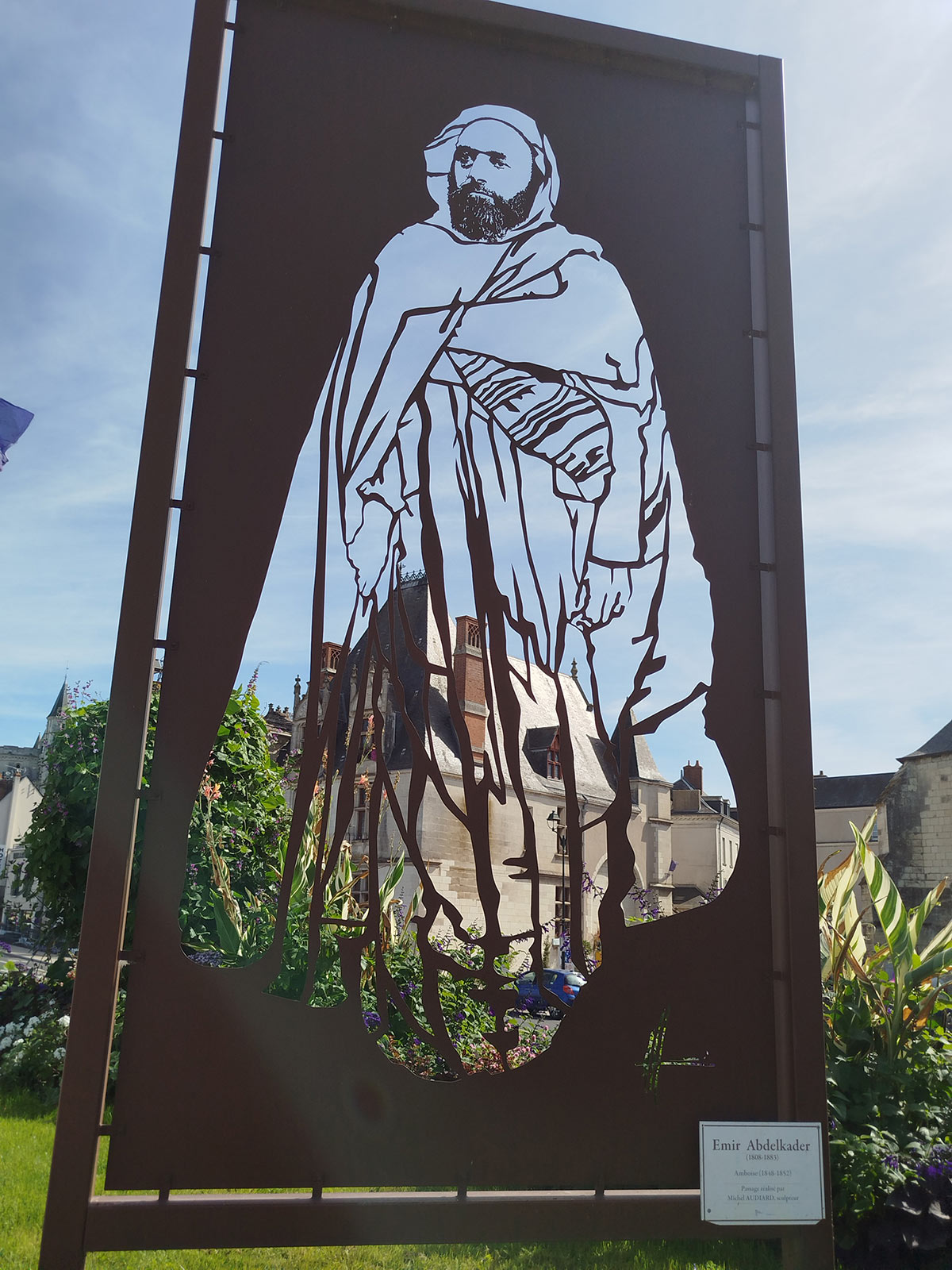
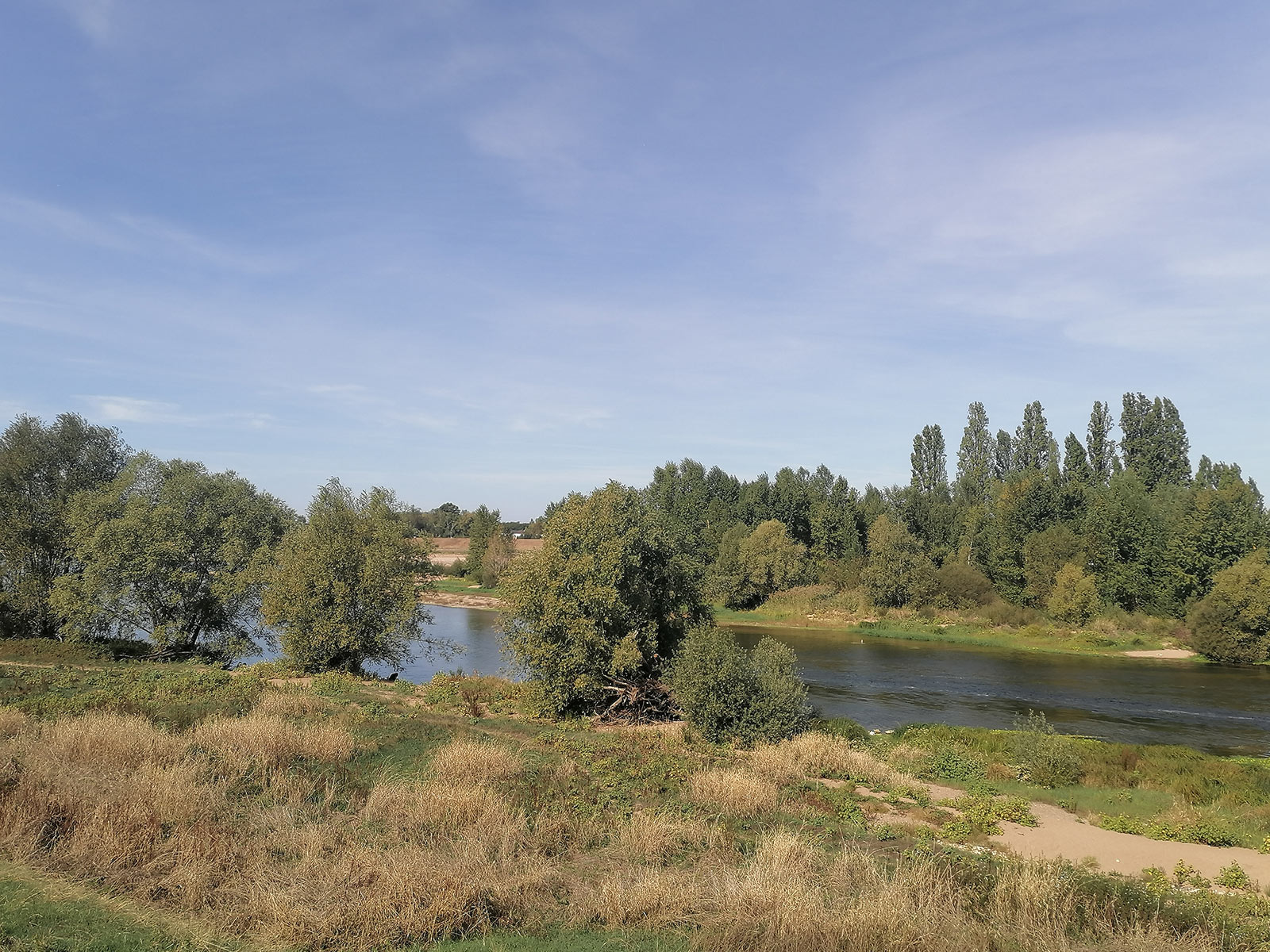
The next day, we headed to Saint-Benoît—a small town by the Clain and Miosson rivers, home to a 7th-century abbey which you can see in the next post.
1 reaction


Be the first to comment