Spain – Zamora (En)
Zamora surprised us immensely to be a beautiful Roman city, surrounded by well-preserved defensive walls and gates, offering stunning views of the Duero River and the Roman bridge. We had never seen so many Roman churches together; we were told it’s the city with the most Roman churches in all of Europe, boasting a total of 24 churches from the 12th and 13th centuries. Ben especially loved the area where the castle ruins and the Cathedral are located, all encircled by Roman walls.


Where to stay
There are two free motorhome areas, but one is very small. We stayed in the larger one located on Pisones Street (41.503467, -5.756204 latitude, longitude). The area is next to a park with exercise equipment, a community garden, and a children’s playground. The park is huge, great for walking dogs (which can run off-leash), and has a very affordable beach bar. The area has a water filling and emptying station and shared toilets. There are rubbish bins opposite the entrance to the area. It’s a three-minute walk to a supermarket and five minutes to Zamora Castle and Cathedral. I highly recommend it for visiting this magnificent city.




What to see
We went first to the castle area since it’s very close to the city centre, and on the way, we passed our first Romanesque church. You walk under the walls and climb some stone steps to the Portillo de la Lealtad (Gate of Loyalty), formerly called the Portillo de la Traición (Gate of Treason), which was the main access to this part of the city, built during the 11th and 12th centuries. Just after passing under the gate, you come across the Church of Carmen de San Isidoro, built in the 12th century, which was temporarily closed.


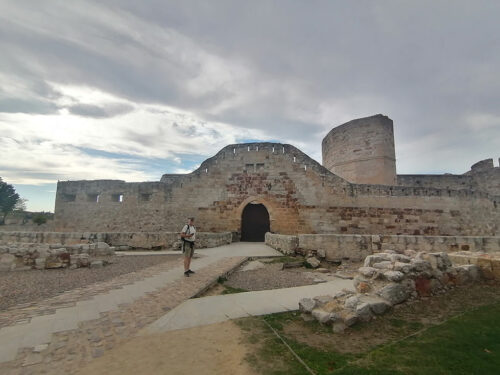
Then we explored the exterior of the fortified complex that is the Castle, as we were unlucky enough to find it closed that day, but it’s open the rest of the week. You can see the medieval gate of the Castle, as well as the 18th-century ravelin with a bridge over the moat leading to the castle.




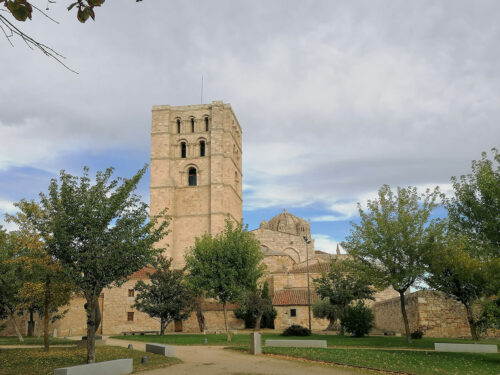
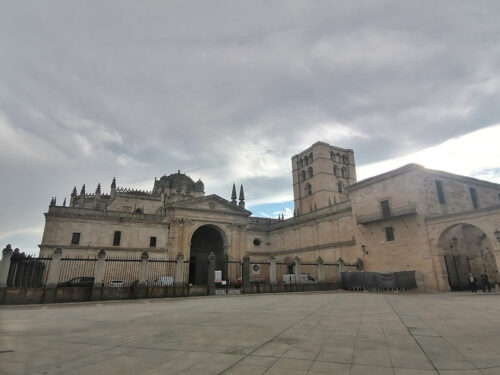
Opposite the Castle stands Zamora Cathedral, which features a Byzantine dome, a Romanesque tower, and a Neoclassical cloister. The cloister houses the Cathedral Museum, with a collection of Flemish tapestries. In front of the cathedral’s apse is the Palace of Arias Gonzalo, traditionally considered the “House of El Cid” and declared a historical monument in 1931. It retains its western façade from the late 12th century. Passing through an archway, you emerge onto a wall with views of the Duero River and the Roman bridge; the views are beautiful.


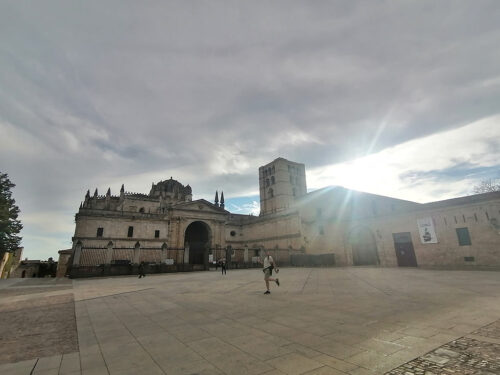


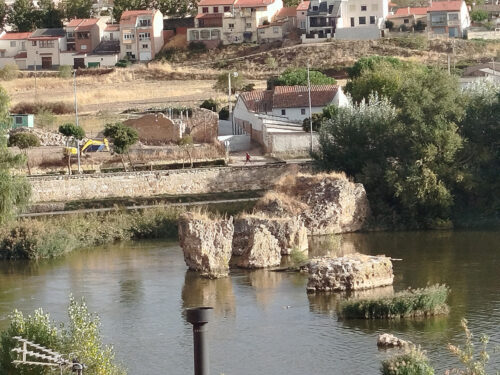
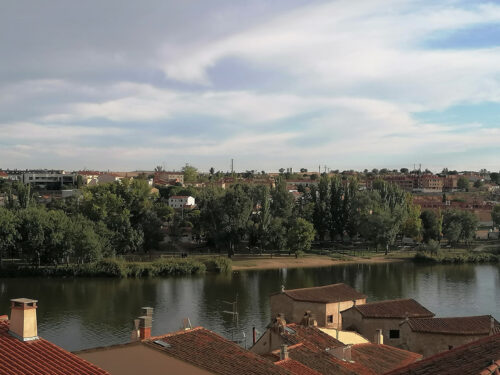
From there, we walked down the narrow streets of the old town, passing the tourist office and taking more photos of the Roman bridge when we couldn’t find it. We saw the Church of St. Peter and St. Ildefonso, which we were able to go inside, and the Church of Saint Mary Magdalene, declared a national monument in 1910, which we couldn’t see because it was under construction.


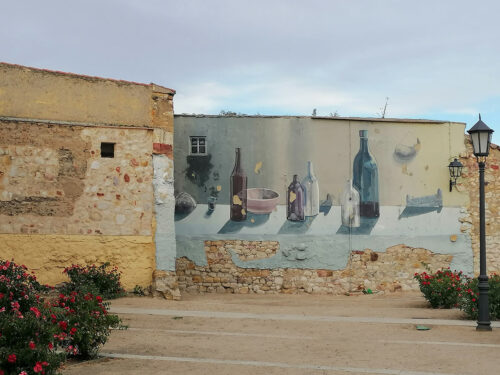


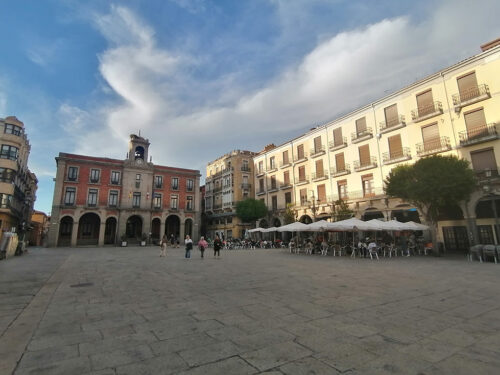
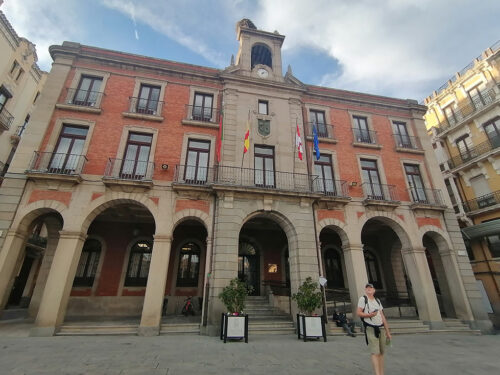
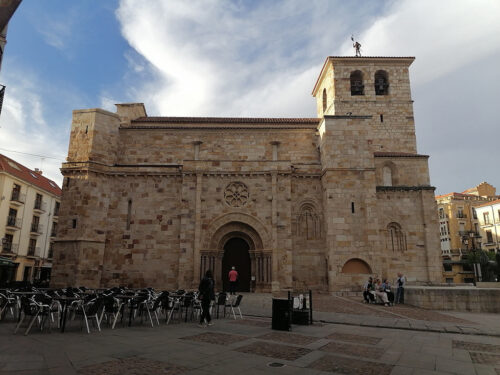
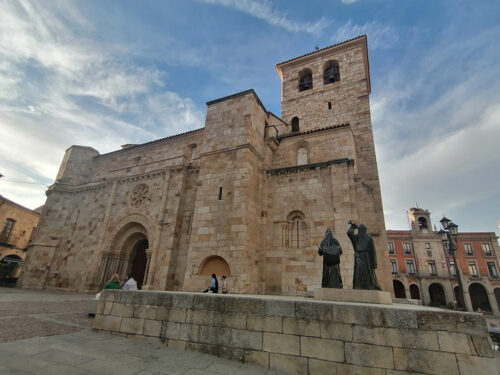
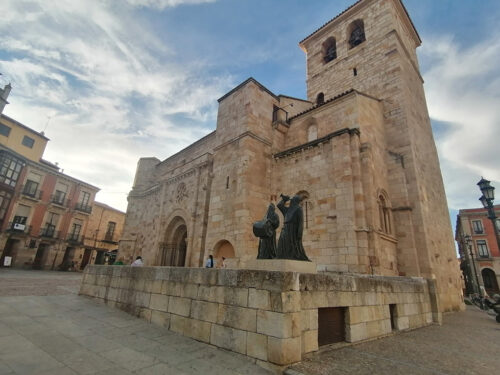
We continued our tour through the old town, where we saw an exhibition of works by Ramón Álvarez, a sculptor of religious images, until we arrived at the town hall square. It’s a very pretty square with bars around it, and in the centre stands the Church of St. John of the New Gate, built around the year 1100 next to a city gate, which gave it the name “new gate.”






And we turned back, circling the walls, to finish our visit to this incredible city, one of Ben’s favourites now.


Our next stop is Salamanca, known for its ornate sandstone architecture and its University, where we met my cousin Cari and her husband, who showed us around the city, which you can see in the next blog post!

