Germany – Bavaria – Altötting (En)
Altötting is one of the most important pilgrimage centres in Germany. For 500 years it has been the site of religious pilgrimages by Catholics in honor of Mary, including a visit by Pope John Paul II in 1980 and one by Pope Benedict XVI in 2006.
Where to stay
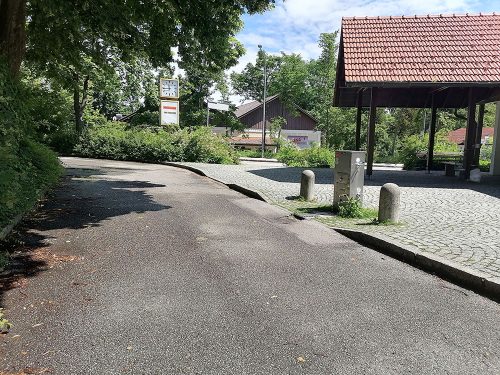
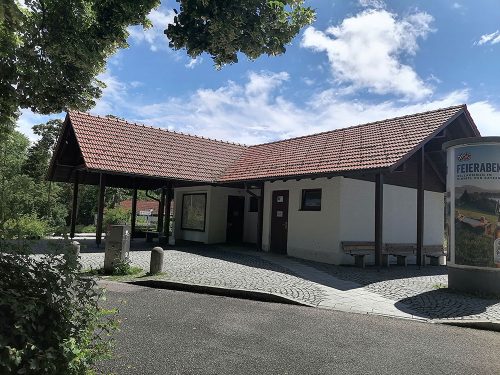
We stayed in the town’s free motorhome area (48.229698, 12.6747 lat, long). It is completely free and you can have electricity for 1 euro. Grey and black water emptying is available and toilets are cleaned with paper. Water is 1 euro per 100 litres. It is 5 minutes from the incredible town square. We recommend it and thank the town for this area. You must visit this beautiful town!
What to see
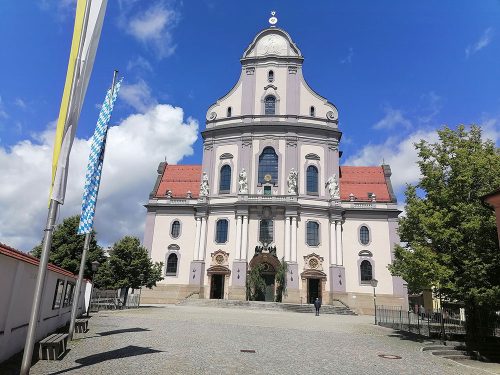
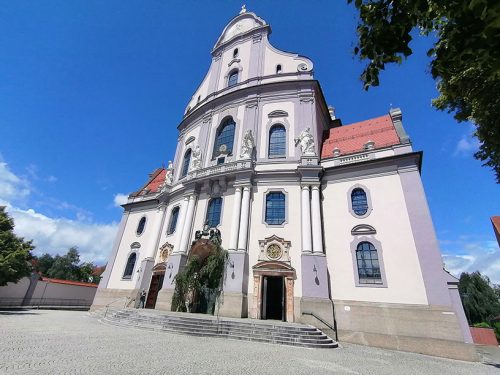
We walked and the first thing you find is the Basilica of Saint Anne with neo-baroque architecture, when it was built in the 20th century it was the largest church in Germany. Today it remains the largest church in Altoötting. The building itself was built with an impressive baroque style façade.


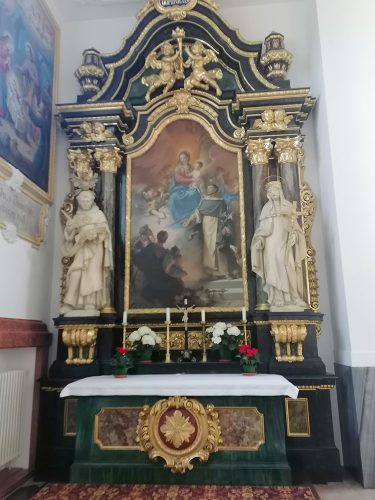
In the same square is the Treasury Chamber and the Altoetting Pilgrimage Museum. Here you will find a variety of valuable cultural objects, including the famous Golden Horse shrine, which was a gift from the French Queen Elizabeth of Bavaria and is said to be one of the most precious works of art in Europe.
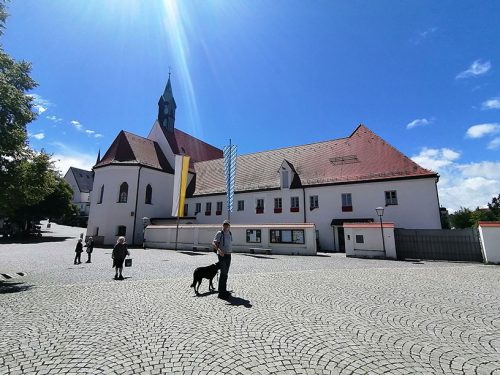
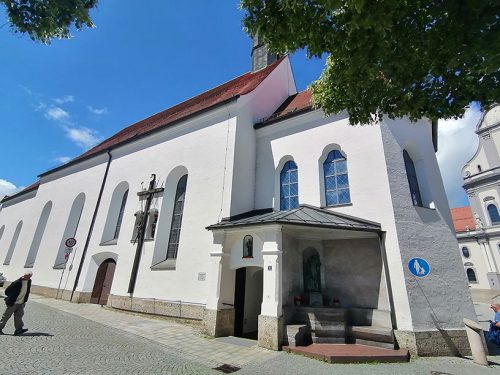
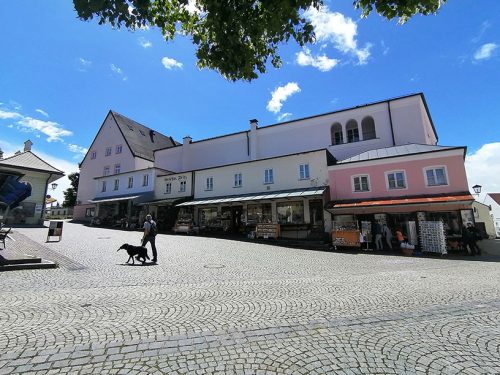
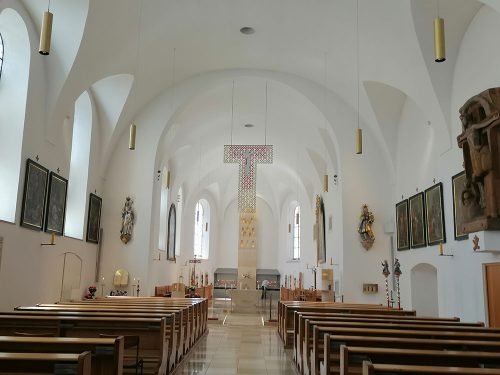
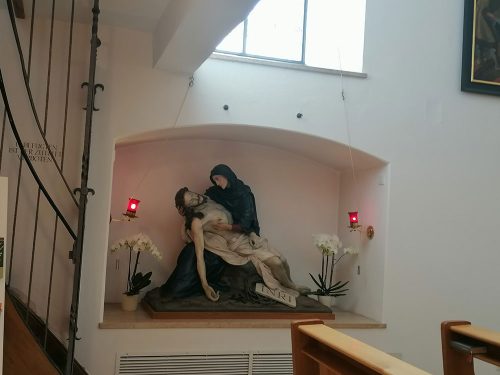
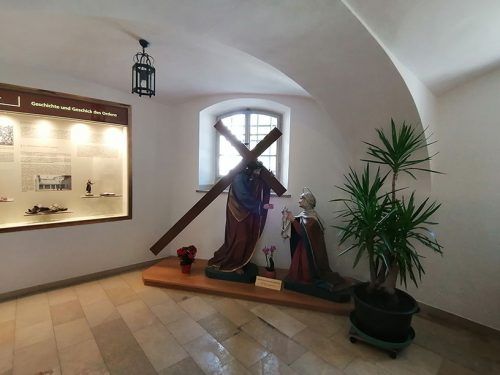
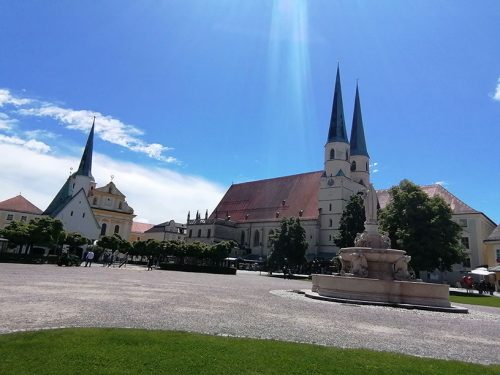
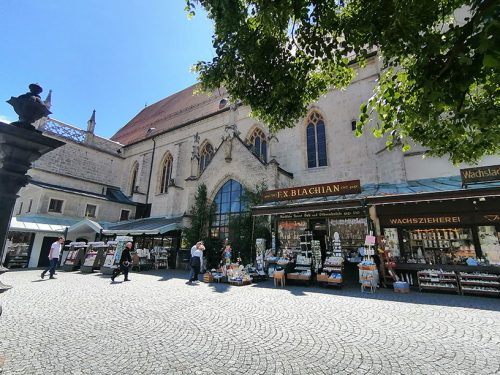
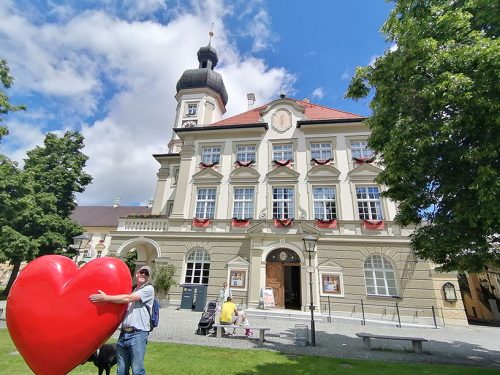
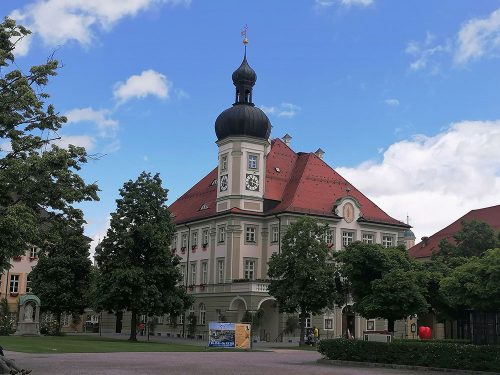
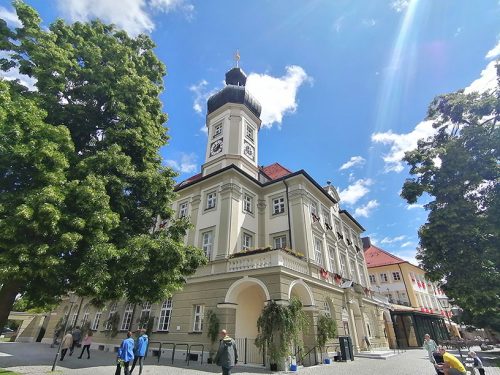
You go up a street full of religious shops and arrive at the impressive town square, surrounded by impressive buildings, restaurants and where the town hall is located.
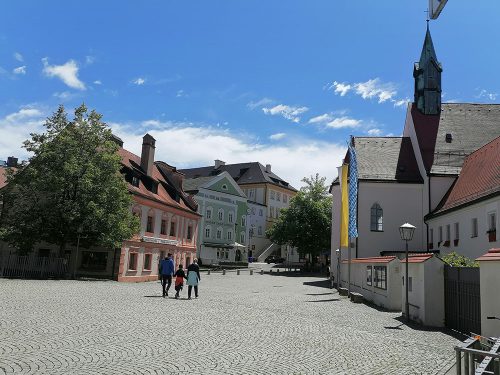
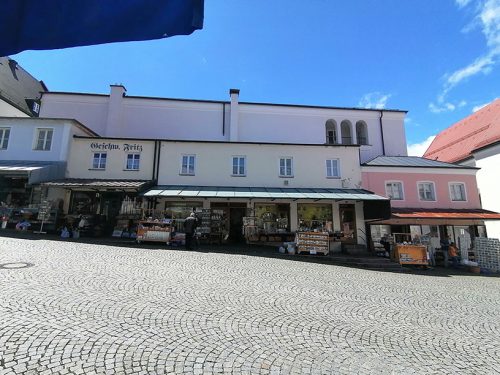
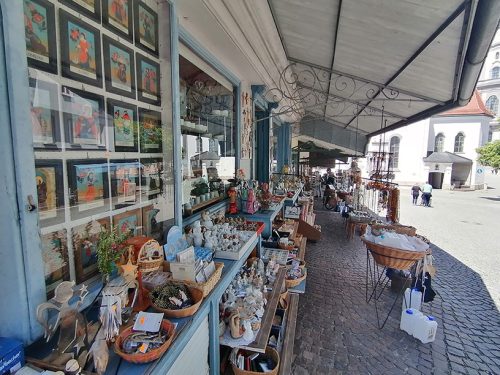

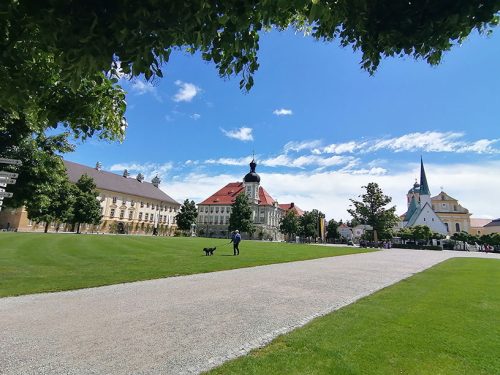
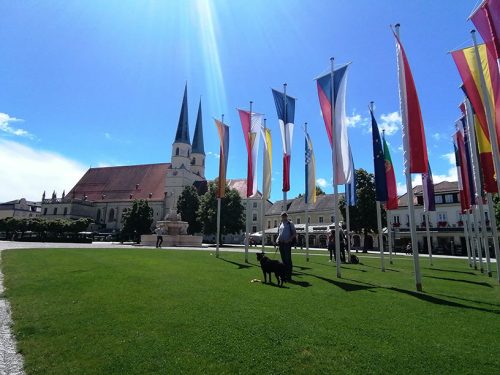
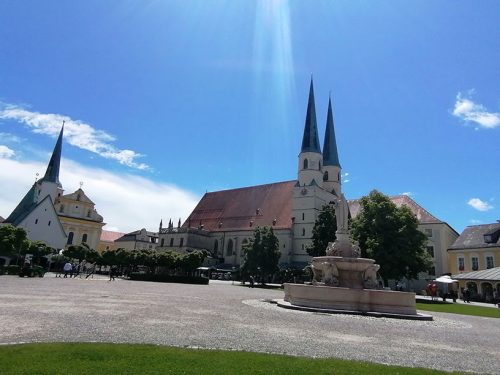
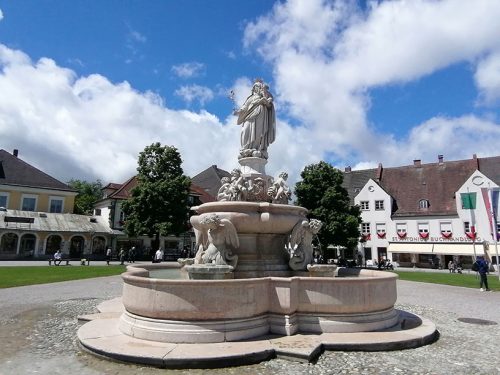
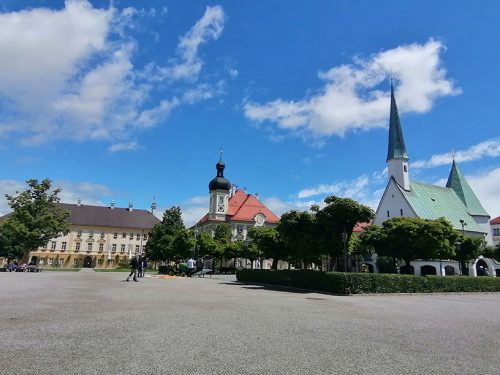

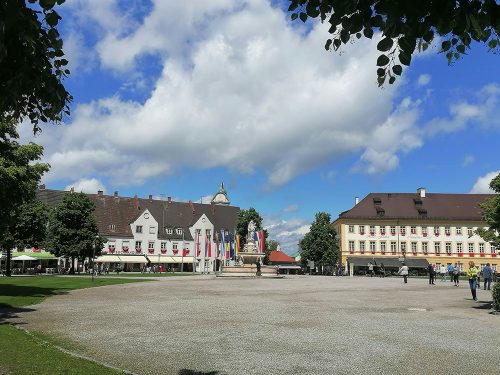
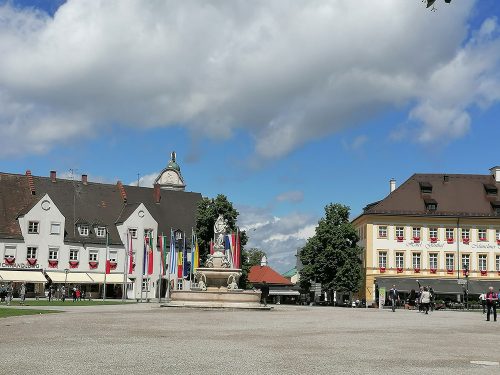
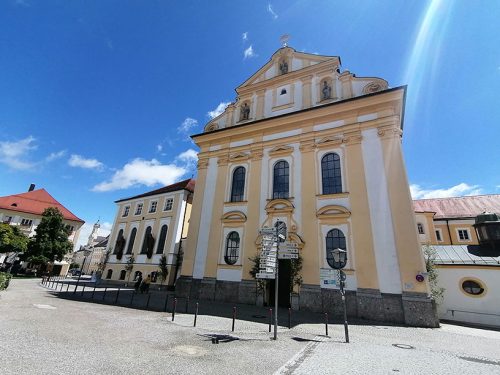
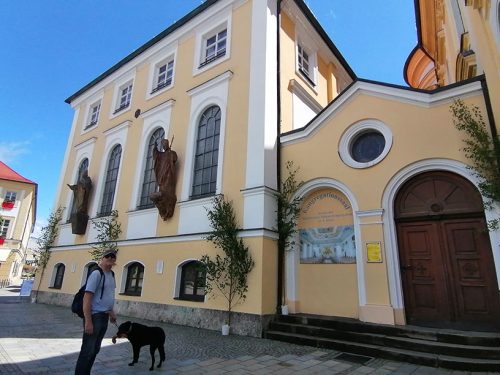
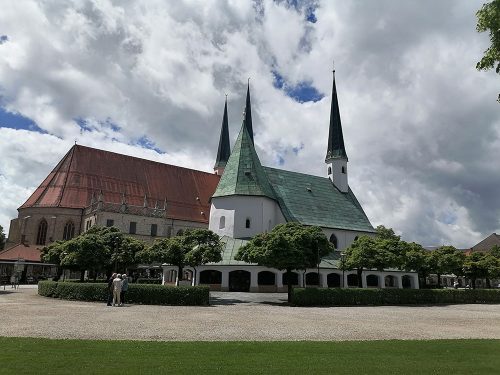
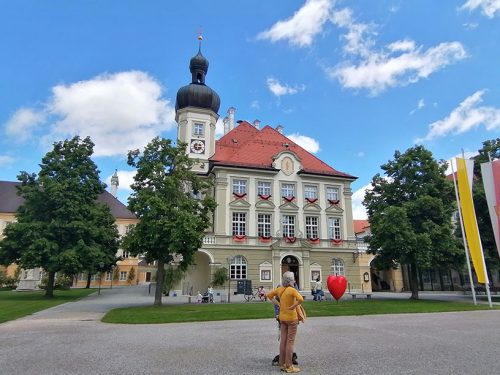
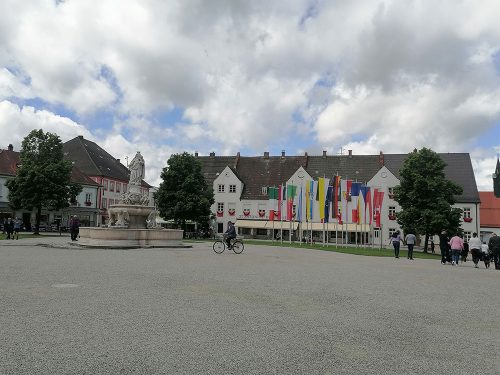
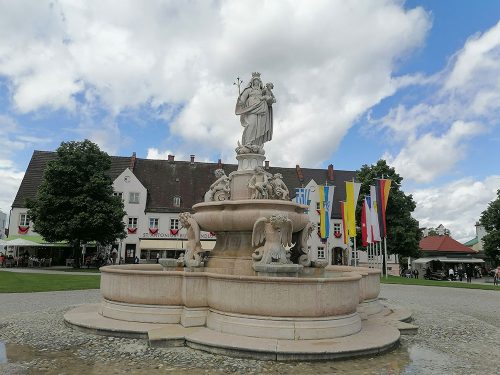
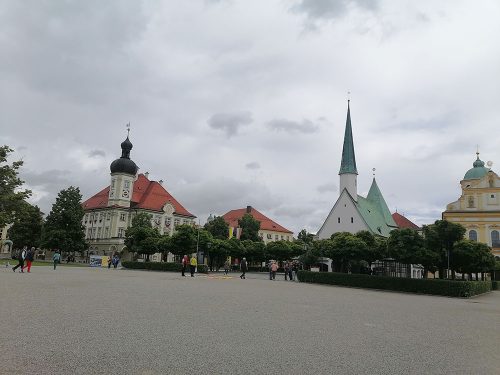
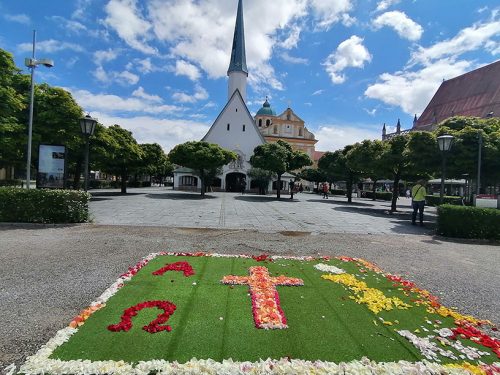
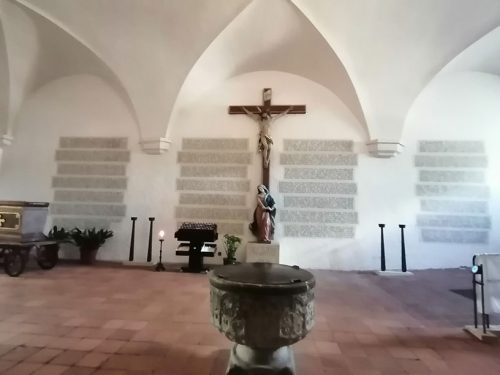
Among the buildings, the Chapel of Grace stands out, dating back to around AD 700, is Bavaria’s national shrine and Germany’s oldest Marian shrine. The tiny octagonal chapel houses silver urns containing the hearts of Bavarian Kings and a famous Virgin Mary statue called “Black Madonna” made of a darkened lime tree or coniferous wood.
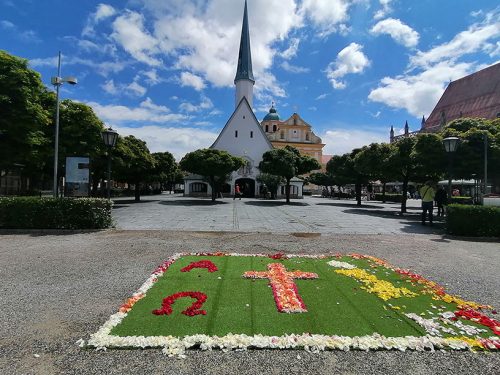
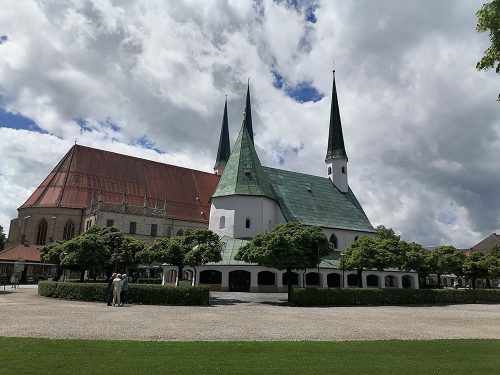
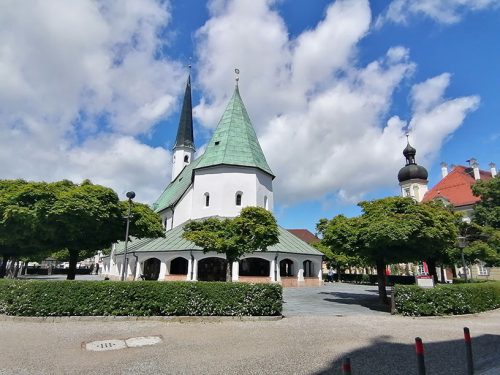
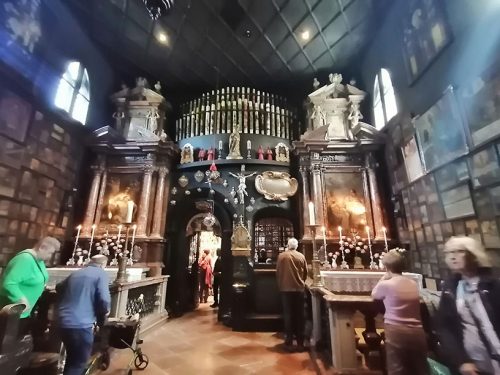

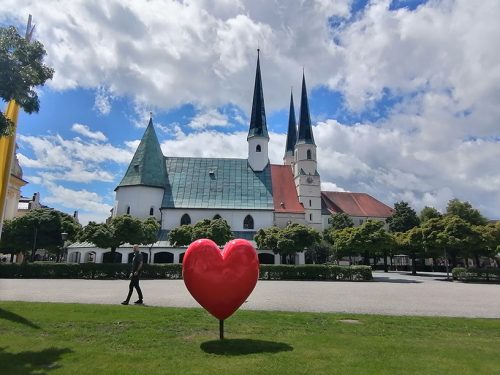
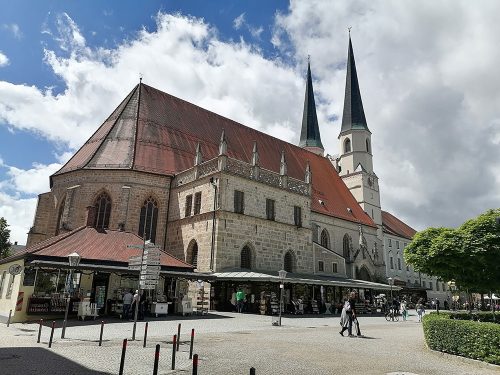
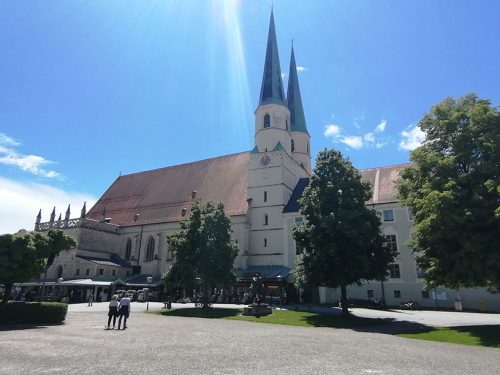
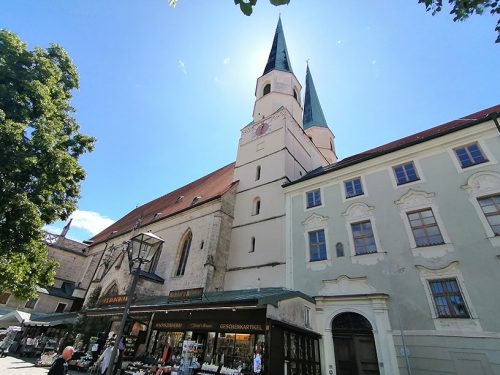
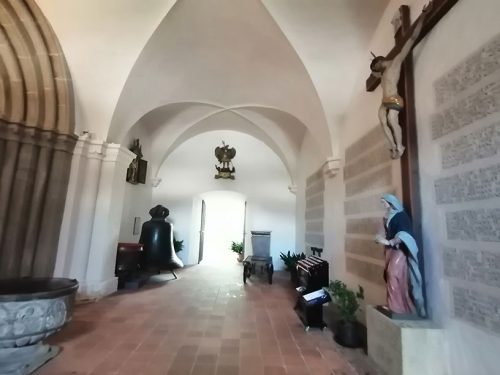
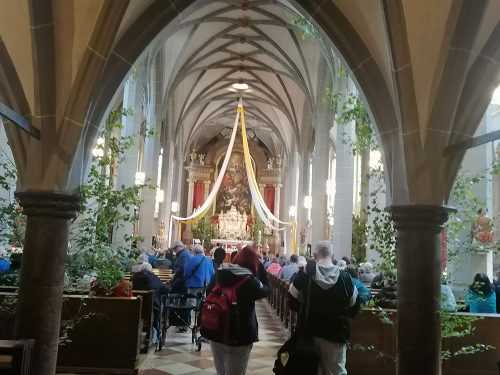
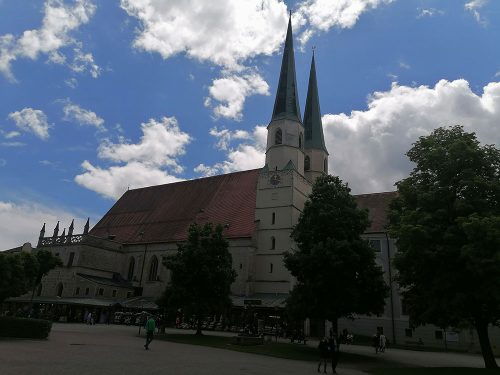
Another of the buildings that must be seen is the Collegiate Church of Saints Philip and James, this monumental Catholic church was founded in 1228. Stiftspfarrkirche has two imposing towers and an ornate interior with several paintings and murals, stained glass, and a large organ. The church has been rebuilt various times, with its current facade representing a late Gothic style.
What to eat
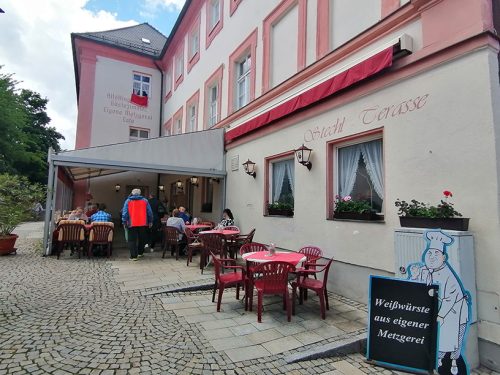
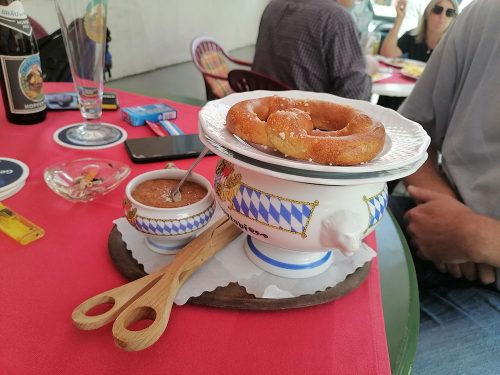
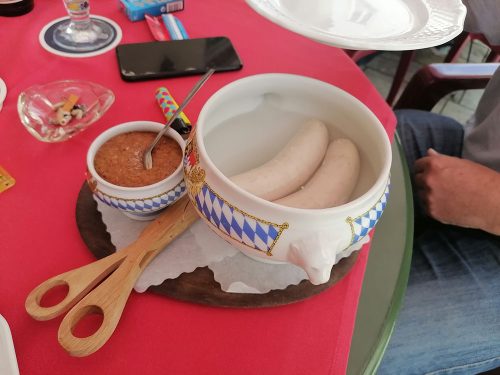
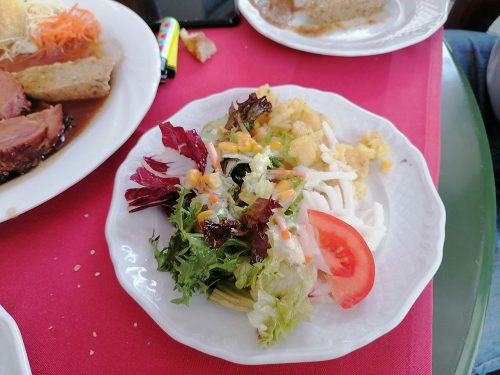
We went to lunch at a restaurant in an alley off the main square that seemed well-priced, full of local customers and offering typical dishes. We decided to share first, the typical Bavarian style sausages served in a taurine, with pretzels and a mustard-like sauce that I didn’t like but Ben loved, and for the second a plate of gammon, meatloaf and roast pork with dumplings of potato and cheese and salad. The sausages were 7 euros and the meat plate was about 12 euros. We didn’t like the sausages very much because they were boiled but the meat was delicious!


After spending several days in this charming town we went to Passau, the city on the three rivers Danube, Inn and Ilz, with immense artistic and architectural wealth, which you can see in the next post!

